
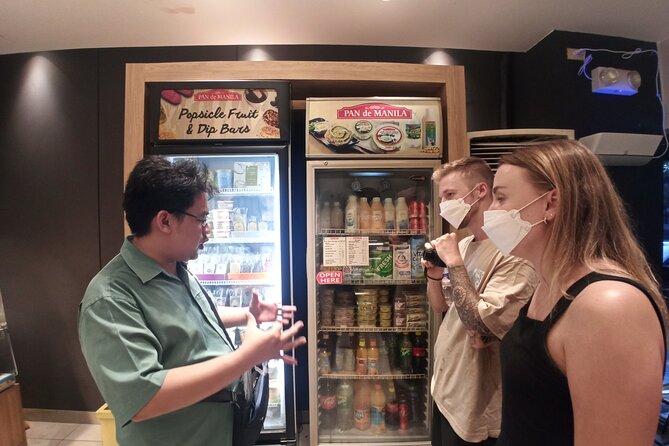
Manila Food Tour: Introduction to Philippine Street Food
Manila rewards curious eaters. This three-hour food walk is a smart way to get past the city’s confusing first impression and into a real neighborhood, where family-run vendors serve the food local residents actually eat. I especially like the 15-plus food and drink tastings and the short tricycle ride, which turns the route into part of the experience. I also like the guide-led introduction to Metro Manila’s eating habits, with practical tips for places to eat and drink after the tour. The main consideration is simple: this is not a vegan-friendly outing, and anyone who dislikes unfamiliar textures or sweet foods should tell the guide early.
The tour begins inside the Starbucks near the main gate of California Garden Square in Mandaluyong City. From there, you move through several local stops, including restaurants, bakeries, and a bar, before returning to the same meeting point. Chloe has earned praise for being warm and entertaining, while Jian brings strong knowledge of Filipino food and local history, so your experience may depend on which guide leads your group.
In This Review
- Key points to know before booking
- Why this is a useful first taste of Manila
- Meeting at California Garden Square in Mandaluyong
- The tricycle ride makes the route feel local
- Four local restaurants and a wide savory sample
- Local bakeries bring a different side of Filipino food
- Beer, juices, and the social side of the tour
- The guides shape the experience
- What the neighborhood setting adds
- Who will enjoy this food tour most
- Practical details that affect your decision
- Should you book the Manila food tour?
- FAQ
- Where does the Manila food tour meet?
- How long does the food tour last?
- How many foods and drinks are included?
- Are alcoholic drinks included?
- Is hotel pickup included?
- Is the tour suitable for vegans?
- What should I bring?
Key points to know before booking
- More than 15 tastes in three hours: Expect a broad sampling of Filipino street food rather than one large meal.
- A tricycle ride starts the route: The short local ride takes you from the meeting point to the food area.
- The neighborhood is the setting: You eat in a place used by local residents, not on a polished tourist strip.
- Drinks are part of the price: Tastings include local juices, bottled water, beer, and other alcoholic and nonalcoholic drinks.
- The guides add real value: Chloe and Jian are praised for warmth, storytelling, food knowledge, and flexibility around personal tastes.
- Come ready for a relaxed food crawl: Wear comfortable shoes and clothes, and plan for rain or shine.
Why this is a useful first taste of Manila
Manila can be hard to read at street level. Traffic, large shopping centers, scattered neighborhoods, and a huge number of places to eat can make it difficult to know where to begin. A local food tour solves that first problem by giving you a fixed meeting point, a guide, and a clear route through one community.
I like that this experience does not try to make Filipino food seem fancy. You move from small local restaurants to food vendors, a bakery, a bar, and another bakery for dessert. That mix helps you understand how people eat through the day, with quick savory snacks, grilled food, fried bites, drinks, and something sweet at the end.
The setting matters just as much as the food. You are not simply sitting in a restaurant while someone explains the menu. You are moving through a neighborhood and seeing where the food is sold. The tour offers a more grounded introduction to Mandaluyong and gives you a better sense of daily life than a standard restaurant meal would.
The tour costs $60 per person. That is not a bargain by Philippine street food standards, since the individual dishes are generally inexpensive. But the price covers an English-speaking guide, the tricycle ride, more than 15 tastings, alcoholic and nonalcoholic drinks, and bottled water. You are also paying for the time spent selecting stops, handling the route, explaining the dishes, and helping you order with confidence.
For a first afternoon in Metro Manila, I think the price can make sense. It is less attractive if you already know the city well or prefer to explore food stalls independently. The value rises if you want a broad tasting without spending time guessing where to go.
Meeting at California Garden Square in Mandaluyong
The meeting point is inside the Starbucks near the main gate of California Garden Square in Mandaluyong City. This gives you a clear place to begin, but hotel pickup and drop-off are not included. You need to make your own way to the meeting point and return from there at the end.
That arrangement keeps the tour focused and helps hold down the cost. Still, allow enough time to reach the meeting point, especially if you are unfamiliar with Mandaluyong or are crossing Metro Manila during a busy period. The tour begins and ends at the same Starbucks, which is useful if you want to leave your day bag or continue elsewhere after the food crawl.
The supplied location information also refers to Nueva Vizcaya, while the detailed meeting instructions place the tour in Mandaluyong City. I would confirm the exact starting location when booking so there is no confusion. The meeting point given for the experience is California Garden Square in Mandaluyong.
The tricycle ride makes the route feel local
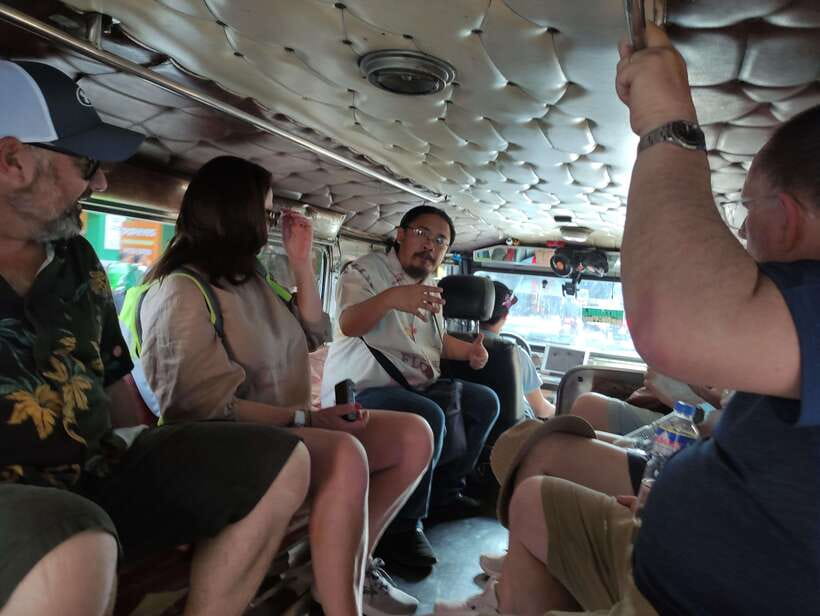
After a short orientation, you take a tricycle to the starting area for the food stops. This is a small but important part of the outing. Instead of walking directly from a central meeting point into a restaurant, you get a quick taste of a common local form of transport.
The ride also helps connect the polished Starbucks meeting point with the more ordinary neighborhood where you eat. That change of setting is useful. It shows you that the tour is not simply a chain of restaurants selected for convenience.
The description does not give the exact riding time, so expect it to be brief rather than a sightseeing trip. The tricycle is transport, not a substitute for a city tour. You should also be ready for the possibility of rain, since the experience runs in all weather.
Four local restaurants and a wide savory sample
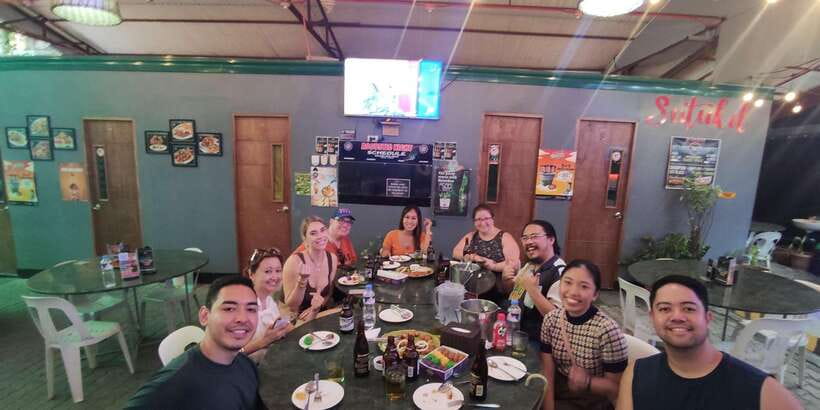
The main body of the tour visits four local restaurants, each with a food tasting. The stops are designed to cover different types of Filipino street food, so you should expect variety rather than four versions of the same dish.
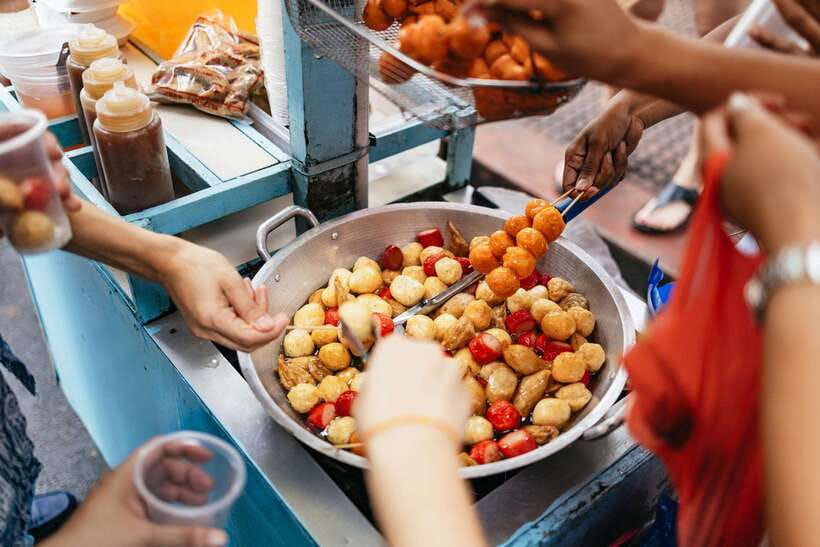
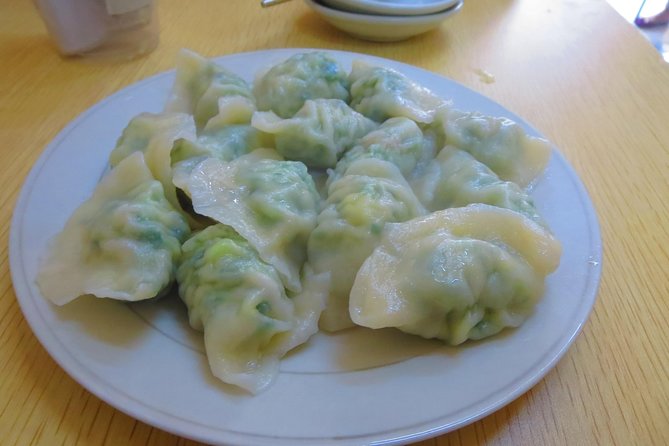
The food listed for the tour includes steamed dumplings, grilled meat on skewers, deep-fried savory items, and sizzling dishes. These categories give you a useful spread of textures and cooking methods. You might move from something soft and steamed to smoky grilled meat, then to crisp fried food and a hot dish served straight from the pan.
That range is one of the tour’s strongest features. Filipino food is not one single flavor style, and a short tasting route can show you its sweet, salty, smoky, fried, savory, and refreshing sides. Small portions are especially helpful here because you can try foods you might not order as a full meal.
You should come hungry. More than 15 food and drink tastes over three hours can add up quickly, even if each serving is modest. Do not eat a heavy breakfast or lunch immediately beforehand, but do not arrive dehydrated either. Bottled water is included, and the guide can help explain what you are trying as you go.
The exact dishes are not fixed in the information provided, so do not book expecting a guaranteed list of named items. That flexibility is part of eating in a local neighborhood, where availability can change. It also means you should see the tour as a food introduction, not a strict menu tasting.
Local bakeries bring a different side of Filipino food
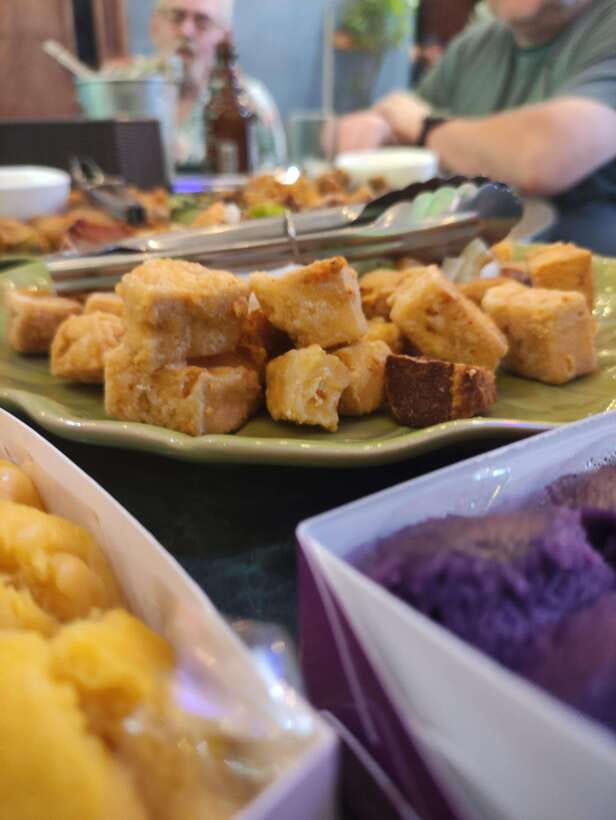
The route includes a local bakery among the savory stops. Bakeries are easy to overlook when you think about street food, but they help show how Filipino eating extends beyond grilled skewers and fried snacks.
A bakery stop can also give your palate a break from salty or sizzling dishes. You may find sweet or savory baked foods, but the exact item is not specified. The guide can explain how the bakery fits into local eating habits and how the food differs from what you have already tasted.
The final bakery is reserved for dessert. The tour ends with a cool, sweet treat before you return to Starbucks. That closing course gives the meal a clear finish, although it may not suit everyone. One guide, Jian, was happy to adjust the experience for someone who did not enjoy very sweet food. Tell your guide early if you prefer less sugar so the final stop can be handled with your tastes in mind.
Beer, juices, and the social side of the tour
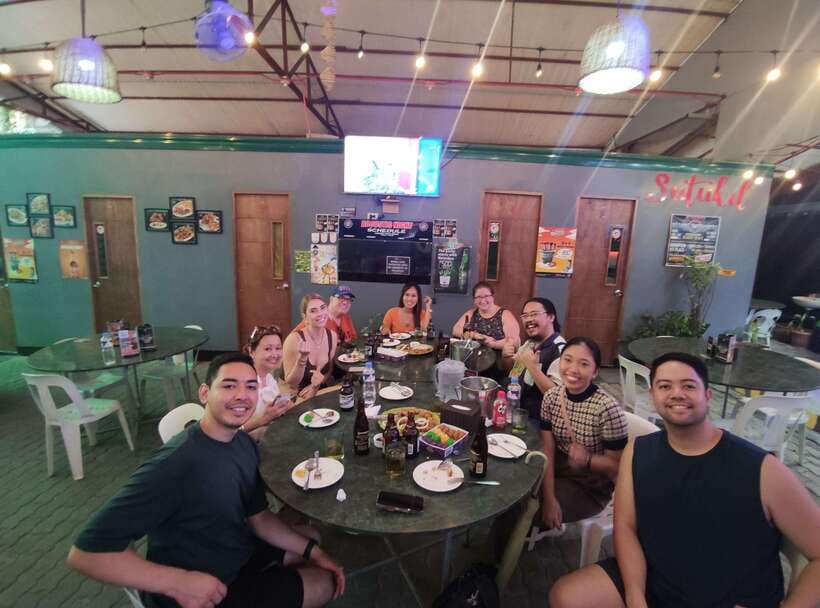
Drinks are not an afterthought here. The tour includes local juices, beer, bottled water, and other alcoholic and nonalcoholic beverages. You visit a local bar for beer and another food tasting, which gives the route a social pause after several restaurant stops.
This is a useful part of the experience because Filipino food is often enjoyed with a drink and conversation. The bar stop gives you a chance to slow down, compare the dishes, and ask questions. It also makes the tour feel more like an afternoon with a local guide than a race between food counters.
Alcohol is included, but you do not have to treat the tour as a drinking session. The presence of juices and water makes the experience more flexible. If you do drink beer, remember that the food comes in many courses and the tour lasts three hours. Pace yourself.
The guides shape the experience
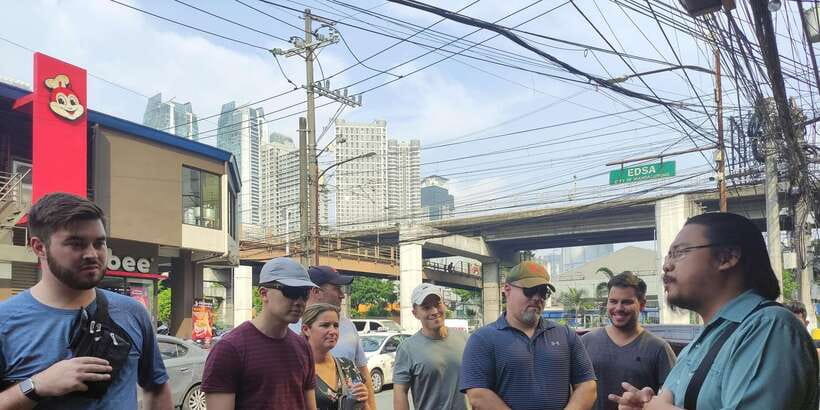
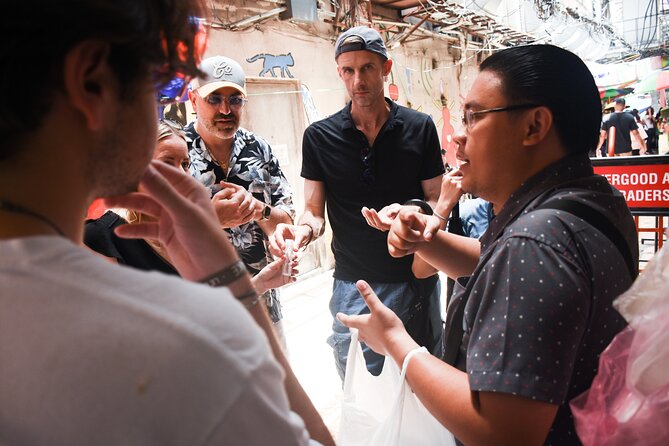
The strongest personal praise goes to the guides. Chloe is described as warm, well informed, and entertaining. That combination matters on a food tour because the guide must do more than identify dishes. You want someone who can explain unfamiliar food without making you feel awkward for asking basic questions.
Jian brings a different strength. He connects Filipino food with local history and with other cuisines, giving the tasting more context. His storytelling helps the afternoon feel informal and friendly rather than like a memorized speech.
Jian also showed flexibility with food preferences, including a dislike of sweet dishes. That is worth noting because the route includes dessert and a range of foods that may be unfamiliar. Guides cannot change every stop, but a good one can help you make sensible choices and understand what you are eating.
One unusual detail is the help finding balut for a guest who wanted to try it, even though it is not normally part of the tour. You should not assume balut is included or guaranteed. Still, this suggests the guide may be open to helping you pursue a specific Filipino food interest when circumstances allow.
What the neighborhood setting adds
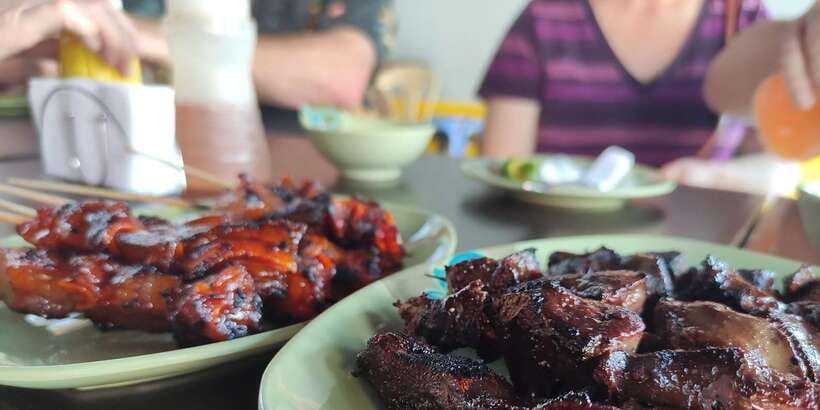
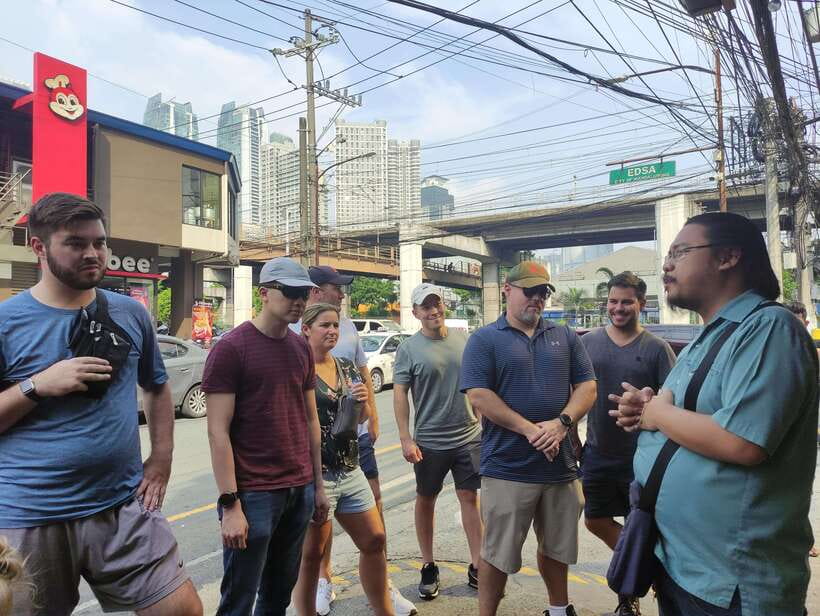
The tour takes place in a proper local area with family-run vendors rather than a tourist strip. That choice is valuable for two reasons. First, the food is tied to the people who live there. Second, you get a look at a side of Metro Manila that is easy to miss if you stay around major attractions and large commercial centers.
The experience also supports the idea of sustainable tourism by directing spending toward local food businesses. You are not only eating. You are helping keep money in the community through small restaurants, bakeries, vendors, and bars.
Do not expect a polished food hall or a carefully staged cultural show. Local neighborhoods can be noisy, crowded, uneven, or affected by weather. The tour runs rain or shine, so comfortable clothes and shoes are essential. You should also bring a good attitude toward changing conditions. The appeal is the ordinary setting, not perfect presentation.
Who will enjoy this food tour most
I would recommend this outing to first-time visitors who want a quick introduction to Filipino food and need help finding places to eat in Metro Manila. It also suits solo visitors who want company, curious eaters who like sampling many small portions, and anyone interested in seeing a local neighborhood with a guide.
It is a good choice if you want context with your meal. The guides explain food, local customs, and neighborhood life, so you get more than a list of dishes. The insider suggestions for eating and drinking around Metro Manila may also help you plan the rest of your stay.
This is not suitable for vegans. It may also be a poor match if you want a quiet, seated meal, a fixed menu, or a fully predictable schedule. The route includes meat, fried foods, beer, and sweet dishes, and the exact selection can depend on what is available at the local stops.
The tour is also less useful for someone who already has strong knowledge of Filipino food and an established list of local places. In that case, you may prefer to explore independently and spend the $60 directly with vendors.
Practical details that affect your decision
The tour lasts three hours, which is long enough for a broad sample without taking up your entire day. Since it begins and ends at Starbucks in California Garden Square, you can pair it with other plans in Metro Manila, but you should leave some breathing room around it.
Wear comfortable shoes and clothes. You will be moving between stops, taking a tricycle, and eating through a full sequence of tastings. The experience runs rain or shine, so check the weather and be prepared for wet conditions.
The tour is conducted in English with a live guide. Free cancellation is available up to 24 hours before the start for a full refund, and you can reserve now and pay later. Those terms are useful if your Manila plans are still changing.
The overall rating is five out of five from three verified bookings. That is a small sample, so I would not treat it as a final verdict on every departure. Still, the praise is consistent about the neighborhood, the food, and the guides’ warmth and ability to add context.
Should you book the Manila food tour?
Book it if you want an easy, friendly way to try more than 15 Filipino foods while seeing a real Mandaluyong neighborhood. The best reasons are the range of tastings, the local restaurants and bakeries, the included drinks, and the guides who can turn unfamiliar food into an enjoyable conversation.
Think twice if you are vegan, very selective about food, or mainly interested in a cheap meal. You are paying for guidance, route planning, local access, and cultural explanation as much as for the dishes themselves.
For a first food-focused afternoon in Manila, I think this is a strong choice. Arrive hungry, wear shoes you can walk in, tell the guide your preferences, and confirm the Mandaluyong meeting point before you go.
FAQ
Where does the Manila food tour meet?
The tour meets inside the Starbucks located near the main gate of California Garden Square in Mandaluyong City.
How long does the food tour last?
The experience lasts three hours.
How many foods and drinks are included?
The tour includes more than 15 food tastings and drinks.
Are alcoholic drinks included?
Yes. Alcoholic and nonalcoholic beverages are included, along with bottled water. Beer and local juices are part of the planned drinks.
Is hotel pickup included?
No. Hotel pickup and drop-off are not included. You need to reach the Starbucks meeting point and return from there yourself.
Is the tour suitable for vegans?
No. The tour is not suitable for vegans.
What should I bring?
Bring comfortable shoes and comfortable clothes. The tour runs rain or shine.
More Tours in Philippines




More Tour Reviews in Philippines


Food Tours: how the alternatives stack up

The lists this tour appears in