Review · Rice Terraces & North Luzon
4 Day Banaue Ifugao Rice Villages Private tour Trekking
Mountain trails, not bus windows. This four-day Ifugao trip trades easy sightseeing for 34 kilometers of mountain trekking, village homestays, waterfalls, and close views of the famous rice terraces. I like the route through Pula and Cambulo, and I like that the final stop is Bangaan, a UNESCO World Heritage village. The main caution is simple: this is a hard walking trip, not a gentle cultural outing.
I also like the private format, since your group travels with its own transport and English-speaking guide. You get time in four Ifugao villages instead of only stopping at a famous viewpoint. Still, the price is $810 per person, meals are not included, and the non-refundable booking terms make weather and fitness important factors before you commit.
In This Review
- Key points about this Ifugao trekking trip
- Why this route is more than a Banaue viewpoint
- Day one: the long road from Manila to Banaue
- Day two: 16 kilometers from Banaue to Pula and Cambulo
- Day three: Cambulo, Batad, and waterfall time
- Day four: walking from Batad to Bangaan
- What the $810 price covers
- The physical challenge: know what you are agreeing to
- Homestays and village contact
- What the strongest praise tells you
- Who should book this experience?
- Should you book the Banaue Ifugao trekking tour?
- FAQ
- Where does the tour begin?
- How long is the drive from Manila to Banaue?
- How much trekking is included?
- Which villages are included?
- How many nights are spent in homestays?
- Are meals included?
- Is this a private tour?
- What happens if bad weather cancels the tour?
Key points about this Ifugao trekking trip
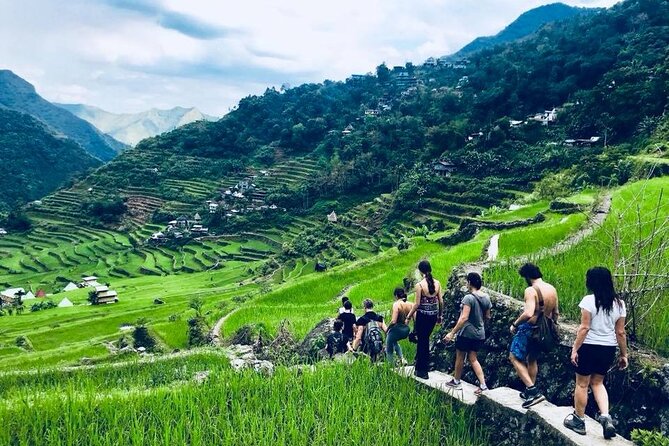
- About 34 kilometers on foot: The route includes long mountain walks between Banaue, Pula, Cambulo, Batad, and Bangaan.
- Four distinct Ifugao villages: You spend time in Pula, Cambulo, Batad, and Bangaan rather than seeing only Banaue from the road.
- Batad includes a waterfall stop: Day three combines a four-hour hike with about two hours for waterfall activity and plunge pools.
- Three nights in village homestays: The overnight stays place you close to local communities and away from standard city hotels.
- A private tour for your group: Private transport, a guide, permits, and tour fees are included.
- An early start from Manila: Pickup begins at 5:30 a.m., followed by an eight to nine-hour drive to Banaue.
Why this route is more than a Banaue viewpoint
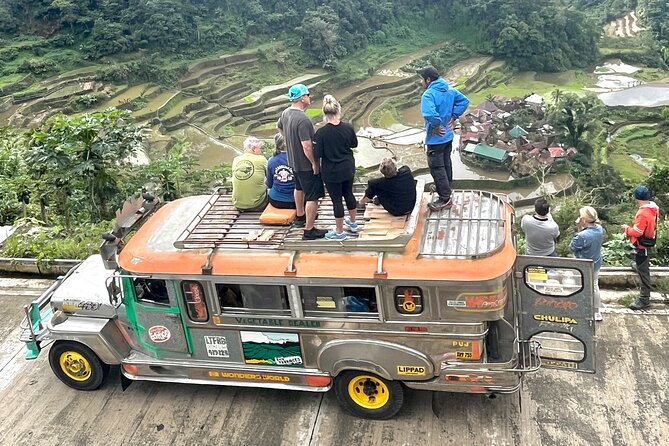
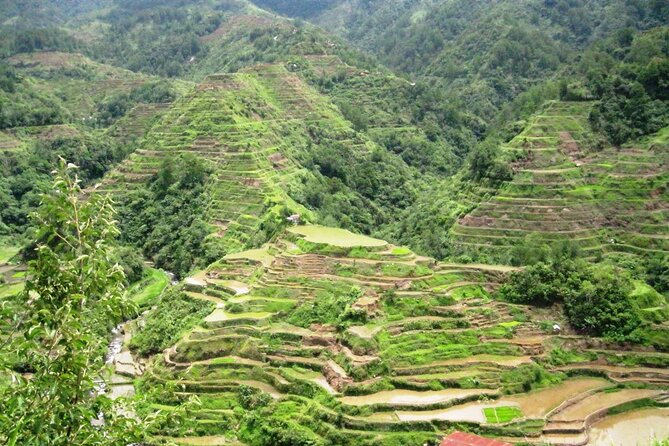
Banaue is often treated as a quick photo stop, but this trip gives you a longer look at the Ifugao mountain region. The rice terraces are not just scenery. They are the work of generations of Ifugao people, whose ancestors shaped the slopes into farming terraces that are now widely regarded as one of the world’s great cultural sights.
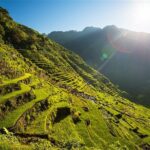
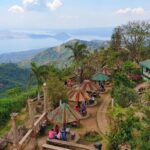
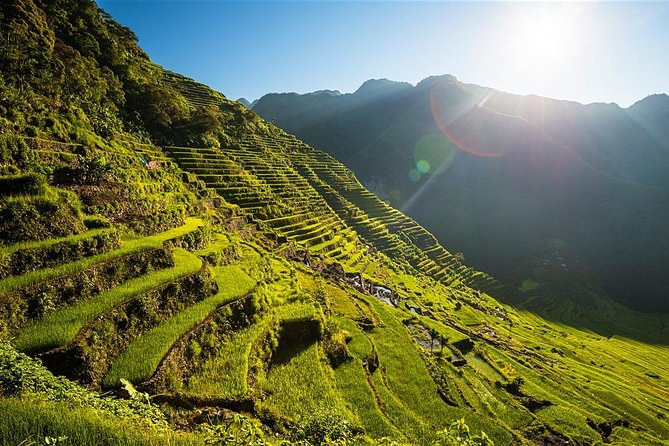
The route also gives you changing views. You move from Banaue into Pula and Cambulo, then reach Batad, known for its amphitheater-like terraces. The final walking section leads to Bangaan, a UNESCO World Heritage site. That progression matters because you are not simply looking at one terrace from one angle. You see villages, forests, mountain paths, and cultivated slopes as part of a working rural setting.
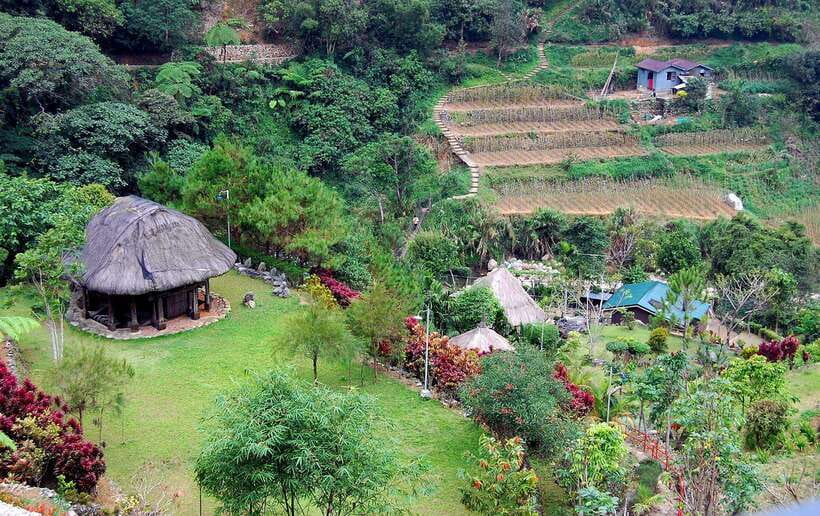
I especially like the balance between scenery and contact with village life. Three nights in local guesthouses mean you are not returning to Manila or a city hotel each evening. You should expect simple accommodation, since the trip specifically uses village homestays rather than conventional hotels. That simplicity is part of the point, but it may not suit you if you need private hotel comforts after a long day on foot.
The tour is private, so only your own group takes part. That gives you a more personal pace than a large coach outing, though the demanding route still sets the rhythm. Your guide will lead the walking sections, and the package includes tour fees and permits.
You can also read our reviews of more private tours in Manila

Day one: the long road from Manila to Banaue
Pickup is scheduled for 5:30 a.m. at your residence in Manila. The drive to Banaue takes roughly eight to nine hours, so day one is mainly a transport day. You cross different cities on the way into the mountain region, with private transportation included.
That early start is necessary, but it is not trivial. You will spend much of the day seated before the trekking begins. I would treat the first day as a chance to rest, watch the scenery change, and prepare for the next morning rather than expecting a full sightseeing program.
The schedule lists about 12 hours for this first stop, though the actual drive is described as eight to nine hours. Road conditions can affect mountain journeys, so keeping the day flexible is sensible. The important practical point is that you should be ready for a very early morning and a long vehicle ride before you even put in the first serious walking day.
Banaue gives you the first taste of the rice terraces, and breakfast on day two comes with a view of them. That is a good setup for the walking route ahead. Instead of rushing straight onto a trail after arrival, you have a night in the area before the main trek.
Day two: 16 kilometers from Banaue to Pula and Cambulo
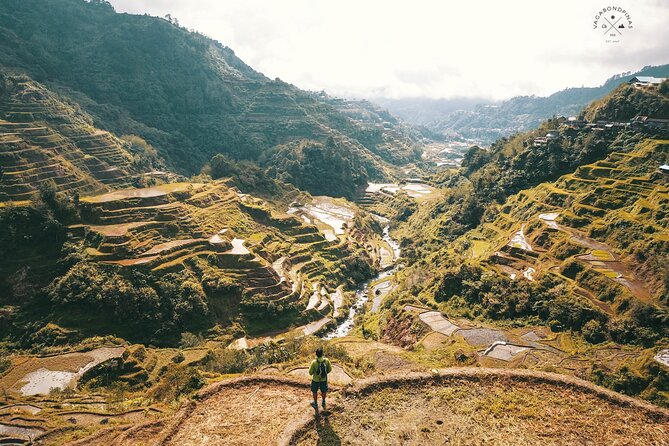
Day two begins with breakfast and a view of the Banaue rice terraces. At about 7:40 a.m., you meet your local Department of Tourism-accredited guide and begin the journey toward Pula and Cambulo Village.
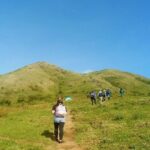
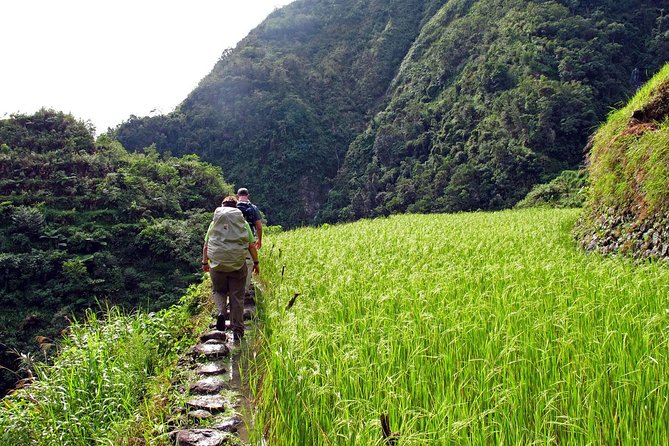
The planned trek lasts six to seven hours and covers about 16 kilometers. That is the longest stated walking day, and it deserves respect. You will be moving through mountain terrain, with rice terraces, forests, and village scenery along the way. The route is designed for people who want to walk through the region, not simply photograph it from a roadside lookout.
Pula and Cambulo are valuable stops because they make the trip feel like a passage through the Ifugao countryside. You are not confined to the best-known name, Banaue. The villages help show how the region is connected by footpaths and mountain communities.
This is also the day when your fitness level matters most. The tour information asks for strong physical fitness, and the six to seven-hour duration is a clear warning. A person who enjoys long hikes may find the distance rewarding. Someone accustomed to short walks and scheduled photo stops may find it exhausting.
Your overnight stay is in a local guesthouse. Meals are not included, so you need to budget separately for food during the trip. The available information does not specify menus, meal arrangements, or how much food costs, so ask for current details before departure. Do not assume that the $810 price covers meals simply because accommodation and guiding are included.
Day three: Cambulo, Batad, and waterfall time
After breakfast, you continue from Cambulo toward Batad. The hike takes about four hours and covers roughly seven kilometers. Compared with day two, the distance is shorter, but the route remains a mountain walk and should not be treated as an easy stroll.
Batad is known for its amphitheater-like rice terraces. This shape gives the village a dramatic setting and makes the approach part of the experience. You arrive on foot, with the terraces opening around the village rather than seeing them only from a distant road.
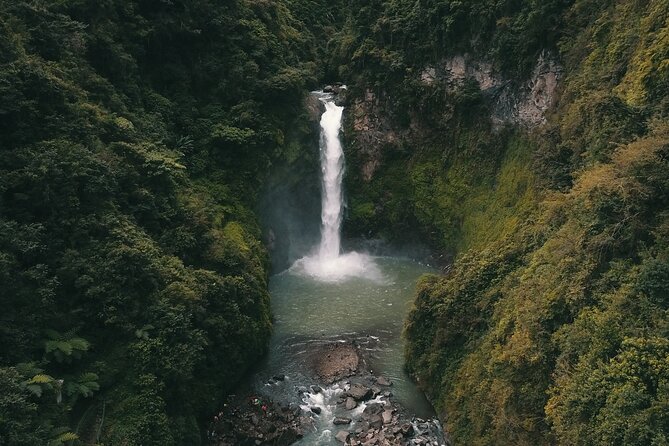
The day also includes about two hours of waterfall activity. This is one of the trip’s most appealing details. You can swim in waterfall plunge pools, making day three more varied than a simple point-to-point hike. The experience has a useful rhythm: walk through the terraces and mountain paths, then cool off in the water.
You should still judge the waterfall stop by your own comfort and energy. The information confirms the activity and plunge pools, but it does not specify water temperature, changing facilities, or what equipment is supplied. Bring suitable swimwear and a way to keep your belongings dry, but check with the operator for exact arrangements.
The overnight stay is again in a village guesthouse. By this point, the homestay format should feel less like a novelty and more like the practical base for the route. You are sleeping near the communities you are visiting, rather than spending time commuting back to a larger town.
Day four: walking from Batad to Bangaan
The final day begins after breakfast at about 7:00 a.m. You walk from Batad toward Bangaan Village, a UNESCO World Heritage site. The stated option is an eight-kilometer hike lasting three to four hours, through a dense forest and mountain scenery.
This is a fitting finish. Bangaan adds another important cultural stop to the route, and the walk lets you reach it through the countryside rather than arriving only by vehicle. The forest section also changes the visual mood after the open terrace views around Batad.
The day is not over when you reach Bangaan. The program continues with the return journey to Manila, listed at about 12 hours for the full stop. After a morning hike, that is a long ride. You should expect day four to be tiring, even though the walking distance is shorter than day two.
The schedule includes an eight-kilometer option, while the overall tour description gives a total of 34 kilometers of mountain trekking. The listed day-by-day distances add up to about 31 kilometers, so I would confirm the exact walking distance and whether extra trail sections are included. This difference does not change the main point: you need to be ready for several substantial days on foot.
You can also read our reviews of more hiking tours in Manila

What the $810 price covers
At $810 per person, this is a serious purchase. The value depends on how much you want arranged for you. The package includes private transportation, all fees and taxes, three days of homestay accommodation, an English-speaking guide, tour fees, and permits.
Private transportation is useful here because the trip starts and ends in Manila, with a long road transfer to the mountains. You are not piecing together separate buses, transfers, local guides, and permits. For a group that values convenience and a private schedule, those arrangements add real value.
The guide and permits matter just as much. The route crosses several villages and includes guided mountain trekking, so local organization is not a minor extra. A local DOT-accredited guide is scheduled for the main walking route, which gives you a better chance of handling the village paths and planned stops with proper local support.
The price becomes less attractive if you are a solo visitor who wants the cheapest possible route. Meals are excluded, tips and gratuities are excluded, and the accommodation is in homestays rather than full-service hotels. You should add food and gratuity to the published price when planning your budget.
For a private group, the cost may make more sense because transportation and guiding are arranged around your party. The available information does not state a sliding price for different group sizes, so ask how the per-person rate changes when more people join your private booking.
The physical challenge: know what you are agreeing to
The tour clearly suits people who enjoy long treks. The stated total is about 34 kilometers, with day two reaching 16 kilometers and day three combining four hours of hiking with two hours of waterfall activity. This is not a sightseeing tour where walking is limited to a few terrace viewpoints.
You should be comfortable with sustained mountain walking and uneven paths. The tour specifically requires a strong level of physical fitness. That requirement is not filler. You need enough stamina for several consecutive days, including the final return to Manila after the Bangaan walk.
The itinerary does not provide an elevation profile, trail surface details, or a list of recommended equipment. Because of that, I would ask the provider for current trail conditions and a packing list before paying. Good walking shoes, practical clothing, water, sun protection, and rain protection are sensible choices, but the operator should confirm what is needed for the current season.
The trip also requires good weather. If poor conditions force cancellation, you are offered another date or a full refund. That is helpful protection against a weather-related cancellation, but the general booking terms are non-refundable and do not allow changes for other reasons. Check your schedule carefully before booking.
Homestays and village contact
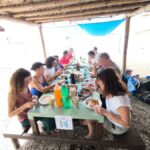
The three homestay nights are one of the strongest reasons to choose this trip. You spend the evenings in local villages and have a chance to talk with residents and learn about Ifugao culture. That is more personal than staying in a standard accommodation outside the area.
You should also keep your expectations practical. The supplied details do not describe room types, bathrooms, bedding, or meal service. Ask those questions directly, especially if you have specific comfort needs. A village guesthouse can be a memorable part of the trip, but it will not necessarily provide the same facilities as a Manila hotel.
The homestays also make the route feel connected. Pula, Cambulo, Batad, and Bangaan are not just names on a map. You sleep within the communities and pass through their surroundings on foot. That helps you understand the terraces as places where people live and work, not just as a famous scenic attraction.
What the strongest praise tells you
The highest praise is for the walk from Banaue through Pula and Cambulo to Batad, especially the beauty of the rice terraces. That section is the heart of the program, and the 16-kilometer day gives it plenty of time rather than reducing it to a short transfer.
The waterfall stop also receives clear approval, especially the chance to swim in plunge pools. If you like combining hiking with time in the water, day three gives the program a welcome change of pace.
The overall rating is 4.7 from three reviews, with one detailed rating of four out of five. That is encouraging, but the sample is small. I would use the feedback to identify the trip’s strengths, not treat it as proof that the route will suit every person.
Who should book this experience?
I would recommend it to you if you want a physically demanding route through Ifugao, prefer a private group, and value village stays over hotel comforts. It is particularly suited to people who want more than a quick Banaue stop and who enjoy walking for several hours each day.
It may also suit you if you want the practical work handled for you. Private transport from Manila, a guide, permits, tour fees, and accommodation are bundled together. That reduces the number of separate arrangements you need to make.
I would hesitate if you dislike early starts, long road transfers, simple lodging, or uncertain mountain conditions. I would also think twice if you are looking for a relaxed cultural tour with light walking. This route asks a lot from your legs, especially on day two.
Should you book the Banaue Ifugao trekking tour?
Book this tour if the long trek is the reason you want to visit Ifugao. The route offers the best parts of the experience in one package: Banaue terraces, Pula, Cambulo, Batad, a waterfall swim, Bangaan, village homestays, and a private guide.
Before paying, confirm the exact walking distance, homestay facilities, meal arrangements, and current trail conditions. If you are fit, prepared for a 5:30 a.m. pickup, and comfortable with a non-refundable booking, the $810 cost can be reasonable for a private, multi-day mountain journey. If you want comfort and easy access, choose a shorter Banaue visit instead.
FAQ
Where does the tour begin?
Pickup is offered from your residence in Manila, with a scheduled start time of 5:30 a.m.
How long is the drive from Manila to Banaue?
The drive to Banaue takes approximately eight to nine hours.
How much trekking is included?
The tour describes approximately 34 kilometers of mountain trekking in total. The stated sections include about 16 kilometers on day two, seven kilometers on day three, and an eight-kilometer option on day four.
Which villages are included?
The route visits Pula, Cambulo, Batad, and Bangaan, as well as Banaue.
How many nights are spent in homestays?
Three days of homestay accommodation are included in the tour package.
Are meals included?
No. All meals are excluded from the tour price.
Is this a private tour?
Yes. Only your group participates in the private tour or activity.
What happens if bad weather cancels the tour?
If poor weather causes cancellation, you are offered a different date or a full refund.