Bataan Death March memorial tour
History here still hurts.
This private, full-day tour takes you from Manila to memorials, museums, and former prison sites tied to the Bataan Death March. I especially like the personal family stories shared by guides such as JB Quemado, whose grandfather survived the march and prisoner-of-war experience. I also like the private format, which lets you ask questions and adjust the day to your interests. The main drawback is the long time on the road, with the trip to the Bataan area taking up much of the day.
At $350 per group of up to four, the price is fair if you fill the vehicle. Four people pay $87.50 each for hotel transfers, admission to the main sites, a driver, and a guide for roughly 10 hours. Still, this is not a light sightseeing outing. The subject is painful, the museums vary in quality, and the schedule can feel rushed at some stops.
In This Review
- Key points worth knowing
- Why this World War II day trip matters
- Starting from Manila at 7 a.m.
- Mount Samat and the National Shrine of Valor
- The Bataan World War II Museum and the 1942 surrender
- Camp O’Donnell at Capas
- Bamban Museum of History and its unusual collection
- What the guide adds to the day
- Is $350 a good value?
- Who should book this tour?
- My recommendation for this Manila history tour
- FAQ
- How much does the Bataan Death March memorial tour cost?
- How long does the tour last?
- What time does the tour start?
- Is hotel pickup available?
- Which main sites are included?
- Is Mount Samat open every day?
- Is this a private tour?
- What is the cancellation policy?
Key points worth knowing
- JB Quemado’s family connection: His grandfather took part in the Death March and endured imprisonment, giving the history a personal focus.
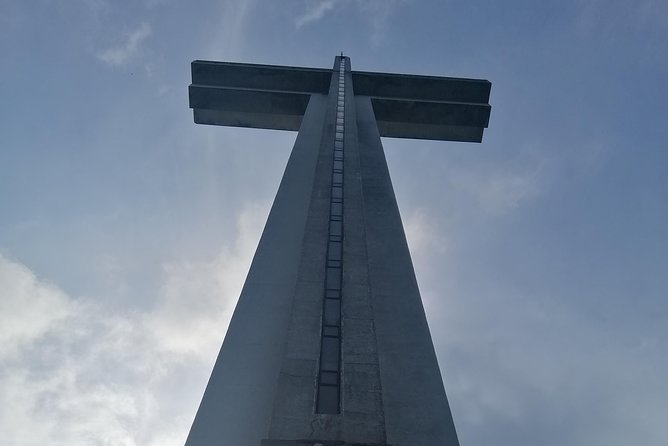
- Mount Samat’s huge memorial cross: The National Shrine of Valor offers the day’s strongest setting, with a broad view and a clear sense of scale.
- Camp O’Donnell at Capas: This former prison camp helps explain what happened after the march ended.
- Bamban’s private museum: Its objects, relics, and local stories can be more revealing than the larger public museums.
- A long Manila road day: Reaching Mariveles or Bagac can take about four hours, so expect plenty of driving.
- A private group of up to four: You can ask for more explanation, slow down at a meaningful stop, or discuss possible additions with your guide.
Why this World War II day trip matters
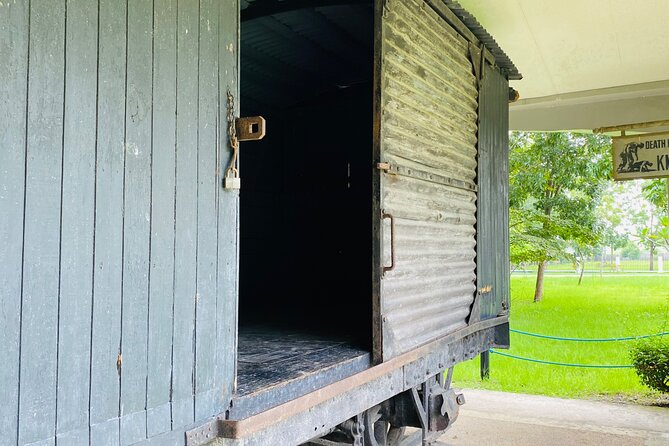
The Bataan Death March is often reduced to a few lines in a textbook. That misses the human scale of it. After the surrender of Filipino and American forces in 1942, prisoners were forced to travel under brutal conditions toward detention camps. The march and imprisonment caused enormous suffering and loss of life.
This tour connects several parts of that story. You see the surrender site, the memorial honoring those who fought, the prison camp where many prisoners were held, and museums filled with objects from the battles and local communities. The result is less about one grand monument and more about building a chain of places.
I like that the day includes both official memorials and a private museum. Government sites often provide the broad public account. A smaller collection may preserve objects and stories that do not fit neatly into a formal exhibit. At Bamban, the curator explains how local places and people were affected, which gives the history a closer, more personal feel.
The strongest guides add another layer. JB Quemado has spoken about his grandfather’s experience, and that family connection has made the tour especially moving for many people. Guides Vincent and Ferdinand Contreras have also been praised for their clear explanations and care during the day. Guide quality matters here. Without context, a memorial can be only a monument. With the right guide, it becomes a place connected to real decisions, fear, endurance, and loss.
You can also read our reviews of more tours and experiences in Manila.


Starting from Manila at 7 a.m.
The early start is sensible. Manila traffic can make any long-distance outing slow, and the Bataan sites are spread across a wide area. Hotel pickup in the Manila area is offered, so you do not need to arrange your own way to a distant meeting point.
The trip lasts about 10 hours. That sounds generous until you consider the distance. The operator explains that reaching Mariveles or Bagac can take about four hours, and one detailed assessment also noted that the day involved a great deal of driving. You should think of this as a road trip with important stops, not a compact museum circuit.
Bring water, a phone charger, and something to occupy you during the longer transfers. The private vehicle makes the road time easier than joining a large group, but it cannot change the geography. If you dislike long drives, this may feel tiring. If the Bataan story is a main reason for your visit to the Philippines, the distance is a reasonable trade.
The exact order may change. Although the main stops are often described beginning with Mount Samat, the operator has explained that the route may run in reverse, starting at Camp O’Donnell because of the long drive toward Mariveles or Bagac. Confirm the order with your guide at the start. The reverse route is not a flaw by itself, but it can surprise you if you expect the published sequence.
Mount Samat and the National Shrine of Valor
Mount Samat National Shrine, also called Dambana ng Kagitingan, honors the Filipino and American forces who fought during World War II. The site is designed to communicate courage and sacrifice on a large scale, and the setting adds to that effect.
You have about one hour here, with admission included. This is likely the most scenic stop, and the view from Mount Samat gives you a sense of why the location carries such symbolic weight. The memorial cross and shrine are not just photo stops. They ask you to pause and consider the people represented by the monument.
I would give this stop your full attention rather than treating it as a quick viewpoint. Ask your guide how the shrine connects to the defense of Bataan and to the surrender that followed. The quality of the explanation can make a major difference.
Mount Samat is closed on Mondays. Check the day carefully before booking, since a Monday schedule would affect one of the tour’s central sites. The experience depends on good weather, too. If poor weather causes cancellation, you are offered another date or a full refund.
The Bataan World War II Museum and the 1942 surrender
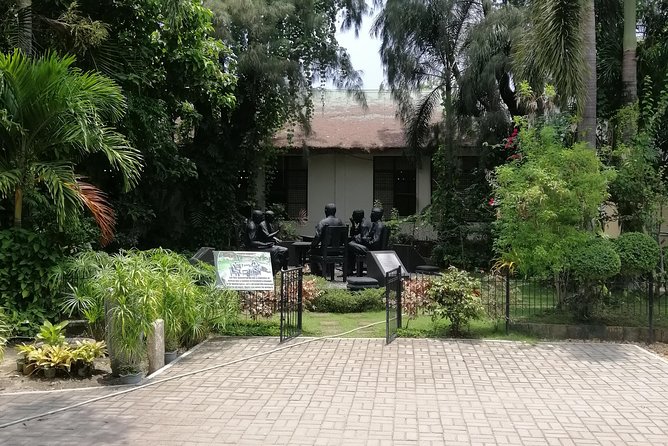
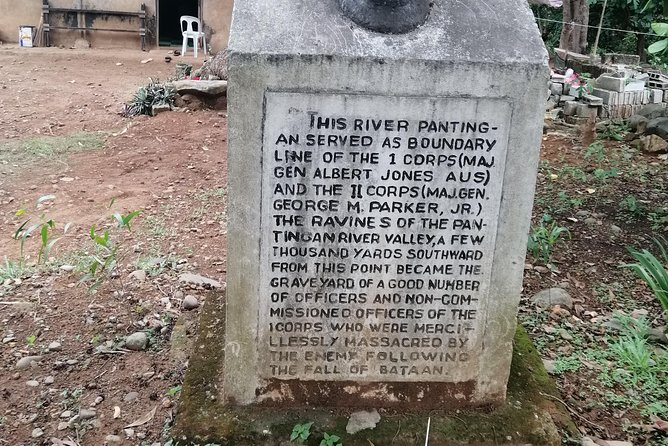
The Bataan World War II Museum is connected with the surrender site of USAFFE forces in 1942. USAFFE refers to the United States Army Forces in the Far East, which included Filipino and American troops.
The visit is scheduled for about 30 minutes, with admission included. That is enough for an introduction, but not a long museum study. If you want detailed answers about military movements, commanders, or specific units, use the drive time to prepare questions and ask your guide to focus on your interests.
This stop is important because it marks the transition from battlefield resistance to captivity. The Bataan Death March did not happen in isolation. It followed the collapse of organized defense, and the surrender site helps establish that timeline.
One caution: a short visit can feel brisk, especially if the museum is busy or you want to read every display. The private tour gives you more freedom to ask questions than a large group would, but the 10-hour schedule still limits how long you can remain at each place.
Camp O’Donnell at Capas
Capas National Shrine occupies the site formerly known as Camp O’Donnell, where Filipino prisoners of war were held in 1942. This stop is scheduled for about 30 minutes, and admission is included.
The site helps you understand that the march itself was only one part of the suffering. The prisoners who survived the journey still faced imprisonment, hunger, disease, and harsh conditions. A visit here can be difficult, but it gives necessary weight to the story.
Depending on the route, Capas may come first rather than later. That can work well. Starting at the former camp gives you a grim but clear introduction to what happened after surrender. You then approach the battlefield and memorial sites with that human cost already in mind.
Half an hour is not a lot of time at a place with such heavy meaning. I would listen closely to the guide and avoid treating this as a standard stop to be checked off. The value comes from understanding the connection between the camp, the march, and the larger campaign.






Bamban Museum of History and its unusual collection
The Bamban Museum of History is a private museum, and it provides a different kind of visit from the formal memorials. It holds relics from the area, while the curator explains the places and people connected to the fighting.
You have about one hour here, and admission is free. This may be the most engaging museum stop for people who enjoy objects and local detail. One particularly touching item described from the visit is a replica cart used to transport American prisoners during the Death March. Even as a replica, it gives a physical sense of how prisoners were moved and treated.
The museum’s private nature is both its strength and its limitation. Its displays may feel more personal and less polished than those at a national institution, but the curator’s stories can make the material easier to understand. You might find the collection uneven, yet the local perspective is precisely why the stop is worthwhile.
I would ask about the relics rather than simply walking past them. Which area did an object come from? Who used it? What happened at that location? These questions can turn a small display into a useful lesson.
What the guide adds to the day
The guide is the most important part of this experience. The sites are spread out, and several stops have limited visiting time. A guide who can connect the locations and answer questions keeps the day from becoming a series of disconnected monuments.
JB Quemado’s account of his grandfather’s march and imprisonment has been a major strength. That kind of family story does not replace historical evidence, but it brings the subject closer to home. You hear how a national event reached one Filipino family, rather than treating the Death March as something safely distant.
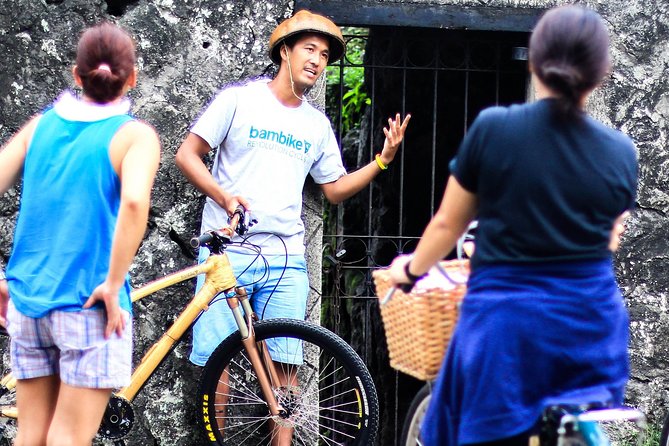
Vincent has also been praised for communication and for adapting the day to the group’s needs. Ferdinand Contreras has received similar praise for explaining the campaign and its locations. Guides can vary, so it is sensible to tell the operator in advance if you want a strong focus on military history, Filipino experiences, American prisoners, or family stories.
The private format helps. Only your group participates, with a maximum of four people. You can ask the same question twice, spend longer at a meaningful memorial, or request clarification without worrying about holding up a busload of strangers.
At the same time, one dissatisfied assessment raised serious concerns about planning, incomplete coverage, and questions that went unanswered. The operator explained that the route was intentionally reversed, that an optional 0 kilometer point had been discussed, and that San Fernando Station was not included because it was under construction from December 2022. This is useful practical information: clarify the route and included stops before departure, and do not assume every Death March landmark is part of the day.
Is $350 a good value?
The $350 price covers the entire private group, up to four people. At full capacity, the cost is reasonable for a 10-hour outing with hotel pickup, transportation, a guide, and included admission at Mount Samat, the Bataan World War II Museum, and Capas National Shrine. Bamban Museum of History does not charge admission.
For one person, the price feels much harder to justify. You are paying for a private vehicle and guide rather than for four seats on a shared excursion. A couple may still find the cost worthwhile if this is a priority, especially because arranging several remote sites independently would require time and transport planning.
The value also depends on your expectations. You are not buying a polished theme-park experience or a fast collection of famous sights. You are paying for access to difficult-to-reach places and for someone to explain why they matter. The day works best when you care about the subject and are willing to spend hours on the road.
The 4.7 rating from 35 ratings and 91 percent recommendation figure suggest that the experience works well for most bookings, but the lower assessment is worth taking seriously. Ask about the route, the expected guide, the status of any optional sites, and how much time will be spent at each museum.
Who should book this tour?
I would choose this day for anyone with a serious interest in World War II, Filipino history, military memorials, or family wartime experiences. It is also a strong choice if you want to pay respects rather than simply collect photographs.
The tour suits people who prefer private guiding and conversation. A grandparent and grandchild, for example, could use the drive to discuss the events and ask questions at each stop. The family connection shared by some guides can make the subject especially meaningful for those with Filipino or American military ties.
It is less suitable if you want a relaxed day near Manila, dislike long car journeys, or prefer large museums with extensive labels and modern displays. The subject is emotionally difficult, and some places may feel quiet, basic, or underdeveloped. That is part of the reality of visiting these memorials, but it may not suit every mood or interest.
Most people can participate, and service animals are allowed. The activity is private, and confirmation is provided at booking. You can cancel for a full refund up to 24 hours before the start time. Changes made less than 24 hours before departure are not accepted, and poor weather may lead to a new date or a full refund.
My recommendation for this Manila history tour
Book it if the Bataan Death March is important to you and you can accept a long day of driving. The combination of Mount Samat, Camp O’Donnell, the surrender site, and Bamban gives you a fuller picture than visiting one memorial alone.
Before you go, confirm the route, ask which guide is assigned, and make clear which subjects matter most to you. If you have four people in your group, the price is especially sensible. If you have only one or two, book only if the private format and personal guide stories are worth the added cost.
I would not choose this tour for a casual day trip. I would choose it for a serious, respectful look at a painful chapter in Filipino and American history, with enough time to listen, ask questions, and remember the people behind the dates.
FAQ
How much does the Bataan Death March memorial tour cost?
The tour costs $350 per private group of up to four people. The effective cost is $87.50 per person when four people share the booking.
How long does the tour last?
The experience lasts approximately 10 hours.
What time does the tour start?
The scheduled start time is 7:00 a.m.
Is hotel pickup available?
Yes. Pickup is offered from hotels in the Manila area.
Which main sites are included?
The tour includes Mount Samat National Shrine, the Bataan World War II Museum, Capas National Shrine at the former Camp O’Donnell, and Bamban Museum of History.
Is Mount Samat open every day?
Mount Samat National Shrine is closed on Mondays.
Is this a private tour?
Yes. Only your own group participates, with a maximum of four people.
What is the cancellation policy?
You can cancel at least 24 hours before the start time for a full refund. Cancellations or changes made less than 24 hours before the start time are not accepted for a refund. If poor weather causes cancellation, you are offered another date or a full refund.