Day Tour in Manilas History and Savor a Cultural Dinner
Manila rewards those who look past the traffic. This half-day outing pairs a guided tour of old Manila with a Filipino dinner, live music, and local performances, giving you both historical landmarks and an evening of culture in one package. I especially like the mix of Intramuros landmarks and the included dinner, and I like that private, air-conditioned transport is part of the price. One point deserves checking before you book: the general description mentions Fort Santiago and San Agustin Church, but the detailed schedule lists other stops instead.
The tour runs about five to eight hours, begins at noon, and accepts a maximum of 15 people. That small cap should make it easier to ask questions, though the long time range means your exact finish may depend on traffic, the pace of the group, and the dinner program.
In This Review
- What makes this Manila tour worth considering
- Starting at Paco Park with Manila’s difficult past
- Baluarte de San Diego and the old defensive walls
- Casa Manila: a house instead of another monument
- Manila Cathedral and centuries of rebuilding
- The National Museum stop and its place in the afternoon
- Dinner with Filipino food, music, and local performance
- How the $175 price works in practical terms
- Timing, comfort, and the five-to-eight-hour range
- Who will get the most from this experience
- Cancellation and booking details to remember
- Should you book the Manila history and dinner tour?
- FAQ
- What time does the tour start?
- How long does the experience last?
- Is pickup available?
- What is included in the price?
- How many people can join the tour?
- Is dinner included?
- What is the cancellation policy?
What makes this Manila tour worth considering
- Paco Park connects Manila’s past to José Rizal: You visit the burial site linked with the Philippines’ national hero and the events surrounding his execution in 1896.
- Intramuros supplies the strongest sense of place: Baluarte de San Diego, Casa Manila, and Manila Cathedral show military, domestic, and religious sides of old Manila.
- Casa Manila offers a look inside elite colonial life: The museum recreates a late 19th-century Spanish colonial home rather than presenting only ruins and fortifications.
- Dinner is part of the cultural program: Traditional Filipino food comes with live music and local performances, so the evening is more than a standard restaurant meal.
- The price includes useful extras: At $175 per person, you receive admission fees, dinner, private transportation, an air-conditioned vehicle, and a licensed English-speaking guide.
- The tour stays relatively small: With no more than 15 people, you should have a better chance to hear the guide and get answers than on a large coach tour.
Starting at Paco Park with Manila’s difficult past
The tour begins at 12 p.m. with Paco Park, a compact historic site whose importance reaches beyond its gardens and walls. It is known as the burial place of prominent figures, including Dr. José Rizal, the Filipino national hero executed nearby in 1896.
You have about 30 minutes here, with admission included. That is enough time for a focused introduction and a walk through the site, but not for a slow, unhurried visit. I would listen closely to the guide because Paco Park’s value comes from the stories tied to it, not simply from checking another green space off your list.
This is a useful first stop because it gives the rest of the afternoon a human scale. Manila’s past is not only about governors, churches, and defensive walls. It also includes political conflict, public punishment, and the people who became symbols of Philippine identity.
The short visit may feel brisk if you want plenty of photographs or quiet time. Still, the stop works well as an opening chapter before the tour moves into Intramuros.
You can also read our reviews of more historical tours in Manila

Baluarte de San Diego and the old defensive walls
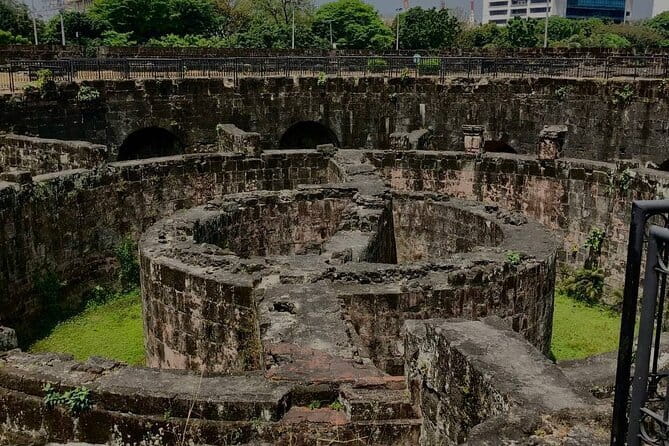
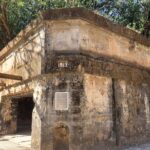
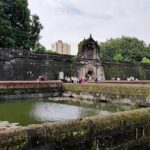
Baluarte de San Diego shows the military side of historic Manila. This bastion was designed to help protect the walled city from pirate attacks and foreign invasions, and its shape reflects the defensive needs of the period.
The tour allows 30 minutes, including admission. That timing should let you see the main structure and hear how the fortifications helped protect the settlement. It is not a full military-history session, so you should think of this as a concise introduction rather than a detailed study of Spanish colonial engineering.
I like this stop because it gives physical form to Manila’s strategic importance. The walls and bastions help explain why Intramuros was built as a contained city, and they make the area easier to understand than if you only visited churches and museums.
Bring sensible footwear. The tour description does not provide specific information about surfaces or walking conditions, so you should be ready for some time on foot at historic sites. The midday start can also mean heat, which is one reason the air-conditioned vehicle matters between stops.
Casa Manila: a house instead of another monument
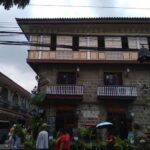
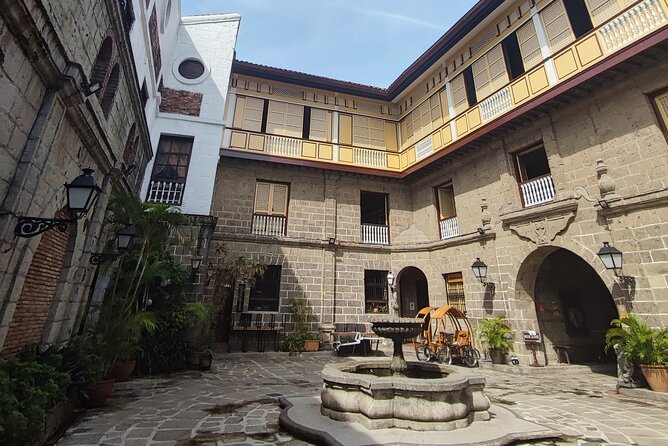
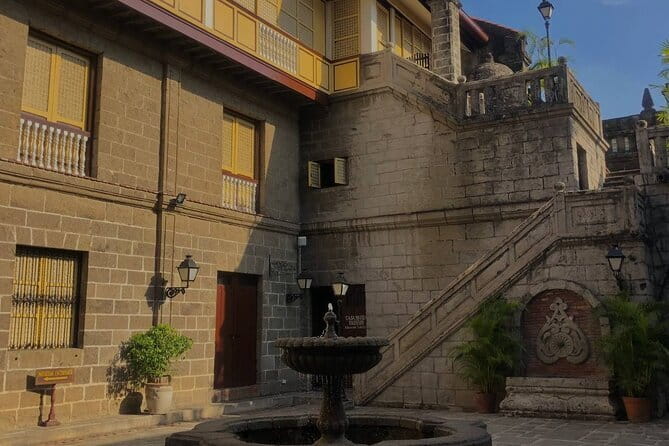
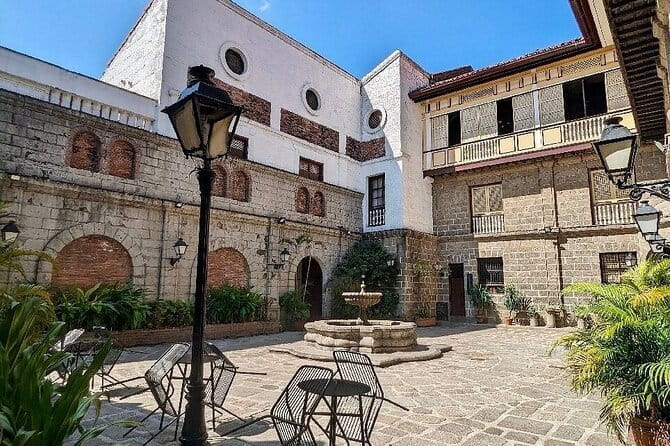
Casa Manila recreates a Spanish colonial house from the late 19th century. Its rooms present the lifestyle of the Filipino elite during that period, giving you a look at domestic life rather than focusing only on government, religion, or war.
You have roughly 30 minutes here, and the admission fee is included. That is enough for a guided overview of the house, though the experience may feel quick if you enjoy furniture, interiors, and social history.
Casa Manila is one of the more useful stops for understanding how colonial life looked from inside a wealthy home. A fort tells you how a city defended itself. A cathedral tells you about faith and public life. A house shows you how status, family life, and daily routines were presented in private spaces.
I would pay attention to the contrast between the formal rooms and the practical parts of the house. Even with limited time, that contrast can help you picture the social order of the period more clearly than a list of dates.
Manila Cathedral and centuries of rebuilding

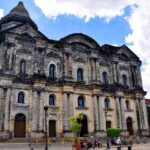
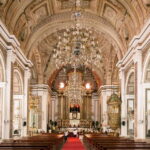
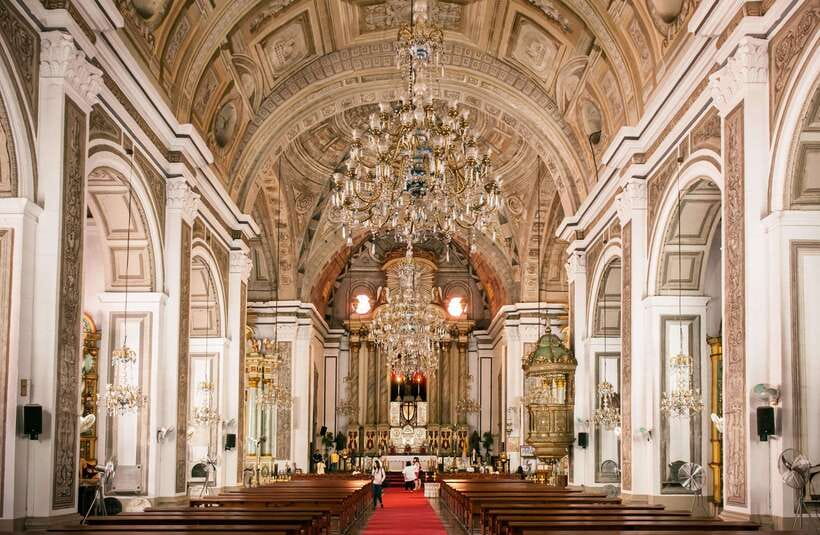
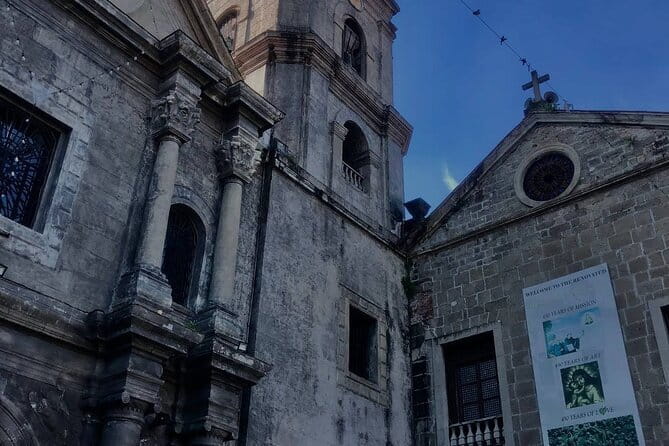
The Cathedral-Basilica of the Immaculate Conception has roots reaching back to its founding in 1581. The church began as a simple building and was reconstructed several times after earthquakes and fires. The current neo-Romanesque structure was completed in 1958.
The scheduled visit lasts about 30 minutes, with admission included. That gives you time to see the building and hear its place in Manila’s story without turning the tour into a long religious sightseeing session.
The cathedral is valuable partly because its repeated rebuilding mirrors Manila’s difficult past. It is not one untouched structure surviving unchanged for centuries. Instead, its story includes damage, repair, and adaptation, which makes the present building part of a longer sequence.
If you want extensive time for prayer, photography, or close architectural study, half an hour may be limited. For a general history tour, the timing is sensible. The cathedral also balances the nearby military sites by showing how religion shaped the city’s public identity.
The National Museum stop and its place in the afternoon
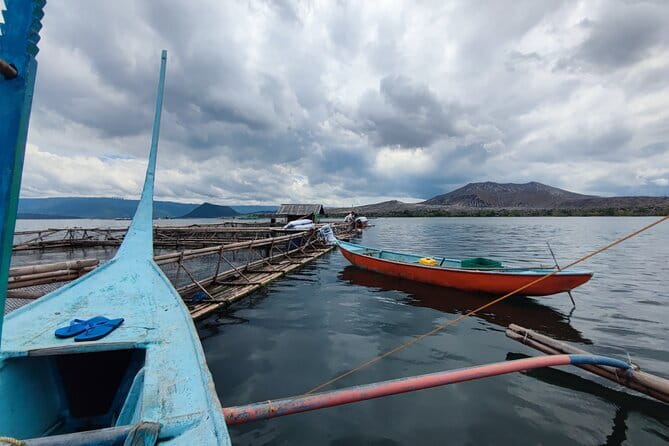
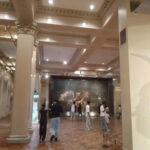
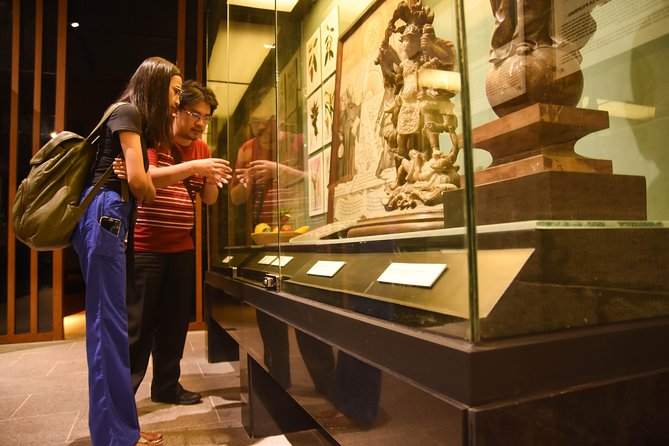
The itinerary gives one hour to the National Museum of the Philippines, identified here as the Kabayan Branch. It is described as part of the National Museum Complex and as a place presenting the country’s cultural and natural heritage.
This is the longest scheduled stop, which makes sense. A museum needs more time than a single bastion or church exterior, and an hour lets you move beyond the narrow story of Intramuros into a broader picture of the Philippines.
The museum portion may be the most useful part of the day for you if you want context. The earlier stops focus on Manila’s colonial-era structures and personalities. The museum is intended to widen the frame to national culture and the natural world.
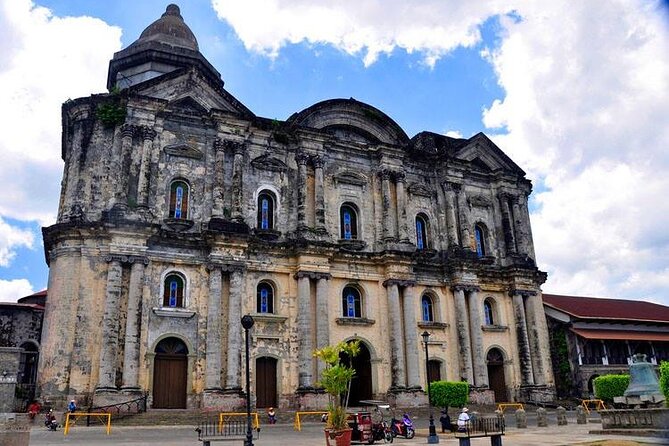
There is an important planning detail here. The broad tour description names Fort Santiago and San Agustin Church, but the detailed stop list names the National Museum instead and does not include those two locations. Since the itinerary information is not fully consistent, I would ask My Travel Buddy to confirm the exact stops before paying. Do not assume that Fort Santiago or San Agustin Church is included unless the provider confirms it.
A few more Manila tours and experiences worth a look
Dinner with Filipino food, music, and local performance
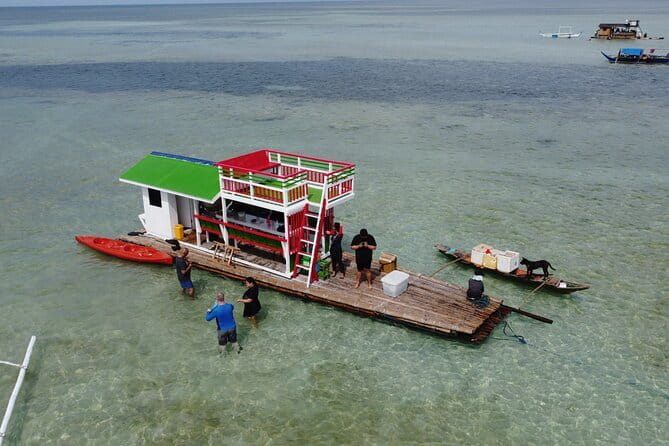
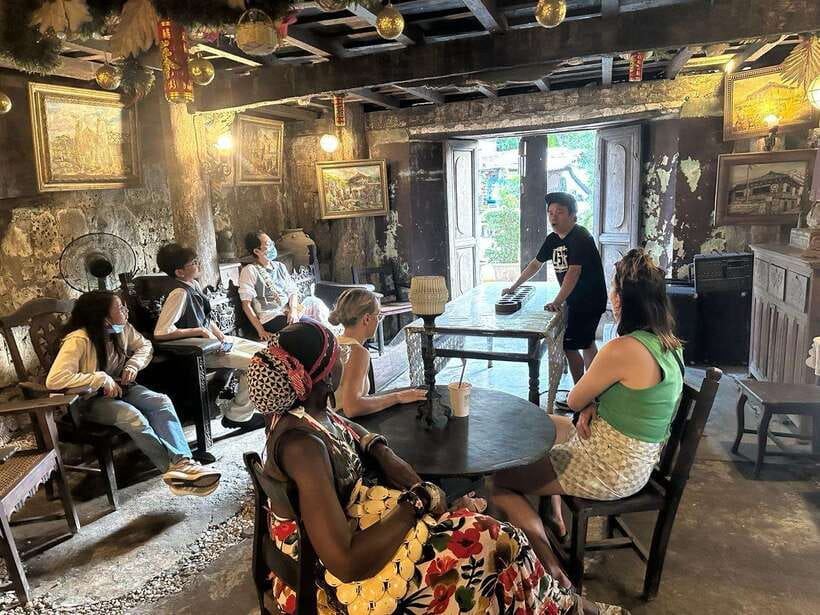
The cultural dinner is the tour’s main change of pace. After several historic sites, you sit down to traditional Filipino cuisine accompanied by live music and local performances that celebrate Philippine traditions.
The supplied details do not name the restaurant, list the menu, or state the dinner’s exact length. That means I cannot promise a particular dish or performance style. I can say that dinner is included, which simplifies the evening and gives the tour a clear cultural finish rather than ending after the last monument.
I like the idea of pairing food with performance because cuisine can explain a country in a different way from architecture. You get a social setting, local sounds, and a chance to experience Filipino traditions as part of an evening program.
At the same time, this is not the right choice if you want a quiet, food-focused meal or a highly specialized culinary tour. Live music and performances make the dinner more of a cultural presentation. Some people will find that lively and memorable. Others may prefer more time at a local restaurant with a menu they can explore independently.
How the $175 price works in practical terms

The cost is $175 per person. That is not a budget sightseeing rate, so the value depends on how much of the package you would otherwise arrange yourself.
The price includes:
- All admission fees and taxes
- Private transportation
- An air-conditioned vehicle
- A licensed English-speaking guide
- Dinner
Those inclusions matter in Manila. You are not paying only for entry to a few historic sites. You are also paying for transport between them, a guide who can connect the locations, and a dinner program that would require separate planning.
The private vehicle is particularly useful during a five to eight-hour day. Manila traffic can make short distances take time, and an air-conditioned ride gives you a break between walking stops. The private transport also removes some of the uncertainty of organizing several sites and an evening meal on your own.
The maximum group size is 15, not a strictly private one-party tour. The wording says private transportation, but the group can still include up to 15 people. If you want an entirely private experience for your own party, confirm that point before booking.
For a first visit, I think the price can be reasonable if you value convenience and want history plus dinner in a single afternoon and evening. It is harder to justify if you already have transport, know Intramuros well, or prefer choosing your own restaurants and museums.
Tips are not included. Keep that extra cost in mind if you want to thank the guide or driver.
Timing, comfort, and the five-to-eight-hour range
The noon start is practical for anyone who does not want an early morning departure. It also gives you time to reach the pickup point without beginning the day at dawn. Pickup is offered, but the supplied information does not specify the pickup area, so confirm the meeting details after booking.
The stated duration is approximately five to eight hours. That is a wide range, and you should plan your evening around the longer estimate. Traffic, the pace of the group, the dinner schedule, and the local performances can all affect the finishing time.
The air-conditioned vehicle is a real advantage during a warm afternoon. You will still spend time walking at the parks, bastion, house museum, cathedral, and museum, so light clothing, comfortable shoes, and water are sensible choices. The tour data does not give a detailed accessibility statement, but it says most people can participate.
The English-speaking guide is another important part of the value. A guide can explain why Paco Park matters, connect the cathedral’s rebuilding to Manila’s past, and make Casa Manila more than a series of decorated rooms. One available comment specifically praised the guide’s willingness to answer questions and described the organization as excellent, with a 10 out of 10 recommendation. Since no guide’s name is provided, you cannot request a particular person in advance.
Who will get the most from this experience
I would recommend this tour most strongly to first-time visitors who want an organized introduction to Manila. It covers several major themes in one day: national identity, colonial architecture, defense, religion, domestic life, museums, food, music, and performance.
It also suits you if you prefer a guide to handle transport and admissions. The schedule is structured, and dinner is already included, so you do not need to solve each part of the day yourself.
Families and mixed-interest groups may find the format useful. One person can focus on history, another on architecture, and another on food and entertainment. The range of stops keeps the day from resting on a single type of attraction.
I would be more cautious if you want a slow, specialist visit. Thirty minutes at each of the first four stops leaves little room for lingering. Museum lovers may want longer than one hour, while dedicated food fans may want a dinner chosen for its menu rather than its performance program.
Most importantly, confirm the final itinerary. The references to Fort Santiago and San Agustin Church do not match the detailed stop list. That is the one practical uncertainty I would clear up before committing $175 per person.
Cancellation and booking details to remember
Confirmation is provided at booking, and free cancellation is available if you cancel at least 24 hours before the local start time. Cancellations made within 24 hours are not refunded, and changes inside that window are not accepted.
The experience requires good weather. If poor weather causes the tour to be canceled, you will be offered another date or a full refund. That policy is useful for a long outdoor-heavy day, especially since the schedule includes Paco Park and Baluarte de San Diego.
Should you book the Manila history and dinner tour?
Book it if you want a well-organized introduction to Manila with transportation, admissions, a guide, and dinner handled in one purchase. The strongest features are the varied Intramuros stops, the historical connection to José Rizal, the air-conditioned vehicle, and the cultural dinner with music and performances.
Think twice if you want a slow pace, a small private party only, or a food tour centered on specific dishes. Before booking, ask My Travel Buddy to confirm the pickup location, the exact museum branch, the dinner venue, and whether Fort Santiago and San Agustin Church are actually part of your date’s schedule.
With those details confirmed, this is a solid choice for an initial look at Manila. It gives you enough structure to make sense of the city, while the dinner adds a social ending that a standard walking tour would miss.
FAQ
What time does the tour start?
The tour starts at 12 p.m.
How long does the experience last?
The approximate duration is five to eight hours.
Is pickup available?
Yes, pickup is offered. The provided details do not specify the pickup area, so confirm the exact location after booking.
What is included in the price?
The $175 price includes all fees and taxes, private transportation, an air-conditioned vehicle, dinner, and a licensed English-speaking guide.
How many people can join the tour?
The tour has a maximum of 15 participants.
Is dinner included?
Yes. Dinner featuring traditional Filipino cuisine is included, along with live music and local performances.
What is the cancellation policy?
You can receive a full refund if you cancel at least 24 hours before the experience begins. Cancellations or changes made less than 24 hours before the start time are not accepted for a refund. If poor weather cancels the tour, you will be offered a different date or a full refund.