Manila: Intramuros, Chinatown, and Old Manila Half-Day Tour
Manila comes alive away from the malls. This three-hour outing links Tondo Market, Binondo Chinatown, and Intramuros, giving you street-level city life alongside churches, forts, and old Spanish walls. I like the mix of local transport and walking, and I like that the route shows both everyday Manila and its major historic sights. The main drawback is pace: you cover a lot in three hours, and you may feel tired by the time you reach Intramuros.
This is not a quiet sightseeing circuit. You will pass crowded market lanes, local neighborhoods, food stalls, traffic, and busy streets before reaching the calmer stone lanes of the old walled city. The tour costs $68 per person, which is fair if you value a guide, refreshments, photographs, and several transport rides, but less attractive if you prefer to explore slowly or visit only Intramuros.
In This Review
- Key points at a glance
- What this Manila tour really offers
- Starting at Tutuban and entering Tondo Market
- Riding through Old Manila by tuk-tuk and tricycle
- Binondo Chinatown and Ongpin Street
- Entering Intramuros through the old Spanish city
- Why the guides matter so much
- Walking, heat, and the pace of the route
- Is $68 a fair price?
- Who should book this experience?
- Practical advice before you go
- FAQ
- Where does the tour meet?
- How long does the tour last?
- What places are included?
- What types of transportation are included?
- What language is the tour conducted in?
- What should I wear?
- Should you book the Tondo, Chinatown, and Intramuros tour?
Key points at a glance
- Tondo Market comes first: Walk through stalls selling produce, seafood, and local food while seeing a side of Manila that many short city tours skip.
- Binondo dates to 1594: Ongpin Street, Binondo Church, the Filipino-Chinese Friendship Arch, and Chinese food stops form the cultural center of the route.
- Three local rides are included: You may travel by tuk-tuk, tricycle, and jeepney, turning ordinary transport into part of the sightseeing.
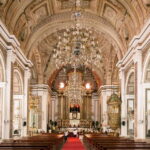
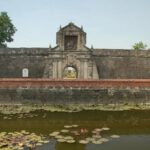
- Intramuros supplies the history: Fort Santiago, Manila Cathedral, Casa Manila, San Agustin Church, and the old walls bring Spanish-era Manila into view.
- Guides are central to the experience: Floyd, Venus, Jane, and other guides have been praised for warmth, humor, care, and clear explanations.
- Plan for serious walking: Comfortable shoes, sunscreen, sunglasses, and a hat or cap are practical essentials.
What this Manila tour really offers
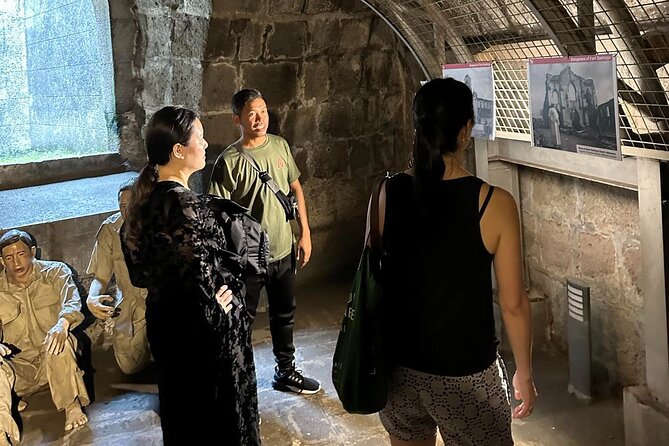
The useful thing about this route is its contrast. You do not spend three hours looking at monuments in isolation. Instead, you move from a working market to a historic Chinese-Filipino district, then into the Spanish colonial center.
That progression helps you understand Manila as a living city rather than a collection of old buildings. You see commerce, neighborhood life, food, faith, transport, and colonial power in one compact morning or afternoon.
The tour has a rating of 4.8 from 475 ratings, and the strongest praise centers on the guides. Floyd is often singled out for his humor, kindness, and ability to explain Manila in a way that feels personal rather than academic. Venus is praised for her energy and for helping people feel comfortable in crowded areas. Some departures use two guides, which can help keep the group together and provide different perspectives.
The tour is conducted in English. It is particularly useful if you have only a short stay, a layover, or your first day in Manila. One person used it during a nine-hour layover, while others booked it during stays of only 24 hours.
A few more Manila tours and experiences worth a look
Starting at Tutuban and entering Tondo Market
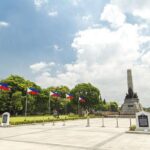
The meeting point is at Tutuban Center Mall, near the Bonifacio Monument and Lawson Convenience Store. You are asked to meet your guide there and ask mall security for help if needed.
The route begins around Tondo Market, where the focus is daily life. Expect narrow, busy alleys with stalls selling fresh produce, seafood, and local delicacies. This is a place for observation more than polished sightseeing. You may see the practical work of buying, selling, carrying, and preparing food in one of Manila’s most active urban districts.
I like this opening because it gives the tour a human scale. Instead of beginning with a formal monument, you start among residents going about ordinary business. That can be eye-opening, especially if you have stayed in the more polished parts of Manila, such as BGC or Makati.
At the same time, Tondo requires an open mind. The experience can expose sharp differences in income and housing conditions. The tour presents those realities directly, but it is important to approach the area with respect. This is a neighborhood where people live and work, not a staged attraction.
Your guide makes the difference here. Floyd has been praised for helping visitors understand daily life without reducing it to simple stereotypes. Venus has also been praised for making solo participants feel included. Ask questions, listen carefully, and avoid treating local residents as photo props.
Riding through Old Manila by tuk-tuk and tricycle
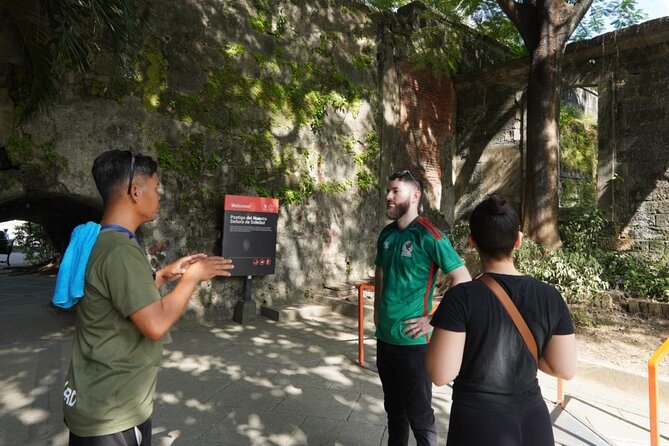
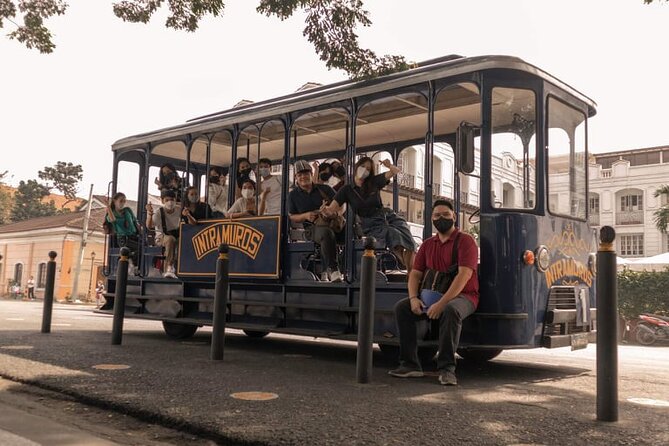
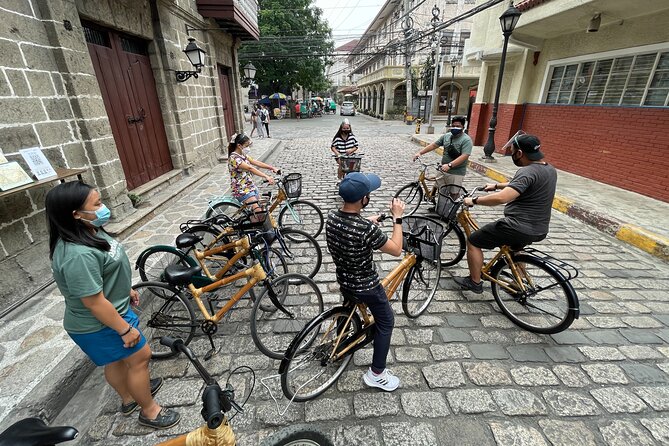
Transport is one of the tour’s most memorable features. The package includes a tuk-tuk, tricycle, and jeepney, although the exact order can vary with traffic and local conditions.
These rides are not luxury transfers. They are part of how the city moves, and they let you cover more ground than you could on foot. They also make the tour feel less like a standard bus circuit. You are close to the street, with a better view of shops, traffic, pedestrians, and neighborhood activity.
Several people have said the transport was a highlight, especially the chance to use all three forms. For someone who has never ridden a Philippine jeepney or tricycle, this adds a playful element to a serious cultural tour.
There are practical limits. Manila traffic can affect timing, and the rides may feel cramped or noisy. The tour also includes a lot of walking between rides. If you want a relaxed, air-conditioned journey, this is not the right format. If you want to see how the city works at street level, it is a strong part of the value.
Binondo Chinatown and Ongpin Street
From Tondo, the route continues into Binondo, established in 1594 and widely recognized as the world’s oldest Chinatown. The district reflects centuries of Chinese-Filipino exchange through food, business, religion, and family life.
Ongpin Street is the main draw. It is busy, crowded, and full of shops and food stops. You may sample local Chinese-influenced treats along the way, so arrive ready to eat. Food is not just a bonus here. It helps explain why Binondo remains such an important part of Manila’s identity.
The Filipino-Chinese Friendship Arch provides a clear visual marker of the relationship between the two communities. Binondo Church adds a religious and historical layer, showing how Chinese-Filipino life developed within a predominantly Catholic city.
The Chinatown portion is short, so do not expect a full food crawl or much independent shopping time. Its value is the introduction. Your guide can point out what you are seeing, explain the area’s role in Manila, and help you notice details you might walk past alone.
Crowds can be heavier around celebrations. One departure just before Lunar New Year encountered especially busy streets. That can make movement slower, but it also adds atmosphere. If you dislike crowded markets, keep your expectations realistic.
Entering Intramuros through the old Spanish city
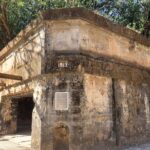
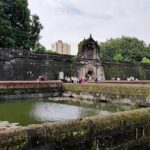
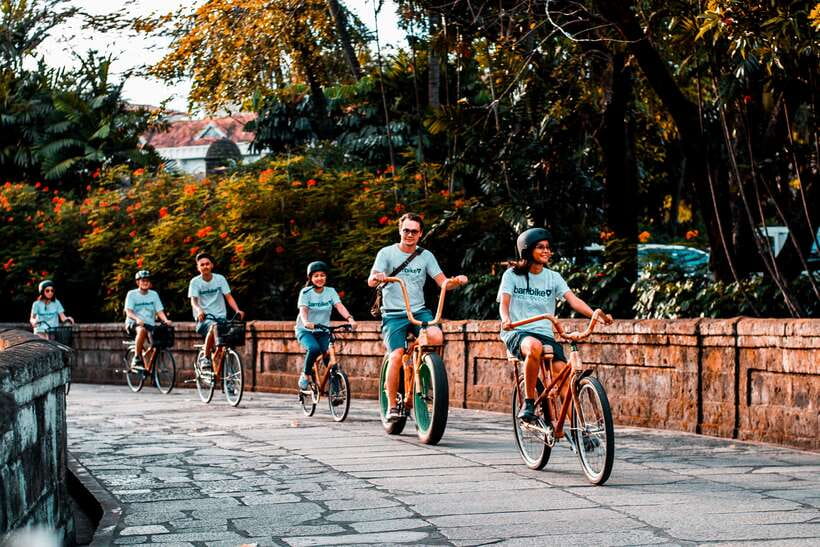
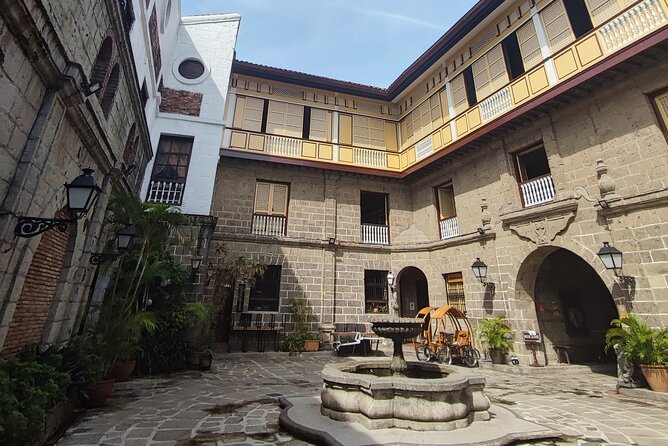
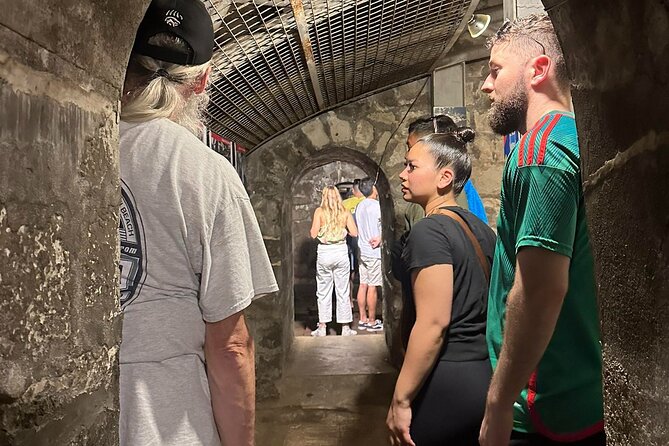
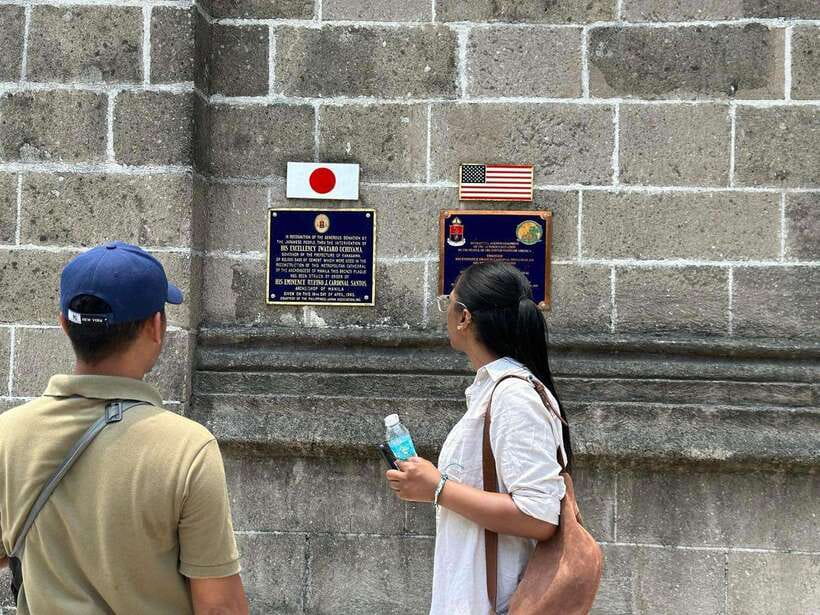
Intramuros changes the mood of the tour. After the noise and movement of the markets, you reach Manila’s walled city, with colonial forts, churches, cobblestone streets, and stone gates.
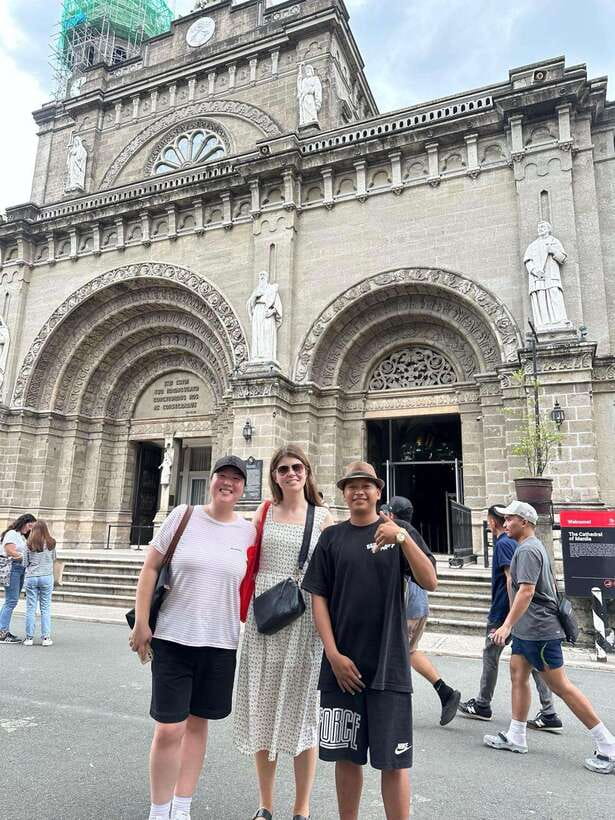
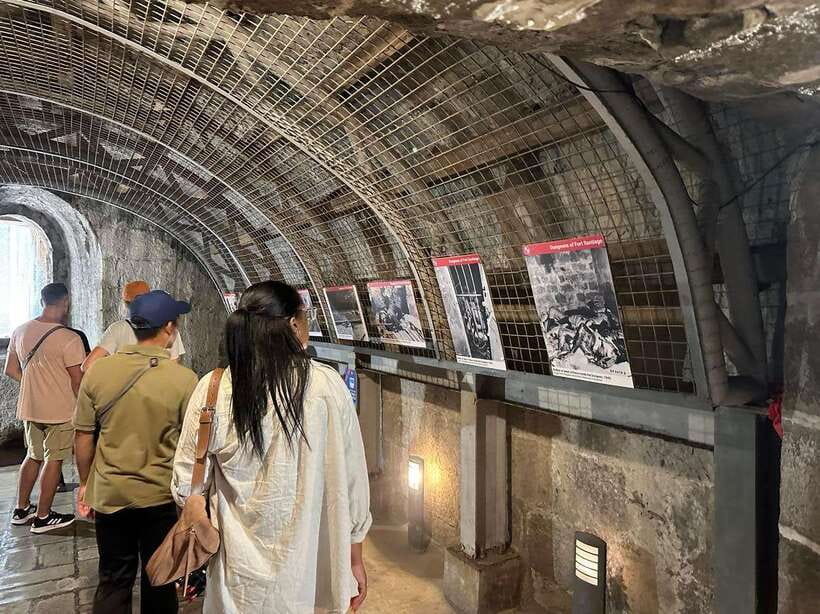
The planned historic sights include Fort Santiago and Manila Cathedral, with Casa Manila and San Agustin Church also highlighted as important stops. The exact amount of time at each site can depend on traffic, walking speed, and the pace of the group.
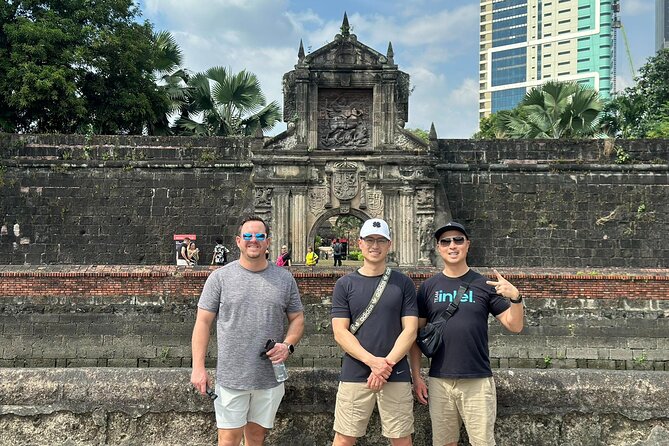
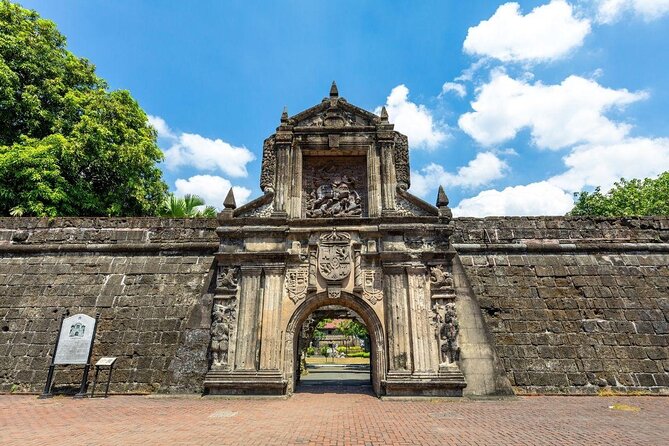
Fort Santiago is the major military landmark. It helps explain the strategic role of Intramuros and gives the colonial section of the tour a strong anchor. Manila Cathedral provides a grand religious counterpoint, while San Agustin Church represents one of the oldest churches in Intramuros.
Casa Manila adds a look at colonial domestic life. Together, these places help you see that Intramuros was not only a defensive enclosure. It was also a center of government, religion, wealth, and social power.
Do not expect an extended museum visit at each location. Three hours must cover several districts, so the Intramuros portion is more of a guided overview than a full historical study. That is useful for first-time orientation, but you may want to return later if Fort Santiago or the churches interest you most.



Why the guides matter so much
This tour depends heavily on the person leading it. Manila’s streets can be confusing, and the meaning of Tondo, Binondo, and Intramuros is not always obvious from a quick walk past them.
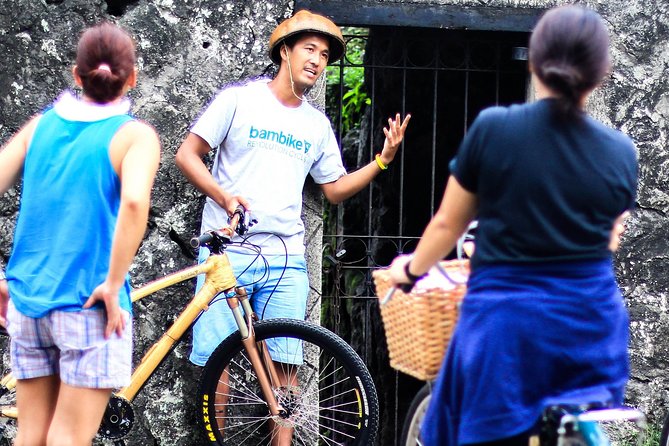
Floyd has been praised for explaining Philippine culture and history with warmth, humor, and patience. He also helped several groups feel safe in areas they would not have visited alone. Venus is described as bubbly, attentive, and good at handling obstacles, timing, and group needs. Jane has also received praise for her explanations of Intramuros and Filipino history.
That range of praise suggests a useful strength: the guides do more than recite dates. They connect buildings and neighborhoods to everyday life. You can ask about food, local customs, transport, income differences, or the historical purpose of a site.
Some departures include two guides, which can be helpful when the route gets crowded. It may also mean you receive one guide for the street sections and another with stronger focus on Intramuros.
Walking, heat, and the pace of the route
The operator clearly warns that this is a lot of walking. That warning deserves attention. The tour combines market lanes, neighborhood streets, Chinatown sidewalks, and Intramuros paths, with vehicle rides helping but not replacing the walking.
Wear comfortable shoes. Bring sunscreen, sunglasses, and a hat or cap. A refreshment is included, but you should still plan for the heat and activity. One person specifically wished they had had coffee before starting, and another noted that fatigue had set in by the time Intramuros began.
The quick pace is both a strength and a weakness. You see more of Manila than you could on a simple walking tour, but you will not linger everywhere. I would choose this route early in a Manila visit, then return to the place that interests you most.
It may not suit someone with limited stamina. The stated restriction excludes people over 95, but the more useful practical test is whether you are comfortable walking through crowded urban areas for three hours.
Is $68 a fair price?
At $68 per person, the tour is not the cheapest way to see Manila. You are paying for a live English-speaking guide, refreshments, photography, and the coordination of several rides, not simply entry to one attraction.
The value is strongest if you are new to Manila, short on time, or nervous about navigating Tondo and Binondo alone. A good guide adds context and helps you move through unfamiliar streets with greater confidence. The transport rides also give the outing a distinctive feel.
The price is less compelling if you already know Manila, want long visits inside Fort Santiago or the churches, or would rather spend an afternoon eating and shopping in Binondo. This is an orientation tour, not a slow specialist tour.
Free cancellation up to 24 hours before the activity and the option to reserve now and pay later add useful flexibility. Still, check the booking details carefully. The supplied information lists Nueva Vizcaya as the location, while the meeting point and entire route are in Manila at Tutuban Center Mall. Confirm that the correct Manila departure appears on your reservation before you go.
Who should book this experience?
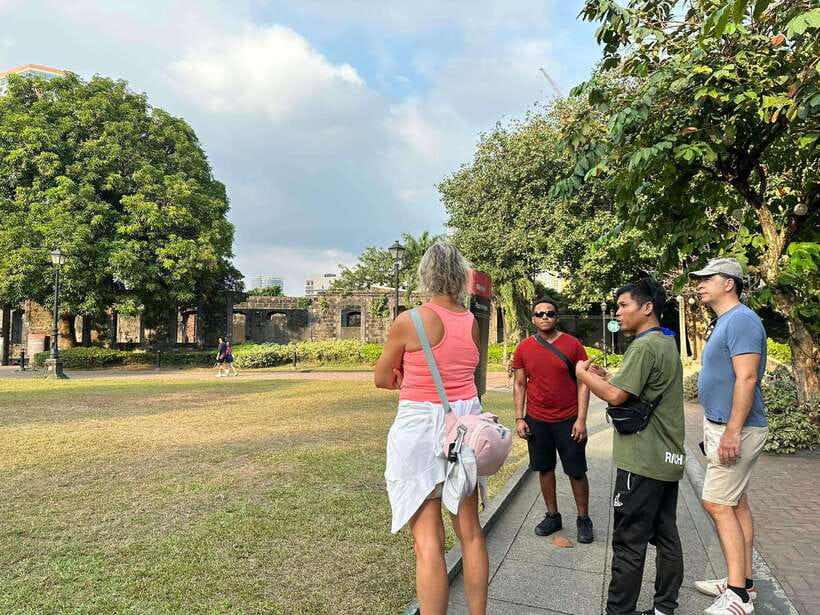
I would recommend it to first-time visitors who want more than the polished side of Manila. It suits solo travelers, couples, families with older children, and people on a short stopover who need a fast introduction.
It is also a good choice for anyone interested in the connection between history and present-day life. You see churches and forts, but you also ride public transport, walk through market districts, and taste food in Chinatown.
I would be cautious about booking it if you dislike crowds, heat, street noise, or social inequality presented without much distance. The tour does not smooth out Manila’s rough edges. That is part of its purpose, but it can be confronting.
It is also not ideal if your main goal is architectural detail. In that case, book a dedicated Intramuros visit and give yourself more time at Fort Santiago, San Agustin Church, Casa Manila, and the Manila Cathedral.
Practical advice before you go
- Meet at Tutuban Center Mall near the Bonifacio Monument and Lawson Convenience Store.
- Ask mall security for help locating the guide if you are unsure where to wait.
- Wear shoes made for walking, not just casual sandals.
- Use sunscreen and bring sunglasses and a hat or cap.
- Eat or drink something before the start, since the schedule is active.
- Leave room for food sampling in Binondo.
- Keep valuables secure in crowded areas.
- Ask questions, especially during the Tondo and Chinatown sections.
- If you want detailed time at Intramuros, ask the guide what the day’s timing allows.
FAQ
Where does the tour meet?
Meet your guide at Tutuban Center Mall near the Bonifacio Monument and Lawson Convenience Store. You can ask mall security to help you find the guide.
How long does the tour last?
The tour lasts three hours.
What places are included?
The route includes Tondo Market, Binondo Chinatown, and Intramuros. The historic section includes Fort Santiago and Manila Cathedral, with Casa Manila and San Agustin Church also highlighted.
What types of transportation are included?
The experience includes rides by tuk-tuk, tricycle, and jeepney.
What language is the tour conducted in?
The live tour guide speaks English.
What should I wear?
Wear comfortable shoes, and bring sunglasses, sunscreen, and a hat or cap. The tour involves a lot of walking.
Should you book the Tondo, Chinatown, and Intramuros tour?
Book it if you want a quick but candid introduction to Manila. The strongest reason to go is the combination of street-level local life, Chinese-Filipino culture, colonial landmarks, and ordinary public transport in one tightly planned route.
Skip it if you want a quiet day, extensive museum time, or a focused tour of Intramuros alone. For most first-time visitors with limited time, though, $68 buys useful orientation, friendly guidance, refreshments, photos, and an experience that reaches well beyond the usual postcard stops.