Private Half-Day Shore Excursion Old Manila by Calesa
Old Manila makes a short port call count. This private half-day tour pairs a calesa ride with the city’s most important colonial landmarks, giving you a quick but meaningful look at Manila’s past. I like the private format, since your guide can focus on your group, and I like the route itself, which links Rizal Park, Intramuros, San Agustin Church, Casa Manila, and Fort Santiago.
The main drawback is the fixed, non-refundable booking policy, so you need to be certain of your cruise schedule before paying. The tour also calls for moderate physical fitness, and a four to five-hour visit can feel brisk if you prefer long, unhurried stops.
In This Review
- Key points to know before booking
- Why this half-day tour works well from a cruise ship
- Starting with Jose Rizal and the calesa
- Entering Intramuros through the old ramparts
- San Agustin Church, Manila’s major historic stop
- Casa Manila and the details of colonial daily life
- Fort Santiago and the final chapter of the route
- What the private guide adds
- Price, inclusions, and real value
- Timing, fitness, and the non-refundable booking rule
- Who should book this Old Manila excursion
- Should you book Private Half-Day Shore Excursion Old Manila by Calesa?
- FAQ
- How long does the Old Manila shore excursion last?
- What time does the tour begin?
- Is pickup from the cruise ship included?
- What is included in the price?
- Is this a private tour?
- Are food and drinks included?
Key points to know before booking
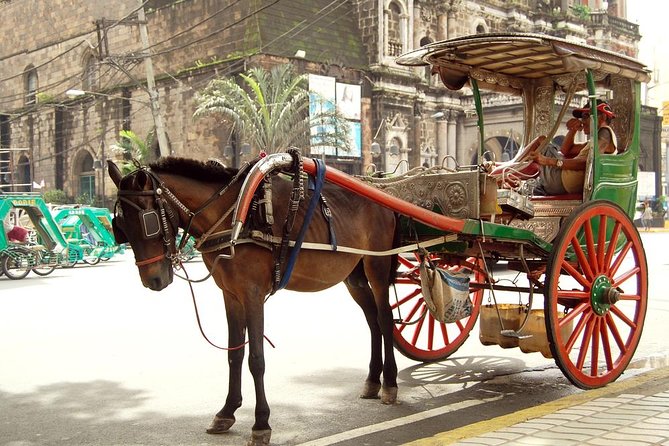
- A calesa opens the tour: You ride in a traditional two-wheeled horse-drawn carriage toward Rizal Park and parts of Old Manila.
- Intramuros gives you the big picture: The old walled district links several major colonial sites in one compact area.
- San Agustin Church is the historic centerpiece: You visit the oldest stone church in the Philippines and a UNESCO World Heritage Site.
- Casa Manila adds daily-life detail: Its rooms show how colonial-era life looked beyond churches and fortifications.
- Fort Santiago brings the history into focus: The former Spanish fortress sits at the mouth of the Pasig River and connects to major moments in Philippine history.
- Private touring keeps the pace personal: Only your group participates, with an English-speaking local guide and round-trip cruise-ship transfers.
Why this half-day tour works well from a cruise ship
Manila can feel difficult to sort out during a short port visit. The city’s important sights are spread across busy streets, while the old core has its own rhythm, architecture, and history. This excursion removes much of that guesswork by placing the main historic stops into one four to five-hour route.
I see the strongest value in the combination of transport and interpretation. You are not simply dropped at Intramuros and left to find your way around. A guide accompanies your private group, and the tour includes transfers from the cruise ship, the calesa ride, entrance fees, taxes, and handling charges.
The private setup matters even more on a short visit. You do not have to wait for a large group at every gate or listen to a guide explain details that do not interest you. You can ask about Filipino colonial history, Jose Rizal, church architecture, or the old city walls as your curiosity develops.
The schedule begins at 8:00 a.m. That early start is useful for a port day because it leaves some breathing room before your ship’s departure. Still, you should allow extra care around timing. The tour lasts about four to five hours, and traffic or delays can affect how relaxed the day feels.
You can also read our reviews of more private tours in Manila


Starting with Jose Rizal and the calesa
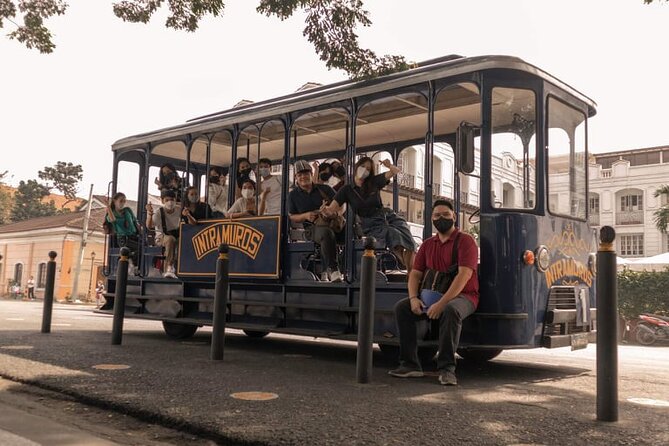
The tour begins with a calesa ride toward Rizal Park. A calesa is a two-wheeled horse-drawn carriage, once a common form of transport in Manila. Here, it gives you a traditional way to begin your look at the old city rather than starting inside a modern vehicle.
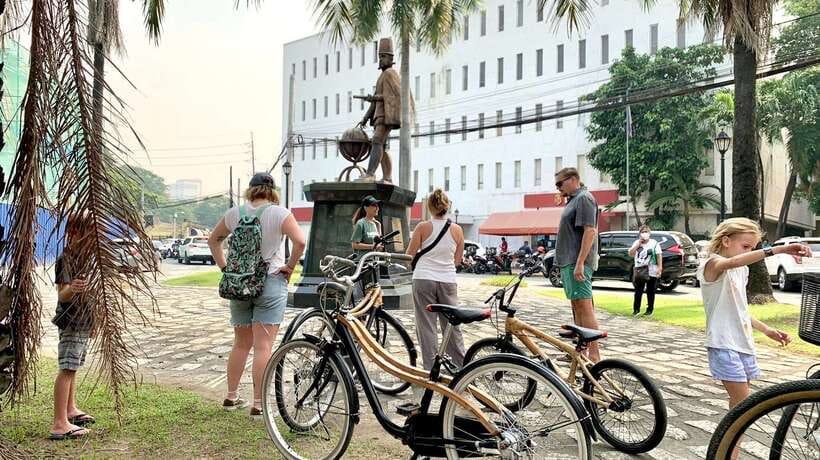
Rizal Park honors Dr. Jose Rizal, the country’s national hero. His role in Philippine history is closely tied to the country’s struggle under Spanish rule, so beginning here gives the rest of the excursion a useful frame.
The calesa is also part of the experience’s character. It is slower and more atmospheric than a standard road transfer, allowing you to take in the old city at a gentler pace. You should not mistake it for a long carriage tour across all of Manila, though. The ride is one part of a larger itinerary, not the entire focus.
Because the route includes historic streets and several walking stops, wear practical shoes and bring sun protection. The tour description calls for moderate physical fitness, which is a fair warning for anyone who has trouble walking over uneven surfaces or standing during guided visits.
Entering Intramuros through the old ramparts
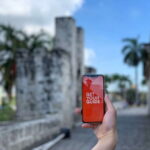
From Rizal Park, the route reaches the old city walls. These ramparts stretch for more than 4.5 kilometers and surround Intramuros, the Spanish colonial town founded in 1571. The name means within the walls, and that sense of separation is central to understanding the area.
You ride along parts of the old ramparts before entering the Walled City. This short portion of the tour helps you see Intramuros as more than a collection of individual buildings. The walls, gates, churches, streets, and fortifications were part of one planned colonial settlement.
The stop inside Intramuros is listed at about 15 minutes, with no separate admission charge. That is enough time to get your bearings and hear the basic story, but not enough for a detailed walking tour of every section. I would treat this as an introduction that prepares you for the church, Casa Manila, and Fort Santiago.
The city walls are especially useful for visitors who want context. Without them, you might see several attractive old buildings without understanding why they were built together. With them, the layout becomes easier to read: this was a defended colonial center, not simply an old neighborhood.
San Agustin Church, Manila’s major historic stop
San Agustin Church receives about 30 minutes on the itinerary, and this is likely to be the tour’s most important architectural visit. It is described as the oldest stone-built church in the Philippines and is part of a UNESCO World Heritage Site.
That designation gives the church more weight than a quick photo stop. You are visiting a place recognized for its cultural and historical value, while also seeing one of the clearest reminders of the Spanish colonial period in Manila.
Thirty minutes is a sensible amount of time for a guided visit on a shore excursion. You can look at the building, listen to the explanation, and take in the setting without losing half the morning at one site. If church architecture is a major interest for you, the time may feel short, but the private guide gives you a chance to ask focused questions.
The church also provides a useful counterpoint to Fort Santiago. Fort Santiago represents defense and political power, while San Agustin Church shows the religious side of colonial rule. Seeing both in one morning gives you a fuller picture than visiting either one alone.
Admission to San Agustin Church is included. That is a small but useful detail, since you do not need to handle a separate ticket during the tour.
Casa Manila and the details of colonial daily life
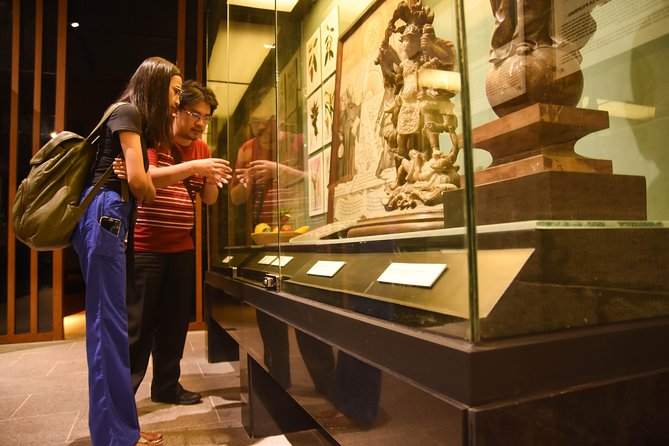
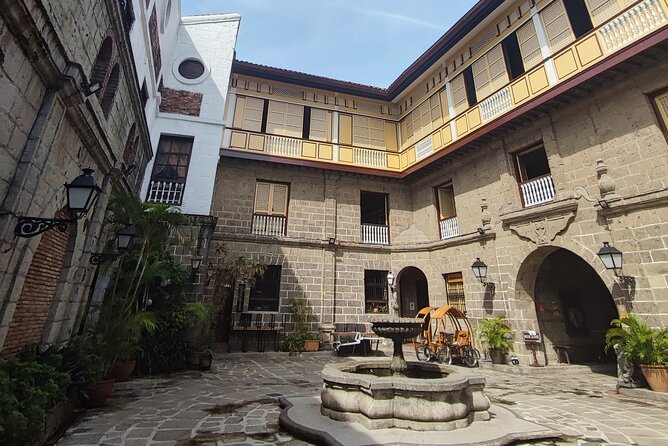
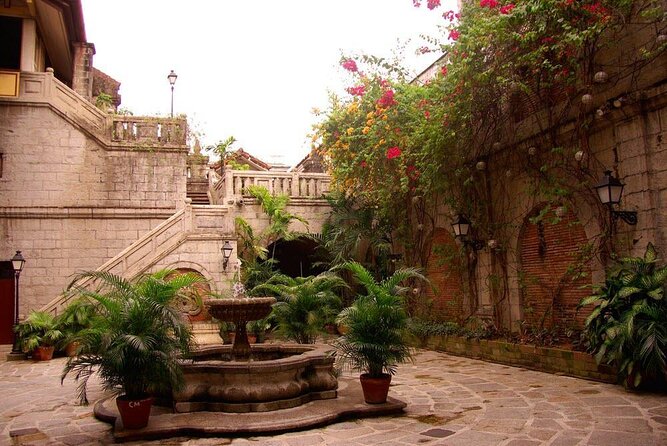
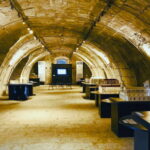
Across from San Agustin Church, Casa Manila shifts the focus from large institutions to domestic life. The house displays the lifestyle of the colonial period, giving you a chance to think about how people lived, ate, furnished rooms, and organized their homes.
This is one of the tour’s most useful contrasts. Churches and fortresses tell you about public power, faith, and conflict. Casa Manila brings the story indoors, where objects and rooms can show the social habits of another era.
The scheduled visit lasts about 30 minutes. That is long enough for a guided look through the house, though you should expect the stop to remain selective rather than exhaustive. The tour then continues along cobbled streets and past historic landmarks toward the Cathedral.
The cobbled streets add to the sense of place, but they also explain why comfortable footwear matters. You may find the walking slower than it would be on a smooth modern pavement. Anyone who needs a fully flat or especially easy route should consider the moderate-fitness requirement before booking.
Casa Manila is a good stop for you if you want more than military and religious history. It makes the colonial period easier to picture in ordinary human terms, even though the overall tour remains a brief introduction rather than a full study of Manila’s social history.
A few more Manila tours and experiences worth a look



Fort Santiago and the final chapter of the route
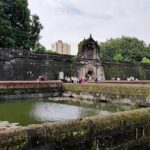
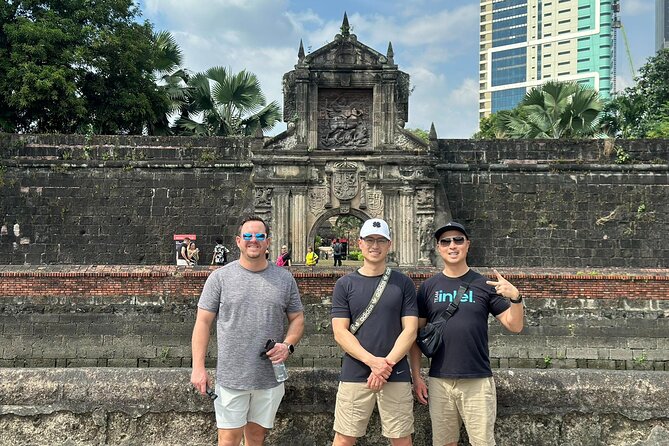
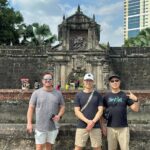
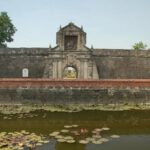
The final listed stop is Fort Santiago, an old Spanish fortress at the mouth of the Pasig River. The site connects to major moments in Philippine history, and the tour allows about 30 minutes to explore it with your guide.
Fort Santiago gives the excursion a strong finish because it brings together the themes introduced earlier. The walls show how Intramuros was protected. San Agustin Church shows the colonial religious order. Casa Manila presents domestic life. Fort Santiago returns you to the larger political and military story.
A 30-minute visit will not cover every corner of the fortress. Instead, expect a focused explanation of why the fort mattered and how it fits into the story of Manila. Your private guide can help you concentrate on the details that mean most to you.
The fort’s position by the Pasig River is important. Manila’s waterways helped shape its trade, movement, and defense, so the location adds more than a scenic backdrop. It shows why this point was valuable to the colonial city.
What the private guide adds
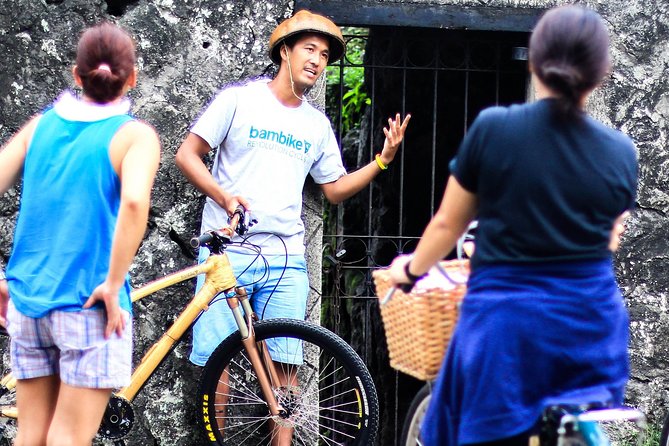
The private format is the clearest reason to choose this excursion instead of a basic group sightseeing route. Only your party participates, and a local English-speaking guide leads the visit. That gives you more control over the conversation and the pace, within the limits of the half-day schedule.
Guide Jonas Fon receives especially strong praise for being polite and handling the tour well. That is a useful detail for anyone who values courteous service and clear organization. Of course, one named guide does not guarantee who will lead every departure, but the experience does identify local guiding as a central part of the service.
I would use the private setting to ask direct questions. You can ask how the Spanish colonial period shaped Manila, why Rizal is honored at the park, or how the fort and church fit into the history of Intramuros. A private guide can also help you decide where to spend your limited attention.
The tour is not designed as a free-roaming day. The stops and approximate times are set, and the route covers several major sites. The benefit is efficiency. The tradeoff is that you have less room for a long café break, extended shopping, or an unplanned visit elsewhere.
Price, inclusions, and real value
The listed price is $175.65 per person. That is a substantial cost for a half-day experience, so the value depends on what you need from a shore excursion.
You are paying for more than entrance to the sights. The price includes round-trip transfers from the cruise ship, a private guide, the calesa ride, all taxes, fees, and handling charges, plus admission to San Agustin Church and Casa Manila. Food, drinks, and personal expenses are not included.
For two people or more, the price can make sense if you want a private day with transport arranged from the ship. You avoid the work of coordinating several historic sites yourself, and you have a guide for the colonial context that can be difficult to pick up from buildings alone.
The tour also offers group discounts, though the exact reduction is not provided. A minimum of two people is required per booking. Children receive a child rate only when sharing with two paying adults, and children must be accompanied by an adult.
I would compare the cost with your priorities. If you want the lowest-cost way to see Intramuros, this will not be the best choice. If you want a compact, private route with a traditional carriage ride and ship transfers, the package is easier to justify.
Timing, fitness, and the non-refundable booking rule
The start time is 8:00 a.m., and confirmation is provided when you book. Pickup is offered, with round-trip cruise-ship transfers included in the experience.
The schedule includes a calesa ride, brief time around Intramuros, 30 minutes at San Agustin Church, 30 minutes at Casa Manila, and 30 minutes at Fort Santiago. Since the total duration is about four to five hours, some time is also taken up by movement between locations and the return transfer.
You should be comfortable with a moderate amount of walking and standing. The cobbled streets may make the route more tiring for anyone with mobility concerns, and the tour does not promise special accessibility arrangements.
The cancellation policy deserves careful attention. This experience is non-refundable and cannot be changed for any reason. If the operator cancels because the minimum number of participants is not met, you will be offered another date or experience, or a full refund. That protection does not apply if you change your own plans.
For a cruise visit, I would book only after confirming your shore schedule and the number of people in your party. A booking made around five days before the tour is typical, but the firm cancellation terms make last-minute uncertainty costly.
Who should book this Old Manila excursion
I think this tour suits you best if you have one port day and want the major historic sights handled in a clear order. It is also a good fit if you prefer a private guide, want round-trip ship transfers, and like the idea of seeing the old city by calesa.
History-minded visitors will appreciate the range of stops. You get a fortified district, a UNESCO-listed church, a colonial home, a famous fortress, and a park honoring the national hero Jose Rizal. The route gives you several ways to understand Manila instead of repeating the same type of sight.
Families may also find the carriage ride and fortress appealing, but remember that the child rate requires two paying adults and that children must have an adult with them. Anyone seeking a long, relaxed meal, extensive shopping, or a very flexible schedule should choose a different kind of shore day.
Should you book Private Half-Day Shore Excursion Old Manila by Calesa?
Book it if you want efficient private sightseeing and a strong introduction to Manila’s colonial core. The calesa ride adds local character, while San Agustin Church, Casa Manila, and Fort Santiago give the morning real substance.
Skip it if the $175.65 price feels too high for a four to five-hour visit, if you need flexible cancellation, or if walking over old streets will be difficult. For the right cruise passenger, though, the combination of a private English-speaking guide, historic Intramuros, included admissions, and ship transfers makes this a practical way to see Old Manila without wasting a port day.
FAQ
How long does the Old Manila shore excursion last?
The tour lasts approximately four to five hours.
What time does the tour begin?
The stated start time is 8:00 a.m.
Is pickup from the cruise ship included?
Yes. Round-trip transfers from your cruise ship are included, and pickup is offered.
What is included in the price?
The price includes all taxes, fees, and handling charges, the calesa ride, a local English-speaking guide, and admission to the included attractions.
Is this a private tour?
Yes. Only your group participates in the activity.
Are food and drinks included?
No. Food, beverages, and personal expenses are not included.