Cebu and Mactan: Twin City Culture and History Half-Day Tour
Cebu’s story fits into one busy morning. I like the way this tour joins Cebu’s Spanish-era landmarks with Mactan’s Filipino identity, and I especially like the visit to a local guitar factory, a stop many city tours skip. You also get hotel pickup, transport, a guide, and admission fees included. The tradeoff is a quick pace: five hours is enough for an introduction, not a slow look at every museum and church.
The tour works well if you want a clear first look at the twin cities of Cebu and Mactan without sorting out taxis and ferries of history on your own. Guide Rosh earned praise for bringing the sites to life, while driver Rydel was noted for patience when extra time was needed. Still, traffic, museum hours, and pickup arrangements can affect how much time you spend at each stop.
In This Review
- Key points to know before booking
- Why this five-hour route works
- Magellan’s Cross and the Santo Niño tradition
- Fort San Pedro and Cebu’s Spanish defenses
- Colon Street and the museums around Plaza Parian
- Crossing Mandaue toward Mactan Island
- Our Lady of the Rule and Mactan’s local devotion
- A Philippine guitar factory in Mactan
- Remembering Lapu-Lapu at the Liberty Shrine
- Guides, transport, and the value of $116
- Who will enjoy this Cebu and Mactan tour?
- Should you book it?
- FAQ
- How long does the Cebu and Mactan tour last?
- What language is the tour conducted in?
- Is hotel pickup included?
- Which Cebu City hotels have pickup?
- Which Mactan resorts have pickup?
- Are entrance fees included?
- Are meals and drinks included?
- What places are visited in Cebu City?
- What places are visited in Mactan?
Key points to know before booking
- Magellan’s Cross and the Basilica Minore come first: You begin with Cebu’s best-known Christian landmarks and the story of Queen Juana’s Santo Niño image.
- Fort San Pedro adds military history: This coral-stone fort dates from 1565 and is described as the oldest Spanish fort in the Philippines.
- Two museums broaden the picture: Casa Gorordo shows the refined lifestyle of the Spanish-Filipino elite, while Museo sa Sugbu adds another view of Cebu’s past.
- Mactan brings a different side of the story: You visit the Church of Our Lady of the Rule, a guitar factory, and the Liberty Shrine.
- Hotel pickup is included: Pickup is offered at listed hotels in Cebu City and resorts on Mactan Island.
- Five hours goes quickly: This is a useful overview, but you should not expect long, unhurried museum visits.
Why this five-hour route works
Cebu and Mactan are often treated as separate stops, yet their stories are tightly linked. Cebu is tied to the arrival of Magellan, Spanish rule, and early Christian conversion. Mactan is tied to the resistance led by Datu Lapu-Lapu, whose victory over Magellan remains one of the defining episodes in Philippine history.
This tour connects those two stories in a sensible order. You start in Cebu City, where the major colonial-era sights are close together, then cross toward Mactan through Mandaue. The route gives you a useful arc: Spanish arrival, religious change, colonial defense, elite domestic life, local manufacturing, and Filipino resistance.
I like this format for a first visit because you do not have to spend half the morning negotiating transport between scattered places. A guide can also explain why a small chapel, fort, or museum matters, rather than leaving you to read a few signs and move on.
The main limitation is time. Five hours sounds generous until you include hotel pickups, city traffic, the crossing toward Mactan, and several admissions. You should view this as a well-organized introduction, not a full historical study.
You can also read our reviews of more historical tours in Cebu City
Magellan’s Cross and the Santo Niño tradition
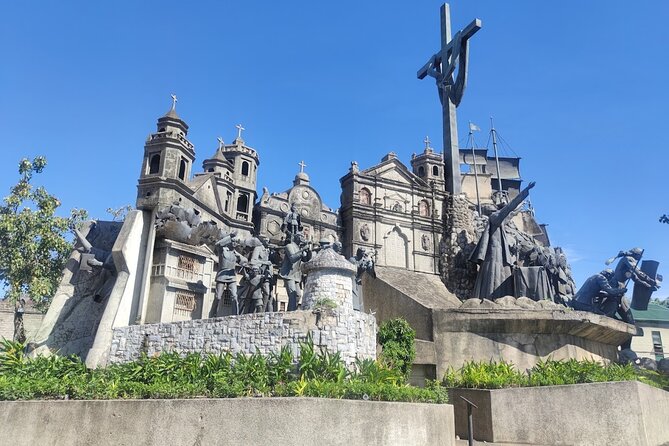
The first stop is Magellan’s Cross, one of Cebu’s most recognizable symbols. The cross was placed in Cebu in 1521 by Ferdinand Magellan and is associated with the arrival of Christianity and Spanish influence.
The site is important, but its meaning is not simple. It represents the beginning of a major religious transformation, as well as the start of centuries of Spanish political influence. I find it useful to look at the cross as both a religious object and a marker of a turning point in Philippine history.
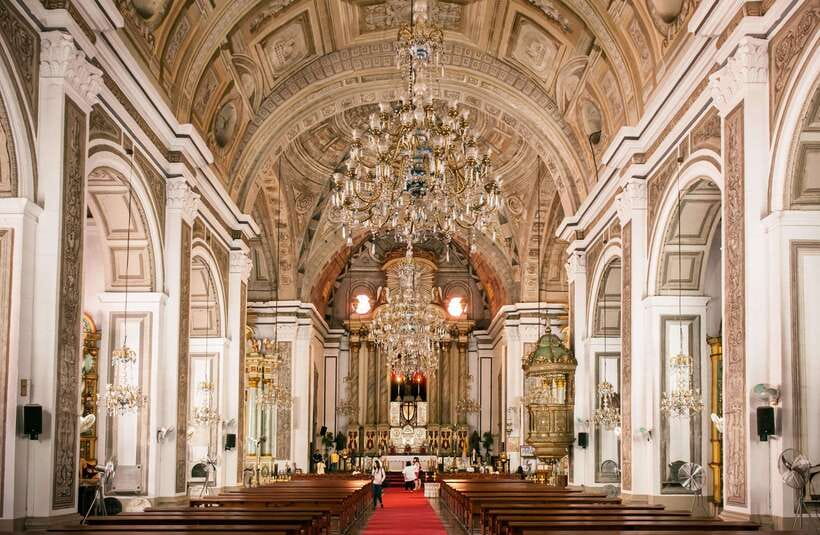
The nearby Basilica Minore of the Child Jesus continues that story. It is home to the Santo Niño image, a representation of Jesus as a child that Magellan gave to Queen Juana, described as the first Christian Filipina.
You can expect this stop to be more than a quick photograph. The basilica connects the early Spanish arrival with a devotion that remains central to Cebu. Its religious importance is clear, even if you are not Catholic, and your guide can help explain why the image matters so much to local identity.
Because Magellan’s Cross and the basilica are among Cebu’s most visited sights, this part of the tour may feel busy. That is also why having a fixed route helps. You can see the main landmarks without losing time deciding where to go next.
Fort San Pedro and Cebu’s Spanish defenses
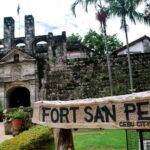
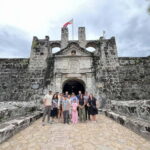
Fort San Pedro is the tour’s strongest military-history stop. The coral-stone fortress originated in 1565 and protected the settlement that became the first Spanish base in Asia. It is described as the oldest Spanish fort in the Philippines.
The fort is not enormous, so you do not need hours to understand its layout. That makes it a good match for a half-day tour. The walls, open areas, and compact design give you a direct sense of how Spanish authorities defended the settlement.
I like Fort San Pedro because it adds necessary context to the religious sites. Magellan’s Cross and the basilica show conversion and ceremony. The fort shows administration, security, and the practical machinery of colonial rule.
Take a moment to notice the coral-stone construction. That material links the fort to the local setting and helps explain how Spanish builders adapted their methods in the Philippines.
The stop may feel brief if military architecture is your main interest. Still, it is one of the places where a guide can add real value. A good explanation turns a small fortress into a window on Cebu’s role as an early Spanish settlement.
Colon Street and the museums around Plaza Parian
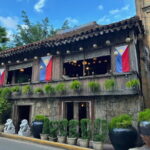
The route continues down Colon Street, described as the oldest street in the country, before reaching Plaza Parian. This short drive matters because it shifts the focus from famous monuments to the wider story of Cebu City.
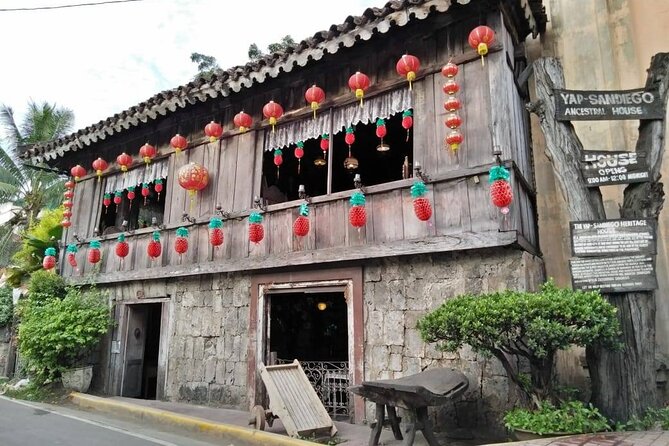
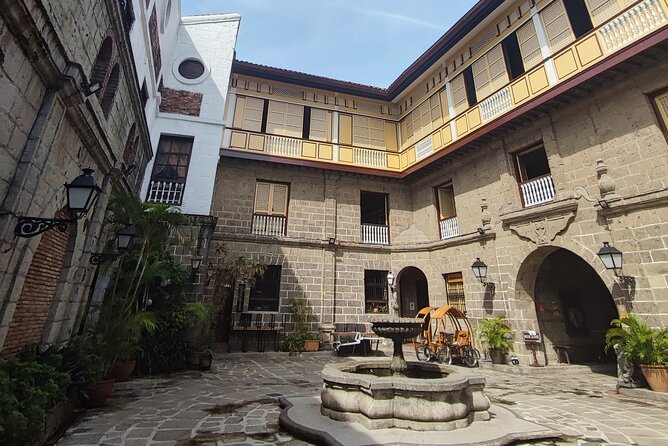
Casa Gorordo gives you a look at the refined lifestyle of the Spanish-Filipino elite in the 18th century. Instead of focusing only on battles and religious conversion, the museum shows how upper-class life was shaped by Spanish influence, local customs, and social status.
I would pay attention to the domestic details here. A historic house can explain class and culture in a way that a fortress cannot. It helps you picture how colonial influence entered everyday life, not just official buildings.
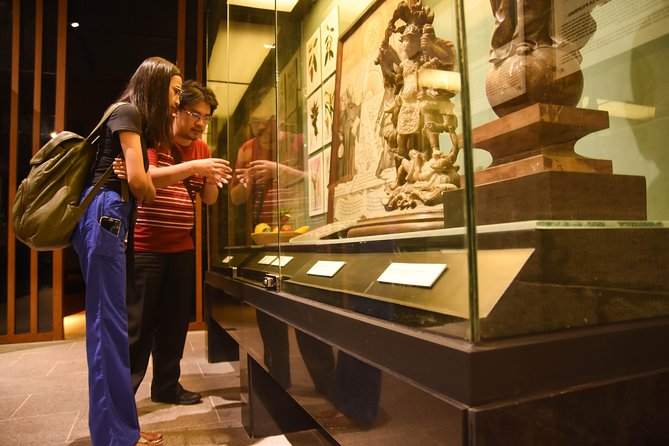
Museo sa Sugbu completes the Cebu heritage portion of the tour. Together, the two museums offer a broader view than the earlier landmarks alone. Casa Gorordo focuses on an elite home and social world, while Museo sa Sugbu adds another institutional setting for understanding Cebu’s past.
The drawback is that museum visits can feel compressed on a five-hour route. If you enjoy reading every label or examining each room, you may want a separate visit later. On this tour, listen for the main themes and ask your guide questions rather than trying to absorb every display.
Crossing Mandaue toward Mactan Island
After the Cebu City stops, you cross toward Mactan Island through Mandaue. The route is not simply dead time. Mandaue is known for world-class furniture factories, and the drive gives you a glimpse of the connected urban area that links Cebu City and Mactan.
This part also marks a change in subject. Cebu City presents the colonial and religious center of the story. Mactan brings in local industry, devotion, and the memory of resistance to Magellan.
Traffic can affect this section of the tour. The exact time available at later stops will depend on the day’s road conditions and pickup schedule. That is one reason I would keep your expectations flexible and avoid planning another fixed activity immediately afterward.
A few more Cebu City tours and experiences worth a look
Our Lady of the Rule and Mactan’s local devotion
The first Mactan stop is the Church of Our Lady of the Rule. It is a national shrine, and many people associate the church’s namesake with Mactan’s economic success.
This stop adds a local belief to the tour’s more formal historical narrative. The earlier sites explain what happened through Spanish records, forts, and museums. Here, you encounter a place whose importance is also tied to devotion and community tradition.
You may find this stop especially interesting if you want to see how faith continues to shape local life. The church is not presented only as an old building. It is part of the living identity of Mactan.
As with the basilica, remember that this is an active religious site. Dress and behave respectfully, and be prepared for the atmosphere to vary depending on services or other activity. The supplied details do not specify service schedules, so your guide remains the best source for what is happening during your visit.
A Philippine guitar factory in Mactan
The guitar factory is one of the tour’s most distinctive stops. You see how Philippine guitars are made and learn about a product for which Mactan is well known.
This visit gives the itinerary a welcome change of pace. After several historical and religious sites, you see skilled production in the present day. It also shows that Mactan is not only a battlefield memorial or a resort area. It has an active manufacturing tradition.
I like this stop because the process makes culture tangible. You are not only looking at an old object in a display case. You are seeing how an instrument is produced and how local craft supports the island’s identity.
The information provided does not promise a hands-on workshop or a chance to play instruments, so you should expect a factory visit rather than a formal music lesson. If you hope to buy a guitar, ask the guide or factory staff about purchasing arrangements instead of assuming it is part of the tour.
Remembering Lapu-Lapu at the Liberty Shrine
The final stop is the Liberty Shrine, located at the battlefield where Mactan chieftain Datu Lapu-Lapu defeated Magellan. A large statue of Lapu-Lapu rises above the mangrove trees and battlefield area.
This is a strong ending because it corrects the idea that Spanish arrival was an easy conquest. Magellan is one of the central figures at the beginning of the tour, but Mactan gives the story its local counterpoint. Lapu-Lapu is remembered as the leader who resisted foreign power and defeated Magellan.
The shrine may not offer the same enclosed, carefully arranged experience as a museum. Its power comes from the open setting, the statue, and the historical association with the battlefield. I would listen closely to the guide here, since the explanation can help connect the monument to the earlier stops.
The statue is larger than life, and that scale makes the message plain. This is not simply a memorial to an old battle. It is a public statement about Filipino courage and independence.
Guides, transport, and the value of $116
The price is $116 per person. That is not a low-cost city outing, but the value depends on what you need. Hotel pickup and drop-off, transportation, a live English-speaking guide, and entrance fees are included. Meals and drinks are not.
For you, the price may make sense if you are staying at one of the listed Cebu City hotels or Mactan resorts and want a single half-day package. You avoid arranging several rides, finding each admission desk, and working out how to combine Cebu City with Mactan.
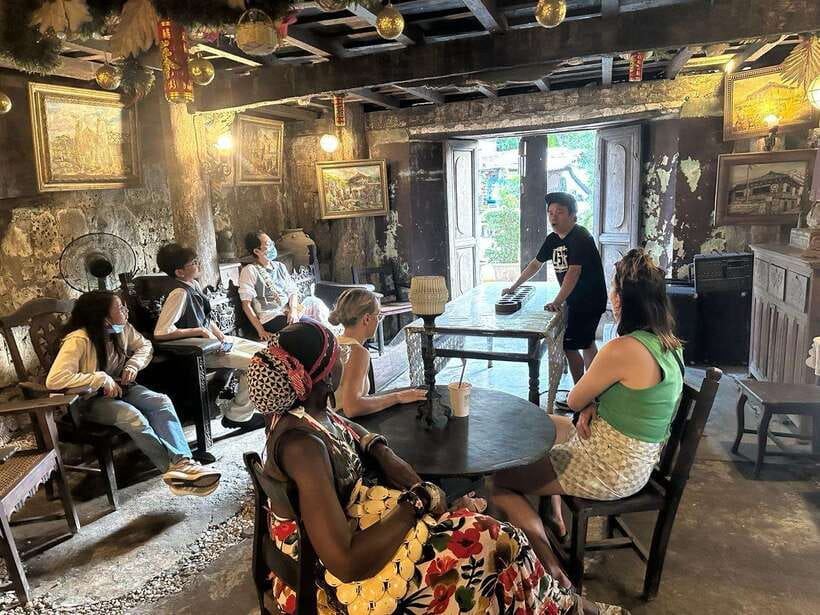
The value is also tied to the guide. One particularly positive account praised Rosh for bringing the historical locations to life and even taking photographs. That is a useful detail if you are traveling alone and want pictures that include you.
Driver Rydel was also praised for patience when more time was wanted at certain locations. That suggests some flexibility may be possible, but you should not treat it as guaranteed. The schedule includes many stops, and traffic can reduce the time available.
The tour uses listed pickup points rather than every hotel in the area. Cebu City pickup points include Marco Polo Plaza Cebu, Waterfront Cebu City Hotel and Casino, Montebello Villa Hotel, Cebu Parklane Hotel, and Cebu City Marriott. Mactan pickup is offered at Plantation Bay, Maribago Bluewater Beach Resort, Costabella Tropical Beach Hotel, Tambuli East, Tambuli West, Shangri-La’s Mactan Island Resort and Spa, and Hilton Cebu Resort and Spa.
You need to provide contact details so the local partner can confirm your pickup. An email gives the exact time and location, and it is worth checking your spam folder if that message does not appear.
Who will enjoy this Cebu and Mactan tour?
I would recommend this tour to you if you have only one morning or afternoon in the area and want both city history and Mactan culture. It is also a practical choice if you prefer a guide and organized transport over arranging several separate trips.
History-minded visitors will appreciate the progression from Magellan’s Cross to Fort San Pedro and the Liberty Shrine. Culture-focused visitors will get churches, museums, domestic history, and guitar-making in one route.
The tour is less suitable if you want to linger. Five hours cannot give every stop equal attention. You may also prefer a private, slower itinerary if your main goal is detailed museum study or extended photography.
The small number of available ratings is positive, with an overall score of 4.8 from four reviews. The strongest praise centers on hospitable guiding, Rosh’s storytelling, and Rydel’s patience. Those points matter because this schedule depends on good explanations and smooth movement between stops.
Should you book it?
Book this tour if you want a guided introduction to Cebu and Mactan in one efficient half-day. The best reasons are the cross-island route, included transport and admissions, the unusual guitar-factory visit, and the clear historical contrast between Magellan and Lapu-Lapu.
Skip it if you already know Cebu’s main sights or want long, quiet visits inside museums and churches. At $116, it offers convenience and coverage rather than the lowest price. For a first look at the twin cities, that trade can be worthwhile.
FAQ
How long does the Cebu and Mactan tour last?
The tour lasts five hours.
What language is the tour conducted in?
The tour includes a live English-speaking guide.
Is hotel pickup included?
Yes. Hotel pickup and drop-off are included from the listed Cebu City hotels and Mactan Island resorts.
Which Cebu City hotels have pickup?
Pickup is listed from Marco Polo Plaza Cebu, Waterfront Cebu City Hotel and Casino, Montebello Villa Hotel, Cebu Parklane Hotel, and Cebu City Marriott.
Which Mactan resorts have pickup?
Pickup is listed from Plantation Bay, Maribago Bluewater Beach Resort, Costabella Tropical Beach Hotel, Tambuli East, Tambuli West, Shangri-La’s Mactan Island Resort and Spa, and Hilton Cebu Resort and Spa.
Are entrance fees included?
Yes. Entrance and admission fees are included in the tour price.
Are meals and drinks included?
No. Meals and drinks are not included.
What places are visited in Cebu City?
The Cebu City portion includes Magellan’s Cross, the Basilica Minore of the Child Jesus, Fort San Pedro, Casa Gorordo, and Museo sa Sugbu. The route also passes along Colon Street and Plaza Parian.
What places are visited in Mactan?
The Mactan portion includes the Church of Our Lady of the Rule, a guitar factory, and the Liberty Shrine, which marks the battlefield associated with Lapu-Lapu’s defeat of Magellan.