indigenous Forest experience Manila 2023
Forest knowledge starts close to home. This full-day trip from Manila takes you to the Pamulaklakin Forest Trail near Subic Bay, where an Aeta guide explains how local plants and trees are used in daily life. I like the small group of up to 15 people and the chance to share a meal prepared in bamboo, rather than simply walking through trees with a guidebook.
I also like the practical setup: an air-conditioned vehicle, pickup from select Manila areas, and a planned visit lasting about 10 to 12 hours. The main thing to consider is the early 6:30 am start and the walking. This is not a gentle city outing, so comfortable shoes and a reasonable level of fitness matter.
In This Review
- Key points at a glance
- Why this Subic Bay forest visit feels different
- The early start from Manila
- Walking the Pamulaklakin Forest Trail
- Learning directly from an Aeta guide
- Lunch prepared inside bamboo
- How much value do you get for $160?
- The walking, weather, and comfort questions
- What the small group changes
- Weather changes and guide flexibility
- Who should book this forest experience?
- Should you book the Pamulaklakin Forest Trail tour?
- FAQ
- Where does the tour take place?
- Does the tour start in Manila?
- What time does the tour begin?
- How long does the full experience last?
- How many people can join the tour?
- Is transportation included?
- Is lunch included?
- What will I learn during the forest visit?
- Is the tour suitable for most people?
- Can I cancel for a refund?
Key points at a glance
- Meet the Aetas in the Binictican Hills: Learn about an Indigenous community connected to the Subic Bay forest.
- See useful plants up close: Guides point out trees and plants with medicinal value and explain how they support everyday life.
- Eat lunch cooked in bamboo: The meal is part of the lesson, not just a break in the schedule.
- Watch simple forest skills: You may see demonstrations of jungle survival methods and bamboo craft.
- Travel in a small group: A maximum of 15 people gives you a better chance to ask questions.
- Plan for a long day: The tour begins at 6:30 am and lasts roughly 10 to 12 hours from Manila.
Why this Subic Bay forest visit feels different
Many Manila day trips point you toward a famous view, a historic building, or a busy attraction. This one gives you a closer look at an Indigenous community and its relationship with the forest. The point is not simply to see rainforest. It is to understand how the Aetas use what grows around them.
The Aetas are native to the Binictican Hills area of Subic Bay, Olongapo. The supplied description notes their distinctive tight, curly hair and their smaller stature compared with many other Filipinos, but the more important detail is their practical forest knowledge. You learn through examples: plants used for medicine, bamboo used for food preparation, and simple methods for coping with the jungle.
That makes the visit more meaningful than a standard nature walk. You are not only looking at trees. You are being shown how people read and use their surroundings.
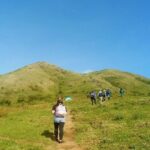
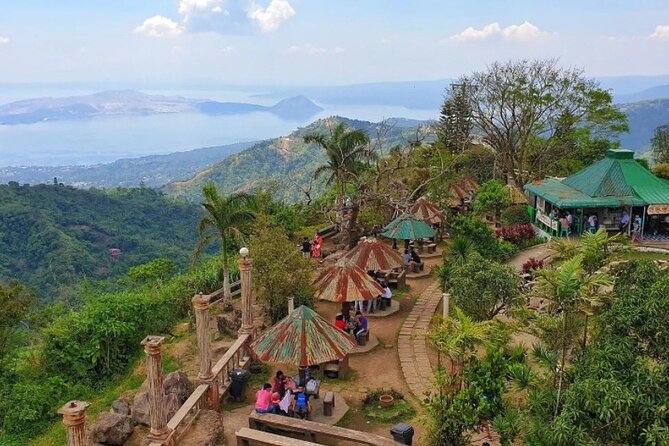
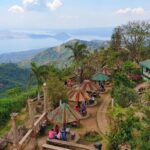
The setting is the Pamulaklakin Forest Trail, described as one of the remaining relatively untouched rainforest areas in the Philippines. The trail is a popular, low-cost place to visit, but this tour adds structure through transport, a guide, lunch, and demonstrations. For someone staying in Manila, that combination saves you from trying to arrange the long journey to Subic Bay on your own.
You can also read our reviews of more tours and experiences in Manila.


The early start from Manila
Your day begins at 6:30 am. That is early, but it is sensible for a trip that includes the drive to Subic Bay, a forest visit, lunch, and the return to Manila. If you are staying in the capital, free transfers are offered from select areas, so check your pickup location carefully before booking.
The air-conditioned vehicle is an important part of the value. Manila traffic and the road distance to Subic Bay can make a full-day trip tiring. Having transport arranged lets you rest between the city and the forest instead of dealing with directions, parking, or public transport connections.
The exact pickup time and route can vary by location, so do not treat 6:30 am as a suggestion. Build your morning around it. I would also keep your schedule after the tour open. The advertised duration is about 10 to 12 hours, and traffic or weather can affect the day.
A small group, capped at 15 people, should make the drive and forest visit more manageable than a large coach tour. It also helps when you want to ask about a plant, a custom, or a demonstration without waiting behind a crowd.
Walking the Pamulaklakin Forest Trail
The central part of the day is a three-hour visit to the Pamulaklakin Forest Trail. The supplied timing lists admission as included, so you are not expected to pay a separate entry charge for this section.
Expect the forest visit to involve walking rather than standing in one place. One guide specifically advised being prepared for the walking tour, and that is useful advice. Wear shoes that can handle an uneven forest path, and bring only what you want to carry during the trail portion.
The value of the walk comes from the explanations along the way. Guides point out plants with medicinal uses and connect them to daily life. This changes the pace of the walk. Instead of rushing from one viewpoint to another, you stop to look closely and listen.
Eddie and Ricky are named as guides who were actively involved, made the tour fun, and answered questions readily. Their approach sounds suited to people who want conversation rather than a memorized speech. Still, guide assignments can change, so do not assume they will lead every departure.
The tour also includes demonstrations of jungle survival skills. The available information does not specify every skill shown, so the exact presentation may vary. You can reasonably expect practical lessons tied to the forest environment, rather than a staged adventure course.
Learning directly from an Aeta guide
The most important part of this outing is the chance to learn from an Aeta guide. That distinction matters. A general guide can describe an Indigenous community, but an Aeta guide can give the visit a more direct connection to local knowledge and experience.
The focus is practical. You may learn which trees or plants have medicinal value, how the forest supplies useful materials, and how bamboo can be shaped for everyday purposes. The information provided does not promise a formal cultural performance, museum display, or long historical lecture. This is a hands-on forest visit.
One account describes bamboo cups being made on the spot as souvenirs. That is a particularly nice detail because it shows bamboo as a living material with a purpose, not merely a decorative object. If you receive or purchase a bamboo item, check customs rules before returning home. One person specifically noted that bamboo products caused no quarantine problem in their country, but rules differ from place to place.
Approach the visit with respect. The Aetas are not there simply to provide a photo opportunity. Listen carefully, ask polite questions, and pay attention to what the guide chooses to share. The best part of this tour is the exchange between you and the community, not a checklist of pictures.
Lunch prepared inside bamboo
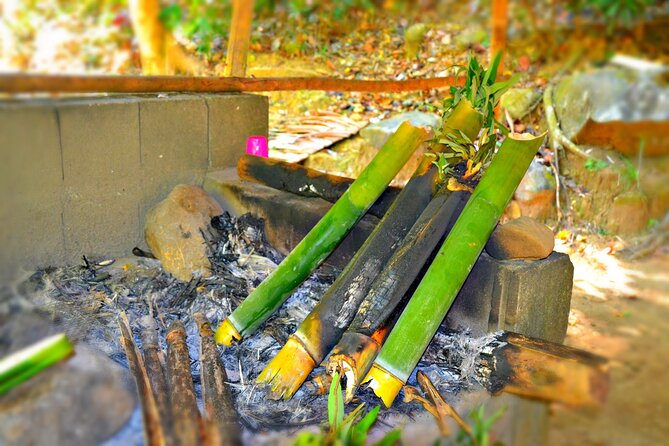
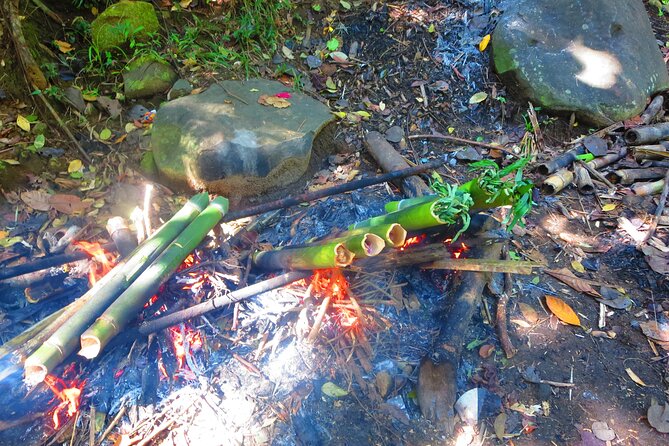
Lunch is one of the strongest features of the day. The meal is traditionally prepared inside bamboo, tying food directly to the forest setting and the skills being demonstrated.
The available feedback describes the bamboo-cooked food as delicious. More important, lunch gives you time to slow down after the walk and enjoy something made as part of the visit. It is not just a packed meal handed to you beside the trail.
The information does not list the dishes, ingredients, or options for allergies and dietary restrictions. If you have a food allergy or follow a special diet, ask the operator before departure. Do not assume that traditional preparation will fit your needs.
The bamboo cups made during the visit can also become a simple souvenir. They are useful reminders of the connection between the meal, the material, and the surrounding forest.



How much value do you get for $160?
At $160 per person, this is not the cheapest way to spend a day outside Manila. The price needs to be judged against what it includes: transport in an air-conditioned vehicle, pickup from select areas, a guided forest visit, admission to the trail, a traditional lunch, and the access provided by a small group.
For a solo visitor or a couple, that can be fair value. Organizing a private journey to Subic Bay would require arranging transport, finding the trail, locating a guide, and sorting out food. Here, those pieces are combined into one day.
The value is less clear if you mainly want a short nature walk or a free afternoon. The journey takes most of the day, and the scheduled trail visit lasts about three hours. You are paying for cultural access and organization as much as for scenery.
Group discounts are offered, which may improve the price for families or friends booking together. Since the group limit is 15 people, ask how the discount applies to your party before paying.
The walking, weather, and comfort questions
The tour is open to most people, but the walking should not be overlooked. The duration on the trail is about three hours, and the guide advice specifically points to preparing for a walking tour. Good footwear is the first practical step.
The vehicle is air-conditioned, which helps during the longer road sections. The trail itself is a forest setting, not an air-conditioned attraction. Conditions may be humid or wet, and the weather policy confirms that the tour requires good weather.
If poor weather causes cancellation, you are offered another date or a full refund. The same applies if the minimum number of participants is not reached, with the choice of a different date or experience, or a full refund. That protection is useful, but it also means you should avoid building an unchangeable plan around this one day.
Most people can take part, but the description does not provide detailed accessibility information. If you have mobility concerns, ask the operator about the forest path and walking conditions before booking.
What the small group changes
A maximum of 15 people is a meaningful limit for this kind of visit. At a plant demonstration, you should be able to stand close enough to see what the guide is holding. During lunch, the group is also small enough to keep the setting more personal.
Small groups can also make it easier to ask direct questions. That matters here because the experience depends on explanation. The forest itself does not automatically tell you how a plant is used or why bamboo matters. You need time with the guide.
The tradeoff is that the tour is still a group outing. You will not control every stop or set your own walking speed. If one person wants to linger over every plant while another wants to move on, the guide must balance the group.
Still, the size is a good middle ground. It offers more contact than a large bus tour without the cost of a fully private trip.
Weather changes and guide flexibility
Outdoor plans in the Philippines can change quickly. The cancellation terms directly acknowledge this by requiring good weather. That is not a minor technical point. The forest trail is the heart of the day, so heavy rain could affect safety and comfort.
One account describes a tour being changed because of a typhoon, with the guides and trainer patiently leading the group through different scenes. The details refer to a changed tour arrangement, so I would not assume every weather problem will be handled in exactly the same way. But it does show why flexibility matters.
If your date is affected, the stated choices are a new date, a different experience, or a full refund, depending on the situation. You can cancel for a full refund if you do so at least 24 hours before the start time. Cancellations or changes inside that window are not accepted for a refund.
Confirmation is normally sent at booking. If you book within eight hours of departure, confirmation is subject to availability and may arrive as soon as possible. That makes last-minute booking less certain, especially for an early start.
Who should book this forest experience?
I would recommend this tour if you want to connect a nature outing with Filipino Indigenous culture. It suits you if you enjoy asking questions, learning practical skills, and accepting a full schedule rather than chasing several unrelated sights.
It is also a good choice if you are staying in Manila and want a planned route to Subic Bay. The included transport removes much of the guesswork, while the small group keeps the visit from feeling like a mass outing.
Families with older children may enjoy the plant lessons, bamboo work, and food preparation, provided everyone is ready for the walking. Friends can also benefit from group discounts.
I would hesitate if you dislike early mornings, have difficulty walking for several hours, or want a luxury wildlife excursion with a precise schedule. The tour is about local knowledge and human contact, not guaranteed animal sightings or polished resort comfort.
Should you book the Pamulaklakin Forest Trail tour?
Book it if the idea of spending a day with Aeta guides, learning how forest plants are used, and eating a bamboo-prepared lunch appeals to you. The combination of culture, walking, food, and arranged transport gives the $160 price a reasonable case, especially for visitors who value access and context.
Think twice if you want a quick, inexpensive trip or if the long day and uncertain weather would cause stress. Before paying, confirm your pickup area, ask about dietary needs and trail conditions, and leave room in your schedule for the 10 to 12-hour duration.
For the right person, this is a thoughtful alternative to another standard Manila sightseeing day. You return with more than photographs. You gain a clearer sense of how the Aetas use the forest and why that knowledge matters.
FAQ
Where does the tour take place?
The tour visits the Pamulaklakin Forest Trail in the Binictican Hills of Subic Bay, Olongapo, Philippines.
Does the tour start in Manila?
Yes. It is a day trip from Manila, with free transfers offered from select areas.
What time does the tour begin?
The stated start time is 6:30 am.
How long does the full experience last?
The complete day lasts approximately 10 to 12 hours. The forest trail portion is listed as three hours.
How many people can join the tour?
The maximum group size is 15 people.
Is transportation included?
Yes. You travel in an air-conditioned vehicle, and pickup is offered from select areas of Manila.
Is lunch included?
Yes. The experience includes a traditionally prepared lunch made inside bamboo.
What will I learn during the forest visit?
You can learn how the Aetas use their surroundings, see plants with medicinal value, and watch demonstrations of jungle survival skills. Bamboo use is also part of the experience.
Is the tour suitable for most people?
The information says most people can participate. You should still be prepared for a walking tour lasting about three hours, and ask the operator about accessibility if needed.
Can I cancel for a refund?
You can cancel at least 24 hours before the start time for a full refund. Cancellations or changes made less than 24 hours before the start time are not accepted for a refund.