Review · Rice Terraces & North Luzon
7 days Banaue-Sagada Adventure from Manila***
Mountain days reward strong legs. This seven-day trip links the Philippines’ famous Ifugao Rice Terraces with Sagada’s caves, waterfalls, villages, and Blue Soil Hills, all in a small group capped at 10 people. I like the chance to hike from Cambulo to Batad instead of simply stopping at a viewpoint, and I like the local focus, especially the village inns, guides, pottery workshop, and traditional burial sites. The main drawback is the pace: several days involve around six to ten hours of hiking or transport, and the overnight buses plus basic village lodging will not suit anyone seeking comfort.
I also appreciate the price, $580 per person, because it covers the main fees, overnight buses, Banaue homestay, and a local guide. But you must budget separately for meals, drinks, and accommodation in Sagada and Manila. The tour is best for fit, flexible people who value access and scenery more than polished hotels or a leisurely schedule.
In This Review
- The most important points before you book
- Leaving Manila on an overnight bus
- Day 2: From Kinaking to Cambulo and Batad
- Day 3: Tappiyah Falls and the walk to Bangaan
- Day 4: Manila arrival and a split in the schedule
- Day 5: Sagada and the long walk to Bomod-Ok Falls
- Day 6: Blue Soil Hills and the cave connection
- Day 7: A slower finish at Sagada Pottery
- What the $580 price really covers
- Who will enjoy this route most
- Practical planning and cancellation details
- Should you book the Banaue and Sagada adventure?
- FAQ
- How long is the Banaue and Sagada adventure?
- Where does the tour begin?
- Where does the tour end?
- How long is the bus ride from Manila to Banaue?
- Is accommodation included?
- Are meals and drinks included?
- How large is the tour group?
- How fit do I need to be?
- What places are visited in Banaue?
- What happens if bad weather cancels the tour?
The most important points before you book
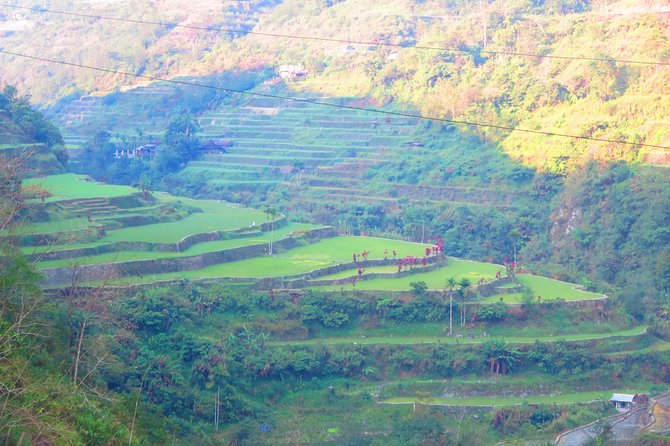
- The route includes three major Ifugao villages: Cambulo, Batad, and Bangaan, with long walks between them.
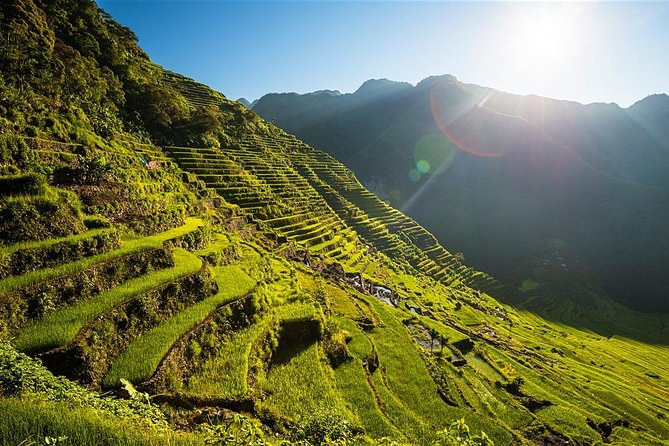
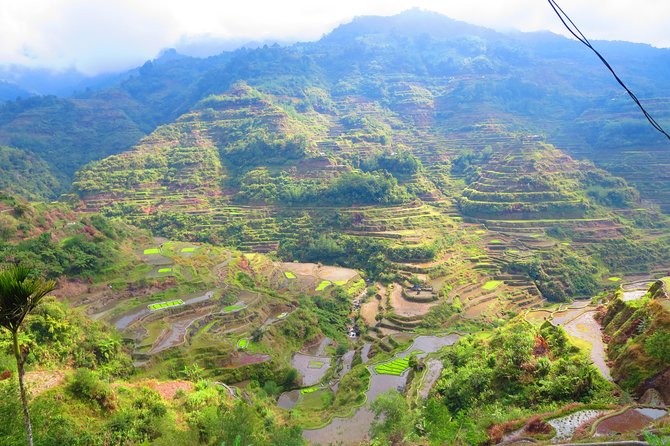
- Batad is the visual high point: its terraces form a broad amphitheater around the mountain slopes.
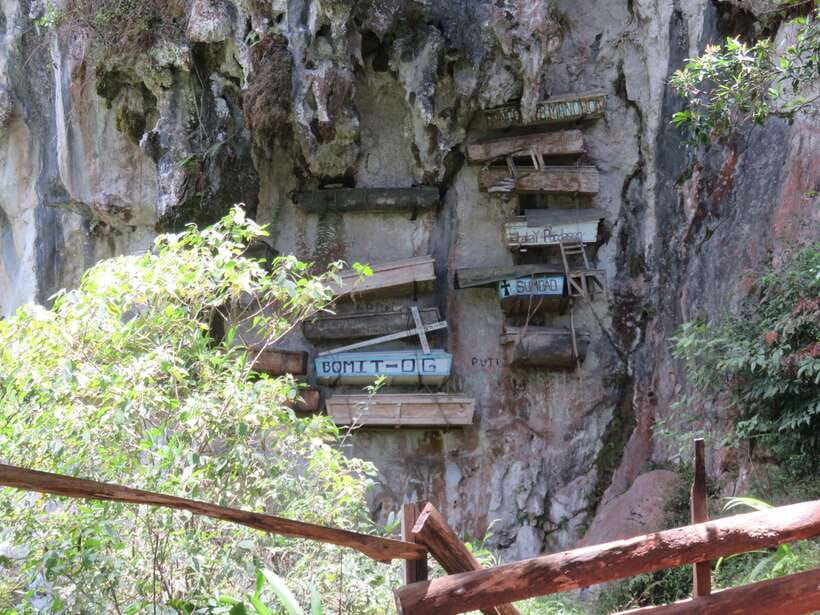
- Sagada adds a different kind of adventure: caves, hanging coffins, a 200-foot waterfall, Blue Soil Hills, and local pottery.
- Transport is part of the challenge: you spend about 10 hours on each overnight bus between Manila and Banaue.
- The group stays small: no more than 10 people, useful on narrow mountain paths and in caves.
- Bring extra money for food and lodging: meals cost about 150 to 300 pesos each, while Sagada and Manila accommodation are not included.
Leaving Manila on an overnight bus
The trip begins at 8pm at the Coda Lines Terminal for HM Transport Inc. in Monte de Piedad, near the Maryland corner in Cubao, Quezon City. The overnight bus to Banaue takes about 10 hours, so your first night is spent on the road rather than in a hotel.
That arrangement keeps the price down and gives you more time in the mountains, but it is not a luxury start. I would arrive early enough to find the terminal without rushing, carry a small bag at your seat, and keep valuables close. You will want water, a light layer, earplugs, and anything that helps you sleep.
The bus is not just a minor detail. It shapes the whole trip. You save a hotel night and reach Banaue in the morning, but you also begin the hiking section after a long ride. If you sleep poorly on buses, expect the first day to feel demanding.
You can also read our reviews of more tours and experiences in Luzon.
Day 2: From Kinaking to Cambulo and Batad
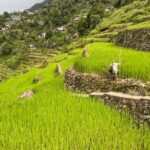
The walking portion begins near Kinaking. Before the trail, you stop at the Banaue Rice Terraces view deck. This is a useful first look at the scale of the Ifugao terraces, but the real reward comes once you leave the road and walk among mountain villages and paddies.
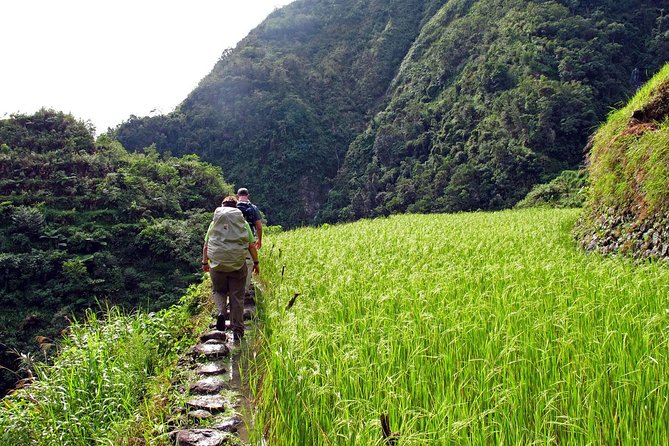
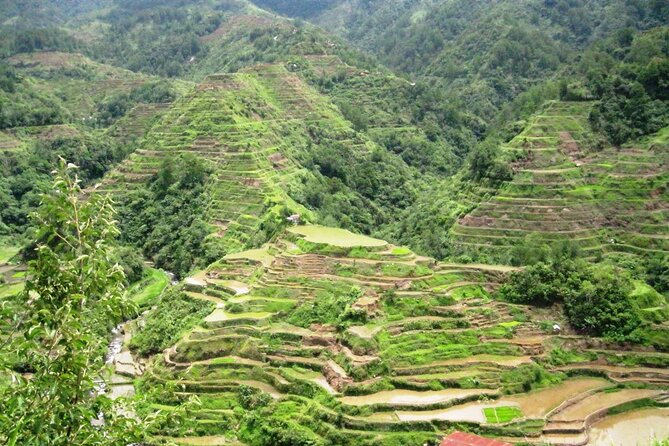
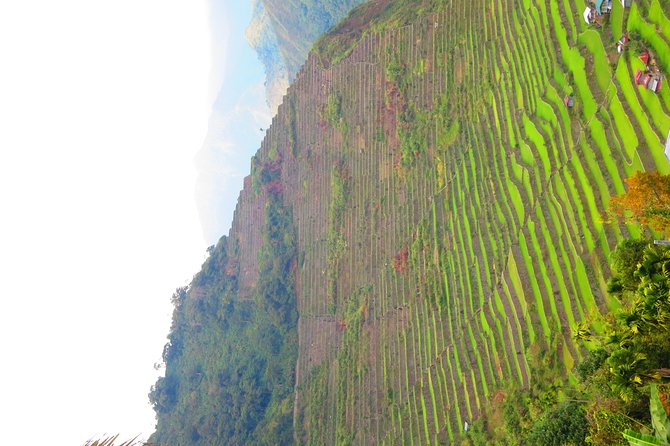
The hike to Cambulo takes about four hours. The village terraces have a distinctive pyramid-like form, with fields cut around the mountain in a nearly complete circle. That shape gives the route a very different feel from a simple valley viewpoint. You see how the fields fit the contours of the slopes instead of appearing as a flat patchwork.
From Cambulo, you continue for about three more hours to Batad. That makes roughly seven hours of walking before the overnight stay, not counting stops. The route passes through steep mountain terrain, so a strong fitness level is not a suggestion here. It is one of the tour’s clear requirements.
Batad is famous for its amphitheater of rice terraces. The curved walls gather around the village and create one of the most memorable views in the Cordillera. I like that you reach Batad on foot after passing through Cambulo. The terraces become part of a journey, not just a quick photo stop.
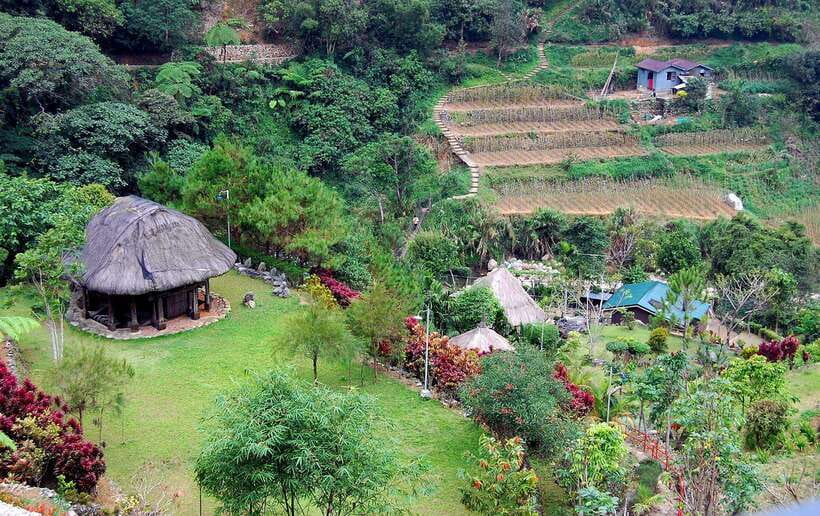
Your night is at a village inn with a view of the terraces. The setting should be a highlight, but the accommodation is described as basic village lodging, not a full-service hotel. Banaue homestay lodging is included, while meals are not. Plan on paying about 150 to 300 pesos per meal, and bring patience for simple facilities.
Day 3: Tappiyah Falls and the walk to Bangaan
The morning begins with about three hours of hiking around Batad. The route includes Tappiyah Waterfalls, where water drops into the mountain setting below. The walk adds variety after the terrace views, though it also adds another substantial physical effort after the previous day.
You then explore Batad village and its rice fields before stopping for lunch. After eating, you hike approximately three hours to Bangaan. This final section passes more paddies, mountain villages, and distant terraces.
Bangaan is the last village on the walking route. You reach it in the middle of the afternoon, then drive back to Banaue. The plan allows time for food and drinks before the evening bus back to Manila. That timing gives you a useful break, but it also means another long night on the road after two full hiking days.
The return bus takes about 10 hours. You arrive in Manila around 4am at the same bus station where the tour began. This is one of the trip’s biggest practical challenges. The schedule packs a lot into a short period, and the physical work does not end when the trail does.
Day 4: Manila arrival and a split in the schedule
The published plan places your early-morning arrival in Manila on Day 4. It then resumes the Sagada portion on Day 5. The information provided does not specify the exact transfer between Manila and Sagada, nor does it include your Manila accommodation.
That gap matters. You should confirm the meeting time, transport arrangement, and overnight plan for the Sagada section before paying. You also need to allow for the fact that you may arrive in Manila at 4am and still have another long transfer or activity soon afterward.
Sagada accommodation is at your own expense. This can make the final price higher than the headline $580, especially if the schedule requires an extra night. The tour gives you the structure and main activities, but you need to organize and pay for some of the practical pieces yourself.
Day 5: Sagada and the long walk to Bomod-Ok Falls
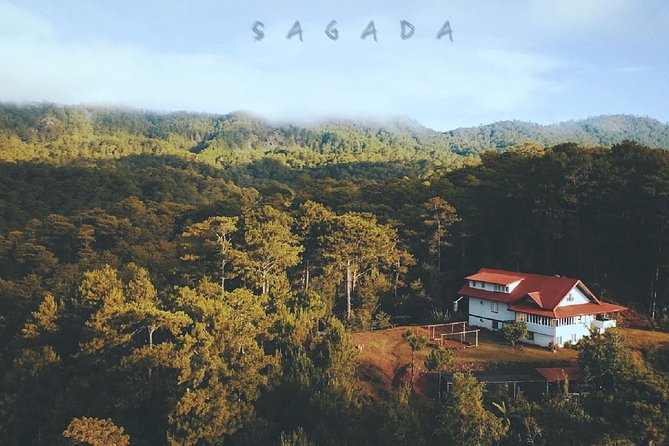
Sagada has a quieter mountain character than the terrace villages. It is known for caves, waterfalls, limestone formations, hanging coffins, and an indigenous culture that saw less Spanish influence than many other parts of the Philippines. A Spanish mission was not founded here until 1882, which helps explain why local traditions remain such an important part of the visit.
The day includes about three hours in Sagada, followed by a trip to Bomod-Ok Falls. The waterfall walk takes about three hours in total, though the approach itself can take one to two hours each way from the main road. In other words, this is not a quick roadside stop.
Bomod-Ok is also called Big Falls, and the name is well earned. Water drops about 200 feet from a naturally shaped cliff into a pool below. The water is described as very cold, so you can admire the view without feeling obliged to swim.
This outing is a good match for people who enjoy walking to a sight rather than being delivered directly to it. The drawback is simple: after the Banaue treks, the waterfall route may feel like another full hiking day. Wear shoes with reliable grip and keep your day pack light.



Day 6: Blue Soil Hills and the cave connection
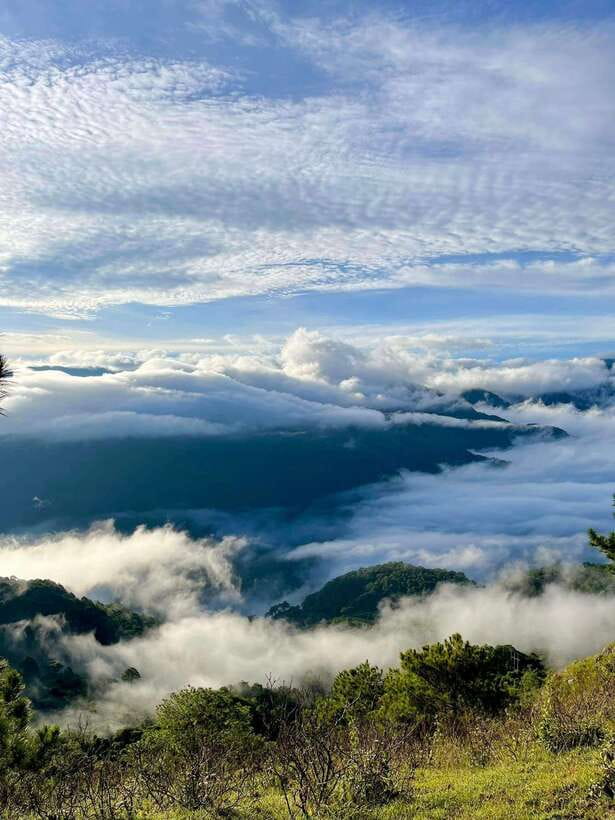
The Blue Soil Hills offer a change of mood. The hills have a faint blue color and occupy an area no larger than about one square kilometer, surrounded by pine trees and old limestone formations. The walk takes around four hours.
This is one of the more unusual stops on the route. The blue tones are subtler than a postcard image might suggest, so the appeal lies in the whole setting: pale hills, pine trees, and quiet mountain space. You get a less familiar side of Sagada, away from the better-known caves and coffins.
The second major activity is the cave connection tour. It begins at Lumiang Cave, a burial site where hundreds of coffins are stacked according to local tradition. The route connects Lumiang with Sumaguing Cave and takes about four hours.
Local guides from the Sagada Genuine Guides Association brief the group before entering. Safety matters here. The cave section includes broken coffins and human remains, which were scattered by an earthquake several years ago. This is a cultural site as well as a physical adventure, so you should approach it with respect and follow the guide’s instructions closely.
Expect uneven, confined cave terrain. The supplied information confirms the guide briefing and the four-hour duration, but it does not give a detailed difficulty rating beyond the requirement for strong physical fitness. If you dislike tight spaces, slippery rock, or walking over irregular surfaces, this may be the hardest part of the trip.
Day 7: A slower finish at Sagada Pottery
After several days of steep trails, waterfalls, and caves, Sagada Pottery provides a calmer final stop. The pottery and training center sits along Sagada’s West Road, about two kilometers from the town center, in a hut surrounded by pine trees.
The visit takes about two hours. Local artists turn ideas into clay pieces, and the designs reflect different concepts and personal styles. The work offers a more direct look at local creativity than a standard souvenir shop because you see the craft as an artistic practice and a form of training.
This stop also gives your legs a break. After the demanding cave connection and waterfall walk, a slower visit is welcome. The information provided does not state that you make your own pottery, so treat this as a visit to the center rather than a guaranteed hands-on workshop.
What the $580 price really covers
At $580 per person, the tour is not a bargain in the basic backpacker sense, but it can offer solid value if you want the major arrangements handled. The price includes all fees and taxes, overnight buses, Banaue homestay accommodation, and a local guide. It also gives you a group no larger than 10.
The guide is especially useful on the village trails and in the caves. You are not simply following a road map. You receive cultural context around the Ifugao communities, the terraces, hanging coffins, and Sagada traditions.
Still, the price does not cover everything. Food and drinks are excluded, with meals expected to cost about 150 to 300 pesos. Sagada and Manila accommodation are also your responsibility. The final amount will depend on how many extra nights you need and how you handle meals between activities.
Group discounts may be available, and mobile tickets are offered. The tour is booked, on average, about 25 days ahead, so I would not leave planning until the last week if your dates are fixed.
Who will enjoy this route most
I would choose this trip if you want an active introduction to northern Luzon and prefer a planned route to arranging several buses, guides, village stays, and hikes yourself. The small group is a real advantage on narrow trails and during the cave connection.
You should be comfortable with:
- About seven hours of hiking from Kinaking through Cambulo to Batad
- More walking around Batad and onward to Bangaan
- A three-hour waterfall outing to Bomod-Ok Falls
- A four-hour Blue Soil Hills visit
- A four-hour cave connection tour
- Two overnight bus journeys of about 10 hours each
- Basic lodging in Banaue and separate lodging arrangements in Sagada
I would not choose it for a relaxed holiday, a hotel-centered trip, or a gentle sightseeing schedule. The itinerary is active, and the transport is tiring. The tour requires strong physical fitness, and poor weather can affect the plan.
Practical planning and cancellation details
Food is not included, so carry enough cash for regular meals and drinks. The stated meal range of 150 to 300 pesos gives you a useful daily estimate, though you should keep extra funds for snacks and unexpected needs.
The experience is non-refundable and cannot be changed for any reason after booking. If poor weather causes cancellation, you are offered another date or a full refund. The same applies if the minimum group size is not reached, with the option of another date, another experience, or a full refund.
The end point is the original meeting point in Cubao. Since the schedule includes a 4am Manila arrival, confirm how the Sagada portion connects with the first part of the trip and where you need to be on Day 5.
Should you book the Banaue and Sagada adventure?
Book it if you want the Philippines’ mountain highlights in one demanding package. The strongest parts are the walk through Cambulo and Batad, the dramatic Batad terraces, the long route to Bomod-Ok Falls, and the mix of culture and adventure in Sagada.
I especially like that the plan reaches villages, waterfalls, burial sites, pottery, and less familiar places such as the Blue Soil Hills. You get more than a viewpoint tour. You also get a real test of your stamina.
Skip it if overnight buses, basic homestays, separate lodging costs, or long hikes sound unpleasant. Before booking, confirm the Manila to Sagada transfer and accommodation arrangements. If those details fit your plans, the $580 can be fair value for a small-group mountain trip with transport, guiding, and major activity fees already arranged.
FAQ
How long is the Banaue and Sagada adventure?
The experience lasts approximately seven days.
Where does the tour begin?
It begins at 8pm at the Coda Lines Terminal for HM Transport Inc., at Monte de Piedad, Corner Maryland, Cubao, Quezon City, Metro Manila.
Where does the tour end?
The activity ends back at the original meeting point.
How long is the bus ride from Manila to Banaue?
The overnight bus ride to Banaue takes about 10 hours.
Is accommodation included?
Banaue homestay accommodation is included. Sagada and Manila accommodation are not included and must be paid for separately.
Are meals and drinks included?
No. Food and drinks are excluded. You should prepare about 150 to 300 pesos per meal.
How large is the tour group?
The group has a maximum of 10 people.
How fit do I need to be?
You should have a strong physical fitness level. The route includes several long hikes, including the trek from Kinaking to Cambulo and Batad, the walk to Bangaan, Bomod-Ok Falls, Blue Soil Hills, and the cave connection.
What places are visited in Banaue?
The route includes the Banaue Rice Terraces view deck, Cambulo, Batad, Tappiyah Waterfalls, and Bangaan.
What happens if bad weather cancels the tour?
If poor weather causes cancellation, you are offered a different date or a full refund. If the minimum number of participants is not reached, you are offered a different date or experience, or a full refund.