Review · Rice Terraces & North Luzon
From Manila: 4-Day Sagada and Banaue Rice Terraces Tour
Mountain roads lead to ancient terraces. This four-day trip from Manila combines Sagada’s caves and hanging coffins with the Ifugao Rice Terraces, local villages, waterfalls, and mountain guesthouses. I like the strong mix of nature and Cordillera culture, and I especially like that local guides such as Zohan, also known as Mark, can add personal stories about Ifugao customs and family traditions. The main drawback is the long overnight bus ride, which can take about 13 hours each way.
I also like the flexible approach to the walking days. Guides have adjusted plans for fitness levels, weather, and changing conditions, allowing some people to skip the waterfall or the more demanding cave route without losing the spirit of the trip. Still, you need to be ready for steep paths, slippery cave rocks, rough terrain, and long hours on a bus.
In This Review
- Four details that shape the experience
- The overnight road from Manila to Sagada
- Sagada’s hanging coffins and Echo Valley
- Sumaguing Cave requires steady feet
- Ifugao culture before Batad
- Batad Rice Terraces and Tappiya Falls
- Bangaan Village and the final day
- What the $306 price really covers
- Comfort, group style, and practical preparation
- Who should book this four-day mountain trip?
- Should you book it?
- FAQ
- Where does the tour meet in Manila?
- How long is the tour?
- What is included in the price?
- Are dinners included?
- Where do you stay?
- Is the tour physically difficult?
- Is the guide available in English?
- Can I cancel or pay later?
Four details that shape the experience
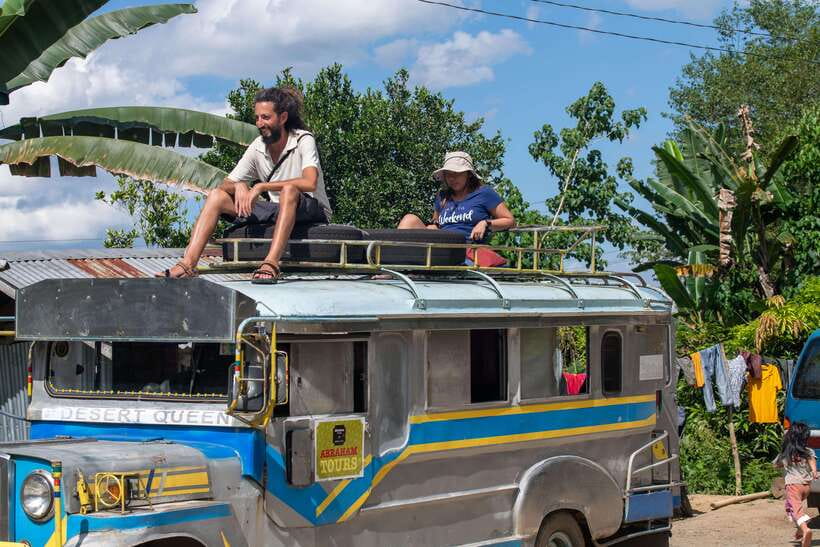
- The overnight bus is part of the bargain: You travel from Manila to Sagada by bus, with air conditioning and comfort breaks, but the road time is still tiring.
- Sumaguing Cave is physical, not just scenic: Expect slippery rocks, uneven footing, and sections that call for careful movement.
- Batad combines terraces and a waterfall: The route pairs a trek through the famous rice terraces with time at Tappiya Falls.
- Local guides add the human story: Zohan, also called Mark, has shared Indigenous customs, family connections, burial traditions, rice growing, and local wine making.
- The accommodation is simple and well placed: You spend nights in hostel or guesthouse accommodation in Sagada and Batad, including a stay overlooking the terraces.
- The price covers the main framework: At $306 per person, transport, site fees, guides, two nights of accommodation, and listed meals are included, but dinners, drinks, and two lunches are not.
The overnight road from Manila to Sagada
The trip begins at Coda Lines Terminal, where you should arrive at least 15 minutes before departure. The first night is spent on the bus, so this is not a gentle city-to-mountain transfer with a leisurely breakfast stop. It is a serious road journey into the Cordillera highlands.
The ride can take around 13 hours. Air conditioning and comfort breaks help, but they do not turn a long overnight bus into a hotel room. I would treat this first night as part of the cost of reaching a remote mountain region, not as lost holiday time. Bring water, a light layer, earplugs if you use them, and only the luggage you can manage easily at stops.
This is the biggest practical question before booking: can you handle a long bus ride followed by active days? If yes, the route gives you access to places that are difficult to fit into a short Philippine itinerary from Manila. If not, you may find the first and final days demanding.
The tour includes transportation to the listed sites, so you are not left arranging local transfers on mountain roads. That saves both planning time and the risk of trying to connect separate buses in a region where routes can be slow and conditions can change.
You can also read our reviews of more tours and experiences in Manila.


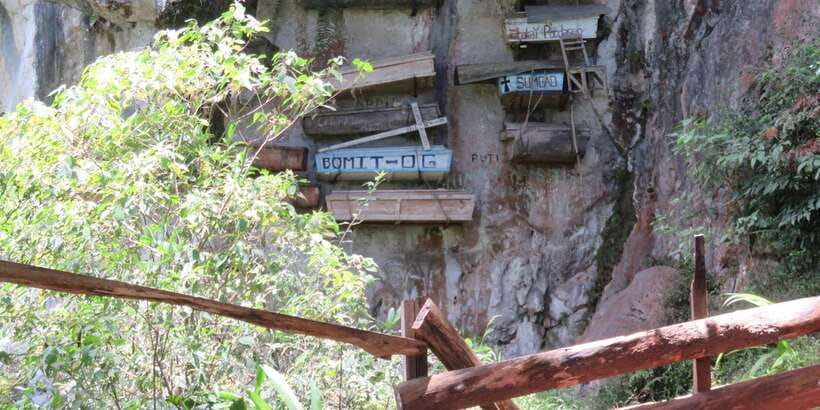
Sagada’s hanging coffins and Echo Valley
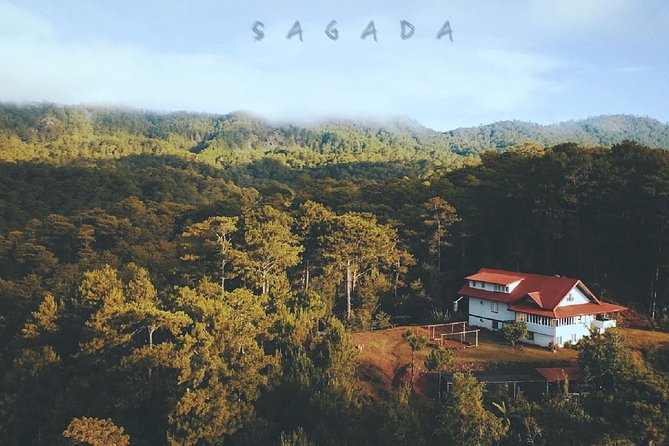
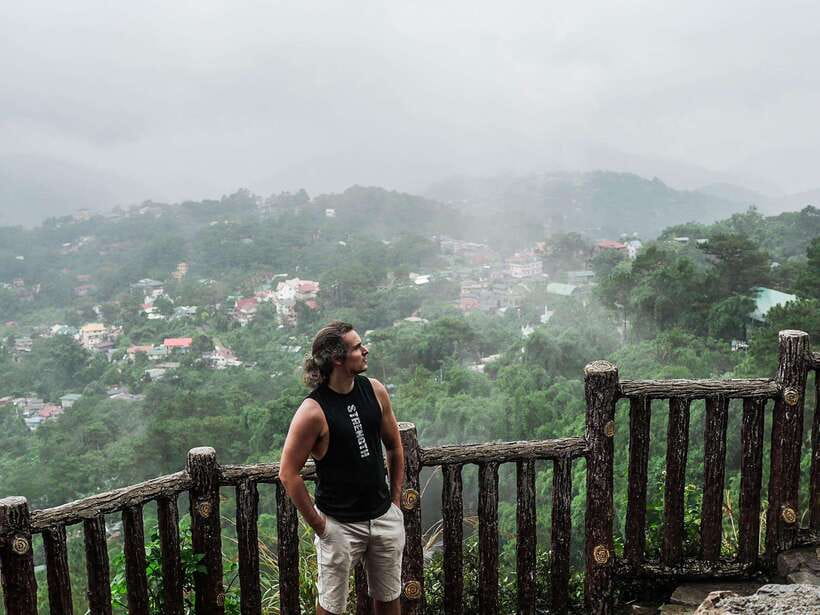
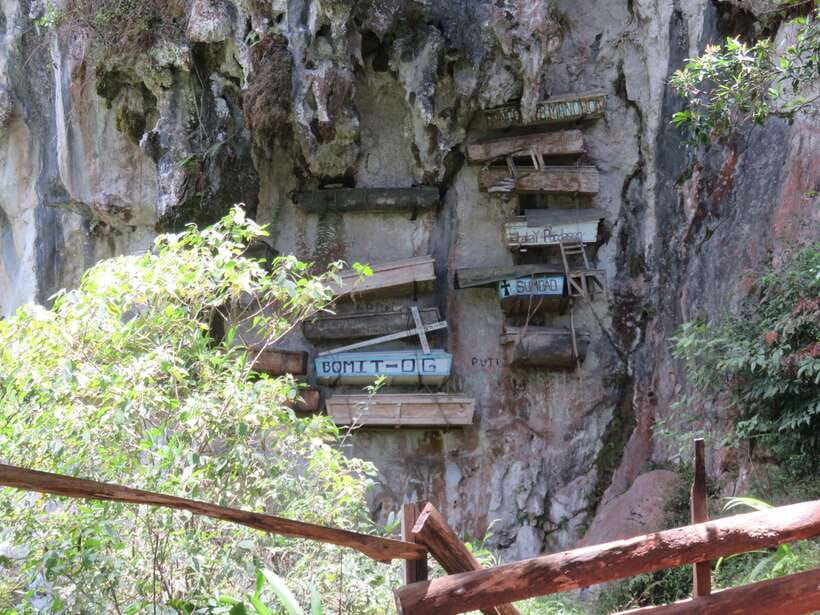
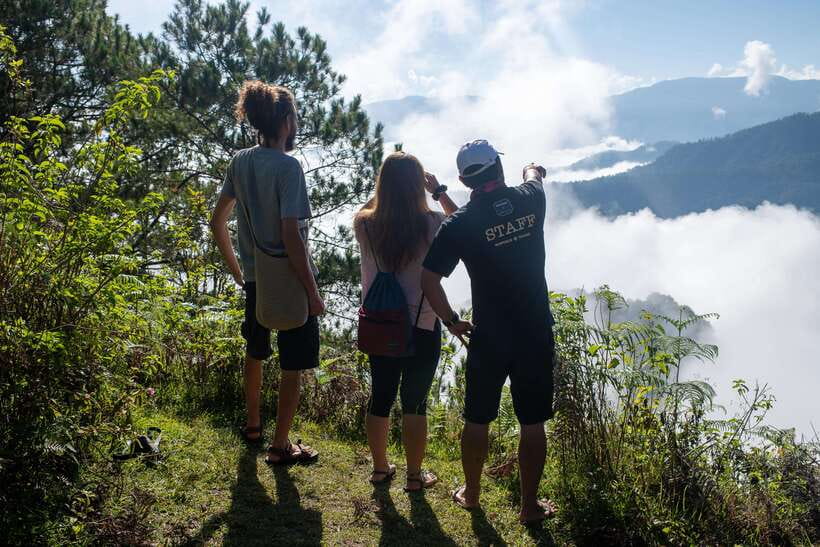
Sagada begins with a setting that feels different from the lowland Philippines. The air is cooler, the roads are winding, and the surrounding hills make every short walk feel more substantial. The first major cultural stop is Echo Valley, where you learn about the Hanging Coffins of Sagada.
The coffins are not simply a photo stop. Their meaning comes from local burial customs and the way communities have treated the cliffs and caves around Sagada as part of their spiritual world. A local guide gives the place context that you would miss if you arrived, took a picture, and moved on.
I would pay close attention here to the explanations about burial practices and the connection between the site and local beliefs. The physical setting is memorable, but the stories are what make the visit worthwhile. You may also find that the walking route is more tiring than the short distance suggests because of steps and uneven ground.
The tour is particularly strong for people who want cultural contact without giving up outdoor activity. You are not placed in a museum all day. You learn about living traditions while walking through the area where they developed.
Sumaguing Cave requires steady feet
Sumaguing Cave is the most demanding part of the Sagada program for many people. This is not a paved cavern with handrails and a short viewing route. You move over slippery rocks and uneven surfaces, and parts of the visit may involve crouching, climbing, or using your hands for balance.
Some participants have described the cave experience as barefoot spelunking, which gives you a good idea of the terrain. You should wear clothing that can handle dirt and moisture, and bring only items you can keep secure. The tour information specifically warns about slippery rocks, so take that seriously.
The reward is a close look at a natural space that feels far removed from ordinary sightseeing. You get a sense of the cave’s scale and texture rather than simply standing beside an entrance. Still, the guide can adapt the program. One solo participant chose not to complete the full cave activity and still had a rewarding trip with alternative time and attention from the guide.
That flexibility matters. You do not need to prove anything by forcing yourself through a route that feels unsafe. Tell the guide early if you have concerns. This activity is not suitable for pregnant women or wheelchair users, and it may not suit anyone with poor balance or a strong dislike of confined, slippery spaces.
Ifugao culture before Batad
The route then shifts toward Banaue and the Ifugao communities. The cultural visits include traditional weavers and the Ifugao House Museum. These stops help explain the terraces as more than a grand view from a lookout.
At the weaving visit, you can see a traditional craft connected to local identity and daily life. The museum adds another layer by showing how homes, tools, and customs fit together. I like this sequence because it gives you a better basis for understanding what you see later in Batad.
The strongest guides make the difference here. Zohan, also called Mark, has been praised for explaining Indigenous practices, answering questions, and sharing family connections to rice growers and local wine makers. Frank has also guided groups and is described as warm, attentive, and generous with his time. Guide assignments can vary, but the experience depends heavily on the person leading you.
This is a good place to ask questions rather than simply follow the group. Ask about the terraces, village life, burial customs, and the changes facing local communities. The guides have adjusted the pace and focus for mixed groups that included older people, solo visitors, and quieter personalities. That kind of attention is more useful than a memorized speech.
Batad Rice Terraces and Tappiya Falls
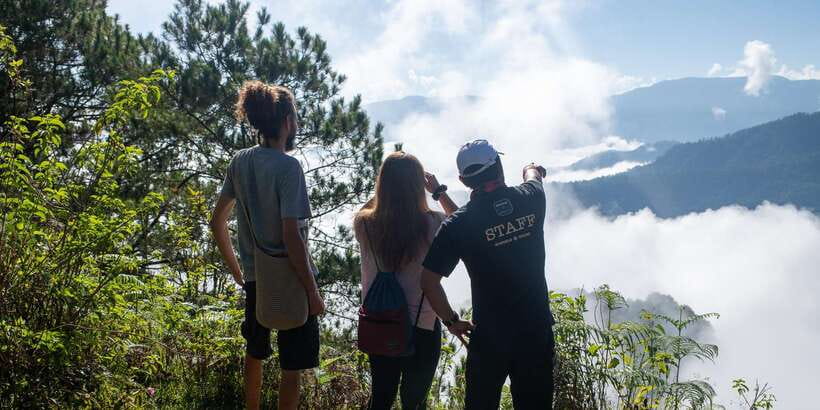
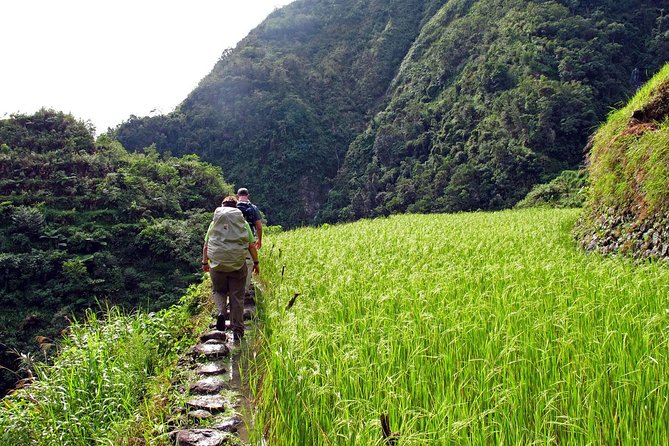
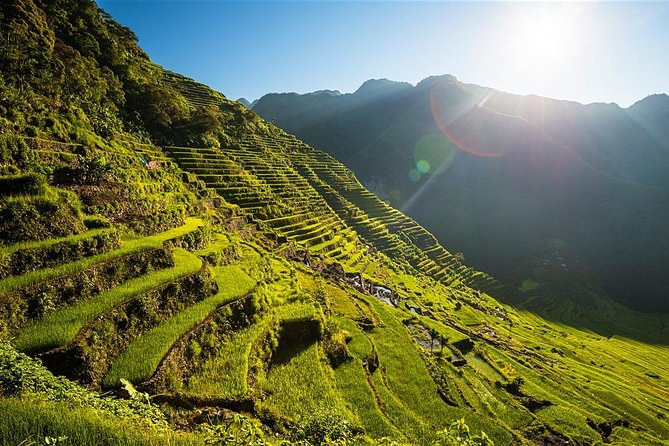
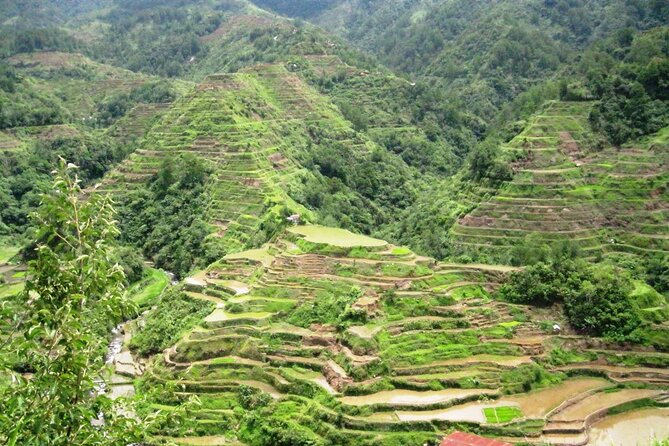
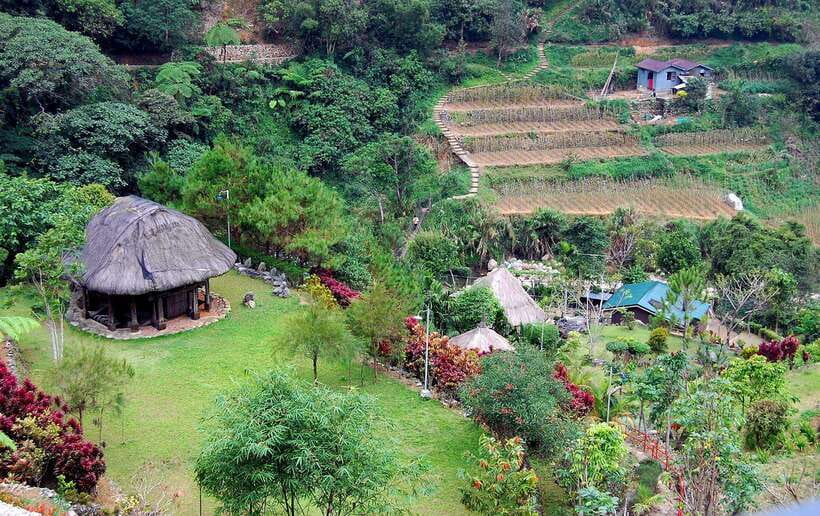
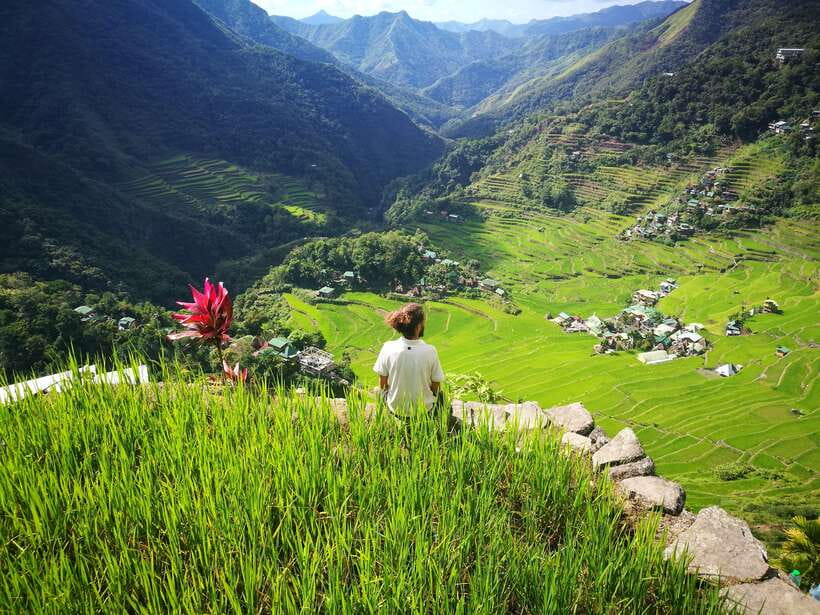
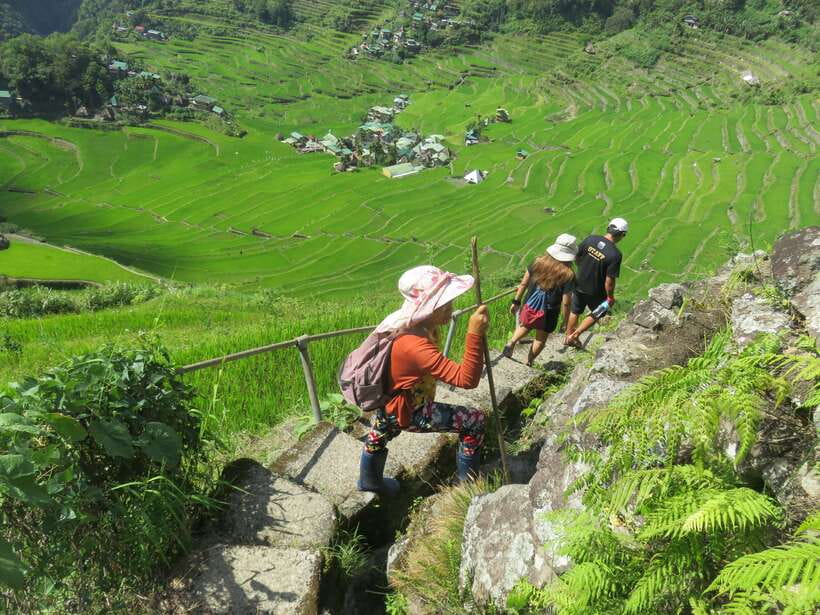
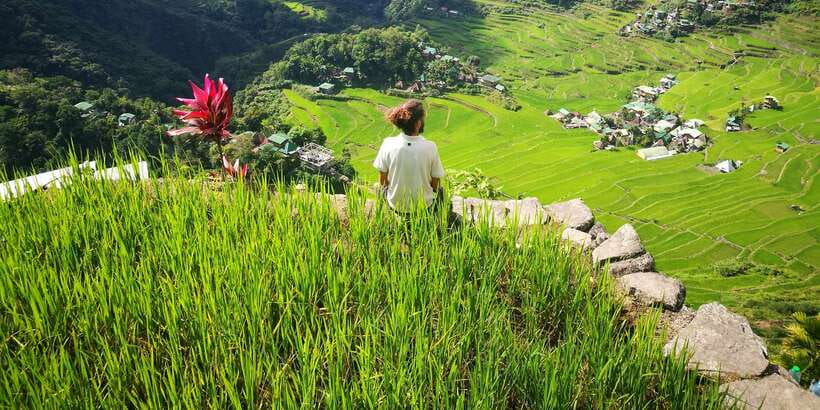
Batad is the visual centerpiece of the trip. The rice terraces curve around the mountainside in dramatic steps, showing how much work has gone into shaping these slopes over generations. The terraces are part of the Ifugao Rice Terraces, a UNESCO World Heritage Site, but the label alone does not explain their impact.
You see the terraces best on foot. The route includes steep paths and uneven ground, so the walk is not a casual stroll from a vehicle to a viewpoint. Take your time on descents, especially if the surface is wet. A walking pole could be useful, although the tour information does not say one is supplied.
The guesthouse in Batad overlooks the terraces, giving you a chance to stay close to the scenery rather than visit for a quick stop. Accommodation is hostel style and simple, but the setting is the point. You are trading city comforts for access to a mountain village and a view that changes with mist, light, and weather.
The walk to Tappiya Falls adds a welcome change of pace. After moving through the terraces, you can cool off with a swim in the waterfall pool if conditions and your comfort level allow. Pack swimwear in an easy-to-reach place, but remember that drinks and most meals are not included, so carry enough money for food and refreshments.
This is also where fitness matters most. The route includes challenging terrain, and the return walk can feel harder after time in the water. If you are less confident on steep ground, ask the guide about the route and take the slower option. A previous guest was disappointed when the planned three-hour Bangaan hike could not take place, which is a useful reminder that mountain plans can change.


Bangaan Village and the final day
The final mountain walking section leads toward Bangaan Village and its rice terraces before the group winds down in Banaue. The village offers another view of how the terraces connect with settlement, farming, and community life.
The appeal here is not only the panorama. You are seeing a working cultural area rather than a single monument. The guide can help you notice details about farming and village life that are easy to miss when you focus only on taking pictures.
The longer Bangaan route may not always happen. Weather, trail conditions, timing, or other practical issues can affect the plan. If this walk is a major reason for booking, ask about current conditions before departure and keep your expectations flexible.
After the walking and cultural visits, you return to Banaue for a farewell meal before boarding the bus back to Manila. The final ride is another long stretch, so leave some energy for it. You may arrive home tired, but the trip gives you several distinct memories rather than one repeated type of sightseeing: caves, burial traditions, weaving, terraces, waterfalls, and village life.
What the $306 price really covers
At $306 per person, the tour offers reasonable value if you want a structured route through northern Luzon. The price includes transportation to the sites, entrance fees, local guides in Sagada and Banaue, two nights of hostel accommodation, daily breakfast, and lunch on day three.
That package removes several costs that can add up quickly when planning the region independently. You do not need to arrange separate site guides, pay each entrance fee on the spot, or work out transport between Sagada, Batad, Bangaan, and Banaue.
The exclusions matter. Dinners are not included, and lunch on days one and two is also your responsibility. Drinks are extra. Budget for those meals and bring spending money for refreshments, since the remote mountain setting may offer fewer convenient choices than Manila.
The value is strongest for solo visitors or small groups who want local guidance. A private or small-group format is available, and the guide’s ability to adjust activities can make the cost feel worthwhile. It is less attractive if you want a relaxed hotel-based holiday, dislike overnight buses, or plan to spend most of your time without walking.
Comfort, group style, and practical preparation
Accommodation is in hostels or guesthouses for two nights, one in Sagada and one in Batad. The Batad stay overlooks the terraces, which is a real benefit, but you should expect basic lodging rather than resort facilities.
The tour is offered with a live English-speaking guide, and private or small groups are available. Group size can shape the feel of the trip. A small group gives you more room to ask questions and may make it easier for the guide to adjust the pace.
You should prepare for:
- Long bus journeys from Manila and back
- Steep steps around the terraces
- Slippery rocks in Sumaguing Cave
- Uneven mountain trails
- Basic guesthouse or hostel accommodation
- Several meals and all drinks paid separately
- Possible changes to the walking plan
Comfortable walking shoes are essential for most of the route. For the cave, listen carefully to the local guide and avoid rushing. You will get more from the trip by moving safely than by trying to keep up with the fastest person in the group.
The tour has a 4.9 rating from 29 reviews, with repeated praise for personal care, flexibility, and local insight. Zohan, also called Mark, receives especially strong approval for adapting activities, helping older participants, answering questions, and sharing his connection to the Ifugao area. Those qualities matter more here than polished transport or luxury accommodation.
You can cancel up to 24 hours before departure for a full refund, and the reserve now, pay later option keeps your cash available until closer to the trip. Check starting times and current availability before booking, since the tour runs over four days and begins at the Coda Lines Terminal.
Who should book this four-day mountain trip?
I would choose this tour if you want a concentrated introduction to Sagada and Banaue and prefer having transport, entry fees, and local guides arranged in advance. It suits people who enjoy walking, cultural conversations, basic accommodation, and scenery earned through effort.
It is also a good choice for solo visitors. The guide can shape the experience around your interests, and a small group can make an otherwise complicated northern Luzon route feel manageable.
I would think twice if you are pregnant, use a wheelchair, have difficulty on steep or slippery paths, or need a comfortable night’s sleep before active sightseeing. The overnight bus is the clearest tradeoff, and the cave and terrace walks are not soft options.
Should you book it?
Book this tour if the idea of working your way through caves, terraces, waterfalls, and village communities sounds better than ticking off easy viewpoints. At $306, you are paying for access, coordination, guides, and a route that would take real effort to arrange alone.
Go in with realistic expectations: the buses are long, the lodging is basic, and mountain weather or trail conditions may change the schedule. If you accept those limits, the reward is a close look at the Cordilleras, with guides such as Zohan, Mark, and Frank helping turn impressive scenery into a more personal understanding of Ifugao life.
FAQ
Where does the tour meet in Manila?
The meeting point is the Coda Lines Terminal. You should arrive at least 15 minutes before departure.
How long is the tour?
The experience lasts four days and includes the overnight bus journey from Manila to Sagada and the return bus to Manila.
What is included in the price?
The $306 price includes transportation to all sites, entrance fees, local guides in Sagada and Banaue, daily breakfast, lunch on day three, and two nights of hostel accommodation in Sagada and Batad.
Are dinners included?
No. Dinners, drinks, lunch on day one, and lunch on day two are not included.
Where do you stay?
You stay in hostel or guesthouse accommodation for two nights, one night in Sagada and one night in Batad. The Batad accommodation overlooks the rice terraces.
Is the tour physically difficult?
The tour includes challenging terrain, steep steps around the terraces, and slippery rocks in Sumaguing Cave. It is not suitable for pregnant women or wheelchair users.
Is the guide available in English?
Yes. The tour has a live English-speaking guide. Private and small-group options are available.
Can I cancel or pay later?
You can cancel up to 24 hours in advance for a full refund. The reserve now and pay later option allows you to book without paying immediately.