The Hidden Gems of Manila Guided Tour
Manila opens up in its back streets. This two-hour tour takes you by jeepney, through an open wet market, into old residential areas, and along side streets far from the city’s polished face. I like the direct look at daily life, and I like the small maximum of 10 people, which gives the English-speaking guide room to explain what you are seeing. The main drawback is the short running time: at $60 per person, you are paying for access and local guidance rather than a long sightseeing route.
I also appreciate the practical finish. After the walk, jeepney ride, market visit, coffee, and local food, the guide helps you find a safe way back to your hotel. Still, this is not a gentle city stroll. You should have moderate physical fitness, and some scenes may feel confronting, especially where people bathe, eat, or live in open areas.
In This Review
- Key points to know before booking
- Why this short Manila tour feels different
- Meeting at Tutuban Center in Tondo
- Riding a jeepney through everyday Manila
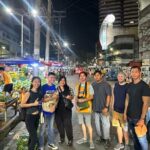
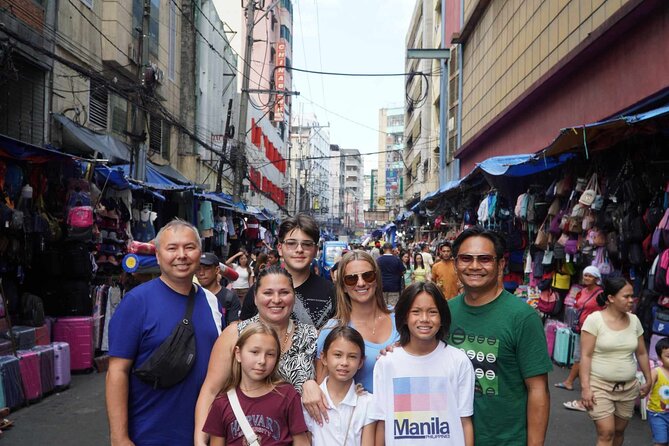
- Divisoria Market and the local shopping experience
- Binondo and the city’s older commercial side
- Sto. Niño de Tondo Church and a quieter pause
- Tutuban Mall and the contrast between old and new
- Seeing Manila’s less visible residential areas
- Local coffee, Filipino food, and a human connection
- The guide can make or break the morning
- Is $60 good value for two hours?
- Who should book this Manila experience?
- FAQ
- How long does the Hidden Gems of Manila Guided Tour last?
- How much does the tour cost?
- Where does the tour begin and end?
- How many people can join the tour?
- What is included in the experience?
- What happens if the tour is canceled because of weather or low numbers?
- Should you book it?
Key points to know before booking
- Jeepney travel is part of the experience: You do not simply watch Manila’s famous public transport. You ride it as part of the tour.
- Divisoria Market shows local shopping at full volume: This is an open wet market where you can shop as local residents do.
- The route reaches old and less polished parts of Manila: Expect back alleys, side streets, old apartments, and living conditions that may be difficult to see.
- Food and coffee are included in the cultural exchange: You can try local coffee and food as Filipinos eat them.
- The group is capped at 10 people: That is a useful size for questions and for moving through crowded streets.
- Guide personality can shape the morning: Floyd receives special praise for clear explanations, humor, and short karaoke sessions.
Why this short Manila tour feels different
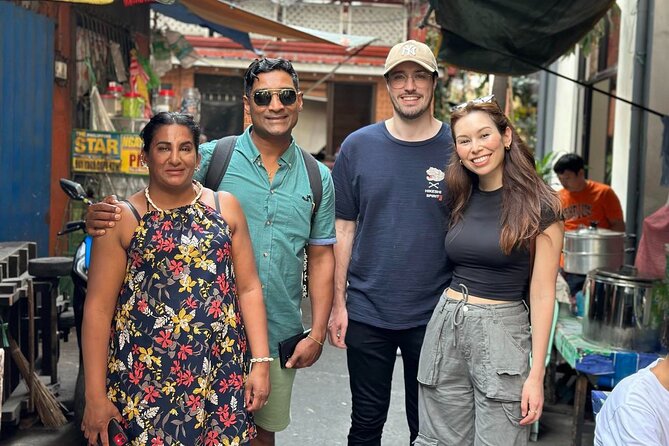
Many first visits to Manila stay near major landmarks, shopping centers, and well-known churches. This experience takes another route. You are shown the ordinary city, including places that do not appear on a standard sightseeing schedule.
The focus is not on polished architecture or a long list of monuments. It is on how people move, shop, eat, and live. You may ride a jeepney, walk through a market, see old apartments, and pass homes where everyday activities take place outside. That makes the tour more personal, but it also asks you to pay attention and show respect.
The two-hour format suits a short stay or a layover. You can fit it into a day in Manila without giving up most of your schedule. The trade-off is that the route cannot spend long at every stop. You get a concentrated look rather than a full city tour.
The tour is offered by Manila Experience, also identified as V.S Tour Services. It includes an English-speaking guide, photography, and the chance to try local coffee and food. The guide also helps you work out the safest and best way back to your hotel after the activity.
You can also read our reviews of more guided tours in Luzon
Meeting at Tutuban Center in Tondo
The stated meeting point is Tutuban Center, JX4F+Q7X, Tondo, Manila, 1012 Metro Manila, Philippines. The activity ends back at the same meeting point.
That return point makes planning easier. You do not have to guess where the tour finishes or arrange a second pickup across the city. It also gives you a fixed place to begin and end before making your next plan.
The tour is near public transportation, which matters in Manila. Even so, allow enough time to reach Tutuban Center. The area is in a part of the city where streets, traffic, and crowds can make a short journey take longer than expected. Your confirmation arrives at booking, so check the meeting details carefully before setting out.
Since the tour uses public transportation and includes walking, wear practical shoes and carry only what you need. The information provided does not promise hotel pickup, so plan to reach the meeting point on your own.
Riding a jeepney through everyday Manila
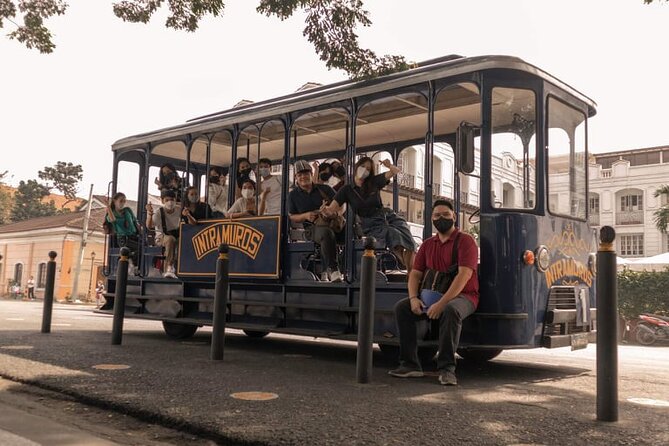
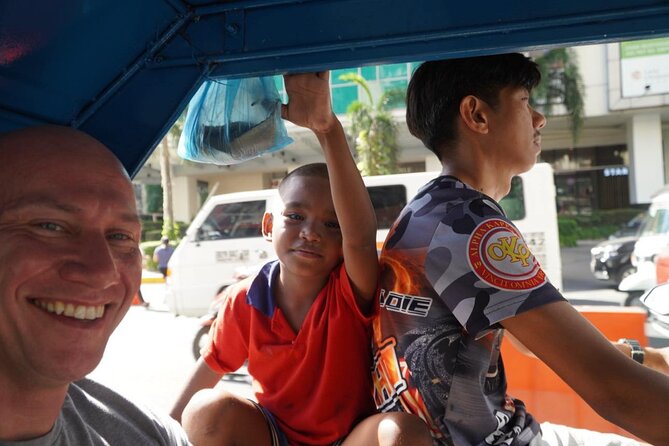
The jeepney is more than a photo subject here. It is the tour’s way of putting you into one of Manila’s most distinctive forms of local transportation.
You can expect the guide to explain how this transport fits into daily life while you ride. A jeepney is a shared public vehicle, so the experience is less controlled than traveling in a private van. That is part of the point. You see the city at street level and move as many residents do.
This portion may be especially useful if you have only a day or two in Manila. You get a quick introduction to local transport without having to work out the system alone. You can also ask questions as the route unfolds.
There is a practical limit. Public transportation is not built around a fixed sightseeing timetable. The exact pace can depend on traffic and local conditions. If your schedule is tight, remember that a two-hour estimate is approximate.
Divisoria Market and the local shopping experience
Divisoria Market is the first named stop. The tour presents it as a typical Filipino open wet market, where you can shop as local residents shop.
This is one of the strongest parts of the route for anyone who wants daily life rather than a staged cultural display. Markets bring together food, household goods, bargaining, movement, and conversation. Even a short visit can tell you more about ordinary shopping habits than a quiet display in a museum.
You may find the setting crowded, noisy, and visually intense. That is not a flaw, but it does require patience. Keep your belongings secure, follow the guide’s lead, and stay aware of the group. The provided information does not specify particular products or a shopping allowance, so treat the market as an experience first rather than planning a major buying trip.
The guide’s role matters here. A market can be confusing if you do not know what you are looking at. With an English-speaking guide, you can ask about food, local habits, and the purpose of the stalls instead of simply passing through.
Binondo and the city’s older commercial side
Binondo is the second named stop. The tour places it alongside Divisoria, Tondo, and other central Manila locations, giving you a short route through areas shaped by trade, religion, transport, and dense urban living.
The information does not specify a particular building or food stop in Binondo, so you should not expect a detailed architectural tour. Its value here is as part of the wider street experience. You move through an active part of Manila and see how commercial areas connect with older neighborhoods.
This is also where the short length becomes noticeable. You will see several places in about two hours, but the tour cannot give each one the time of a dedicated neighborhood walk. If you want a full food tour or a long historical explanation of Binondo, this will feel too brief.
For a first introduction, though, the mix works well. The guide can link what you see in the market and streets with the way people live and work nearby.

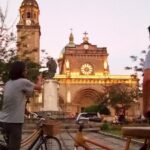
Sto. Niño de Tondo Church and a quieter pause
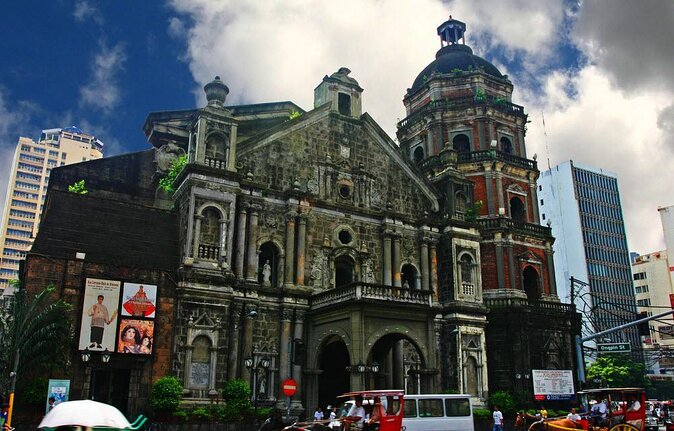
The third stop is Sto. Niño de Tondo Church. Its inclusion gives the route a religious and community landmark amid the markets and side streets.
The supplied information does not state how long the tour stays inside or outside the church, nor does it promise a formal religious talk. You should see it as one stop in a broader local-life route, not as a stand-alone church visit.
That balance is useful. Manila is not only markets and transport. Churches are part of the city’s public life, and this stop adds a different setting to the tour. If you are interested in photography, the church may also provide a change from the dense street scenes. Photography is listed as an inclusion, although the details do not specify whether the guide takes professional portraits or simply helps with photos during the walk.
Dress and behave respectfully around the church. The tour moves through working neighborhoods, so quiet attention is more appropriate than treating every scene as a backdrop.
Tutuban Mall and the contrast between old and new
Tutuban Mall is listed as the fourth stop and also serves as the meeting-point area at Tutuban Center. This gives the route a useful contrast.
You begin and finish around a recognizable commercial center, but the tour takes you beyond the familiar shopping setting into markets, back alleys, older apartments, and places where people live in difficult conditions. The contrast helps you see that Manila is not one single kind of city. Retail space, transport routes, churches, markets, and homes can sit close together.
The information does not promise shopping time at the mall itself. Do not book the tour as a shopping excursion. Tutuban is better understood as a reference point and part of the area covered.
Returning here after the tour also makes the finish practical. You can collect your bearings and decide how to continue your day with help from the guide.
Seeing Manila’s less visible residential areas
The tour’s most serious feature is its visit to old apartments and places where people live off the main streets. The description refers to conditions that may include bathing and eating in the open.
This can offer a plain view of life that many city tours avoid. It can also be uncomfortable. You are not entering a theme park or a carefully arranged cultural show. You may see poverty and limited privacy at close range.
Your attitude matters. Take photographs only when appropriate and follow the guide’s instructions. The tour includes photography, but that does not mean every person or home is automatically a suitable subject. The experience is stronger when you watch and listen with care instead of treating hardship as entertainment.
This part may not suit everyone. If you prefer museums, major landmarks, or an easy walk in highly managed surroundings, choose a different Manila activity. If you want to understand the city beyond its bright streets and cars, this is the section that gives the tour its purpose.
Local coffee, Filipino food, and a human connection
The experience includes local coffee and food as eaten by Filipinos. That small tasting matters because food gives you a direct way to connect the street scenes with daily routines.
The details do not name the coffee, dishes, or serving location, so keep your expectations open. You are not promised a full meal or a formal cooking lesson. Think of this as a chance to try familiar local fare with an explanation from your guide.
I like that the food is tied to the route instead of treated as a separate luxury. After seeing markets and homes, tasting something local helps make the experience more complete. It gives you another way to ask questions and compare what you see with what people eat.
If you have dietary restrictions, the supplied information does not say that alternatives are available. You should ask the provider before booking if this is important to you.
The guide can make or break the morning
The tour depends heavily on the person leading it. The guide is expected to provide explanations in English, help you understand the streets, and assist with the safest route back to your hotel.
Floyd receives especially strong praise for detailed explanations, personality, and fun mini karaoke sessions. That sort of light humor can help during a serious and sometimes demanding route. Karaoke is not listed as a guaranteed feature, so treat it as a possible extra connected with the guide rather than a promised part of every departure.
The overall rating is 5 from 42 reviews, with 98 percent recommending the experience. Those figures suggest a strong record, but they do not remove the basic trade-off: your enjoyment will depend on the guide, the group, the weather, and your comfort with the places visited.
A maximum of 10 people is a good compromise. You are not in a huge group that blocks narrow streets, and you have a better chance to ask questions. The group still may move at different speeds, so stay close and listen for instructions.
Is $60 good value for two hours?
At $60 per person, this is not the cheapest way to spend two hours in Manila. The price is easier to justify if you value the guide, the small group, the jeepney ride, the market access, the local food and coffee, photography, and help getting back safely.
You are paying for more than transport. A guide gives meaning to places that could otherwise look confusing or overwhelming. The small group also makes a difference in crowded streets, where a large party would be awkward.
Still, the time is short. If you judge tours by the number of landmarks visited or the number of hours included, the cost may feel high. If you are in Manila for a layover or have only a day or two, the compact format may be exactly what you need.
The best value comes when you want an introduction, not an exhaustive study. You get a focused look at local transport, shopping, religion, housing, and food in one compact route.
Who should book this Manila experience?
I would recommend it to you if you want to see ordinary Manila and are comfortable with an unscripted urban setting. It is particularly suited to people staying briefly, including those using Manila as a layover stop.
It also fits you if you like asking questions, trying local food, and learning through streets rather than through a long museum visit. The English-speaking guide and small group make that easier.
Think carefully before booking if you need a low-effort walk, a private vehicle, or a polished sightseeing route. The moderate fitness requirement is clear, and the tour’s scenes of poverty may be emotionally difficult.
Free cancellation is available if you cancel at least 24 hours before the start time. Cancellations within 24 hours are not refunded, and late changes are not accepted. The activity also needs good weather and a minimum number of people. If poor weather or insufficient numbers cancel it, you are offered another date or experience, or a full refund.
FAQ
How long does the Hidden Gems of Manila Guided Tour last?
The tour lasts approximately two hours.
How much does the tour cost?
The listed price is $60 per person.
Where does the tour begin and end?
It begins at Tutuban Center in Tondo, Manila, and ends back at the meeting point.
How many people can join the tour?
The tour has a maximum of 10 people.
What is included in the experience?
The stated inclusions are photography and an English-speaking guide. The experience also includes local coffee and food as eaten by Filipinos.
What happens if the tour is canceled because of weather or low numbers?
If poor weather or failure to reach the minimum number of people causes cancellation, you are offered a different date or experience, or a full refund.
Should you book it?
Book this tour if you want a compact, guided look at Manila away from the polished city center. The jeepney ride, Divisoria Market, Sto. Niño de Tondo Church, old apartments, local food, and side streets give you a broad sense of daily life in a short time.
Skip it if you want a relaxed landmark tour or if scenes of hardship would make you uncomfortable. At $60, the value depends on your priorities. For a short stay, the local access, small group, English-speaking guide, and help getting back safely can make the price worthwhile. For a longer visit, you may prefer to spend the same money on a slower, more specialized activity.