Manila’s Walled City: Intramuros Walking Tour
The past is under your feet. This 3.5-hour walk through Intramuros connects Manila’s Spanish walls, wartime scars, churches, museums, and national heroes in one well-planned outing. I like the local English-speaking guides, especially the lively Andre and Ann, who bring humor and clear explanations to a complicated past. I also like that the tour includes entry to Fort Santiago, the Rizal Shrine, and Casa Manila, along with bottled water and simple snacks.
The main drawback is the heat. This is a genuine walking tour in a tropical city, with a moderate amount of time outdoors and several places of worship that require suitable clothing. You should also confirm the details of the kalesa or tranvia ride, since that part appears in the route but is not separately named in the list of included items.
In This Review
- Key points to know before you book
- Why Intramuros is worth your morning or afternoon
- Starting at Fort Santiago and the Rizal Shrine
- Manila Cathedral and the old city streets
- The Memorare Manila Monument and the cost of war
- San Agustin Church, completed in 1607
- Casa Manila and a look inside colonial life
- How the guides shape the experience
- Walking, weather, clothing, and timing
- Cancellation and booking details
- Who should book this Intramuros walk?
- Should you book it?
- FAQ
- How long does the Intramuros Walking Tour last?
- Where does the tour begin?
- Where does the tour end?
- What is included in the tour price?
- Is hotel pickup included?
- Is the tour suitable for children?
- What should I wear for the tour?
Key points to know before you book
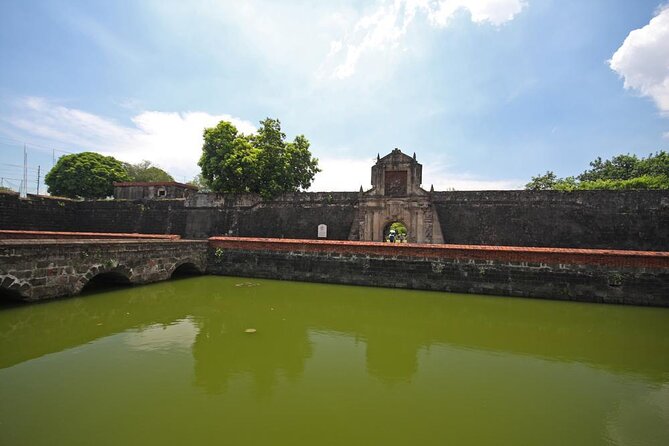
- Fort Santiago gives the tour its strongest opening: You begin with Manila’s most important defensive site and spend about an hour exploring it.
- José Rizal’s final days are central to the story: The Rizal Shrine adds a personal human focus to the wider account of Philippine history.
- The tour crosses several eras: Your guide links Malay and pre-colonial communities with Spanish, American, and Japanese periods.
- San Agustin Church is the architectural highlight: This 1607 church is part of a UNESCO World Heritage Site.
- The pace works for many families: One review specifically found that a teenager and a six-year-old could keep up.
- The $35 price covers useful essentials: Admissions to several major sights, a guide, bottled water, and snacks make the cost reasonable for a half-day in central Manila.
Why Intramuros is worth your morning or afternoon
Intramuros means within the walls, and the name tells you what makes this part of Manila different. The old district is enclosed by stone defenses built during the Spanish colonial period, giving the area a distinct shape and identity within a huge modern city.
You are not simply walking from one old building to another. The route helps explain how Manila changed under Malay influence, Spanish rule, American administration, and Japanese occupation. It also brings in the people who lived here before colonization, which matters because Intramuros can otherwise feel like a purely Spanish story.
I like the way this tour puts those periods into one readable sequence. A fortress introduces military power. The cathedral and San Agustin Church show the role of Catholicism. Casa Manila presents colonial domestic life. The Memorare Manila monument then brings you to the destruction and loss of the 1945 battle for Manila.
That broad time span is one of the tour’s best features. A guide can point out the links between the places, instead of leaving you to read separate plaques and guess how they fit together.
The tour costs $35 per person and lasts about three hours and 30 minutes. For that price, you receive an English-speaking guide, bottled water, snacks, and admission to Fort Santiago, the Rizal Shrine, and Casa Manila. Manila’s heat makes the water more than a nice extra, and the admissions reduce the need to manage several separate tickets.
The price is especially fair if you want a history-focused introduction to Intramuros and prefer not to arrange every stop yourself. It is less appealing if you only want to wander freely, take photographs, or spend a long time inside one museum. A group can include as many as 30 people, so the experience may feel less personal on a full departure.
You can also read our reviews of more walking tours in Luzon

Starting at Fort Santiago and the Rizal Shrine
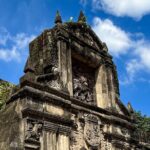
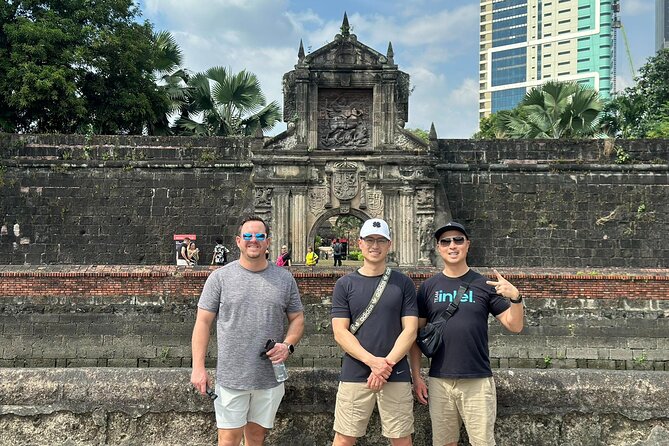
The meeting point is at 1 Sta. Clara Street in Intramuros. The tour begins with Fort Santiago, where you spend about an hour. This citadel was first built for the newly established Spanish city of Manila by Miguel López de Legazpi, a Spanish navigator and governor.
Fort Santiago is a strong place to begin because it gives you a physical sense of Manila’s defensive past. Walls, gates, and fortress grounds make the old city’s purpose easy to grasp. You are not looking at an isolated monument. You are seeing part of the system designed to protect Spanish Manila.
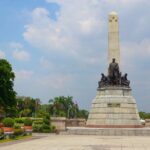
The fort also carries a darker story. José Rizal, the Philippine national hero, was imprisoned here before his execution in 1896. The Rizal Shrine, visited for about 30 minutes, displays memorabilia connected with his life and work.
This stop gives the tour emotional focus. Military walls can feel remote, but Rizal’s imprisonment makes the site personal. You learn about the man behind the national symbol and see why he remains so important to the country’s memory.
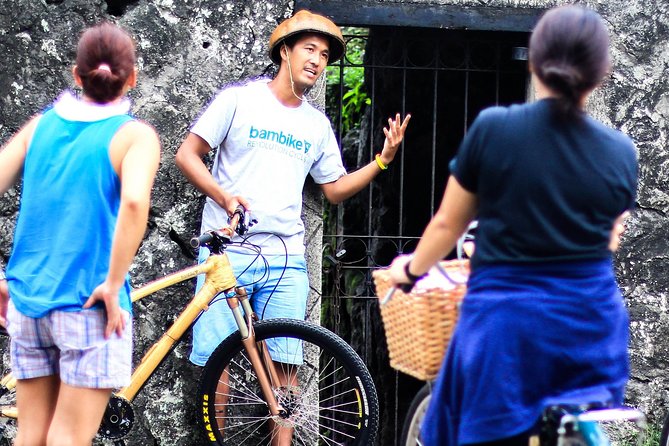
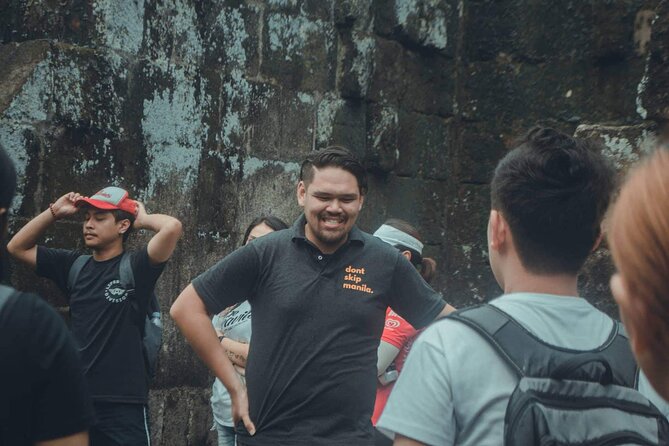
The guide’s role matters greatly here. Andre has been praised for using a visual aid booklet, which can help you follow names, dates, and political events while standing in a busy historic complex. Ann has also been singled out for her energy, humor, and ability to make the material easy to follow.
Do not expect a silent museum visit. The tour is designed to explain the setting as you go, so you should stay close enough to hear. The group size can reach 30 people, and outdoor spaces may make it harder to catch every word if you drift behind.
Manila Cathedral and the old city streets
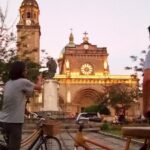
The next listed stop is Manila Cathedral, officially the Minor Basilica and Metropolitan Cathedral of the Immaculate Conception. The visit lasts about 20 minutes and has no admission fee.
The cathedral helps show how Catholic institutions shaped Intramuros. It is also a useful contrast to Fort Santiago. The fort expresses military authority, while the cathedral represents religious and civic power inside the walled city.
Twenty minutes is enough for an overview and photographs, but not for an unhurried study of every detail. If you are especially interested in church architecture, you may wish you had more independent time. The short visit makes sense within a half-day route, since several other major sites still need attention.
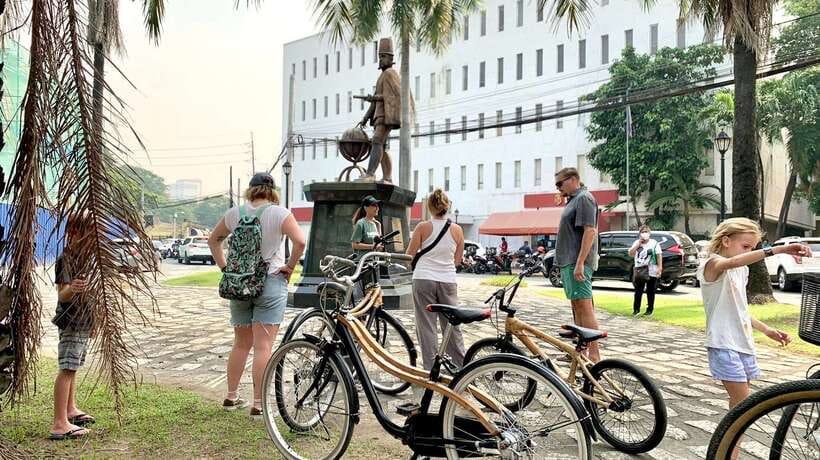
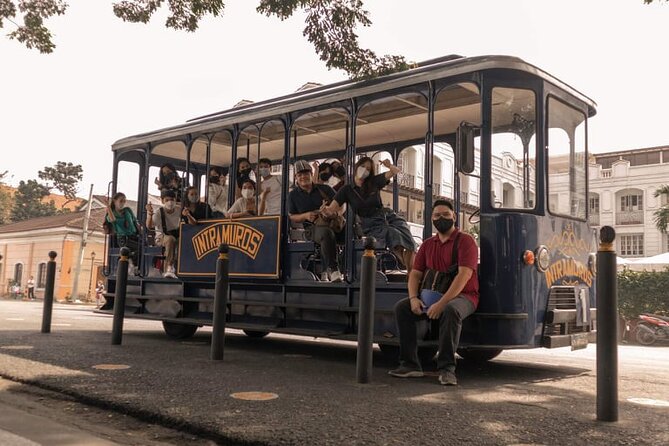
At some point, the route includes a ride in a kalesa, the traditional horse-drawn carriage, or a Tranvia tram ride around Intramuros. This is a welcome change after walking. One family found the carriage ride a relaxed and unusual way to see the district as a whole, and that is exactly its value: you get a broader view of the walls and streets without relying only on your feet.
The supplied details do not clearly state if the ride is included in the $35 price. The route mentions it, while the formal inclusions list only water, snacks, the guide, and selected admissions. I would confirm this with the operator before departure, especially if you are budgeting closely.
The Memorare Manila Monument and the cost of war
The Memorare Manila 1945 Monument is a brief but serious stop, lasting about 20 minutes. It commemorates the lives lost during the battle for the liberation of Manila, fought by Filipino and American forces against Imperial Japanese troops in February 1945.
This monument prevents the tour from presenting Intramuros as a preserved Spanish postcard. The old district also carries the marks of World War II and the terrible cost of the battle. Your guide can connect the monument to the wider story of Manila’s destruction and rebuilding.
I value this part of the route because it adds modern history to a tour that might otherwise focus too heavily on colonial architecture. It also helps explain why some buildings in Intramuros are original, while others have been restored or reconstructed.
The stop is free to enter and relatively short. You will not get a long museum session here, but the monument works as a pause for reflection between the larger attractions. Listen carefully, since the guide’s explanation is the main reason to include it.
San Agustin Church, completed in 1607
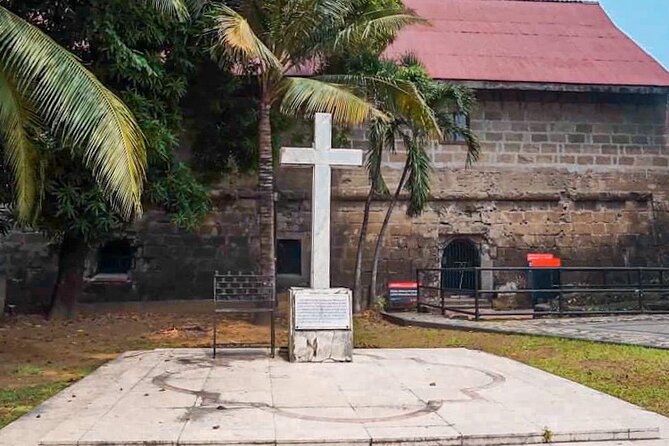
San Agustin Church is one of the most important stops on the walk. The Roman Catholic church was completed in 1607 and is part of the UNESCO World Heritage Site known as the Baroque Churches of the Philippines.
You spend about 15 minutes here. That is brief, but the church is still a key sight because it is one of the great surviving churches from the Spanish colonial period. Its age gives the surrounding district a stronger sense of continuity.
The visit also comes with practical rules. You need to dress appropriately for places of worship and selected museums. Mini-shorts and sleeveless tops may lead to refused entry, so casual clothing should still provide enough coverage for religious sites.
The short stop suits a broad introduction rather than a specialist architectural visit. You can appreciate the church, hear why it matters, and take photographs where permitted, but you should not expect to linger over every feature. If you want a slower look, ask the guide whether there is any free time later in the route.





Casa Manila and a look inside colonial life
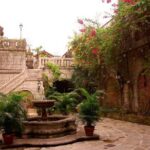
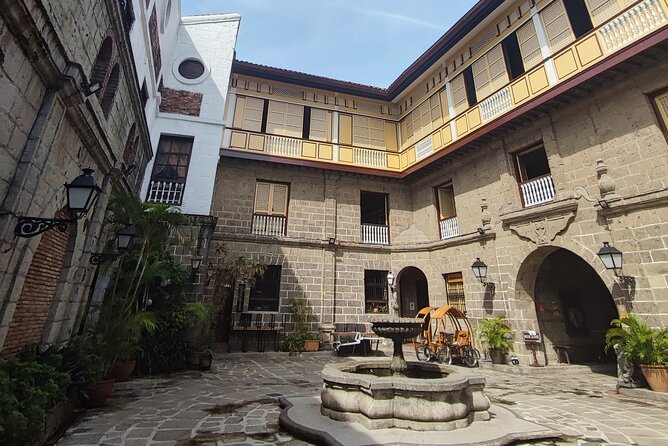
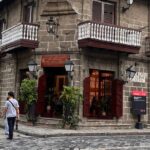
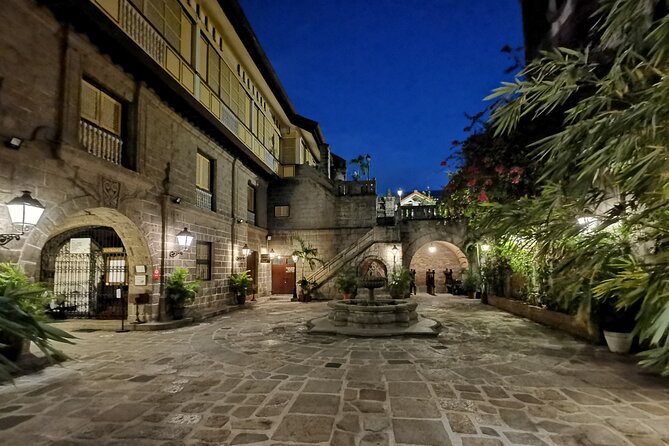
Casa Manila is the final stop and the end point, at the Plaza San Luis Complex on General Luna Street. You spend about 30 minutes inside this museum, which presents the lifestyle of a wealthy household during Spanish colonial rule.
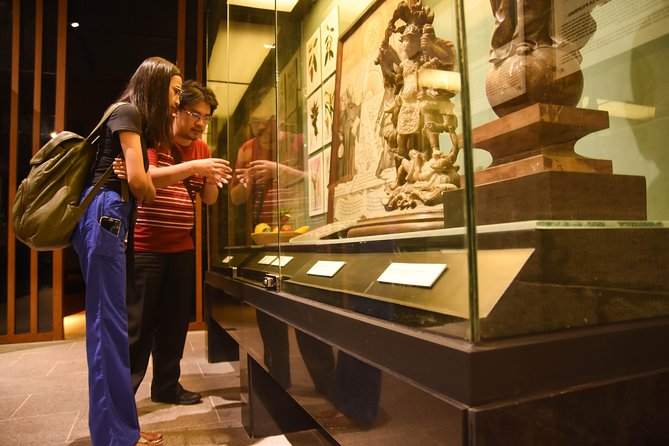
The structure itself is part of the appeal. It is an imposing stone-and-wood house dating from around 1850, designed to resemble the grand homes of Intramuros. Rather than focusing only on soldiers, governors, and national heroes, Casa Manila shows how colonial life was arranged inside the home.
This is a useful closing stop because it shifts the story from public institutions to daily habits and social rank. Rooms, furnishings, and household details can make the colonial period easier to picture than dates alone.
The visit is included, but the dress requirements still apply to selected museums. The tour ends here, which is practical if you want to continue exploring the Plaza San Luis Complex afterward. There is no hotel pickup or drop-off, so you must arrange your own way to the starting point and onward plans after Casa Manila.
How the guides shape the experience
The most praised part of this tour is the guiding. Andre is described as friendly, funny, energetic, and easy to understand. Ann has received similar praise for being warm, lively, and full of useful information.
That matters in Intramuros because the facts can pile up quickly. You will hear about pre-colonial peoples, Spanish rule, Rizal, World War II, the church, and the changing city. A guide who can tell stories instead of simply reciting dates makes the route much easier to remember.
The guiding style also seems adaptable. One family found the pace comfortable for both a teenager and a six-year-old. Another group appreciated the number of photo opportunities. The tour is educational, but it is not presented as a formal lecture.
You should still prepare for a group setting. The maximum is 30 people, and the guide cannot tailor every minute to one person’s interests. If your priority is a private, slow architectural study, a smaller tour may suit you better. If you want a clear first look at old Manila, the group format keeps the cost down.
Walking, weather, clothing, and timing
The tour lasts roughly three and a half hours and includes a moderate amount of walking. Choose comfortable clothes and shoes, especially because the route takes place in Manila’s tropical climate.
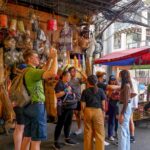
Bottled water is included, and light snacks are provided. The snacks may include simple street treats such as taho and ice cream. One particularly useful detail is that the snacks were described as fresh and enjoyable, giving you a taste of ordinary local food rather than a formal meal.
Morning and afternoon departures are available. I would choose the cooler option in your schedule, though the supplied details do not give exact departure times. An afternoon start may fit better after a morning arrival or hotel check-in, while a morning walk can leave you with time for other Manila sights.
There is no hotel pickup or drop-off. Intramuros is near public transportation, and the meeting point is inside the district, so check your route before setting out. Mobile tickets make entry simpler, but you still need to arrive at the correct street address.
Children must be accompanied by an adult. The child rate applies only when a child shares with two paying adults. Most people can take part, but the walking, heat, and religious dress rules are worth considering before booking for young children or anyone who tires easily.
Cancellation and booking details
Free cancellation is available up to 24 hours before the local start time for a full refund. Changes or cancellations made less than 24 hours before departure are not accepted and are not refunded.
The experience depends on good weather and a minimum number of participants. If poor weather or low enrollment causes a cancellation, you are offered another date or experience, or a full refund.
Booking confirmation is normally sent at once. If you book within nine hours of departure, confirmation arrives as soon as possible and depends on availability. That makes advance booking the safer choice, especially if Intramuros is a priority during a short Manila stay.
Who should book this Intramuros walk?
I would choose this tour if you want the main historic sights explained in one half-day. It suits first-time visitors, families, and anyone who wants a clear introduction to Manila’s layered past without arranging separate admissions or guides.
It is also a good fit if you enjoy stories more than independent browsing. Andre and Ann have been praised for humor, energy, and clear English, and that can make a major difference when the subject covers several centuries and political periods.
You may want another option if you dislike group tours, need hotel transport, or want to spend a long time inside each building. The maximum group size is 30, and the 15-minute San Agustin Church visit is enough for orientation but not deep study.
Should you book it?
At $35, this is a solid-value introduction to Intramuros. You get a 3.5-hour guided route, several important admissions, water, snacks, and a ride around the walled city listed as part of the experience. The strongest reason to book is the guiding, especially if you are lucky enough to have Andre or Ann leading your group.
Book it if you want context, a sensible route, and a practical first look at old Manila. Wear modest, breathable clothing, bring comfortable shoes, and confirm the kalesa or Tranvia cost before you go. Skip it only if you prefer to explore at your own pace or want a private, highly detailed study of the buildings.
FAQ
How long does the Intramuros Walking Tour last?
The tour lasts approximately three hours and 30 minutes.
Where does the tour begin?
It begins at 1 Sta. Clara Street, Intramuros, Manila, 1002 Metro Manila, Philippines.
Where does the tour end?
The tour ends at Casa Manila in the Plaza San Luis Complex on General Luna Street, Intramuros.
What is included in the tour price?
The price includes bottled water, snacks, an English-speaking local guide, and admission to Fort Santiago, the Rizal Shrine, and Casa Manila.
Is hotel pickup included?
No. Hotel pickup and drop-off are not included.
Is the tour suitable for children?
Children can participate but must be accompanied by an adult. The child rate applies only when sharing with two paying adults.
What should I wear for the tour?
Wear comfortable clothing suitable for a tropical climate. Dress modestly because places of worship and selected museums do not allow mini-shorts or sleeveless tops.