Travel Back In Time At Intramuros
Manila’s oldest streets tell its biggest story. This four-hour tour makes that story easier to follow, taking you from Casa Manila’s polished 19th-century interiors to Fort Santiago’s military past. I especially like the small group limit of 10 people and the fact that admission is included at Casa Manila, Museo San Agustin, and Fort Santiago.
I also like the route’s clear sense of place. You see the cathedral district, a Spanish-era church, an affluent Filipino home, and a fortress within one walled quarter. The main consideration is time: Manila Cathedral gets only 15 minutes, so this is a guided introduction rather than a slow, detailed study of every stop.
In This Review
- Key Points To Know Before You Go
- Why Intramuros Belongs Near The Start Of Your Manila Trip
- Starting At Casa Manila And The Plaza San Luis Complex
- San Agustin Church And Museo San Agustin
- A Short Stop At Manila Cathedral
- Fort Santiago And The Final Hour
- What The Small Group Adds
- Is The $48 Price A Good Value?
- Practical Details That Matter
- Who Should Book This Intramuros Tour?
- Should You Book It?
- FAQ
- How long does the Intramuros tour last?
- What time does the tour start?
- Where does the tour begin?
- Where does the tour end?
- What locations are included?
- How many people can join the tour?
Key Points To Know Before You Go
- Casa Manila begins the tour with a recreated 19th-century home showing how an affluent Filipino family lived.
- San Agustin Church receives the longest visit, with 90 minutes for the church and Museo San Agustin.
- Fort Santiago closes the route, giving the tour a military and political finish.
- The group is capped at 10 people, which should make it easier to hear the guide and ask questions.
- The tour starts at 1:00 pm at Casa Manila and ends at Fort Santiago.
- The $48 price includes several admission tickets, making the value strongest if you want context along with sightseeing.
Why Intramuros Belongs Near The Start Of Your Manila Trip
Intramuros is the place to begin if you want to understand how Manila developed. The walled city was founded by Spanish colonists in the 16th century, and its streets, churches, plazas, and fortifications reflect that colonial period.
That does not mean Intramuros tells the whole story of the Philippines. It gives you one important chapter, especially the Spanish influence on religion, architecture, government, and upper-class life. The area also helps explain why central Manila can feel so different from the streets just beyond the walls.
I like this tour as an early Philippine activity because it gives you a basic framework. Later sights and museums make more sense once you have seen the old city’s layout and heard how Manila changed from a river settlement into a colonial center.
The tour lasts about four hours, long enough to visit the major sites without turning into an all-day history lesson. The route is also arranged in a sensible order. It starts with domestic life at Casa Manila, moves to religious architecture at San Agustin Church and Manila Cathedral, then ends with the defensive walls and historical events of Fort Santiago.
You can also read our reviews of more tours and experiences in Luzon.



Starting At Casa Manila And The Plaza San Luis Complex
The meeting point is Casa Manila at the Plaza San Luis complex on General Luna Street. The tour begins at 1:00 pm, so you should arrive with enough time to locate the correct building and meeting area.
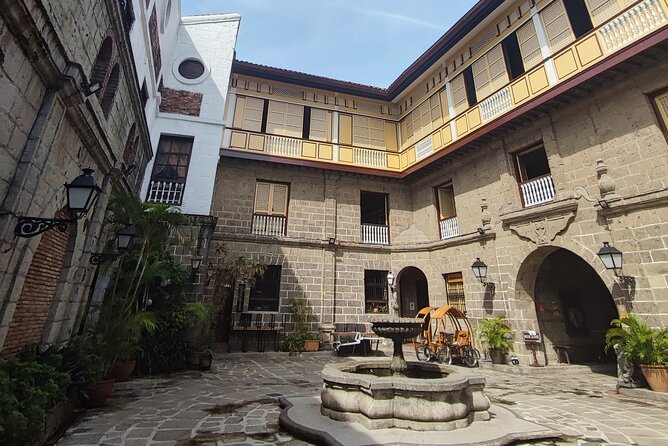
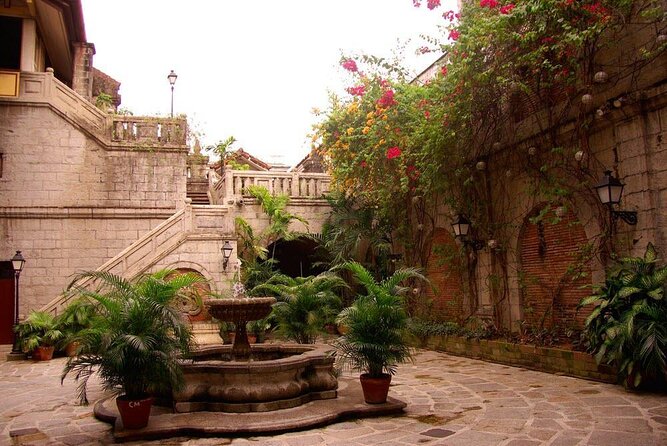
Casa Manila is not an original 19th-century family home. It is a recreated house designed to show the lifestyle of an affluent Filipino family, sometimes described through the Spanish colonial term Illustrado. That distinction matters. You are seeing a carefully presented interpretation, not an untouched residence.
Still, it is a useful first stop because household details can make social history easier to understand. Instead of beginning with dates and political names, you begin with rooms, furnishings, and the idea of how a wealthy family organized its home. The setting helps you picture the difference between elite life and the experience of ordinary residents.
You get about 30 minutes here, with admission included. That is enough for a guided orientation, though not a long independent visit. I would pay close attention to the guide’s explanation of what is original, what has been recreated, and how the house represents one social class rather than all Filipino life during the period.
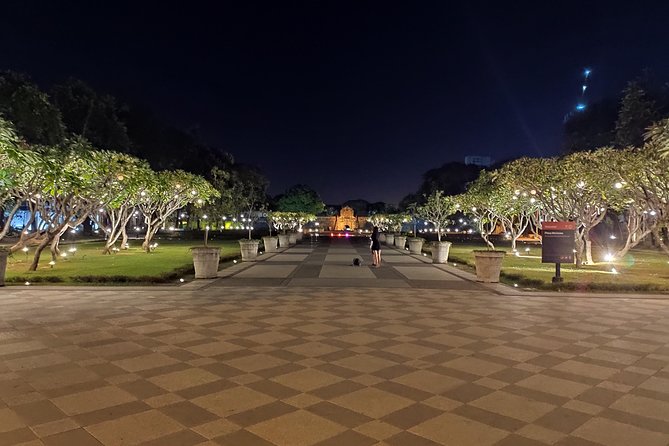
The Plaza San Luis location also gives you a good first sense of Intramuros as a planned colonial district. The surrounding streets and buildings help connect Casa Manila to the wider walled city instead of treating it as an isolated museum.
San Agustin Church And Museo San Agustin
The next stop is the centerpiece of the tour: San Agustin Church and Museo San Agustin. You have about 90 minutes here, the longest allocation of the four stops.
San Agustin is described as the oldest stone church in the Philippines and the only surviving original structure within Intramuros. It is also one of the Philippine Baroque Churches included on the UNESCO World Heritage List. Those facts give the visit real weight, but the value is not only in the label.
The church shows how religion shaped colonial Manila. Its scale and design reflect the importance of the Catholic Church during Spanish rule. The building also gives you a chance to see how a religious site became part of the city’s civic and cultural identity.
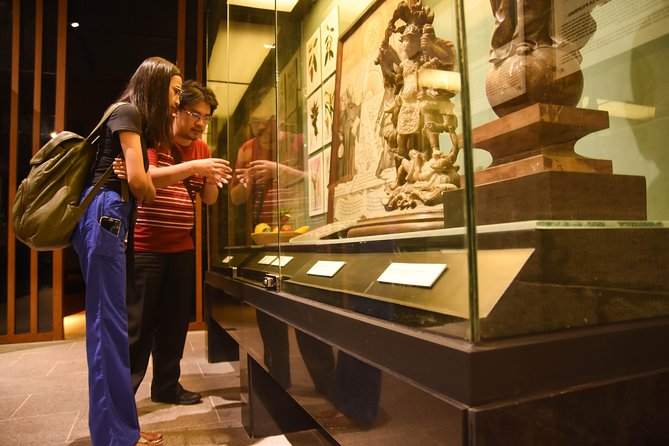
The adjoining museum adds another layer. Rather than simply looking at the church from the outside, you have time to consider the objects, art, and religious setting connected with it. The guide can help you understand why this church survived when so much of old Intramuros was damaged or rebuilt.
Ninety minutes is generous compared with the 15 minutes at Manila Cathedral. You can take in the church at a reasonable pace, listen to explanations, and spend time looking without being rushed through immediately. If religious art and architecture interest you, this is likely to be the most rewarding part of the afternoon.
A practical point: San Agustin Church is an active religious site as well as a historic building. Dress and behave appropriately, and remember that ceremonies or church activity can affect what you are able to see at a particular moment. The supplied tour details do not promise private access or a special area, so expect a public cultural visit rather than an exclusive church experience.
A Short Stop At Manila Cathedral
Manila Cathedral is the briefest stop, with about 15 minutes and no separate admission charge. It serves as the seat of the Archdiocese of Manila and has been reconstructed eight times.
That repeated rebuilding is the key to understanding the cathedral. The building you see today is part of a much longer story of destruction, repair, and change. The tour also points out the plaza complex, which follows the kind of colonial layout used by the Spaniards.
Fifteen minutes is enough for an exterior look, a quick visit, and an explanation of the cathedral’s role. It is not enough for a detailed architectural study or a quiet period of reflection if the site is busy. I see this stop as a useful link between San Agustin and Fort Santiago, not as the main event of the tour.
If Manila Cathedral is high on your personal list, you may want to return on your own with extra time. The tour’s strength is its broad historical sequence, and that means some individual locations receive only a short visit.
Fort Santiago And The Final Hour
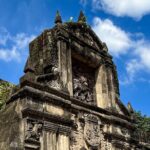
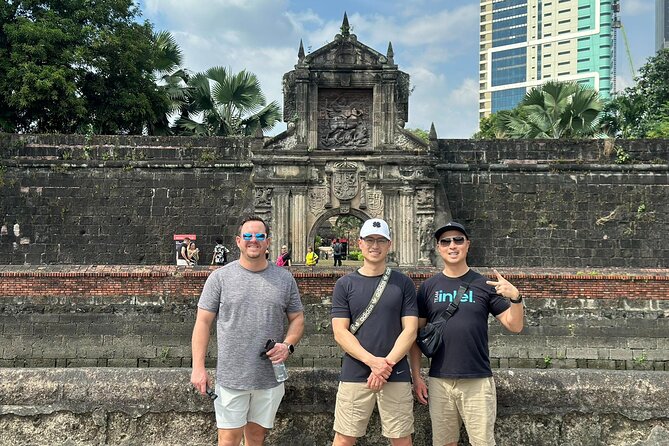
The final stop is Fort Santiago, where the tour spends about one hour. The fort witnessed many major events in Philippine history, making it a fitting place to end a visit focused on old Manila.
After Casa Manila’s domestic setting and San Agustin’s religious importance, Fort Santiago changes the mood. This is the military side of Intramuros, tied to defense, power, and the political struggles that shaped the city.
An hour gives you enough time to explore the fort’s main areas with the guide and connect its physical layout to the wider history of the Philippines. The tour ends here, inside Intramuros, rather than returning you to Casa Manila. Keep that in mind when planning your afternoon.
Fort Santiago can also be a useful place to continue exploring after the tour, but this experience itself is scheduled to finish there. The tour details do not include hotel pickup, return transport, or a transfer to another Manila district, so you should arrange your next step separately.




What The Small Group Adds
The maximum group size is 10 people. That is one of the strongest features of this experience.
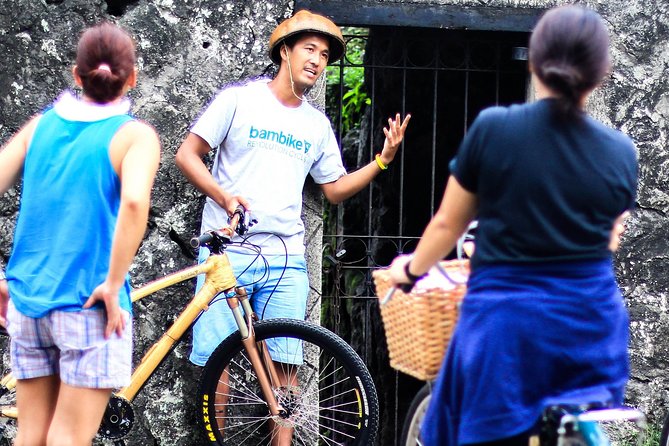
A small group does not guarantee a perfect guide, but it usually makes a historical walking tour more workable. You can stay close enough to hear explanations, ask about details at the sites, and avoid the detached feeling that comes with following a large crowd.
Intramuros has several locations where context matters more than a quick photograph. A guide can explain why Casa Manila represents a particular social class, why San Agustin is so significant, and how Fort Santiago fits into Philippine history. That is the main reason to pay for this tour instead of walking around independently.
The available information does not name the guide, so you should not book this expecting a particular individual. The guide’s quality will still shape the experience. With only four hours, clear storytelling and good time management are especially important.
Is The $48 Price A Good Value?
At $48 per person, this is not the cheapest way to see Intramuros. You can walk through parts of the walled city independently, and Manila Cathedral has no admission charge.
The price becomes easier to justify when you count what is included: admission to Casa Manila, Museo San Agustin, and Fort Santiago, plus a guide for about four hours. You are paying for structure and interpretation, not merely entrance tickets.
I think the value is strongest for a first visit to Manila, especially if you want the major sites explained in one afternoon. It also suits anyone who would rather avoid sorting out the route, ticketing, and historical background alone.
The value is weaker if you prefer long, unhurried visits at one church or museum. Manila Cathedral receives only a short stop, and Casa Manila gets 30 minutes. Independent sightseeing would give you more control over your pace, but less built-in context.
The group limit helps support the price. A four-hour guided visit with no more than 10 people offers more personal attention than a large coach-style outing, while the included admissions reduce the number of extra costs you need to handle during the afternoon.
Practical Details That Matter
The tour starts at 1:00 pm at Casa Manila, at the Plaza San Luis complex on General Luna Street in Intramuros. It ends at Fort Santiago, also in Intramuros.
The area is near public transportation, but the details provided do not specify a particular route or station. You should use the exact Casa Manila meeting point when planning your arrival, since Intramuros has several major sights and the start and end points are different.
A mobile ticket is provided, and booking confirmation is issued at the time of booking. Most people can participate, according to the tour information, but no detailed accessibility description is provided.
The tour requires good weather. If poor weather causes cancellation, you are offered another date or a full refund. You can cancel for a full refund up to 24 hours before the start time. Cancellations or changes made less than 24 hours in advance are not accepted for a refund.
Because the tour begins in the early afternoon and runs for roughly four hours, plan your food and transport around it. No meal is listed as part of the experience, and the end point is Fort Santiago rather than the starting location.
Who Should Book This Intramuros Tour?
I would recommend it to you if you are visiting Manila for the first time and want a clear introduction to the city’s Spanish colonial past. It is also a good match if you value a guide’s explanations, prefer a small group, and want entrance tickets handled as part of one booking.
Families with older children may find the changing subjects helpful: home life, church, cathedral, and fortress. People interested in architecture, religion, and Philippine history will get the most from the 90-minute visit to San Agustin Church and museum.
I would be more cautious if you already know Intramuros well or want to spend most of your time photographing one site. The itinerary moves through four different locations, and the short cathedral visit leaves little room for a detailed stop there.
Should You Book It?
Book this tour if you want the main Intramuros sights arranged into one compact afternoon, with a small group and admission included at three key sites. The tour’s strongest point is its sequence: Casa Manila explains elite life, San Agustin shows the church’s role, Manila Cathedral adds the archdiocesan center, and Fort Santiago closes with military history.
Skip it if you prefer complete freedom over timing or plan to explore Intramuros for an entire day. For a first look at old Manila, though, $48 is a reasonable price for a guided four-hour introduction, especially when you want more than photographs and isolated facts.
FAQ
How long does the Intramuros tour last?
The tour lasts approximately four hours.
What time does the tour start?
It starts at 1:00 pm.
Where does the tour begin?
The meeting point is Casa Manila at the Plaza San Luis complex on General Luna Street, Intramuros, Manila.
Where does the tour end?
The tour ends at Fort Santiago in Intramuros, Manila.
What locations are included?
The tour includes Casa Manila, Museo San Agustin and San Agustin Church, Manila Cathedral, and Fort Santiago.
How many people can join the tour?
The group has a maximum of 10 people.