Batad Guided Tour
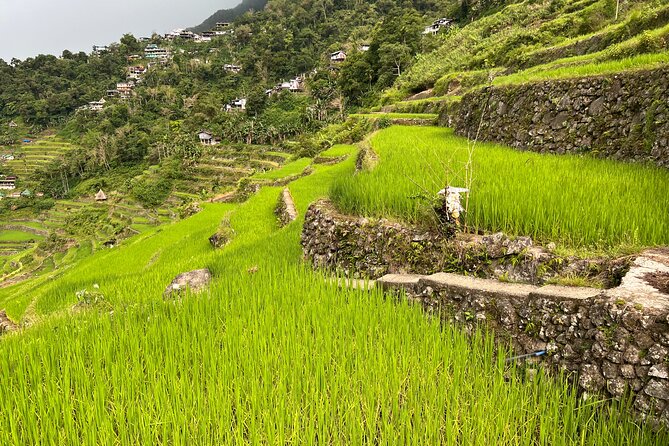
Batad makes you earn the view. This six-hour private hike brings you into the Banaue rice terraces with a local guide whose family lives among the terraces. I like the personal connection to Batad and the chance to meet farmers, taste local rice wine, and see rice milled by hand. The main drawback is simple: this is a demanding walk, and the published details mix a six-hour outing with longer two-day and three-day trek routes.
I also like the flexible pace. You can hike for one to five hours, depending on your group, rather than being forced into a race through the terraces. Guide Miller Himmoldang and his wife Bridgette receive especially warm praise for their patience, safety-conscious approach, clear explanations, and willingness to adjust the route. Still, you should arrive ready for heat, uneven paths, and plenty of uphill work.
In This Review
- Key points to know before walking into Batad
- Why Batad is worth the effort
- Miller and Bridgette bring the human side
- The six-hour walk, and what it really means
- Banaue viewpoint, Pula, and Cambulo on the longer trek
- Batad Rice Terraces and Tappiya waterfall
- Ducligan, Snake River, and Bangaan on day three
- Rice wine and rice milling add real value
- What the $70 group price buys you
- Who should book this Batad experience
- FAQ
- How long is the Batad Guided Tour?
- Where does the tour begin and end?
- Is transportation included?
- What is included in the price?
- What extra fees should I expect?
- Is the hike suitable for everyone?
- Should you book the Batad Guided Tour?
Key points to know before walking into Batad
- Local family connection: Your guide has family ties to the rice terraces and can explain daily life beyond the viewpoints.
- A private group for $70: The price covers up to 15 people, making this strong value for families and small groups.
- Rice wine and hand milling included: These hands-on cultural stops give the walk more purpose than scenery alone.
- The route can be adjusted: Your hike may last one to five hours, depending on your fitness, interests, and available time.
- Allow for extra charges: Environmental, heritage, tourism registration, transportation, and hiking-stick fees are not included.
- Good fitness is needed: One Japanese visitor, an experienced mountaineer, still found the walk very tiring in hot conditions.
Why Batad is worth the effort
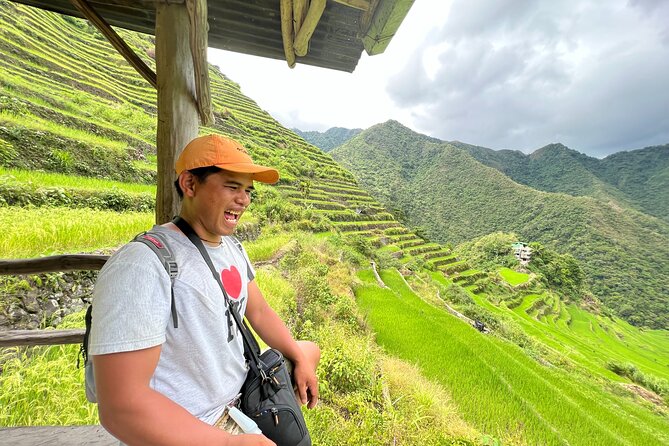
Batad is not a quick photo stop. The terraces occupy steep mountain slopes, and the route asks you to walk through a working farming area rather than simply view it from a roadside platform. That physical effort is part of the experience. You see the terraces from changing angles, pass through villages, and gain a clearer sense of how much labor goes into maintaining them.
The tour begins at the Banaue Tourism Office, at W366+CC5 in Banaue. Pickup is offered, but private transportation is not included, so confirm exactly how your group will reach the starting point. The activity ends back at the meeting point.
The scheduled operating hours are 6:00 a.m. to 5:00 p.m., every day, for the listed operating period. A six-hour start can fit neatly into that window, but the start time should be confirmed when you book. Earlier is generally the sensible choice for a strenuous walk, though I cannot promise a particular departure time from the information provided.
You can also read our reviews of more guided tours in Luzon



Miller and Bridgette bring the human side
The strongest part of this experience is the guiding. Miller Himmoldang is repeatedly praised for his friendly manner, local knowledge, humor, and careful attention to safety. Bridgette also guides, and one small group found the pair flexible when a tight schedule allowed only a day trip.
That flexibility matters in Batad. A route that feels manageable in the morning can feel very different after hours of heat and stairs. Miller has adjusted routes and daily schedules for groups on longer treks, and he has been described as patient in rain rather than pushy or rushed. For you, that means the guide is likely to pay attention to the people walking, not just the planned timetable.
The explanations are another strength. One visitor appreciated that Miller spoke slowly and clearly, which is useful when you are tired, walking over uneven ground, or trying to follow details about local life. The best guides here do not simply point at a terrace and name it. They help you understand how people farm, process rice, and live in a place where the scenery is also a workplace.
The family connection adds something special. You may hear about residents and customs from someone with a direct link to the community. You might also enter a traditional house, depending on the route and arrangements. That possibility is not guaranteed, so treat it as a welcome extra rather than a promised stop.
The six-hour walk, and what it really means
The main experience is described as a six-hour tour, with the actual hiking portion adjustable from one to five hours. This is helpful if your group has different fitness levels or if you want to focus more on cultural stops than on covering every path.
Do not read the flexible timing as a soft option. The walk can still be strenuous. Reviews describe the descent as pleasant but the return climb as hard, especially in hot weather. One experienced mountaineer found the route exhausting and felt that people with low fitness might struggle. That is unusually useful advice, because the dramatic terraces can make the tour sound easier than it is.
Bring the right attitude and physical preparation:
- Expect a moderate fitness requirement, as stated by the operator.
- Use sturdy footwear suitable for uneven walking paths.
- Carry water and protect yourself from the sun.
- Consider renting a hiking rod or stick, since this costs extra.
- Keep your schedule loose enough to stop when needed.
The trail length, surface, and exact elevation gain are not specified, so I would not pretend to give you a precise difficulty rating. The safe reading is moderate to strenuous, with the difficulty increased by heat, weather, and the return climb.
Rain also matters. The tour requires good weather, and poor conditions can lead to a new date or a full refund. A wet walk may be beautiful, but slippery paths and low visibility can change the experience quickly. Ask about the forecast and route before setting out.
Banaue viewpoint, Pula, and Cambulo on the longer trek
The longer itinerary adds a three-day trek, with about seven hours of activity per day. Its first day begins at the Banaue Viewpoint Rice Terraces, then continues to Pula village and its terraces, followed by Cambulo village and its terraces. Overnight stays are included in the outline, but the six-hour Batad tour itself does not list overnight accommodation as an inclusion.
The Banaue viewpoint gives you the broad picture first. It is the useful orientation point, where the scale of the terraces becomes clear before you walk into smaller villages and farming areas. Pula and Cambulo shift the focus from a grand view to a route through lived-in communities.
Cambulo appears again on the second day, before the trek continues toward Batad. That repeated section tells you this is a genuine multi-day walking route, not simply a longer version of the standard half-day visit. If you are booking the six-hour tour, ask whether you are receiving only the Batad portion or being offered a two-day or three-day program.
The overnight structure may suit hikers who want a slower connection with the area. It will not suit anyone expecting a simple sightseeing day. Seven hours per day is a serious commitment, and the listed trek should be planned as a separate undertaking from the six-hour experience.
Batad Rice Terraces and Tappiya waterfall
Batad is the main event. The terraces form a dramatic bowl of cultivated slopes, and the route lets you see them from inside rather than only from a distant viewpoint. The scenery is the reason many people make the effort to reach this part of Ifugao, but the farming activity gives the view its meaning.
You may meet farmers and see how rice remains part of daily work. The tour also includes rice grain milling by hand, using tools inherited from earlier generations. This is a small detail with real value. It shows the work behind the terraces and helps you understand that the fields are not an abandoned monument.
The longer trek continues to Tappiya waterfall. The supplied information does not state how long that section takes or whether swimming is part of the visit, so you should not count on either. Treat the waterfall as a longer-route feature, not an automatic part of every six-hour booking.
The return journey is worth thinking about before you start. Downhill walking can feel easy at first, while climbing back out can test your legs. A guide who adapts the route is particularly useful here. If your party includes children, older adults, or anyone unused to mountain paths, tell the guide early and agree on a realistic distance.





Ducligan, Snake River, and Bangaan on day three
The three-day route continues from Batad to Ducligan Rice Terraces, then to Snake River and Bangaan Rice Terraces. It returns to Banaue by 2:00 p.m. or earlier, ending at the bus terminal.
These stops make the longer program attractive to serious hikers who want a broader view of the Ifugao terrace country. They also make clear that the two-day and three-day itineraries are trekking programs, not casual add-ons to the six-hour tour. You will need the time, stamina, and willingness to sleep away from Banaue.
The return-to-terminal timing can be useful if you are catching onward transportation, but do not build a tight connection without confirming the exact schedule. Mountain routes and weather can affect timing, and the information does not promise a guaranteed departure connection.
Rice wine and rice milling add real value
The included rice wine tasting is one of the tour’s most appealing cultural touches. It gives you a chance to sample a local product connected to the farming economy rather than stopping only for photographs. The tour also introduces artisan rice wine makers, though the precise tasting format is not specified.
The hand milling is even more distinctive. You can watch farmers process bushels of rice into ready-to-cook grain with hand tools passed down through generations. One visitor called the rice shucking at the end a special treat, and that makes sense: after walking through the fields, you see the final practical steps that turn the harvest into food.
The description also notes the sweet smell of the rice fields, likened to freshly steamed rice. That sensory detail is worth paying attention to. Batad is not only a place to look at. It is a place to notice the smell of the fields, the work of farming, and the rhythm of village life.
What the $70 group price buys you
At $70 per group of up to 15 people, the value is strong if you are traveling with several companions. The per-person cost becomes very low for a full group, while even a smaller party gains a private guide rather than sharing the route with strangers.
The private format is important. Only your group participates, so you can ask questions, set a slower pace, and discuss changing the hike without negotiating with a busload of people. The price does not include everything, however.
You should budget separately for:
- Environmental fee
- Heritage fee
- Tourism registration fee
- Private transportation
- Hiking rod or stick rental
- Admission tickets, where applicable
These extras may change your final cost, so ask for the current amounts before departure. Pickup is offered, but because private transportation is listed separately, clarify if pickup means meeting assistance or a paid vehicle arrangement.
Confirmation is received at booking, and free cancellation is available until at least 24 hours before the start time. Changes or cancellations inside that window are not accepted for a refund. If bad weather cancels the activity, you are offered another date or a full refund.
Who should book this Batad experience
I would choose this tour if you want a local guide and a private, adaptable day rather than a fixed group excursion. It suits people who care about the working side of the terraces, especially the rice processing and rice wine stops.
It is also a good fit for a family or group of friends. The $70 price is particularly attractive when divided among several people, and the guide can adjust the pace to the group’s ability. The strong feedback for Miller and Bridgette makes the guiding team a major reason to book.
I would hesitate if you want a short, effortless sightseeing stop. The walk can be hot and tiring, and the return climb may surprise you. If you have low fitness, ask for the shortest practical route and make your limits clear before the hike begins.
I would also hesitate to book without clarifying the itinerary. The description combines a six-hour Batad tour with two-day and three-day treks. That may reflect several route options, but the details are not cleanly separated. Confirm the exact route, hiking time, meeting arrangement, and extra fees.
FAQ
How long is the Batad Guided Tour?
The main experience lasts approximately six hours. The hiking portion can be adjusted from about one to five hours, depending on your group and preferred pace.
Where does the tour begin and end?
It begins at the Banaue Tourism Office at W366+CC5, Banaue, 3601 Ifugao, Philippines. The activity ends back at the meeting point.
Is transportation included?
Pickup is offered, but private transportation is listed as an extra. Confirm the pickup arrangement and transportation cost before the tour.
What is included in the price?
The experience includes rice wine tasting and rice grain milling by hand. The $70 price is per private group of up to 15 people.
What extra fees should I expect?
Environmental, heritage, tourism registration, and admission fees are not included. Hiking rod or stick rental and private transportation are also extra.
Is the hike suitable for everyone?
The operator recommends a moderate fitness level. The route can be tiring, particularly in hot weather and on the return climb, so it is best suited to people comfortable with strenuous walking.
Should you book the Batad Guided Tour?
Book it if you want Batad with context, not just a viewpoint. The local family connection, private format, flexible pace, rice wine tasting, and hand milling make this more meaningful than a quick photo outing. Miller Himmoldang and Bridgette also sound like the sort of guides who understand that safety and patience matter as much as scenery.
Before paying, confirm whether you are booking the six-hour Batad walk or one of the longer trekking programs. Then ask about transportation and every local fee. If you can handle a demanding mountain walk and want a closer look at how people live and work among the terraces, this is a very good-value choice.