Private Manila Marvels Tour with Personalized Photo Journey
Manila rewards curious eyes. This private tour links Intramuros, Rizal Park, and Binondo with a guide who also takes mobile and camera photos, giving you both a city introduction and a set of personal snapshots. I like the private format, since you can adjust the pace and lighten the schedule. I also like the unusual mix of old walls, museums, trees, riverside paths, and Chinatown food streets.
The main drawback is the long day on foot, with about eight hours possible from start to finish. You also need to check the admission details carefully: Fort Santiago lists an extra admission charge, while the general inclusions mention an entrance fee. Lunch, snacks, dinner, and private transport are not included.
In This Review
- Key points to know before booking
- A private Manila day with room to adjust
- Starting beside Manila Cathedral in Intramuros
- Fort Santiago and the stories behind the walls
- Rizal Park and three museums in two hours
- Arroceros Forest Park, Manila’s short green pause
- A brief look at the Pasig River Esplanade
- Binondo, where the tour ends with food nearby
- What the $80 price really covers
- The guide and the pace you should request
- Who should book this Manila photo tour?
- Should you book the Private Manila Marvels Tour?
- FAQ
- How long does the tour last?
- Where does the tour start?
- Where does the tour end?
- Is the tour private?
- Is transportation included?
- Are meals and snacks included?
- Is admission to Rizal Park free?
- Is Fort Santiago admission included?
- Can the itinerary be adjusted?
- Can the guide take photographs?
Key points to know before booking
- Flexible private touring: You can shape the day around your main interests instead of following a fixed group schedule.
- Edison adds photography: Mobile and camera skills are part of the experience, useful if you want more than quick phone snapshots.
- Intramuros gets the most time: Plan around three hours for Fort Santiago, Manila Cathedral, San Agustin Church, museums, and colonial streets.
- The route changes mood often: You move from stone fortifications to museums, a city forest, the Pasig River, and Binondo food lanes.
- The finish is practical: The tour ends in Binondo, so you can continue eating and exploring after the guide leaves.
- Bring a flexible appetite: Food is not included, but Binondo is the natural place to arrange your own meal or snacks.
A private Manila day with room to adjust
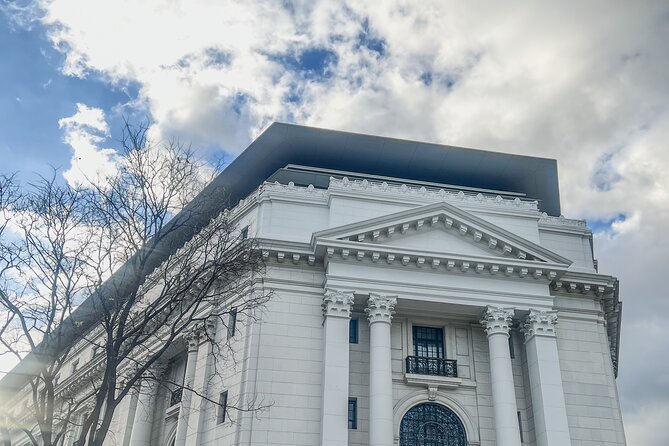
This is a city tour for you if a standard checklist feels too stiff. The route covers major Manila sights, but the private setup lets you give more time to the places that catch your interest and less to those that do not.
The advertised duration is six to eight hours. That range matters. A quick version may require brisk movement, while a slower day gives you more time for photographs, museums, church interiors, and food stops. I would discuss your priorities with Bryll Edison Par before the day begins, especially if you care more about history, museums, photography, or street food.
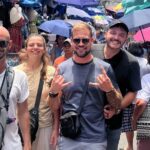
The photography element gives the tour a personal angle. You are not only being shown around. The guide can use a phone and camera to capture moments for you, which is helpful for couples, families, and solo visitors who otherwise end up with very few pictures together.
A private tour also means fewer compromises. You can ask to spend longer at Fort Santiago, shorten the museum portion, or adjust the order when the day feels too full. The tradeoff is that you do not have a vehicle included, so you should expect to manage the route on foot and arrange transportation separately if needed.
You can also read our reviews of more private tours in Luzon


Starting beside Manila Cathedral in Intramuros
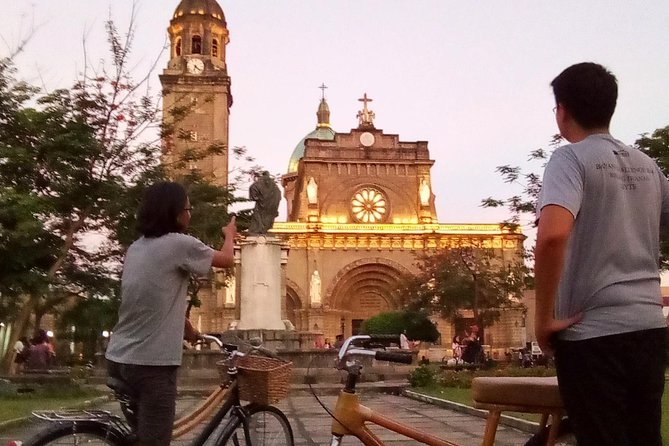
The meeting point is the Minor Basilica and Metropolitan Cathedral of the Immaculate Conception, commonly called Manila Cathedral, at Cabildo on Beaterio Street in Intramuros. Starting here puts you directly inside the old walled district rather than at a distant hotel pickup point.
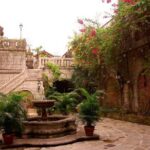
Intramuros is the historical center of the tour. Its streets, churches, fortifications, and colonial-era buildings give you a compact introduction to Manila’s Spanish period and the events that shaped the city. The setting is especially useful early in your visit, since later stops make more sense once you have seen this older side of Manila.
The cathedral is an important first stop, but the tour also includes San Agustin Church, known for its quiet interior and long religious history. The difference between these churches is part of the appeal. You get grand public architecture at the cathedral and a calmer, more reflective setting at San Agustin.
Allow about three hours for this section. That is enough time to combine Fort Santiago with church visits, streets, and museums, but it is not excessive if you enjoy photographs and historical detail. Intramuros is the place where the camera work should be most useful, with old stone, church details, gates, and formal streets providing plenty of photo subjects.
Fort Santiago and the stories behind the walls
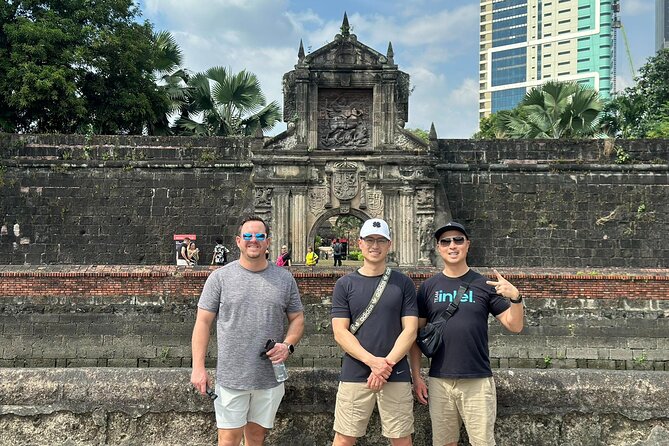
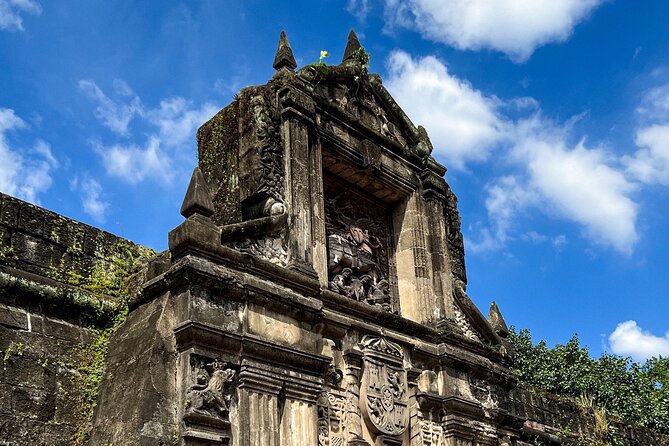
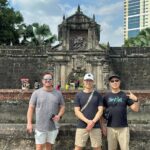
Fort Santiago is the main historical anchor. It is an old defensive complex inside Intramuros, and its walls help you understand how Manila was protected and governed during the colonial period.
You can expect a more structured visit here than a simple walk through the district. The fort gives the guide a natural setting for explaining political history, wartime memory, and the role of Intramuros within Manila. The supplied schedule allows three hours for the wider Intramuros area, not necessarily three hours inside the fort alone.
There is one cost point to settle before booking. The stop states that its admission ticket is not included, yet the general tour details list an entrance fee among the inclusions. Because those two notes do not fully agree, ask the provider exactly which entrance costs are covered. That small check can prevent an awkward pause at the gate.
If you are most interested in Manila’s past, this is the section that deserves your energy. If you prefer food and daily life, you may want the guide to keep the fort portion focused and save time for Binondo later.
Rizal Park and three museums in two hours
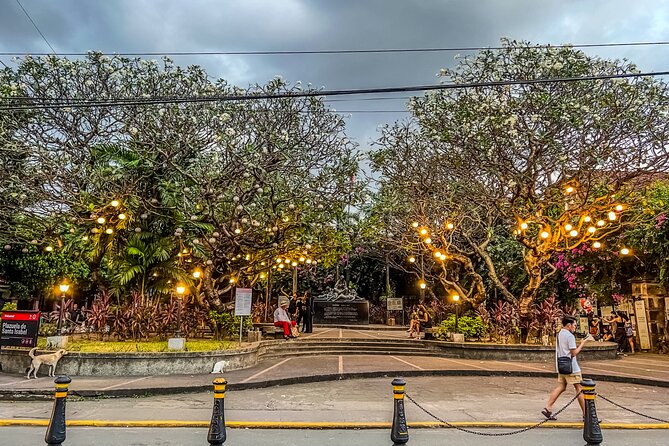
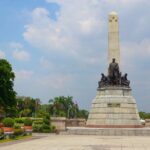
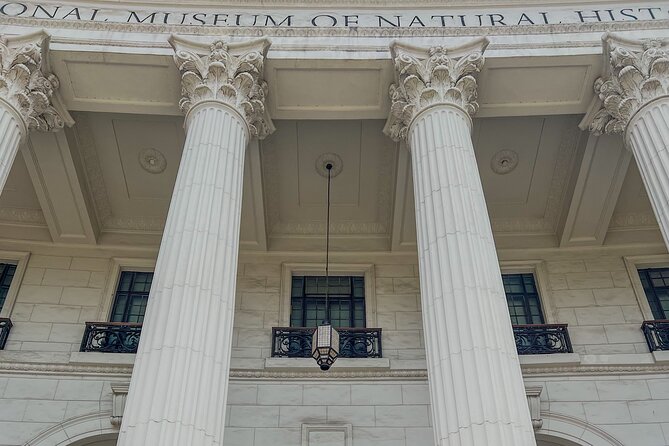
From Intramuros, the experience moves to Rizal Park, one of Manila’s best-known public spaces. The planned visit lasts about two hours and combines open grounds with three museums covering anthropology, fine arts, and natural history.
That range makes Rizal Park a useful bridge between the city’s political past and its cultural identity. You can shift from military and church history to objects, art, and the natural world. The three museums also give the day some indoor variety after time on the streets.
Admission to Rizal Park is listed as free. The information provided does not identify separate charges for the museums, so you should confirm that point if the museum visits are a major reason for booking.
Two hours can pass quickly if you try to see all three museums in detail. I would tell Edison which subject interests you most. The private format is valuable here because you can ask for more attention to fine art, anthropology, or natural history instead of treating every room equally.
The park also offers a change of pace. After the close streets of Intramuros, you get more open space and quieter walking. It is a sensible place for photographs that include greenery rather than only stone buildings.
Arroceros Forest Park, Manila’s short green pause
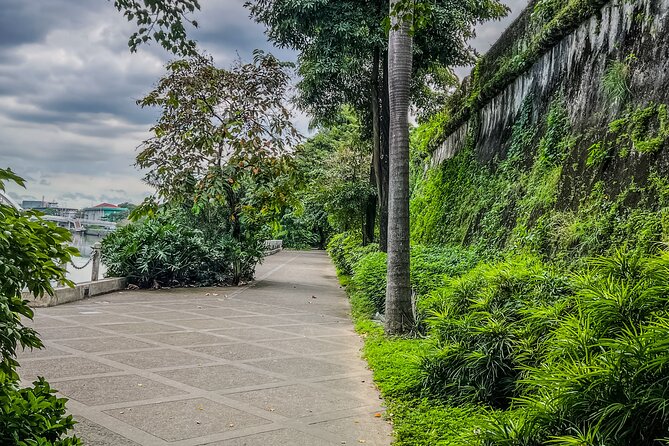
The one-hour stop at Arroceros Forest Park breaks up the historical and museum-heavy portions of the day. Its shaded paths, mature trees, birds, and greenery offer a quieter hour in the middle of a dense capital.
I like this stop because it keeps the tour from becoming a parade of buildings. You get a chance to walk without focusing on walls, exhibits, or church architecture. The park is described as an urban oasis, and its value is simple: it gives your eyes and feet a different kind of rest.
Do not expect a major sightseeing complex here. The point is the walk itself. If your interests are strongly historical, you may prefer to shorten this stop. If you have spent several days in crowded city areas, the hour among trees may feel especially worthwhile.
The name appears once as Aroceros in the route details and once as Arroceros. Use Arroceros Forest Park when checking directions.


A brief look at the Pasig River Esplanade
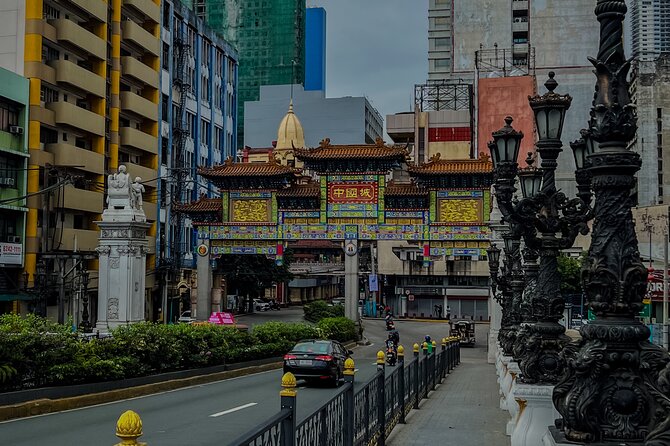
The Pasig River Esplanade receives about 30 minutes. That makes it a short scenic pause rather than a full riverside visit.
The route description accidentally repeats the text for Arroceros Forest Park, so there is limited detail about exactly what you will see at the esplanade. You can reasonably treat this as a brief walk beside the river and a chance for photographs, but I would ask Edison what section is planned and how it fits with the day’s timing.
This stop may be most useful as a transition between central Manila and Binondo. It adds another view of the city, but it should not be the main reason you book the experience. The half-hour allocation also means you should not expect a long riverside exploration.
Binondo, where the tour ends with food nearby
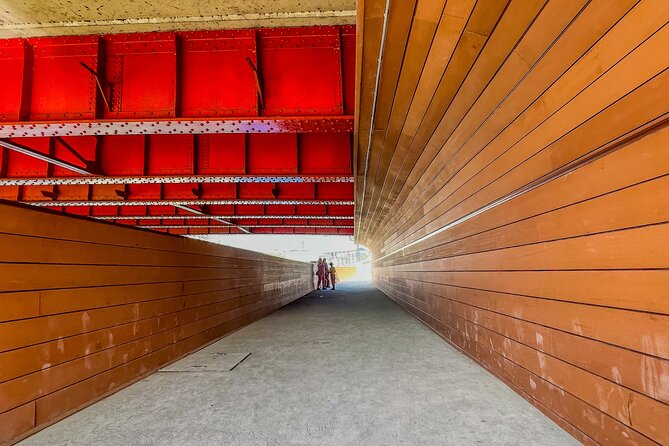
The final stop is Binondo, Manila’s historic Chinatown, with about 90 minutes set aside for walking. The route takes you through markets, traditional shops, alleyways, landmarks, and places connected with Manila’s Chinese community.
This is where the tour becomes most sensory. You can follow food smells, inspect shopfronts, and see a side of Manila that feels more commercial and everyday than Intramuros. The streets offer a strong contrast with the formal churches and fortifications earlier in the day.
Food is not included, so budget separately for lunch, dinner, snacks, or any drinks. That may sound like a drawback, but it also leaves you free to choose what appeals to you. Ask Edison for dining suggestions before the tour ends, particularly if you want to continue in Binondo after the formal 90-minute walk.
The end point is in Binondo, near the center of Chinatown. This is convenient because you do not need to return to Intramuros. You can keep eating, shopping, and walking after the guide leaves, or arrange your own transport onward.
One practical point: the route begins with churches and fortifications, then moves through museums and parks before ending around food streets. Wear comfortable shoes and carry water. The tour is listed as suitable for most people, but the length and walking make a sensible pace important.
What the $80 price really covers
At $80 per person, this is not simply a transfer between Manila sights. You are paying for a private guide, flexible planning, historical and cultural interpretation, and photography support over six to eight hours.
The value depends on how much you use the private format. If you want a fixed route with no decisions, a group tour may be simpler. If you want to choose your priorities, stop for photos, and adjust the schedule as you go, private touring can justify the higher price.
The photo service is the feature that most changes the calculation. Many people visit Manila with a phone but return with only isolated pictures of buildings. Having the guide use both mobile and camera photography may give you more useful memories of the day, especially if you are traveling alone or as a couple.
The price does not cover lunch, dinner, snacks, private transportation, or clearly specified Fort Santiago admission. Factor those costs into your budget. Since the tour ends in Binondo, you may want to plan your own meal there rather than treat the food portion as an included activity.
The guide and the pace you should request
The provider is Bryll Edison Par, and Edison is the guide name connected with the most positive account of the experience. A day with Edison is likely to work best when you identify your main interests before arrival.
One particularly useful tip is to pick your priorities first. The route offers many options, and trying to give every sight equal attention could make the day feel rushed. A history-focused plan might emphasize Manila Cathedral, Fort Santiago, San Agustin Church, and the Rizal museums. A more varied plan could shorten the fort and museum time to protect the forest park and Binondo walk.
The tour operates on Saturday and Sunday from 9:00 AM to 6:00 PM during the stated operating period, from March 16, 2024, through June 18, 2026. Since the route can last up to eight hours, an early start gives you more breathing room.
Confirmation is provided at booking. The meeting point is near public transportation, but private transport is not included. Confirm the exact meeting instructions and any planned transfers before the day begins.
Who should book this Manila photo tour?
I would recommend it to solo visitors who want photographs of themselves, couples who want a shared record of the day, and small groups that dislike rigid schedules. It also suits first-time visitors who want several sides of Manila in one outing.
Families and mixed-interest groups may appreciate the ability to lighten the itinerary. One person can focus on churches, another on museums, and everyone can still meet in Binondo for the final part.
I would be more cautious if you dislike long walks, prefer a tightly timed vehicle tour, or want all meals and admission costs included. The route is broad, and the private format works best when you communicate clearly rather than simply follow along.
Free cancellation is available if you cancel at least 24 hours before the start time. Changes made within 24 hours are not accepted, and late cancellations are not refunded. Keep the local cut-off time in mind.
Should you book the Private Manila Marvels Tour?
Book it if you want a flexible introduction to Manila with strong variety and personal photographs. The best parts are the private pacing, the mix of Intramuros and Binondo, and the option to adjust the day around your interests.
Before paying, clarify the Fort Santiago admission question, ask how transportation between stops will work, and tell Edison your top two priorities. If you do that, the $80 price can offer solid value for a full private day.
FAQ
How long does the tour last?
The tour lasts approximately six to eight hours.
Where does the tour start?
It starts at the Minor Basilica and Metropolitan Cathedral of the Immaculate Conception, also called Manila Cathedral, at Cabildo, 132 Beaterio Street, Intramuros, Manila.
Where does the tour end?
It ends in Binondo, Manila, near the center of Chinatown.
Is the tour private?
Yes. Only your group participates in the private tour or activity.
Is transportation included?
No. Private transportation is not included.
Are meals and snacks included?
No. Lunch, dinner, and snacks are not included.
Is admission to Rizal Park free?
Yes. Rizal Park is listed with free admission.
Is Fort Santiago admission included?
The information is inconsistent. Fort Santiago is marked as having an admission ticket not included, while the general inclusions mention an entrance fee. Confirm this with the provider before booking.
Can the itinerary be adjusted?
Yes. The tour is designed to be flexible, and the schedule can be adjusted or lightened according to your preferences.
Can the guide take photographs?
Yes. The guide offers mobile and camera photography skills as part of the personalized photo journey.