Manila: Intramuros, Chinatown, and Old Manila Half-Day Tour
Manila reveals itself in layers. This three-hour tour links Tondo Market, Binondo, and Intramuros, giving you a fast but unusually varied look at the city’s street life, Chinese Filipino culture, and Spanish colonial past. I like the mix of local markets and major landmarks, and I like that the route goes beyond the usual postcard version of Manila.
The guides are another strong point. Felix and Floyd are praised for making the day easygoing, informative, and fun, with clear English and plenty of personal insight. The main drawback is the pace: one hour per stop is not enough for a long meal, serious shopping, or a slow visit inside every historic site.
In This Review
- Key points to know before booking
- Why this short Manila tour works
- Tondo Market and Divisoria: Manila before the monuments
- Binondo and Ongpin Street: Chinatown in one hour
- Intramuros: Fort Santiago and Manila’s colonial core
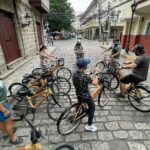
- Walking, tuk tuks, and jeepneys add local texture
- The guides make the biggest difference
- Is $75 a fair price for three hours?
- Who should book this experience?
- Final call: a useful first look at Manila
- FAQ
- How long is the Manila, Chinatown, and Intramuros tour?
- Where does the tour start?
- Where does the tour end?
- What places are included in the itinerary?
- Is admission included?
- How large can the group be?
- Can I cancel for a full refund?
Key points to know before booking
- Tondo and Divisoria begin the tour at street level, with stalls selling produce, seafood, and local food.
- Binondo is the cultural center of the route, with Ongpin Street, Binondo Church, and Filipino Chinese landmarks.
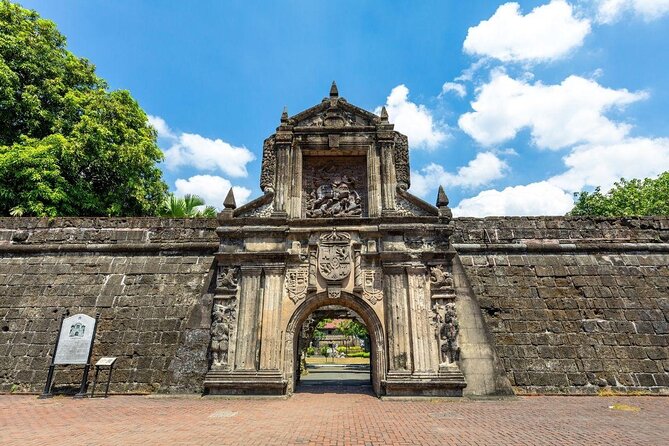
- Intramuros finishes the tour at Fort Santiago, with the Manila Cathedral and Spanish-era architecture.
- The route can include walking, tuk tuks, and jeepneys, adding useful variety to a short city tour.
- Groups are capped at 15 people, though some departures may feel much smaller.
- The $75 price pays for a guided overview, not a full day of food tasting or museum visits.
Why this short Manila tour works
Manila can be hard to read at first. The city is large, traffic is heavy, and its important places are spread across districts with very different moods. In three hours, this experience gives you a basic map of the city’s past and present without asking you to spend a full day on one subject.
I especially like the contrast between the three stops. Tondo and Divisoria show everyday commerce. Binondo brings in Chinese Filipino traditions and food culture. Intramuros then shifts the mood toward walls, churches, forts, and the colonial period. The changes happen quickly, but that is also the point.
This is not a slow walking tour with long stops at each monument. It is more like a guided first look. You get context that is difficult to gather alone, along with the chance to see parts of Manila that many first-time visitors might skip.
The tour has earned a 4.9 rating from 37 published ratings, with 97 percent recommending it. The most consistent praise goes to the guides, particularly Felix and Floyd. One person had a private departure with Felix and described him as friendly, relaxed, and highly informed. Another singled out Floyd for keeping each part of the tour engaging. Guide availability may vary, but the pattern is clear: the human side of this experience matters as much as the route.
You can also read our reviews of more tours and experiences in Luzon.


Tondo Market and Divisoria: Manila before the monuments
The tour begins in Tondo, at or around Divisoria Market. This is a useful choice because it puts you straight into working Manila rather than beginning with a polished historic square.
Your guide leads you through crowded market lanes lined with colorful stalls. You can expect fresh produce, seafood, local delicacies, and the constant movement of people buying and selling daily supplies. The stop is less about checking off a sight and more about seeing how commerce shapes the city.
You will have about one hour here, and admission is free. That does not mean the stop is effortless. Market lanes can be crowded, and you should expect to walk at a moderate pace while staying close to the group. A moderate level of fitness is requested for the activity, which makes sense given the walking and busy surroundings.
I like this part because it gives the rest of the tour a useful human context. After seeing where food and goods move through the city, Binondo’s restaurants and shops make more sense. You are not only looking at old buildings. You are seeing how districts function.
The trade-off is that Divisoria is not a calm place for browsing. If you want a quiet introduction to Manila, this will feel intense. If you want street scenes and an unfiltered look at local buying and selling, it is one of the more distinctive parts of the route.
The tour’s short format also means you probably will not have time for serious shopping. Treat the market as a guided introduction, not a dedicated retail stop. Keep personal belongings secure, follow your guide’s directions, and wear comfortable shoes.
Binondo and Ongpin Street: Chinatown in one hour
From Tondo, the route continues to Binondo, identified as the world’s oldest Chinatown and established in 1594. That date gives the district a clear place in Manila’s long story of Chinese Filipino trade and community life.
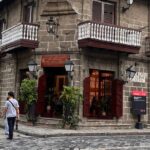
The hour in Binondo centers on Ongpin Street and nearby landmarks. The street is known for its food shops, Chinese Filipino businesses, and busy pedestrian activity. Your guide can help explain how the district fits into Manila’s broader cultural story, which is valuable because Binondo can otherwise feel like a jumble of shops, signs, traffic, and food stalls.
Binondo Church is one of the named points along the route. The church adds a religious and architectural layer to the stop, while the Filipino Chinese landmarks help show that Binondo is more than a food district. It is a place shaped by migration, commerce, faith, and family businesses.
Admission is not included for this stop. The tour information does not specify an entrance fee or a particular paid attraction, so you should ask your guide what, if anything, requires payment on the day. The main value here is the guided walk and local explanation rather than a guaranteed sit-down meal.
Food lovers should set their expectations carefully. The tour takes you through an area associated with authentic food, but it is not presented as a full food tour, and the three-hour schedule leaves limited time for dining. You may find local snacks or food stalls along the way, but do not book this experience expecting a long tasting menu.
This is also where the guide’s communication skills matter most. One of the strongest comments about the experience praised the guides’ clear English and love for the Philippines. In a district with a lot to notice, good explanation can turn a quick walk into something memorable.
Intramuros: Fort Santiago and Manila’s colonial core
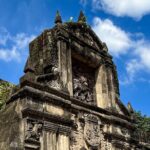
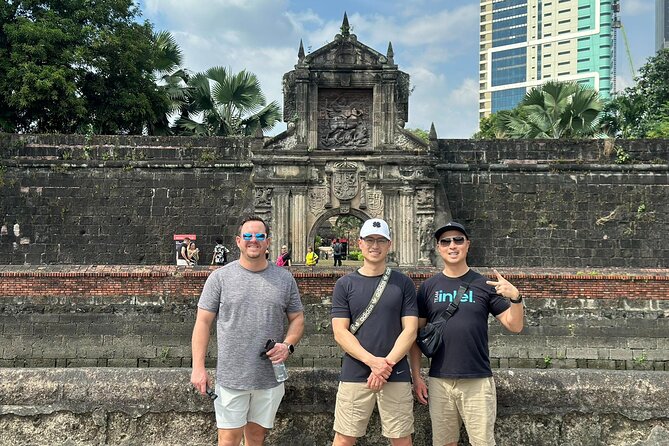
The final hour takes you to Intramuros, Manila’s old walled city. The tour ends at Fort Santiago, making this the most clearly defined finish point.
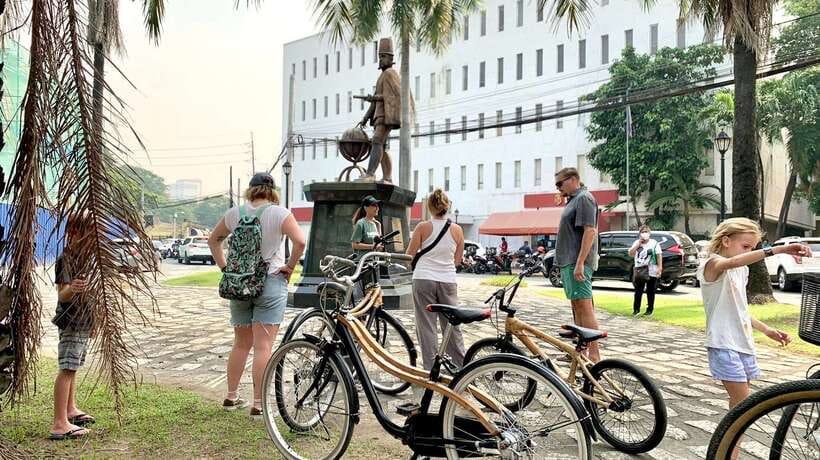
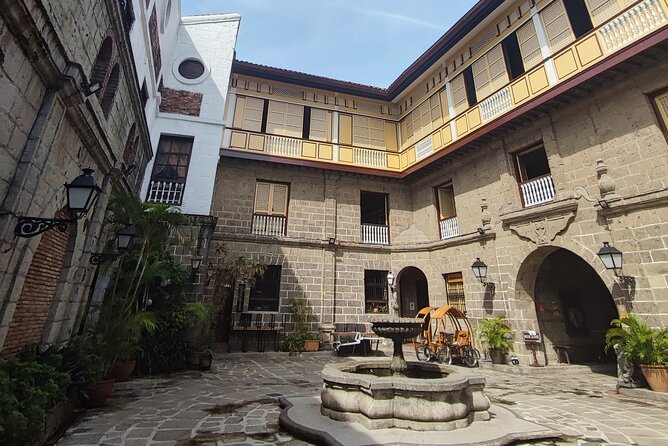
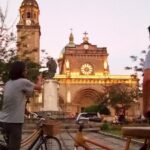
Intramuros brings a sharp change in atmosphere. The market streets and commercial lanes give way to Spanish-era architecture, defensive walls, churches, and formal historic spaces. The named sights include Fort Santiago and Manila Cathedral, two of the area’s best-known landmarks.
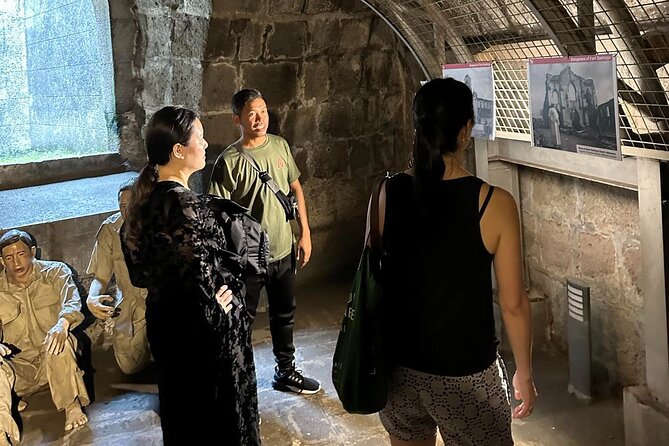
The attraction of Intramuros is not just the buildings. It is the way the walls help you understand Manila’s colonial past in physical form. You can see how the city’s earlier authorities marked off a center of power, religion, and defense. A guide adds useful links between the buildings and the wider story of Old Manila.
Admission to the Intramuros stop is listed as free, though the information does not promise entry into every individual site. Fort Santiago may have its own visiting arrangements, and access to specific interiors can depend on timing or local conditions. Ask your guide what is included when the tour begins.
One hour is enough for an introduction, especially if you are seeing Manila for the first time. It is not enough for every lane, church, museum, and fort detail. If Intramuros is your main reason for coming to Manila, plan a separate visit so you can explore at a slower pace.
Ending at Fort Santiago is practical. You finish in one of the city’s best-known historic areas instead of being returned to the starting market district. The stated end point is Fort Santiago, Intramuros, Manila, 1002 Metro Manila. From there, you can continue sightseeing or arrange your next ride.
Walking, tuk tuks, and jeepneys add local texture
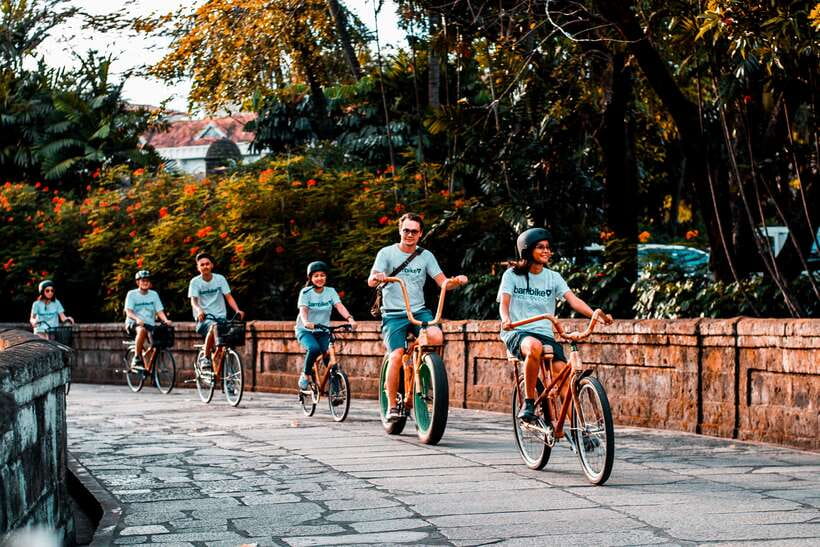
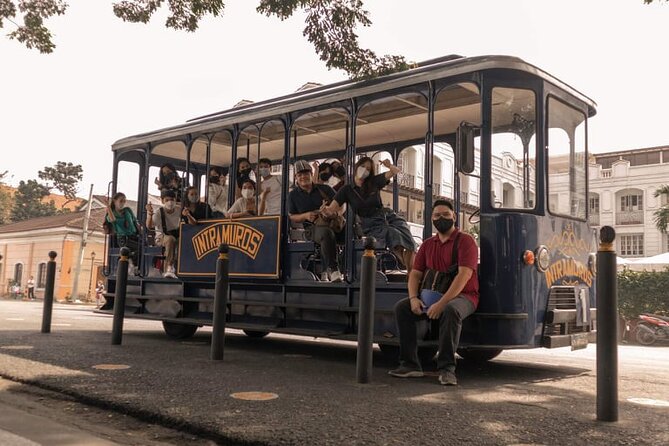
The experience is not only a sequence of stops. It can also include different ways of moving through the city. One participant especially enjoyed the combination of walking, tuk tuks, and jeepneys.
That variety matters in Manila. Walking lets you notice stalls, signs, churches, and neighborhood details at close range. A tuk tuk gives you a quick way to cover short distances while still remaining close to the street. A jeepney adds a distinctly local form of transport to the experience.
The exact transport mix may depend on the day, traffic, and the group. It is best to think of these as possible parts of the route rather than a fixed vehicle schedule. Still, the changing pace makes the tour feel less repetitive than three straight hours on foot.
Traffic and crowds are part of the deal. You should not expect perfect timing between stops, and a short tour can feel even shorter if movement through the city takes longer than planned. The guide’s role is important here, since a good escort can keep the route understandable even when the streets are hectic.


The guides make the biggest difference
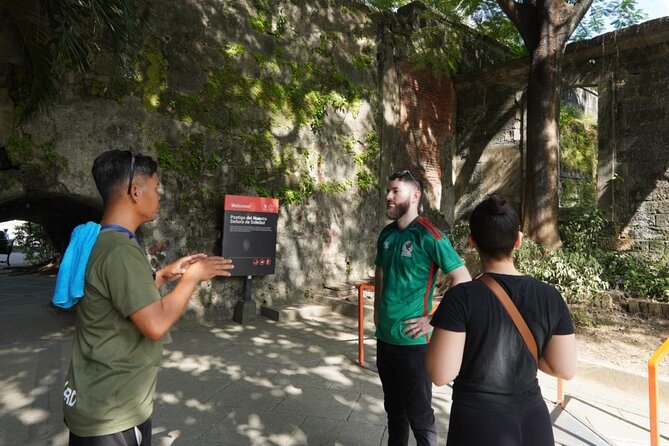
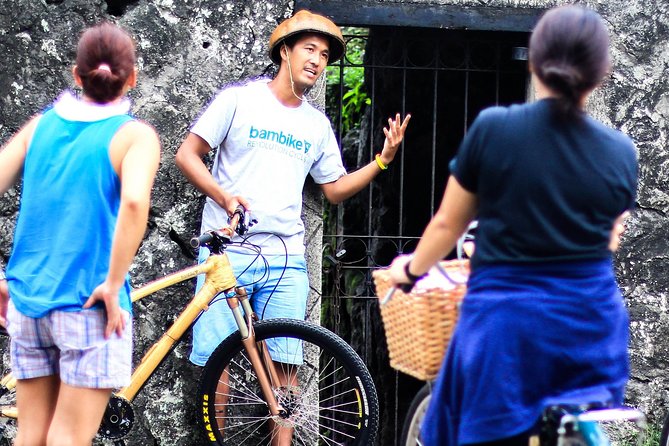
The strongest feature of this experience is its guide service. Felix is praised for being personable and easygoing during a one-on-one departure. Floyd receives similar praise for making the route interesting at every step.
That does not mean you are guaranteed either guide. Names and availability can change. It does mean the operator appears to place real value on guides who can explain Manila clearly and keep the mood relaxed.
This matters because the route crosses several very different parts of the city. Without explanation, Tondo might feel like a crowded market, Binondo like a busy food street, and Intramuros like a set of old walls. With a capable guide, you can connect those places to Manila’s economy, communities, religion, and colonial past.
English ability is another practical advantage. The tour is designed for international visitors, and the available feedback specifically praises the guides’ English. If you want to ask questions as you go, that is worth considering.
A group limit of 15 people helps keep the walk manageable. It is not a private tour by default, but the maximum is small enough that you should have a reasonable chance to hear the guide. Departures can also be much smaller, including a reported one-person experience.
Is $75 a fair price for three hours?
At $75 per person, this is not the cheapest way to walk around Manila. You are paying for a guide, planning, local orientation, and a route that links districts you might find difficult to combine on your own.
The value depends on what you want. If you are comfortable arranging public transport, researching landmarks, and navigating crowded markets alone, you could spend less. You would also lose the guide’s explanations and the convenience of moving through three very different parts of Manila in one organized outing.
For a first visit, a short stay, or a stopover, the price is easier to justify. You get a quick introduction to Tondo, Binondo, and Intramuros, plus the benefit of a guide who can answer questions in real time. The tour is especially useful when you want an overview before choosing where to return independently.
The price does not appear to include paid admission in Binondo, and the tour is not described as a full food experience. Bring some extra money if you want to buy snacks or local products. Also allow for your own transport after the tour, since the official end is at Fort Santiago rather than back at the starting point.
Who should book this experience?
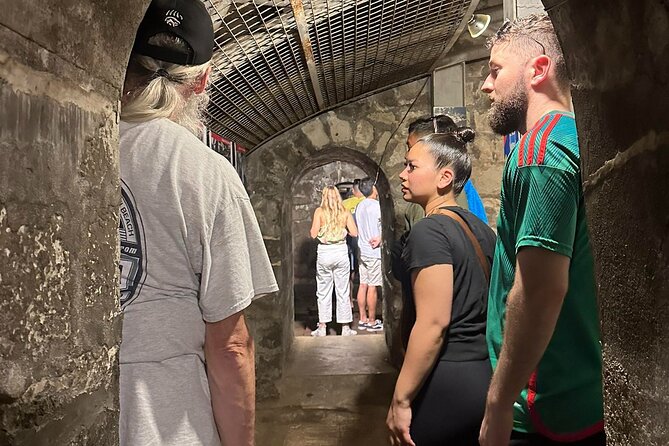
I would recommend it to first-time visitors who want a quick introduction to Manila’s main historic and cultural contrasts. It also suits solo visitors, couples, and small groups who prefer a local guide instead of piecing together transport and background information themselves.
History fans will appreciate Intramuros and the colonial landmarks. Food lovers will enjoy passing through Binondo, though they should not confuse this with a dedicated tasting tour. Curious visitors who want to see daily market life will likely get the most from Tondo and Divisoria.
The tour is less suitable if you dislike crowds, need a slow pace, or want long visits inside museums and churches. Three hours moves quickly, and the market setting can be demanding. Anyone with limited mobility should also note the requested moderate physical fitness level and the amount of walking and street movement involved.
Book with the weather in mind. The activity requires good weather, and poor conditions can lead to a different date or a full refund. You can cancel for a full refund up to 24 hours before the start time, but changes or cancellations inside that window are not refunded.
Final call: a useful first look at Manila
Book this tour if you want three very different sides of Manila in one morning or afternoon and you value a guide who can explain what you are seeing. The combination of Tondo, Binondo, and Intramuros gives you more range than a standard monument-only outing.
Skip it if you want a relaxed food crawl, a full Intramuros visit, or a private itinerary with plenty of time at each stop. For everyone else, the tour offers a practical introduction to Manila, with strong guide support and a route that gets beyond the city’s most polished surfaces.
FAQ
How long is the Manila, Chinatown, and Intramuros tour?
The tour lasts approximately three hours, with about one hour planned for each of the three main stops.
Where does the tour start?
The starting point is in Tondo, Manila, Metro Manila, Philippines.
Where does the tour end?
The tour ends at Fort Santiago in Intramuros, Manila, 1002 Metro Manila.
What places are included in the itinerary?
The route includes Divisoria Market in Tondo, Binondo Chinatown, and Intramuros. Named sights include Ongpin Street, Binondo Church, Fort Santiago, and Manila Cathedral.
Is admission included?
Admission is listed as free for the Tondo market stop and Intramuros. Admission is not included for the Binondo stop. The information does not specify fees for individual attractions within Intramuros.
How large can the group be?
The maximum group size is 15 people.
Can I cancel for a full refund?
Yes. You can cancel at least 24 hours before the experience start time for a full refund. Cancellations or changes made less than 24 hours before the start time are not refunded. If poor weather causes the tour to be canceled, you will be offered another date or a full refund.