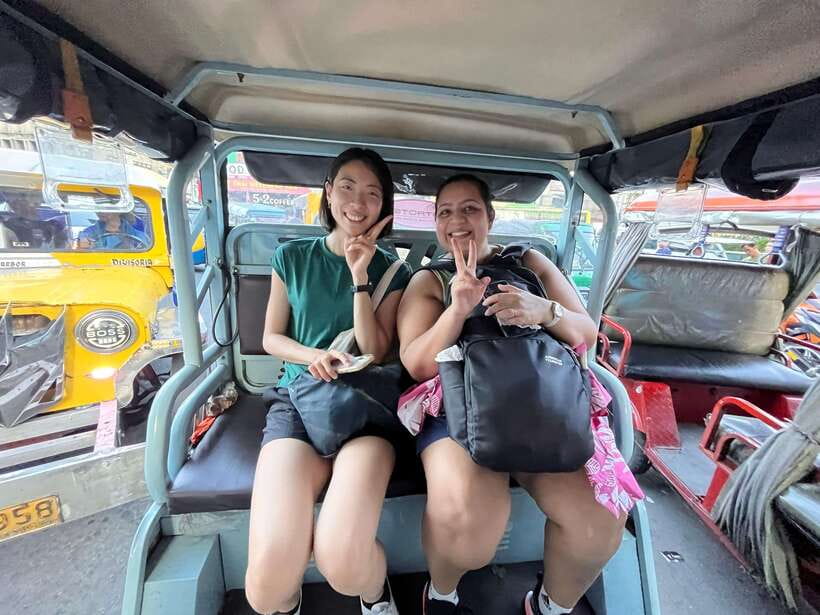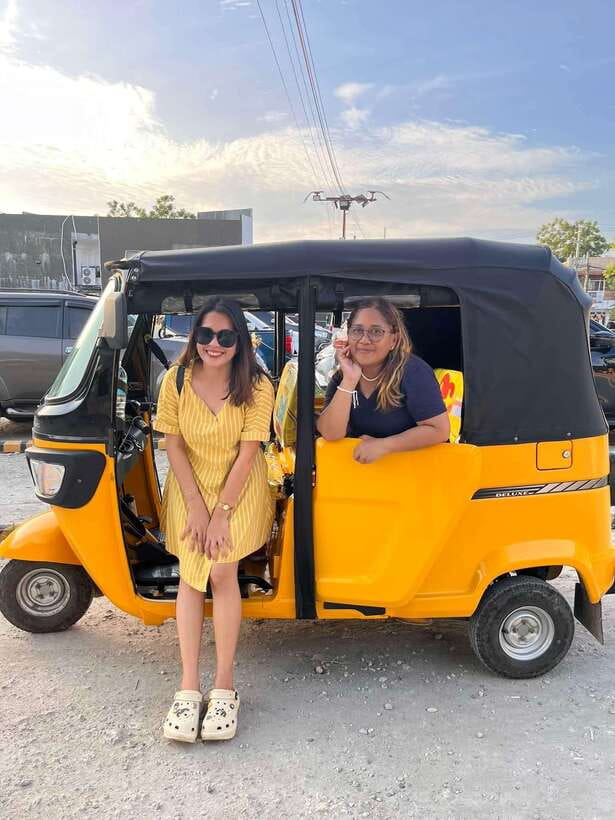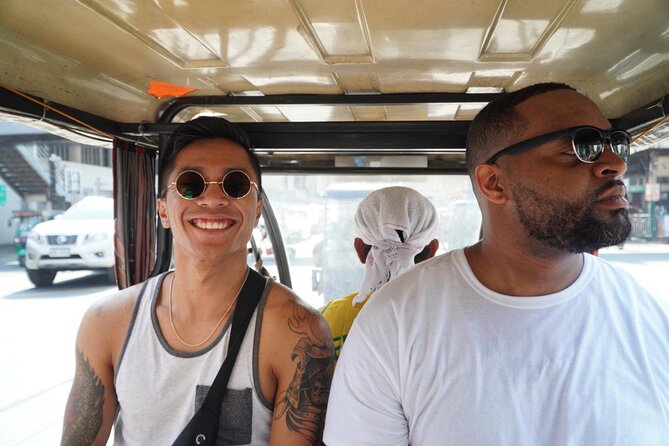
Discover the Real Manila with Tuktuk and Jeepney
Manila rewards curiosity. This two-hour experience takes you beyond the usual landmarks and into Tondo, Divisoria, and Binondo, three neighborhoods that show the city through markets, narrow lanes, local life, and Chinese-Filipino culture. I like that the tour focuses on places many short-term visitors would miss, while keeping the group small, with no more than 10 people.
I also like the built-in photography service, since you can focus on what is happening around you instead of constantly handling a camera. The main consideration is that this is not a polished sightseeing circuit. Conditions in Tondo can be confronting, and photographing poverty requires tact, patience, and respect.
In This Review
- Key points to know before you book
- Why this short tour shows more than central Manila
- Starting in Tondo’s local market
- Seeing Tondo, Divisoria, and difficult realities
- Crossing into Binondo’s Chinatown
- What the photography service is really worth
- Is $85 a fair price for two hours?
- Morning or afternoon?
- Who should book this Manila experience?
- Practical details that affect your choice
- Should you book Discover the Real Manila?
- FAQ
- How long does the Manila Tuktuk and Jeepney experience last?
- What time does the tour operate?
- Where does the tour start and finish?
- Is photography included?
- How many people can join the tour?
- What happens if bad weather cancels the tour?
Key points to know before you book
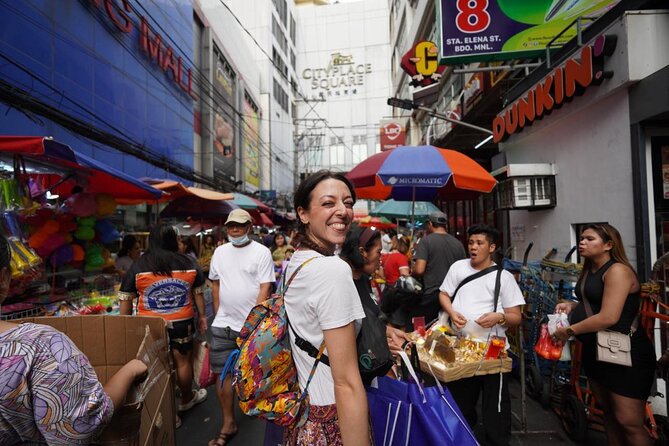
- Tondo begins with a local market: Expect colorful produce, street activity, vendors, and plenty of everyday scenes rather than grand monuments.
- Binondo adds a different side of Manila: The route continues through the oldest Chinatown in Manila, with temples, market stalls, and narrow streets.
- A local guide leads the way: Venus has been praised for knowing Tondo, Divisoria, and Chinatown well, including details that made the outing enjoyable even for people who grew up in Manila.
- Photography is part of the experience: Photos are included, and the completed images are sent to you after the tour.
- The schedule suits short stays: Tours run from 8:00 to 10:00 in the morning and from 2:00 to 4:00 in the afternoon.
- The price is high for two hours: At $85 per person, the value depends on how much you want local access, personal guidance, and photography rather than a standard city tour.
Why this short tour shows more than central Manila
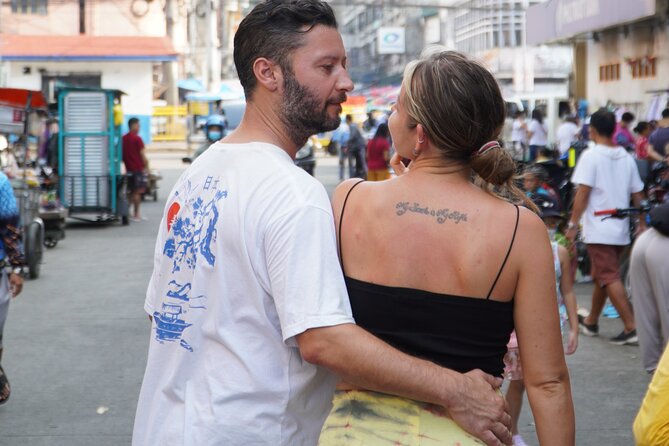
Manila can be hard to read at first. Its scale is large, traffic is intense, and familiar city landmarks only explain part of how the capital works. This tour takes a different route. Instead of staying with the postcard version of Manila, it brings you into neighborhoods where markets, homes, commerce, and street life sit close together.
That makes the experience useful for a short visit. If you have only a day or two in the city, you may not have time to work out which areas to visit or how to approach them respectfully. A local guide gives the route structure and context, while the two-hour length keeps it manageable.
The tour is also aimed at people who want to see the daily realities of Manila. Tondo is known here for difficult living conditions, and the experience does not avoid that subject. You should come ready to look carefully, listen, and avoid treating hardship as a spectacle.
The best attitude is simple: you are not entering Tondo to collect shocking pictures. You are visiting a real neighborhood, guided by someone who can help you understand what you see. That distinction matters.
You can also read our reviews of more tours and experiences in Luzon.
Starting in Tondo’s local market
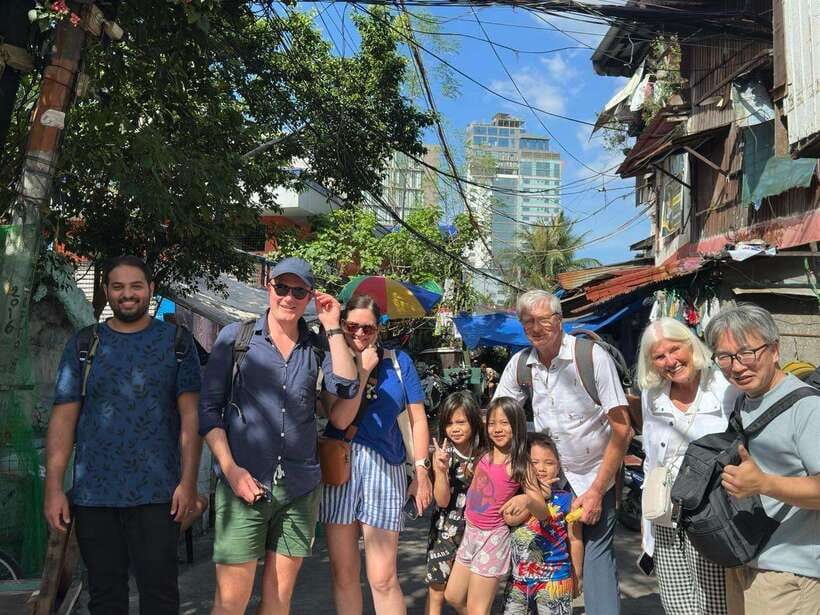
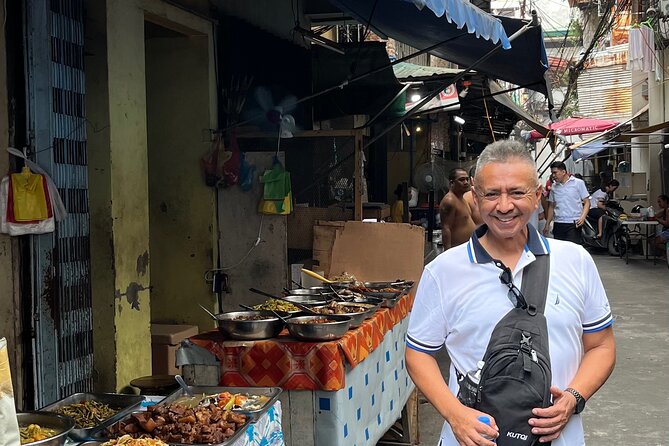
The tour begins in Tondo, at the Old Manila Tondo local market. This first hour is built around a photo walk through a working market, where the setting comes from ordinary city life rather than staged displays.
You can expect colorful produce, local vendors, street scenes, and the constant movement of commerce. Markets are often the fastest way to understand a city because they bring together food, work, conversation, and family routines in one compact place. Here, the camera becomes a tool for noticing details, not just recording famous sights.
The market also gives you an early sense of the contrast at the heart of this experience. Manila has modern districts and polished shopping centers, but Tondo shows another side of the capital. The surroundings may feel crowded and rough around the edges. That is part of what the tour is trying to explain, but it can also make the visit emotionally demanding.
I would keep your expectations practical. This is not a food tour, and there is no promise of tastings or shopping time. The market is a setting for observation, conversation, and photography. If you want a calm, air-conditioned morning, choose a different activity.
The photography service is useful here. You can take your own pictures if you wish, but having photography included means you do not need to manage every shot yourself. The finished photos are sent to you after the experience, which gives you a record of the visit without requiring you to spend the entire tour looking through a screen.
Still, ask permission before photographing people when appropriate. A local guide can help you judge the moment, but basic courtesy remains your responsibility. Smile, make eye contact, and accept a no without making it awkward.
Seeing Tondo, Divisoria, and difficult realities
The experience is described as a way to see the living conditions of some of Manila’s poorest residents. That is a serious part of the tour, not a minor detail. You may encounter cramped alleys, crowded streets, and surroundings that differ sharply from the areas most often shown in city promotions.
For some people, this direct look at inequality will be the most meaningful part of the morning or afternoon. It can help you understand that Manila is not one single experience. The city includes wealth, trade, tradition, and severe poverty, often within a surprisingly short distance.
For others, the approach may feel uncomfortable. That discomfort is not necessarily a reason to avoid the tour, but you should know what you are choosing. If your main goal is architecture, museums, or famous historic sites, the route may not fit. If you want a grounded look at how many people live and work, it offers something different.
The description also refers to Divisoria as part of the wider route, although the listed stop divides the time between Tondo and Binondo. Think of the experience as a neighborhood-based walk through Manila’s market districts, rather than a fixed monument-to-monument tour.
Your guide matters greatly here. Venus has been praised for leading visitors through Tondo, Divisoria, and Chinatown, and for making the route enjoyable even for a family whose parents had grown up in the Philippines. That is a useful sign for families and returning Philippine visitors who want a fresh angle, not just an introduction to the city.
Crossing into Binondo’s Chinatown
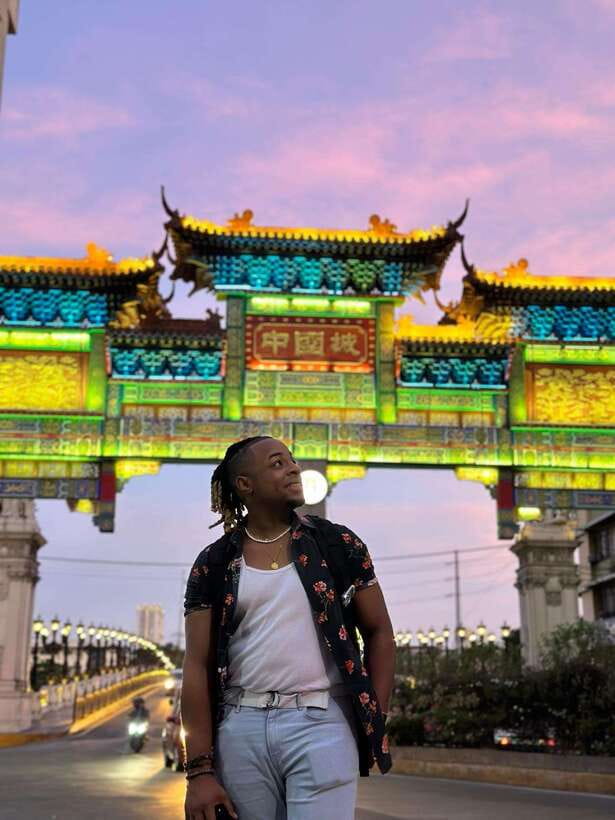
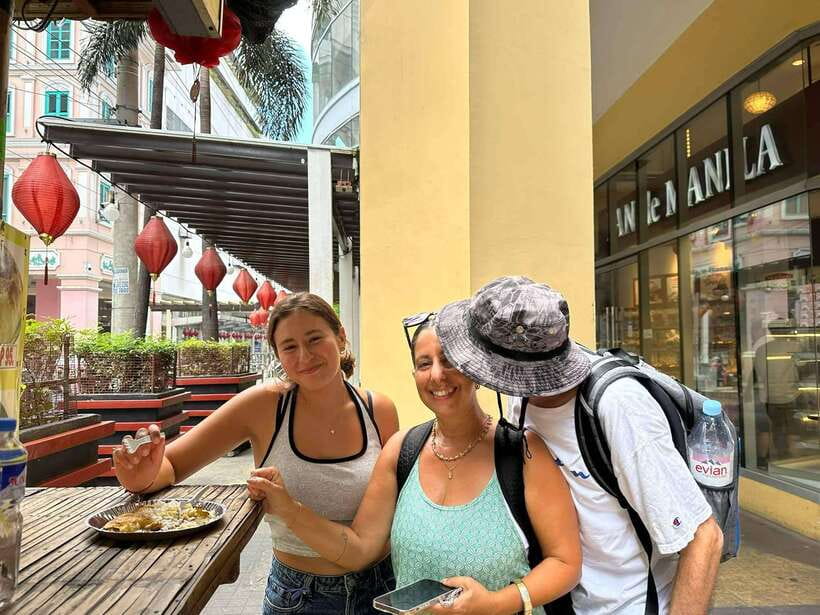
The second hour takes you to Binondo, Manila’s oldest Chinatown. The feel changes as the route moves from Tondo’s local market setting into a district shaped by Chinese-Filipino history and daily trade.
This is another strong location for photography. You might find ornate temples, market stalls, narrow lanes, storefront details, and busy street scenes. The appeal is not one single sight. It is the mixture of old traditions and ordinary activity spread across a compact urban area.
Binondo gives the tour more range. Without this second stop, the experience could feel focused only on hardship. Chinatown adds culture, commerce, design, and a different chapter of Manila’s past. It also offers more visual variety, which helps if photography is one of your main reasons for booking.
The lanes can be crowded and the surroundings can change quickly. Keep your belongings close and follow the guide’s directions. The tour is intended to be safe for visitors, but a busy city district still calls for normal urban awareness.
The Chinatown portion may be especially useful if you have already seen Manila’s better-known sights. It does not replace a full historical tour, since no detailed list of landmarks or temple interiors is provided. Instead, it gives you a street-level look at Binondo and its Chinese-Filipino character.
What the photography service is really worth
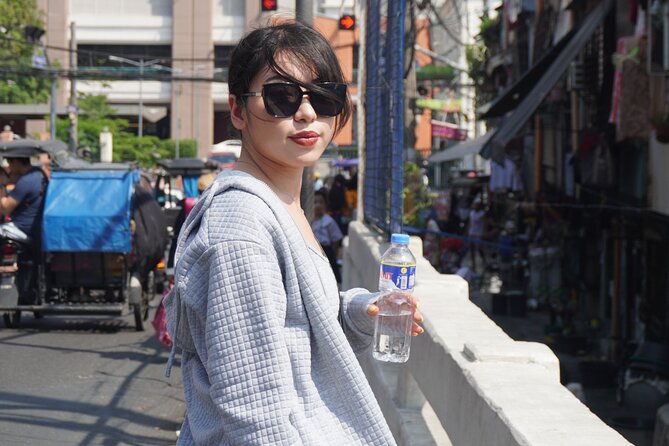
Photography is included in the experience, with photos sent to you after the tour. That is more than a minor extra if you want a personal record of the day or if you are traveling with children, parents, or a group that wants shared pictures.
It also changes how you experience the route. You can watch the market, notice faces and colors, and listen to the guide without feeling that every moment depends on your own camera skills. If you have an extra camera, bringing it may still be worthwhile, especially if photography is a serious interest.
The service does not mean every photograph will be a formal portrait. The settings are markets, alleys, and streets, so expect candid city images and scenes from the route. The information provided does not specify how many photos you receive or how soon they arrive, so do not book this solely for a guaranteed professional photo package.
The ethical side deserves equal attention. Tondo is not a movie set. People are working, shopping, and living there. Good photography should show place and people with dignity. Let the guide help with local manners, and do not assume that an unusual scene is automatically yours to photograph.


Is $85 a fair price for two hours?
At $85 per person, this is not a cheap quick city walk. The duration is about two hours, and the advertised schedule offers only a morning slot from 8:00 to 10:00 or an afternoon slot from 2:00 to 4:00.
You are paying for more than the time on foot. The price includes a small group capped at 10 people, local guiding, access to areas you might not choose alone, and photography with images sent afterward. Those extras can make the cost reasonable if you value personal attention and a more unusual route.
The value is weaker if you mainly want transportation, a list of famous landmarks, or a long tour. Two hours passes quickly, and the experience does not include a meal, museum entry, or a broad survey of Manila. The listed stops also have free admission, so the fee is mainly for the guide and photography service rather than tickets.
I would see it as a specialist experience. It makes the most sense for a first-time visitor with limited time, a returning visitor seeking a different view, or a family that wants a local-led outing. The price is harder to justify for independent walkers who are comfortable planning their own route and do not care about included photos.
Morning or afternoon?
The morning tour runs from 8:00 to 10:00. The afternoon option runs from 2:00 to 4:00. Since both last about two hours, your choice should fit your wider Manila plans and your tolerance for heat and crowds.
The morning slot leaves the rest of the day open. It may also suit you if you prefer starting before the city reaches its full daily pace. The afternoon slot can work well after a slower morning, but you should consider how the weather and street conditions may feel later in the day.
No exact weather guarantee is possible. The experience requires good weather, and poor conditions can lead to a different date or a full refund. That matters in Manila, where rain can quickly change the comfort of a walking tour.
Plan to arrive at the stated meeting point in Tondo, Manila. The activity ends back there, so do not assume you will finish near a hotel, airport, or another central attraction. That return point is easy to overlook when planning a tight layover.
Who should book this Manila experience?
I would recommend it most strongly to people who want local context rather than a polished city introduction. It suits you if you are curious about markets, street photography, Chinese-Filipino culture, and the social contrasts that shape Manila.
Families can also find it worthwhile. One family outing included children and parents who had grown up in the Philippines, and the route still offered something new to everyone. That suggests the experience can work for mixed-age groups and for people with a personal connection to the country.
It may also suit layover visitors. The two-hour format is compact, with morning and afternoon departures. Still, leave enough time for traffic and airport procedures, and remember that the tour starts and ends in Tondo.
I would hesitate to recommend it if you want a quiet walk, a formal historical lecture, or a conventional sightseeing route. It is also not the right pick if you feel uneasy about photographing or observing poverty. The tour asks you to engage with real conditions, not just attractive scenery.
Practical details that affect your choice
Confirmation arrives at booking, and the experience uses a mobile ticket. Most people can participate, and the group size is limited to 10, which should make it easier to hear the guide and move through narrow areas than on a large coach tour.
The meeting point is in Tondo, Manila, and you return there at the end. Check that location carefully against your hotel or onward plans before booking.
The tour provider is Manila Experience, also identified as V.S Tour Services. The guide named in the available feedback is Venus, whose local knowledge of Tondo, Divisoria, and Chinatown was singled out as a major strength.
Cancellation is flexible if you plan ahead. You can receive a full refund by canceling at least 24 hours before the start time. Changes or cancellations inside that window are not refunded, and poor weather may lead to another date or a full refund.
Should you book Discover the Real Manila?
Book it if you want two focused hours in parts of Manila that standard sightseeing often skips. The combination of Tondo’s market life, Binondo’s Chinatown streets, local guidance from Venus, and included photography gives the experience a clear purpose.
At $85, it is priced for access and personal service, not for entry tickets or a long itinerary. That makes it a good fit for curious short-stay visitors, families, photographers, and people who want a more honest look at Manila.
Skip it if you want famous landmarks, a relaxed ride, or a low-cost walking tour. But if you can approach Tondo with respect and an open mind, this is one of the more distinctive ways to spend two hours in the capital.
FAQ
How long does the Manila Tuktuk and Jeepney experience last?
The experience lasts approximately two hours, with one hour in Tondo and one hour in Binondo.
What time does the tour operate?
Tours run from 8:00 AM to 10:00 AM and from 2:00 PM to 4:00 PM.
Where does the tour start and finish?
It starts in Tondo, Manila, Metro Manila, Philippines, and ends back at the same meeting point.
Is photography included?
Yes. Photography is included, and the photos are sent to you after the experience. You may also bring an extra camera.
How many people can join the tour?
The activity has a maximum group size of 10 people.
What happens if bad weather cancels the tour?
If poor weather causes cancellation, you will be offered a different date or a full refund. You can also cancel at least 24 hours before the start time for a full refund.