The Jeepney & Tuk Tuk Adventure ride with Local Guide
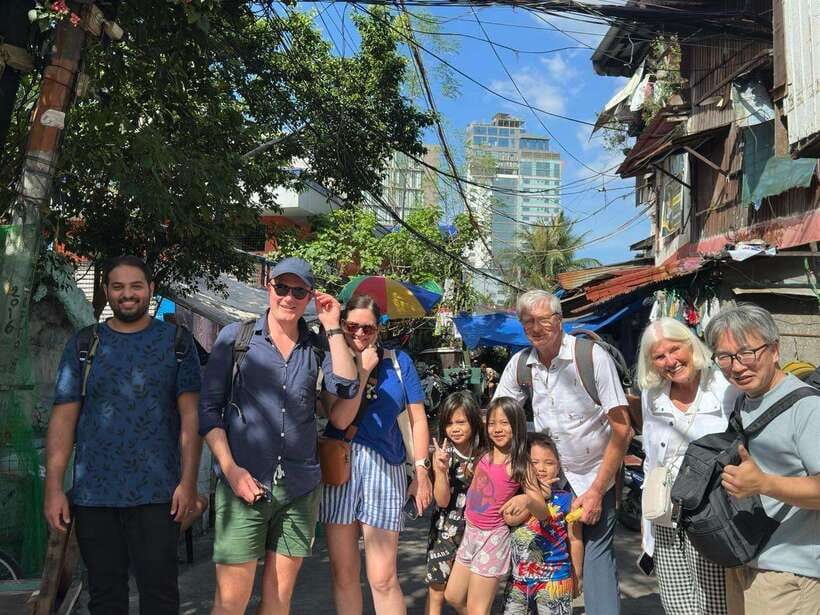
Manila moves at street level. This two-hour ride pairs jeepneys and tuk-tuks with a local walking tour through Divisoria and nearby Binondo, giving you a close look at daily city life rather than a polished sightseeing route. I like the chance to explore wet markets, narrow streets, and colorful housing areas, and I like that the group is capped at 10 people. The main drawback is the amount of walking, which can be tiring and is not suitable for wheelchair users.
I also like the way this experience uses ordinary local transport as part of the sightseeing. You can watch the city shift around you, meet residents, sample street food if you choose to buy it, and see how shopping and neighborhood life fit together. Bring comfortable shoes, some cash for snacks or market purchases, and a willingness to accept a little noise and confusion.
In This Review
- Key things to know before riding
- Why this Manila ride feels different
- Meeting at 1919 Grand Cafe in Binondo
- Riding jeepneys and tuk-tuks through Manila
- Exploring Divisoria’s wet markets and shopping streets
- Seeing Manila’s neighborhoods beyond the market
- Street food, local eateries, and the cost of eating
- What the $50 price really covers
- Walking demands and accessibility concerns
- Who will enjoy this experience most
- Simple ways to prepare for the ride
- Should you book the Jeepney and Tuk Tuk Adventure?
- FAQ
- How long does the Jeepney and Tuk Tuk Adventure last?
- Where does the tour start?
- Where does the activity end?
- Are food and snacks included?
- Is the tour wheelchair accessible?
- How many people can join the tour?
Key things to know before riding
- Divisoria is the main draw: Expect crowded market streets, narrow alleys, low prices, fresh produce, seafood, other goods, and plenty of local trade.
- Jeepneys and tuk-tuks are part of the experience: You are not simply being driven between sights. Local transport gives the tour its everyday Manila feel.
- Walking matters: The experience includes a walking tour and may not work well for anyone with limited mobility.
- The group stays small: A maximum of 10 people gives you a better chance to ask questions and keep up with the guide.
- The $50 price includes guidance, transport, and water: Snacks and food purchases cost extra, so plan for those separately.
- The tour returns to its starting point: Meet at 1919 Grand Cafe, 117 Juan Luna Street, in Binondo, Manila.
Why this Manila ride feels different
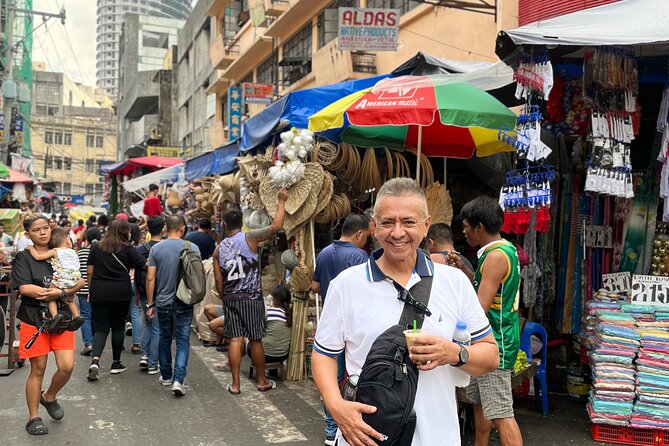
Many city tours show you Manila from behind a vehicle window. This one asks you to use the same types of transport that local residents use, then walk into the neighborhoods where daily business takes place.
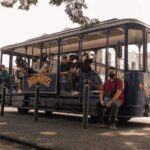
That difference matters. A jeepney is not just a colorful vehicle for photographs. It is a working part of city life. A tuk-tuk, or tricycle, takes you into streets where larger vehicles may not fit. The ride itself becomes a way to see how people move through Manila.
I like this approach because it keeps the focus on ordinary life. You are not only looking for grand buildings or formal attractions. You are watching people shop, bargain, carry goods, prepare food, and move through their neighborhood. The tour also creates room for conversation with a local guide, who can help explain what you are seeing.
The experience lasts about two hours, so it is short enough to fit into a busy Manila schedule. At the same time, you should not expect a slow, leisurely outing. The combination of riding and walking means the time can feel active, especially in Divisoria.
You can also read our reviews of more guided tours in Luzon

Meeting at 1919 Grand Cafe in Binondo
The tour begins at 1919 Grand Cafe, at 117 Juan Luna Street in Binondo. This is a useful starting point because the activity is centered on Manila’s commercial streets and local neighborhoods, rather than a distant resort area or isolated attraction.
You will need to arrive at the stated meeting point and be ready to begin with the group. The exact order of the ride, market visit, and walking portions can vary, so I would treat the schedule as a guided route rather than a rigid list of timed stops.
The tour ends back at the same meeting point. That makes planning easier, especially if you have another activity afterward. You do not need to arrange a separate ride from an unfamiliar final location.
A mobile ticket is provided, and booking confirmation is received at the time of booking. The meeting point is near public transportation, which may help if you are making your own way across Manila.
Riding jeepneys and tuk-tuks through Manila
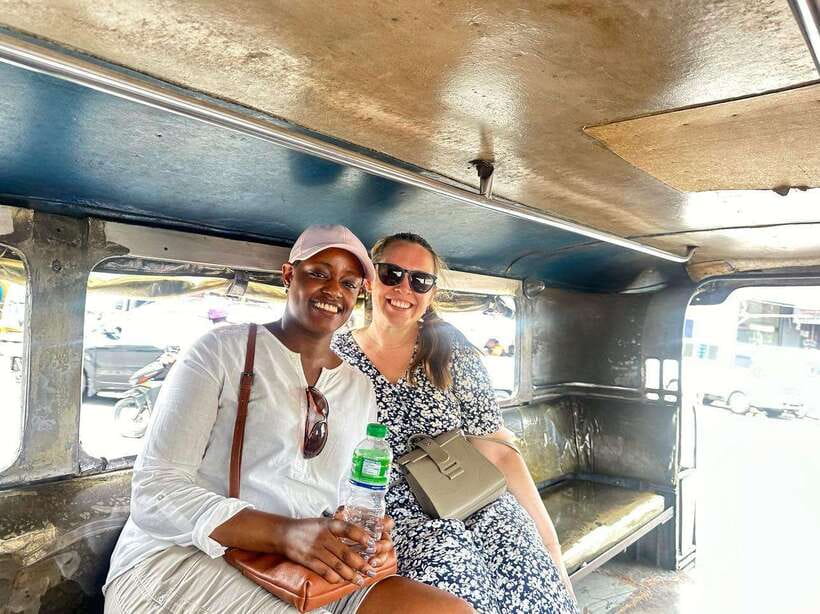
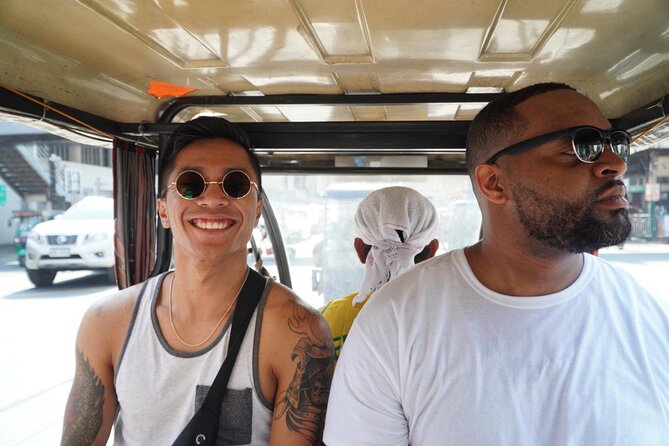
The transport is the heart of the outing. Jeepneys and tuk-tuks let you experience Manila at street level, with the sounds, movement, and interruptions that come with local travel.
You may find that the ride feels less predictable than a standard sightseeing bus. That is part of its value, but it also requires patience. Local transport can be close-quarters and active. If you prefer quiet roads, fixed departure times, and a soft seat for the entire tour, this is probably not your best choice.
I would think of the vehicles as moving observation points. From a jeepney or tuk-tuk, you can watch shops, housing areas, pedestrians, and street commerce pass close by. The guide can point out places that might otherwise seem ordinary or difficult to understand.
The transport also helps connect the separate parts of the experience. You may ride through one area, stop to walk, then use another local vehicle to continue. Since the tour description does not give a precise stop-by-stop timetable, you should allow the guide to set the pace.
Exploring Divisoria’s wet markets and shopping streets
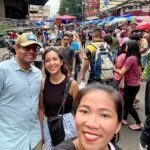
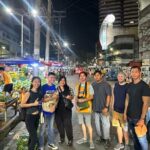
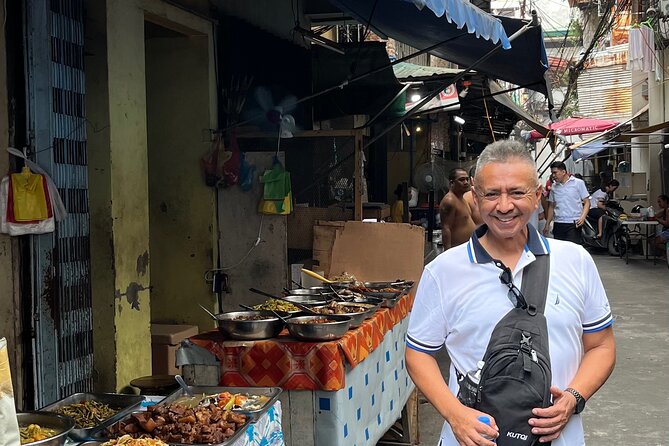
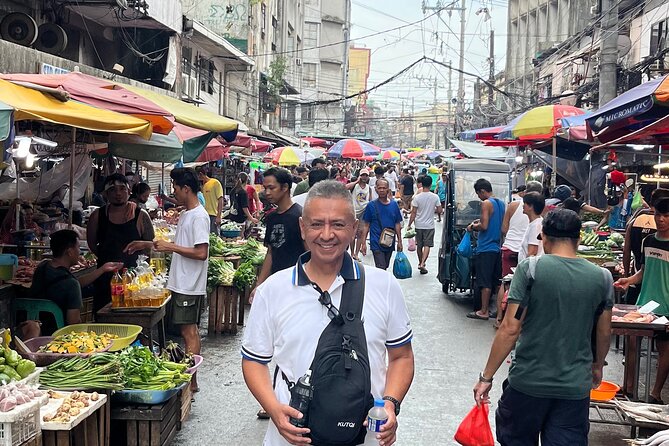
Divisoria is the main reason to book this outing. It is famous for affordable prices and a huge range of products, including fresh produce, seafood, and other goods. The streets and market alleys show Manila as a working trade center, not just a place for sightseeing.
This is where comfortable footwear becomes important. You will be walking through narrow streets and market areas, and the surface may feel uneven or crowded. Keep your belongings secure and stay close enough to hear the guide.
The market experience is less about checking off one landmark and more about observing how commerce works. You can see people choosing goods, bargaining, carrying supplies, and moving through tight spaces. The guide can help explain the purpose of the market and the habits that may not be obvious to someone visiting for the first time.
Divisoria is also a place to shop. You may find inexpensive products and local food, but remember that purchases are not included in the $50 tour price. Food and snacks are also extra. If you want to try street food, ask the guide for help choosing something appropriate and be clear about your comfort level.
I would not arrive expecting a quiet market stroll. Divisoria is busy, loud, and full of activity. That can be exciting, but it can also be tiring. The experience works best if you see the crowds as part of the setting rather than an inconvenience to escape.
Seeing Manila’s neighborhoods beyond the market
The tour also takes you through colorful housing areas and local streets. These sections add an important human side to the market visit.
You may notice how closely homes, shops, transport routes, and small businesses sit beside one another. The tour description points to the community spirit and resilience of residents, and a guide can help put those sights into context without turning the neighborhood into a backdrop for photographs.
I appreciate this part of the route because it shifts attention away from shopping. You are seeing how people live around the commercial district, not only how they buy and sell. That can make the experience feel more personal and grounded.
Still, you should be respectful. Ask before photographing people, homes, or private activity. Avoid blocking narrow passages, and follow the guide’s instructions in crowded areas. A local neighborhood is a place where people are carrying out their daily routines, so good manners matter.
Street food, local eateries, and the cost of eating
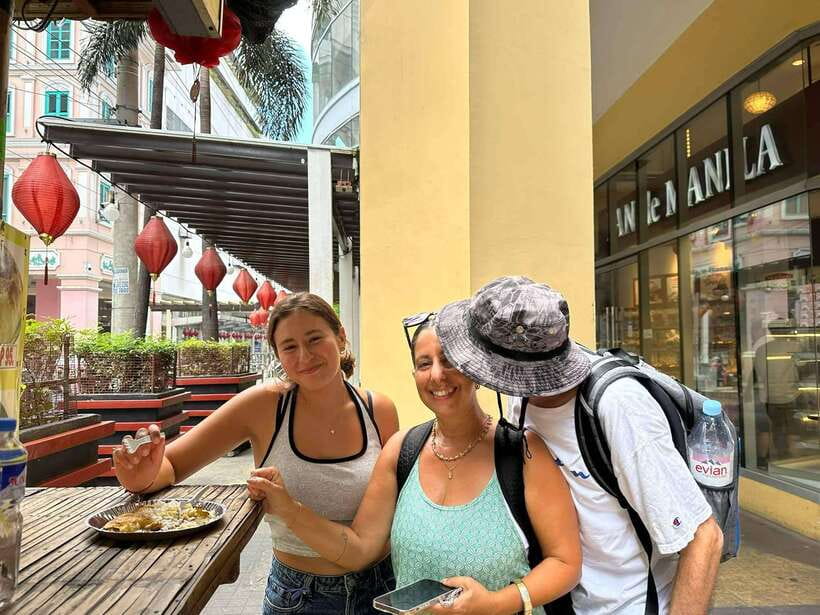
Food is available as part of the surroundings, but snacks are not included. You may have the chance to sample street food or eat at a local establishment, yet you will pay for anything you consume.
That arrangement gives you flexibility. If you are hungry, you can spend a little extra and try something along the route. If you have dietary restrictions or prefer familiar food, you can skip the snacks and focus on the market and transport.
I would carry bottled water, though a bottle is included in the tour. It is useful to have a little extra cash for food and small purchases. The guide may be able to point you toward suitable options, but the supplied information does not promise a specific tasting menu or restaurant stop.
This is an important distinction when judging the price. The $50 is not a food tour fee with tastings built in. You are paying for the local guide, transport-based sightseeing, walking, and the structure of a small-group experience. Your food budget is separate.
What the $50 price really covers
At $50 per person, this is not the cheapest way to wander around Manila. You could use local transport independently for less, especially if you already know where you want to go.
The value comes from the guide and the organized access to the experience. A first visit to Divisoria can feel confusing because the streets, stalls, and alleys are not arranged as a simple sightseeing path. A guide helps you understand what you are seeing and keeps the outing focused within its two-hour window.
The small maximum group of 10 also matters. You are less likely to disappear in a large crowd, and there is more opportunity to ask questions about the markets, transport, and neighborhoods. That is especially useful if you want cultural context rather than only a ride and a few photographs.
I would consider the price reasonable for someone who wants a short introduction to everyday Manila with personal guidance. I would not recommend it to a bargain-focused shopper who is comfortable navigating alone. The best value comes when you actively engage with the guide and use the outing as an introduction to the city.
Walking demands and accessibility concerns
The biggest practical warning is the walking. This is not a sit-back tour. You will walk through market streets and neighborhood areas, and the route may involve narrow or crowded passages.
The experience is not wheelchair-friendly. It is not fully suitable for wheelchair users, although the guide may be able to make alternative arrangements in some cases. That should not be treated as a guarantee, so contact the provider before booking if accessibility is important to you.
I would also think carefully if you have knee, balance, or stamina concerns. Most travelers can participate, but that general note does not mean the route will be easy for everyone. Wear shoes with good support, keep your hands free where possible, and bring only what you need.
The two-hour duration helps. You are not committing to a full-day walk. Even so, the market setting can make a short route feel demanding because of the heat, crowds, and frequent stops.
Who will enjoy this experience most
I would recommend the tour to you if you want to see Manila through local transport and neighborhood life. It suits curious first-time visitors, food-minded explorers, shoppers, and anyone who prefers street scenes to formal attractions.
It is also a good fit if you enjoy guided context. Divisoria can be more meaningful when someone explains the flow of trade, the role of the market, and the differences between the vehicles you are using.
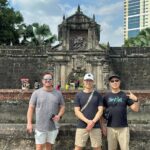
You may want to skip it if you dislike crowded markets, avoid walking, need full wheelchair access, or want a carefully timed list of major monuments. The tour includes historical sites and local points of interest, but the supplied details do not identify specific monuments or promise extensive sightseeing at named landmarks.
Families and mixed-age groups should judge the walking and market conditions carefully. Most people can participate, but the setting may feel intense for anyone who needs frequent quiet breaks.
Simple ways to prepare for the ride
A few small choices can make the outing easier:
- Wear comfortable walking shoes rather than sandals with little support.
- Bring cash for snacks, drinks beyond the included bottle of water, and market purchases.
- Keep your belongings close in crowded streets.
- Dress for an active outdoor experience.
- Ask the guide before photographing people or private homes.
- Tell the provider ahead of time about mobility limitations.
- Leave room in your schedule for the return to Binondo, even though the tour itself lasts about two hours.
The mobile ticket is convenient, but I would still keep the meeting address available on your phone. Start at 1919 Grand Cafe, not at a separate market entrance, and remember that the activity returns there.
Should you book the Jeepney and Tuk Tuk Adventure?
Book it if you want a short, guided look at Manila’s everyday rhythms, especially if Divisoria is high on your list. The best parts are the local transport, the market setting, the chance to see neighborhood life, and the small group size.
Think twice if you need a wheelchair-friendly route, dislike heavy walking, or expect included meals and a formal sightseeing itinerary. At $50, the experience earns its value through the guide and the organized introduction to places that can be hard to understand on your own.
For an active visitor with comfortable shoes and an open mind, this is a useful way to meet Manila at street level. Just come prepared for crowds, extra food costs, and a tour that asks you to walk as well as ride.
FAQ
How long does the Jeepney and Tuk Tuk Adventure last?
The experience lasts approximately two hours.
Where does the tour start?
It starts at 1919 Grand Cafe, 117 Juan Luna Street, Binondo, Manila, 1006 Metro Manila, Philippines.
Where does the activity end?
The tour ends back at the meeting point at 1919 Grand Cafe.
Are food and snacks included?
No. Snacks are not included, and you pay separately for any street food, drinks, or meals you choose to buy.
Is the tour wheelchair accessible?
The tour is not fully suitable for wheelchairs and is not wheelchair-friendly. The guide may be able to make an alternative arrangement, but you should contact the provider before booking.
How many people can join the tour?
The activity has a maximum group size of 10 people.