Manila: Guided Tuk Tuk Ride
Manila gets real fast here. This small-group outing takes you into Divisoria’s markets and neighborhood streets, using local transport, short walks, food stops, and the guide’s own view of city life. I like the mix of a tuk tuk or tricycle ride with a jeepney trip, and I like that the route goes beyond the usual Manila sights into working-class neighborhoods. The main drawback is that the tour can be crowded, hot, noisy, and visually confronting, so it suits curious visitors more than anyone seeking a polished sightseeing ride.
I also like the personal touch from guides such as Floyd and Venus, who are repeatedly praised for their warmth, humor, and care. You may taste street food, see a wet market, browse Chinese shops, and pass local housing areas in one compact outing. One point needs checking before you pay: the information gives Manila as the meeting area but also lists Nueva Vizcaya as the location, while the duration appears as both two and three hours.
In This Review
- Key points at a glance
- Starting at Tutuban Center Mall
- Why Divisoria is worth your time
- Riding Manila by tuk tuk, jeepney, and tricycle
- Walking through neighborhoods beyond the usual route
- Street food and local market tasting
- What Floyd and Venus add to the experience
- How much value do you get for $66?
- Who should book this Manila outing?
- Practical advice before you go
- Should you book the Guided Tuk Tuk Ride?
- FAQ
- Where does the Manila Guided Tuk Tuk Ride begin?
- Where does the tour finish?
- How long does the experience last?
- What language does the guide speak?
- What transportation is included?
- Is food included?
- How large is the group?
- Where does the tour take place?
- Who should not take this activity?
Key points at a glance
- Tutuban Center Mall is the meeting point: Find the entrance near the Bonifacio Monument and Lawson convenience store.
- Divisoria is the main event: Expect low-cost shopping, narrow market lanes, fresh food, seafood, local stalls, and plenty of street activity.
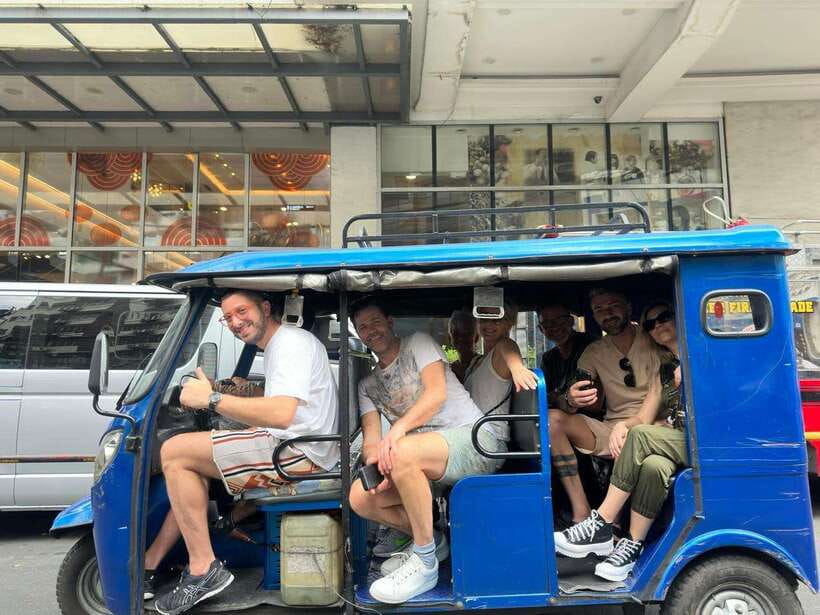
- You use local transport: The outing includes a tuk tuk or Lamborghini tricycle, a jeepney ride, and walking.
- Food is part of the route: You may sample street food, drinks, and a well-known egg dessert.
- The guide makes the difference: Floyd and Venus receive especially warm praise for their humor, care, and local insight.
- Small groups keep it manageable: The group is capped at 12 people, with an English-speaking guide.
Starting at Tutuban Center Mall

Your meeting point is the entrance of Tutuban Center Mall, near the Bonifacio Monument and Lawson convenience store. That detail matters. Tutuban sits beside one of Manila’s best-known low-cost shopping areas, so the surroundings can feel hectic before the tour even begins.
Give yourself time to find the correct entrance. The instructions are clear enough, but a large shopping complex and crowded streets are not ideal places for a rushed meeting. The guide is expected to meet you there, and one strong practical point from the feedback is the reported punctual pickup.
The tour begins in a part of Manila where shopping is not mainly about souvenir hunting. Divisoria serves people looking for clothes, household goods, food, small electronics, and inexpensive everyday items. Prices are a major draw, but the greater value for you is seeing how ordinary commerce works in the city.
You can also read our reviews of more guided tours in Manila


Why Divisoria is worth your time
Divisoria is not a quiet market made for casual photographs. It is a working district, and the pace reflects that. You can expect narrow lanes, packed stalls, signs, carts, shoppers, and vendors handling fresh produce and seafood.
A guide helps you read the scene rather than simply pass through it. You can learn how people shop, bargain, move goods, and make a living in a dense city district. The market is also a useful counterpoint to Manila’s grander attractions because it shows the practical side of daily life.
The shopping is another reason to come. You may find clothing, household products, and other goods at prices that make browsing fun even if you have no plan to buy. Keep your expectations sensible, though. This is not a calm retail center, and the sheer volume of people and merchandise can become tiring.
The market also has a strong sensory side. You will hear vendors calling out, smell cooking food, and see fresh goods laid out for sale. That can be rewarding, but it is not for everyone. If you dislike crowds, close quarters, or wet-market conditions, this may be the hardest part of the outing.
Riding Manila by tuk tuk, jeepney, and tricycle
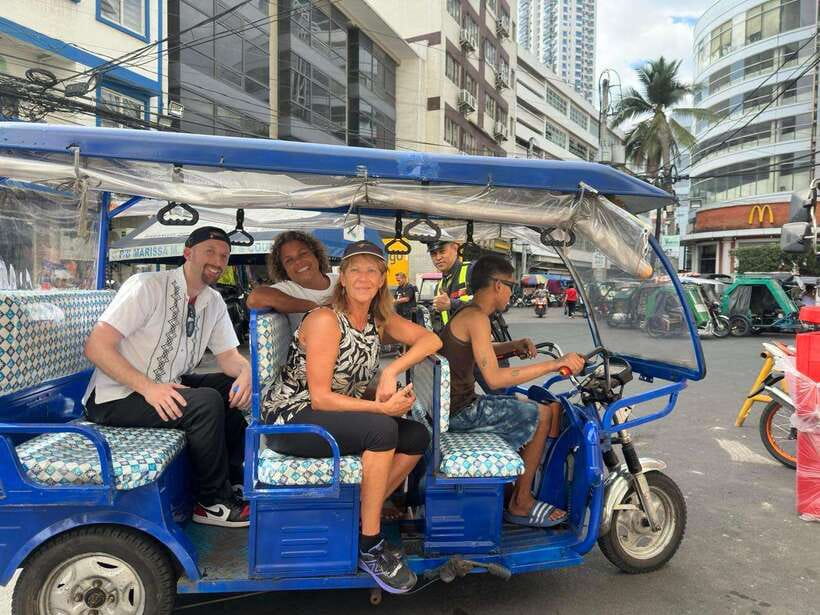
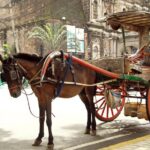
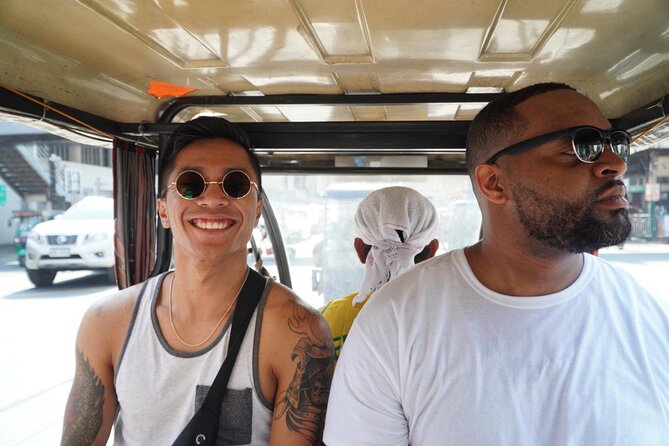
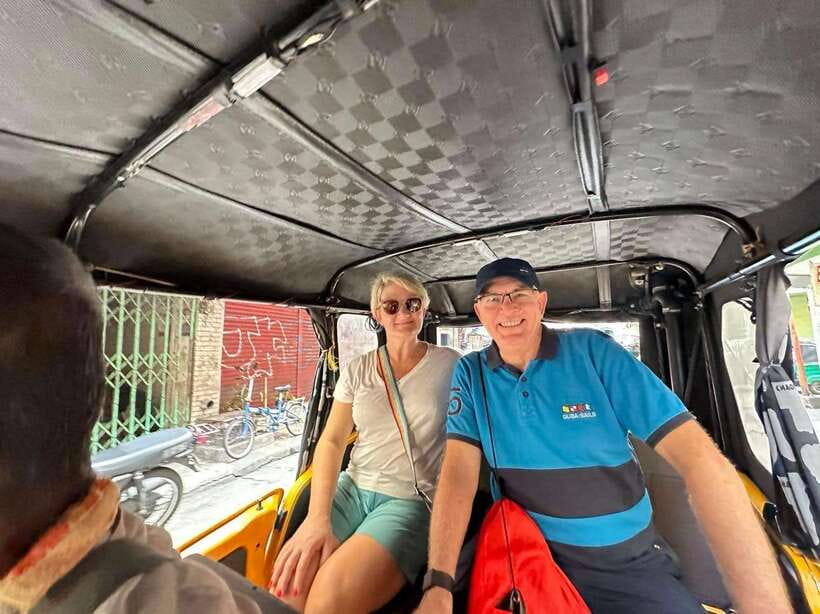
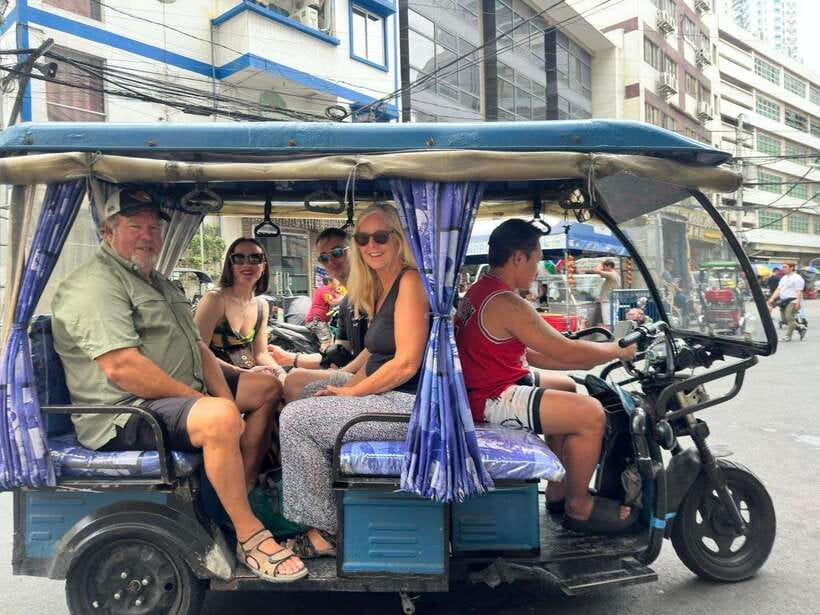
The transport is a major part of the appeal. Instead of viewing the district through a private vehicle, you ride in local forms of transport and walk through the streets. The listed inclusion says you receive an experience by jeepney or Lamborghini tricycle, while the tour title and several accounts also describe a tuk tuk ride.
That wording suggests the exact vehicle mix may vary. Some groups have used several types of Manila transport, including a tuk tuk, tricycle, and jeepney. Ask the operator to confirm what is planned for your date if a particular vehicle is important to you.
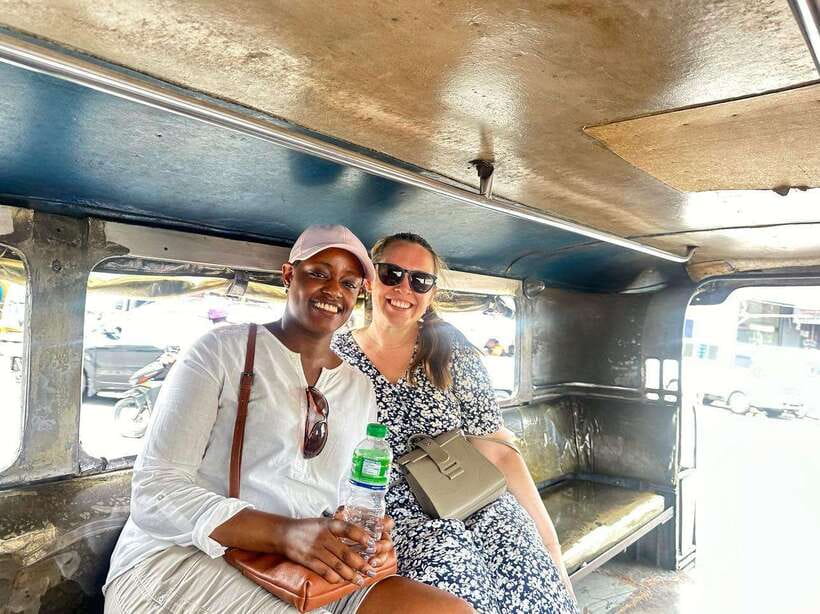
A jeepney ride gives you a direct connection with one of the city’s familiar public transport customs. A tuk tuk or tricycle ride offers a more open, street-level view. Neither is designed for luxury. That is the point, but it also means you should expect basic seating, traffic noise, and little shelter from the weather.
The rides help break up the walking. They also let you cover more ground in a short period. One visitor described using four typical Manila vehicles, while another enjoyed three different modes of transport. That range will not necessarily happen on every departure, but the pattern is clear: this is a moving tour, not one long walk around a single market.
Walking through neighborhoods beyond the usual route
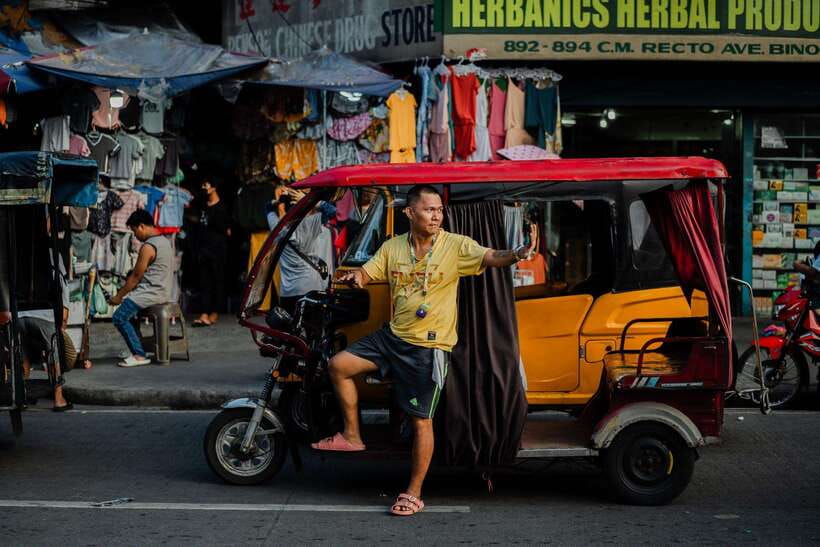
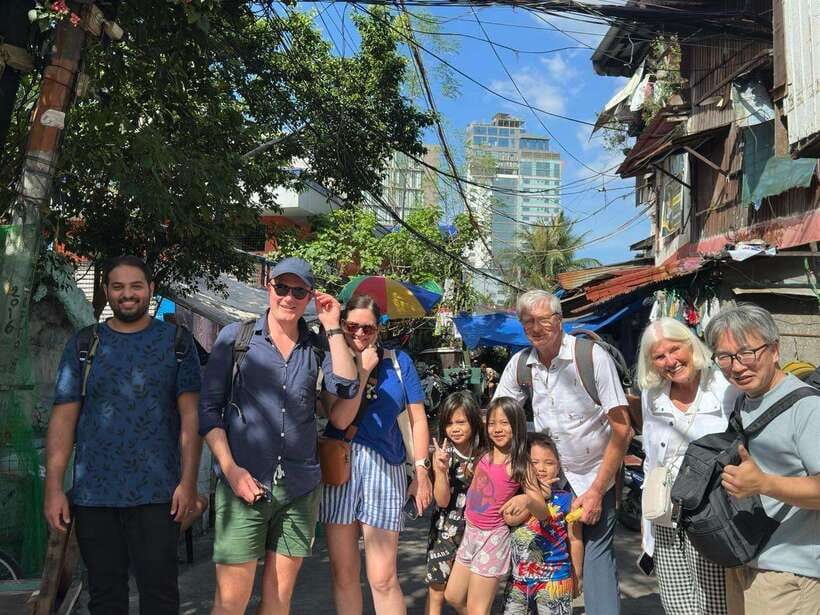
The walking sections take you away from the main shopping lanes and into local neighborhoods. Here you may see housing areas connected to the market economy, including poor houses and modest communities close to the commercial streets.
This part requires respect. The purpose is to understand how people live and work, not to treat homes as scenery. Keep your camera away unless your guide clearly indicates that photography is welcome, and follow the guide’s lead when moving through narrow residential areas.
The value is in the explanation. Without local context, a row of tightly packed homes can be easy to misunderstand. With a good guide, you can gain a clearer picture of community life, work, and the resourcefulness of people living in a crowded part of Manila.
Several accounts praise the guides for helping participants feel safe and welcome. Floyd is often singled out for answering questions, checking on everyone, and adding humor. Venus is praised for her energy, friendly manner, and ability to make the outing feel personal. Guide quality matters here because the route deals with real homes and working communities, not a staged attraction.
Street food and local market tasting

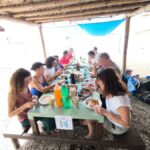
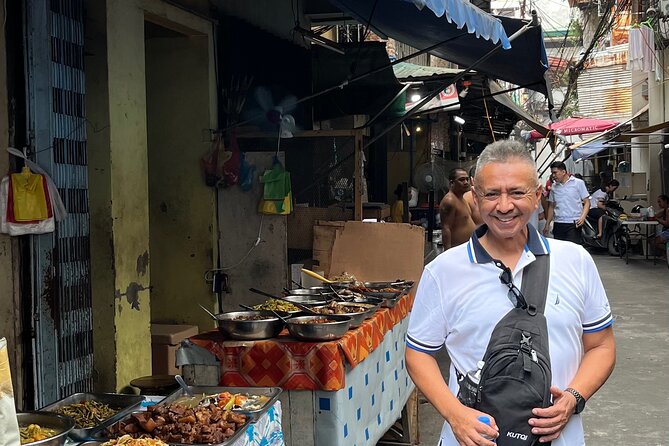
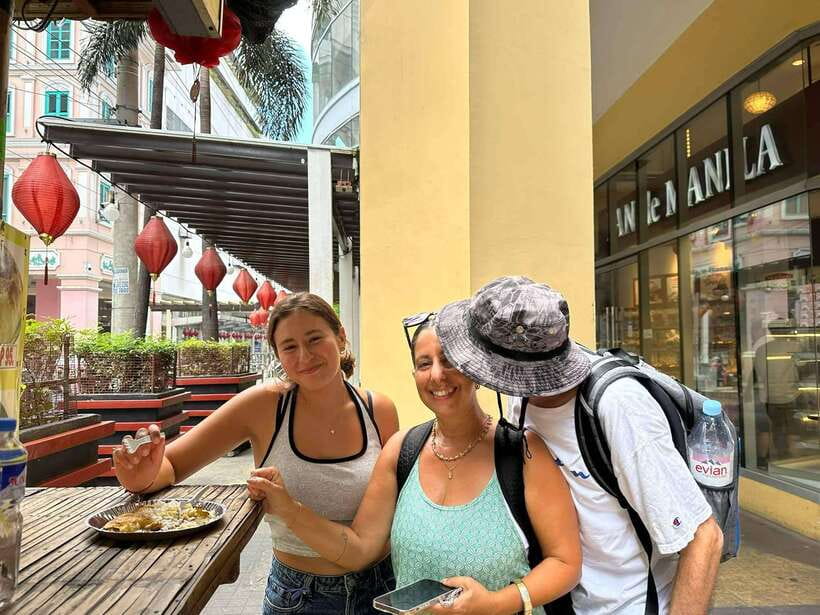
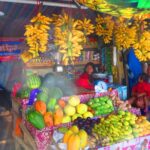
Food stops add flavor to the route in the most literal sense. You may visit food stalls, sample street food, and try drinks or a familiar egg dessert. The exact menu is not fixed in the supplied details, so it is better to think of this as a tasting opportunity rather than a promised meal.
This is a good way to approach Manila food culture because you see where people buy and eat it. The market setting gives the tasting more meaning than a restaurant stop would. You can connect the ingredients, stalls, and daily shopping habits in one short visit.
Still, use your own judgment. Wet markets and street stalls vary in appearance and handling practices. If you have food allergies, tell the guide before tasting anything. If you have a sensitive stomach, you may prefer small portions. The tour information does not promise a full lunch, so eat beforehand if you need a substantial meal.
One particularly useful detail is the mention of a famous egg dessert and a rooftop restaurant drink on some outings. These additions show that the route can include more than a quick market walk, although you should not assume every group receives the same stop.



What Floyd and Venus add to the experience
The strongest part of this tour is the human element. Floyd is described as friendly, funny, careful, and well informed about Manila’s history and market life. He also appears willing to spend extra time when needed, which can make a short visit feel less rushed.
Venus receives similar praise for her warmth and enthusiasm. Her approach seems especially suited to people who want a guide who talks with them rather than recites facts at them. That matters when you are walking through places that may feel unfamiliar or confusing.
Other guides named in the feedback include Frank, who is praised for his area and history knowledge. The operator is V.S Tour Services, and the English-language format makes the outing accessible to visitors who do not speak Filipino.
A group limit of 12 is a sensible middle ground. You get more personal contact than on a large coach tour, but you may still share tight market lanes with several other participants. If your group is small, ask questions. This is the kind of tour where a guide’s local explanation can be more useful than a long list of dates.
How much value do you get for $66?
At $66 per person, this is not the cheapest way to wander through Divisoria. You could visit a market independently for far less. The price makes more sense if you value transport coordination, an English-speaking local guide, food tasting, and help interpreting what you see.
You are paying for access and context rather than grand monuments. The guide organizes the movement between walking areas and local vehicles, helps you navigate an intense district, and gives meaning to scenes that might otherwise seem chaotic. For a first day in Manila, that can be useful. One person specifically chose it as an introduction to the city and felt it helped explain the different areas.
The value is also stronger for solo visitors and couples who would rather not figure out Divisoria alone. A small group gives you company without the scale of a full bus tour. For confident independent visitors who already know Manila, the price may feel high unless the guide and food elements are priorities.
The tour is listed as two hours, but the itinerary also describes a three-hour visit and walk in Manila. This is not a minor detail. Confirm the actual running time, transport sequence, and food inclusions before booking, especially if you have a flight, cruise departure, or another appointment.
Who should book this Manila outing?
I would recommend it to first-time Manila visitors who want an introduction to everyday city life. It is also a good fit if you enjoy public transport, local markets, street food, and guided walks through places that do not appear on every standard sightseeing route.
Solo visitors may find the small group reassuring. Couples can expect a more active outing than a romantic city ride, with plenty of noise, movement, and market grit. Families should consider the walking, traffic, food conditions, and tight spaces before booking for children.
This is not the right choice for everyone. The activity is not suitable for people with high blood pressure or pregnant women. Anyone who needs a gentle, quiet, highly controlled tour should choose something else.
You should also arrive with an open mind. The route presents both the energy of local trade and the difficult realities of poverty. That contrast is important, but it can feel confronting. A good guide keeps the tone respectful and helps you understand what you are seeing.
Practical advice before you go
Wear comfortable shoes because the outing combines walking with rides. Light clothing may help in Manila’s heat, though the tour information does not provide weather guidance, so check conditions on the day.
Carry only what you need. Crowded market streets are easier when your hands are free, and you will have less to worry about while boarding local transport or sampling food.
Bring questions. Ask about the products, market customs, neighborhoods, transport, and food. The guides’ strongest quality is their willingness to explain and engage, so you get more from the tour when you participate.
Confirm three points before booking:
- The exact duration, since the information gives both two and three hours.
- The exact transport plan, since the wording refers to a tuk tuk, jeepney, or Lamborghini tricycle.
- The meeting location, because Manila is the clear route area but Nueva Vizcaya is also listed in the location field.
Free cancellation is available up to 24 hours before the activity for a full refund, and you can reserve now and pay later. Those terms make the booking more flexible, but they do not remove the need to verify the schedule.
Should you book the Guided Tuk Tuk Ride?
Book this tour if you want Manila with the edges left on. You will see markets, local housing, street food, and public transport rather than only polished attractions. The strongest reason to go is the guide, especially if Floyd or Venus leads your group.
Skip it if you want a quiet ride, formal sightseeing, or a fixed food menu. Also skip it if crowds and rough market conditions are a concern. For everyone else, $66 is a fair price for a compact introduction to Manila’s daily rhythms, provided you confirm the duration and vehicle plan first.
FAQ
Where does the Manila Guided Tuk Tuk Ride begin?
It begins at the entrance of Tutuban Center Mall. Look for the Bonifacio Monument near the Lawson convenience store.
Where does the tour finish?
The tour returns to Tutuban Center Mall.
How long does the experience last?
It is advertised as a two-hour activity, but the itinerary also refers to a three-hour visit and walk in Manila. Confirm the exact duration before booking.
What language does the guide speak?
The live tour guide speaks English.
What transportation is included?
The experience includes a walking tour and a ride in a jeepney or Lamborghini tricycle. The tour title and direct accounts also refer to a tuk tuk, so confirm the exact vehicle mix with V.S Tour Services.
Is food included?
Food tasting is part of the experience. You may sample street food, drinks, and a famous egg dessert, but a full meal is not specified.
How large is the group?
The activity is offered as a small group with a maximum of 12 participants.
Where does the tour take place?
The route takes place in Manila, especially around Divisoria, its local markets, shopping streets, wet market areas, food stalls, and nearby neighborhoods. Nueva Vizcaya is also shown in the location information, so confirm this detail before booking.
Who should not take this activity?
The tour is not suitable for people with high blood pressure or pregnant women.