Private 5-Hour Cebu City Tour with Lunch
Cebu’s past fits neatly into five hours. This private tour links a Taoist temple, Spanish fort, basilica, and preserved 19th-century home, giving you a useful first look at the city’s Chinese, Catholic, colonial, and Filipino influences. I like the small-group format for up to six people, and I like that lunch, admission fees, and hotel transport are included. The main concern is guide quality, which appears to vary sharply.
At $91.03 per person, the package can be good value if you are traveling with a small group and want one vehicle, a private guide, and a simple half-day plan. But you should confirm the pickup time, since the details give both 8:30 and 9 a.m., and understand that one poor experience involved a guide who offered little commentary and rushed the group to an early buffet lunch.
In This Review
- Key points to know before booking
- A compact introduction to Cebu City
- The Taoist Temple and a view of Cebu’s Chinese community
- Basilica del Santo Niño and Magellan’s Cross
- Fort San Pedro’s quiet courtyard
- Casa Gorordo and life in a wealthy Cebu home
- How good is the guiding?
- Lunch: convenient, but ask what to expect
- Is $91.03 per person fair?
- Timing, clothing, and physical effort
- Who will get the most from this tour?
- Should you book the Cebu City tour?
- FAQ
- How long does the Cebu City tour last?
- What time does the tour start?
- Where does hotel pickup apply?
- How many people can join the private tour?
- Is lunch included?
- Are entrance fees included?
- What should I wear?
- Can I cancel for a full refund?
Key points to know before booking
- Four very different Cebu sights: See the Taoist Temple, Basilica del Santo Niño, Magellan’s Cross, Fort San Pedro, and Casa Gorordo Museum in one compact outing.
- Private vehicle for up to six: You avoid joining a large coach group, with hotel pickup and drop-off included for hotels inside Cebu City.
- The guide makes a major difference: Strong guiding can bring Philippine history to life, but service may not always be equally engaging.
- Lunch and admissions are covered: The price is easier to judge because several common extra costs are already included.
- Allow for traffic: Transfer times are estimates, and Cebu traffic can affect how much time you spend at each stop.
- Dress for churches and walking: Smart casual clothing is required, and a moderate fitness level is recommended.
A compact introduction to Cebu City
This five-hour outing works best as a first-day orientation. You move from a Chinese religious center on the hills outside the core to some of Cebu’s oldest Spanish and Catholic sites, then finish in a restored family home.
That range is the tour’s real strength. You are not looking at one type of monument again and again. Instead, you see how several communities shaped Cebu: the Chinese community that built the Taoist Temple, Spanish and Portuguese explorers connected with Magellan’s Cross, Catholic devotees at Santo Niño, Spanish military authorities at Fort San Pedro, and a prosperous Filipino family at Casa Gorordo.
Pickup is offered from hotels located within Cebu City. The listed start time is 8:30 a.m., while the schedule also describes a 9 a.m. hotel pickup. I would confirm the exact time when booking, especially if you have a morning flight connection, a cruise departure, or a fixed appointment later in the day.
The vehicle is private, and the group limit is six people. That matters in Cebu, where traffic can make even short transfers feel longer. A private ride also means you are not waiting for a busload of strangers at every stop.
You can also read our reviews of more city tours in Cebu
The Taoist Temple and a view of Cebu’s Chinese community
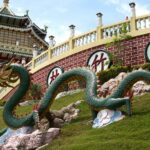
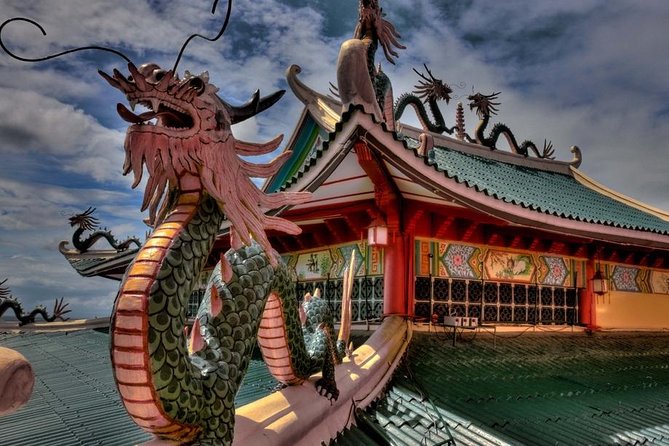
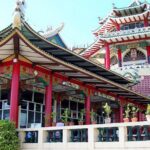
The Cebu Taoist Temple is about four miles, or six kilometers, from the city center. Built in 1972 by Cebu’s Chinese community, it is much newer than the Spanish-era sites later in the tour, but it provides an important counterpoint to them.
The entrance has colorful details, tiered roofs, and dragon forms that echo the Great Wall of China. You can expect a visually striking start, with a different architectural style from the churches and forts downtown.
The temple is also a useful reminder that Cebu’s story is not only Spanish and Catholic. The tour places Chinese cultural influence near the beginning, before taking you into the older center of the city.
The drive back passes Carbon Market, where produce arrives from different parts of the island. The schedule treats this as a passing view rather than a formal market visit, so do not expect time for a full shopping stop. Still, it gives you a glimpse of an important local trading area and helps connect the monuments with everyday Cebu.
The temple stop is listed at about one hour, with admission included. Because the itinerary has several one-hour visits and city traffic can be unpredictable, your guide may need to keep the pace moving.
Basilica del Santo Niño and Magellan’s Cross
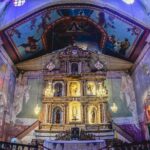
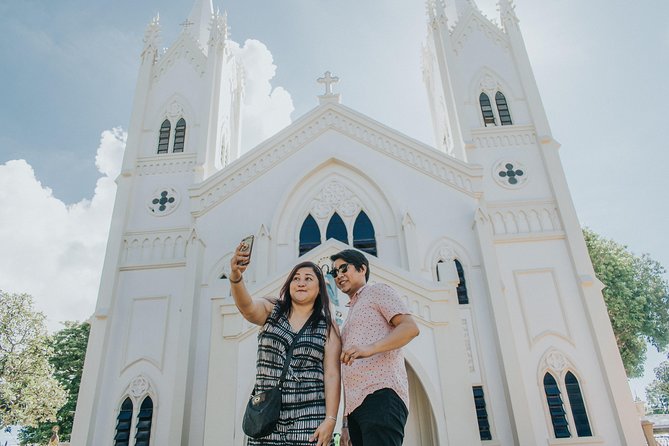
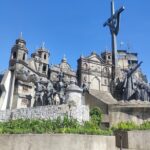
The Basilica del Santo Niño is one of the emotional centers of Cebu’s old city. Founded in 1565, it houses a revered 16th-century statue of the Christ child, known as the Santo Niño.
This is an active Catholic site, not simply a museum. You should dress in smart casual clothing and behave respectfully during services or prayer. The tour includes admission, but the information provided does not promise a private church ceremony or special access.
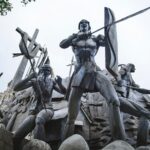
Across the street is Magellan’s Cross. The cross is linked to the arrival of Portuguese and Spanish explorers in Cebu in 1521, under the orders of Ferdinand Magellan. Its location beside the basilica makes these two stops easy to combine, but their meanings are not identical.
The basilica reflects a long Catholic tradition in the Philippines. Magellan’s Cross points to the first stage of Spanish and Portuguese contact with Cebu. Seeing both helps you understand why this small area carries such weight in the city’s story.
I would give yourself time to listen here rather than treating the cross as a quick photo stop. The quality of the guide matters most at this point because the physical object is simple, while the historical context is much more interesting than the structure itself.
The planned visit is about one hour. Crowds, religious activity, and traffic around the central district may affect the exact pace.
Fort San Pedro’s quiet courtyard
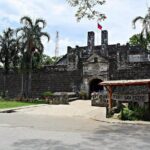
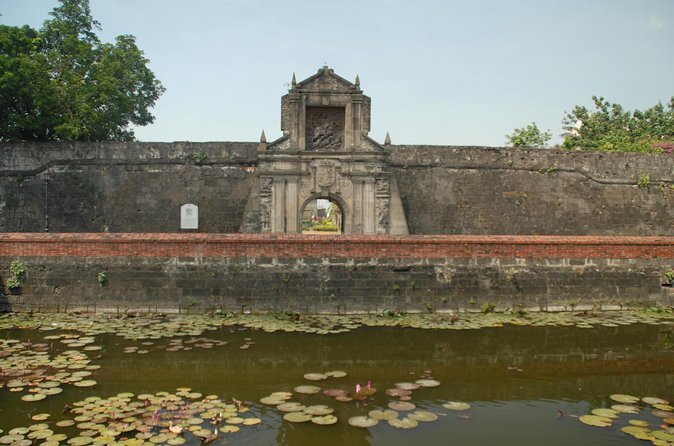
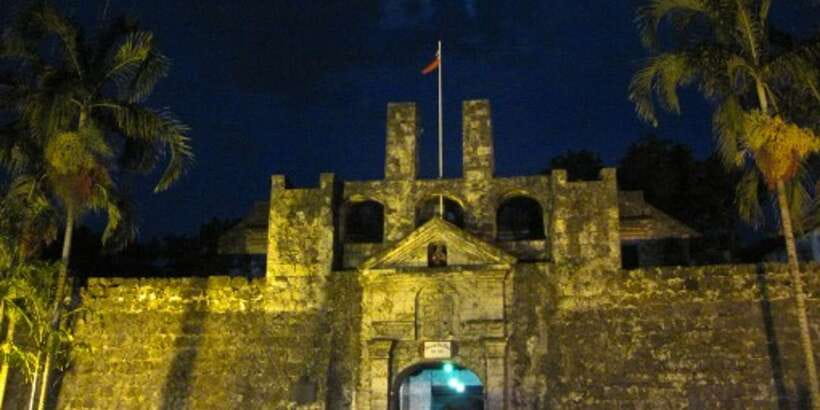
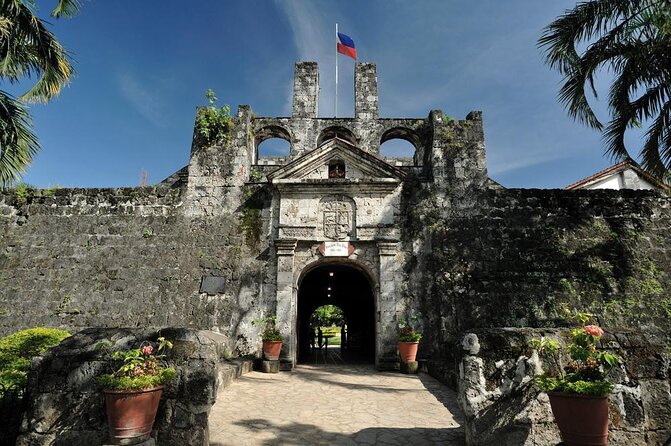
Fort San Pedro was founded in 1565 as a Spanish military outpost. Today, its inner courtyard contains a tranquil garden, offering a calmer mood after the busy religious and central-city sights.
The fort is not presented as a vast military complex. Think of it as a compact defensive site where you can see how Spanish authorities established a foothold in Cebu. Its smaller scale makes it manageable during a half-day tour, particularly if you are traveling with children or older family members.
The listed visit lasts about one hour, and admission is included. You will want to look beyond the walls and imagine the fort as part of a larger colonial system, rather than judging it only by its size.
One practical point is the order. The narrative schedule places the Taoist Temple first, followed by central sights, while the stop list begins with Fort San Pedro. The actual sequence can depend on traffic, local conditions, and the guide’s route. The four main stops are clear, but the exact order is worth confirming on the morning of the tour.
Casa Gorordo and life in a wealthy Cebu home
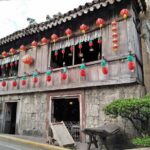
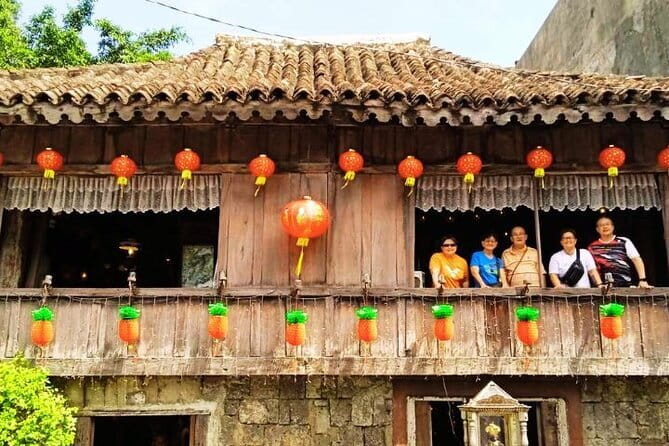
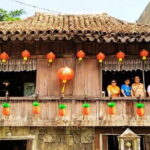
Casa Gorordo Museum provides the most personal stop on the tour. Built in the 1850s for a wealthy family, the house uses Mactan coral stone and Philippine hardwoods. It has been restored and furnished in period style.
A fort tells you about military power. A basilica tells you about faith. Casa Gorordo shows how a prosperous family lived, which can make the city’s past feel more concrete. You see domestic architecture, materials, and rooms rather than only public monuments.
This stop is especially useful if you enjoy historic houses. It gives context to the social world behind Cebu’s public buildings and helps explain the position of elite families in the mid-19th century.
The visit is scheduled for about one hour, with admission included. Since the home is furnished in period style, the guide’s explanation will shape how much you get from it. Ask about the house’s construction, the use of Mactan coral, and the meaning of the furnishings if those subjects are not covered.
Casa Gorordo is listed as the final stop. Afterward, the vehicle returns you to your Cebu City hotel.
You can also read our reviews of more private tours in Cebu




How good is the guiding?
This is the biggest variable in the experience. One strong account praised a guide’s English and his ability to explain Philippine and Cebu history, along with a good lunch. That is exactly what this tour needs. The buildings are worthwhile, but a clear storyteller connects them.
There is also a serious warning in the available feedback. One family reported that a guide named Edwin left them at each site, offered little explanation, spent much of the time sleeping or staying silent in the vehicle, and rushed them to a poor buffet at 11 a.m. That is not a minor complaint. On a private history tour, the guide is the main reason to pay more than you would for independent sightseeing.
I would set expectations at the start. Ask how much time you will have at each stop, where lunch will be served, and whether the guide will accompany you inside the sites. The tour description promises a professional guide, but the experience clearly depends on the person assigned that day.
The driver and guide may be separate people. In one positive account, both the guide and driver helped keep the half-day enjoyable despite rain. That suggests the vehicle service can be useful in wet weather, but you should still bring suitable clothing because transport does not remove the need for walking between entrances and sights.
Lunch: convenient, but ask what to expect
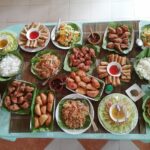
Lunch is included, which makes the price easier to understand. You do not need to search for a restaurant during a tight schedule, and the meal gives you a break before returning to your hotel.
The timing deserves attention. One negative account described being taken to a buffet at 11 a.m. and found the meal disappointing. That does not prove every departure uses the same venue, but it does show why you should ask the guide about the lunch plan at the beginning of the day.
A very early meal may suit some schedules, especially if pickup is at 8:30 or 9 a.m. However, it may feel rushed if you prefer a later lunch or want more time at the sights. If food quality is important to you, treat the included lunch as a convenience rather than the main reason to book.
Is $91.03 per person fair?
At $91.03 per person, this is not the cheapest way to see Cebu’s central sights. The price becomes more reasonable when you split the cost among a group of up to six and count the private vehicle, hotel pickup and drop-off, guide, lunch, entrance fees, taxes, and the five-hour schedule.
You are paying for convenience and structure. That can be valuable on a first visit, when you want to cover several historic places without working out transport between them.
The value is weaker for a solo visitor or a couple on a tight budget, particularly if you are comfortable arranging your own taxi rides and paying admission at each site. The tour also loses value if the guide is not actively explaining the places.
Group discounts are offered, and the child rate applies only when a child shares with two paying adults. Children must be accompanied by an adult. For a family, the private format and included transport can make the outing easier than managing several separate rides.
Timing, clothing, and physical effort
The tour lasts about five hours, but the exact transfer time depends on traffic. Cebu City roads can slow the schedule, so I would avoid booking a time-sensitive activity immediately afterward.
You will be getting in and out of a vehicle, walking through historic sites, and spending time on your feet. A moderate level of physical fitness is recommended. The supplied information does not describe wheelchair access or special mobility arrangements, so anyone with mobility concerns should ask the provider before paying.
Smart casual dress is required. This is particularly important for the basilica and Taoist Temple. Comfortable walking shoes, modest clothing, and protection from rain are sensible choices, although the tour details do not promise specific weather arrangements.
The mobile ticket is practical, and confirmation is normally issued at booking. If you book within seven days of departure, confirmation may arrive within 48 hours and depends on availability.
Who will get the most from this tour?
I would recommend it to first-time visitors who want a broad introduction to Cebu City without spending a full day on sightseeing. Families may appreciate the private vehicle, limited group size, and included lunch.
It also suits people who enjoy cultural contrasts. The Taoist Temple, Catholic basilica, colonial fort, and restored family house each show a different part of Cebu’s past.
You may want another option if you prefer a slow schedule, a food-focused outing, or extensive time at each site. Five hours is enough for an overview, not a leisurely study of every building.
Independent visitors who dislike fixed meal stops should also think twice. The itinerary is convenient, but lunch and the pace are built into the day.
Should you book the Cebu City tour?
Book this experience if you want a private half-day route through Cebu’s major historic and religious sights, with transport, admissions, lunch, and a guide handled in one package. The strongest parts are the range of stops and the chance to hear clear historical explanations in a small group.
Before booking, confirm the exact pickup time, the lunch venue, and that the guide will accompany you into the sites rather than simply dropping you at their entrances. That quick check matters because the guiding quality appears to be the deciding factor.
If you receive an engaged guide who explains the connections between Cebu’s Chinese, Catholic, Spanish, and Filipino traditions, $91.03 can be fair value. If you want total control over timing and meals, arrange the sights independently instead.
FAQ
How long does the Cebu City tour last?
The tour lasts approximately five hours, including transportation between the hotel and the sightseeing stops.
What time does the tour start?
The listed meeting time is 8:30 a.m., while the schedule also describes a 9 a.m. hotel pickup. Confirm the exact pickup time when booking.
Where does hotel pickup apply?
Pickup and drop-off are included for hotels located within Cebu City.
How many people can join the private tour?
The tour accepts a maximum of six travelers.
Is lunch included?
Yes. Lunch is included in the tour price.
Are entrance fees included?
Yes. Admission fees for the listed sights are included.
What should I wear?
Smart casual clothing is required. Children must be accompanied by an adult.
Can I cancel for a full refund?
Yes. You can cancel at least 24 hours before the experience starts for a full refund. Changes or cancellations made less than 24 hours before the start time are not accepted for a refund.