Private Half-Day Shore Excursion Museums in Manila
Art makes a smart port day. This private outing links Manila’s National Museum and Ayala Museum, giving you a useful look at Filipino art, archaeology, crafts, and national history without arranging your own transport. I especially like the round-trip port pickup and the fact that entrance fees and an English-speaking guide are included.
You also get a private vehicle and a flexible setting for your own group, which can make a big difference during a short cruise stop. The main drawback is time: about one hour is allotted to each museum, so you will need to keep moving, and the strict no-refund policy requires careful planning.
In This Review
- Key points to know before booking
- Why this museum tour works well from a cruise port
- Starting with archaeology and Filipino culture at the National Museum
- Moving from Manila’s past to Ayala Museum
- What the guide adds to the museum experience
- Is $133.34 per person a fair price?
- Timing, traffic, and the one-hour museum visits
- A good choice for families and mixed-interest groups
- Important booking cautions for a cruise day
- What the strongest feedback tells you
- Should you book this Manila museum excursion?
- FAQ
- What time does the tour start?
- How long does the excursion last?
- Does the tour include pickup from the Manila port?
- Which museums are visited?
- Are museum entrance fees included?
- Is the tour private?
- Does the tour operate on Mondays?
- Are food and drinks included?
- Is there a minimum number of people required?
Key points to know before booking
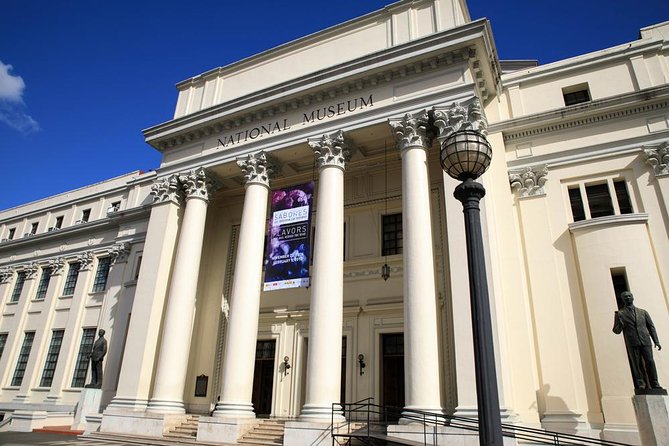
- Two museums, two different views of the Philippines: The National Museum covers archaeology, culture, colonial-era art, and Filipino masters, while Ayala Museum focuses on contemporary art, gold, ceramics, textiles, and historical dioramas.
- Port pickup keeps the day simple: Round-trip transportation is included, so you do not need to negotiate Manila traffic or find your own way back to the ship.
- A private tour suits cruise groups: Only your party participates, with a local English-speaking guide providing commentary along the way.
- The museum schedule is compact: Plan on roughly one hour at the National Museum complex and one hour at Ayala Museum, with the remaining time used for transfers.
- Mondays are not available: Both museums are closed on Mondays, so check your port date before paying.
- The price covers the basics: At $133.34 per person, you are paying for a half-day private outing, transportation, guiding, taxes, fees, and museum admission. Food and personal purchases are extra.
Why this museum tour works well from a cruise port
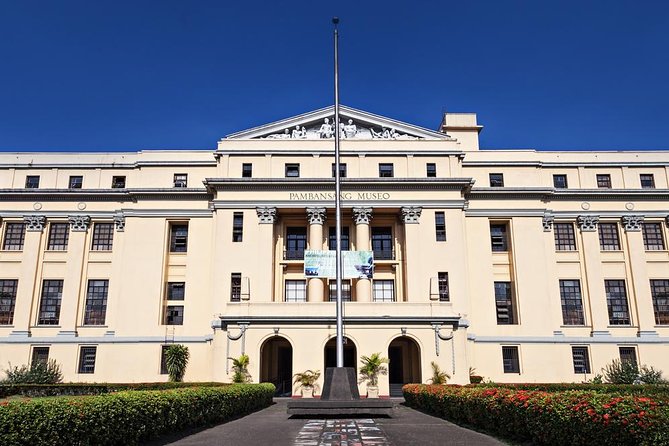
A port day in Manila can be awkward. You have limited time, unfamiliar roads, and a ship departure that cannot wait for a late return. This experience deals with the main practical problem by arranging transport from the port and bringing you back after the museum visits.
The tour begins at 8:00 am and lasts about five to six hours. That gives you a half-day of sightseeing without using every hour of your shore visit. I like this balance for people who want more than a quick city drive but still want time to return to the ship, rest, or explore the port area independently.
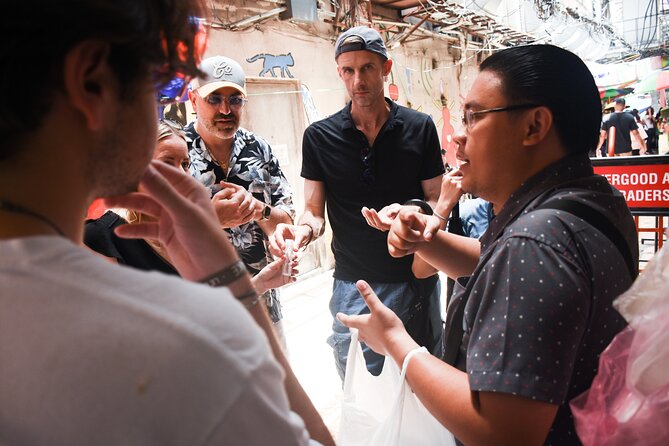
The private format is another real benefit. You are not placed with a large mixed group, so the guide can focus on your party and adjust the conversation to your interests. If one person wants more time with paintings, while another prefers archaeology or historical objects, you can ask for context that fits your group.
Still, private does not mean unlimited flexibility. The published schedule gives each museum about one hour, and transfers through Manila can take a meaningful part of the day. You should think of this as a focused introduction rather than a slow museum day.
You can also read our reviews of more private tours in Manila

Starting with archaeology and Filipino culture at the National Museum
The first museum stop introduces the country through objects and displays that trace the Philippines from prehistoric times through the colonial period and into the present. The ethnographic exhibits are especially useful for understanding the variety of cultures across the archipelago.
You can expect archaeological displays alongside material connected with Filipino life, crafts, and cultural traditions. This is a good place to begin because it gives the art you see later a wider setting. Instead of viewing paintings as isolated works, you get a sense of the people, beliefs, and historical changes that shaped them.
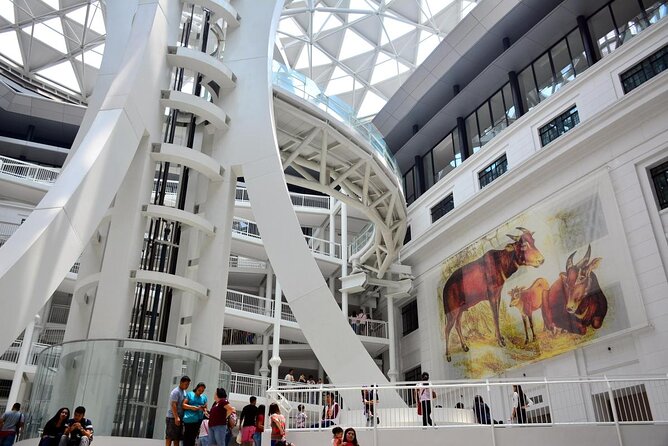
The National Museum visit also includes the National Art Gallery, where paintings by major Filipino artists are displayed. The schedule specifically points to Juan Luna and Felix Resurreccion Hidalgo, two leading Filipino artists during the Spanish period. Their work gives you a direct connection to the country’s artistic development under colonial rule.
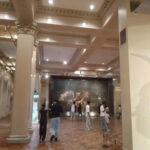
The Session Hall adds an important civic layer. The historic 1934 Constitutional Convention led by Claro M. Recto took place there, and paintings by Luna and Hidalgo are shown in that setting. You are not only looking at a gallery wall. The building connects art with political and national life.
Other galleries feature religious art, carvings, and icons dating from the 16th century onward. These displays can help you see how European religious traditions were interpreted through Filipino hands and local materials. The focus is not limited to famous names. It also includes the craftsmanship behind sacred objects and decorative work.
The drawback is the tight one-hour visit. The National Museum material could easily fill much longer, especially if you read every label or want to study the paintings closely. I would treat the guide’s commentary as your main way to organize the visit, then choose a few displays to examine more carefully rather than trying to absorb everything.
Moving from Manila’s past to Ayala Museum
After the National Museum, the vehicle continues through Manila toward Makati and Ayala Museum. This transfer is part of the experience, not just dead time. It gives you a look at the movement from the older museum district toward Makati’s modern commercial center.
At Ayala Museum, the emphasis shifts toward contemporary art and the techniques used by modern Filipino artists. The museum also presents cultural material in several forms, including gold objects from the pre-colonial era, ceramics, textiles, rare books, photographs, and recordings.
The gold collection is one of the most distinctive parts of the visit. These pieces connect you with a sophisticated pre-colonial culture and challenge the old idea that Philippine history begins with Spanish arrival. Ceramics and textiles add another layer, showing how useful objects can also carry design, skill, and cultural meaning.
The museum’s 60 handcrafted dioramas are designed to narrate major events in Philippine history. This format can be especially helpful if you prefer a clear visual sequence to a room full of written panels. The small scenes turn broad national events into something easier to follow during a short visit.
Ayala Museum also holds workshops and lectures led by local artists and art curators, though this half-day excursion does not promise that you will attend one. The useful point is that the museum presents Philippine art as a living subject, not only as a record of the past.
The one-hour visit here is again brief. You can see the main themes, but you will not have the luxury of wandering every gallery at length. Ask your guide to point out the museum’s most important sections early in the visit. That way, you can spend the remaining time with the collections that interest you most.
What the guide adds to the museum experience
The tour includes a local English-speaking guide, and the commentary is meant to explain artistic styles, craftsmanship, and the work of historic and modern Filipino artists. That help matters in a museum visit where the names, symbols, and historical references may be unfamiliar.
I would use the guide actively. Ask why a particular painting matters, how religious art reflects local practice, or what the gold pieces reveal about pre-colonial society. You are likely to get more from the museums by asking focused questions than by simply following from room to room.
The guide also helps connect the two stops. The National Museum gives you archaeology, ethnography, colonial-era works, religious pieces, and Filipino masters. Ayala Museum then broadens the picture with contemporary art, historical dioramas, and collections tied to craft and trade.
Communication before the tour is another practical strength. Clear meeting instructions and timely updates are important when you are leaving a cruise ship, where confusion over the pickup point can waste valuable minutes. Confirm the exact port meeting details after booking and keep your phone available on the morning of the tour.
No guide name is provided, so you should not book expecting a particular individual. The experience depends on the assigned local guide and on how much discussion your group wants during the museum visits.
Is $133.34 per person a fair price?
The advertised price is $133.34 per person, with a minimum booking of two people. For two adults, that means a total of $266.68 before any optional personal spending. That is not a budget museum outing, but it includes several costs that are easy to overlook.
Your price includes:
- Round-trip transportation from the Manila port
- A local English-speaking guide
- Museum admission
- Taxes, fees, and handling charges
- Private participation for your own group
For a cruise passenger, the transport and time savings are the main value. You are not paying only to enter two museums. You are paying for a planned route, a guide, and a return transfer that reduces the risk of getting stuck in traffic or losing track of time.
The private format also improves the value for families or pairs who dislike large group tours. You can ask questions without waiting for a dozen other people, and your group will not need to match the pace of strangers.
The calculation looks less attractive if you already have reliable transport, know Manila well, and prefer to visit museums independently. In that case, the tour’s biggest benefits are less important. You would still need to handle admission, navigation, timing, and the return to port yourself.
Food and drinks are not included. Bring money for those needs, along with any personal purchases. The tour is best viewed as a transport and museum service, not as a full-day package with meals.
A few more Manila tours and experiences worth a look


Timing, traffic, and the one-hour museum visits
The 8:00 am start is useful for a cruise stop because it leaves room for the museum visits, transfers, and a return to the port. You should allow some patience for Manila traffic. The total duration is listed as approximately five to six hours, so the exact return time can vary.
The two museums are not next door to each other. The route from the National Museum area to Makati adds travel time, and road conditions can affect the day. That is one reason the private vehicle matters. You have transportation arranged for the full route rather than needing to find a taxi between stops.
At each museum, focus is essential. Before entering, decide what interests your group most:
- At the National Museum, prioritize the ethnographic and archaeological displays, the National Art Gallery, the Session Hall, and the works by Luna and Hidalgo.
- At Ayala Museum, prioritize the 60 historical dioramas, pre-colonial gold, and the collections of ceramics, textiles, and modern art.
You may have time for more, but these are the strongest anchors in the supplied schedule. Trying to inspect every object in detail could leave you feeling rushed.
A good choice for families and mixed-interest groups
This tour can work well for families because the museums offer different ways to learn. Children may respond more readily to the handcrafted dioramas at Ayala Museum, while older children and adults may find the gold, paintings, archaeology, and historical displays more absorbing.
A child rate applies only when the child shares with two paying adults. Children must be accompanied by an adult, and the minimum booking requirement is two people. Check the final cost carefully if you are booking a family group.
The private setting is helpful for mixed-interest parties. You can ask the guide to keep explanations concise for younger children or spend longer on art and history if your group has a strong interest in those subjects. You are not locked into the pace of a large coach group.
The experience also suits couples, friends, and older visitors who want a cultural shore day without a physically demanding outdoor schedule. The information provided says most people can participate, but it does not give detailed accessibility information. If you need specific arrangements, ask before booking.
Important booking cautions for a cruise day
This is a non-refundable experience. Once you pay, you cannot change or cancel it for a refund, even if your plans change. That policy is stricter than many sightseeing bookings, so I would wait until your ship schedule and port date are firm.
The tour does not run on Mondays because the museums are closed. Check your calendar before you book, especially if your ship has an unusual arrival schedule.
A minimum of two people per booking is required. There is also a possibility of cancellation after confirmation if too few passengers meet the operating requirement. If that happens, an alternative or a full refund is offered.
The private format means only your own group participates, but the minimum booking rule still applies. A solo passenger may need to arrange another companion or choose a different shore activity.
Confirmation is received at the time of booking. Keep the confirmation accessible, and read the meeting instructions carefully. Port pickups can be confusing, and a few minutes spent checking the details ahead of time is worthwhile.
What the strongest feedback tells you
The most positive comments focus on two practical qualities: clean, informative museum spaces and good communication from the tour company. Those points match what matters most on a short port visit.
The museums are not presented as quick photo stops. The National Museum and Ayala Museum both offer enough substance to reward visitors who enjoy learning about art, culture, and the country’s past. The guide’s explanations help turn separate galleries into a connected story.
The private arrangement also receives attention for its flexibility. For two people paying for a half-day museum tour, being able to communicate clearly and manage the day as a private group can make the higher price easier to accept.
The praise should not hide the limits. There are only two published ratings, so the feedback is positive but not a large sample. Also, the no-cancellation policy is a serious concern for anyone with uncertain cruise plans.
Should you book this Manila museum excursion?
Book it if you want a structured cultural morning with port transportation, museum admission, and a private English-speaking guide handled in one package. It is especially suitable for cruise passengers who value a reliable return plan and want more substance than a general city drive.
I would choose it for a pair, family, or small group with a real interest in Filipino art and culture. The National Museum and Ayala Museum complement each other well, moving from archaeology, ethnography, colonial-era art, and Filipino masters to contemporary work, gold, textiles, ceramics, and historical dioramas.
I would hesitate if your port date is uncertain, if you need a relaxed museum pace, or if you dislike strict cancellation rules. The schedule is focused, not leisurely, and the non-refundable payment means you should confirm every detail before booking.
For the right group, this is a practical way to spend a Manila shore day: two worthwhile museums, a guide to explain what you are seeing, and transport back to the ship. Just keep your expectations realistic. You are getting a well-planned introduction, not an all-day art seminar.
FAQ
What time does the tour start?
The tour starts at 8:00 am.
How long does the excursion last?
The experience lasts approximately five to six hours.
Does the tour include pickup from the Manila port?
Yes. Round-trip transportation from the Manila port is included.
Which museums are visited?
The tour visits the National Museum of the Philippines, including the National Art Gallery, and Ayala Museum.
Are museum entrance fees included?
Yes. Museum admission is included, along with taxes, fees, and handling charges.
Is the tour private?
Yes. Only your own group participates in this private tour or activity.
Does the tour operate on Mondays?
No. The tour does not run on Mondays because the museums are closed.
Are food and drinks included?
No. Food and drinks are not included, and personal expenses are also separate.
Is there a minimum number of people required?
Yes. A minimum of two people per booking is required. A child rate applies only when the child shares with two paying adults, and children must be accompanied by an adult.