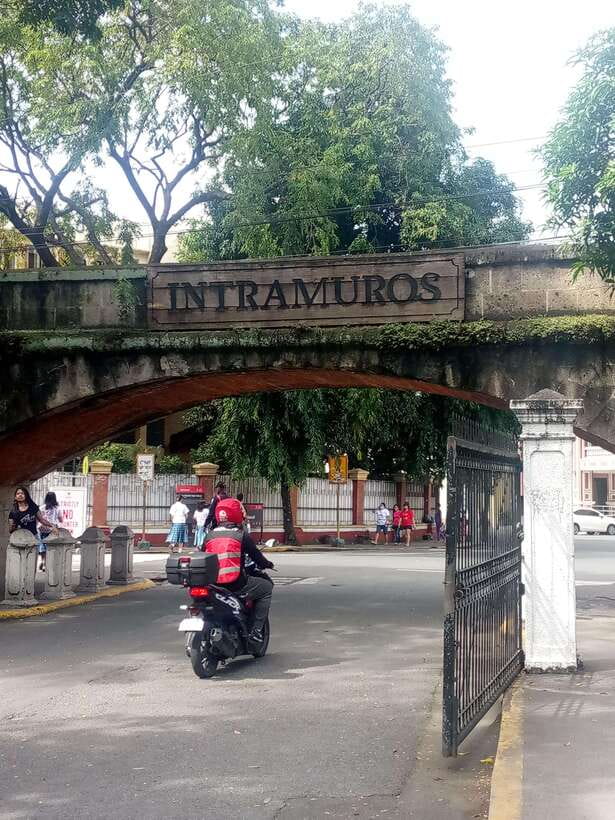
Revolutionary Tour of Manila
History still has scars here. This three-hour Intramuros tour links Fort Santiago, Manila Cathedral, San Agustin Church, and Calle Real into one clear story of power, resistance, and national identity. I like the focus on overlooked patriots and the way the route connects Spanish and American rule to the country’s fight for freedom. I also like that entrance fees and transportation are included, which keeps the $60 price simple to judge.
The main concern is timing. The churches may be closed to tour groups during Mass, and that has already made the experience much shorter for one guest. You should also expect heat, outdoor walking, and emotionally heavy material in the prison and wartime sections.
In This Review
- Key points to know before you go
- Why Intramuros makes a strong history classroom
- Starting at Fort Santiago and the cell of Jose Rizal
- Manila Cathedral and the contest for power
- San Agustin Church and survival through changing eras
- Calle Real and the changing face of Intramuros
- What the $60 price really covers
- Who will get the most from this tour
- Practical advice for a smoother visit
- Should you book the Revolutionary Tour of Manila?
- FAQ
- Where does the Revolutionary Tour of Manila meet?
- How long does the tour last?
- What places are included?
- What languages are available?
- Is transportation included?
- Are entrance fees included?
- Are food and drinks included?
- Is the tour wheelchair accessible?
- What happens if I need to cancel?
Key points to know before you go
- Fort Santiago sets the tone: You begin with the last prison cell of Dr. Jose Rizal and the long road from reform to revolution.
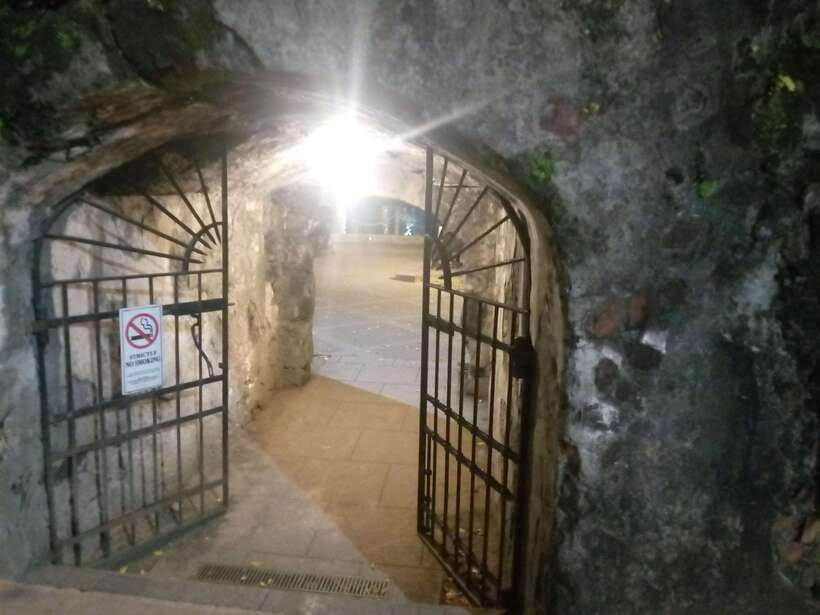
- The tour remembers civilians: The dungeons and mass grave bring attention to roughly 600 Filipino and American civilian prisoners of war who died here.
- Three hours covers a lot: The schedule gives about one hour at Fort Santiago, then 30 minutes each at Manila Cathedral and San Agustin Church.
- Jerome earns strong praise: His English and German guiding received especially warm feedback, with one guest also enjoying his Chinatown tour.
- Church access can change: Mass may prevent entry into Manila Cathedral or San Agustin Church, so the full three-hour program is not guaranteed.
- The price includes the basics: Your guide, admission, and transportation are covered, but meals and drinks are not.
Why Intramuros makes a strong history classroom
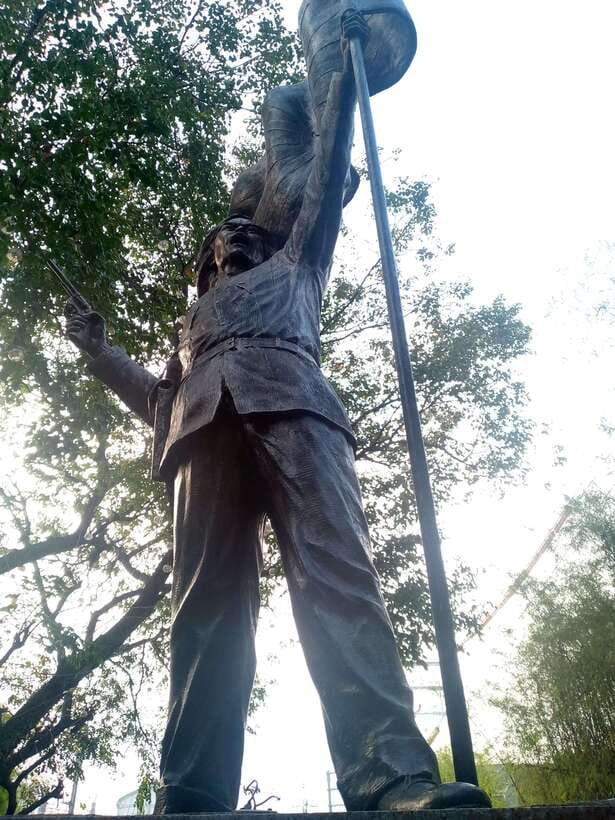
Intramuros is the right setting for a tour about Philippine independence. Its walls, churches, fort, streets, and ruins place political and military history in the same few blocks. You are not simply looking at dates on a board. You are moving through the former center of colonial Manila and seeing how that center changed over time.
The tour’s theme is broader than Spanish rule alone. It follows the rise of Manila, the struggle against colonial power, the Philippine-American War, and the Japanese occupation. That wider view matters because Philippine history is often reduced to a few familiar names and a simple Spanish chapter. Here, the emphasis is on reformists, prisoners, civilians, and other people whose names are easier to overlook.
I find that approach useful for first-time visitors. You get a basic framework for understanding why Fort Santiago matters, why the churches held political power, and why Calle Real now feels so different from its former role. The guide’s job is especially important because the sites are close together but not self-explanatory.
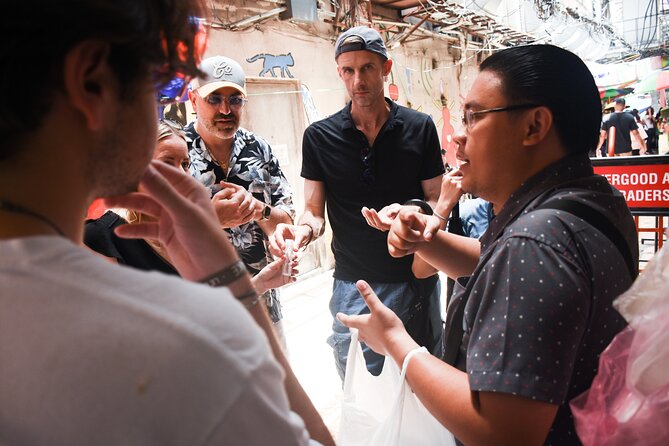
The tour is offered in English or German. If you want more than a quick photo stop, live commentary makes a real difference. Feedback about Jerome is particularly strong. His English and German skills were praised, and one guest found his explanations so worthwhile that they later joined his Chinatown tour as well.
You can also read our reviews of more tours and experiences in Manila.


Starting at Fort Santiago and the cell of Jose Rizal
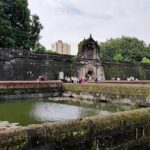
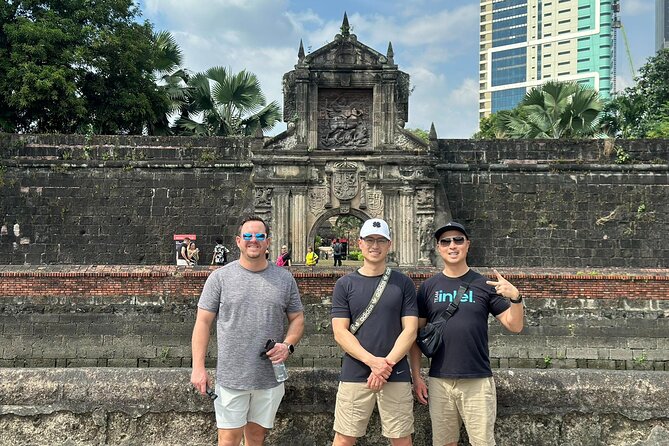
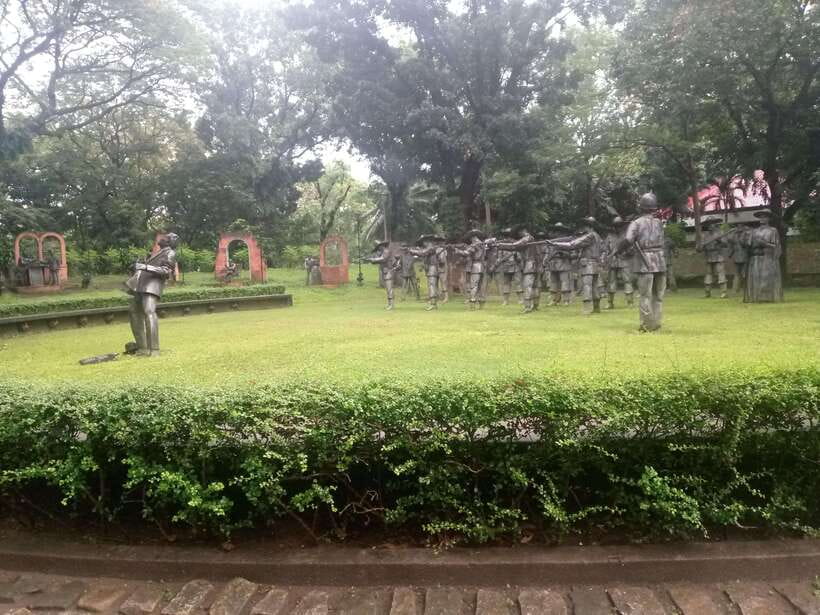
Meet your guide at the Fort Santiago Gate, where the guide will hold a tour poster. Fort Santiago receives the longest portion of the program, about one hour, and that is sensible. It is the place where the tour’s main themes come together.
Your route begins with the pre-Hispanic era and moves through the colonial period, the reform movement, revolution, and Japanese occupation. The goal is not just to list rulers. You are asked to consider the patriots who pushed for change, including people whose work has received less attention than the best-known national heroes.
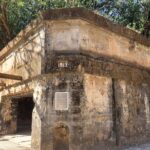
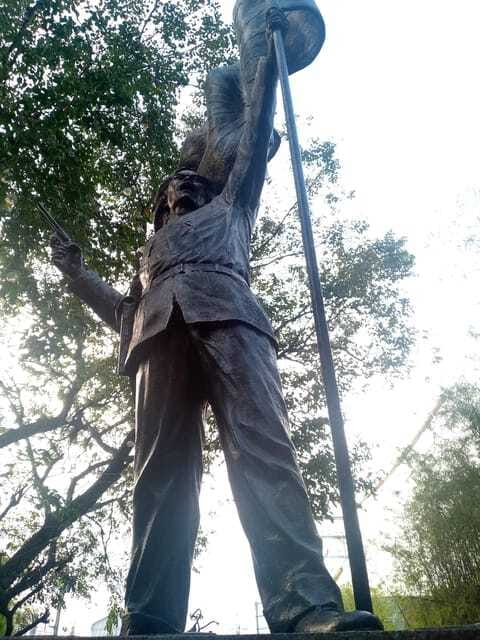
One of the most important stops is the last prison cell where Dr. Jose Rizal was detained. Rizal’s writing and reformist ideas helped shape the national conversation before independence. Seeing the place connected to his final imprisonment gives that story a physical anchor.
The visit also looks at the difference between reformism and revolution. That distinction is valuable because it shows that independence did not appear from one sudden act of rebellion. It grew from arguments, sacrifices, organizing, and changing ideas about what the country should become.
Fort Santiago is not an easy stop emotionally. The dungeons are described as having had very little oxygen, and the tour asks you to consider the terrible conditions prisoners endured. You may find the confined spaces uncomfortable, both physically and mentally. That discomfort is part of the point, but it also means this is not a light sightseeing walk.
The dungeons also connect to the deaths of approximately 600 Filipino and American civilian prisoners of war. You will visit the area associated with their mass grave and hear their stories. This is one of the tour’s most valuable elements because it shifts attention away from generals and famous leaders. Ordinary civilians also carried the cost of war.
Allow yourself to listen rather than rush through the fort. The hour can pass quickly, especially if the guide is giving detailed background. Wear comfortable shoes, apply sunscreen, and bring mosquito repellent as advised. Fort Santiago includes outdoor areas, and Manila’s heat can make a tight schedule feel even tighter.
Manila Cathedral and the contest for power
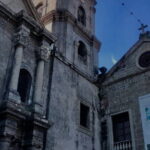
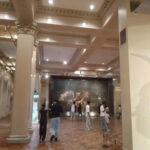
The next stop is Manila Cathedral, with about 30 minutes of guided touring. This part of the route examines the relationship between the church and the government. That power struggle helps explain why religious institutions were so important to public life under Spanish rule.
The cathedral is not presented only as a religious building. It also represents authority, influence, and the close connection between faith and colonial government. If you have already visited churches elsewhere in the Philippines, this political angle can give the building a different meaning.
Your guide then leads you along General Luna Street, where the focus shifts toward the Philippine-American War. Listen for stories of Filipino courage and sacrifice rather than expecting a long military lecture. The street becomes a route through competing ideas of sovereignty and control.
There is one practical warning here. Access to the cathedral can depend on Mass schedules. A January 2026 visit received a poor rating because the church stops could not be entered during services, and the total tour became much shorter than expected. This is not necessarily a daily problem, but it is a real risk to consider before paying for a tightly timed history tour.
If the cathedral is closed, the guide may still be able to explain its role from outside or along the surrounding streets, but the supplied details do not promise an alternative program. I would check the starting time and ask about church access before booking if entering the buildings is essential to you.
San Agustin Church and survival through changing eras
San Agustin Church receives another 30 minutes of guided attention. Its value lies in the stories of survival through different periods of Philippine history. The church gives the tour a second way to examine continuity, change, and the long reach of colonial institutions.
The building is also a useful counterpoint to Fort Santiago. The fort brings you into prisons, military control, and wartime suffering. San Agustin turns your attention to religion, architecture, and the institutions that lasted through political upheaval.
You should not expect the church portion to be a quiet, unstructured visit. The guide’s explanations are central. One strong review described the tour as full of historical detail and called it very insightful. That praise points to the best reason to book this experience: you are paying for interpretation, not only entry into famous places.
Again, Mass can affect access. If San Agustin is unavailable, the tour may lose one of its planned indoor stops. The schedule allots only 30 minutes here, so even a small delay can matter. Keep that in mind if you have a flight, meal booking, or another fixed appointment immediately afterward.
Bare feet are not allowed, so wear suitable footwear. Alcohol and drugs are also prohibited. These are simple rules, but they are worth knowing before you arrive at a religious site and a historic prison complex.
Calle Real and the changing face of Intramuros
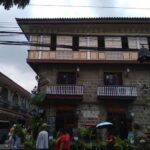
The tour finishes at Calle Real. This former downtown street gives you a final look at how much Intramuros has changed. The point is not simply that the area looks different now. It is that Manila’s old center has shifted from a seat of colonial power into something very different in the modern city.
Calle Real works well as an ending because it pulls the story away from individual heroes and buildings. You have seen the fort, the churches, the prison spaces, and the streets tied to war. Now you look at the wider urban change around them.
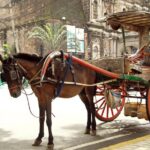
The supplied program lists Fort Santiago, at 18 Sta. Clara Street, as both the start and one possible drop-off point. That makes the tour easier to fit into a day of sightseeing in Intramuros. Transportation is included, although the details of the vehicle and exact transport segments are not specified. One guest specifically described the transportation as fun, which suggests it adds some character rather than functioning only as a practical transfer.


What the $60 price really covers
At $60 per person, this is not the cheapest way to walk around Intramuros. You can see some exterior sights independently, and a self-guided visit costs less. The value depends on how much you want the history explained as you go.
The fee includes a professional guide, entrance fees, and transportation. That removes several small decisions and expenses from your day. You do not need to arrange separate admission for each included site, and you get a connected explanation instead of isolated stops.
The strongest value comes if you are new to Philippine history or want a clear introduction to Manila’s colonial and revolutionary past. The tour covers pre-Hispanic society, reformism, revolution, Spanish rule, American rule, the Philippine-American War, and the Japanese occupation in only three hours. You will not receive a full academic treatment, but you will leave with a useful structure for further exploring the city.
The price is harder to justify if you mainly want to enter both churches and they are unavailable because of Mass. Since one such visit became much shorter, I would treat church access as a key booking question. Meals and drinks are not included, so plan those separately.
The tour also offers free cancellation up to 24 hours before departure and a reserve-now, pay-later option. Those terms help if your Manila plans are still moving around. They do not remove the need to check the day’s schedule, but they reduce the risk of committing too early.
Who will get the most from this tour
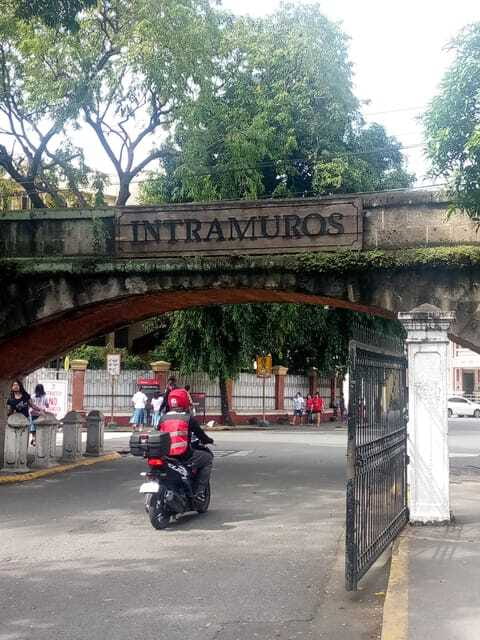
I would recommend this experience to you if you want a guided introduction to Intramuros rather than a casual walk through old streets. It suits people who enjoy political history, national independence stories, religious power, and the human cost of war.
It is also a good choice for visitors who prefer a compact program. Three hours gives you a focused half-day without taking over your schedule. English and German language options make it useful for a wider range of visitors, and the route is wheelchair accessible.
Families with older children may appreciate the clear storytelling, although the dungeons and prisoner deaths are serious subjects. You should decide in advance if that material is suitable for your group.
I would be cautious if your main goal is a relaxed architectural tour. The pace is built around historical explanation, and Fort Santiago includes difficult material. I would also be cautious if you need every stop to be available at an exact time because church services can change the plan.
The rating of 4 from seven reviews suggests a generally positive experience with some uneven results. The pattern is clear: detailed guiding can make the tour excellent, while missed church access can sharply reduce its value. That is a fair reason to book with realistic expectations rather than assuming every scheduled interior visit is guaranteed.
Practical advice for a smoother visit
Arrive at the Fort Santiago Gate with enough time to identify the guide’s poster. The meeting point is specific, and the tour can begin at either listed starting option, so confirm the exact arrangement when booking.
Use sunscreen and mosquito repellent. These are not decorative suggestions. You will spend time outdoors, and the fort and surrounding streets can expose you to strong sun and insects.
Wear shoes that are comfortable and appropriate for historic surfaces. Bare feet are not permitted, and the route includes walking between major sites. Bring water since drinks are not included, especially if you are sensitive to Manila’s heat.
Keep your schedule open for at least a little time after the tour. The planned duration is three hours, but church access and service schedules may affect how the program unfolds. A flexible afternoon is better than a rushed connection.
Ask about the language and church access before the day begins. English and German are available, and the guide’s ability to explain the political context is one of the tour’s main strengths. If you are especially interested in religious buildings, confirm whether Mass is likely to limit entry.
Should you book the Revolutionary Tour of Manila?
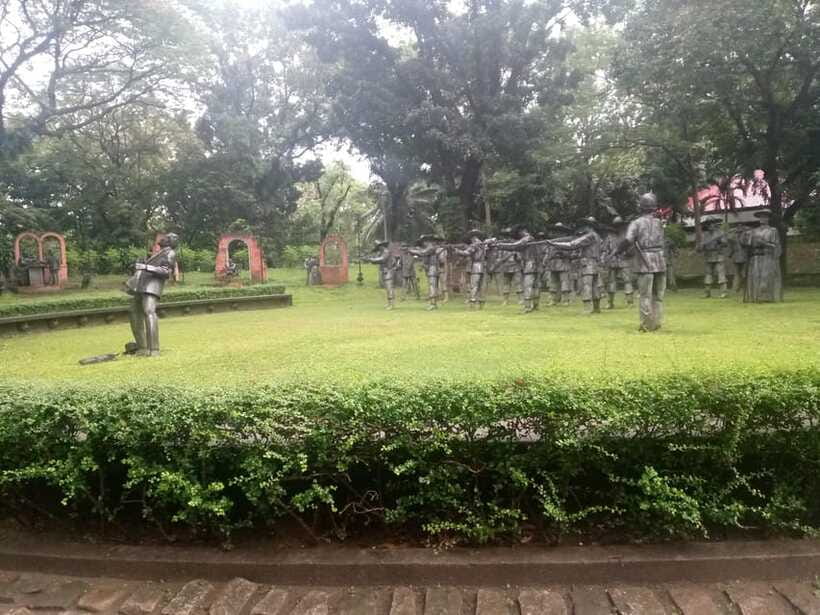
Book it if you want the main story of Philippine independence told through real places, especially Fort Santiago. The strongest parts are the attention to unsung patriots, Jose Rizal’s final cell, the civilian prisoners of war, and the links between church power and colonial government.
The $60 cost is reasonable when you use the included guide, admissions, and transportation, particularly if this is your first visit to Intramuros. I would not book it blindly if entering Manila Cathedral and San Agustin Church is essential. Check the service schedule first, then use the flexible cancellation terms if your plans remain uncertain.
For a focused, serious, and well-explained introduction to Manila’s revolutionary past, this tour is worth considering. Just bring water, sunscreen, patience, and enough time to let the history sink in.
FAQ
Where does the Revolutionary Tour of Manila meet?
The meeting point is the Fort Santiago Gate. The guide will have a poster for the tour.
How long does the tour last?
The planned duration is three hours. Fort Santiago receives about one hour, while Manila Cathedral and San Agustin Church each receive about 30 minutes.
What places are included?
The route includes Fort Santiago, Manila Cathedral, San Agustin Church, General Luna Street, and Calle Real.
What languages are available?
The live tour guide is available in English and German.
Is transportation included?
Yes. Transportation is included in the activity price, although the specific vehicle details are not provided.
Are entrance fees included?
Yes. Entrance fees are included.
Are food and drinks included?
No. Meals and drinks are not included, so you should arrange those separately.
Is the tour wheelchair accessible?
Yes. The activity is listed as wheelchair accessible.
What happens if I need to cancel?
You can cancel up to 24 hours in advance for a full refund. You can also reserve now and pay later.