Review · Rice Terraces & North Luzon
Banaue rice terraces and Sagada
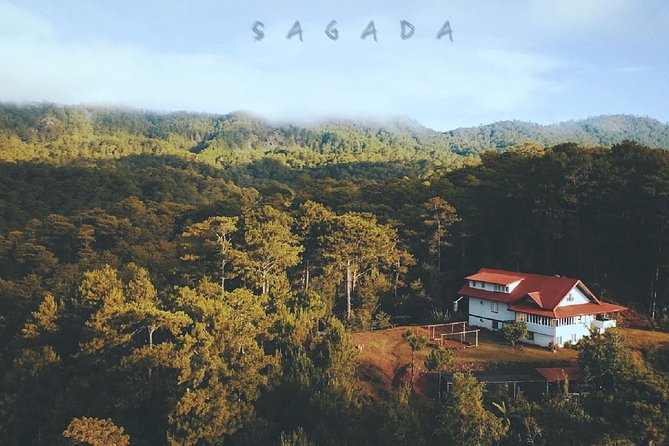
The mountains reward the long road. This private four-day trip from Manila takes you to Banaue, Batad, Bangaan, Hiwang, and Sagada, combining famous rice terraces with caves, hanging coffins, weaving, pottery, and local cultural encounters. I like the door-to-door private transport and the chance to see several terrace areas rather than stopping at one viewpoint. I also like that local guides join the visits, giving the Ifugao and Kankanaey communities a central role.
The main drawback is the pace. You spend only three nights on the road, with long travel between Manila, the Cordilleras, and back again. The schedule also leaves some details flexible, so you should be ready for changes caused by time, weather, or road conditions. For two people, the $1,350 group price buys privacy and convenience, but it is a serious cost.
In This Review
- Key points to know before booking
- Why this Banaue and Sagada route is worth the effort
- Day 1: Leaving Manila for the Cordilleras
- Day 2: Batad’s steep terraces and Bangaan’s village setting
- Day 3: Caves, coffins, weaving, and pottery in Sagada
- Day 4: Baguio on the route back to Manila
- The cultural value of local guides
- Hotels, meals, and what the price really buys
- Who will enjoy this four-day mountain trip
- My booking advice
- FAQ
- How long is the Banaue and Sagada tour?
- Is transportation from Manila included?
- Which terrace areas are included?
- What is included in the accommodation?
- Are meals included?
- Can the tour be canceled for bad weather?
Key points to know before booking
- Batad is the active walking day: Expect a trek through the Batad rice terraces, followed by the Bangaan cluster and possibly Hapao if time allows.
- Sagada packs in several sights: Sumaguing Cave, Lumiang Cave, hanging coffins, weaving, and optional pottery fill an eight-hour day.
- Private transport changes the journey: You avoid the discomfort of public buses and receive pickup and drop-off from your hotel or other agreed location.
- Local culture is part of the main experience: The trip includes local guiding and time connected with Ifugao and Kankanaey traditions.
- You sleep in two mountain bases: Two nights are planned at Taman Hotel or a similar property in Banaue, followed by one night at Lodge Labanet in Sagada.
- Bring patience for the road: This is a four-day mountain excursion from Manila, not a quick side trip.
Why this Banaue and Sagada route is worth the effort
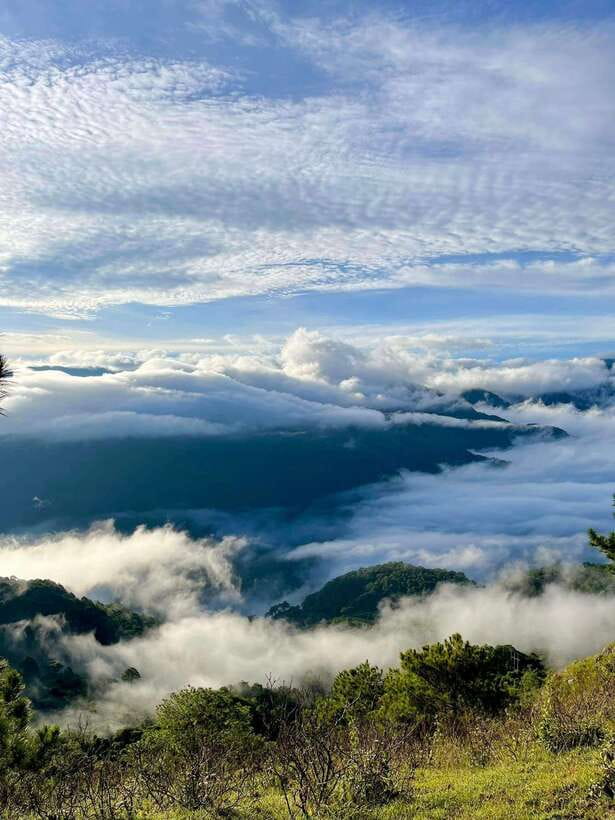
The Philippine Cordilleras are best understood slowly, but reaching them from Manila takes commitment. This tour removes much of the planning burden by putting you in a private vehicle with a driver and guide, then arranging the mountain stays and local visits.
I find the route appealing because it brings together two different sides of the region. Banaue gives you the terraces and their agricultural setting. Sagada adds caves, hanging coffins, crafts, and a different cultural focus. You are not simply stopping for photographs. You are moving through places where farming, burial traditions, and handwork remain tied to local identity.
The private format matters here. Your group can travel without waiting for strangers, and the vehicle goes directly between pickup, accommodation, and sightseeing stops. That convenience is especially useful when you have only four days and are trying to reach the Cordilleras from Manila.
Still, convenience does not make the route short. The schedule includes a final city before Banaue on the first day and Baguio, the Philippines’ summer capital, on the return toward Manila. Those entries indicate that the first and last days are largely transfer days. I would not book this expecting four full days of sightseeing.
You can also read our reviews of more tours and experiences in Manila.


Day 1: Leaving Manila for the Cordilleras
The first day is mainly about reaching the mountain region. Hotel pickup is included, and the trip uses private round-trip transportation rather than public buses. That is the single biggest comfort advantage of this package.
The supplied schedule identifies a final city before Banaue but does not provide a detailed list of stops or sightseeing for Day 1. You should therefore treat this as a travel day, with the main benefit being arrival at the Banaue accommodation rather than a packed tour program.
Two nights are planned at Taman Hotel or a similar property in Banaue. The exact hotel may vary, but breakfast is included during the stay. I would confirm the pickup time, expected arrival, and hotel name before departure, since these details affect how much rest you get before the Batad trek.
A private car also lets you keep your own small comforts close at hand. Carry water, snacks, medication, and anything you need during the transfer. Lunch and most food and drinks are not included, so you should budget for meals along the route.
Day 2: Batad’s steep terraces and Bangaan’s village setting
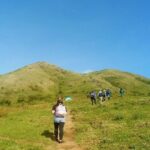
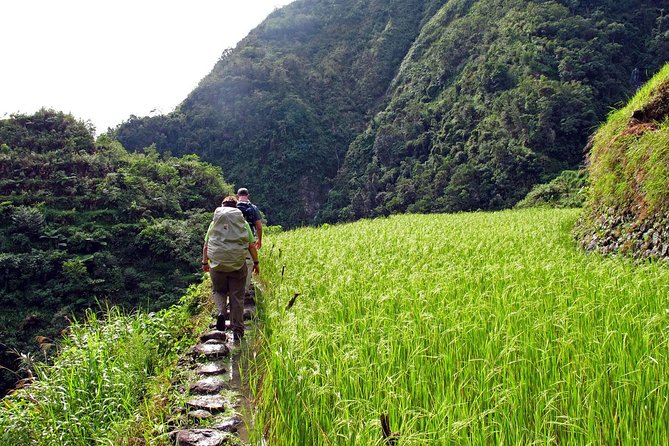
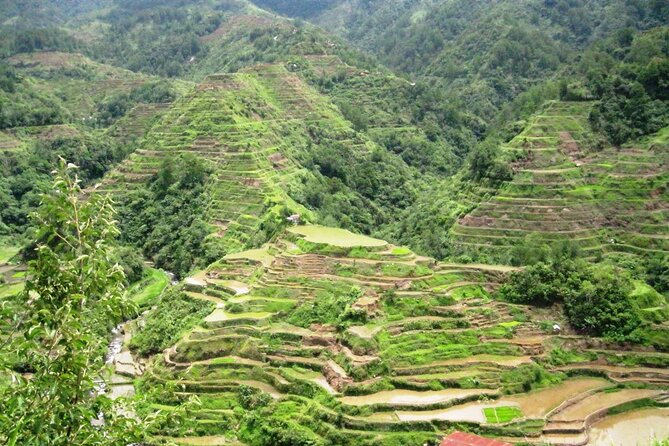
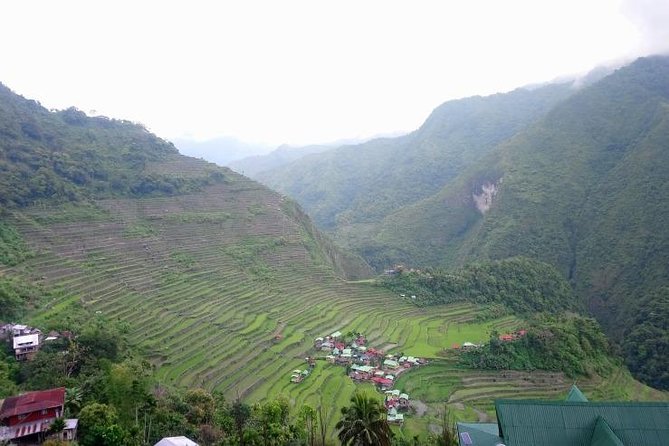
Day 2 is the visual heart of the tour. You trek through the Batad rice terraces, visit the Bangaan rice terrace cluster, and, if time permits, continue to Hapao. The planned sightseeing time is about six hours, and admission is included.
Batad is not just a roadside photo stop. The itinerary specifically calls for a trek, so you should expect uneven ground and a more physical experience than the Banaue viewpoint photographs might suggest. The value of having a local guide becomes clear here. A guide can help you follow the route, explain how the terraces fit together, and keep the visit connected to local life rather than reducing it to scenery.
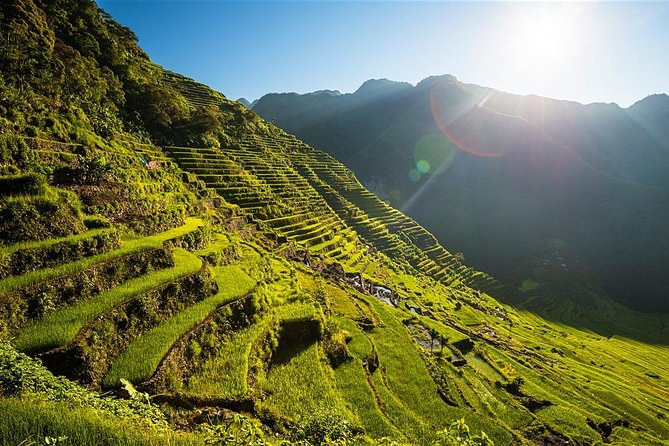
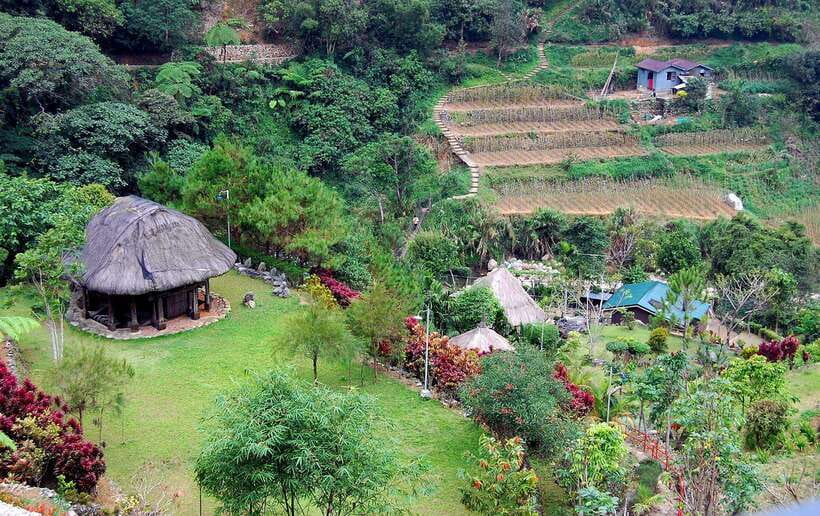
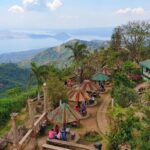
The terraces are impressive because they are working places as well as beautiful ones. Stone and earth walls shape the mountainside into planting areas, creating a strong sense of human effort across the slopes. You will want time for photographs, but the better experience comes from watching how the paths, homes, fields, and mountain contours relate to one another.
Bangaan gives you a second terrace cluster for comparison. The supplied details do not promise the same type of walk at every stop, so ask your guide what the current route involves and how much time is available. That practical explanation matters because the original description of the stops is brief, and the only published feedback specifically asked for clearer information about what to expect at Batad and Bangaan.
That is good advice for your own planning. Batad and Bangaan are not interchangeable names on a checklist. Your guide should explain the character of each place, the walking involved, and where you will have time to pause. If Hapao is added, treat it as a bonus rather than a guaranteed stop.
You should wear sturdy shoes and carry only what you need. The tour includes the activities and local guiding, but it does not list meals beyond breakfast. A small day bag with water, snacks, sun protection, and rain protection will make this day easier.
The fitness demand is worth taking seriously. The schedule says most people can participate, but a terrace trek can still feel tiring, particularly after the transfer from Manila. If you have concerns about steep paths or uneven surfaces, tell the provider before booking and ask how the current route can be adjusted.
Day 3: Caves, coffins, weaving, and pottery in Sagada
Day 3 shifts from terraces to Sagada, with about eight hours devoted to Sumaguing Cave, Lumiang Cave, the hanging coffins, Sagada weaving, and an optional pottery visit. This is the most varied sightseeing day.
Sumaguing Cave and Lumiang Cave provide the underground portion of the experience. Cave visits are rarely passive. You move through enclosed spaces and may encounter uneven footing, so listen closely to your local guide and follow the instructions given on site. The tour includes admission and a local guide, which is useful for both orientation and cultural explanation.
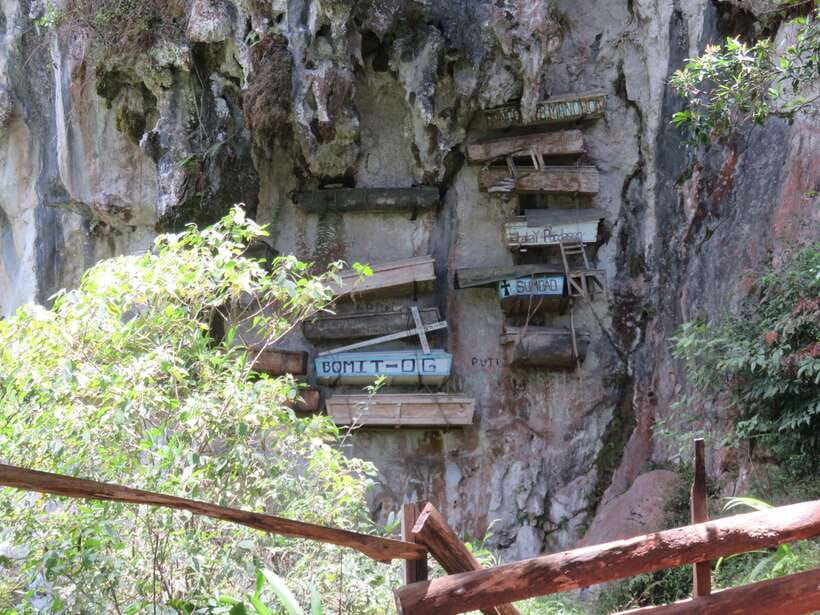
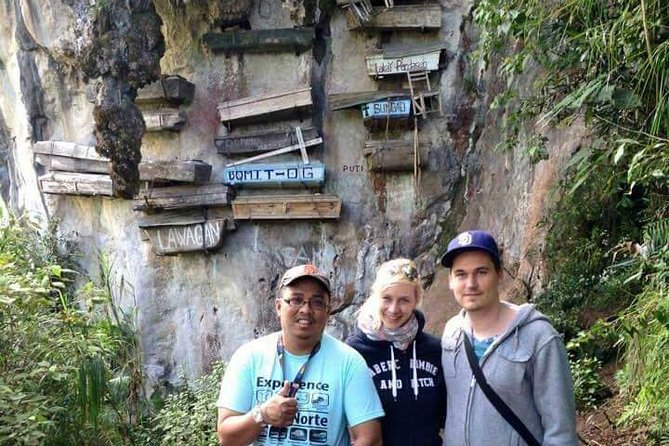
The hanging coffins are one of Sagada’s best-known sights. Their importance comes from the burial tradition they represent, not from treating them as a strange photo prop. A respectful guide can help you understand the practice in its local setting and explain what you are seeing without turning the stop into a spectacle.
Sagada weaving adds a hands-on craft element. After the physical cave visit, seeing local textile work gives the day a different rhythm. I like this part of the plan because it connects the region to skills and livelihoods, not only to dramatic scenery.
Pottery is listed as an option, so do not assume it is guaranteed. If this interests you, ask when booking or early in the tour whether the timing allows it. The eight-hour schedule has many moving parts, and optional activities may depend on opening times, road conditions, and the time spent at the caves.
You stay one night at Lodge Labanet in Sagada. Breakfast is included, while lunch and other meals are not. After a full day of walking and cave visits, the simple advantage of sleeping in Sagada is that you do not need to return immediately to Banaue.
Day 4: Baguio on the route back to Manila
The final day takes you toward Manila by way of Baguio, described as the summer capital of the Philippines. The schedule does not provide a detailed sightseeing program in Baguio, so I would view this as a return journey with a possible stop or pass-through rather than a dedicated city tour.
That distinction matters. If you want substantial time in Baguio, ask the provider before departure. The advertised experience focuses on Banaue and Sagada, and the final day appears designed to complete the private transfer back to Manila.
Your hotel pickup and drop-off are included, which makes the end of the trip easier than arranging a separate bus or car. You should still keep the final day flexible. Mountain routes and weather can affect timing, and a delayed departure could reduce any unscheduled time in Baguio.




The cultural value of local guides
The tour includes a driver-guide, professional guiding, and local guides. Those roles may overlap, but the important point is that you are not left to interpret the region entirely on your own.
The Ifugao and Kankanaey cultural focus is one of the strongest reasons to choose this trip. The terraces, caves, coffins, and crafts all carry meaning that is easy to miss if you only arrive, take pictures, and leave. Local explanation can show how the sites connect to farming, burial customs, and traditional work.
I would ask your guide direct questions. What makes Batad different from Bangaan? Which parts of the terrace system are still used? What should you understand before photographing the hanging coffins? Is the pottery visit possible on your date? These questions respond to the one clear weakness in the available description, which does not explain each stop in much detail.
The provider is Jb Quemado. No individual guide name is supplied, so I cannot promise a particular guide or language style. The private arrangement does give you a better chance to ask questions and request clarification than a large group tour would.
Hotels, meals, and what the price really buys
The price is $1,350 per group of up to two people, not per person. For two people, that works out to $675 each before any extra meals, drinks, or optional purchases. The package includes three nights of accommodation, three breakfasts, transportation, the listed activities, admission, driver-guide service, local guiding, professional guiding, and hotel pickup and drop-off.
That is a substantial price, but the comparison is not simply $1,350 against the cost of bus tickets. You are paying for a private vehicle, a tightly arranged mountain route, accommodation in two destinations, and the ability to avoid public transport on a difficult cross-island journey.
The value is strongest for a couple or two friends who care about time and comfort. If you would happily use public buses, arrange hotels independently, and book local guides separately, you may find a cheaper path. You would also take on the risk of coordinating connections, transfers, and activity timing yourself.
Food is the main extra expense. Alcoholic drinks can be purchased, but lunch and most food and drinks are excluded. I would set aside money for three lunches, three dinners, snacks, and drinks, then carry some supplies for the road and walking days.
The hotel names are supplied as Taman Hotel or similar in Banaue and Lodge Labanet in Sagada. The word similar means you should not treat the first hotel name as an absolute guarantee. Ask what room type is included and whether the final properties have been confirmed.
Who will enjoy this four-day mountain trip
I would recommend this tour to you if you want the major Cordillera sights without managing public transport. It suits a pair of people who value privacy, have limited time from Manila, and prefer a guide-led visit with local cultural context.
It also suits you if you want variety. In four days, you get terraces, mountain villages, caves, burial sites, weaving, possible pottery, and a route through Baguio. The itinerary has more substance than a simple Banaue viewpoint excursion.
You should think twice if you dislike long road transfers or want leisurely mornings. The first and fourth days are mainly transportation, while Days 2 and 3 are full sightseeing days. This is an efficient introduction, not a slow rural stay.
Fitness is another consideration. The Batad visit includes a trek, and the cave visits may involve uneven surfaces. The provider says most people can participate, but you should still be realistic about your own comfort with walking.
The tour is private, and service animals are allowed. Confirmation is received at booking, and free cancellation is available up to 24 hours before the start time. Poor weather can also affect the schedule, with a different date or full refund offered if the experience is canceled for that reason.
My booking advice
I would book this tour if your priority is seeing Banaue and Sagada in one organized trip from Manila, with private transport and local guiding already arranged. The strongest features are the direct transfers, the two different terrace areas, and the combination of outdoor sights with cultural visits.
Before paying, I would ask three practical questions: how long the first and last transfer days are expected to take, what the Batad and Bangaan walking routes involve, and whether the Hapao and pottery options will be possible on your date. Those answers will help you judge the pace more accurately.
The $1,350 price makes the most sense when shared by two people. If you want independence, low cost, or long stays in each place, plan your own trip. If you want to save time, avoid public buses, and let one provider handle a complicated mountain route, this is a strong choice.
FAQ
How long is the Banaue and Sagada tour?
The tour lasts approximately four days and includes three nights of accommodation.
Is transportation from Manila included?
Yes. Private hotel pickup and drop-off are included, along with private round-trip transportation.
Which terrace areas are included?
The route includes Batad, Bangaan, and Hiwang. Hapao may be visited if time permits.
What is included in the accommodation?
The package includes two nights at Taman Hotel or a similar property in Banaue and one night at Lodge Labanet in Sagada, with three breakfasts.
Are meals included?
Breakfast is included for three mornings. Lunch, other food and drinks, and alcoholic drinks are not included, although alcoholic drinks are available to purchase.
Can the tour be canceled for bad weather?
Yes. The experience requires good weather. If it is canceled because of poor weather, you can choose a different date or receive a full refund. For other cancellations, cancel at least 24 hours before the start time for a full refund.