Review · Rice Terraces & North Luzon
Banaue-Sagada A 7 days Northern Adventure Trip
Mountain mornings reward early risers. This seven-day private trip links Banaue, Batad, Sagada, Bontoc, Baguio, and Manila in one demanding but rewarding route through northern Luzon. You get rice terraces, village traditions, caves, hot springs, waterfalls, and high mountain views without having to arrange separate drivers, hotels, and regional transfers.
I like the private vehicle and guide, since your group can move at a more comfortable pace than a large coach tour. I also like the mix of famous sights and hands-on culture, especially Sagada pottery and the Ifugao villages. The main drawback is the amount of road time and walking. A 3:00 a.m. departure from Manila begins a long first day, and several stops require hikes on steep or uneven ground.
In This Review
- Five details that shape the experience
- Why this route works for a private group
- Day 1: First views of the Banaue terraces
- Day 2: The long terraces of Hapao and Bogyah Hot Spring
- Day 3: Batad’s amphitheater and Tappiyah Falls
- Day 4: Sagada pottery, hanging coffins, and Sumaguing Cave
- Day 5: Sunrise country at Marlboro Hill
- Day 6: A full day in Baguio
- Day 7: Returning to Manila
- What $960 includes, and what it does not
- Who should book this trip?
- Should you book the Banaue to Sagada adventure?
- FAQ
- Where does the tour begin?
- What time does the tour start?
- How long is the tour?
- Is this a private tour?
- Is pickup offered?
- What meals are included?
- Can dietary requirements be accommodated?
- What happens if bad weather cancels the tour?
- What is the cancellation policy?
Five details that shape the experience
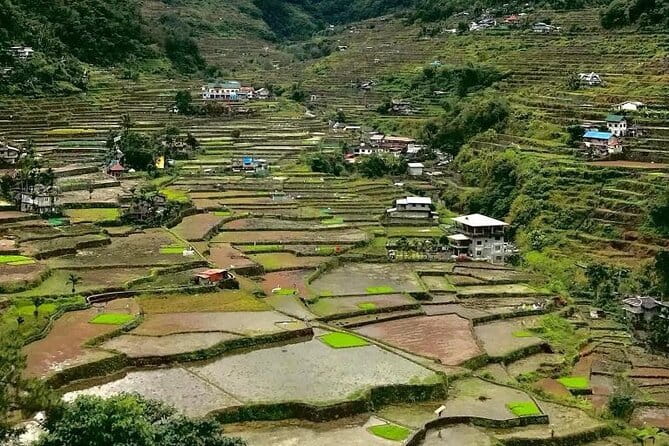
- Banaue and Batad rice terraces: See two of northern Luzon’s most important terrace areas, including Batad, a UNESCO World Heritage Site.
- A private seven-day route: Your own driver and guide make this a better fit for families, friends, and adventure seekers who want flexibility.
- Sagada’s cultural sites: Visit a pottery center and learn why the Kankanaey place coffins high on cliff faces.
- Several worthwhile walks: Expect a 30 to 45 minute hike to Bogyah Hot Spring, a trek to Tappiyah Falls, cave exploration, and a route to Bomod-Ok Falls.
- Meals and transport included: Air-conditioned transport, bottled water, selected breakfasts, selected lunches, and admission fees are covered.
- A costly but practical package: At $960 per person, the tour is not cheap, but it bundles a private vehicle, guide, lodging arrangements, entrance fees, and a complicated northern route.
Why this route works for a private group
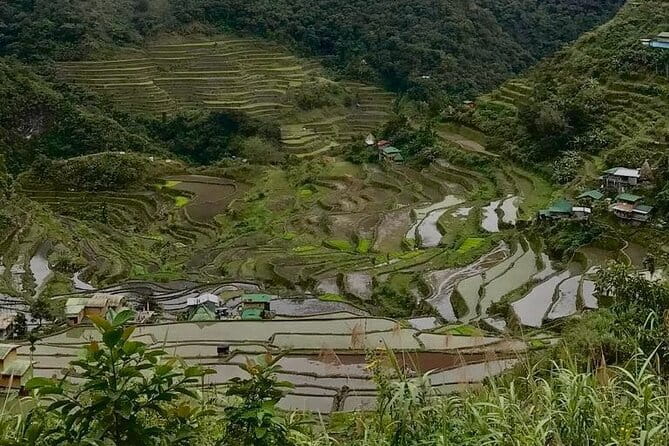
Northern Luzon is not a simple place to tour independently in a week. The destinations are spread across mountain roads, and the trip combines long transfers with short walks, village stops, and full sightseeing days. Having transportation arranged is a major advantage here.
The private format matters most when your group has different needs. You can take more time at a viewpoint, pause for water, or adjust the pace of a walk without waiting for a busload of people. Families with children may appreciate that control, though parents should still consider the early starts and physically active schedule.
The tour begins in Manila at 3:00 a.m. That is not a gentle start, but it helps you reach Banaue on the first day and preserves the seven-day schedule. You should treat the first day as both a transfer and sightseeing day, not as a relaxed arrival.
An air-conditioned vehicle, private transportation, and bottled water are included. Breakfast is provided on Days 2 and 3 in Banaue, and lunch is provided on Days 4 and 5 in Sagada. Dinner is not included, so you will need to budget for evening meals.
You can also read our reviews of more tours and experiences in Manila.


Day 1: First views of the Banaue terraces
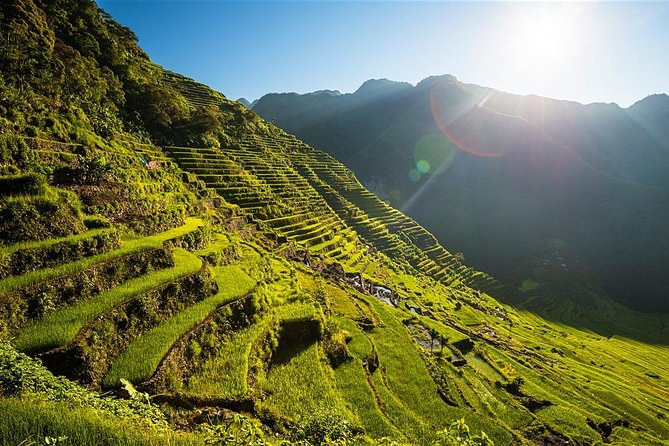
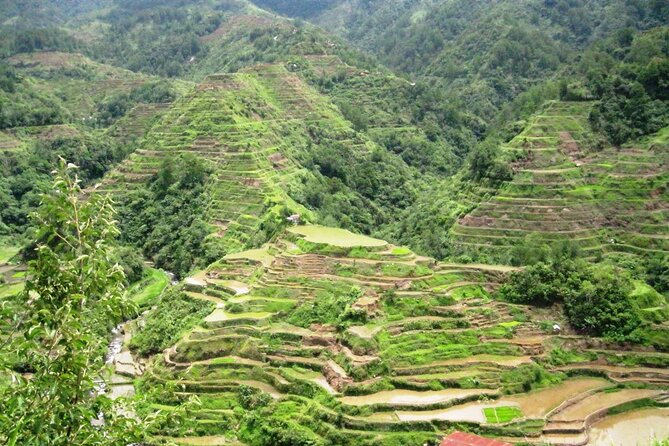
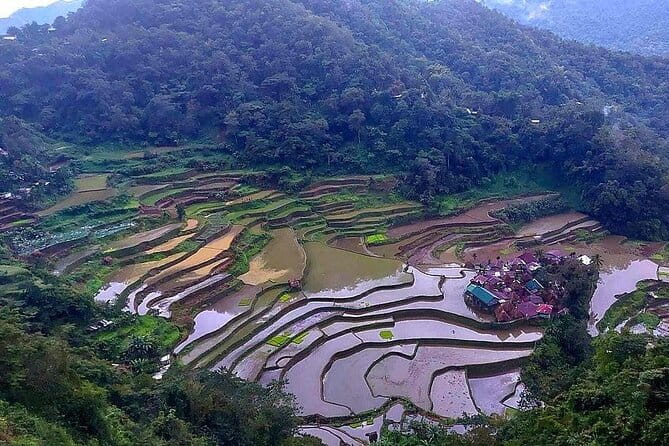
The opening day centers on Banaue Rice Terraces, described as the oldest rice terraces in the world and traditionally attributed to the indigenous Filipino ancestors of the area. The terraces are more than a scenic photo stop. They show how farming, water management, mountain terrain, and community life have been connected for generations.
You have about eight hours assigned to Banaue, though the day also begins with the long journey from Manila. That combination can make the first day tiring. Still, arriving among the terraces gives the trip a strong opening, and the views provide an immediate sense of why this region is so important.
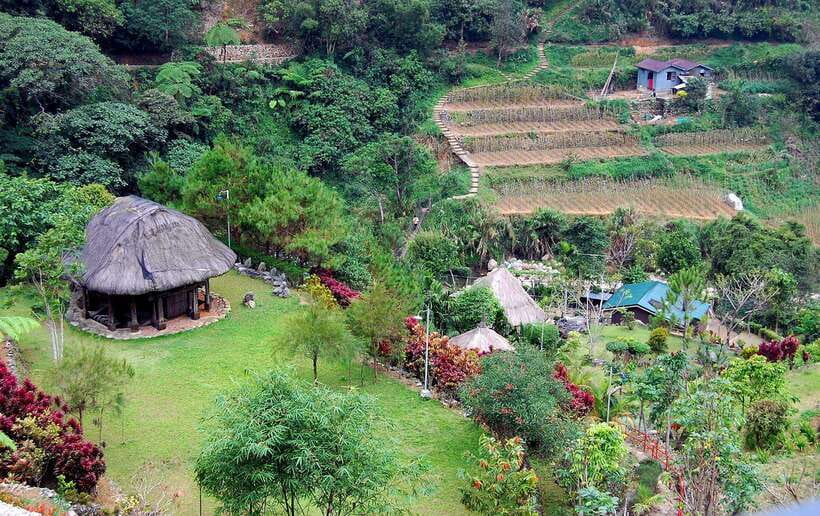
A local guesthouse and the hospitality of the Ifugao people were part of the experience described in the available tour feedback, along with a short trek. The exact lodging details are not provided, so you should confirm the property and room arrangements before booking if those details matter to you.
Banaue is a good place to slow down and look closely. The terraces are not simply green steps cut into hillsides. Their scale and age help explain why this part of the Philippines deserves more than a quick viewpoint photograph.
Day 2: The long terraces of Hapao and Bogyah Hot Spring
Day 2 moves to the Hapao Rice Terraces in Hungduan, about an hour from Banaue. Hapao is one of Ifugao’s five cultural sites connected with the UNESCO World Heritage listing. Its distinctive feature is its great length. You cannot see both ends at once, which gives the area a different feel from a single compact viewpoint.
You have about five hours at Hapao. That is enough time to appreciate the terraces without rushing through them, though the road journey remains part of the day. The visit is valuable for travelers who want more than the best-known Banaue photo spots.
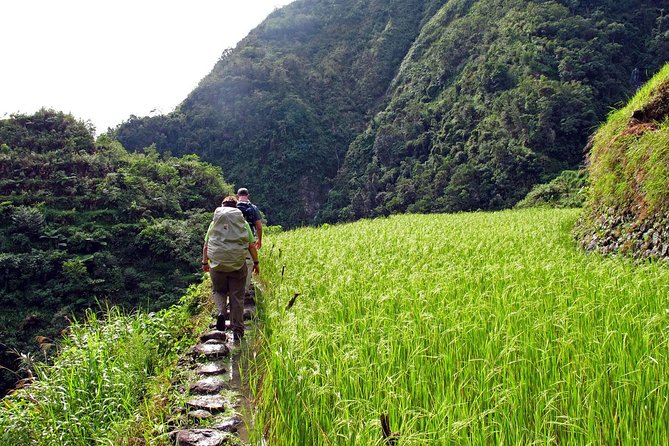
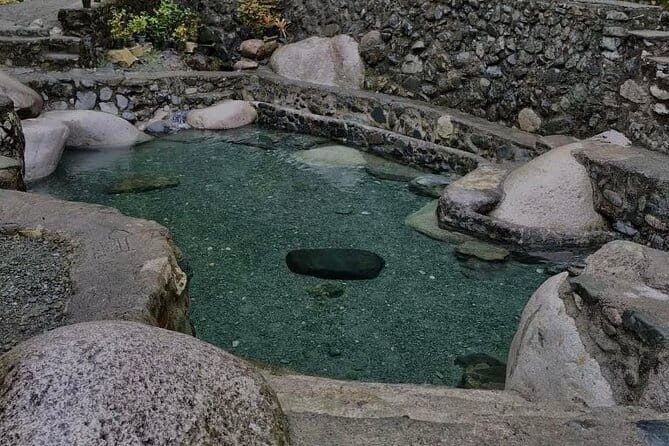
The next stop is Bogyah Hot Spring. Reaching it involves a 30 to 45 minute hike from the main road, so this is not a vehicle-to-viewpoint excursion. The hot spring is presented as a reward after the walk, with views of Ifugao and Hungduan village along the way.
The stop itself lasts about 45 minutes. Bring suitable footwear and keep water handy. The tour supplies bottled water, but a hike followed by a warm spring can still leave you thirsty. Since the experience requires good weather, rain could affect this part of the schedule.
Day 3: Batad’s amphitheater and Tappiyah Falls
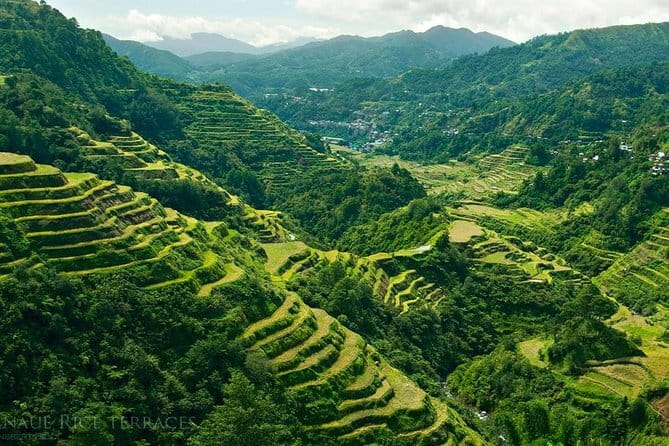
Batad is one of the trip’s headline stops. Its rice terraces form a steep, hand-carved setting that resembles a huge natural amphitheater. The terraces are part of the UNESCO World Heritage Site connected with the Ifugao rice terrace tradition, and some are more than 2,000 years old.
The itinerary allows about four hours here. That is a useful amount of time because Batad is best appreciated on foot and from more than one angle. You will want time to look at the terrace walls, notice the mountain setting, and manage the walk without treating every minute as a race.
Tappiyah Falls follows, with about an hour allotted. The waterfall drops around 30 meters and gathers the mountain streams into a powerful rush of water. It gives the day a physical finish after the quieter terrace views.
This is another day when fitness and footwear matter. The supplied information does not give a full distance or difficulty rating for every Batad section, so you should ask the operator for current walking details if anyone in your group has limited mobility. The private format helps with pacing, but it does not remove the hills.
Day 4: Sagada pottery, hanging coffins, and Sumaguing Cave
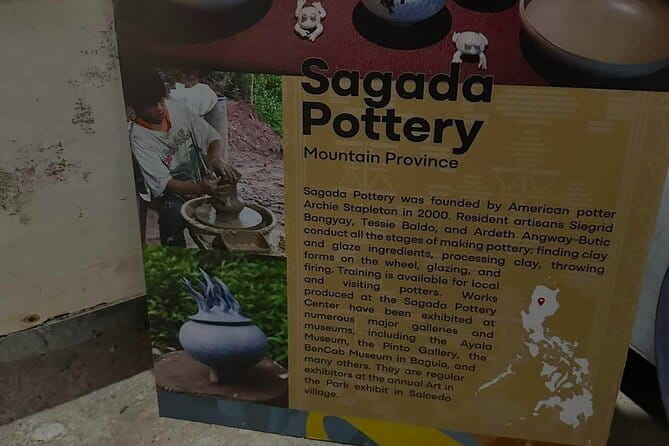
Day 4 shifts from terraces to Sagada’s living traditions and unusual burial customs. At the Sagada Pottery and Training Center, you spend about an hour with a craft tradition practiced by local people. The center is connected with three Sagada ceramic artists, Siegrid Bangyay, Teresita Baldo, and Ardeth Angway Butic, all members of the Applai Kankanaey indigenous peoples.
This stop gives the day a human scale. Instead of only looking at old sites, you see a local craft tradition that continues through teaching and practice. If you enjoy cultural stops, this may be one of the most worthwhile parts of the trip.
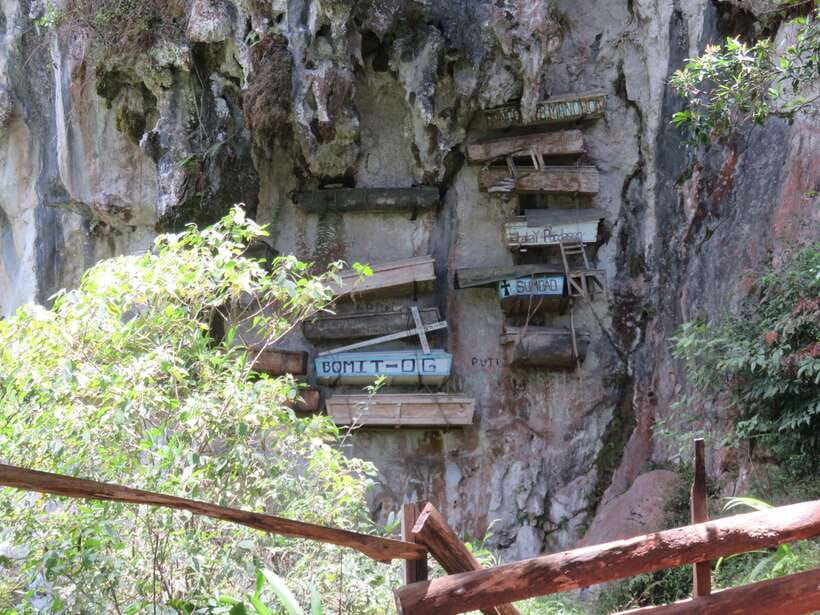
The Hanging Coffins of Sagada take about two hours. The Kankanaey belief described here holds that placing the dead higher brings them closer to heaven and sacred ancestors. The custom also reflects a desire to protect the bodies while allowing the deceased to find happiness in the afterlife.
Approach this site with quiet respect. It is not a spooky attraction in the usual tourist sense. It is a sacred practice connected to family, belief, and the way the Kankanaey understand death.
Sumaguing Cave closes the day with about two hours underground. It is the largest of fewer than 100 caves beneath Sagada, with rock formations shaped naturally over thousands of years. The cave adds a more active element, but the schedule does not provide detailed information about the route or conditions inside.
You should ask the operator what footwear and clothing are suitable before departure. At minimum, expect this stop to be more demanding than a paved heritage walk. The private guide can help your group manage the pace, but cave conditions still depend on weather and local access.


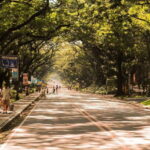
Day 5: Sunrise country at Marlboro Hill
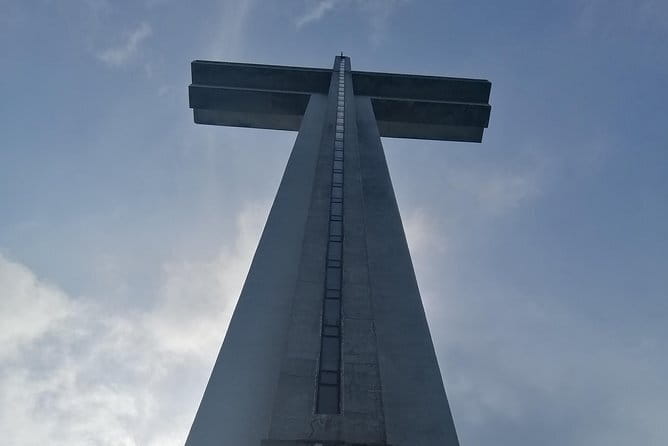
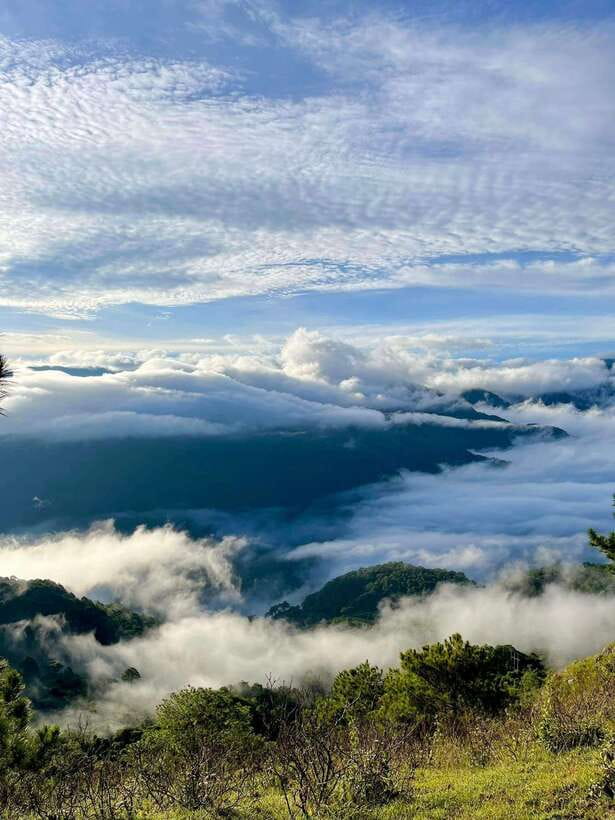
Marlboro Hill is described as Sagada’s highest peak, with an unobstructed 360-degree view of the mountain ranges. It is also a favored place for sunrise and a sea of clouds. The stop takes about three hours, so the timing may be early depending on the day’s schedule.
This is one of the strongest scenic moments on the route. The appeal is not one famous object but the broad view from high ground. If you want the best chance of seeing sunrise or clouds, be prepared for an early start and changing mountain weather.
The next stop is the Blue Soil Hills, also called Kaman-utek. These blue-green hills are in Balili, Bontoc, and are also referred to as the Blue Soil of Sagada. The visit lasts about an hour.
The unusual color makes this a welcome change from the terraces and forested mountain views. Do not expect a long activity here. It is a brief scenic stop that works well as part of a day with several different sights.
Bomod-Ok, or Big Falls, is listed as the final stop. The waterfall drops about 200 feet from a naturally shaped cliff into a pool below. The walk begins easily, and the path leading to the falls is described as straightforward, but the itinerary lists only two minutes for the stop. That timing appears too short for a meaningful visit, so confirm the actual schedule with Travel Time Philippines before booking.
This is one of the few details worth checking carefully. The waterfall itself sounds substantial, but the stated duration may be a data error or may refer to a brief stop within a longer transfer. Clarification will help you set realistic expectations.
Day 6: A full day in Baguio
Day 6 brings you to Baguio, the summer capital of the Philippines. The city is known for pine trees, cool breezes, and highland surroundings. After several days focused on rural villages, waterfalls, and mountain walks, Baguio provides a different rhythm.
You have about eight hours here, giving you time to see the city rather than simply pass through it. The description does not list specific Baguio attractions, so you should ask what stops are planned. The private vehicle may allow the guide to tailor the day, but the exact sightseeing plan should be clear before you travel.
Baguio is useful as a contrast. It lets you see a major highland city after spending much of the trip among smaller communities. Some people will welcome the change; others may find it less memorable than Batad or Sagada. Your enjoyment here will depend heavily on how the day is arranged.
Day 7: Returning to Manila
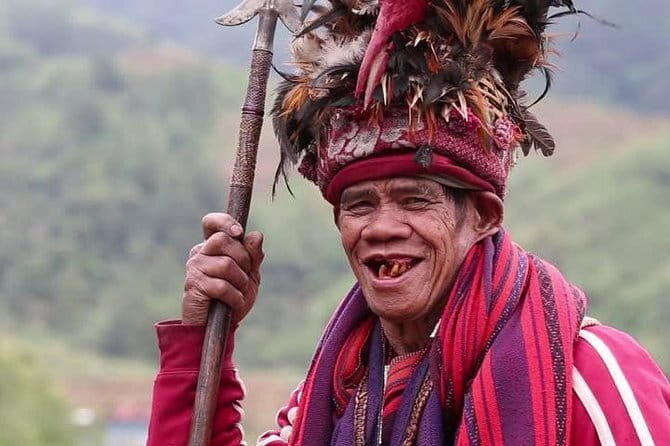
The final day is a five-hour return to Manila. Since the trip has already covered a great deal of ground, this is mainly a transfer day rather than another major sightseeing stop.
Plan your final Manila arrangements with care. The tour information gives the return travel time but does not provide an exact arrival hour. Avoid booking a flight or fixed appointment too close to the expected return unless the operator confirms the schedule.
What $960 includes, and what it does not
At $960 per person, this is a significant purchase. The value depends on how much you would otherwise spend arranging a private vehicle, driver, guide, accommodation, entrance fees, water, and intercity transport across seven days.
Included are:
- All fees and taxes
- An air-conditioned vehicle
- Private transportation
- Bottled water
- Banaue breakfast on Days 2 and 3
- Sagada lunch on Days 4 and 5
Dinner is excluded, and the supplied details do not itemize lodging. Confirm exactly which accommodations are included, along with room type and meal arrangements. The package is most attractive if you value convenience and private service more than finding the lowest possible price.
The cost also reflects the route’s complexity. Banaue, Batad, Sagada, Bontoc, Baguio, and Manila are not a tidy cluster of nearby attractions. Having one company coordinate the trip can save substantial effort, especially for a first visit to northern Luzon.
Who should book this trip?
I would recommend it to active families, couples, and small groups that want a private schedule and a broad introduction to northern Luzon. It is especially suitable if you want both natural sights and cultural stops, rather than a trip focused only on photography or hiking.
You should be comfortable with long drives, early starts, mountain roads, and walks that may be uneven or steep. People who want slow mornings, luxury accommodation, or a tightly defined hotel plan may prefer a shorter and more specialized tour.
The tour requires good weather. If poor weather causes cancellation, you are offered another date or a full refund. You can also cancel for a full refund up to 24 hours before the start time. Within 24 hours, the payment is not refunded, and changes are not accepted.
Dietary needs such as vegetarian, vegan, and gluten-free meals can be accommodated if you provide the details when booking. Since the tour is private, only your group participates.
Should you book the Banaue to Sagada adventure?
Book it if you want northern Luzon’s major sights handled in one private seven-day package, and if you are ready for a physical schedule. The best features are the terrace visits at Banaue, Hapao, and Batad, the cultural depth of Sagada, and the freedom that comes with your own vehicle and guide.
Before paying, confirm the lodging details, the exact Baguio plan, the realistic walking time to Bomod-Ok Falls, and how the 3:00 a.m. departure affects your group. If those details suit you, $960 can be fair value for a complicated route that would be difficult to arrange alone. If you prefer a relaxed holiday with little walking, this is probably too ambitious.
FAQ
Where does the tour begin?
The tour begins in Manila, Metro Manila, Philippines.
What time does the tour start?
The stated start time is 3:00 a.m.
How long is the tour?
The experience lasts approximately seven days.
Is this a private tour?
Yes. Only your group participates, with private transportation, a driver, and a guide.
Is pickup offered?
Yes, pickup is offered.
What meals are included?
Breakfast is included in Banaue on Days 2 and 3. Lunch is included in Sagada on Days 4 and 5. Dinner is not included.
Can dietary requirements be accommodated?
Yes. Vegetarian, vegan, gluten-free, and other dietary needs can be accommodated if you note them in the special requirements when booking.
What happens if bad weather cancels the tour?
You will be offered a different date or a full refund.
What is the cancellation policy?
You can cancel up to 24 hours before the start time for a full refund. Cancellations or changes made less than 24 hours before the start time are not accepted, and the amount paid is not refunded.