Manila Night Market Experience with Local Guide
Manila comes alive after sunset. This small-group evening outing takes you through Divisoria Market and Binondo, pairing low-cost shopping and Filipino street food with the practical help of a local guide. I like the chance to see everyday Manila beyond the usual sights, and I like that the guide helps you order food, move through crowded streets, and understand what you are seeing. The main drawback is physical: two hours of walking, market crowds, street food, and possible rain will suit you best if you are fit and comfortable with a little disorder.
The tour costs $68 per person, with a maximum of 10 people. That is not bargain-priced for a short market walk, especially when shopping and food are extra, but the value comes from the guide’s local connections, photography, transport help, and the confidence to enter places you might skip alone. Guide Venus receives especially warm praise for her humor, kindness, constant communication, and ability to make the evening feel like time spent with a friend.
In This Review
- Key Points to Know Before You Go
- Starting Near Tondo at 6:00 pm
- Reading Divisoria Market Beyond the Bargain Prices
- Filipino Street Food, One Snack at a Time
- Binondo and the Filipino-Chinese Side of Manila
- Tuk-Tuk Rides, Public Transport, and the Route’s Final Stop
- What the Guide Adds to the Evening
- Is $68 a Fair Price?
- Who Will Enjoy This Most?
- Should You Book the Manila Night Market Experience?
- FAQ
- Where does the Manila night market tour start?
- Where does the tour end?
- How long does the experience last?
- What street foods can I try?
- How large is the group?
- What is the cancellation policy?
Key Points to Know Before You Go
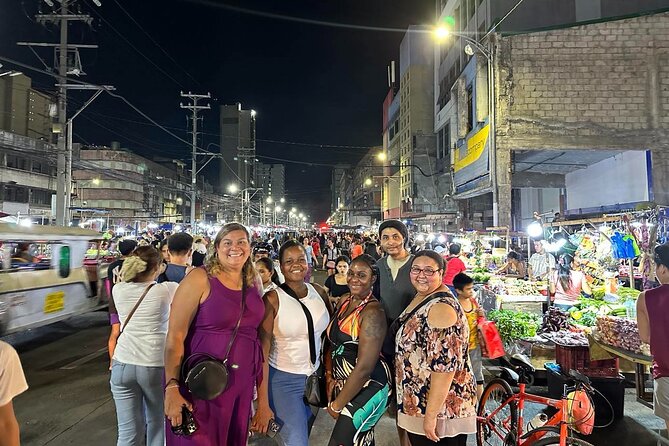
- Divisoria after dark: Shop for clothes, shoes, bags, accessories, souvenirs, and household goods, with listed prices beginning around $1 to $3 for some items.
- Filipino street food: Try fish balls, kwek-kwek, isaw, and other local snacks while learning how to order food and drinks in the Filipino way.
- Binondo and Ongpin: Walk through the world’s oldest Chinatown, established in 1594, and see the Filipino-Chinese side of Manila.
- Small group format: The maximum group size is 10, which matters in crowded market streets.
- Local transport and photos: A tuk-tuk ride may be part of the evening, public transportation can be included, and photography is provided.
- Flexible ending details: The advertised route ends at the newly opened Pasig River Esplanade, while the description also mentions relaxing at a jellyfish rooftop bar in Makati, so confirm the exact plan before booking.
Starting Near Tondo at 6:00 pm
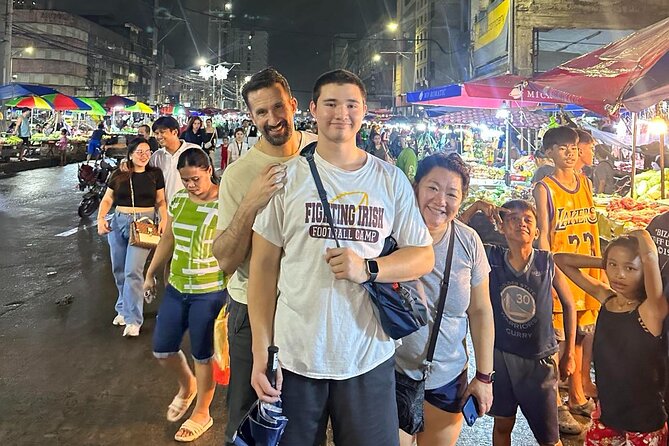
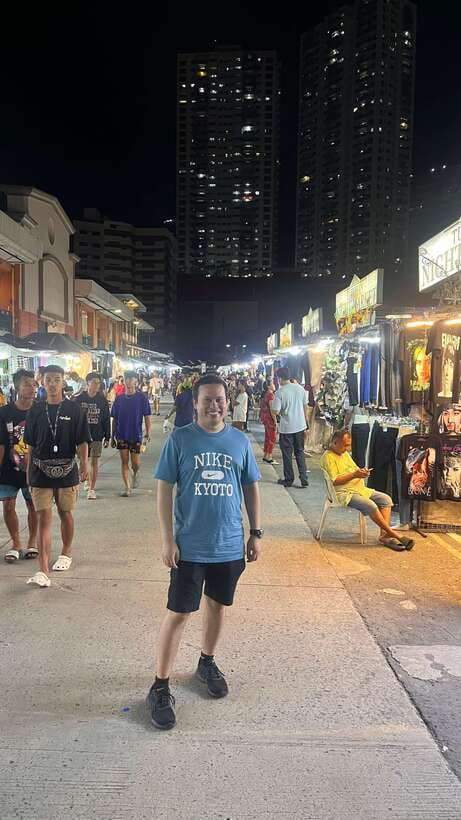
The evening begins at 6:00 pm in Tondo, Manila, near Divisoria Market. This is a useful starting point because Divisoria is not a polished shopping center built for sightseers. It is a working market district where local shoppers come for low prices, practical goods, clothes, and supplies.
Your guide introduces the area and explains its place in Manila’s story before leading you into the market. That introduction matters. Without local help, a first visit can feel like a wall of noise, people, stalls, signs, and competing directions. With someone who knows the streets, you can spend less time wondering where to go and more time noticing what is being sold and how people shop.
The start point is near public transportation, but the route itself involves walking. The physical fitness note is worth taking seriously. You should expect uneven movement through busy streets, time on your feet, and little room to pause whenever you want. Wear comfortable shoes and bring only what you need.
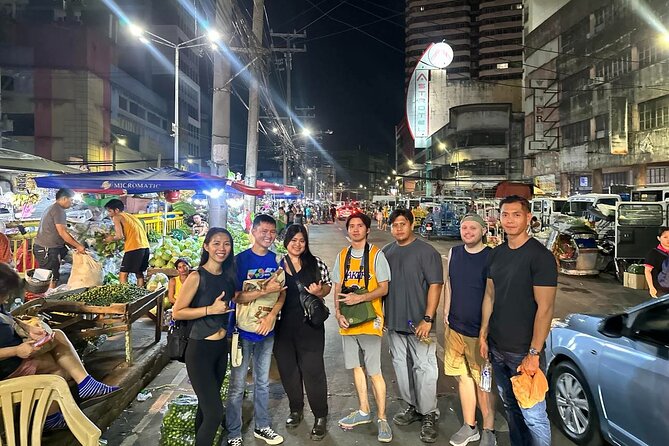
The tour has a maximum of 10 people. That is small enough for a guide to keep the group together while still giving you some company. A private tour might offer more control, but a group of this size keeps the price below a fully private outing and can make the evening feel social.
You can also read our reviews of more guided tours in Luzon

Reading Divisoria Market Beyond the Bargain Prices
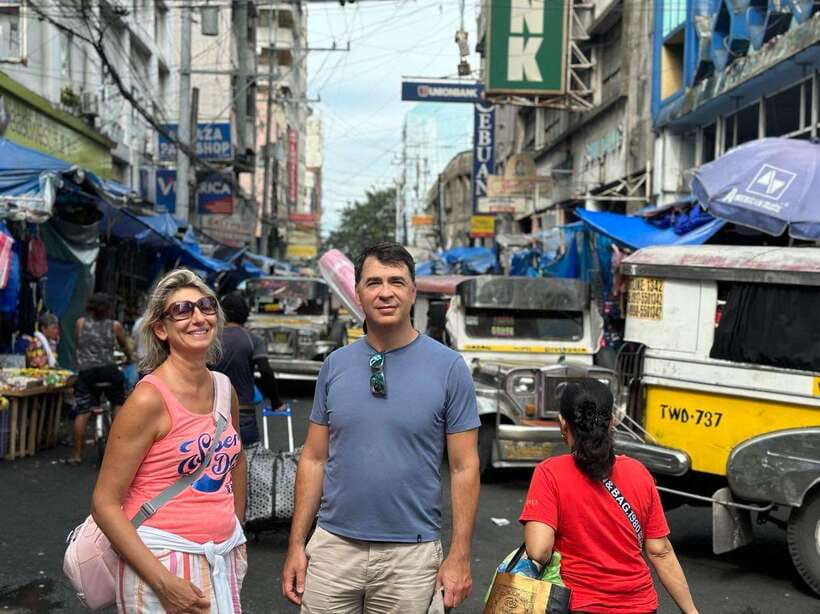
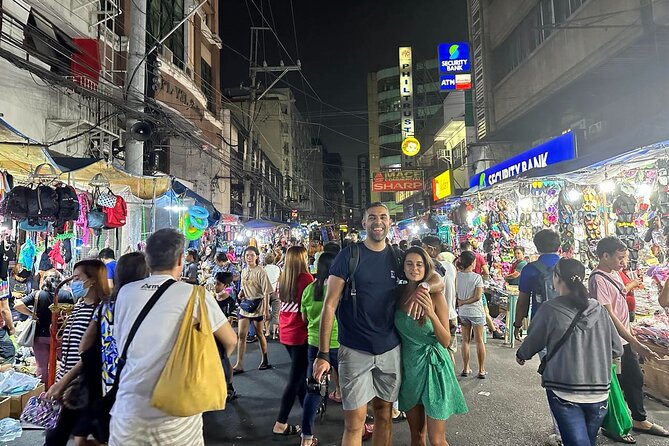
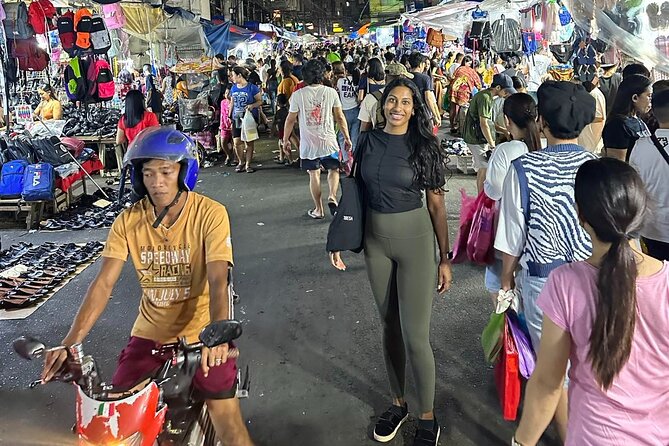
Divisoria is best understood as a place for local commerce first and sightseeing second. You may see clothing, shoes, bags, accessories, home decor, electronics, souvenirs, and fresh produce. The prices listed for some clothing and souvenirs begin at about $1 to $3, though actual costs will depend on the item and your bargaining skills.
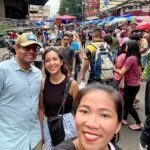
I like this part of the outing because shopping becomes a way to read the city. A rack of inexpensive clothes tells you something about local budgets. Household goods show what people need at home. The produce market reveals the work required to feed a large city. You are not simply looking at merchandise arranged for tourists. You are seeing a district built around daily buying and selling.
The trade-off is comfort. Divisoria can be crowded and intense, and the market setting will not offer the calm or order of a department store. Keep your phone and wallet secure, stay close to the guide, and avoid bringing bulky luggage. Those are sensible habits in any crowded market.
The guide’s local relationships are one of the strongest reasons to pay for this outing. One especially positive account describes the guide as someone who knew the locals and had useful connections in the market. That can make a real difference when you want to ask questions, find a particular item, or understand why a market stall matters.
Photography is included. This is useful if you want pictures of the evening but do not want to spend the whole time holding your phone up. Still, ask before photographing sellers or workers. A respectful approach is part of seeing local life well.
Filipino Street Food, One Snack at a Time
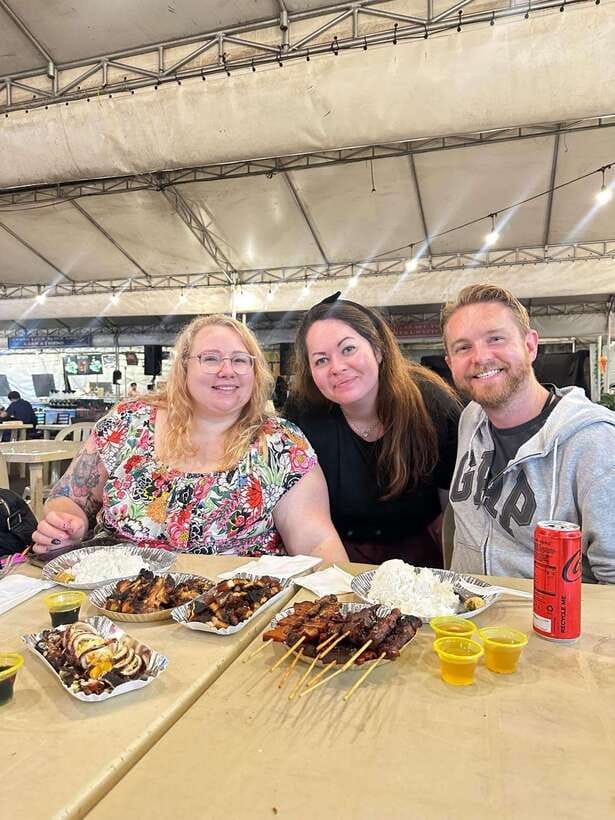
After exploring the market, the tour moves into a street food stop in the surrounding streets. The foods named for the experience include fish balls, kwek-kwek, and isaw.
Fish balls are a familiar Filipino street snack. Kwek-kwek consists of quail eggs covered in orange-colored batter, while isaw is grilled chicken or pork intestine. These foods are part of the point of the outing: you are trying common local snacks, not being guided toward a menu designed only for foreign palates.
The guide helps you order food and drinks in the Filipino way. That small service can remove much of the uncertainty. You can ask what a food is, how it is served, and what sauces or condiments go with it before choosing. If you are unsure about a dish, start with one small portion instead of ordering a large amount.
Food safety is a personal consideration. The supplied details do not promise a particular hygiene standard, and street food conditions can vary from stall to stall. If you have allergies, dietary restrictions, or a sensitive stomach, tell the guide before eating and ask clearly about ingredients. The tour is more appealing if you see it as a chance to sample selectively, not as a challenge to try everything.
The evening’s food element also creates natural conversation. Rather than eating in isolation at a restaurant, you can pause at stalls, watch the preparation, and ask what people commonly order. The setting is informal and social. If you like food with a little context attached, this is stronger than simply being handed a list of dishes.
Binondo and the Filipino-Chinese Side of Manila
The second major area is Binondo, Manila’s Chinatown. It was established in 1594 and is described as the oldest Chinatown in the world. Its importance is not just a date for a guidebook. Binondo shows how Filipino and Chinese traditions have met in food, religion, trade, and city life.
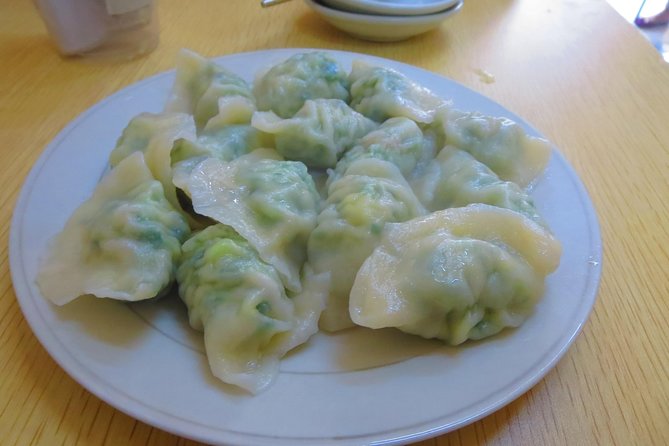
Ongpin Street is a key part of the district. You may see traditional medicine shops, jewelry stores, and Chinese-Filipino restaurants. The food focus here includes dumplings, noodles, and hopia, with Dong Bei and Eng Bee Tin named as notable establishments.
The guide’s role becomes particularly useful in Binondo because the area offers more than one obvious attraction. You can look at the storefronts, notice the mix of languages and businesses, and understand how the district fits into Manila’s wider identity. The historic Binondo Church is another important landmark, dedicated to St. Lorenzo Ruiz.
Escolta Street is nearby and adds another layer. Its colonial-era buildings and newer creative spaces show a different side of central Manila. The supplied route also mentions Lucky Chinatown Mall, though the exact amount of time spent there is not specified. Do not expect a full architectural tour of every location. In a short evening, the guide must choose what fits the group and the street conditions.
The biggest strength of Binondo is contrast. Divisoria is focused on broad market trade and low-cost goods. Binondo adds food, religious history, Chinese-Filipino culture, and older commercial streets. Together, the districts create a fuller picture of Manila than either stop would provide alone.
Tuk-Tuk Rides, Public Transport, and the Route’s Final Stop
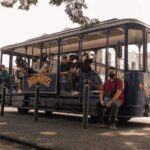
Transportation is part of the adventure. A tuk-tuk ride and public transportation may be included, according to the description of the outing. That gives you a practical taste of how people move around Manila rather than keeping you inside a private vehicle from start to finish.
There is also a practical cost to this choice. Public transport can add waiting, crowding, and uncertainty to a short tour. If you want a smooth, tightly timed evening, this may feel less efficient. If you want to experience the city as a resident might, it adds useful local context.
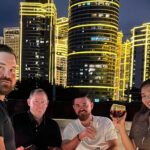
The stated end point is the newly opened Pasig River Esplanade at 448 Riverside Drive, Ermita. Ending beside the river could give the evening a calmer final stretch after the market streets. However, the description also mentions chilling at the first jellyfish rooftop bar in Makati after shopping. Those details do not fully match, so I would confirm whether the rooftop bar is included, optional, or part of a different version of the route.
That question is important because the advertised duration is approximately two hours, while the schedule is shown as 6:00 pm to 9:00 pm. The information gives you an evening window rather than a perfectly clear two-hour clock. Ask about the expected finish time, the exact final stop, and whether any drinks or rooftop entry cost extra.
You can also read our reviews of more shopping tours in Luzon

What the Guide Adds to the Evening
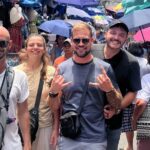
The guide is central to the value of this experience. Venus is the guide named most often in the supplied material, and the praise focuses on her warmth, humor, communication, and ability to explain Manila while keeping the mood relaxed.
That combination matters in a place like Divisoria. A guide who only recites facts would miss the point. You need someone who can explain what you are seeing, help with food orders, manage transport, and keep the group moving without making the outing feel rushed.
The strongest descriptions present the evening as hanging out with a local friend. That does not mean the tour is unstructured. It means the guide appears to make room for conversation, jokes, questions, and spontaneous moments. One couple even continued despite rain because the guide kept the experience enjoyable.
The listed recommendation rate is 100 percent, with a rating of 5 from 10 total ratings. That is a small sample, so I would treat it as encouraging rather than final proof. Still, the praise is consistent: people value the authentic setting, the guide’s personality, the feeling of safety, and the chance to see parts of Manila they would not have entered alone.
Is $68 a Fair Price?
At $68 per person, this is not the cheapest way to walk through a market. You will also need money for purchases, food, and possibly drinks, depending on what you choose and what is included at the end.
The price makes more sense if you are paying for access and confidence rather than admission tickets. The market stops have free admission, but a local guide can save you time, help you handle unfamiliar situations, explain the district, arrange photos, and add public transport or a tuk-tuk ride. Those services are harder to price separately.
The maximum of 10 people also supports the value. A large coach group would be awkward in narrow market streets. Here, the guide has a reasonable chance of answering questions and keeping everyone together.
I would book it if you have one free evening and want a guided introduction to local Manila life. I would skip it if you mainly want famous landmarks, a quiet dinner, or a predictable schedule. You should also compare the price with your own comfort level around street food and crowded public places.
Who Will Enjoy This Most?
This outing suits first-time visitors who want help getting beyond the standard hotel and mall routine. It is also a good fit for solo visitors who want company, couples who enjoy food and people-watching, and confident families with older children who can manage the walking.
It is less suitable if you have limited mobility, dislike crowds, need a highly controlled food environment, or want a tour built around long historical explanations. The fitness requirement is explicit, and the market setting is not designed for easy, uninterrupted movement.
Bring comfortable footwear, a small bag, and modest expectations about timing. Leave room for the guide to adapt to crowds, rain, transport, and the group’s pace. A little flexibility will help you enjoy the night.
Should You Book the Manila Night Market Experience?
Book this tour if your idea of a good Manila evening includes street food, low-cost shopping, local transport, and direct contact with daily city life. The guide’s local ties and friendly style appear to be the main reason this short outing earns strong praise.
Before paying, confirm the precise duration, final stop, and whether the Makati rooftop bar is part of your booking. If the route ends at the Pasig River Esplanade as stated, plan your onward transport from there.
You can cancel for a full refund up to 24 hours before the start time. Within 24 hours, changes are not accepted and payment is not refunded. Poor weather or failure to meet the minimum group size may lead to a new date, another experience, or a full refund.
FAQ
Where does the Manila night market tour start?
The tour starts in Tondo, Manila, Metro Manila, near Divisoria Market, at 6:00 pm.
Where does the tour end?
The stated ending point is the newly opened Pasig River Esplanade at 448 Riverside Drive, Ermita, Manila. The description also mentions a jellyfish rooftop bar in Makati, so confirm the final stop before booking.
How long does the experience last?
The duration is listed as approximately two hours. The evening schedule is shown as 6:00 pm to 9:00 pm, so you should confirm the expected finish time.
What street foods can I try?
The experience names fish balls, kwek-kwek, isaw, and other Filipino street food. You can also explore food in Binondo, including dumplings, noodles, and hopia.
How large is the group?
The maximum group size is 10 people.
What is the cancellation policy?
You can cancel at least 24 hours before the start time for a full refund. Cancellations or changes made within 24 hours are not refunded or accepted. If poor weather or an insufficient number of participants cancels the tour, you will be offered another date or experience, or a full refund.