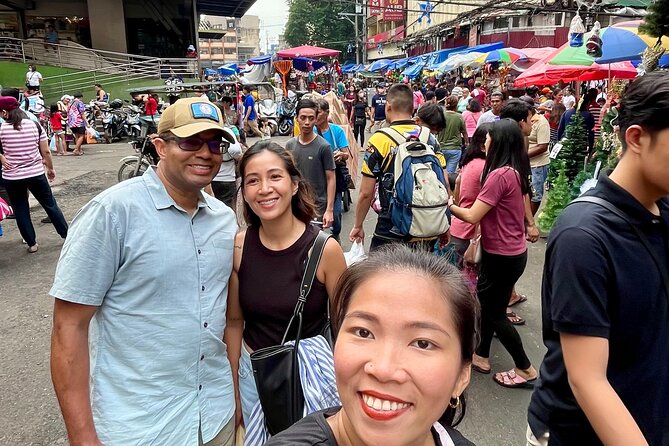
Manila Hidden Gems with local guide
Manila rewards the curious walker. This two-hour Tondo and Binondo experience takes you through Chinatown alleys, old structures dating to 1595, a traditional wet market, and streets where daily life takes center stage. You ride a jeepney or tricycle, stop for local coffee and food options, and see a side of Manila that most sightseeing routes skip.
I like the small-group limit of 10, which should make it easier to hear your guide and ask questions in narrow streets. I also like the direct local angle: guide Mari grew up in the area and leads you through places connected to her own community. The main consideration is that food tasting is not included, and this is a walking tour through working-class streets, not a polished attraction.
The experience costs $55 per person and lasts about two hours. That is not a bargain-priced stroll, but the value depends on what you want: a standard list of Manila landmarks, or personal contact with Tondo, Binondo, local transport, markets, and ordinary neighborhood life. The tour has a 4.8 rating from 27 ratings, with 93 percent recommending it.
In This Review
- Key Points to Know Before You Go
- Starting at Grand Cafe in Binondo
- Walking Through Chinatown Alleys
- Old Structures Dating to 1595
- Riding a Jeepney or Tricycle
- Street Food, Coffee, and the Open Market
- Tondo’s Back Lanes and Everyday Homes
- What the $55 Price Buys You
- Who Will Get the Most From This Walk?
- Timing, Weather, and Simple Planning Tips
- Should You Book the Tondo and Binondo Walk?
- FAQ
- How long does the Manila Hidden Gems tour last?
- Where does the tour begin?
- Where does the tour end?
- Is food tasting included in the price?
- Is local transportation included?
- What happens if bad weather cancels the tour?
Key Points to Know Before You Go
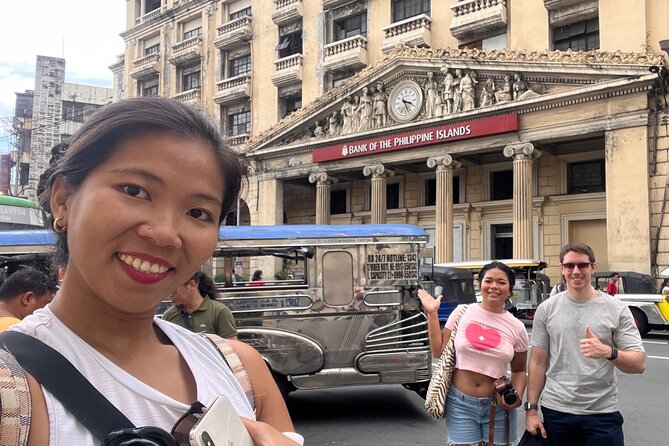
- Tondo and Binondo in one short walk: You move from Chinatown alleys to old structures, shops, homes, and market streets.
- A local guide with personal ties: Mari is described as leading the walk through the area where she grew up.
- Jeepney or tricycle included: Your transport ride is part of the experience, not just a way to reach it.
- Food is optional and extra: You may find Filipino street food, local coffee, and everyday dishes, but tasting costs are not covered.
- A real working neighborhood: Expect open-air bathing and dining, modest apartments, back lanes, and ordinary commerce rather than staged cultural displays.
- Good-weather planning matters: The tour can be moved or refunded if poor weather makes the walk impractical.
Starting at Grand Cafe in Binondo
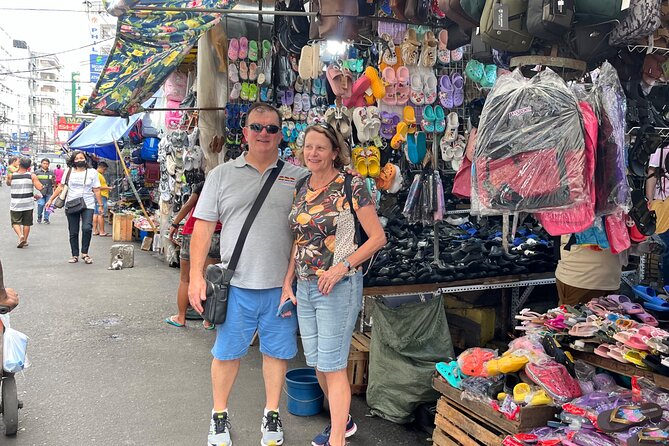
Your meeting point is 1919 Grand Cafe at 117 Juan Luna Street in Binondo, Manila. The location is near public transportation, which helps if you are coming from another part of the city. You return to this same meeting point at the end, so you do not need to arrange a separate pickup afterward.
The tour begins in Binondo, Manila’s Chinatown district, then moves toward the Tondo area. That opening gives you a useful change of pace. You start near a familiar city center and gradually enter smaller lanes and streets where shops, homes, food sellers, and market stalls share the same space.
Because the walk lasts only about two hours, you should arrive ready to move. Wear practical shoes and keep your belongings secure in crowded areas. The tour is designed for most people to join, but it is still a street walk, not a seated city tour. You will encounter uneven routes, busy market spaces, and the normal interruptions of neighborhood life.
A mobile ticket keeps the meeting process simple. Confirmation is provided when you book, and the maximum group size is 10. That is small enough for a more personal outing without paying for a private guide.
You can also read our reviews of more guided tours in Luzon

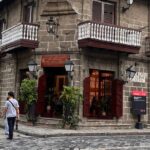
Walking Through Chinatown Alleys
The first major part of the experience takes you through a Chinatown alley. This is not a quick photo stop in front of a famous building. The point is to see how older commercial streets work at ground level, with small businesses, food, homes, and passersby sharing limited space.
The alley walk also gives your guide room to explain how Manila’s Chinese-Filipino communities fit into the city’s daily life. The available details do not promise a formal history lecture, so you should expect conversation and observation rather than a museum-style presentation.
I like this format because it asks you to look closely. A narrow lane can tell you more about local routines than a grand monument does. You might see how goods move between shops, how residents use public areas, and how food and commerce overlap in a busy district.
The trade-off is comfort. Back alleys are less predictable than a normal sightseeing route. They may feel crowded or cramped, and the surroundings are not arranged for visitors. That is part of the purpose, but it means you should choose this outing because you want ordinary Manila, not because you expect a tidy photo set.
Old Structures Dating to 1595
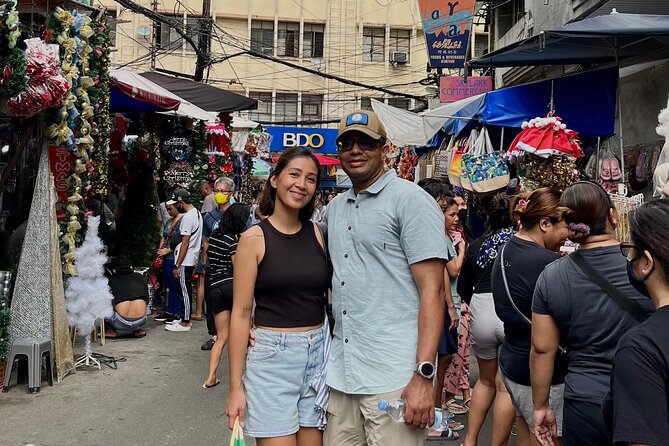
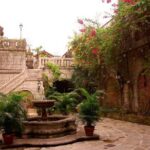
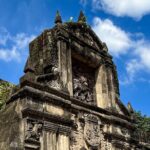
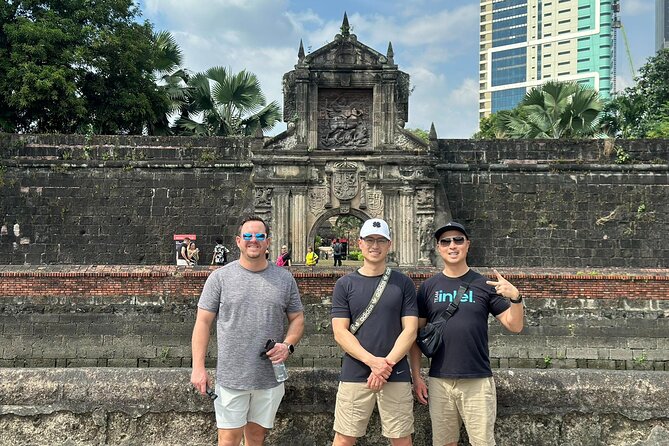
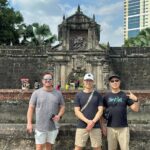
The itinerary includes old buildings and structures dating to 1595. That detail gives the walk a long historical reach, but the experience appears to present those places as part of a living neighborhood rather than isolated monuments.
You will not simply view old walls and move on. The surrounding streets, apartments, stores, and people help show how the older parts of Manila remain connected to present-day life. This is one of the more useful aspects of the walk. Historic sites can feel abstract when separated from the communities around them. Here, the older structures are encountered alongside daily routines.
The exact buildings visited can vary, so do not book this as a guaranteed architecture tour with a fixed list of named landmarks. The value lies in seeing older structures within Tondo and Binondo, with a guide who can connect them to the neighborhood.
For history-minded visitors, this section gives needed context to the rest of the walk. For casual sightseers, it offers a few strong visual pauses without taking over the whole outing.
Riding a Jeepney or Tricycle
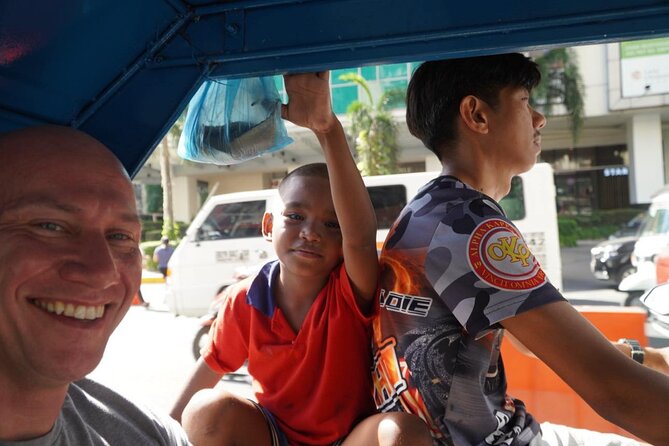
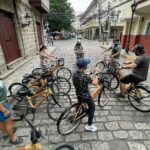
Local transport is included, with a jeepney or tricycle ride listed as part of the experience. The vehicle may depend on the route and conditions that day, so you should not assume a specific ride is guaranteed.
A jeepney is one of the clearest symbols of everyday transportation in the Philippines. Riding one gives you more than a short transfer. You get a direct look at how people move through the city, pay for local transport, and share public space.
The ride also breaks up the walking. Two hours can pass quickly, but narrow lanes and markets can be tiring, especially in warm weather. A brief transport segment adds variety and helps the tour feel like a slice of local life rather than a guided march between landmarks.
One account of the experience also refers to riding a jeepney and a Lamborghini, though the supplied details do not explain what Lamborghini means in this context. I would treat the jeepney or tricycle ride as the dependable part of the plan and regard any extra vehicle reference as unclear.
Street Food, Coffee, and the Open Market
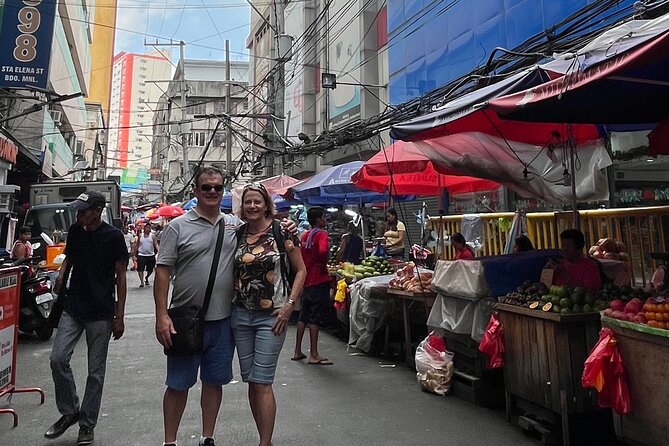
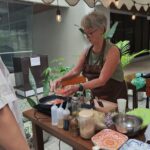
Food is part of the atmosphere, but food tasting is not included in the $55 price. You may explore different types of street food and have the chance to try Filipino coffee or local dishes, but you should budget separately for anything you eat.
This arrangement has both a benefit and a drawback. You can decide what suits your appetite instead of paying for a fixed tasting menu. On the other hand, the headline price does not cover snacks, drinks, or market purchases, so the final cost can rise if you want to try several items.
The food stop is best approached with curiosity and common sense. Your guide can point out what people in the area eat, how stalls operate, and which items fit the pace of the walk. If you have dietary restrictions, the supplied information does not promise special food arrangements, so ask before booking or before buying anything.
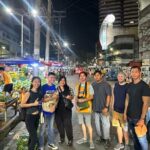
The shopping market includes housewares, clothes, fruit, and a wet market. This is a useful contrast to a souvenir market. You see goods meant for local households, not only products packaged for visitors. Prices may be cheap and reasonable, but the main value is seeing how residents shop for ordinary needs.
A wet market can be strong on sights, smells, and activity. If you dislike crowded food areas or are sensitive to such conditions, this may be the least comfortable part of the route. If you want to understand how a neighborhood feeds and supplies itself, it may be one of the most memorable.

Tondo’s Back Lanes and Everyday Homes
The walk’s most unusual material concerns the way residents live in older apartments and side streets. The route may pass homes where bathing and dining take place in open-air settings. This is not presented as a performance. It is a look at how limited space shapes daily routines.
You should approach this part with respect. People live here, and the streets are not a backdrop arranged for photography. The tour includes a photo shoot, but that does not mean every person or home is available to photograph. Ask before taking close pictures, and follow your guide’s lead.
This section may feel confronting because it shows economic hardship alongside energy and warmth. The experience is not designed to smooth away difficult realities. It presents a neighborhood where many people struggle, yet continue with work, food, family, and humor.
That honesty is one reason the tour appeals to people who want more than Manila’s standard attractions. It also explains why the route may not suit everyone. If you prefer polished sites, air-conditioned vehicles, or a tightly controlled schedule, choose a different outing. If you want a grounded look at city life, this walk offers material that is hard to get from a sightseeing bus.
What the $55 Price Buys You
At $55 per person, this is a premium price for a two-hour walking experience in Manila. You are not paying for admission to a major monument, a full meal, or a long private excursion. Bottled water and a welcome drink are included, while food tasting is not.
The value comes from access and interpretation. A local guide can help you read streets that would otherwise look confusing or intimidating. The guide also handles the movement between Chinatown alleys, old structures, the market, and local transport, so you are not trying to work out the route alone.
The personal connection matters here. Mari is described as taking visitors through the district where she grew up. That can add a level of local detail that a general city guide may not provide, though the exact guide for your departure should be confirmed at booking.
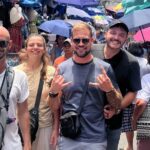
The group limit helps justify the cost. With no more than 10 people, the walk should feel less crowded than a large group tour. You can also ask about food, transport, buildings, and neighborhood customs as you go.
I would book this if you place a high value on local access and human stories. I would skip it if your priority is the lowest possible price or a long list of major Manila landmarks.
Who Will Get the Most From This Walk?
This experience suits you if you enjoy walking, local food, public transport, markets, and places that show how people actually live. It is especially useful early in a Manila stay, since a guide can help you understand the city beyond its main visitor areas.
It can also suit repeat visitors who have already seen the usual sights. Tondo and Binondo offer a different focus, with older structures, commerce, transportation, and home life taking priority.
Families with older children may find the walk instructive, provided everyone is comfortable with a working neighborhood and a wet market. The activity says most people can participate, but no detailed accessibility information is provided, so anyone needing a step-free route should ask ahead.
This is not the best match for you if you want guaranteed food samples, a fully air-conditioned tour, or a fixed sightseeing checklist. It is also not ideal if you want to photograph people without asking. The respectful approach is to watch, listen, and let the guide explain what is appropriate.
Timing, Weather, and Simple Planning Tips
The average booking lead time is 26 days, so reserve early if your Manila schedule is fixed. The tour requires good weather. If conditions cause cancellation, you can take another date or receive a full refund.
You can cancel for a full refund up to 24 hours before the start time. Changes or cancellations inside 24 hours are not refunded, and the cut-off follows local time.
Plan to bring water, though bottled water is supplied, and wear shoes suited to a two-hour urban walk. Keep cash available for food, coffee, and market purchases because those costs are separate from the tour price.
The meeting and ending point are both at 1919 Grand Cafe. That makes the outing easier to fit into a day of sightseeing, since you are not left across the city at the finish.
Should You Book the Tondo and Binondo Walk?
Book it if you want a direct look at Manila’s daily life, including jeepney transport, Chinatown lanes, local food, markets, and older structures dating to 1595. The strongest reason to choose it is the chance to walk with a guide connected to the area, particularly if Mari leads your group.
Think carefully about the price and the setting. At $55, this is not a cheap neighborhood walk, and food costs extra. But the small group, local transport, personal guiding, and access to ordinary streets give it a fair case for visitors who value context more than monuments.
I would recommend it to curious, respectful walkers who want Manila to feel less like a checklist and more like a real city. I would not recommend it to anyone seeking a polished attraction or a guaranteed tasting menu.
FAQ
How long does the Manila Hidden Gems tour last?
The experience lasts approximately two hours.
Where does the tour begin?
It begins at 1919 Grand Cafe, 117 Juan Luna Street, Binondo, Manila, 1006 Metro Manila, Philippines.
Where does the tour end?
The activity ends back at the meeting point at 1919 Grand Cafe.
Is food tasting included in the price?
No. Food tasting is not included, so you pay separately for any street food, coffee, or other items you choose to buy.
Is local transportation included?
Yes. The experience includes local transport by jeepney or tricycle.
What happens if bad weather cancels the tour?
You will be offered another date or a full refund if poor weather causes the tour to be canceled.