BEST OF CEBU: Cebu City Heritage Tour Shared-Joiners
Cebu’s old quarter packs a lot into four hours. I like the shared-group format, which keeps the $49 price below a private outing while giving solo visitors a chance to meet others. I also like the mix of religious sites, Spanish-era landmarks, and Chinese Filipino heritage, all linked by an air-conditioned vehicle.
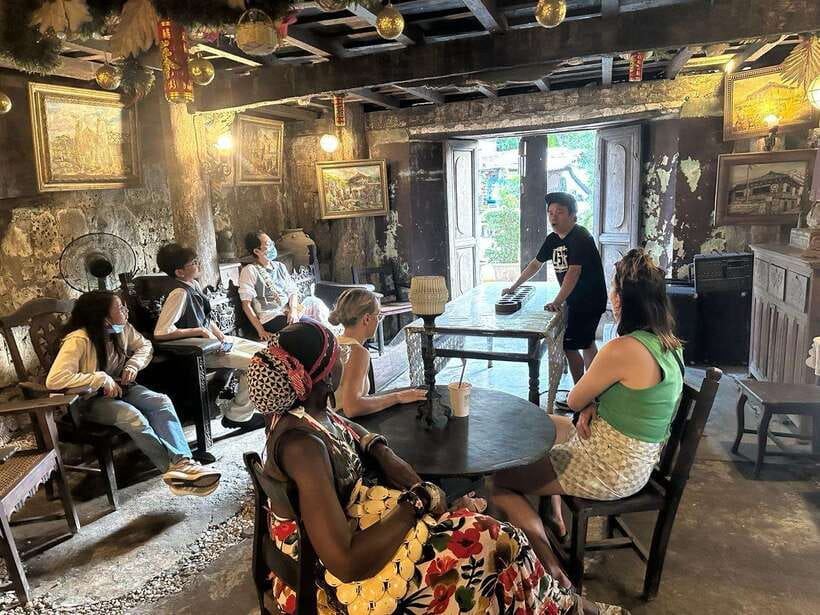
The main drawback is that communication may need extra care. One booking was set for the morning but shifted to the afternoon without clear notice. Also, dress properly for the church stop, because entry is not allowed without suitable attire. Guide Angelica earned special praise for her friendly, upbeat care when the schedule problem was sorted out.
In This Review
- Key points to know before booking
- Why this short Cebu tour works
- Santo Niño: begin with Cebu’s sacred center
- Magellan’s Cross and the 1521 turning point
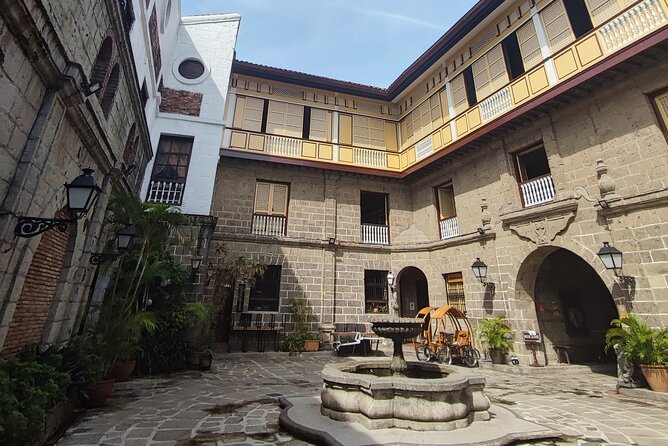
- Yap-San Diego Ancestral House: a look inside old Cebu
- Cebu Heritage Monument: history in one compact sculpture
- Fort San Pedro: Cebu’s compact Spanish stronghold
- Taoist Temple: a change of setting and tradition
- What the $49 price really covers
- Timing, pickup, and communication
- Who should choose this shared outing?
- Should you book the Cebu City Heritage Tour?
- FAQ
- How long does the Cebu City Heritage Tour last?
- How many people can join the tour?
- Is pickup available?
- Which attractions are included?
- Are admission tickets included?
- Is lunch included?
- What is the cancellation policy?
Key points to know before booking
- Six major Cebu sights in about four hours: You’ll cover the Santo Niño church area, Magellan’s Cross, Yap-San Diego Ancestral House, Cebu Heritage Monument, Fort San Pedro, and the Taoist Temple.
- A small shared group: The vehicle can hold up to 15 people, a useful middle ground between a large bus and a costly private car.
- Air-conditioned transport is included: Parking, landing, and facility fees are also covered, which makes the $49 fare easier to judge.
- Angelica made a strong impression: Her bubbly manner helped turn a scheduling problem into an enjoyable afternoon outing.
- Church dress rules matter: Wear proper attire before you set out, since unsuitable clothing can keep you from entering the church.
- Free cancellation has a firm cutoff: You can receive a full refund if you cancel at least 24 hours before the start time.
Why this short Cebu tour works
Cebu City can feel scattered when you first look at its main sights. A church, a fort, an old Chinese Filipino house, and a Taoist temple do not sit in one tidy museum district. This tour solves that problem by joining them with transport and a guide in one compact outing.
I find the sequence useful because it gives you several views of Cebu’s past. The Santo Niño and Magellan’s Cross introduce Catholic devotion and the arrival of Christianity. The old house and heritage monument shift the focus to local family life and public memory. Fort San Pedro brings in Spanish military power, while the Taoist Temple shows the city’s Chinese cultural influence.
You should expect a brisk pace. Most stops last 15 to 30 minutes, and the four-hour estimate includes driving time. That means you’ll get an introduction rather than hours of quiet study at each place. For a first look at Cebu City, that tradeoff makes sense. If you want long photography sessions or slow museum visits, a private day with fewer stops may suit you better.
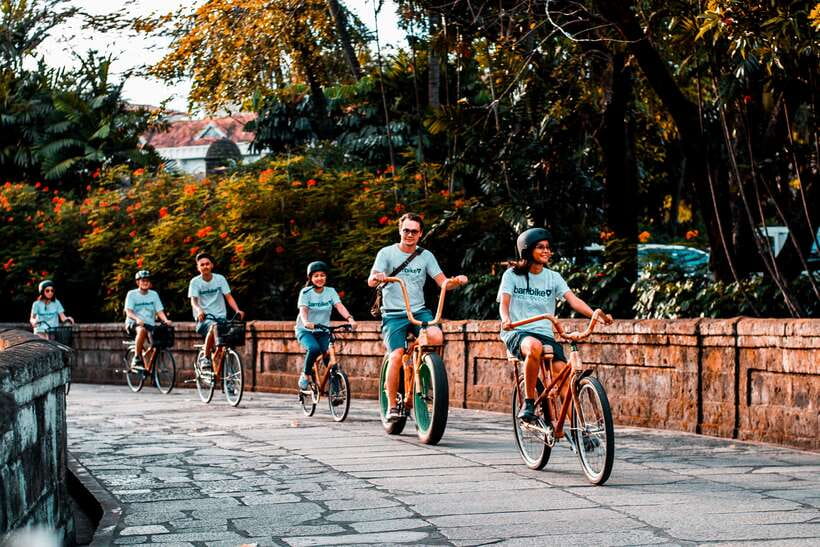
The shared format is part of the appeal. A maximum of 15 people keeps the group more manageable than a full coach, while the lower price helps solo visitors and couples avoid paying for a private vehicle. You’ll need to accept a little less control over timing, but you gain company and a guide who can connect the stops.
You can also read our reviews of more historical tours in Cebu

Santo Niño: begin with Cebu’s sacred center
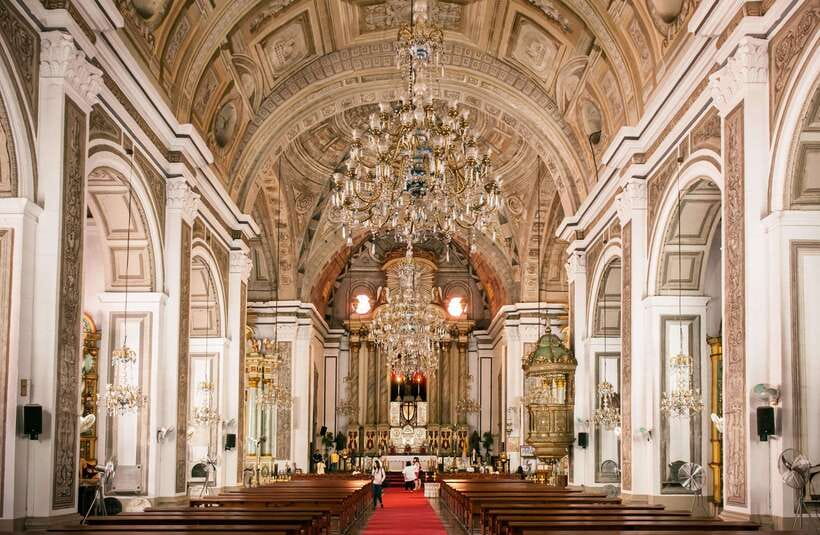
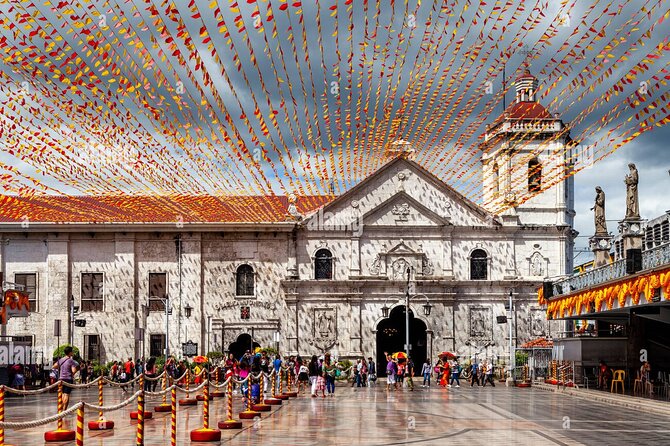
The Basilica del Santo Niño is the emotional starting point of the outing. The Santo Niño, or Holy Child of Cebu, is regarded as the oldest religious artifact in the Philippines, so this is not simply a quick church photo stop. It is a place tied closely to the country’s Catholic identity.
You’ll have about 30 minutes here. That is enough to see the setting, listen to an explanation, and take in the importance of the statue and basilica without letting one stop consume the whole morning or afternoon.
Dress is the practical issue. The tour specifically requires proper attire, and you may not enter the church if your clothing is considered unsuitable. I would treat this as a firm part of your packing plan, not a minor warning. Choose respectful clothing before pickup, especially if you are building the tour into a day of sightseeing in casual beachwear.
The stop is best for you if you want cultural context, not just landmark collecting. Even a short visit can explain why the Santo Niño has such a central place in Cebu. Keep your expectations realistic, though. The time is limited, and the tour does not promise a long religious program or extended time inside.
Magellan’s Cross and the 1521 turning point
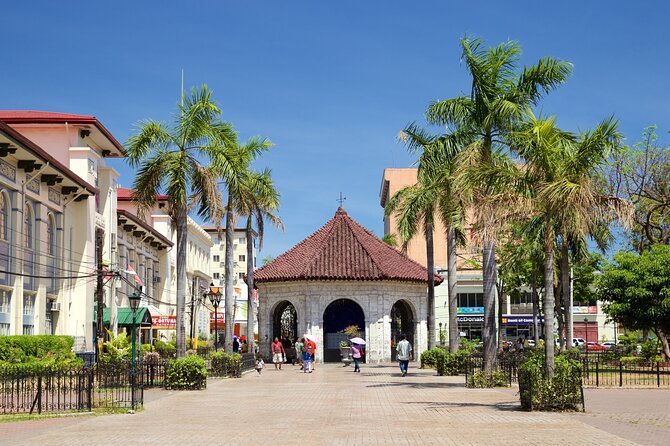
A short walk or transfer brings you to Magellan’s Cross, one of Cebu’s most familiar symbols. The cross is associated with Ferdinand Magellan’s arrival in 1521 and the introduction of Christianity to the archipelago.
The scheduled visit lasts about 15 minutes, so this is a quick orientation stop. You’ll have time to see the site and hear why it matters, but not to linger for a detailed historical lecture. That brief length is reasonable because the cross is a focused attraction rather than a large complex.
I like the way this stop follows Santo Niño. The two sites belong together, but they are not identical. The basilica represents continuing devotion, while Magellan’s Cross points to the historical moment when Christianity reached the Philippines. Taken together, they give you a clearer picture than either one alone.
This stop may feel too short if you want to examine every detail or photograph the area from several angles. Still, it keeps the overall outing moving and leaves room for the other four locations. You should think of it as a concise history lesson, not a full tour of Cebu’s early colonial period.
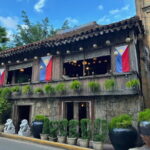
Yap-San Diego Ancestral House: a look inside old Cebu
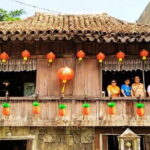
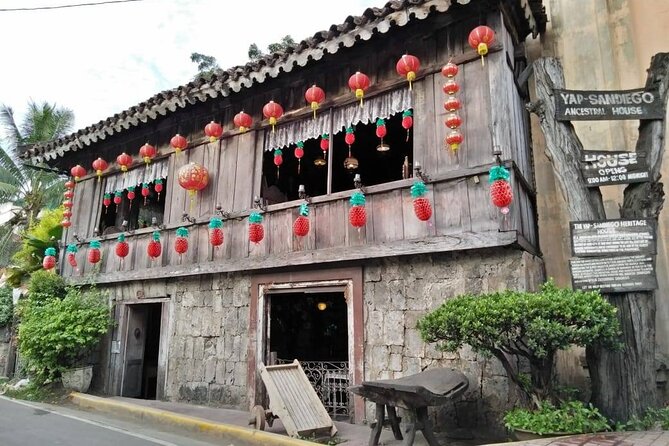
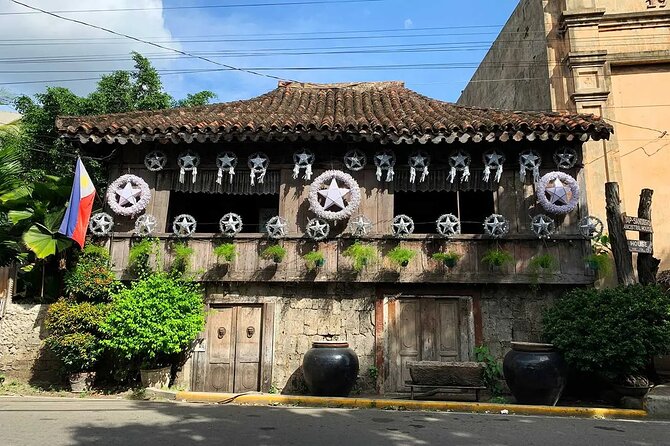
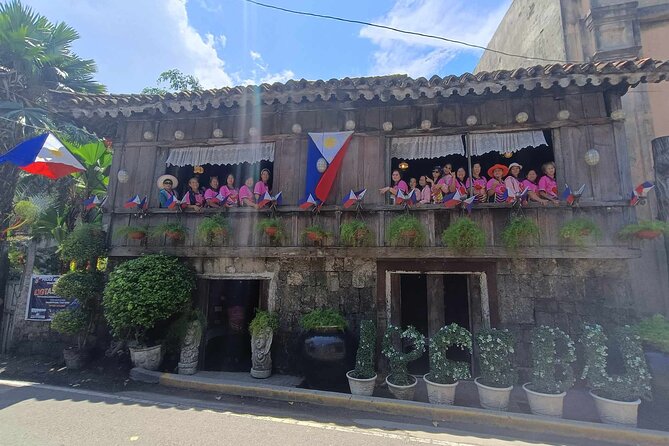
The Yap-San Diego Ancestral House gives the tour a more personal scale. Built in the late 17th century, this preserved home shows how architecture and family life can tell a story that a monument cannot.
You’ll spend about 30 minutes here, with admission included. That extra time matters. Unlike the 15-minute cross stop, the house needs a slower look because its value comes from details in the structure and the sense of a lived-in past.
I particularly like this part of the route because it moves away from grand religious and military symbols. You get a closer view of domestic heritage, which can make Cebu’s past easier to understand. Old homes reveal how people organized daily life, welcomed visitors, and adapted local traditions within a changing city.
The visit will still be brief, so you should not expect an exhaustive house tour. The provided information does not specify how much of the interior you will see or how long the guide’s explanation will be. Even so, this is one of the stops where a guide adds real value, since the meaning of an old house is not always obvious from the walls and furniture alone.
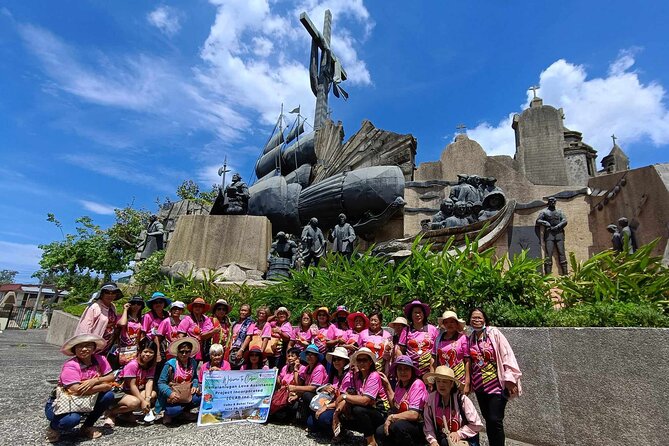
Cebu Heritage Monument: history in one compact sculpture
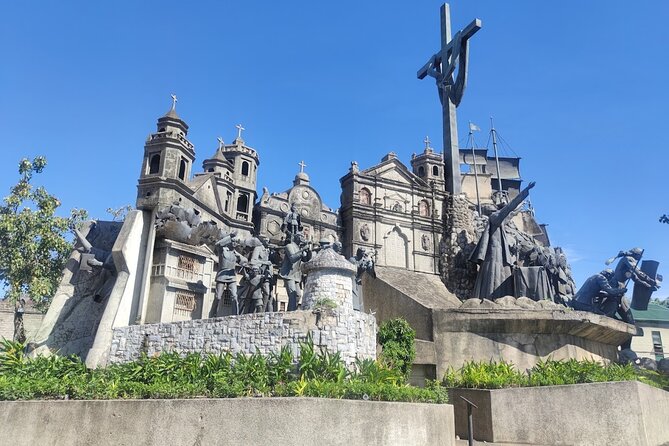
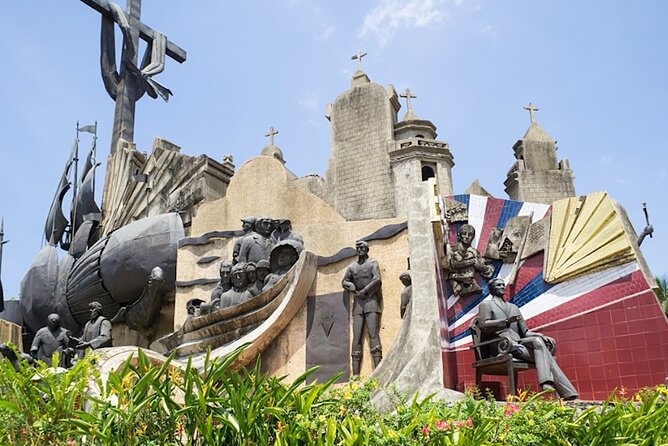
The Cebu Heritage Monument stands in Parian and presents major events and people from Cebu’s past through a large sculpture. Artist Eduardo Castrillo designed it as a public tribute to the city’s important historical moments.
You’ll have roughly 15 minutes here. That sounds short, but the monument is made for a focused stop. You can view the sculpture, take photographs, and get the basic story before moving on.
I find this stop useful as a bridge between the ancestral house and Fort San Pedro. The house gives you a close-up of family heritage. The monument pulls back and presents Cebu’s wider public story. Then the fort shows how outside powers defended and controlled the city.
Because the monument contains many figures and scenes, you might wish for more time if you enjoy reading every detail. The quick schedule favors a guide’s explanation over independent study. Listen closely, and keep your camera ready, since this is one of the stops where a short visit can still leave you with a strong visual memory.





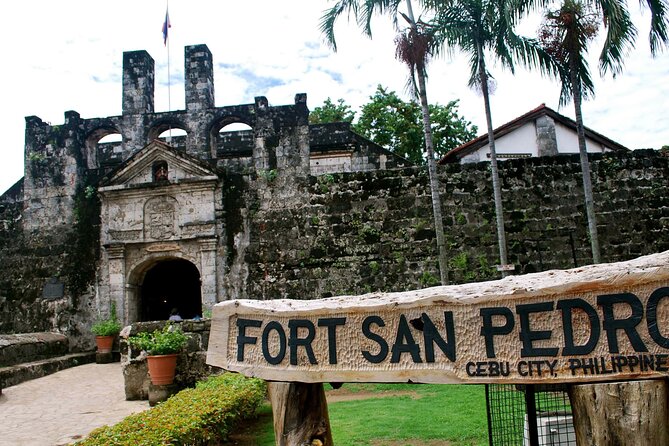
Fort San Pedro: Cebu’s compact Spanish stronghold
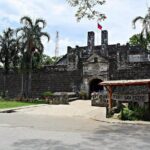
Fort San Pedro is described as the oldest and smallest fort in the Philippines. Built by Spanish conquistadors in the 16th century, it served as a military stronghold in the city center.
The tour allows about 30 minutes and includes admission. That is a sensible amount of time for a small fort. You can walk through the site, see its defensive design, and consider how different this military setting feels from the nearby religious landmarks.
This stop adds useful balance. The first part of the tour centers on faith and cultural memory. Fort San Pedro brings politics, conquest, and defense into the picture. You’ll come away with a better sense that Cebu’s past was shaped by more than churches and explorers.
The word small matters here. Do not expect a sprawling fortress that takes half a day to explore. Its compact size is exactly why it fits this shared tour. If you like military architecture, you may want more time than the schedule allows, but 30 minutes should give you a solid introduction.
Taoist Temple: a change of setting and tradition
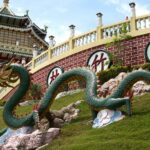
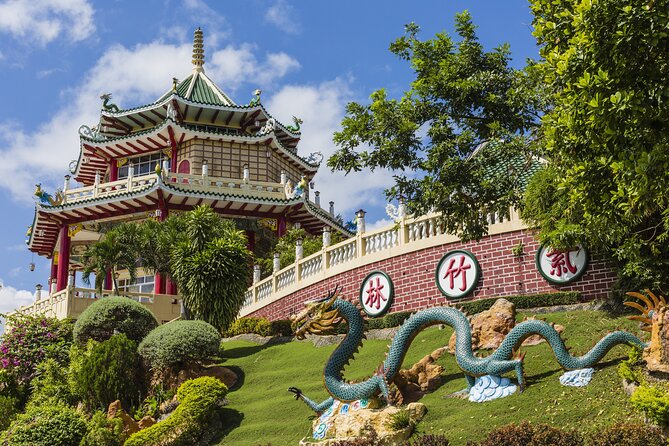
The final stop is the Cebu Taoist Temple in Beverly Hills, Cebu City. Inspired by traditional Chinese architecture, it serves as a religious center for Taoist practitioners.
This visit lasts about 30 minutes and admission is included. After several stops connected to Spanish and Catholic influence, the temple changes the tone of the day. You’ll see another part of Cebu’s cultural identity, one shaped by Chinese traditions and religious practice.
I like ending here because it prevents the tour from presenting Cebu through only one historical lens. The temple gives you a reminder that the city’s story includes several communities and belief systems.
The available details do not specify which temple areas are open to the group or whether a ceremony will be taking place. You should follow the guide’s instructions and treat the site as an active religious place, not simply a photo backdrop. Thirty minutes gives you enough time for a meaningful visit, but the stop remains an introduction rather than an in-depth study of Taoism.
What the $49 price really covers
At $49 per person, this tour offers fair value if you want transport, admissions at the paid stops, and a guide in one package. You are not paying only for entry tickets. You are also paying to connect six sites that would take more planning and local transport to visit independently.
The air-conditioned vehicle matters in Cebu’s warm climate. It gives you a place to cool down between the basilica, fort, old house, and hilltop temple. Parking fees, landing fees, and facility fees are included, so the advertised cost is less likely to grow through small transport charges.
Lunch is not included. Since the experience lasts about three to four hours, you can plan a meal before or after it, but you should not treat the price as covering food. The tour also includes travel time, so the actual sightseeing period is shorter than four full hours.
The shared format keeps the cost practical. A private outing might give you more freedom, but this option is better suited to someone who wants the main sights without arranging a car, route, admissions, and guide separately. The group limit of 15 is important. You will not have complete privacy, but the group should remain smaller than a typical large sightseeing coach.
Timing, pickup, and communication
Pickup is offered, and the experience provides a mobile ticket. Confirmation arrives when you book, and the tour is near public transportation. Those details make it easier to fit the outing into a wider Cebu schedule.
I would still confirm the pickup time and meeting details before the day of the tour. One serious problem involved a morning booking being changed to an afternoon departure without clear communication. The afternoon itself went well, but the mix-up could cause real trouble if you have a flight, ferry, hotel checkout, or another reservation.
The tour is often booked about 10 days ahead, so planning early is sensible if your Cebu dates are fixed. At the same time, the experience requires a minimum number of participants. If that minimum is not reached, you will be offered another date or experience, or receive a full refund.
The cancellation rule is simple but strict. You can cancel for a full refund up to 24 hours before the local start time. Changes or cancellations inside that 24-hour window are not accepted for a refund.
Who should choose this shared outing?
I would choose this experience if you have limited time in Cebu City and want a clear introduction to its main heritage sites. It suits solo visitors, couples, and small groups who enjoy meeting other people and do not need to control every minute.
It also works well for you if you want cultural variety. The route covers Catholic devotion, colonial arrival, family heritage, public sculpture, military history, and Taoist practice. That range gives you a better first impression of Cebu than a tour focused on only one type of attraction.
You may want another option if you dislike group schedules or need special timing. The outing lasts only three to four hours, and each stop has a set window. The communication issue reported above also means you should verify the departure period rather than assume a morning booking will remain in the morning.
Most people can participate, and the vehicle is air-conditioned. The supplied details do not give more specific information about mobility access at each stop, so you should ask Explore Cebu Tours & Travel directly if you have precise accessibility needs.
Should you book the Cebu City Heritage Tour?
Book it if you want a reasonably priced, well-rounded first look at Cebu City, especially if you are traveling alone or prefer not to arrange local transport. The strongest parts are the variety of stops, included vehicle, covered fees, and the chance to see the city with a group of no more than 15 people.
Go in knowing that this is a fast introduction. You will not have long, unhurried visits, lunch is extra, and you should confirm the pickup time carefully. If you arrive dressed for the church and keep your schedule flexible, the $49 cost is a sensible way to connect Cebu’s major cultural sites in one afternoon or morning.
FAQ
How long does the Cebu City Heritage Tour last?
The experience lasts about three to four hours, and that estimate includes travel time between stops.
How many people can join the tour?
The shared tour has a maximum of 15 participants.
Is pickup available?
Yes, pickup is offered. The experience is also near public transportation.
Which attractions are included?
The route includes Basilica del Santo Niño, Magellan’s Cross, Yap-San Diego Ancestral House, Cebu Heritage Monument, Fort San Pedro, and the Cebu Taoist Temple.
Are admission tickets included?
Admission is included for Yap-San Diego Ancestral House and Fort San Pedro. The Basilica del Santo Niño, Magellan’s Cross, Cebu Heritage Monument, and Taoist Temple list free admission.
Is lunch included?
No. Lunch is not included in the tour price.
What is the cancellation policy?
You can cancel at least 24 hours before the experience start time for a full refund. Cancellations or changes made less than 24 hours before the start time are not refunded or accepted.