
Food, Historical and Mountain Tour in Cebu City
Cebu’s past and mountain views fit into one busy day. This private tour links Fort San Pedro, major churches, museums, a Taoist temple, a skyline lunch, and Sirao Flower Garden with a certified guide and private vehicle. I like the wide mix of sights and the personal attention that comes with a private group. I also like that lunch at Chixboy includes food worth up to 500 pesos per person.
The main drawback is the pace. Nine stops in roughly six to eight hours leaves limited time at each place, and two museums may be closed or under renovation. Check the Monday schedule before booking, and expect a sightseeing sampler rather than a slow, detailed study of Cebu.
In This Review
- Key points to know before booking
- Why this Cebu City tour works for first-time visitors
- Fort San Pedro sets the historical tone
- Three central heritage stops reveal Cebu’s layered identity
- The Taoist Temple adds a quiet hillside break
- Museo Sugbo may be the tour’s biggest variable
- Chixboy combines lunch with a Cebu skyline
- Sirao Flower Garden brings color to the final stop
- What the private format changes
- The schedule has real limits
- Who should book this experience?
- Should you book the Cebu food, history, and mountain tour?
- FAQ
- What time does the tour start?
- How long does the tour last?
- Is this a private tour?
- Is lunch included?
- Is the National Museum open every day?
- Can I cancel for a full refund?
Key points to know before booking
- Nine stops in one day: You cover forts, churches, museums, a temple, a restaurant, and a mountain flower garden.
- Private vehicle and guide: Only your group takes part, which allows some flexibility and more direct help during the day.
- Two museum cautions: The National Museum is closed every Monday, while Museo Sugbo may close during renovations.
- Lunch with a view: Chixboy includes a complimentary meal valued at 500 pesos per person, with extra charges for anything beyond that amount.
- Good first-day orientation: The route gives you a quick sense of Cebu’s faith, colonial past, local art, and mountain setting.
- Book early in busy periods: The tour is often reserved about 32 days ahead, so last-minute availability may be limited.
Why this Cebu City tour works for first-time visitors
I see this as a useful orientation day. Cebu City can feel spread out, and the tour moves from the old port area to church sites, a hillside temple, and the mountains above the city. You get a broad introduction without having to arrange several separate rides.
The private format matters. Your group rides together, and the guide can explain what you are seeing instead of leaving you to guess at a plaque or display case. A previous booking praised Ellet as both a smart guide and a good driver, which points to one of the tour’s strongest features: the guide is not only there to lead you from place to place but also to help connect the sites.
The day begins at 9 a.m. and lasts about six to eight hours. That range allows for traffic, museum conditions, and time between the city center and Busay. Cebu traffic can affect the rhythm, so do not plan another fixed activity immediately afterward.
At $80 per person, the value depends on your group size and priorities. The price includes private transport, a guide, admission tickets listed for the stops, and lunch credit at Chixboy. For a small group that wants convenience and interpretation, that is a fair package. If you prefer to spend an hour or more at each museum, the tight schedule may make a self-guided plan better.
You can also read our reviews of more historical tours in Cebu
Fort San Pedro sets the historical tone
Fort San Pedro is a strong first stop because it gives you a physical sense of Cebu’s Spanish colonial past. This triangular bastion fort dates to the 16th century and was built for defense. Its compact walls and military design make the site easier to understand than a large, scattered historic district.
You have about 30 minutes here, with admission included. That is enough for a guided look at the architecture, strategic purpose, and stories tied to battles and invasions. I would pay attention to the fort’s shape and defensive layout, since those details explain its role better than a quick photo from outside.
The short visit is also the first sign of the tour’s pace. You will get a clear introduction, but not a long period for quiet exploration. If forts are your main interest, you may wish the schedule allowed more time.
Three central heritage stops reveal Cebu’s layered identity
The next cluster brings together the National Museum, the Basilica Museum, the Basilica Minore del Santo Niño, and Magellan’s Cross. These sites sit close to the core of Cebu’s religious and civic story, but each offers a different angle.
At the National Museum of the Philippines, Cebu Branch, a 30-minute guided visit covers Filipino artifacts, traditional craftsmanship, pre-colonial objects, and later art. The value here is context. Instead of seeing isolated objects, you get an introduction to how the region’s culture changed across different periods.
The museum is closed every Monday. This is the most important schedule warning in the entire tour. If your tour falls on Monday, confirm how the stop will be handled before you pay or set your expectations.
The Basilica Museum gives you another 30-minute look, this time through religious objects, statues, relics, and devotional art. It helps explain why Santo Niño devotion matters so much in Cebu. The collection adds detail to the church visit, giving you objects and stories that a quick look at the basilica alone cannot provide.
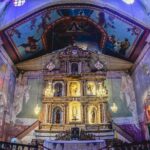
Inside the Basilica Minore del Santo Niño de Cebu, the guide focuses on the building, religious artwork, and the significance of the Santo Niño statue. This is one of the oldest churches in the Philippines, and the visit is important even for people who are not religious. It shows how faith, local identity, and Cebu’s past are closely linked.
A respectful approach matters here. This is an active place of worship, not only a sightseeing stop. The 30-minute visit gives you a focused look, but services or church activity may affect how freely you can move around.
Magellan’s Cross receives only 15 minutes, so think of it as a brief historical stop. The cross is linked to the arrival of Christianity in the Philippines and Ferdinand Magellan’s landing. The guide can explain its meaning and legacy, but you will not have much time for a long discussion.
Together, these four stops give you the core story of old Cebu: military defense, pre-colonial culture, Spanish influence, and continuing religious practice. I like this sequence because it moves beyond a simple list of famous landmarks.
The Taoist Temple adds a quiet hillside break
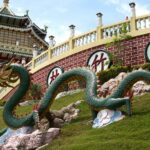
The Taoist Temple changes the mood. Instead of forts, relics, and church interiors, you visit a hilltop site with ornate arches, carved details, dragon motifs, and views over Cebu City. The 30-minute guided visit introduces Taoist beliefs, rituals, and practices.
This stop is valuable because it broadens the day beyond the city’s Spanish and Catholic history. You get a look at another religious tradition and a different architectural style. The hillside setting also gives your eyes a break from museums and historic buildings.
The temple is not just a photo stop. Listen to the guide’s explanation of customs and religious meaning, and keep the setting calm and respectful. The city view is part of the appeal, but the site’s purpose is spiritual as well as scenic.
Museo Sugbo may be the tour’s biggest variable
Museo Sugbo is intended to add another chapter to Cebu’s story, from pre-colonial times through the Spanish era and later periods. Its displays include artifacts and material connected with local traditions. The planned visit is about 20 minutes.
There is an important catch: the museum is currently undergoing renovations and may close. That means you should treat this as a possible stop, not a guaranteed one. Ask Cebu Southern Tours about its status close to your travel date.
If it is open, 20 minutes will provide only a quick look. Still, the museum can help tie together ideas introduced at the National Museum and the historic churches. If it is closed, the tour loses one of its more useful cultural stops, so confirmation is worth your time.


Chixboy combines lunch with a Cebu skyline
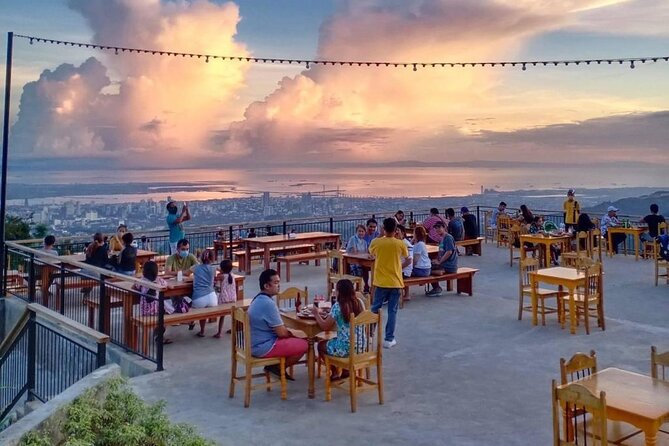
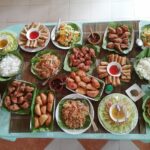
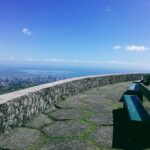
The mountain portion begins to feel different at Chixboy in Busay. The restaurant sits above the city and offers a wide view of the Cebu skyline. After several compact historic stops, this is the place to pause, eat, and take in the setting.
Lunch is complimentary up to a total value of 500 pesos per person. If you order beyond that amount, you pay the difference. That limit is reasonable for a meal credit, but you should remember that the included amount is not an unlimited menu allowance.
You have about 45 minutes here. That is enough for lunch and photos, though not a leisurely restaurant visit. I like the way this stop combines food with geography. You are not simply eating between attractions. You are seeing how Cebu City spreads below the mountain roads.
The tour description calls the meal delectable, but food preferences vary, and the supplied details do not specify the exact dishes. Consider the lunch a convenient included benefit with a view, not the sole reason to book the tour.
Sirao Flower Garden brings color to the final stop
Sirao Pictoral Garden, also called Sirao Flower Garden, closes the day with a very different setting. You walk among celosia flowers and other planted displays, with time for photographs and an explanation of the garden’s background.
The visit lasts about 30 minutes. That is enough for a quick circuit and pictures, but you may want more time if flower gardens are a main interest. The stop is designed for visual appeal, so bring a phone or camera if you enjoy taking photos.
This final visit also helps explain why the tour is not only a history program. You move from colonial fortifications and religious sites to a mountain restaurant and a flower garden. The variety is the point, though the tradeoff is that no single subject receives extended treatment.
What the private format changes
A private tour is especially useful here because the route includes several areas with different purposes. Your group can ask questions about church customs, museum objects, Taoist practice, or the garden without competing with a large coach group.
The private vehicle also removes the work of connecting the stops. The tour offers pickup, is near public transportation, and provides a mobile ticket. Most people can take part, according to the supplied details, but the day includes walking through forts, museums, churches, temple grounds, and a garden. Anyone concerned about mobility should ask the operator for current details before booking.
Group discounts may improve the value for families or small parties. At $80 per person, the calculation becomes more attractive when you share a private vehicle and guide with several people in your own group.
The schedule has real limits
Nine stops sound impressive, but the timing is tight. The listed visits add up to about four hours, leaving the remaining time for traffic, pickup, meals, and the climb toward Busay. That is normal for a city tour, but you should not expect long, unhurried museum sessions.
The 6 to 8-hour estimate is sensible because Cebu road conditions can change the day. Keep your plans afterward flexible. If a museum is closed, the guide may have to adjust the route, and weather can affect the mountain portion.
The weather policy is simple: if poor weather cancels the tour, you can receive a different date or a full refund. You can also cancel for a full refund up to 24 hours before the start time. Changes or cancellations inside that 24-hour window are not refunded, based on local time.
Who should book this experience?
I would recommend it most strongly to first-time Cebu visitors who want a guided overview in one day. It suits you if you value history but also want food, a city view, a mountain stop, and colorful garden photos.
It is also a good fit for a small private group that does not want to negotiate several taxi rides. The guide’s role adds value at the forts, museums, and churches, where a few clear explanations can make a short visit much more useful.
I would be more cautious if you want a slow cultural trip. The short stop times may frustrate you at the Basilica Museum, National Museum, or Museo Sugbo. Art specialists, serious history fans, and visitors who already know Cebu may prefer to choose two or three sites and spend longer at each.
Also check the museum conditions before booking. Monday closure at the National Museum and possible renovation closures at Museo Sugbo can change the balance of the day.
Should you book the Cebu food, history, and mountain tour?
Book it if your priority is breadth and ease. For $80 per person, you receive private transport, a certified guide, admissions at the planned stops, lunch credit, and a route that covers both central Cebu and the Busay hills. The strongest benefit is the range: one day gives you a fort, museums, churches, a Taoist temple, a skyline meal, and a flower garden.
Skip it if you want long museum visits or a relaxed meal. Before booking, confirm the National Museum schedule, ask about Museo Sugbo’s renovation status, and check what is included in the Chixboy meal beyond the 500-peso allowance. With those points clear, this is a practical first-day introduction to Cebu City and its surrounding hills.
FAQ
What time does the tour start?
The tour starts at 9:00 a.m.
How long does the tour last?
The experience lasts approximately six to eight hours.
Is this a private tour?
Yes. Only your group participates in the private tour or activity.
Is lunch included?
Lunch at Chixboy is included up to a total value of 500 pesos per person. Any amount beyond that limit is charged to you.
Is the National Museum open every day?
No. The National Museum of the Philippines, Cebu Branch, is closed every Monday.
Can I cancel for a full refund?
Yes. You can cancel at least 24 hours before the experience start time for a full refund. Cancellations or changes made less than 24 hours in advance are not refunded, and poor-weather cancellations offer a different date or a full refund.
More Historical Tours in Cebu
More Tours in Cebu

More Tour Reviews in Cebu
Not for you? Here's more nearby things to do in Cebu we have reviewed



Food Tours: how the alternatives stack up
The lists this tour appears in