
Cebu City: Walking Tour
Cebu’s old center rewards curious walkers. This small-group tour brings together the National Museum, Fort San Pedro, ancestral houses, churches, markets, and local food, giving you a useful first look at the city rather than a quick photo stop at one landmark. I especially like the mix of Spanish-era sites and everyday Cebu life, and I like that guide Chris brings history to life with warmth, humor, and plenty of local context. The main consideration is the walking: you cover about 3 to 4 kilometers, and some visitors may prefer the shorter one to two-hour option.
You begin at the National Museum of the Philippines in Cebu for the daytime departures, while evening tours start near Magellan’s Cross. The route can change with the time of day, and the full walk lasts about three hours. You should also budget extra cash for Fort San Pedro, food or drinks, possible jeepney transport, and Casa Gorordo Museum if it is included in your selected route.
In This Review
- Key Points Before You Book
- A Good First Walk Through Cebu’s Old Center
- Starting at the National Museum of the Philippines in Cebu
- Fort San Pedro and the Spanish Chapter
- Heritage of Cebu Monument and the City’s Shared Story
- Magellan’s Cross and Santo Niño Church
- Yap-San Diego Ancestral House and Casa Gorordo
- Carbon Night Market, Sugbo Mercado, and City Views
- How Much the Cebu Walking Tour Really Costs
- Walking Conditions, Clothing, and Meeting Details
- Who Will Get the Most from This Walk?
- Should You Book the Cebu City Walking Tour?
- FAQ
- How much does the Cebu City walking tour cost?
- How long does the tour last?
- How far do you walk?
- Where does the daytime tour meet?
- What time do daytime tours start?
- Where does the evening tour meet?
- What language does the guide speak?
- What attractions are included?
- What extra fees should I prepare for?
- What should I wear?
Key Points Before You Book
- Cebu’s main historic sights fit into one walk: Visit the National Museum, Heritage of Cebu Monument, Magellan’s Cross, Santo Niño Church, and Fort San Pedro.
- Guide Chris is a major part of the experience: His friendly, generous style and strong local knowledge have earned especially warm praise.
- The tour mixes grand history with ordinary city life: You may move from a Spanish fortress to an ancestral home, then on to a food market or city viewpoint.
- There are daytime and evening versions: Day tours begin at the National Museum at 9:30 or 14:30, while evening tours meet at 19:30 near Magellan’s Cross.
- Expect a real walk, not a bus tour: The route covers 3 to 4 kilometers, with a shorter option for families or anyone who tires easily.
A Good First Walk Through Cebu’s Old Center
Cebu can feel confusing when you first arrive. The city spreads widely, traffic is heavy in places, and its story is spread across churches, forts, museums, old houses, markets, and streets that still serve daily life. This tour helps you connect those pieces on foot.
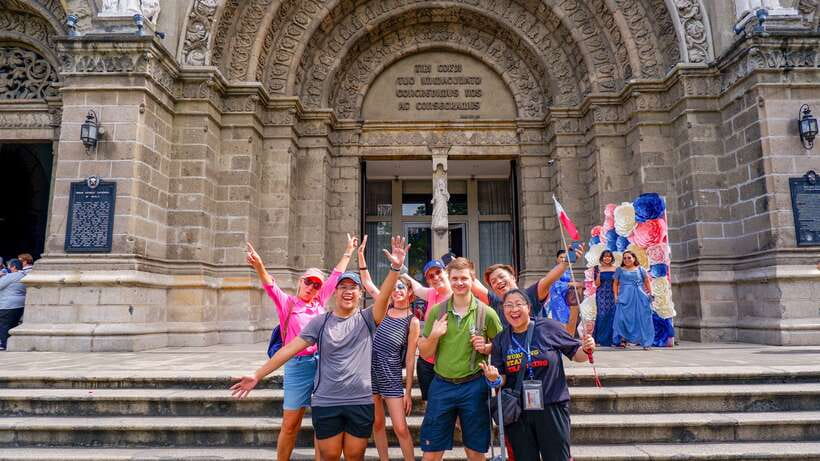
I like the small-group size, limited to 10 people. That is enough for conversation without turning the walk into a large parade. You can ask questions, keep a reasonable pace, and hear the guide more easily than you would in a big group.
The guide is Chris, who leads in English and Tagalog. His approach matters here. Cebu’s history includes precolonial life, Spanish rule, trade, religion, American influence, and modern city culture. A good guide can explain those layers without making the walk feel like a lecture. Chris is praised for being friendly, generous, charismatic, and fun, which suggests that the personal side of the tour is one of its strongest features.
The full walk takes around three hours, but you can arrange to do only half, lasting roughly one to two hours. Tell the guide beforehand if you need the shorter version. Families can join, though children may need to stop early depending on their stamina.
You can also read our reviews of more tours and experiences in Cebu City.


Starting at the National Museum of the Philippines in Cebu
The daytime meeting point is inside the National Museum of the Philippines in Cebu, beside Plaza Independencia. The available daytime starting times are 9:30 and 14:30. Go inside and sit near the Museum Shop, where the guide will look for you.
This is a sensible starting point because the museum gives you background before the outdoor sights begin. You can learn about the Philippines before the Spanish period and get a wider frame for Cebu’s place in the country’s story. The museum visit is included, and there is no admission charge listed for it.
I like starting indoors, especially in the heat of the day. It gives you a calm first stop before the walking begins. The afternoon departure may also suit you if you prefer a slower morning, while the morning departure leaves more time for other plans later.
The museum is not the only opening option. Evening tours start at 19:30 inside the McDonald’s near Magellan’s Cross. That schedule points to a different kind of outing, with more attention to food, markets, and night views than to a full museum visit.
Fort San Pedro and the Spanish Chapter
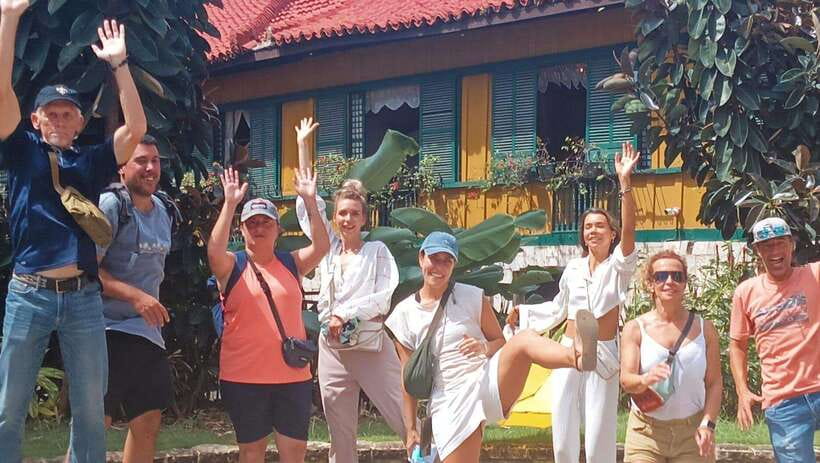
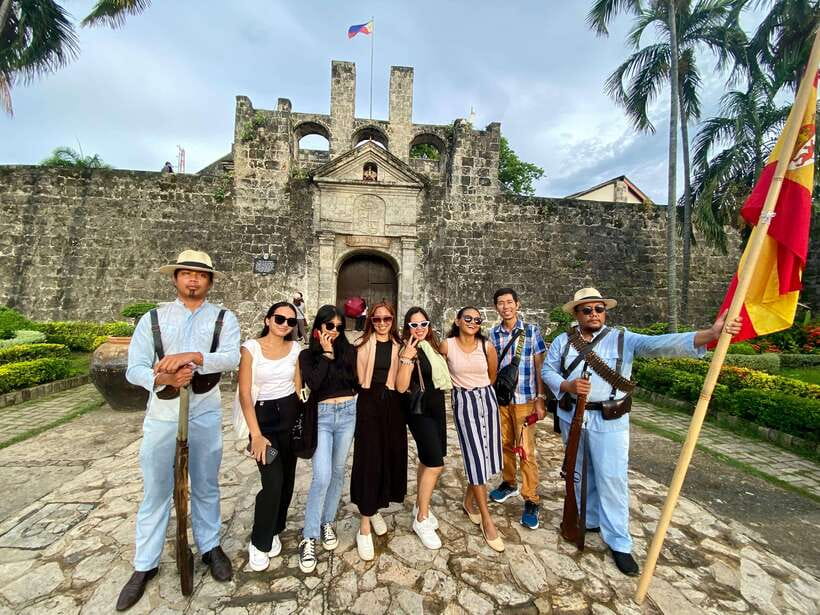
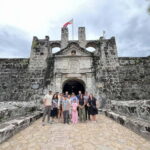
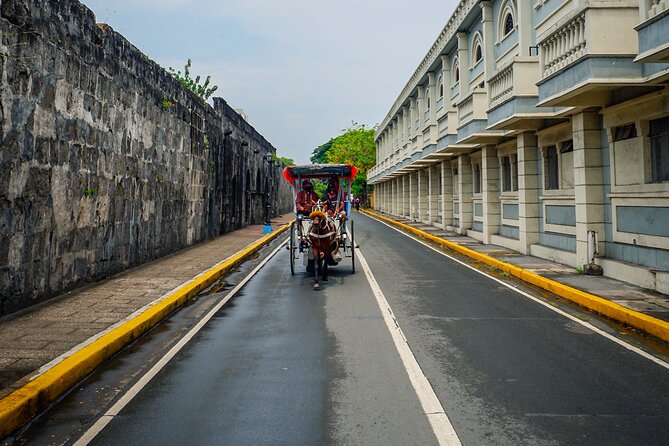
Fort San Pedro is one of the clearest reminders of Cebu’s Spanish period. This old stone fortress gives you a sense of how the city was defended and organized during colonial rule. The compact setting makes the history easier to picture than it might be from a textbook.
Admission costs PHP 30, paid in cash. That fee is not included in the tour price, so keep small Philippine notes or coins handy.
I find forts most useful when the guide explains what happened around them, not just when you walk along the walls. Ask Chris about the fort’s role in Cebu’s development and how it connects with the nearby plaza and religious sites. The supplied information does not promise a fixed order for every stop, so the exact timing may depend on the departure and group pace.
The practical warning is simple: you will be walking outdoors between stops. Bring water and wear proper walking shoes. Slippers are not allowed under the stated dress requirements, and the tour already asks for a moderate level of fitness.
Heritage of Cebu Monument and the City’s Shared Story
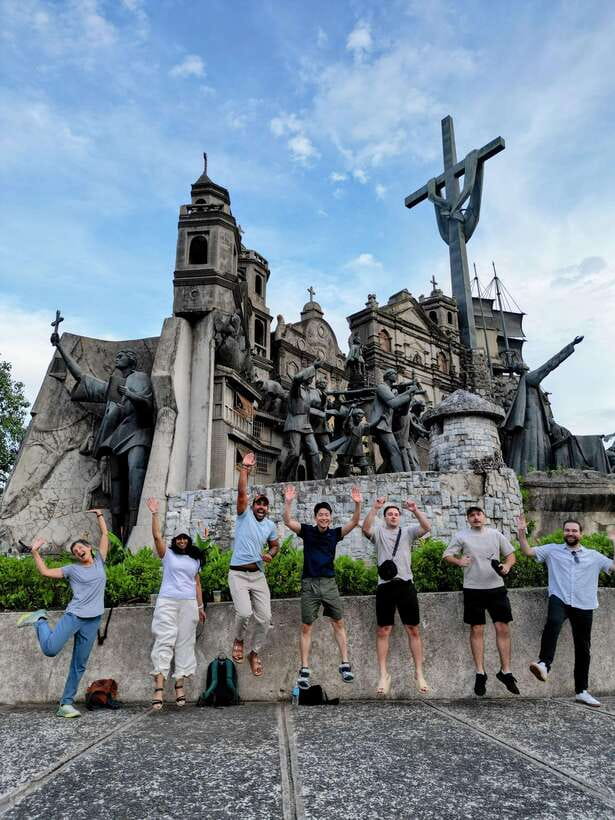
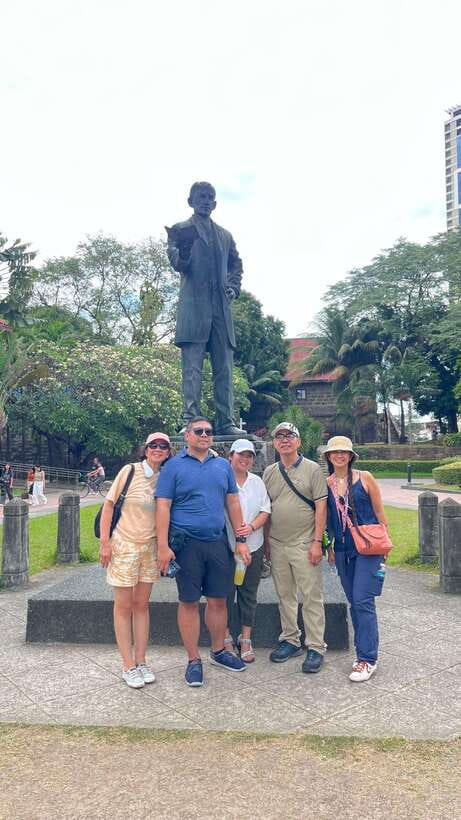
The Heritage of Cebu Monument is included and free. It presents important parts of Cebu’s past in one public artwork, making it a useful stop when you want a quick visual introduction to the city.
This kind of monument works best with explanation. Without context, you may see an impressive collection of figures and scenes but miss how the pieces fit together. Chris can help turn it into a readable story, linking Cebu’s early communities, religious history, and colonial period.
The monument also helps balance the museum and fort. Instead of seeing Cebu’s past only through formal institutions, you encounter it in a public place surrounded by the working city. That is one reason I prefer this walking format to a route made up only of indoor attractions.
Magellan’s Cross and Santo Niño Church
Magellan’s Cross is one of Cebu’s best-known religious landmarks, and admission is free. The stop invites you to think about the first Spanish expedition and the arrival of Christianity in the Philippines. The tour description also asks you to picture Filipino life before that moment, which is an important reminder that Cebu’s story did not begin with European contact.
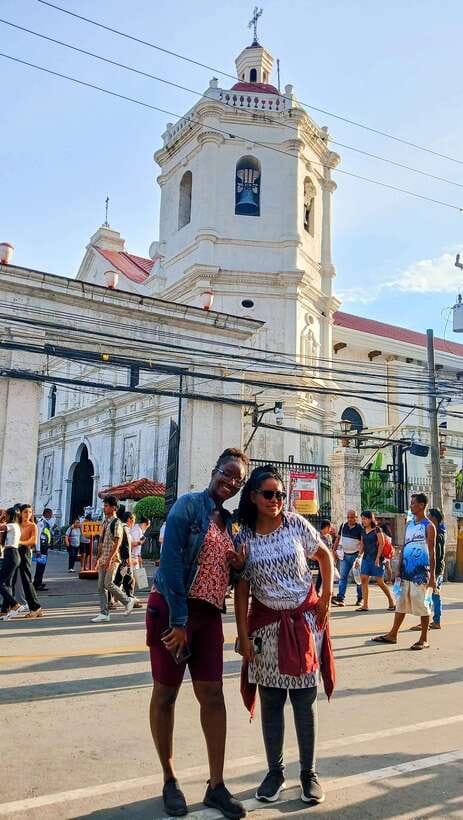
Santo Niño Church adds another layer. Together, the cross and church show how religion became central to Cebu’s identity. You can expect a short visit rather than a long private ceremony or formal service experience. The value comes from seeing these places in context and hearing how the guide connects them.
Dress carefully. The stated requirements say no shorts, no clothing above the knee, and no slippers. A shawl for covering is not accepted, so do not rely on bringing one as a workaround. Choose clothing that already meets the rules before you arrive.
The evening meeting point at McDonald’s near Magellan’s Cross is practical if you are joining the 19:30 walk. The guide waits inside, near the entrance or counter area, wearing eyeglasses and blue and white rubber shoes and holding a paper. Those details make the meeting easier in a busy area.



Yap-San Diego Ancestral House and Casa Gorordo

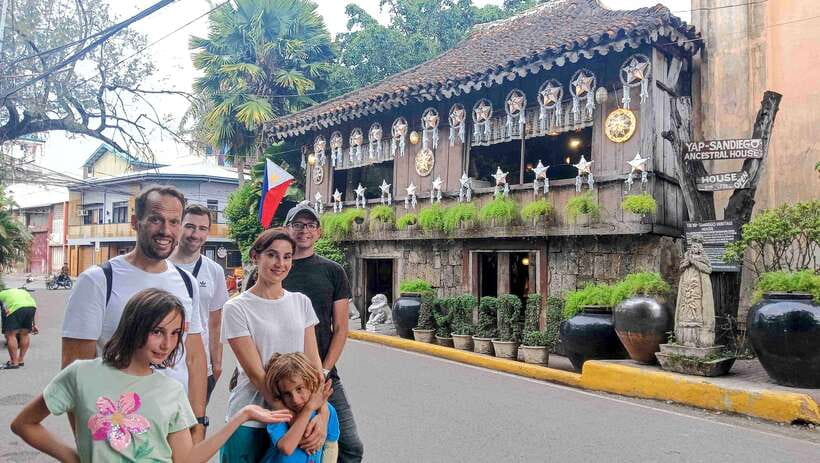
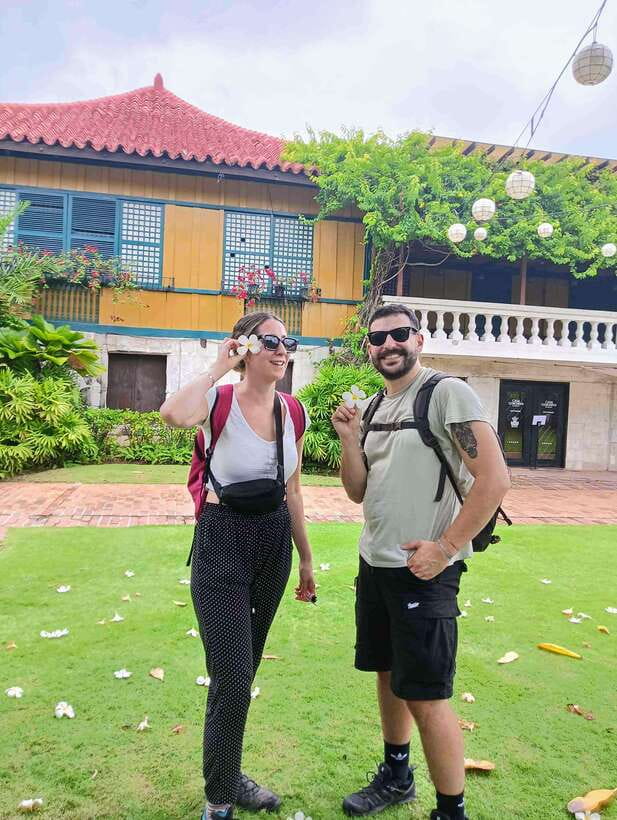
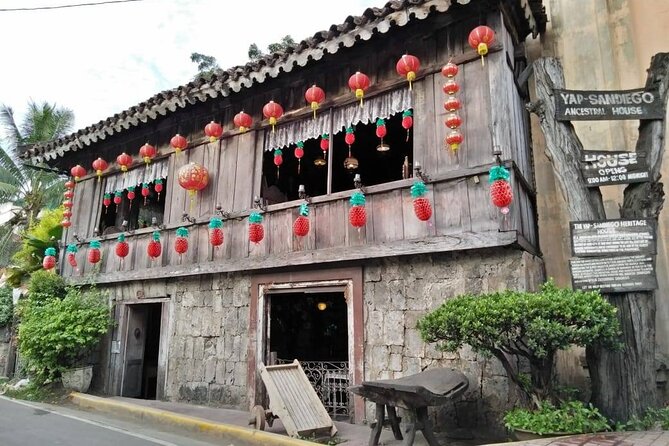
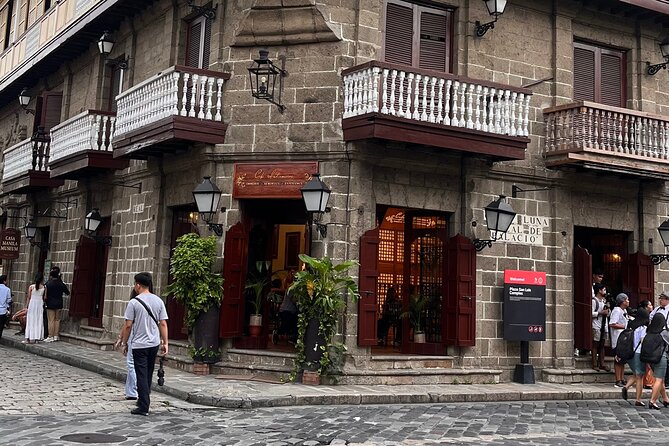
The Yap-San Diego Ancestral House offers a look at an old Filipino home dating to the 1600s. This is a different kind of historic experience from the fort or church. Instead of focusing on military power or public worship, it helps you imagine domestic life, family traditions, household objects, and the way people lived inside an older Cebu home.
I value this stop because houses often explain social history in a more human way. You can picture daily routines and family life rather than only dates and political events. The information provided does not list an admission fee for the Yap-San Diego house, so confirm the exact route and any current charge when booking.
Casa Gorordo Museum may also be part of the route, with an admission fee of PHP 150 in cash. Because different starting times can include different places, ask ahead if you particularly want this museum. The extra fee may be worthwhile for anyone who wants more time with Cebu’s domestic and cultural history, but it raises the total cost beyond the advertised tour price.
Carbon Night Market, Sugbo Mercado, and City Views
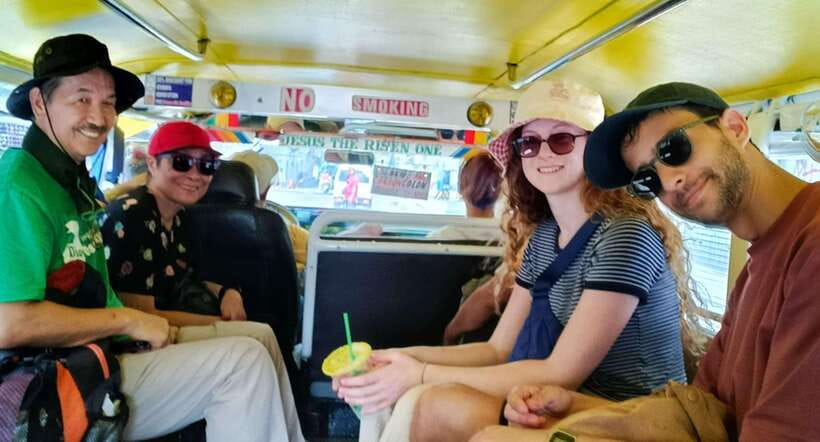
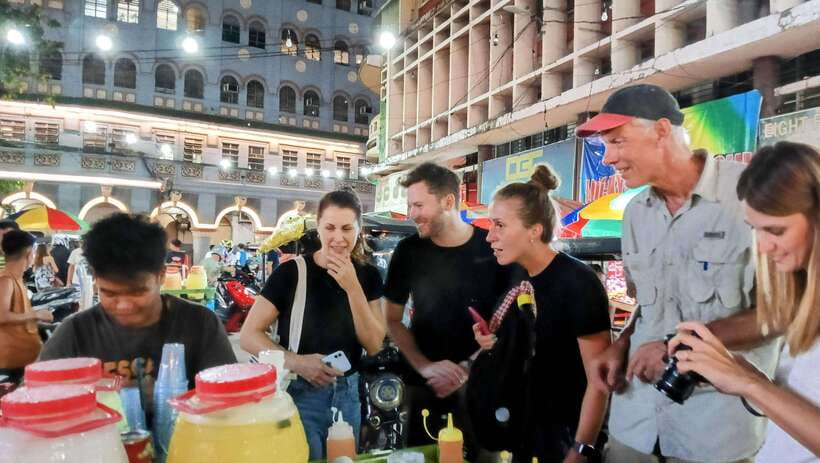
The evening version gives the walk a different mood. It may include Carbon Night Market, Sugbo Mercado, and a rooftop city view. These places shift the focus from the official past to the city as it is now.
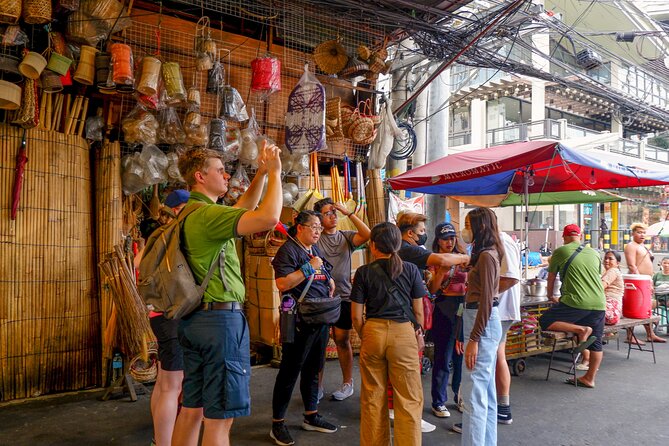
Food is not included, but you may spend about PHP 250 on refreshments or tasting. The guide can help you try local food as you walk, which is one of the most enjoyable details of the experience. You are not simply looking at a market from the edge. You have a chance to connect food with local habits and daily life.
Carbon Night Market and Sugbo Mercado are also useful for seeing how Cebu’s public life continues after the historic sites close. The city view from a roof deck gives you a broader look at the urban setting after the close-up walk through old streets.
The evening tour is not necessarily a complete substitute for the daytime museum route. Different times include different places, so choose based on your priority. Pick the daytime departure for museum and heritage context. Pick the evening departure for food, markets, and a night-time view, while asking what sights are planned for that date.
How Much the Cebu Walking Tour Really Costs
The tour costs $18 per person. That is a fair price for a small-group walk with a live guide, several included attractions, and the chance to sample local food with help from someone who knows the city.
Still, the final cash cost can rise. Plan for:
- PHP 30 for Fort San Pedro
- PHP 15 for jeepney transport if used
- PHP 150 for Casa Gorordo Museum if included
- About PHP 250 for drinks, refreshments, or food tasting
- Around PHP 250 to PHP 500 in additional cash costs overall, depending on the route and purchases
The value is strongest if you want orientation and explanation rather than a simple list of landmarks. You could visit some of the free sites on your own, but you would need to plan the route and supply the historical connections yourself. The small group and personal guidance make the $18 easier to justify.
The tour also allows reservation with payment later, and cancellation is free up to 24 hours before the activity for a full refund. Those terms help if your Cebu plans are still shifting.
Walking Conditions, Clothing, and Meeting Details
The route covers 3 to 4 kilometers, so this is not a token stroll between nearby doors. You need moderate fitness and the ability to walk through the city at the group’s pace. The description notes that walking time varies according to stamina and pace.
Wear comfortable, secure shoes. Slippers are not allowed, and the clothing rules for the churches and heritage sites are strict: no shorts and no clothing above the knee. Plan your outfit before leaving your hotel rather than hoping you can borrow something at the site.
Daytime visitors meet inside the National Museum beside Plaza Independencia. Evening visitors meet inside the McDonald’s near Magellan’s Cross at 19:30. The guide’s eyeglasses, blue and white rubber shoes, and paper make identification easier.
The activity ends back at the meeting point. That is useful if you want to leave a bag or plan your next stop from a familiar location, though the supplied details do not say that luggage storage is available, so do not assume it.
Who Will Get the Most from This Walk?
I would choose this tour for a first visit to Cebu, especially if you want history explained in plain language and you enjoy walking through real city streets. It suits solo visitors, couples, families with older children, and anyone who prefers a small group to a large guided coach tour.
It is also a good fit if food matters to you. The guide can help you try refreshments and local dishes, though you pay for them separately. That small tasting element gives the historic walk a more personal finish.
I would think twice if you dislike heat, city walking, or changing plans. The route is several kilometers, some stops may differ by departure time, and the full experience can take about three hours. Families with young children may prefer the shorter one to two-hour version.
Should You Book the Cebu City Walking Tour?
Book it if you want a friendly introduction to Cebu that combines museums, churches, a fortress, old homes, public monuments, markets, and food. The strongest reason to go is Chris, whose warm and engaging manner appears to make the history easier to follow and the city more enjoyable to explore.
Choose the daytime walk for the National Museum and a stronger historical focus. Choose the evening walk for markets, food, and city views. Bring cash, wear suitable clothes and shoes, and tell the guide in advance if you want the shorter route. For $18, this is good value for an active visitor who wants more than a checklist of Cebu sights.
FAQ
How much does the Cebu City walking tour cost?
The price is $18 per person.
How long does the tour last?
The full walk takes about three hours. You can arrange a shorter version lasting about one to two hours by telling the guide beforehand.
How far do you walk?
The tour covers approximately 3 to 4 kilometers and requires a moderate level of fitness.
Where does the daytime tour meet?
Daytime tours meet inside the National Museum of the Philippines in Cebu, beside Plaza Independencia. Sit near the Museum Shop.
What time do daytime tours start?
The listed daytime starting times are 9:30 and 14:30. Check availability for the date you want.
Where does the evening tour meet?
Evening tours meet at 19:30 inside the McDonald’s near Magellan’s Cross. The guide waits near the entrance or counter area.
What language does the guide speak?
The live guide speaks English and Tagalog.
What attractions are included?
The included attractions are the Heritage of Cebu Monument, National Museum of the Philippines in Cebu, Magellan’s Cross, and Santo Niño Church. The walking tour and guide are also included.
What extra fees should I prepare for?
Bring cash for PHP 30 at Fort San Pedro, PHP 15 for jeepney transport if used, PHP 150 for Casa Gorordo Museum if included, and about PHP 250 for food or drink tasting. The estimated additional total is PHP 250 to PHP 500.
What should I wear?
Shorts, clothing above the knee, and slippers are not allowed. Wear proper walking shoes and clothing that meets the site requirements. A shawl for covering is also not accepted.
More Tours in Cebu City
More Tour Reviews in Cebu City
Not for you? Here's more nearby things to do in Cebu City we have reviewed
Walking Tours: how the alternatives stack up

The lists this tour appears in