
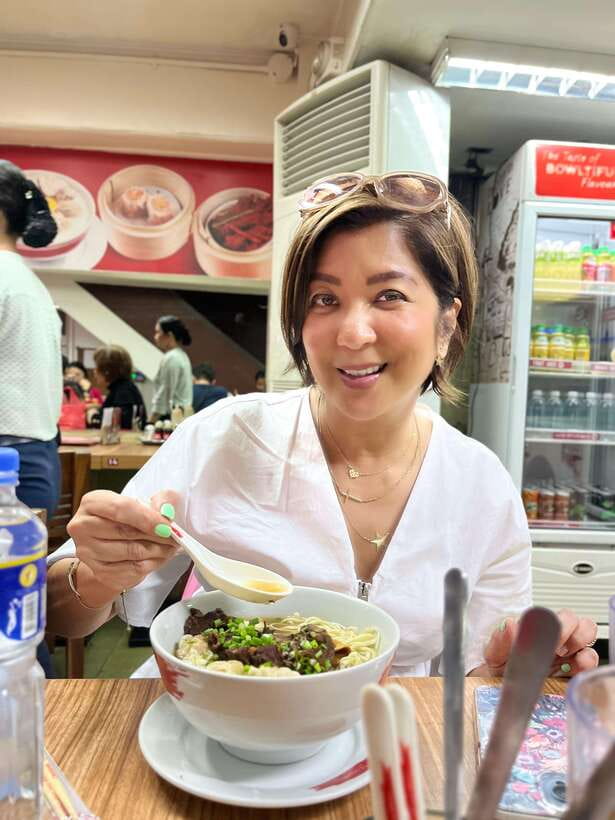
Manila Chinatown Food Tour with Local Guide
Come hungry, leave curious. This two-hour walk through Binondo brings together Chinese food, Filipino-Chinese culture, old Manila landmarks, and local transportation in one compact experience. I like the mix of history and eating, and I like that the tour reaches small local food shops instead of treating Chinatown as a quick photo stop.
The guides are another strong point. Mari is praised for her energy, care, and good relationships with vendors, while Tessie is noted for clear historical explanations and an unhurried pace. The main caution is practical: parts of the walk can move quickly in the heat, and the tour is not suitable for wheelchair users, vegans, or vegetarians.
In This Review
- Key points before you book
- Why Binondo makes such a good food walk
- Meeting Mari inside the café
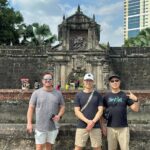
- Old buildings and the story of Chinese Manila
- Tasting Chinese dishes from local shops
- Ongpin, Quiapo, and the wider route
- The local transport ride
- What the guides do well
- Is $68 a fair price?
- Practical advice for a smoother outing
- Who should book this Binondo food tour?
- FAQ
- Where does the tour take place?
- How long does the tour last?
- What languages does the guide speak?
- Where is the meeting point?
- Is food included?
- Does the tour include local transportation?
- Can children join?
- Can I cancel for a refund?
- Should you book it?
Key points before you book
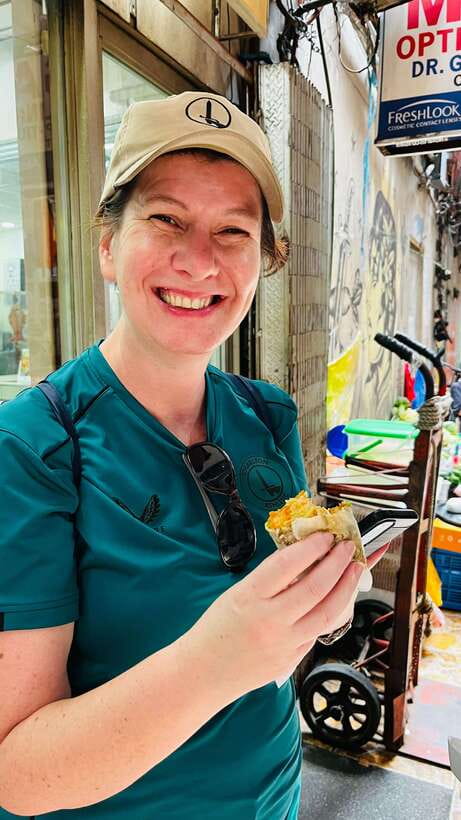
- Eight food stops may be possible: One reported route visited eight restaurants, giving you a broad taste of Binondo rather than a single meal.
- Mari is a popular guide: She is described as energetic, attentive, and protective of the group, with strong ties to local food sellers.
- You may ride a local sidecar taxi: The tour includes local transportation, with one memorable ride described as a motorbike with a sidecar.
- The route can reach Ongpin and Quiapo: This adds more than food, showing how Chinese and Filipino life meet across nearby Manila districts.
- Bring an appetite: The tasting menu can be substantial, with sweet, savory, and spicy Chinese dishes.
- The address needs checking: The experience is described as a Binondo tour in Manila, but the location field says Nueva Vizcaya. Confirm the meeting location before paying.
Why Binondo makes such a good food walk
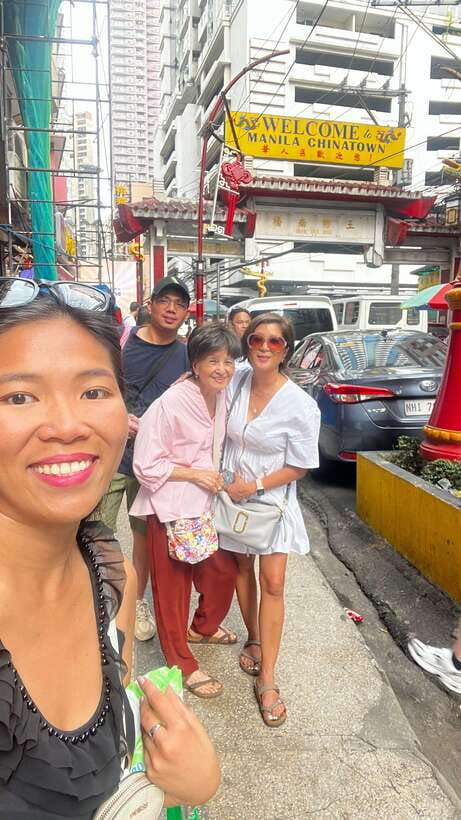
Manila’s Chinatown, called Binondo, is presented as the oldest Chinatown in the world. That claim gives the district a strong historical identity, but the real pleasure is seeing history used as part of daily life. Narrow streets, food shops, markets, old buildings, and religious and cultural landmarks sit close together.
You are not simply walking from one restaurant to another. The food helps explain the district. Chinese cooking traditions have shaped Filipino food for generations, and Binondo is one of the clearest places to see that connection. A dish may feel recognizably Chinese, distinctly Filipino, or somewhere in between.
The tour lasts two hours, so it works best as a focused introduction rather than a full study of Manila. You get a taste of the area, some context, and a useful first look at streets you may want to revisit on your own.
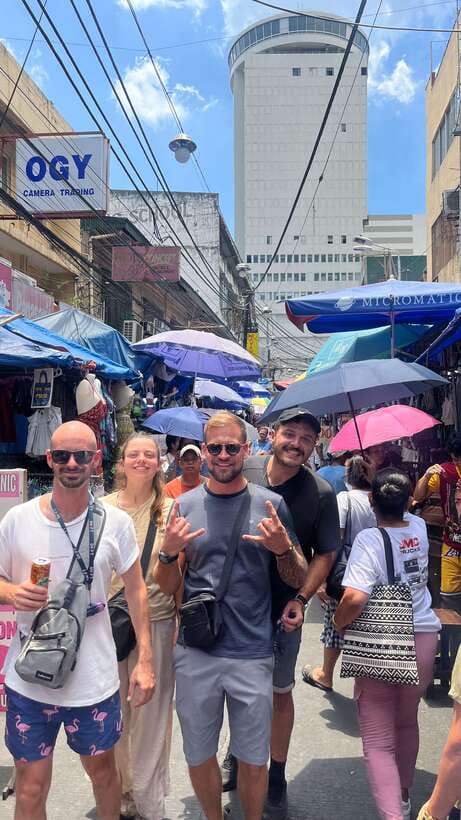
I especially like the balance between planned sightseeing and ordinary street life. The tour includes historical landmarks and older buildings, but it also leaves room for the sounds, traffic, vendors, and busy movement that make Binondo feel like a working district rather than a museum.
You can also read our reviews of more guided tours in Manila

Meeting Mari inside the café
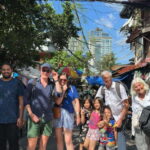
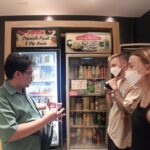
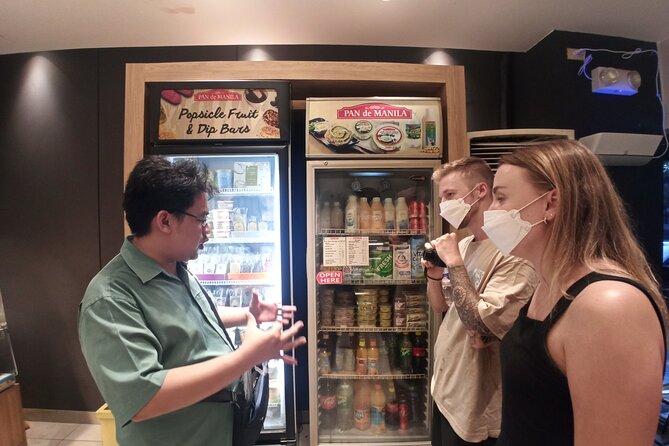
The meeting point is inside a café. When you arrive, ask the receptionist to look for Mari. That detail matters because a café meeting point can be easy to miss in a crowded part of Manila. I would arrive early enough to find the café without rushing, especially if this is your first visit to Binondo.
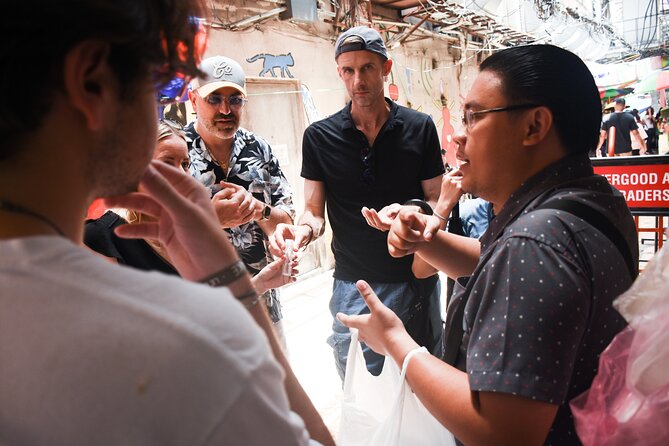
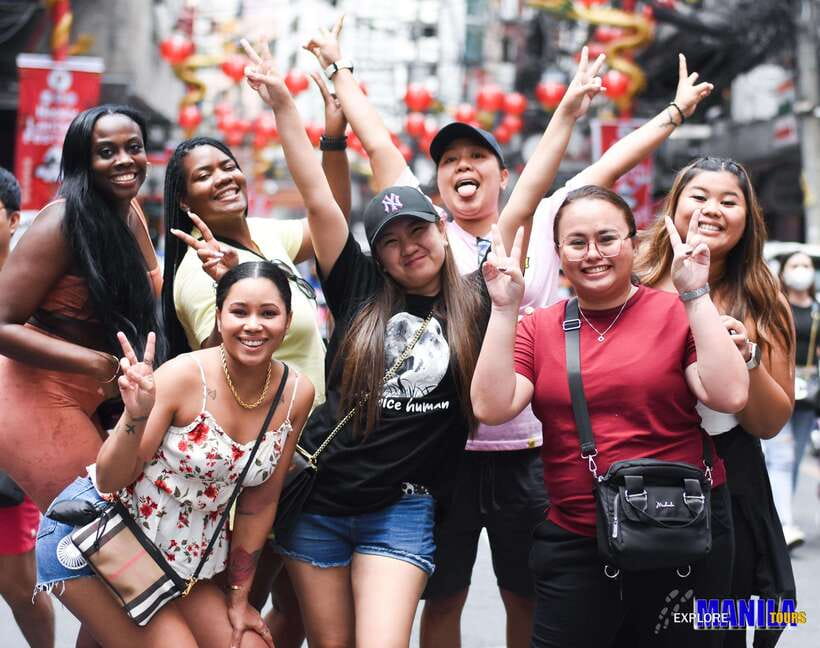
Mari is the guide most often named in the feedback, and her style seems to be a major reason the tour works. She is described as energetic, entertaining, and attentive to the group. She also makes a point of keeping people safe, which is useful in a district with narrow streets, traffic, and plenty of activity.
Tessie is another named guide. Her strength is a calmer approach, with clear explanations of local history and no pressure to hurry through the stops. Since guiding styles can differ, you should be ready for an upbeat experience with Mari or a more measured one with Tessie.
English and Tagalog are available. You should also bring questions. The tour specifically encourages them, and a local guide can explain details that are easy to miss when you are simply passing through.
Old buildings and the story of Chinese Manila
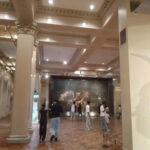
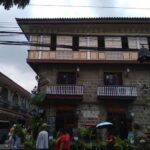
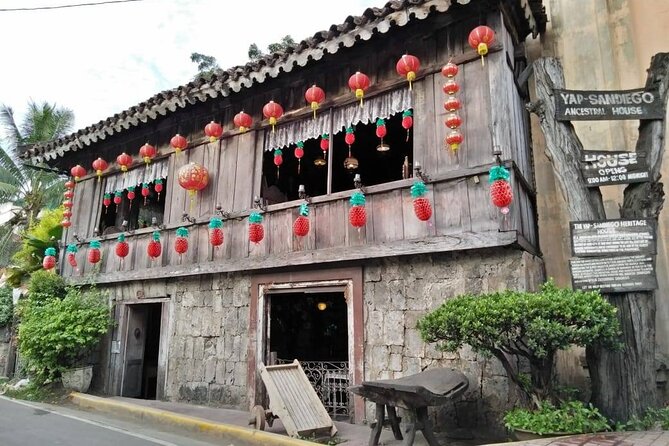
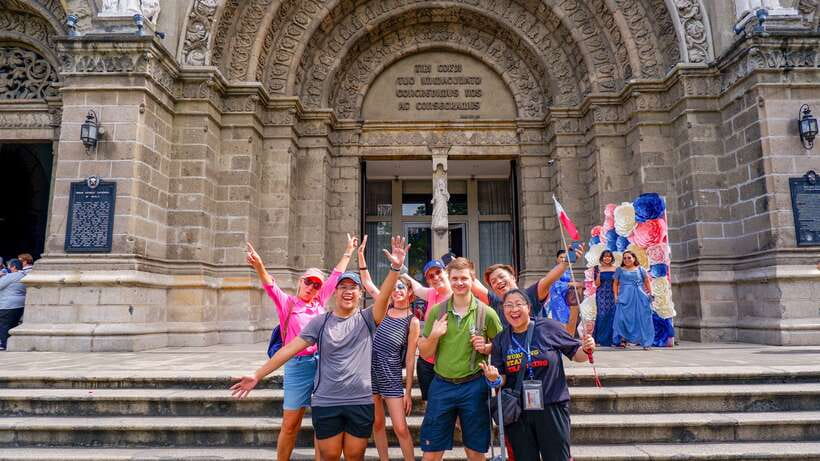
The first part of the experience connects Binondo’s food with its past. You can expect to see historical landmarks and some of the district’s oldest buildings, though the exact sequence is not fixed in the details provided.
This is valuable because Chinatown can look like a maze when you first arrive. A guide gives names and context to streets and buildings that might otherwise blend together. You begin to understand that the area is not only a food quarter. It is also a long-established community shaped by Chinese migration, trade, Manila life, and Filipino-Chinese family traditions.
The history portion is not presented as a long classroom talk. It is fitted around walking and eating. That suits the two-hour format. You get enough explanation to understand what you are seeing, then keep moving.
The tradeoff is time. Two hours does not allow for a slow examination of every landmark. If you want detailed architectural history, this will feel brief. If you want a lively introduction before exploring independently, the length is useful.
Tasting Chinese dishes from local shops
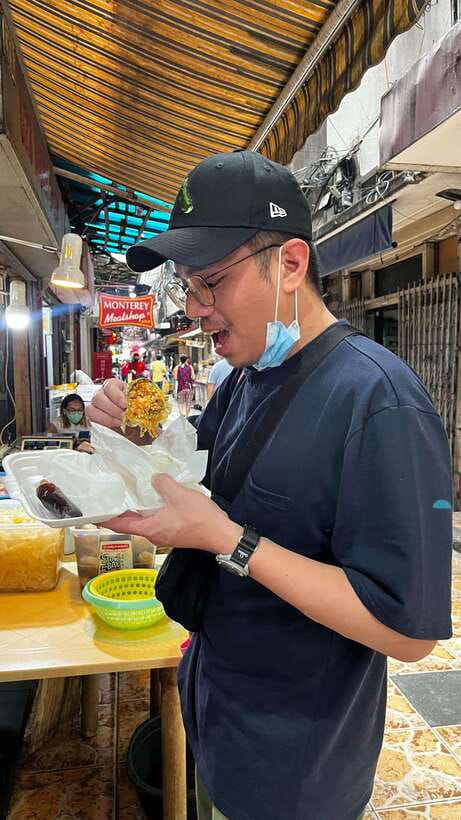
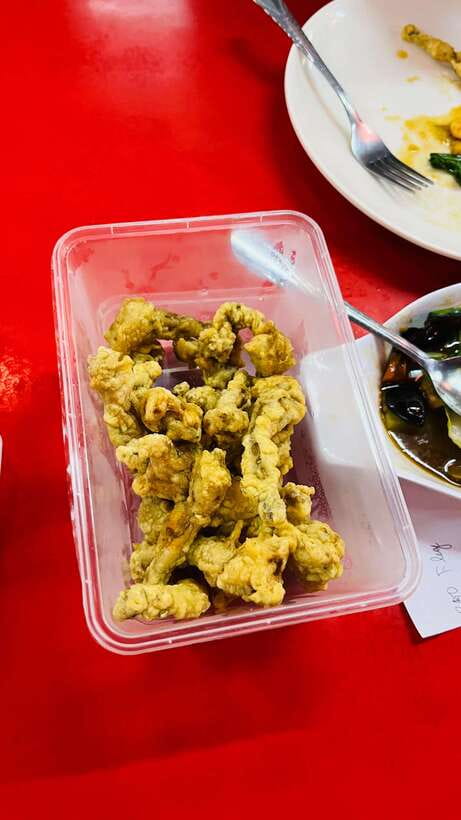
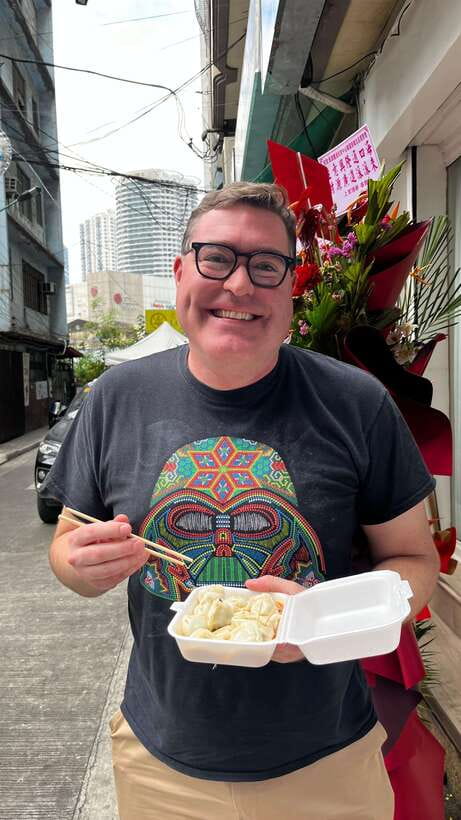
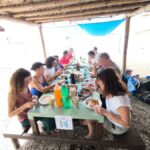
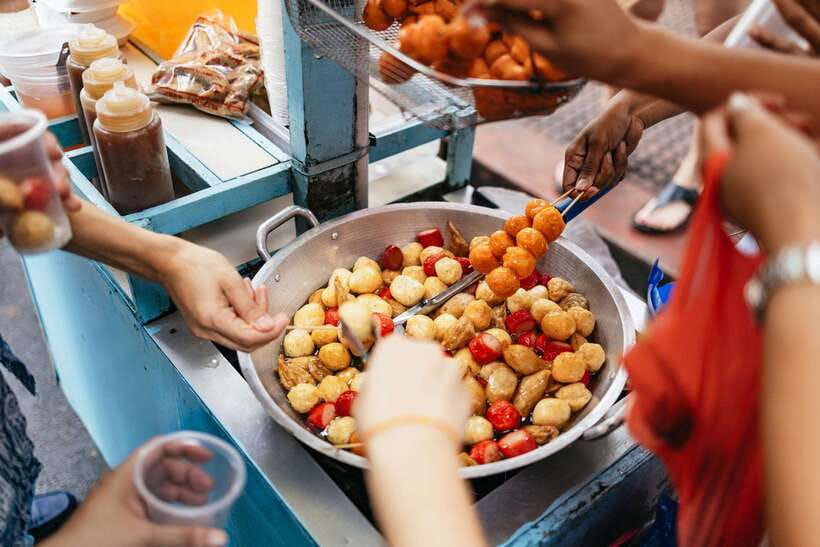
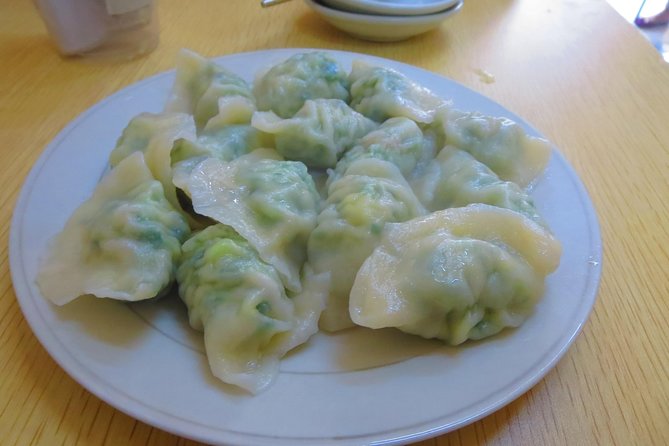
Food is the center of the tour. The experience includes Chinese street food and well-known Chinatown dishes, with flavors described as sweet, savory, and spicy. You should arrive hungry, not merely ready for a snack.
One account describes stops at eight restaurants. That gives you an idea of the possible range, though you should not assume every departure follows exactly the same route or number of stops. Even several small tastings can add up quickly, especially when they are close together.
The strength of this format is variety. Instead of ordering one large plate and hoping it suits you, you get several chances to try different styles of Chinese and Filipino-Chinese food. That makes the tour a good choice if you want guidance before choosing where to eat later.
There is also a social benefit. You are eating from places connected to local vendors, rather than only visiting polished restaurants aimed at short-term visitors. Mari is described as being well known by the food sellers, and that connection adds warmth to the experience.
Still, do not expect a formal restaurant meal. Street food and small-shop tastings can be quick and informal. Portions, dishes, and stop order may vary. If you want a sit-down lunch with time to study a menu, book a restaurant meal instead.
Ongpin, Quiapo, and the wider route
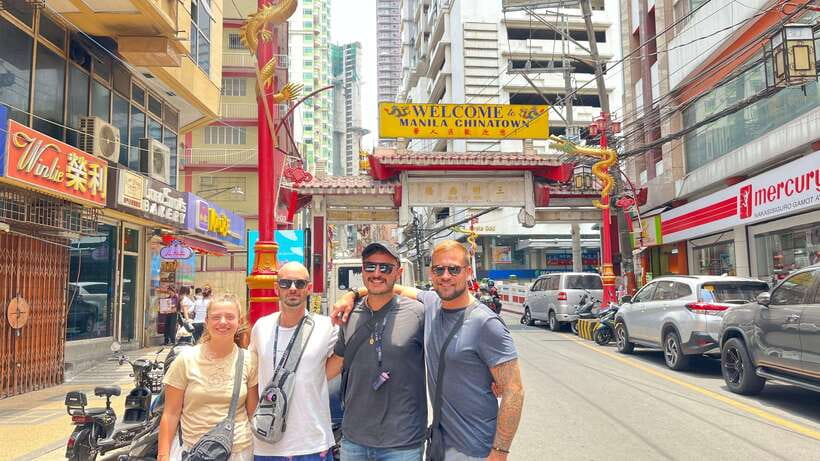
The route has included Binondo, Ongpin, and the Quiapo area. That wider reach makes the tour more useful than a tight loop around one block.
Ongpin is closely linked with Manila’s Chinese food culture, so it fits naturally into a Chinatown tasting walk. Quiapo adds another layer, showing how nearby districts connect and how quickly the feel of the streets can change.
Walking across these areas also gives you a better sense of scale. You are not viewing Binondo as an isolated attraction. You are seeing it as part of central Manila, with Chinese influence, Filipino daily life, food commerce, and local transport all sharing the same streets.
The walking pace deserves attention. One person found it cracking fast, especially in the heat. That speed may help you spend less time exposed to the sun, and it allows the group to fit in more food stops. But it could be tiring if you walk slowly, need frequent breaks, or prefer to study every street scene.
Wear comfortable shoes and expect a city walk rather than a gentle stroll. The activity is only two hours, but the combination of walking, heat, traffic, and repeated food stops can make it feel active.

The local transport ride
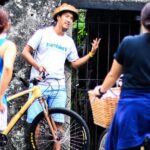
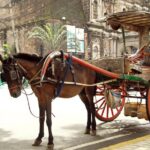
Local transportation is included, and one route used a motorbike with a sidecar. The guide jokingly compared it with a Lamborghini with air-conditioning, which gives you a good sense of the lighthearted tone.
This is a small but memorable part of the experience. You are not only hearing about local life. You are using one of the ways people move through the area. It also saves walking time and helps connect sections of the route.
The ride may be especially helpful during hot weather, though you should still expect plenty of walking. The information does not specify how long the ride lasts or whether it appears on every departure, so ask Mari or the provider if local transportation is important to your plans.
Because the tour takes place rain or shine, bring practical weather protection. The activity is designed to continue in wet conditions, not shift to an indoor backup route.
What the guides do well
The strongest part of this experience is the human element. Mari is repeatedly described as fun, energetic, and caring. She checks that people are enjoying themselves and pays attention to their safety. Her relationship with vendors also helps the food stops feel connected to the neighborhood.
That kind of guide matters in Binondo. A food tour is not just about naming dishes. You also need help understanding where to stand, how to move through crowded streets, what a vendor is selling, and how the food fits into local life.
Tessie offers a different strength. Her explanations are clear, and she does not rush the history. If you prefer more time with the cultural background, her style may suit you well.
The guide can also help with dietary questions, but the restrictions listed for the tour are important. Vegans and vegetarians should not book this experience. People with heart problems are also advised not to take part. Children aged three and older are allowed, but parents should consider the fast walking pace and the heat.
Is $68 a fair price?
At $68 per person, this is not the cheapest way to eat in Manila. You could spend far less by buying individual dishes on your own. The price needs to be judged against what is included: a local guide, several food tastings, bottled water, historical interpretation, and local transportation.
The value is strongest if you want someone else to organize the route. Binondo can be confusing at first, and a guide who knows the shops can help you spend two hours efficiently. You are paying for access, explanation, and a ready-made introduction, not only for the food itself.
The value is weaker if you already know Binondo, dislike guided walking, or want to choose every dish yourself. You may also find the pace too quick if you need a relaxed schedule.
For a first visit to Manila Chinatown, I think the cost can make sense, especially if the tour includes many tastings and the local transport ride. Treat it as a half-day introduction compressed into two hours, not as an inexpensive meal.
Practical advice for a smoother outing
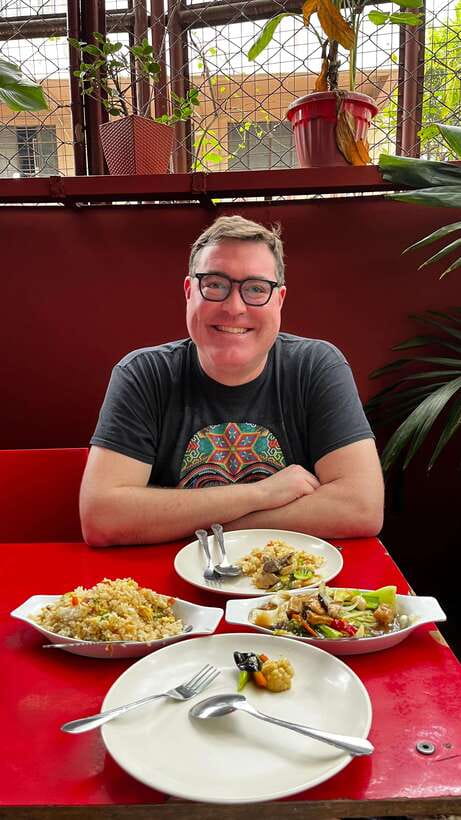
Come hungry. The food can be plentiful, and one account specifically noted that there was so much to eat. Eating a full breakfast or lunch beforehand would defeat much of the point.
Tell the provider about dietary restrictions before the tour or at the start. The experience says it can customize tours, but the standard activity is not suitable for vegans or vegetarians, so do not assume substitutions will be available.
Bring questions about the food, buildings, Chinese influence, and local life. The guide welcomes questions, and that is where a short tour can become more personal and useful.
Plan for heat and rain. The tour operates in all weather, and the fast pace may be partly intended to reduce time in the heat. Comfortable footwear is sensible, even though it is not formally listed as a requirement.
Check the location carefully. The experience is described throughout as Manila’s Binondo Chinatown, yet the location field identifies Nueva Vizcaya. Those are not interchangeable meeting areas. Confirm the café address, start time, and exact city before booking.
You can cancel up to 24 hours in advance for a full refund, and the reserve-now, pay-later option keeps your plans flexible. The information also advises booking within 24 hours, so confirm availability close to your chosen date.
Who should book this Binondo food tour?
I would recommend it to first-time visitors who want a quick, guided introduction to Manila’s Chinese-Filipino food culture. It suits people who enjoy trying several small dishes, walking through busy streets, and asking questions along the way.
It is also a good fit if you want more than a restaurant meal. The old buildings, local vendors, district history, and sidecar ride give the experience a wider purpose.
I would hesitate if you need wheelchair access, walk slowly, avoid meat and animal products, or dislike eating on a moving schedule. The same is true if you want a quiet, formal meal rather than street food and small local shops.
FAQ
Where does the tour take place?
The experience is described as a tour of Binondo, Manila’s Chinatown, with parts of the route reaching Ongpin and Quiapo. The location field also says Nueva Vizcaya, so confirm the exact meeting city and address before booking.
How long does the tour last?
The tour lasts two hours.
What languages does the guide speak?
The live guide speaks English and Tagalog.
Where is the meeting point?
Meet inside the café and ask the receptionist to look for Mari.
Is food included?
Yes. The experience includes Chinese street food tastings and well-known Chinatown food, along with bottled water.
Does the tour include local transportation?
Yes. Local transportation is included. One route used a motorbike with a sidecar.
Can children join?
Children aged three and older are allowed.
Can I cancel for a refund?
You can cancel up to 24 hours in advance for a full refund. Reserve-now, pay-later booking is also available.
Should you book it?
Book this tour if you want a fast, food-heavy introduction to Binondo and enjoy letting a local guide handle the route. Mari’s energy, Tessie’s clear explanations, the local food shops, and the possible sidecar ride give it more character than a simple restaurant crawl.
Skip it if you need a slow pace, wheelchair access, vegetarian or vegan food, or a precise restaurant itinerary. Before booking, confirm the Nueva Vizcaya and Manila location detail. If that address checks out and you arrive hungry, this looks like a lively, practical way to start learning your way around Chinatown.
More Guided Tours in Manila



More Tours in Manila
More Tour Reviews in Manila
Not for you? Here's more nearby things to do in Manila we have reviewed





Food Tours: how the alternatives stack up

The lists this tour appears in