Intramuros & Chinatown Manila Tour – Walking, Food & Culture
Manila rewards curious walkers. This five-hour tour links Quiapo Market, Binondo, and Intramuros, giving you food, old streets, local transport, and Filipino history in one well-packed morning. I especially like the mix of everyday Manila and colonial-era streets, plus the chance to taste local dishes instead of simply looking at them. The main consideration is that the food is shared and may suit adventurous eaters more than cautious ones.
I also like that the route does not keep you inside a tour bus. You may use several forms of transport, including a ferry, jeepney, tricycle, and bike, depending on the day’s operation. The pace requires moderate fitness, and Manila’s heat, crowds, and uneven streets can make five hours feel quite full.
In This Review
- Key Things to Know Before You Go
- Why This Route Works for First-Time Manila Visitors
- Quiapo Market: Manila at Full Volume
- Binondo: Filipino Food With Chinese Roots
- Getting Around Manila Like a Local
- Intramuros: Manila Behind the Walls
- Guides Make or Break the Experience
- Is $62 a Fair Price?
- Who Will Enjoy This Manila Tour Most?
- Should You Book It?
- FAQ
- Where does the tour start?
- Where does the tour end?
- How long does the experience last?
- Which places are included?
- Is food included?
- Are drinks included?
- Is transportation included?
- Is bike rental included?
- How large is the group?
- Can I cancel for a full refund?
Key Things to Know Before You Go
- Three very different sides of Manila: Start among the market stalls of Quiapo, continue through Binondo’s Chinese-Filipino food district, and finish inside the old walls of Intramuros.
- Food is part of the lesson: Snacks and tastings help explain how Chinese, Spanish, Muslim, and other outside influences shaped Filipino cooking.
- Transport adds local flavor: The tour includes transportation between stops, and past departures have used ferries, jeepneys, tricycles, and bicycles.
- Intramuros finishes on a quieter note: The old fortified city provides a sharp contrast to the noise and movement of Quiapo and Binondo.
- A small-group format: The maximum is 18 people, enough for a social outing without the feel of a huge coach tour.
- Good value for a half day: At $62 per person, the price covers the guide, tastings, transportation, entrance fees, and bike rental, though drinks are extra.
Why This Route Works for First-Time Manila Visitors
Manila can be hard to read at first. Its districts overlap, its traffic is intense, and modern offices can sit close to old churches, markets, and communities with centuries of tradition. This tour gives you a useful framework by moving through three places that show different parts of the city.
You begin at Quinta Market in Quiapo at 9:00 a.m. The route then moves to Binondo for around two hours before ending in Intramuros, where you spend another two hours. The finish at Casa Manila in the Plaza San Luis complex is useful because it leaves you inside Intramuros, rather than returning you to the starting point.
That open-jaw route makes sense for a day of exploring. You do not spend the final hour retracing your steps across the city. If you plan to continue sightseeing, you can carry on from Intramuros after the tour.
The experience is especially useful if you have limited time in Manila. It combines a food walk, cultural introduction, historic sightseeing, and local transport in one booking. You will not get a slow, single-district study of the city, but you will come away with a broad sense of how Manila fits together.
You can also read our reviews of more walking tours in Luzon
Quiapo Market: Manila at Full Volume
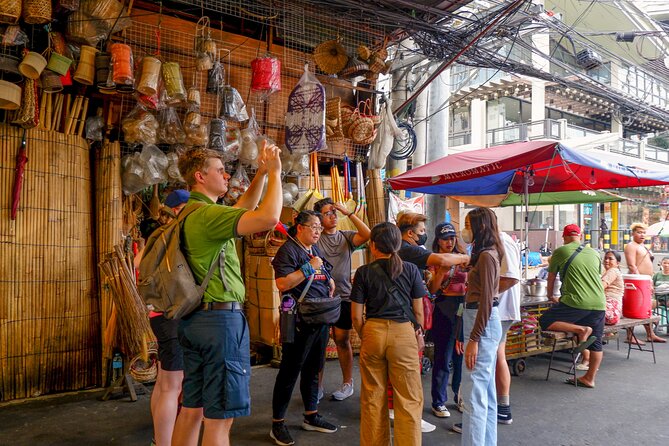
Quiapo Market is the most immediate introduction to the city. The stated focus is the contrast between old and new, East and West, and common and scarce. That means you should expect a place where ordinary shopping, religious life, street food, and daily commerce sit close together.
The market is designed to activate your senses. You may see unfamiliar ingredients, hear constant street activity, and encounter foods that are not common on a standard sightseeing route. The tasting is not an optional side note. It is one of the ways the guide helps you understand how people eat and shop in Manila.
I like this opening because it avoids beginning with a polished monument. You first meet the city through its working streets. That can be more revealing than starting with a grand building, although it also means the first hour may feel crowded and intense.
Admission to the market is free, but food tastings form part of the paid experience. Bottled water is not included, so bring money for drinks or carry your own water if practical. Coffee, tea, soda, and alcohol are also excluded.
The market stop lasts about one hour. That is long enough for an introduction, but not so long that the entire morning becomes a market visit. You will need to stay close to the guide and remain flexible, since crowded streets can slow the group.
Binondo: Filipino Food With Chinese Roots
The two-hour stop in Binondo is the food center of the tour. Binondo is identified as Manila’s Chinatown and as a central business district beside Catholic, Chinese, and Muslim communities. That combination matters. You are not seeing a separate attraction set apart from Manila, but a district where different traditions share the same city.
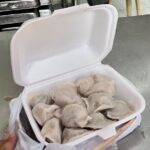
The food tasting gives this part of the route a clear purpose. Filipino cuisine reflects the people who arrived, traded, settled, and ruled in the islands over time. Chinese influence is particularly important in Binondo, and tasting dishes in the district helps connect food with migration and commerce.
One practical detail is worth understanding before you book: the food is generally shared in eateries and restaurants. Sharing allows the group to try a wider range of dishes, but it may disappoint you if you expect an individual meal or prefer complete control over what goes on your plate.
The food quality can also vary from person to person. The strongest parts of the tasting may be the fruit and distinctive local dishes, while some prepared items may seem merely adequate. I would treat the food as a cultural sampling rather than a carefully planned restaurant meal.
That distinction helps set the right expectations. You are paying for the guide’s explanation, the route, and the chance to try several things in context. If your main goal is a gourmet meal, this is not the best use of $62. If you want an approachable introduction to Filipino flavors, the tasting makes the tour more useful.
Getting Around Manila Like a Local
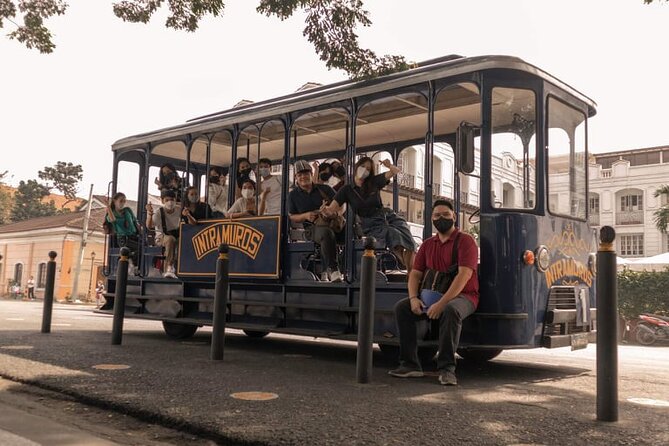
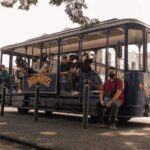
Transportation is one of the more memorable features of this outing. The package includes transport between the sites, and accounts of the experience describe a mix of ferry, bicycle, jeepney, tricycle, bus, and tuk-tuk travel. The exact combination can vary, so you should not book it expecting a fixed transport checklist.
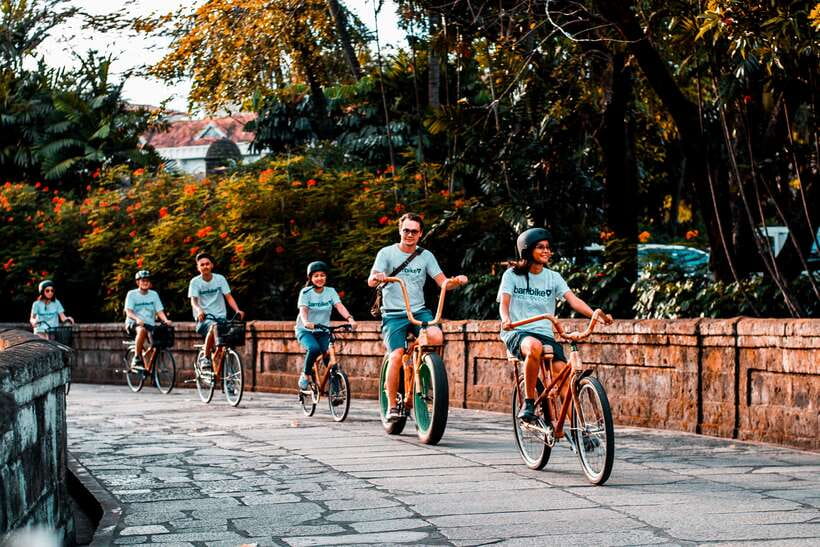
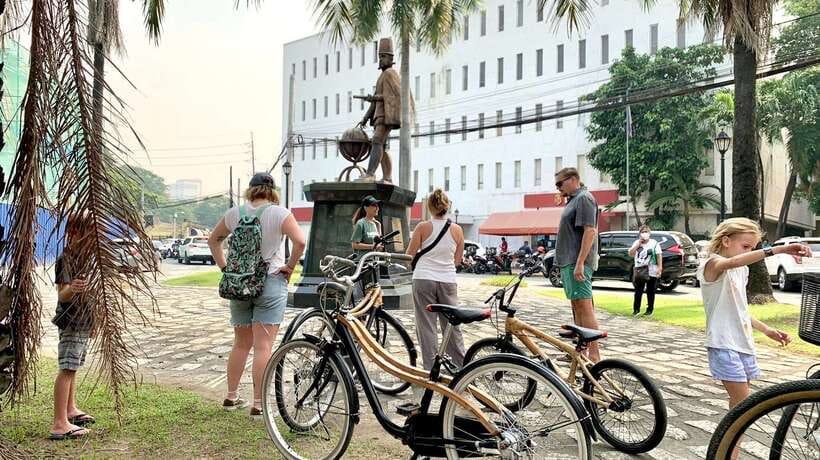
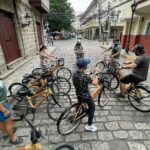
This variety gives you more than a ride from one attraction to the next. A ferry shows you Manila from the water, while a jeepney or tricycle brings you closer to the city’s street-level rhythm. A bike ride in the old town offers a different view of Intramuros than walking alone.
I like this approach because it keeps the city from becoming a series of disconnected photo stops. You move through it as people do, using different ways to cover short distances and see how districts relate to one another.
There is a tradeoff. Every change of transport takes time and can add uncertainty. Crowds, traffic, and operating conditions may affect the route. If you prefer a quiet and predictable tour, the moving parts may feel tiring. If you enjoy variety and do not mind some logistical wrinkles, they add real character.
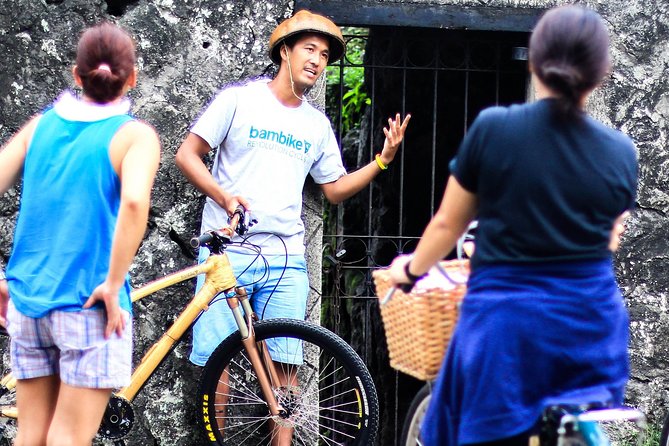
The tour lists bike rental as included. A moderate physical fitness level is required, and you should be comfortable walking for several hours, getting on and off transport, and cycling during the Intramuros portion. Wear shoes suited to uneven streets and bring water.
Intramuros: Manila Behind the Walls
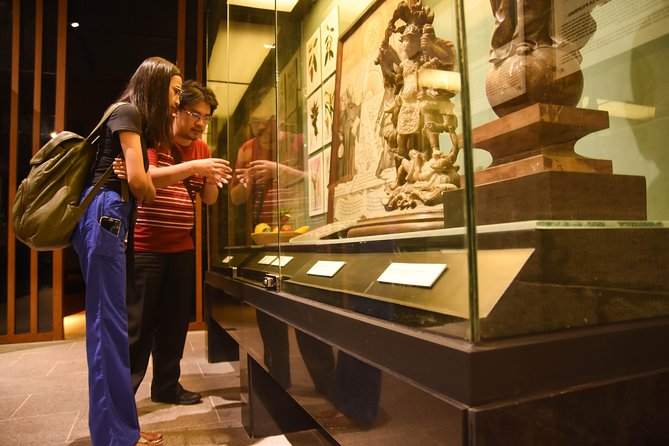
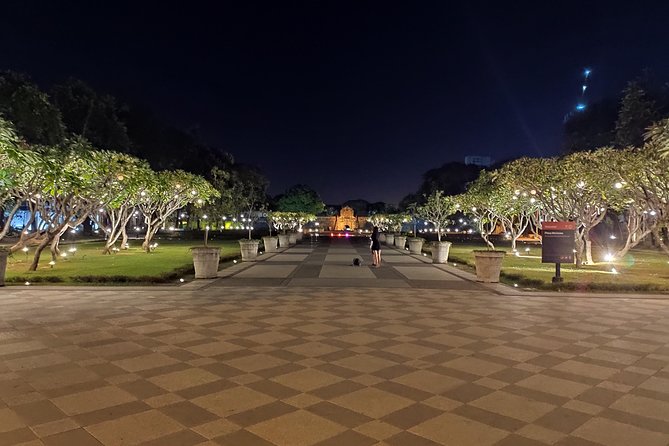
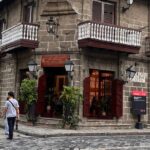
Intramuros provides the historical counterpoint to the first half of the tour. Its small streets and fortified setting can feel far removed from the market and Chinatown, even though they are part of the same city.
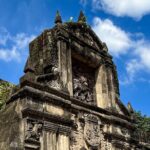
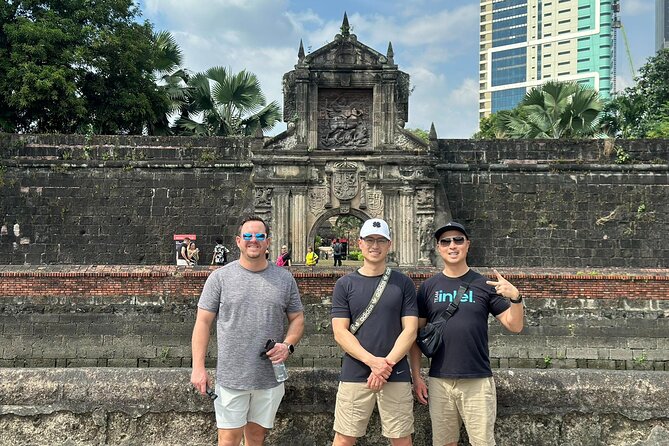
The guide places Intramuros within a long story that reaches from the ninth century to 1946. You will learn about the country’s many periods of occupation and about the Spanish colonial city that developed inside the walls. The district suffered heavy damage during World War Two, yet its remaining structures and restored areas still show why this was Manila’s historic core.
This is where the guide matters most. Streets and walls tell only part of the story. A good explanation can connect the buildings to colonial rule, war, religion, trade, and the changing identity of the Philippines. Guides named Mike, Fred, George, Erick, Carmen, Eric, and Jen have been praised for making the history accessible and adding personal stories to the walk.
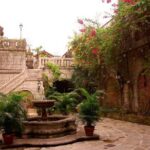
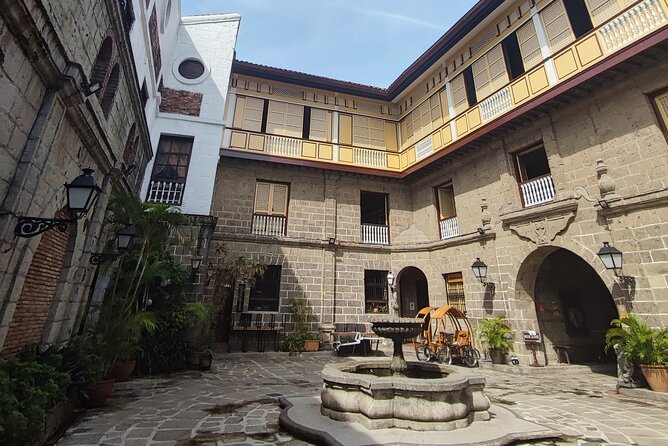
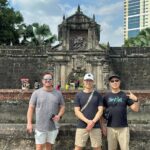
The final two hours are not just a quick photo stop. You explore the old city on foot and by bike, with entrance fees included. Casa Manila, at the Plaza San Luis complex, is the stated end point, so you finish in one of Intramuros’s established heritage areas.
The contrast with Quiapo and Binondo is the point. In the morning, you see Manila as a living commercial city. In Intramuros, you see how power and history shaped the city. The tour works best when you pay attention to both, rather than treating the walled district as a separate old-town attraction.

Guides Make or Break the Experience
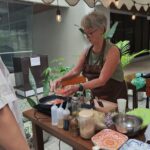
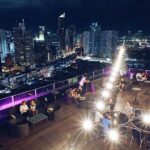
The guide is central to this tour because the value comes from interpretation. Several guides have received praise for explaining food, culture, transportation, and Philippine history in a clear, lively way. Mike was noted for combining useful information with interesting places and stories around Intramuros. Fred also offered practical recommendations for later activities, including a heritage dinner and a penthouse bar at Bayleaf Hotel.
That kind of advice can be useful, but it is not guaranteed that you will have the same guide. The published guide names show the range of staff who may lead the outing, not a promise of a particular person.
The best guides on this route do more than recite dates. They explain why a food is present in Binondo, what a market reveals about daily life, and how Manila’s districts developed beside one another. They also need to manage a group across several forms of transport, which requires good timing and clear instructions.
The group maximum is 18 people. That is small enough for questions and conversation, though it is not a private tour. If you want individual attention at every stop, a private guide would be a better fit. For most people, this group size offers a reasonable balance between cost and personal contact.
Is $62 a Fair Price?
At $62, this is not the cheapest way to walk around Manila, but the comparison should be with what is included. The price covers snacks and food tastings, transportation between sites, a guide, entrance fees, and bike rental. Those pieces would be harder to arrange separately, especially if you are unfamiliar with Manila’s transport system.
You still pay for bottled water, soda, coffee, tea, and alcoholic drinks. The tasting is also not a substitute for lunch, so budget for additional food if you usually eat a substantial midday meal.
The value is strongest for a first visit or a short stay. You get three major areas, several forms of transport, and a guide who can connect food and history. If you already know Quiapo, Binondo, and Intramuros well, the price may feel less attractive unless you want the organized transport and guided context.
The tour is often booked about 29 days ahead, which suggests you should not leave it until the last minute if your dates are fixed. Confirmation is provided at booking, and free cancellation is available up to 24 hours before the 9:00 a.m. start. Bad weather or failure to reach the minimum group size can lead to a new date or a full refund.
Who Will Enjoy This Manila Tour Most?
I would choose this experience if you want an active introduction to Manila and enjoy learning through food. It suits people who like markets, history, and local transport more than people who want air-conditioned sightseeing from a private vehicle.
It is also a good option for solo visitors who want structure without committing to a full-day tour. The group setting gives you company, and the five-hour length leaves time for your own plans afterward.
Families with older children may appreciate the bikes and changing scenery, provided everyone can manage the physical demands. People with limited mobility should take care before booking because the tour requires moderate fitness and includes walking, cycling, and several transport changes.
Food-sensitive eaters should ask themselves how comfortable they are with shared tasting. The tour gives you a chance to try more dishes, but it does not promise that every item will suit your taste.
Should You Book It?
Book this tour if you want Manila explained through its streets, food, and people, not just its major sights. The strongest reasons are the thoughtful route, the mix of transport, the two-hour look at Binondo, and the substantial time given to Intramuros.
Skip it if you want a slow food tour, a private experience, or a guaranteed set of dishes and transport modes. For most first-time visitors with moderate fitness, $62 is a fair price for a busy but useful half day. Bring water, wear comfortable shoes, expect shared food, and leave room for the city to be a little unpredictable.
FAQ
Where does the tour start?
The tour starts at Quinta Market, Carlos Palanca, Quiapo, Manila, at 9:00 a.m.
Where does the tour end?
The tour ends at Casa Manila in the Plaza San Luis complex on General Luna Street, Intramuros.
How long does the experience last?
The tour lasts approximately five hours.
Which places are included?
The route includes Quiapo Market, Binondo’s Chinatown, and Intramuros.
Is food included?
Yes. Snacks and food tastings are included.
Are drinks included?
No. Bottled water, soda, coffee, tea, and alcoholic drinks are not included.
Is transportation included?
Yes. Transportation to the tour sites is included.
Is bike rental included?
Yes. Bike rental is included in the tour price.
How large is the group?
The maximum group size is 18 people.
Can I cancel for a full refund?
Yes. You can cancel at least 24 hours before the start time for a full refund. Changes or cancellations made less than 24 hours before the start are not accepted for a refund.