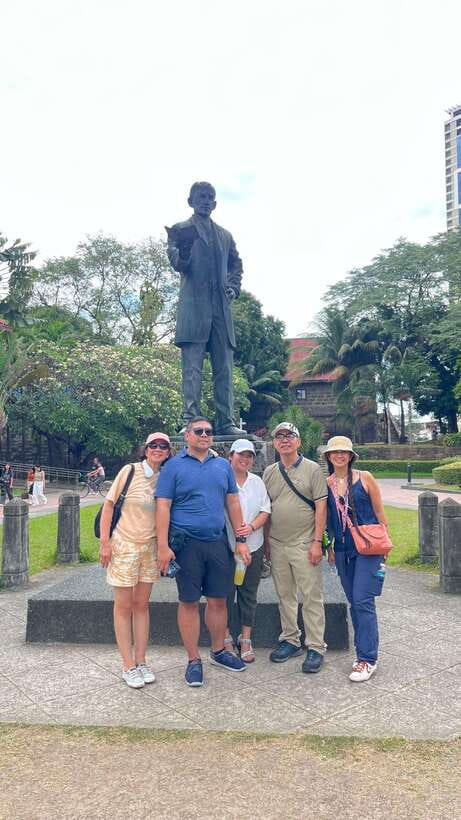
Manila: Intramuros Walking Tour.
Ancient walls tell Manila’s hardest stories. This 2.5 to 3-hour Intramuros walking tour links Fort Santiago, Manila Cathedral, San Agustin Church, and Casa Manila with clear historical storytelling and a short ride on a three-wheeled Lamborghini bike. I like the small-group format, limited to 10 people, and the way guides such as Mari connect major events with Filipino customs and personal stories. The main drawback is that the walk may finish sooner than three hours, and the price of $56 is not the cheapest way to see Intramuros.
I also like that entry fees, bottled water, and the unusual bike ride are included, so you are not constantly reaching for cash. Guides have been especially praised for taking photos, helping solo visitors feel at ease, and making the tour work for people with a short layover. Plan around the Monday closures of Casa Manila and San Agustin Church, and wear light clothes, comfortable shoes, sunscreen, and something modest enough to cover your shoulders inside the church.
In This Review
- Key points to know before booking
- Why Intramuros is the right place to start
- Meeting at Figaro Cafe in Intramuros
- Fort Santiago and the hard chapters of Manila
- Manila Cathedral and the Spanish imprint
- San Agustin Church, one of the district’s survivors
- Casa Manila and colonial domestic life
- The Lamborghini bike is really a passenger tricycle
- Filipino culture, conversation, and the people who lead it
- Halo-halo at the end
- Is $56 a fair price?
- Who should book this Intramuros tour?
- Should you book it?
- FAQ
- Where does the Intramuros walking tour begin?
- Where does the tour end?
- How long does the tour last?
- What language is the tour conducted in?
- How many people are in the group?
- What sights are included?
- Is the Lamborghini bike included?
- Are entrance fees included?
- Is the tour available on Mondays?
Key points to know before booking
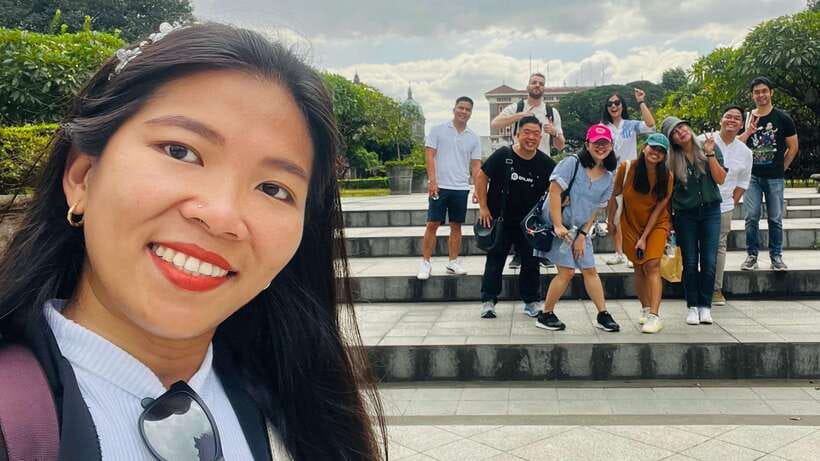
- Fort Santiago anchors the story: You learn how Intramuros changed across roughly 500 years, including its darkest period during the Battle of Manila.
- A local guide makes the difference: Mari, Miri, and Tessie have all been praised for warmth, humor, clear English, and strong knowledge of Filipino history.
- The Lamborghini bike is a short tricycle ride: You do not need to pedal. Someone else operates the three-wheeled vehicle.
- Casa Manila is a Spanish colonial replica: Its furnished rooms help explain how the colonial elite lived.
- San Agustin Church is a rare survivor: It is the only remaining church of seven Intramuros churches built beyond 1571.
- The tour suits stopovers well: The central meeting point and short duration make it useful during a port visit or Manila layover, but allow extra time before your next flight.
Why Intramuros is the right place to start
Intramuros means within the walls, and that name gives you the basic idea. This fortified district is a compact history lesson in stone, with lanes, churches, old residences, and defensive structures gathered in one area of Manila.
The tour uses Intramuros to explain the Philippines in broad strokes. You hear about Spanish rule, Filipino culture, wartime destruction, and the changes that followed. That wider frame matters because the buildings are not just photo stops. They help you understand how Manila became the city you see today.
I like the tour’s focus on both the admirable and painful parts of the past. You are not given a polished colonial postcard. The guide also discusses the difficult events that took place inside the walls, especially during the Battle of Manila and its aftermath.
An introductory history briefing is part of the experience. One guide used a café setting for this opening talk, giving the group a basic timeline before setting out. That is a smart approach. Without some background, the architecture can blur into a series of old walls and churches. With it, each stop has a clearer purpose.
You can also read our reviews of more walking tours in Manila


Meeting at Figaro Cafe in Intramuros
You meet your English-speaking guide at Figaro Cafe in Intramuros. The tour ends back at the same meeting point, which makes the arrangement fairly simple if you are continuing with plans nearby.
Arrive 10 to 15 minutes early. That small cushion is useful in Manila, where finding the right entrance or crossing the district can take longer than expected. Pickup and drop-off are not included, so you need to arrange your own way to Intramuros.
The booking information identifies the location as Nueva Vizcaya while giving a meeting point in Intramuros, Manila. That is worth checking carefully before you pay. Confirm the exact map pin and meeting instructions so you do not head to the wrong part of the Philippines.
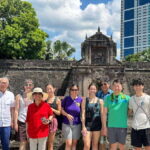
The group is capped at 10 people. That is large enough for a social outing but small enough for questions and conversation. It also gives the guide a reasonable chance to help with photographs, something several visitors valued highly.
Fort Santiago and the hard chapters of Manila
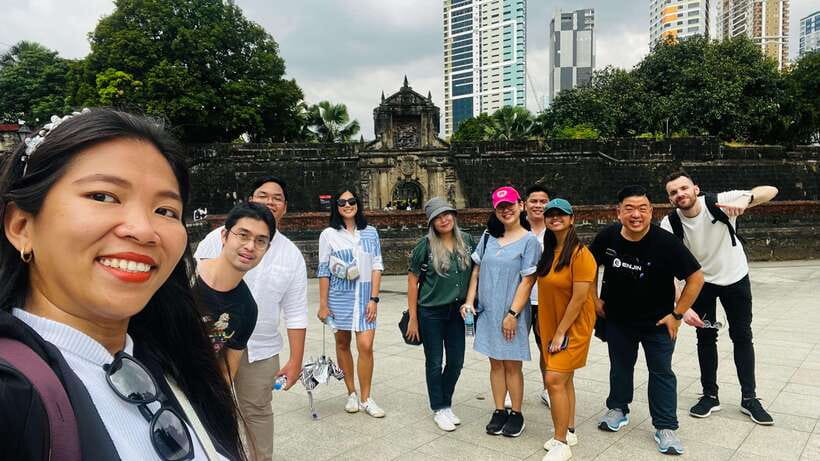
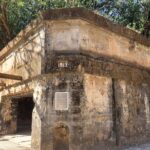
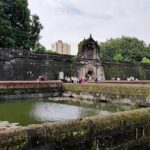
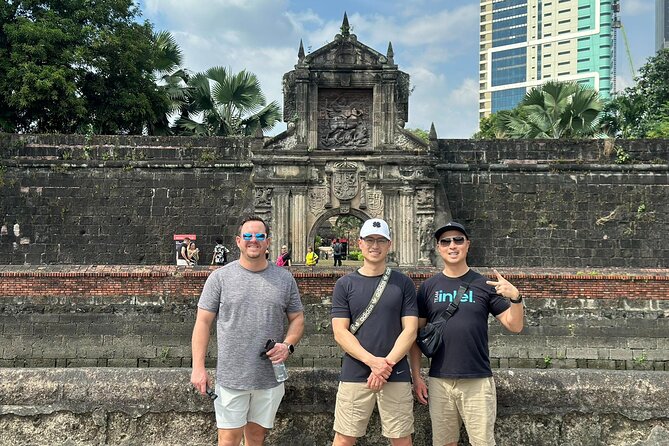
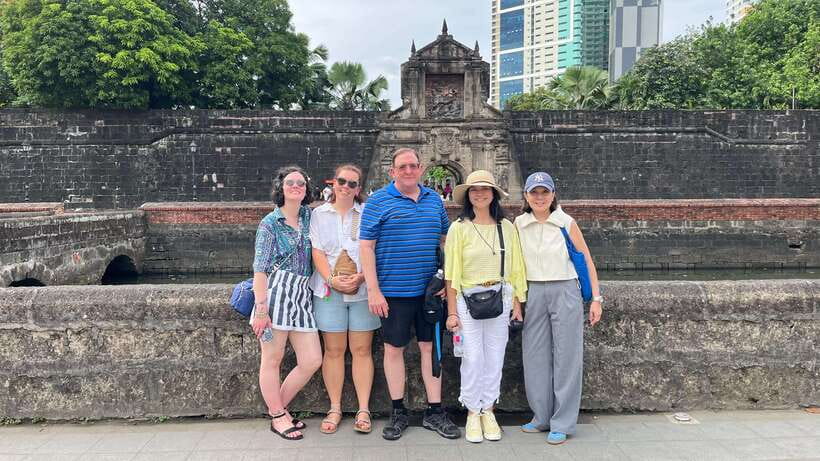
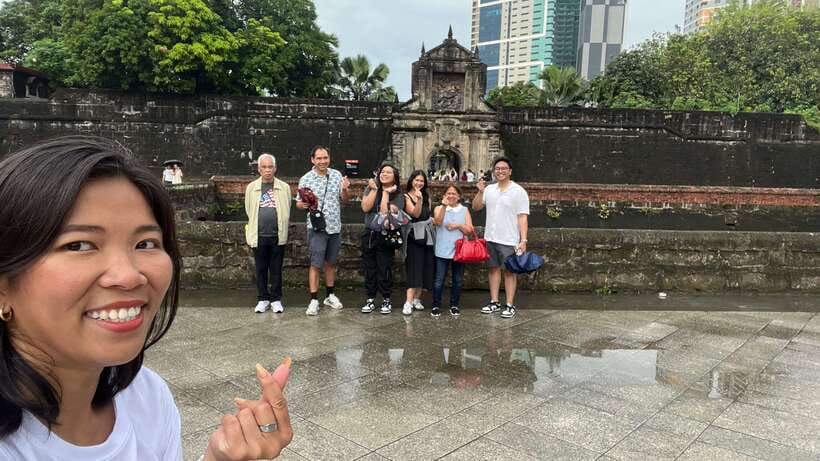
Fort Santiago is the main historical stop. The fort forms part of Intramuros’ defensive story, but the tour does not treat it as a simple Spanish monument. Your guide places it within a much longer Filipino story, covering about 500 years of change.
Expect the focus to move between buildings, power, culture, and conflict. The guide explains what happened inside Intramuros during its most important periods, including the Battle of Manila. This is where the tour takes its darkest turn, and that balance is useful. You get a sense of both the district’s grand past and the suffering tied to it.
This part is especially helpful if you know little about Philippine history. The guide can connect the fort to the broader story of Manila and the country, rather than leaving you with isolated dates. One guide also used old photographs to compare earlier scenes with what you see now, an effective way to make change visible.
Allow your attention to move beyond the fort’s appearance. The walls and gateways make good photographs, but the best value comes from listening to the explanation of what the site meant at different points in time.
The walk is outdoors, and Manila can be hot. Bring water, sunglasses, a hat, and sunscreen. Bottled water is included, but it is still sensible to arrive hydrated.
Manila Cathedral and the Spanish imprint
Manila Cathedral gives the route another look at religion and colonial influence. It is one of the major landmarks inside Intramuros, and the guide uses the building to explain how Christianity shaped Filipino life and the city’s development.
The tour’s value here comes from context rather than a long independent visit. You are not simply told to admire the façade. The guide connects the cathedral with the network of churches that once occupied Intramuros and with the larger Spanish influence on the Philippines.
Wear clothing that covers your shoulders inside the church. Comfortable and respectful clothes are the safest choice, especially because you will be walking outdoors between stops.
The route is not suitable for wheelchair users. Uneven walking surfaces, steps, and the general character of the historic district can make access difficult. If mobility is a concern, ask the operator for current details before booking.
San Agustin Church, one of the district’s survivors
San Agustin Church is one of the strongest stops on the route. It is described as the only church left among the seven Intramuros churches built beyond 1571. That fact gives the building unusual weight. You are seeing not just an old church, but a survivor of a much larger religious district.
The church adds variety to the tour. Fort Santiago brings military history, while San Agustin brings faith, architecture, and the persistence of Filipino religious traditions. The guide helps tie those threads together.
Do not rush this stop. Listen for the details about what survived and what disappeared. The contrast makes San Agustin more meaningful than a quick photograph from the doorway.
There is one firm scheduling point: San Agustin Church is closed on Mondays. The same Monday closure applies to Casa Manila, so Monday is not the best day for this particular route. If you book for another day, the church and museum can be included as planned.




Casa Manila and colonial domestic life
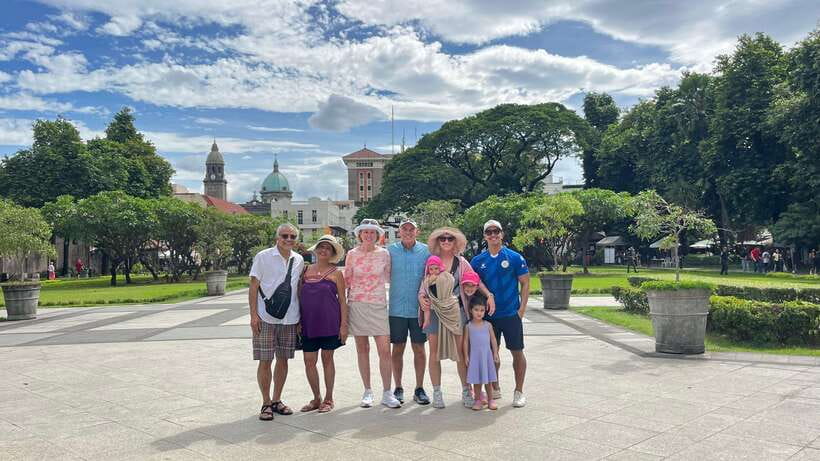
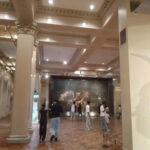
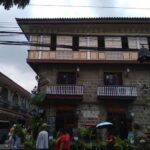
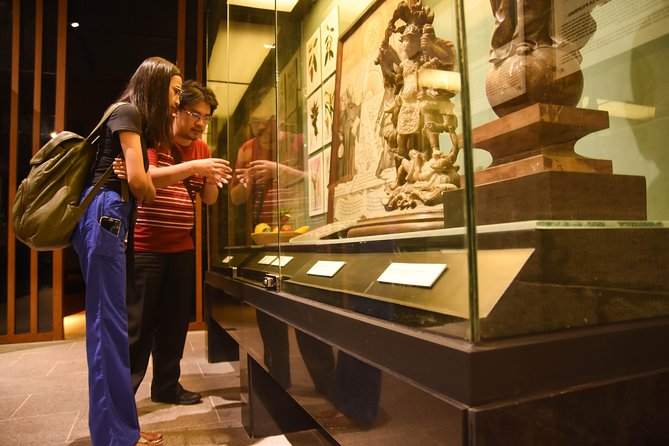
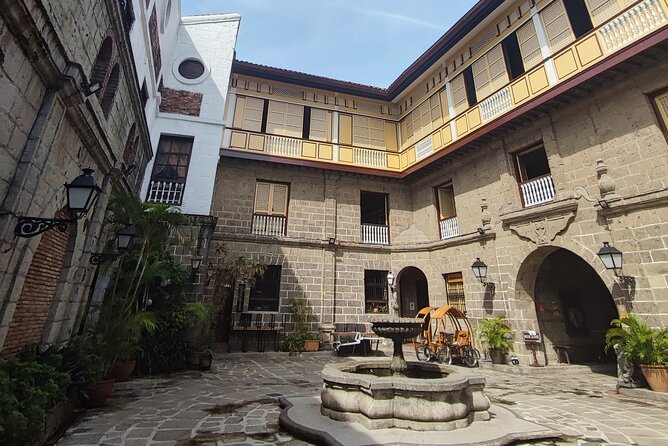
Casa Manila is a replica of a Spanish colonial mansion. Its importance is different from that of a fort or church. Instead of focusing on military defense or public worship, it gives you a sense of domestic life and the social world created under Spanish rule.
I find this kind of stop useful because grand political history can feel distant. Rooms, furnishings, and household spaces make the period easier to picture. You can better understand how colonial influence reached into daily life, not just government buildings and religious institutions.
The museum is also a good counterpoint to the tour’s difficult wartime material. Intramuros contains beauty, status, control, loss, and renewal. Casa Manila helps show the social side of that complicated picture.
Casa Manila is closed on Mondays. Check the operating schedule before choosing your date, since missing both the museum and San Agustin would reduce the route’s variety.
The Lamborghini bike is really a passenger tricycle
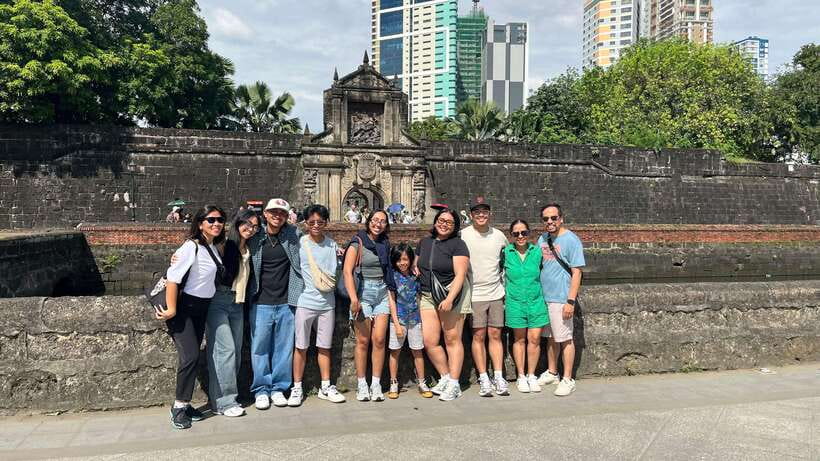
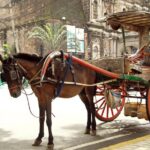
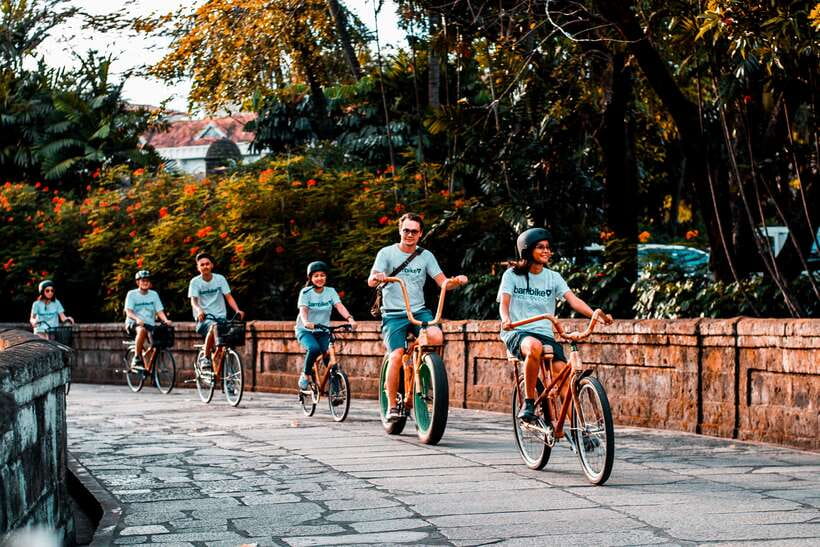
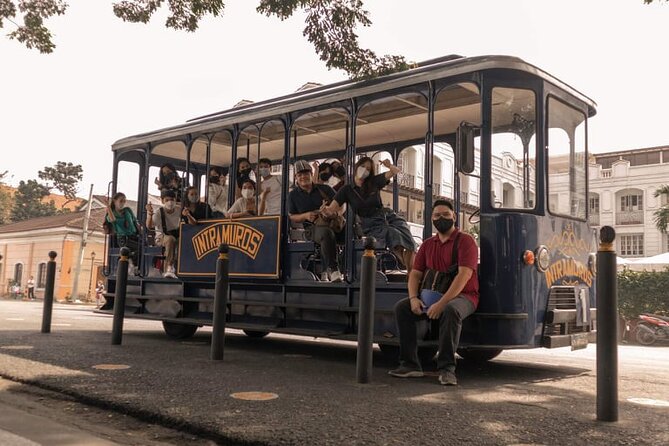
The name sounds grander than the experience. Here, a Lamborghini bike is a three-wheeled paddle bike, similar to a tricycle, and it is included as a short part of the tour. You do not need to pedal because someone else operates it.
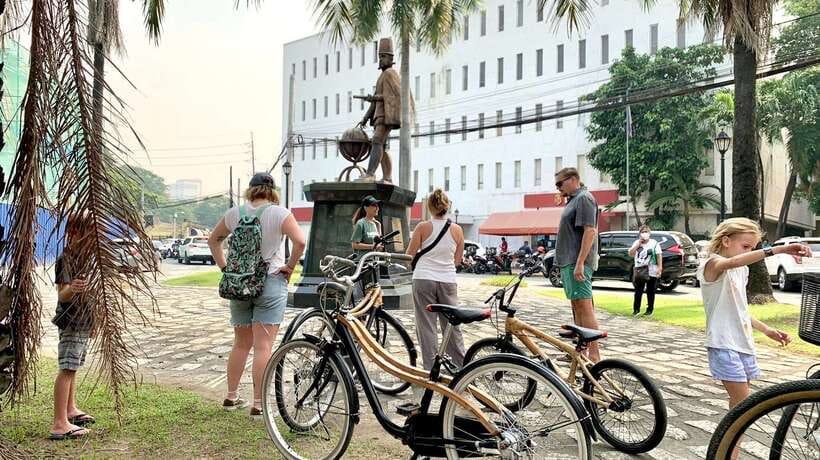
Treat this as a fun local transport experience rather than a major sightseeing segment. It breaks up the walking and gives you a different view of the lanes inside Intramuros. It is also a memorable detail for children and anyone who enjoys trying ordinary local transport in a slightly unusual form.
The ride is brief, so do not book this expecting a long cycle excursion. The principal experience remains the walking tour and the guide’s explanation of the district.
Transportation from Fort Santiago to San Agustin Church is also included according to the tour details. That small transfer can help reduce fatigue and keep the route moving, especially in the heat.
Filipino culture, conversation, and the people who lead it
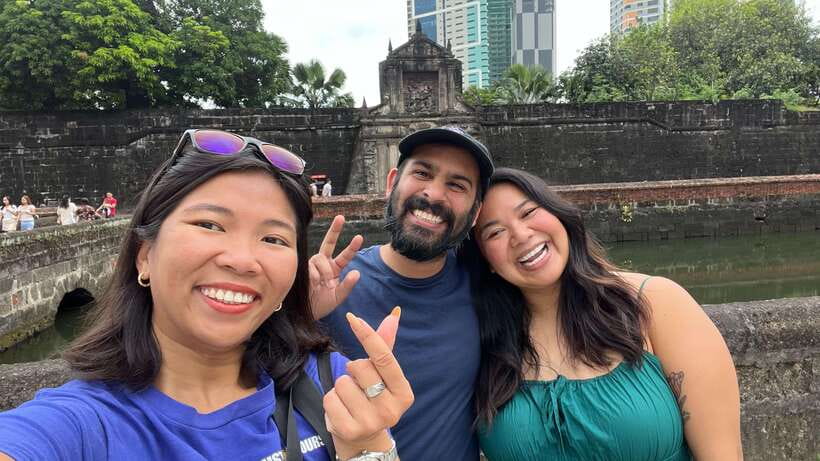
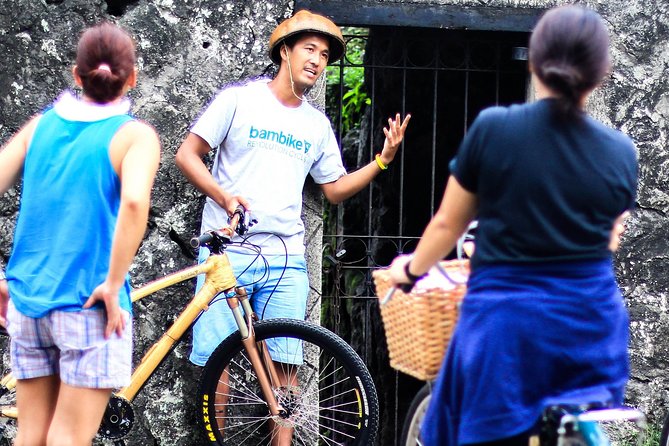
The strongest part of this experience is likely to be the guide. Mari has been praised for warmth, humor, patience, and an ability to make a first-time visitor feel comfortable. She has also helped solo visitors, taken many photographs, and shared the pictures afterward.
Miri has been praised for infectious enthusiasm and detailed explanations of Intramuros and Filipino culture. Tessie has a gift for storytelling, with one tour beginning in a café before moving into the streets and buildings. These personal touches matter because a walking tour lives or dies by the person leading it.
You may hear stories about Filipino customs, childhood, and local life alongside the formal timeline. That mix gives the tour a more human feel. It also helps you ask better questions about what you are seeing.
The guides have also proved useful beyond the standard route. Mari once helped retrieve a phone left in a Grab car, a small example of the practical care that can make a short Manila visit less stressful. You should still tip your guide at the end if you feel the service was strong. Tipping is recommended.
Halo-halo at the end
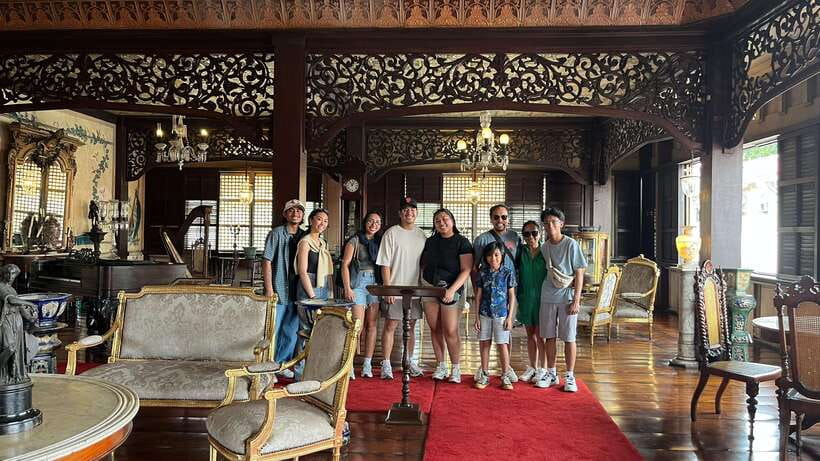
The tour can finish with a recommendation for halo-halo, a well-known Filipino dessert. The dessert stop is described as guest-provided, so you should expect to pay for it yourself.
That is a fitting finish after a warm walk. Halo-halo is cold, colorful, and made for a break. More important, it gives the guide a chance to point you toward a Filipino specialty rather than ending at the final building with a quick goodbye.
Do not confuse this with an included meal. The tour includes a water bottle, entry fees, the bike experience, and the live guide, but food is not listed as included.
Is $56 a fair price?
At $56 per person, this is not a basic free-style walking tour. You are paying for a live English-speaking guide, a small group of up to 10, admission fees, bottled water, the Lamborghini bike, and transport between at least some of the stops.
That package can be good value if you want a structured introduction and do not want to manage separate entrance payments. It is particularly useful on a short layover, when a guide can keep the route focused and explain the city without requiring you to research every building.
The price may feel high if you mainly want to stroll through Intramuros and take exterior photographs. One four-star assessment suggested the cost could be better matched to the duration. Another practical point is timing: some tours finish closer to two and a half hours than three.
I would budget three and a half hours from meeting to final goodbye if you have a flight, ship departure, or fixed appointment. That leaves room for questions, photographs, walking between points, and a slower pace.
Who should book this Intramuros tour?
I would choose this tour if you are visiting Manila for the first time, have only a half-day, or want Filipino history explained in plain English. It also suits solo visitors who would appreciate company, local guidance, and help with photographs.
It is a strong choice for history-minded people who want more than architecture. The route covers Spanish influence, Filipino culture, religious buildings, military history, and the Battle of Manila.
Families may enjoy the short tricycle ride and the variety of stops, though the heat and walking require sensible clothing and pacing. People using wheelchairs should not book without first confirming that the route can meet their needs, as the experience is listed as unsuitable for wheelchair users.
I would skip it if you prefer a fully independent visit, want a long museum session, or need a tour that guarantees a full three hours. I would also avoid Monday because both Casa Manila and San Agustin Church are closed.
Should you book it?
Book this tour if you want human storytelling, included admissions, and an efficient route through Manila’s walled center. The guides are the main reason to choose it, with Mari, Miri, and Tessie praised for warmth, humor, photos, and clear explanations.
The $56 cost is reasonable when you use the included entries and bike ride, but less attractive if you only want to see the streets from outside. Confirm the Intramuros meeting point, avoid Monday, arrive early, and leave extra time after the tour. For a short Manila stop, this is a practical way to meet the city through its most important old district.
FAQ
Where does the Intramuros walking tour begin?
You meet your guide at Figaro Cafe in Intramuros.
Where does the tour end?
The activity ends back at the same meeting point at Figaro Cafe.
How long does the tour last?
The stated duration is 2.5 to 3 hours. Some tours may finish closer to the shorter end of that range.
What language is the tour conducted in?
The live tour guide speaks English.
How many people are in the group?
The group is limited to 10 participants.
What sights are included?
The route includes Fort Santiago, Manila Cathedral, San Agustin Church, and Casa Manila.
Is the Lamborghini bike included?
Yes. The experience includes a short ride on a three-wheeled paddle bike. You do not need to pedal because someone else operates it.
Are entrance fees included?
Yes. Entry fees are included, along with a live guide and a water bottle.
Is the tour available on Mondays?
Casa Manila and San Agustin Church are closed every Monday, so those stops cannot be visited as planned on that day.