Intramuros Walking Tour with Transportation by Don’t Skip Manila
Manila’s past comes alive behind old stone walls. I like the small-group format, which should make it easier to ask questions, and I like that the price includes museum admissions, bottled water, air-conditioned transport, and a horse-drawn carriage ride when more than four people join. The main drawback is the heat: you will spend time outside in Manila’s humidity, and the carriage portion may be less informative than the walking sections.
This four to five-hour outing gives you a useful first look at Old Manila rather than leaving you to piece the city together on your own. Guides such as Andre, Andrei, and Anne are praised for lively storytelling, humor, and a strong command of Philippine history. Just note that the tour is described as having 12 people or fewer, while the booking information lists a maximum of 24, so confirm the expected group size before paying.
In This Review
- Key points at a glance
- Why this is a useful first look at Manila
- Starting along Manila Bay
- Fort Santiago: Manila’s stone entrance
- The Rizal Shrine and the final night of José Rizal
- Manila Cathedral and the religious center of Intramuros
- Casa Manila: Colonial life behind the façade
- Walking, transport, and the carriage ride
- How good is the $83.34 price?
- Who will enjoy this tour most?
- The guide can make or break the morning
- My verdict: book it for context and convenience
- FAQ
- How long does the Intramuros tour last?
- What days and times does the tour operate?
- What is included in the price?
- Is hotel pickup available?
- How many people can join the tour?
- Which sites are visited?
- Are admission fees included?
- Can I cancel for a full refund?
Key points at a glance
- Fort Santiago and the Rizal Shrine: See the fortress and the final prison site of José Rizal, the Philippines’ national hero.
- A guided walk through Intramuros: Learn how the Walled City changed under Malay, Spanish, Japanese, and Filipino rule.
- Museum fees included: Entry to Fort Santiago, the Rizal Shrine, Manila Cathedral, and Casa Manila is covered.
- A horse-drawn carriage ride: This is included when more than four people are on the tour, adding a traditional way to see the old district.
- Transportation from Manila: An air-conditioned vehicle and pickup make this easier than arranging several rides across the city.
- A lively guide matters here: Andre and Andrei are singled out for making dates, names, and difficult events easier to follow.
Why this is a useful first look at Manila
Intramuros is the part of Manila where the city’s colonial past is easiest to see. Its name means within the walls, and during the Spanish colonial period it served as the center of government and political power. The district also carries the marks of war, occupation, religion, and Filipino independence.
That makes it a good place to begin your Manila visit. You are not seeing one neatly preserved period. You are moving through several centuries of changing control and identity, from Malay roots to Spanish rule, Japanese occupation, and the modern Filipino nation.
The tour’s main strength is the guide. A good guide can connect a fortress to José Rizal, a cathedral to Spanish power, and a colonial house to daily life. The feedback about Andre and Andrei is especially strong, with repeated praise for their humor, enthusiasm, clear explanations, and use of pictures and music to set the mood.
I would choose this experience if you want context, not just photographs. It is also a sensible option during a long Manila layover. One person used a 17-hour stopover to visit Intramuros, and the four to five-hour schedule leaves room for airport transfers, though Manila traffic always deserves extra caution.
You can also read our reviews of more walking tours in Manila


Starting along Manila Bay
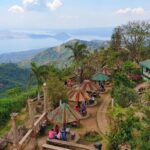
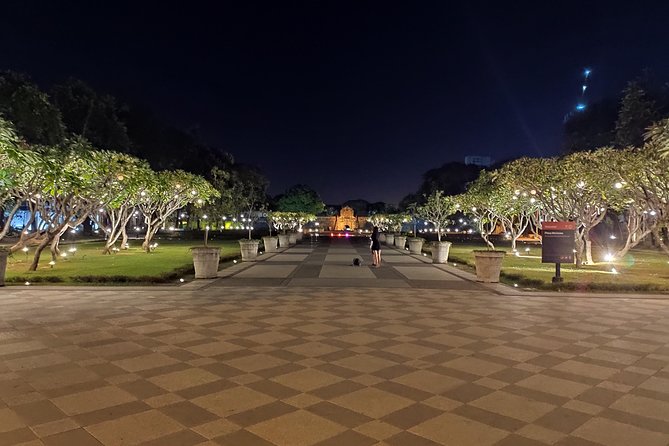
The opening waterfront stop takes you along Manila Bay, a popular promenade known for sunsets, coconut trees, and broad views across the shore. The tour information does not give a set time for this stop, so treat it as an introduction rather than the main event.
This is useful because Manila can feel sprawling and difficult to read at first. The bay gives you a physical sense of the city and its relationship to the water. If the timing is right, the light can be memorable, but do not book this tour solely for sunset views. The scheduled morning pickup, between 7:30 and 8:30 on Saturday or Sunday, means the waterfront visit is likely to be an orientation stop rather than an evening sunset outing.
The morning schedule has another advantage. Manila is hot and humid, and starting early can make the outdoor walking more comfortable. Even so, bring sun protection and expect warm conditions. A review specifically warns about high heat and humidity in June.
Fort Santiago: Manila’s stone entrance
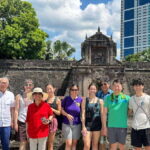
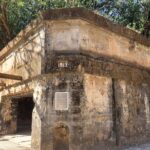
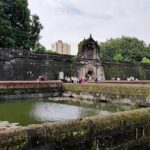
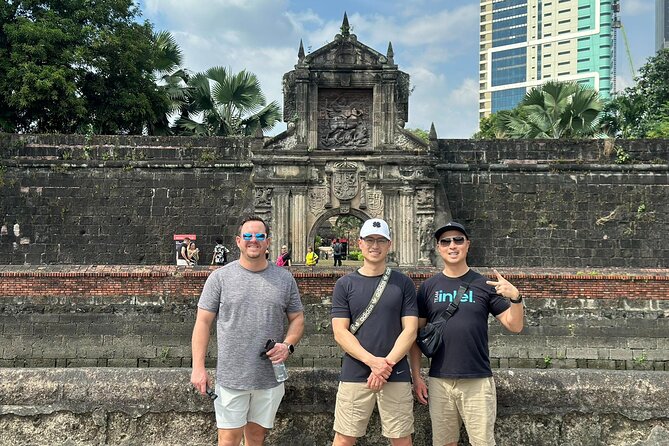
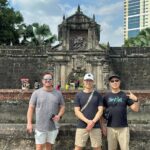
Fort Santiago receives about an hour, making it the longest scheduled stop. This citadel was first built by Spanish conquistador Miguel López de Legazpi for the newly established city of Manila. It became part of Intramuros, the fortified city created by the Spanish.
The fort is valuable because it gives the tour a clear physical beginning. Thick walls and defensive structures help explain why Intramuros was built as a separate seat of power. You are not simply looking at old masonry. You are seeing how military control and colonial government were organized in Manila.
Allow the guide to provide the larger story here. The tour is designed to trace Manila across roughly 400 years, including Malay, Spanish, Japanese, and Filipino chapters. Fort Santiago is where those broad themes begin to take shape.
The hour should be enough for a meaningful visit without turning the morning into a museum marathon. Still, this is an outdoor site, and much of the experience depends on walking and listening in the heat. Bottled water is included, and the air-conditioned vehicle gives you a break between sections, but you should still wear light clothing and comfortable shoes.
The Rizal Shrine and the final night of José Rizal
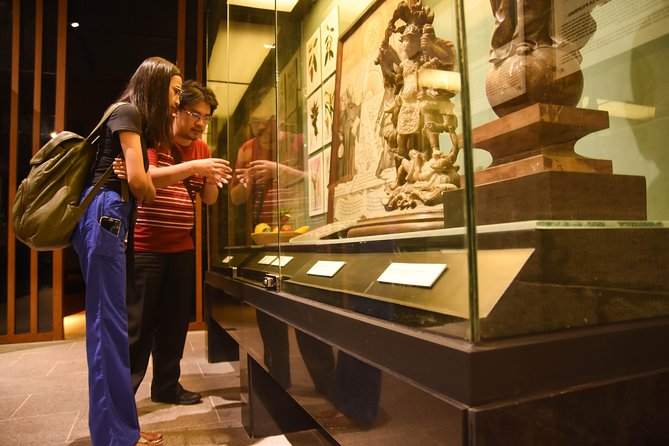
The 30-minute visit to the Rizal Shrine adds a personal and emotional layer to the tour. The museum is located in the building where José Rizal spent his final night. It also preserves the story of how his poem Mi último adiós, or My Last Farewell, was hidden in an oil lamp.
This stop matters because Rizal’s life and death are central to Filipino national identity. The setting turns a large political story into something more intimate. You can better understand why the tour guides give so much attention to him and why a visit here often becomes one of the most moving parts of the morning.
Thirty minutes is a brisk visit, but it suits the overall design. You get a focused introduction without spending the entire day indoors. If Rizal is a subject you already know well, you may wish for more time. For most first-time visitors, the guide’s explanation will help you understand why the shrine matters before the group moves on.
The strongest guide comments describe storytelling that is funny at times but also respectful when the subject turns serious. That balance is useful at the shrine. A guide who simply lists dates would miss the point. Here, the human story is the reason to pay attention.
Manila Cathedral and the religious center of Intramuros
The Manila Cathedral stop lasts about 15 minutes. That is short, but it gives you a chance to see the first cathedral in the Philippines and a basilica dedicated to the Immaculate Conception, the country’s principal patroness.
The cathedral helps explain the role of religion in Spanish Manila. Intramuros was not only a military zone or government center. It was also a major religious center, and the cathedral remains one of its most important landmarks.
Do not expect a long architectural visit at this stage. Fifteen minutes is enough for a brief look and an explanation, but not a detailed study of every feature. The value comes from seeing the cathedral in its setting, alongside the walls and other colonial-era buildings.
Because the tour includes several stops, this short visit keeps the pace moving. You will need to listen closely, especially if the guide is explaining details outdoors or in a busy setting.




Casa Manila: Colonial life behind the façade
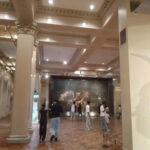
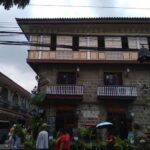
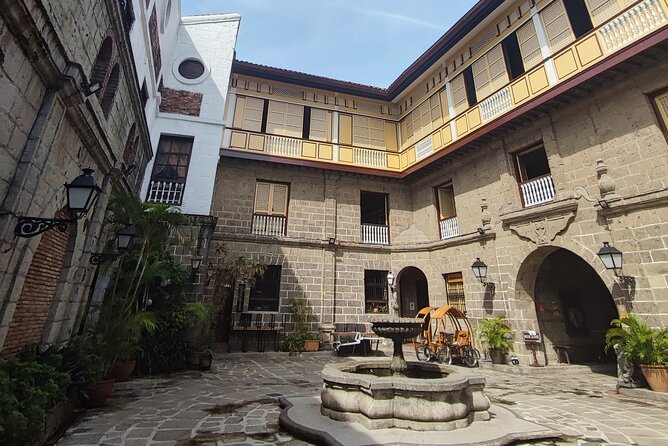
Casa Manila receives about 30 minutes and shifts the focus from political power to domestic life. The museum presents a colonial lifestyle from the Spanish period and is modeled on an 1850s San Nicolas House that once stood on Calle Jaboneros.
This is one of the best stops for understanding how colonial culture reached into everyday routines. Fort Santiago shows power and defense. Manila Cathedral shows religion. Casa Manila gives you a sense of the house, furnishings, and social world connected with Spanish rule.
The museum is a copy rather than an untouched original residence, a distinction worth keeping in mind. Its value is in the setting and interpretation, not in pretending that every room survives exactly as it was in the nineteenth century.
Thirty minutes should give you a compact look at the house. The tour information also repeats Casa Manila as a listed stop, so expect it to receive specific attention rather than serving as a quick exterior photo stop.
Walking, transport, and the carriage ride
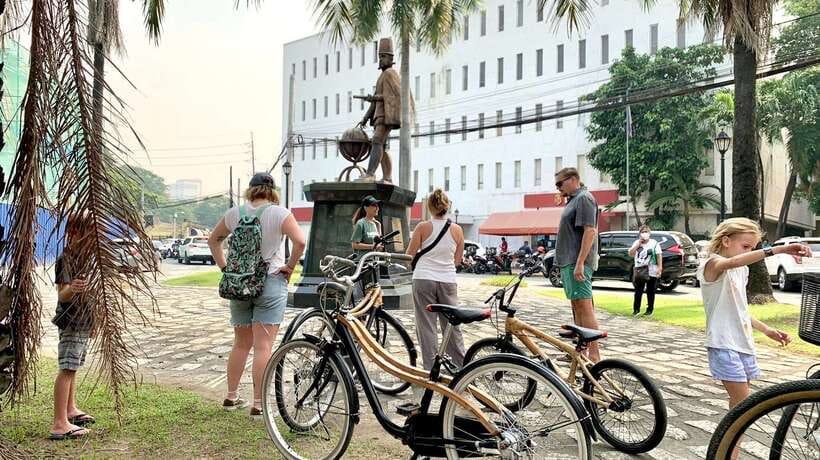
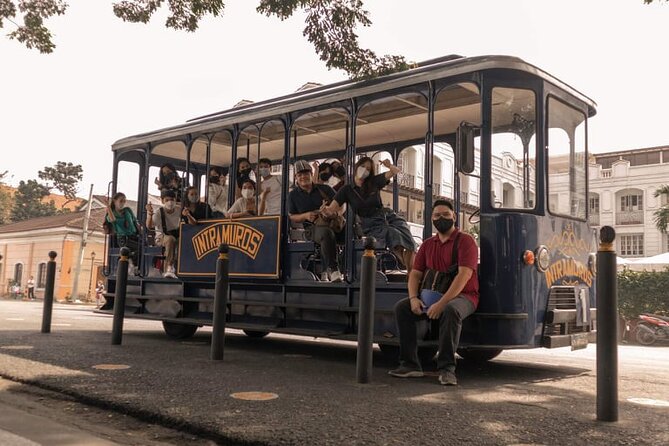
Although the experience is called a walking tour, transportation is part of the package. You are collected by an air-conditioned vehicle, and the vehicle helps connect Manila Bay with Intramuros and the individual sites. That matters in Manila, where a short distance on a map can take time on the road.
Pickup is offered, and one person specifically praised the arrangement from a hotel in Taguig. The precise pickup area is not stated in the information provided, so confirm it before booking. The scheduled meeting window is 7:30 to 8:30 on Saturdays and Sundays.
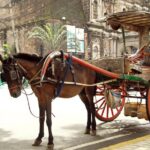
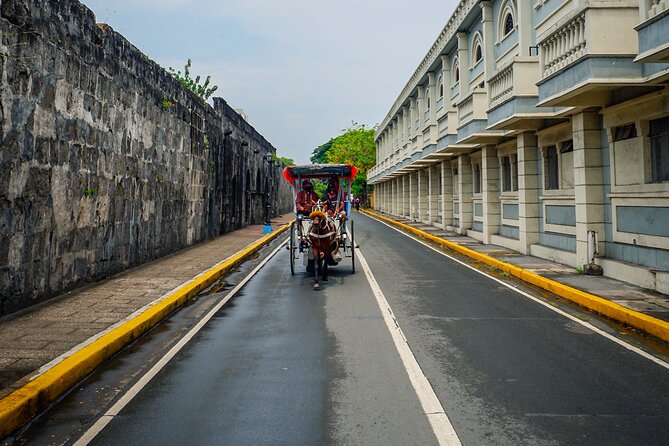
The horse-drawn carriage ride is included when more than four people take the tour. It adds a traditional touch and gives your feet a rest. It also changes the pace, allowing you to see parts of Intramuros from the road rather than only on foot.
There is one practical limitation. The carriage driver may not provide commentary as clearly as the main guide. One visit found it hard to hear what the driver was saying and difficult to see the points being indicated. I would treat the ride as transport and atmosphere, not as the most important source of information.
The group size deserves a close look. The experience is promoted as a small group of 12 people or fewer, which is a pleasant size for questions and conversation. Yet the additional booking details state a maximum of 24. That is still manageable, but it is not the same as a very small group. If personal attention is important to you, ask how many people are scheduled for your date.
How good is the $83.34 price?
At $83.34 per person, this is not the cheapest way to see Intramuros. The value comes from what is bundled together: transport, guide services, entrance fees, bottled water, and the carriage ride when the group exceeds four people.
You are also paying for the time saved. Arranging separate rides, finding the sites, buying admissions, and making sense of Manila’s past would take effort. The tour puts the main landmarks into one half-day route and gives you a guide to connect them.
The price makes the most sense for a first visit, a short stay, or a long layover. It is less attractive if you already know Intramuros well, prefer to move at your own pace, or want to spend several hours at one site. The scheduled stops are focused, so this is a broad introduction rather than a slow study of architecture and museum displays.
Booking about 25 days ahead is the average pattern given for this experience. That suggests planning early if your Manila schedule is fixed, especially for a weekend visit. Free cancellation is available until 24 hours before the start time. Cancellations inside that window are not refunded, and poor weather or failure to reach the minimum group size can lead to a rescheduled date or a full refund.
Who will enjoy this tour most?
I would recommend it to first-time visitors who want a clear account of Manila without spending a full day on a complicated route. It suits people who enjoy stories, landmarks, and a guide who can explain why a place matters.
It is also a good match for:
- People with a long layover and limited time
- Visitors staying outside central Manila who value arranged transport
- Anyone interested in José Rizal and Filipino independence
- Families and mixed-age groups who prefer a guided route
- Visitors who want entrance fees handled in advance
- People who appreciate humor and visual storytelling during a history tour
You may want another option if you dislike heat, cannot walk comfortably for several hours, or prefer quiet time at museums. Most people can participate, but the tour still includes outdoor walking and changing between vehicle, carriage, and historic sites.
The guide can make or break the morning
The strongest part of this experience is the human delivery. Anne is praised for an interactive approach, while Andre and Andrei are repeatedly described as animated, funny, friendly, and deeply informed about Manila and the Philippines.
One guide used photographs and a speaker with related music to shape the mood of the story. Another offered cheese and avocado ice cream on a hot day, an unexpected but welcome gesture. These touches suggest a tour that is not limited to reciting dates and building names.
That does not mean every section will be equally polished. The carriage commentary can be hard to hear, and the condition of Intramuros itself may disappoint visitors expecting a perfectly restored colonial district. One assessment specifically points to poor preservation in parts of the Walled City.
Still, the rough edges are part of what you are seeing. Intramuros is a working historic district, not a sealed theme park. A good guide helps you read both the surviving buildings and the gaps.
My verdict: book it for context and convenience
Book this tour if you want an organized introduction to Manila’s old center, especially during a short visit or long layover. The combination of Fort Santiago, the Rizal Shrine, Manila Cathedral, Casa Manila, transport, and admissions gives you a lot in four to five hours.
I would book it with two conditions in mind: prepare for heat, and confirm the actual group size and pickup details. If you do, the $83.34 price is reasonable for the time saved and the number of included elements.
Skip it if you want a slow, independent day inside Intramuros or if the carriage ride is your main reason for going. The carriage may be enjoyable, but the real value is the guide-led explanation of how Manila became the city you see today.
FAQ
How long does the Intramuros tour last?
The experience lasts approximately four to five hours.
What days and times does the tour operate?
The provided schedule lists Saturday and Sunday pickup or meeting times from 7:30 AM to 8:30 AM.
What is included in the price?
The price includes an air-conditioned vehicle, museum entrance fees, all fees and taxes, guide services, bottled water, and a horse-drawn carriage ride when more than four tourists join.
Is hotel pickup available?
Pickup is offered. The exact pickup area is not specified, so confirm whether your Manila accommodation is covered before booking.
How many people can join the tour?
The experience is described as a small group of 12 people or fewer. The additional booking information lists a maximum of 24 participants, so ask about the expected group size for your date.
Which sites are visited?
The route includes a Manila Bay waterfront stop, Fort Santiago, the Rizal Shrine, Manila Cathedral, Intramuros, and Casa Manila.
Are admission fees included?
Yes. Museum and attraction entrance fees are included in the tour price.
Can I cancel for a full refund?
Yes, if you cancel at least 24 hours before the experience begins. Cancellations or changes made less than 24 hours before the start time are not refunded. If bad weather or an insufficient number of participants cancels the tour, you can receive a different date or a full refund.