Review · Rice Terraces & North Luzon
Embark on a 7-Day Banaue-Sagada Adventure of a Lifetime
Come for the terraces, stay for the mountain life. This seven-day trip from Manila combines the Ifugao rice terraces, remote villages, waterfalls, Sagada caves, and long mountain walks in one tightly packed northern Luzon journey. I especially like the way it links cultural stops with outdoor activity, and I like that a small group of no more than 15 people travels by air-conditioned vehicle between the hiking areas. The main caution is clear: this is not a gentle sightseeing holiday. You need to trek for six to eight hours on some days and have a strong fitness level.
The $1,300 price includes transportation, entrance fees, and taxes, but not meals. That makes the trip easier to budget than a fully independent route, though you should set aside about 150 to 250 pesos per meal. The early 3:00 am start from Manila and the non-refundable booking terms also call for careful planning.
In This Review
- Key points to know before booking
- Why this route is more than a rice-terrace photo stop
- Day 1: Banaue terraces and the long start from Manila
- Day 2: Four hours on foot to Cambulo
- Day 3: Batad, Tappiyah Waterfalls, and Bangaan
- Day 4: Sagada and a change of mountain mood
- Day 5: Four hours underground in Sumaguing Cave
- Day 6: The walk to Bomod-Ok Falls
- Day 7: The scenic road back to Manila
- What the $1,300 price really covers
- Guides, drivers, and the human side of the trip
- Who should book this adventure?
- What to pack for seven demanding days
- My verdict on the seven-day route
- FAQ
- How long is the Banaue and Sagada adventure?
- Where does the tour begin?
- What time is the starting pickup?
- How much does the tour cost?
- Are meals included?
- What is included in the price?
- How physically difficult is the tour?
- How many people can join the group?
- Are entrance fees included?
- Can I cancel the booking for a refund?
Key points to know before booking
- Six to eight hours of mountain trekking: The walking is the heart of the trip, not a side activity. Expect steep, uneven routes and full days on foot.
- Three major Ifugao villages: Cambulo, Batad, and Bangaan give you more than a quick viewpoint stop. You see how rice terraces shape daily life.
- Tappiyah Waterfalls and Bomod-Ok Falls: Two substantial waterfall outings add variety to the terrace walks.
- Sumaguing Cave requires comfort in rough conditions: Expect an underground stream, stone waterfalls, calcium formations, and wet sections.
- Small-group transport from Manila: The maximum group size is 15, with an air-conditioned vehicle for the long road sections.
- A culture-focused northern Luzon route: The trip connects Banaue and Sagada, with a strong emphasis on traditional villages and outdoor activity.
Why this route is more than a rice-terrace photo stop
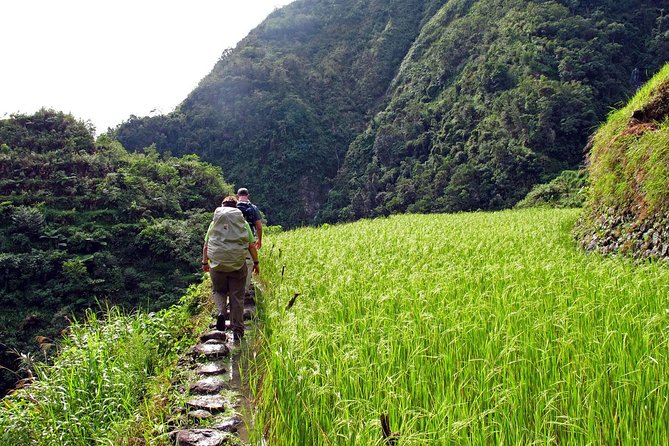
Many trips to Banaue reduce the Ifugao terraces to a roadside viewpoint and a few photographs. This route gives you time to walk through the terrace country and reach villages that are part of the setting, not just scenery behind it.
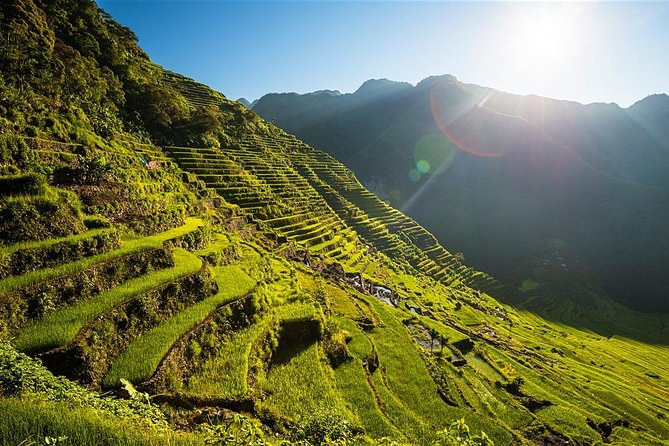
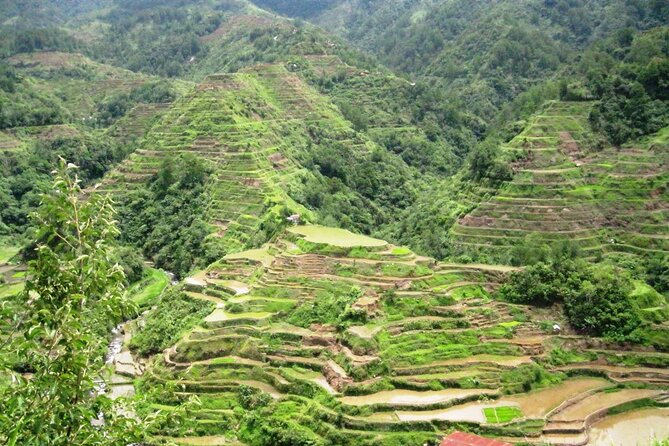
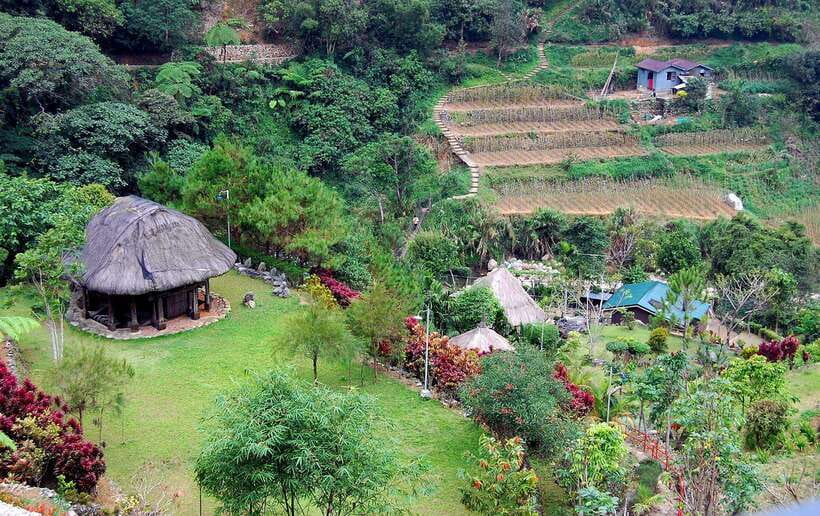
The terraces reflect generations of Ifugao skill in irrigation, stonework, earthwork, and constant upkeep. As you walk, you get a better sense of the work involved than you would from a single overlook. The pyramid-like terraces around Cambulo are especially distinctive, with fields cut around the hills in an almost complete circle.
I like this approach because the cultural side does not feel tacked on. The village visits and walking days are tied together. You are not simply looking at a landmark, you are moving through an area shaped by farming and local traditions.
Still, the remote setting comes with a cost. Long walks, limited comfort, and a demanding schedule leave little room for taking it easy. You should book this for active discovery, not for a relaxed holiday with occasional excursions.
You can also read our reviews of more tours and experiences in Manila.


Day 1: Banaue terraces and the long start from Manila
The tour begins at 3:00 am, so your first challenge is simply getting moving. From Manila, the journey heads north toward Banaue, where the first scheduled activity is a three-hour hike around the rice terraces.
That early departure matters. You lose some sleep, but it gives the group more time to reach the mountains and begin the first walk. The included air-conditioned vehicle is useful here, since the road journey is a major part of getting to northern Luzon.
The Banaue stop introduces the terrace system and the Ifugao connection to the land. The route is not just a viewpoint visit. It is designed to show the terraces as a working place shaped by water channels, stone walls, soil, and maintenance.
I would treat the first day as an adjustment period. Even though the listed hike is three hours, the full travel day is longer once the early pickup and road journey are included. Wear shoes with good grip from the start, and keep your daypack light.
Day 2: Four hours on foot to Cambulo
After breakfast, you walk for about four hours to Cambulo, the second Ifugao village on the route. The full day is listed at eight hours, so you should expect the transfer to Cambulo, village time, and the return or onward movement to fill most of the day.
Cambulo is one of the reasons this trip feels different from a standard sightseeing circuit. Its terraces have a pyramid-like form, with fields cut around the hills for almost 360 degrees. That shape gives the area a strong sense of place and makes the walking itself part of the viewing experience.
You will need patience on this day. Four hours of hiking is a serious outing before you add the rest of the schedule. The attraction is not a single dramatic stop, but the changing views and the chance to see how the villages relate to the terraces.
The pace may suit you if you enjoy walking toward a destination rather than being driven directly to it. If you dislike long hikes, Day 2 is where the physical demands become impossible to ignore.
Day 3: Batad, Tappiyah Waterfalls, and Bangaan
Day 3 packs in another eight-hour outing. In the morning, you hike for about three hours to Tappiyah Waterfalls and spend time exploring Batad village and its rice terraces. After lunch, you walk another three hours to Bangaan, the final village on this part of the adventure.
This is probably the most varied terrace day. Batad gives you village scenery and terraced hills, while Tappiyah adds a waterfall destination and a change of pace. The morning walk is still demanding, but the waterfall gives you a clear goal after the long route.
The afternoon journey to Bangaan means you do not simply return after reaching the falls. You continue through the mountain area, which keeps the day active but also leaves little spare energy. Plan to carry water and protect yourself from the sun, since the itinerary provides no suggestion that you can shorten the route.
Bangaan completes the Ifugao section before the trip shifts toward Sagada. For me, that progression is one of the strongest parts of the plan. You see several villages rather than treating Banaue as one isolated stop, and you experience the terraces at walking speed.
Day 4: Sagada and a change of mountain mood
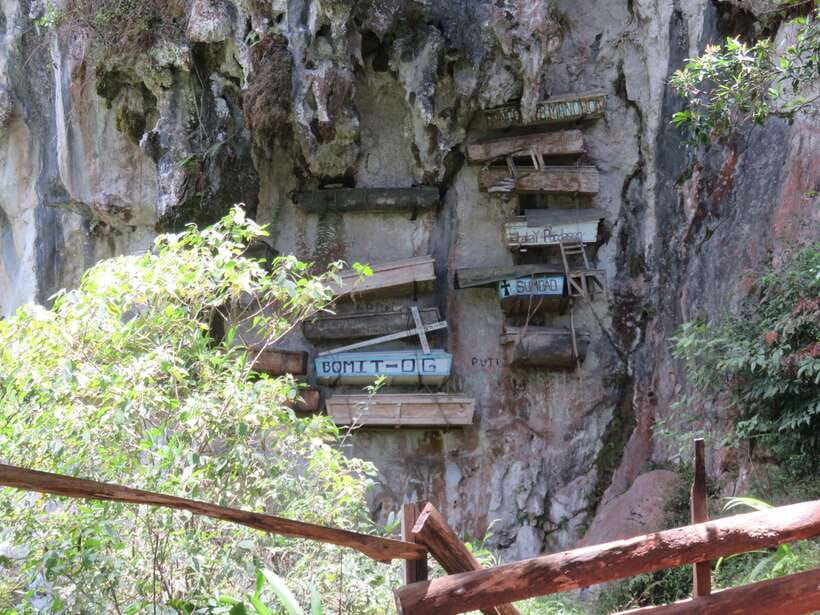
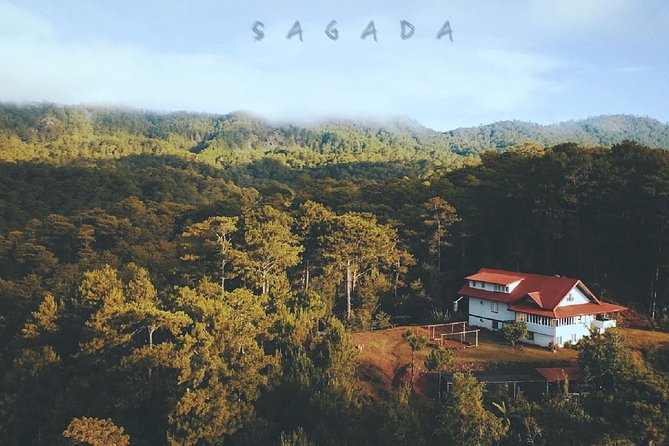
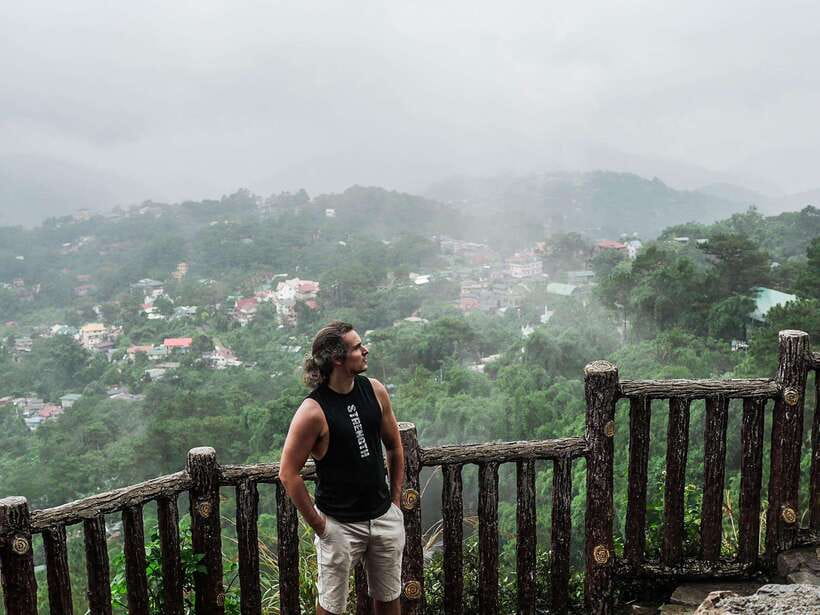
Day 4 moves the trip to Sagada, a mountain community in the Cordillera Administrative Region of North Luzon. The scheduled Sagada visit lasts about three hours and gives you a change from the terrace villages to a destination known for caves, waterfalls, and distinctive local traditions.
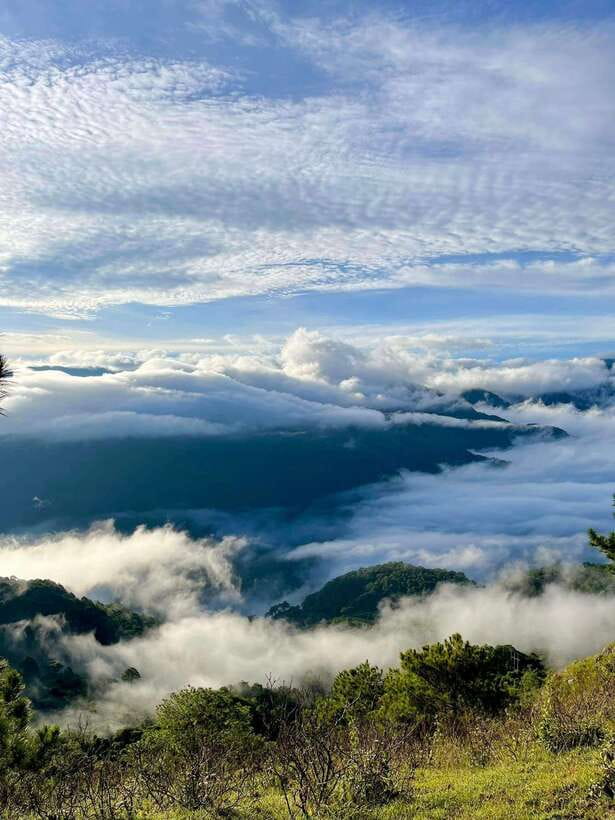
The drive from the Banaue area is part of the experience. Mountain roads can take time, and the itinerary does not pretend that northern Luzon is a quick hop from one place to the next. The air-conditioned vehicle becomes especially welcome after the previous walking days.
Sagada offers a more relaxed feeling than the busiest parts of Manila, but you should not mistake this stop for a full rest day. The next two days bring another cave outing and a waterfall walk. Use Day 4 to recover where you can, organize your footwear, and prepare for wet or uneven conditions.
A practical point: the tour includes transportation and fees, but meals are separate. Budget 150 to 250 pesos for each meal per person, and keep some extra money available for food during the mountain portions.


Day 5: Four hours underground in Sumaguing Cave
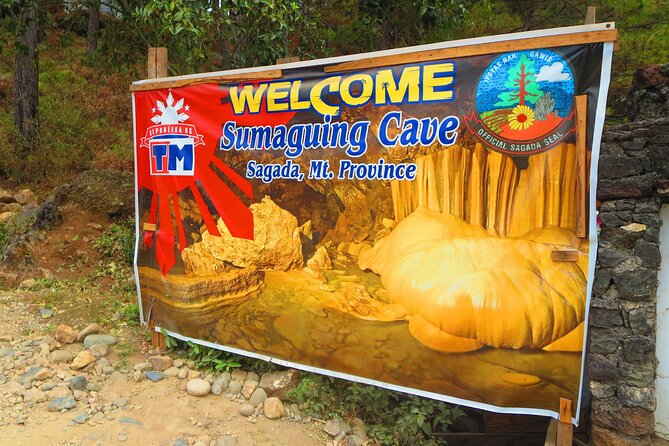
Sumaguing Cave is one of the trip’s strongest adventure stops. The exploration lasts about four hours and includes an underground stream running through the lower parts of the cave.
The cave formations described for this route include stone waterfalls, calcium terraces, glittering walls, and stalagmites affected by water. This is not a short walk into a dry cavern followed by a quick photo. You should expect a physical outing in an underground setting, with wet areas and uneven surfaces.
That makes footwear especially important. Shoes need grip, and you should be comfortable with getting close to water and rock. The tour description calls for a strong physical fitness level, and Sumaguing explains why. Cave exploration can be tiring even when the distance is not great.
I like the contrast between the terrace days and this underground section. The first half shows how people have shaped mountain slopes for farming. Sumaguing shifts your attention to the rock and water beneath them. Together, the stops give the week a welcome range of outdoor experiences.
The entrance fee is included, which simplifies the day. Meals remain your responsibility, and you should not count on the $1,300 price to cover snacks or drinks.
Day 6: The walk to Bomod-Ok Falls
Bomod-Ok, also called Big Falls, is reached on foot through a valley. The listed activity takes about four hours, with the walk to the waterfall taking roughly one to two hours from the main area.
The name tells you what to expect. Bomod-Ok is described as larger than Bokong Falls, another waterfall in Sagada. The route is not a roadside stop, so reaching it requires a proper walk and enough energy for the return.
This is a satisfying final activity because it gives you one more clear natural goal after the cave day. You get a waterfall, a valley setting, and another chance to see Sagada beyond its central streets.
The main drawback is cumulative fatigue. By Day 6, you have already completed several long hikes and a cave exploration. If your fitness is only moderate, the return walk may feel harder than the route out. Bring the same practical mindset as on the terrace days: sturdy footwear, water, and a willingness to move at a steady pace.
Day 7: The scenic road back to Manila
The final day is the return drive to Manila, listed at about four hours. After the walking-heavy schedule, a vehicle day gives your legs a break.
The return is described as scenic, but the exact stopping points are not specified. I would view this as a travel day rather than plan around a major final attraction. You may spend much of it looking out at the northern Luzon roads and countryside before the trip ends in Manila.
A shorter listed drive does not necessarily mean a quick overall day. Road conditions and the exact departure time can affect the return, so avoid scheduling an important evening flight or event without checking the operator’s timing.
What the $1,300 price really covers
At $1,300 per person, this is not a budget bus trip. The value comes from having the route, transportation, entrance fees, and taxes arranged across a difficult seven-day journey.
The price is easier to justify if you want to connect Banaue and Sagada without organizing separate vehicles, guides, village transfers, cave access, and waterfall outings yourself. The air-conditioned vehicle is also a practical benefit on long road sections, especially after a full day of walking.
The package does not include meals. At 150 to 250 pesos per meal, food may not add a huge amount compared with the main price, but you should include it in your calculations. Drinks and snacks are not listed either, so plan conservatively.
The maximum group size is 15. That is small enough to feel more manageable than a large coach tour, though the exact group size on your departure is not stated. Group discounts are offered, which may improve the value if you are booking with companions.
Guides, drivers, and the human side of the trip
The strongest personal detail attached to this experience is the mention of Joannah as the travel coordinator and Marlon as the driver. Their work matters on a route with early starts, long road transfers, and several changes between hiking areas.
The trip has also been completed by a family group that included people over 65, although the official advice still calls for strong physical fitness. That example should not be read as proof that the route is easy. Fitness, hiking experience, and comfort with long days matter more than age alone.
Another northern Luzon trip connected with this operator included Baguio and an optional Mt. Pinatubo side trip, but those are not part of the seven-day schedule described here. Do not assume those additions are included in this price. Ask the provider directly if you want to add them.
Who should book this adventure?
I would recommend it to you if you want a physically active route with several different types of scenery and a strong cultural focus. It is a good fit for people who prefer villages and mountain paths to resort facilities, and for anyone who wants Banaue and Sagada in one organized trip.
You should also be comfortable with early mornings, long transfers, and a fixed schedule. The group needs to keep moving, so this is not the right choice if you want to linger at each stop or change plans often.
I would be cautious about booking if you have difficulty walking for six to eight hours, dislike wet cave conditions, or need a flexible cancellation policy. The experience is non-refundable and cannot be changed for any reason after booking. If poor weather cancels the trip, you can choose a different date or receive a full refund. The same applies if the minimum group size is not met.
The experience is generally booked about 38 days ahead, so planning early makes sense, especially if your dates are fixed.
What to pack for seven demanding days
The supplied details do not provide a formal packing list, but the schedule makes several items sensible:
- Shoes with strong grip for terrace paths, cave sections, and waterfall walks
- Lightweight clothing suited to long hikes
- A small daypack for water, food, and personal items
- A change of clothes for wet cave or waterfall conditions
- Money for meals, since food is not included
- Any personal items you need for a full day outdoors
Keep luggage practical. You will be moving between Banaue, village areas, and Sagada, and you do not want a heavy bag interfering with the walking sections.
My verdict on the seven-day route
This is a demanding but rewarding way to see northern Luzon. I like its mix of Ifugao terraces, village walks, waterfalls, Sagada, and Sumaguing Cave. I also like that the route gives you time in the mountain areas instead of reducing them to quick roadside stops.
The price makes the most sense when you value organized transport and a ready-made route through difficult terrain. The physical demands are not a footnote, though. Six to eight hours of trekking, an underground cave, an early Manila start, and several long days make this a serious active holiday.
Book it if you want a structured, outdoor-focused week and you are ready to work for the views. Skip it if you want gentle sightseeing, included meals, or flexible plans. For the right person, this offers a memorable look at Banaue and Sagada, with the cultural and natural sides of northern Luzon sharing equal billing.
FAQ
How long is the Banaue and Sagada adventure?
The experience lasts approximately seven days and six nights.
Where does the tour begin?
It begins in Manila, Philippines.
What time is the starting pickup?
The stated start time is 3:00 am.
How much does the tour cost?
The listed price is $1,300 per person.
Are meals included?
No. Meals are not included. You should prepare about 150 to 250 pesos per meal per person.
What is included in the price?
The price includes an air-conditioned vehicle, all fees, and all taxes.
How physically difficult is the tour?
The tour requires a strong fitness level. You must be able to trek through the mountains for approximately six to eight hours a day.
How many people can join the group?
The maximum group size is 15 people.
Are entrance fees included?
Entrance fees are included for the listed activities where admission is charged, along with all fees and taxes.
Can I cancel the booking for a refund?
The experience is non-refundable and cannot be changed for any reason. If poor weather causes cancellation, or if the minimum number of participants is not reached, you will be offered another date or experience, or a full refund.