Manila: Binondo Walking Tour ( Oldest Chinatown )
Come hungry, leave with a fuller Manila story. This two-hour Binondo walking tour brings you through Manila’s historic Chinatown for Chinese street food, old buildings, local markets, and a close look at the Chinese-Filipino culture that shaped the district. I like the focus on food with context, and I like that the small group, capped at 10 people, should feel more personal than a large city walk.
The guide, Mari, receives especially warm praise for her energy, local knowledge, photo help, and patience with families and different food needs. The main catch is price: at $55 per person, food is not included, so you pay for each item separately. That can be fair if you sample several dishes and value a personal guide, but it may feel costly for a two-hour walk.
In This Review
- Key points to know before you book
- Why Binondo makes a good first Manila walk
- Meeting at 1919 Grand Cafe
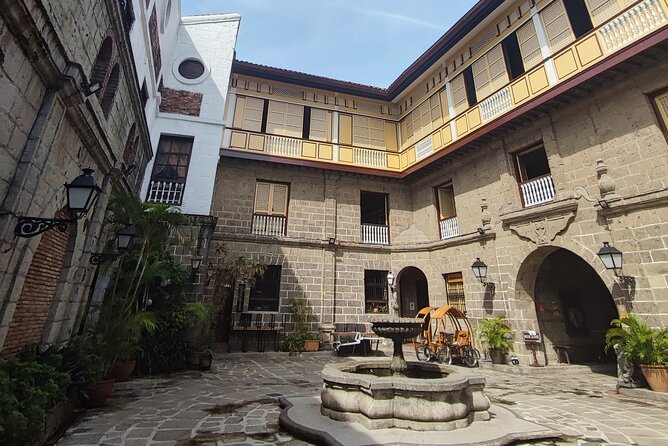
- Following Binondo’s alleys and old buildings
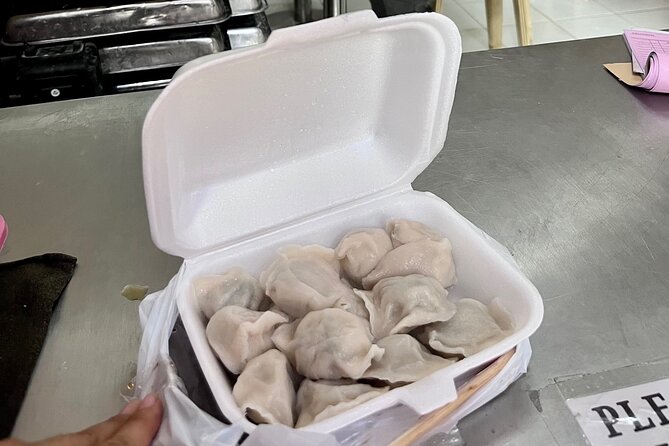
- Eating your way through Chinese-Filipino flavors
- Market time for produce, souvenirs, and local goods
- Riding the Lamborghini tricycle
- What Mari adds to the experience
- How much value do you get for $55?
- Who should book this walk?
- Should you book the Binondo walking tour?
- FAQ
- How long is the Binondo walking tour?
- Where does the tour start?
- Where does the tour end?
- Is food included in the $55 price?
- What is included in the tour?
- How many people can join?
- Can I cancel for a full refund?
Key points to know before you book
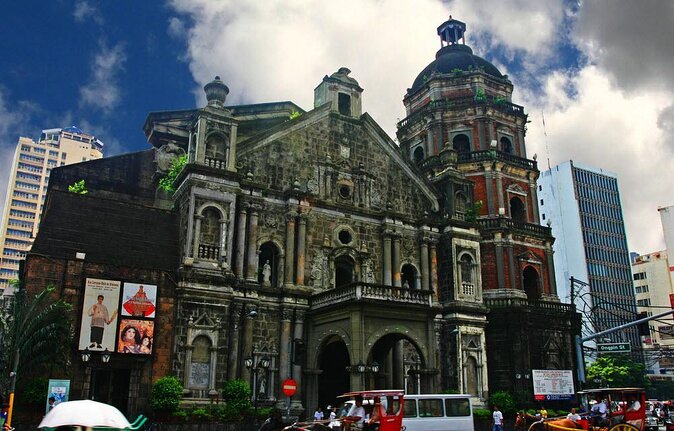
- Binondo is the whole stage: The tour explores Manila’s Chinese quarter, one of the oldest Chinatowns in the world, with Chinese and Filipino influences meeting at every turn.
- Food costs extra: The tour price includes bottled water, but not brunch, street food, snacks, or other purchases.
- Mari gets high marks: She is praised for fun explanations, good food choices, family-friendly help, flexible planning, and taking photos for her group.
- The group stays small: A maximum of 10 people makes it easier to ask questions and keep the walk moving through busy streets.
- Local transport adds a Filipino touch: The experience includes a ride in a Lamborghini tricycle, an unusual part of the outing.
- Plan for a short but active walk: The route lasts about two hours and includes alleys, food stops, historic buildings, and a market.
Why Binondo makes a good first Manila walk
Binondo is not a polished museum district. It is a working part of Manila, with food shops, market stalls, older buildings, Chinese businesses, Filipino commerce, and crowded streets all sharing the same space. That is precisely why a guide helps.
The area is known as Manila’s Chinatown and has a long Chinese-Filipino story. Chinese communities have influenced trade, family life, religion, language, and food across the Philippines for centuries. In Binondo, those connections are not hidden behind glass. You see them in the food stalls, shops, buildings, and daily rhythm of the streets.
I like tours that explain how a place developed instead of simply pointing at old facades. This walk aims to show how Chinese cuisine changed in the Philippines and how local tastes created a distinct blend. You are not just checking off Chinatown. You are learning why the food and street life look the way they do.
The route also promises charming alleys and some of the area’s oldest buildings. Since the activity lasts only about two hours, do not expect a full architectural survey. Think of it as a lively introduction with food and local stories woven through it.
You can also read our reviews of more walking tours in Luzon

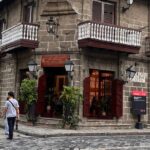
Meeting at 1919 Grand Cafe
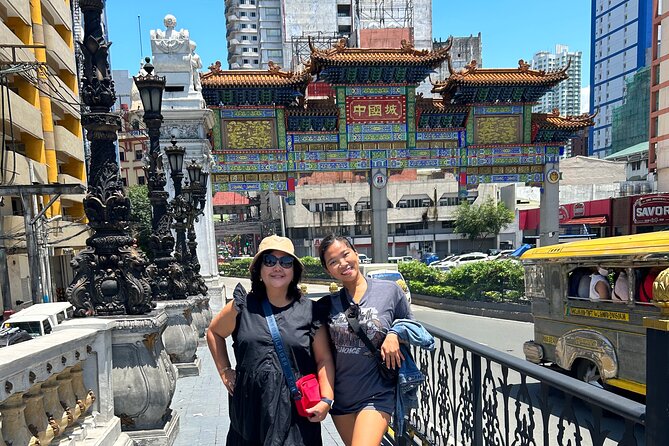
The tour begins at 1919 Grand Cafe on Juan Luna Street in Binondo. This gives you a clear meeting point inside the district rather than starting from a distant Manila hotel or transport hub.
You should arrive ready to walk and ready to eat. Comfortable shoes matter more here than stylish ones. The route includes alleys and market areas, so you will want to keep your hands free and your belongings secure.
The tour includes bottled water, a small but useful touch in Manila’s heat. Food and snacks are not included, so bring enough Philippine pesos for the dishes you want to try. The description does not give a fixed food budget, and prices can vary depending on what you choose.
That flexible setup has a benefit. You can decide how much to eat and avoid paying in advance for items you do not want. The drawback is that the $55 headline price is not your final spending amount if you plan to taste several dishes.
Following Binondo’s alleys and old buildings
The first part of the walk introduces Binondo through its streets and side lanes. A guide can make a major difference here because the district’s appeal is easy to miss if you stick to the widest roads or only follow a map.
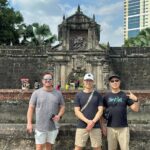
Look for the contrast between older structures, commercial activity, food shops, and small local businesses. The tour is designed to point out historical landmarks and buildings that you might pass without noticing on your own.
I appreciate the promise of the best angles for photos. That is a small detail, but it matters in a district where signs, narrow streets, food displays, and older architecture compete for attention. Mari is also praised for taking photos and sending them through WhatsApp, which can save you from relying only on quick phone snapshots.
Do not expect a quiet heritage walk. Binondo is a functioning neighborhood. Traffic, pedestrians, deliveries, and market activity are part of the scene. That makes the walk more authentic, but it also means you should stay close to the guide and watch your footing.
Eating your way through Chinese-Filipino flavors
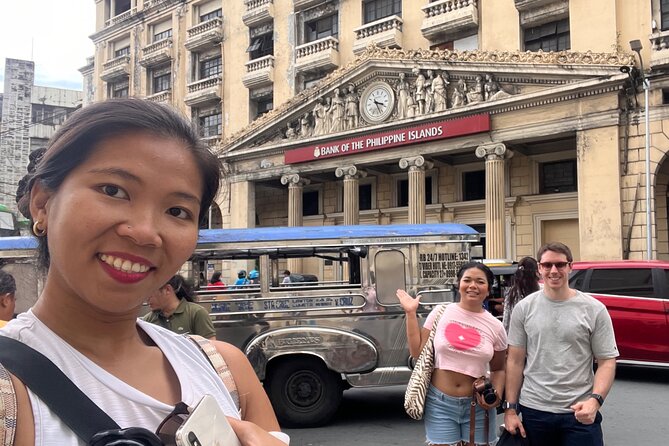
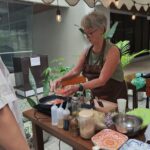
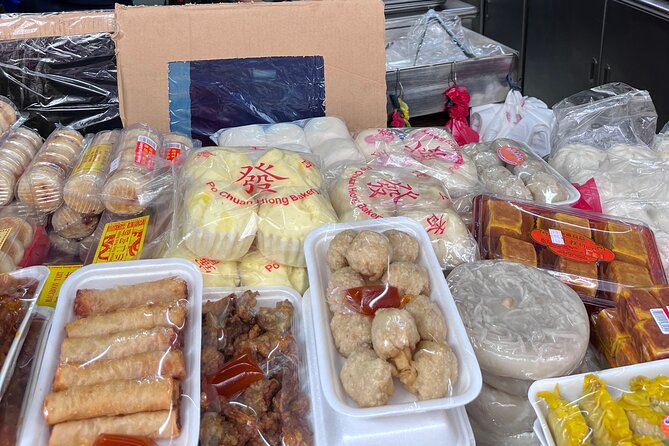
Food is the heart of this experience. The guide leads you to Chinese street food and helps you sample a range of local flavors. The available information does not promise a set tasting menu, so the exact dishes may depend on the day, the places open, and your preferences.
That lack of a fixed menu can work in your favor. Mari has been praised for choosing good food stops, skipping long lines, and helping people select what suits them. She has also helped with different dietary needs, though you should still explain your restrictions clearly before ordering.
The food is described as a mix of Chinese and Filipino influences. That is the key idea to watch for. You are not simply eating food from China in a Manila setting. You are seeing how recipes and cooking traditions changed after becoming part of Filipino life.
The separate food payment deserves careful attention. One person found the total cost high because every food item required an additional payment. The operator explains that this arrangement lets you choose what you want, but you should still budget for it before booking.
I would treat the $55 as payment for the guide, route, local transport, bottled water, and the convenience of having someone select and explain the stops. If you only want a cheap meal, this is not the right purchase. If you want help finding several local foods and understanding what you are eating, the value improves.
Market time for produce, souvenirs, and local goods
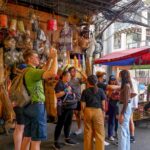
The route includes a Filipino market with souvenirs, fresh produce, and local goods. This gives the walk a useful change of pace after the food stops.
Markets tell you more about everyday life than a postcard view does. You can see what is sold locally, how food is displayed, and how Chinese-Filipino commerce fits into Manila’s wider culture. The tour description does not specify a particular market or guarantee time for shopping, so think of this as an included stop rather than a dedicated shopping trip.
You might find this part especially helpful if you want souvenirs that feel connected to the neighborhood. Still, any purchases are your responsibility, and the tour price does not cover them.
The market also provides a chance to compare the prepared food you taste with the ingredients and products used in daily cooking. That connection adds meaning to the food stops and keeps the tour from becoming a simple series of snacks.


Riding the Lamborghini tricycle
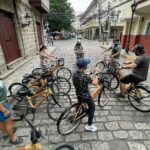
One of the more unusual inclusions is local transportation in a Lamborghini tricycle. Despite the grand name, this is a local-style three-wheeled vehicle, not a sports car. The wording gives the ride a playful edge, and it adds a distinctly Filipino transport experience to the walk.
Because the tour is only around two hours, the ride is likely meant to connect parts of the route or offer a short break from walking. The supplied information does not state how long the ride lasts or exactly where it fits, so do not book this expecting a long vehicle tour.
I like the idea because it gives you a taste of how people move around Manila beyond standard tourist transport. It also helps vary the experience. You walk through alleys, stop for food, visit a market, and use local transport rather than spending the whole outing on foot.
What Mari adds to the experience
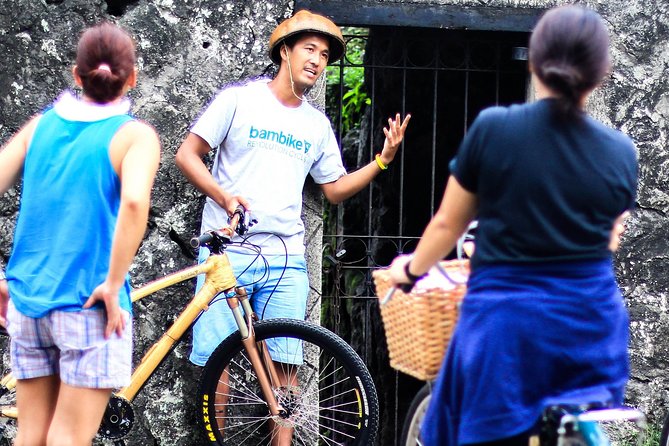
The guide can make or break a short neighborhood tour. Here, Mari is repeatedly praised for being fun, energetic, friendly, and well informed about the area.
Her strongest contribution appears to be personal attention. She has helped a four-year-old enjoy the outing, adjusted for food needs, assisted with fruit purchases, and helped someone find a good price for dragon fruit. Those details suggest a guide who pays attention to what people actually need instead of delivering the same speech to every group.
She is also praised for giving the right amount of background information. That is important in Binondo, where too little explanation leaves you lost and too much turns a food walk into a lecture.
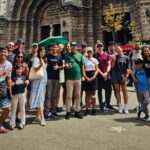
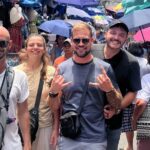
The group limit of 10 supports this style. A small group gives you a better chance to ask about dishes, request a photo, or mention a dietary concern. Some bookings may feel especially personal if the group is smaller than the maximum.
The experience has a 4.8 out of 5 rating from 30 ratings, with 93 percent recommending it. Those figures point to a strong overall response, but the price concern remains real and should not be brushed aside.
How much value do you get for $55?
At $55 per person, this is not a bargain street-food crawl. Manila food itself can be inexpensive, and you still pay separately for brunch, snacks, and the items you taste.
The better question is what you are paying for beyond the food. The cost includes a local guide, a planned route through Binondo, historical explanation, help choosing dishes, bottled water, small-group attention, and local transport. It also saves you the work of finding places, understanding menus, and deciding what is worth trying.
I see the price as easier to justify for first-time visitors to Manila, families, and anyone who prefers guided introductions to unfamiliar food. It is also a reasonable choice if you value photos and personal recommendations. Mari’s help with dietary needs and children adds practical value that is hard to measure on a menu.
The price is harder to justify if you already know Binondo, speak with ease to local vendors, or mainly want to eat as cheaply as possible. In that case, you may prefer to explore independently and spend your money directly on food.
Bring a separate food budget. Since the number and type of tastings are not fixed, you should ask yourself how much you want to sample before you go. The tour lets you choose, but choice also means your total cost can rise.
Who should book this walk?
I would recommend it to first-time Manila visitors who want a quick introduction to Binondo without having to plan every stop. The mix of food, history, market life, and transport gives you several ways into the district.
It also suits families. Mari’s care with a four-year-old is a good sign, and the short duration keeps the commitment manageable. Families should still be prepared for busy streets, walking, and food choices that may not suit every child.
Food-focused visitors will get the most from the experience, especially if they enjoy trying several small portions rather than sitting down for one long meal. The guide’s help with local choices is a major part of the value.
You may want to skip it if you dislike paying separately for tastings or want a formal historical tour with detailed architecture. This is a social, practical neighborhood walk, not a museum lecture or a full-day cultural program.
The meeting point is near public transportation, and the activity ends back at 1919 Grand Cafe. Confirmation is provided when you book, and most people can participate. The group can include up to 10 people, so ask about your preferred date if you want the smallest possible group.
Free cancellation is available if you cancel at least 24 hours before the start time. Changes or cancellations inside that period are not accepted for a refund, and the activity may be rescheduled or refunded if its minimum number is not reached.
Should you book the Binondo walking tour?
Book it if you want a friendly guide to connect Binondo’s food, streets, market life, and Chinese-Filipino story in one short outing. Mari’s personal style, photo help, flexibility, and food recommendations are the strongest reasons to choose it.
Before paying, remember the full cost: $55 for the tour, plus food, snacks, and any market purchases. If you accept that arrangement and arrive hungry, this can be a lively and useful first look at Manila’s Chinatown. If your priority is the lowest possible food price, explore independently instead.
FAQ
How long is the Binondo walking tour?
The tour lasts approximately two hours.
Where does the tour start?
It starts at 1919 Grand Cafe, 117 Juan Luna Street, Binondo, City of Manila, Metro Manila 1006, Philippines.
Where does the tour end?
The activity ends back at the meeting point at 1919 Grand Cafe.
Is food included in the $55 price?
No. Brunch, Chinese street food, snacks, and other food expenses are not included. You pay separately for the items you choose.
What is included in the tour?
The price includes bottled water, a local tour guide, and local transportation in a Lamborghini tricycle.
How many people can join?
The maximum group size is 10 people.
Can I cancel for a full refund?
Yes, if you cancel at least 24 hours before the experience start time. Cancellations or changes made less than 24 hours in advance are not refunded or accepted.