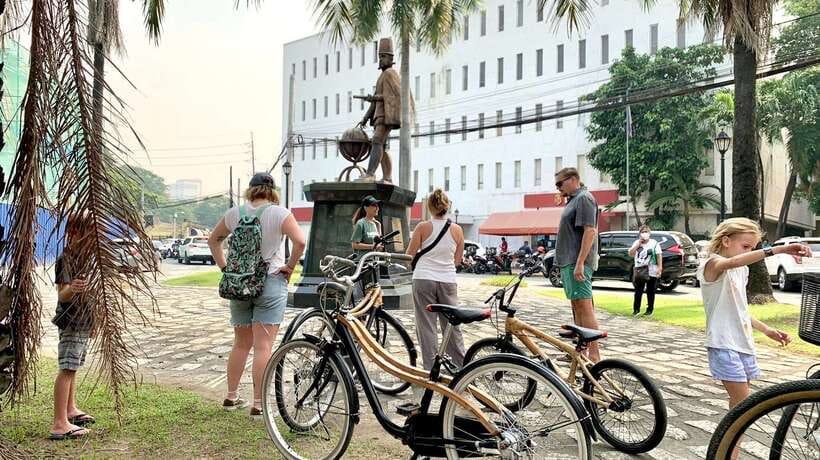
Manila: Guided Sunset Bamboo Bike Tour in Intramuros
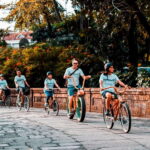
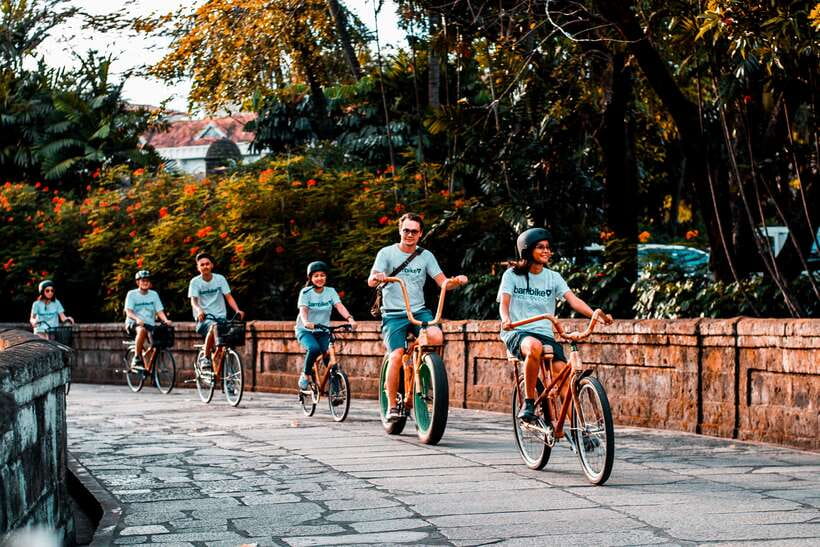
Old Manila is best seen at street level. This three-hour ride through Intramuros combines a handmade bamboo bicycle with clear stories about Spanish rule, World War II, and modern Manila. I especially like the gentle pace and the rooftop sunset at Bayleaf Hotel Skydeck. You also get entrance fees, a drink, a helmet, and a local guide in the $40 price. The main thing to know is that the bikes cover short distances, so this is more of a guided history tour with cycling than a serious bike ride.
The route is easy enough for most casual riders, and the staff can provide rain ponchos when needed. Still, you should bring comfortable clothes and shoes, expect warm weather, and remember that the tour runs in most weather except tropical storms. Guides such as Paolo, JD, Chi, Ang, and Justine have earned praise for mixing facts with humor and personal attention, though your assigned guide will depend on the day.
In This Review
- Why this Intramuros tour is worth your afternoon
- Starting at Plaza San Luis Complex
- Casa Manila puts the colonial period in context
- Puerta Real Gardens bring a quiet pause
- Puerta del Parian and the old gateways
- A short drink break before the main fort
- Fort Santiago carries the heaviest stories
- Bayleaf Hotel Skydeck saves the best view for sunset
- What the $40 price really covers
- Who will enjoy the three-hour route most
- A few honest drawbacks to consider
- My verdict: book it for history, not mileage
- FAQ
- Where does the bamboo bike tour begin?
- How long does the tour last?
- What language is the tour offered in?
- Is hotel pickup included?
- What is included in the price?
- What should I bring?
- Can children join the tour?
- Does the tour operate in the rain?
Why this Intramuros tour is worth your afternoon
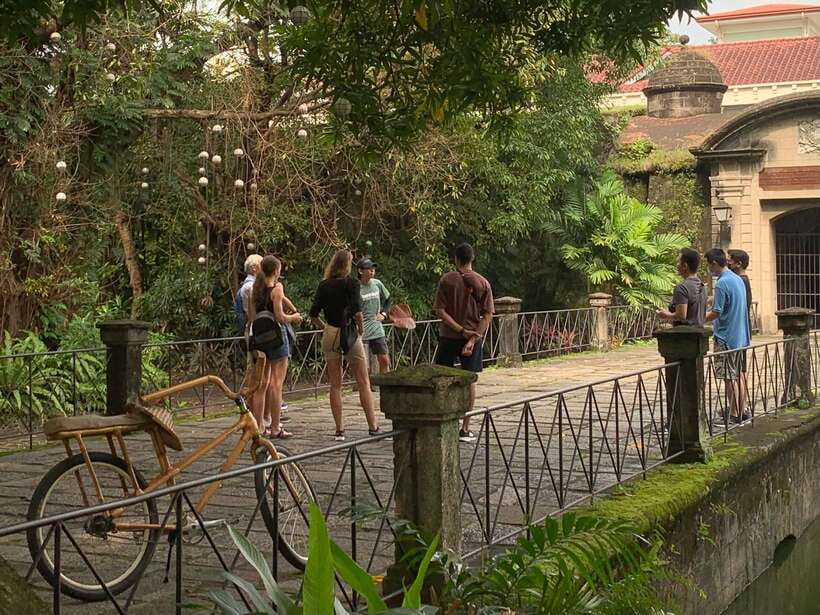
- Handmade bamboo bicycles: Local craftsmen build the bikes, giving a simple sightseeing route a strong Filipino character.
- A well-planned sunset route: You move from Casa Manila and wartime sites toward Bayleaf Hotel Skydeck as daylight fades.
- History with a human voice: Guides explain Spanish Manila, World War II, and present-day city life rather than simply naming buildings.
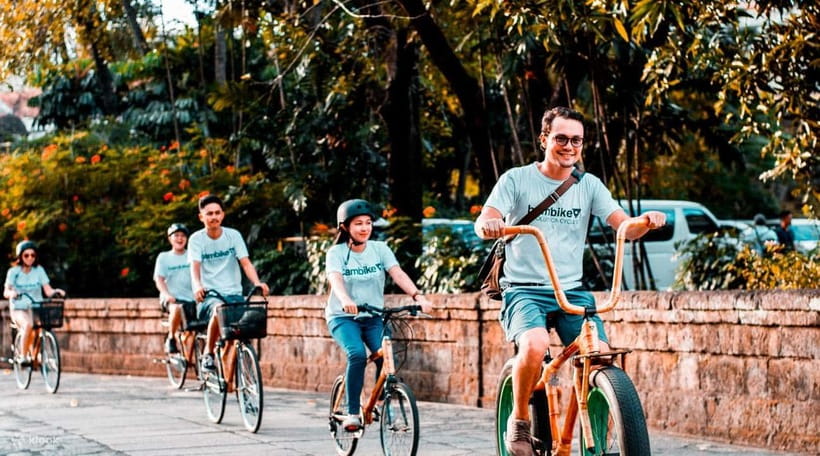
- Small comforts matter: Helmets, rain ponchos, a complimentary drink, cold towels, ice cream, and even mosquito spray have made the ride easier for past participants.
- Useful for a short stay: The route covers many key Intramuros sights in three hours, making it practical during a brief Manila visit or layover.
- More sightseeing than exercise: Cycling is leisurely, and several stops involve walking and listening rather than extended riding.
Starting at Plaza San Luis Complex
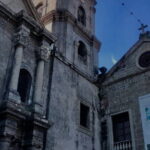
You meet at Bambike Ecotours HQ inside the Plaza San Luis Complex on Real Street, near the corner of General Luna Street. San Agustin Church is directly across the complex and is the easiest landmark to use when finding the office.
Do not plan on hotel pickup. You need to make your own way to Intramuros, and Manila traffic can be slow, so allow extra time before the scheduled start. The precise Bambike Ecotours location can also be found by searching the company name on Google Maps.
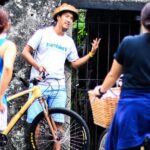
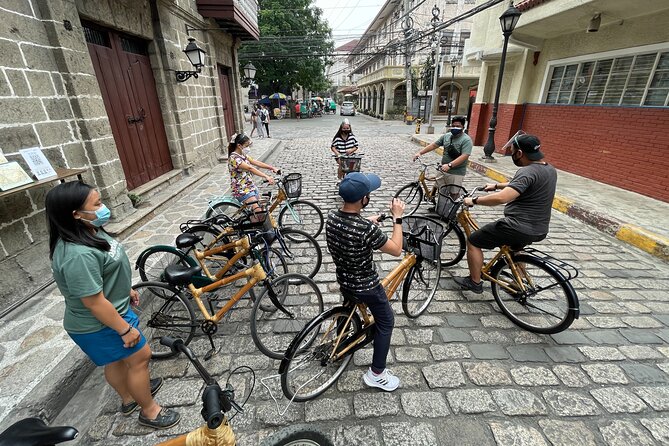
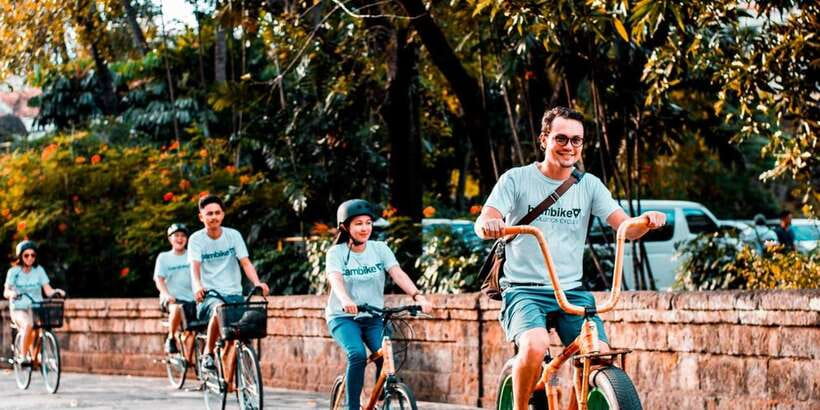
At the shop, you choose a bamboo bike, put on your helmet, and receive a safety briefing. This opening section takes about 15 minutes. The bikes are not just ordinary bicycles with bamboo decoration. Their frame design gives the ride a clear local connection, and choosing a bike helps you get comfortable before setting off.
I would not expect a fast or athletic ride. The pace is deliberately calm, with frequent stops for explanations and photographs. One rider felt there was not enough cycling because the distances between sights are short, while another found the route easy and pleasant. Both points are fair. If you want exercise, you may find the ride too gentle. If you want to cover Intramuros without tiring yourself out, the pace works well.
You can also read our reviews of more guided tours in Manila


Casa Manila puts the colonial period in context
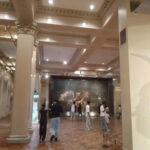
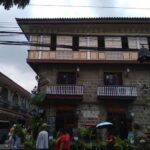
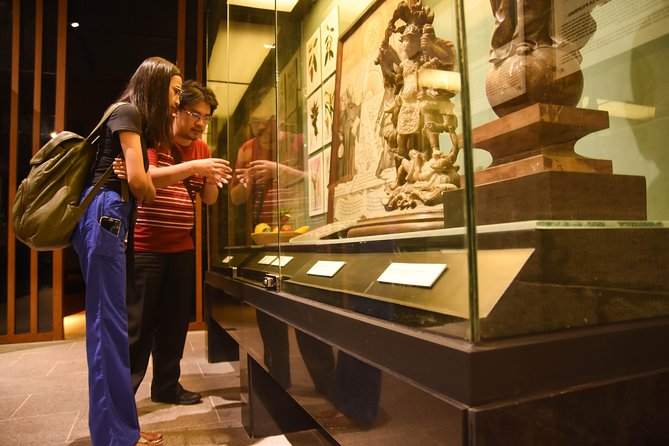
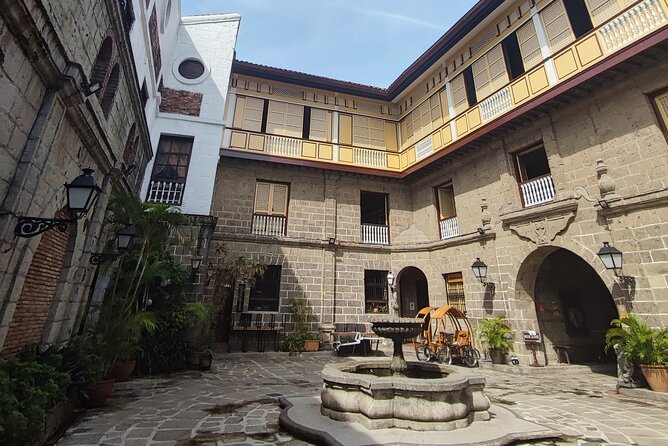
Casa Manila is the first major stop. This museum focuses on the Spanish colonization of the Philippines, giving you a useful starting point for understanding why Intramuros looks and feels so different from the rest of Manila.
The guide leads you through the area by bike and explains the setting before the route moves on. This is a good place to ask questions, since later stops build on the political and religious structure introduced here.
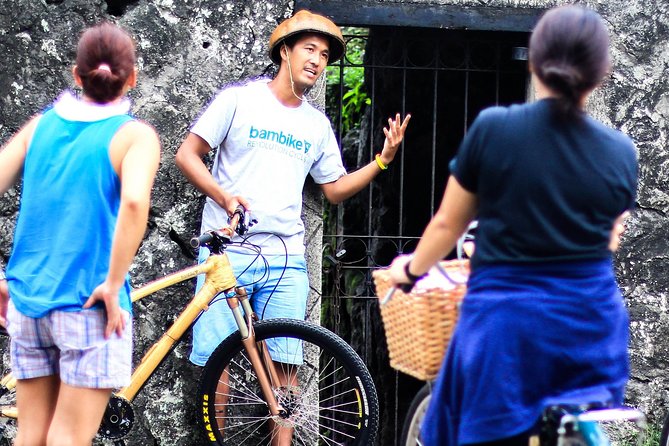
The strongest part of this tour is the guide’s ability to connect buildings with people and events. Paolo has been praised for explaining both historical events and current affairs, while Ang used historical photographs on her phone to show how the area changed over time. A guide may use a similar approach, so keep your questions coming. The more you ask, the more useful the stops become.
Puerta Real Gardens bring a quiet pause
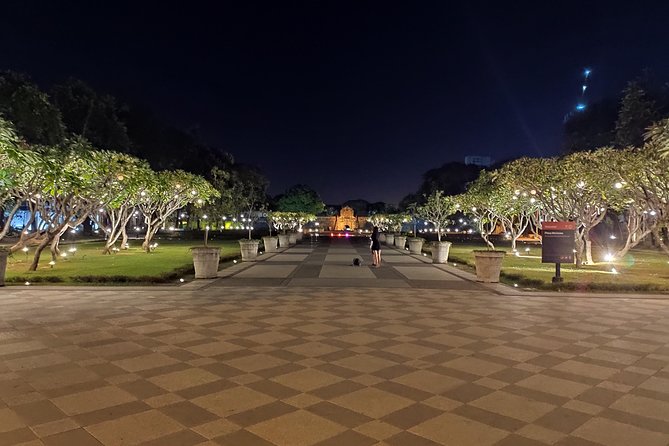
From Casa Manila, you ride to Puerta Real Gardens. This green section offers a break from stone walls and busy roads, with local plant life around the old defensive area.
The stop lasts about 30 minutes and focuses on the history of Intramuros. That length is useful because the gardens are not treated as a quick photo stop. You have time to listen, look around, and let the guide explain how this part of the walled city fits into Manila’s past.
The calm setting also changes the mood of the tour. Intramuros is often associated with churches, fortifications, and wartime destruction, but Puerta Real shows a softer side. If you are sensitive to heat, this is one of the places where the slower pace will feel welcome.
Mosquito spray has been available on some outings, and one participant specifically appreciated citronella spray. It is a small but practical touch. I would still wear light, comfortable clothing and carry anything you normally use for insect protection.
Puerta del Parian and the old gateways
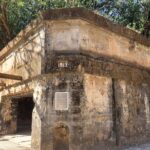
The next stop is Puerta del Parian, one of the earliest gateways into Intramuros. The visit lasts roughly 15 minutes, so expect a focused explanation rather than a long exploration.
This is where the guide can help you read the city walls as more than old stone. Gateways controlled movement into the walled settlement and reflected the way colonial Manila was organized. The value of the stop comes from the explanation, since the structure itself may not take long to see.
You continue toward the Aduana Building, Manila Cathedral, and Plaza de Roma. These stops help form a picture of colonial Manila’s civic, religious, and administrative center.
Manila Cathedral gives the route a strong religious landmark, while Plaza de Roma represents the formal heart of the old colonial city. The guide explains the relationship between these sites, so you are not simply cycling past impressive facades without context.
A short drink break before the main fort
The itinerary includes a 15-minute break at a local bar, with a drink and scenic views along the way. The complimentary drink is included, though one rider noted that it could not be exchanged for a beer. If you want alcohol specifically, check what is offered rather than assuming the included drink is a beer.
This pause breaks up the history talk at a good moment. You have already seen several gateways and civic sites, and the break gives you a chance to cool down before Fort Santiago.
The organization here has been a strong part of the experience. Guides have arranged drinks in advance, and food or drink stops have been ready for the group. That makes the three-hour schedule feel controlled rather than hurried.
You can also read our reviews of more evening experiences in Manila

Fort Santiago carries the heaviest stories
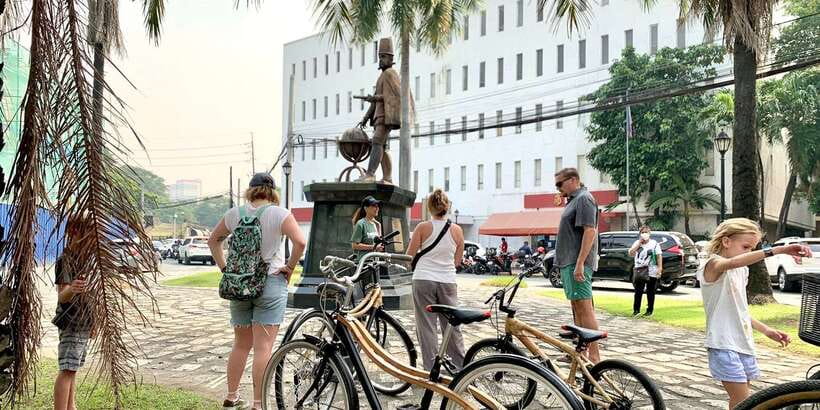
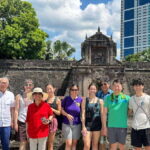
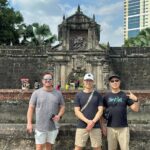
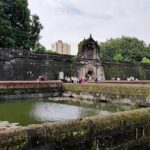
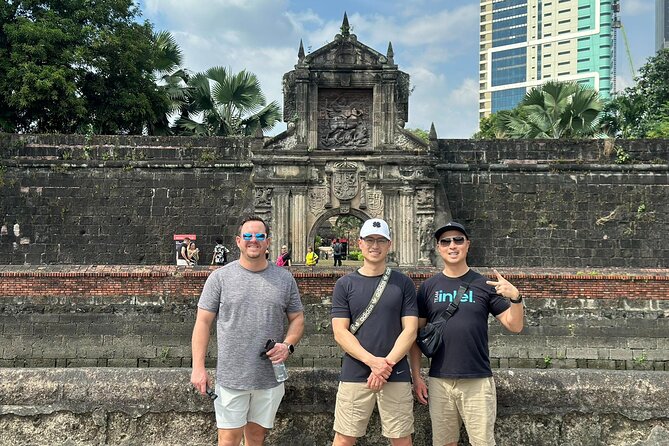
Fort Santiago is the longest major stop, at about 45 minutes. You may bike through part of the area, then walk and listen as the guide explains its role in Manila’s past.
This is the point where the tour moves beyond colonial architecture and into the darker chapters of the city. The fort connects to World War II history, the destruction of Manila, and the endurance of the Filipino people. The Japanese Cannon, visited earlier in the route, prepares you for this shift by focusing on the city’s wartime experience.
A good guide makes a difference here. The most praised guides have been warm, patient, and able to explain difficult events without turning the stop into a dry lecture. Paolo, JD, Chi, and Justine have all been singled out for strong storytelling, humor, or care with questions. One guide even brought historical photographs to give the sites a visual link with earlier periods.
You should expect some walking at Fort Santiago. Comfortable shoes matter more here than specialized cycling gear. The tour is not physically demanding, but the combination of riding, standing, and walking can add up in Manila’s heat.
Bayleaf Hotel Skydeck saves the best view for sunset
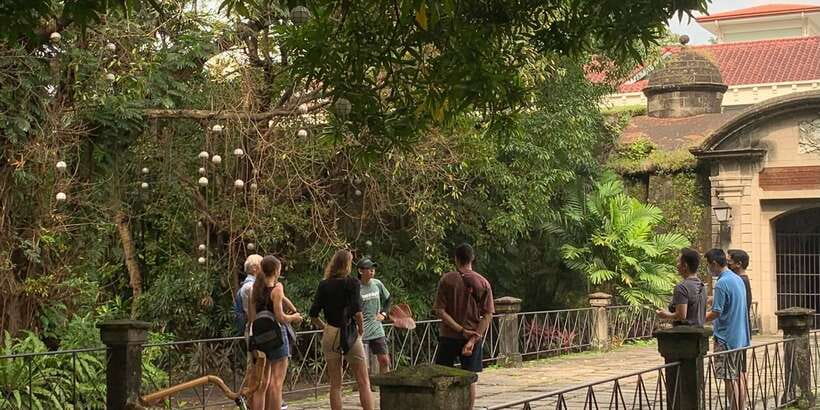
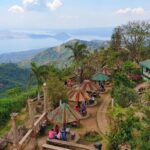
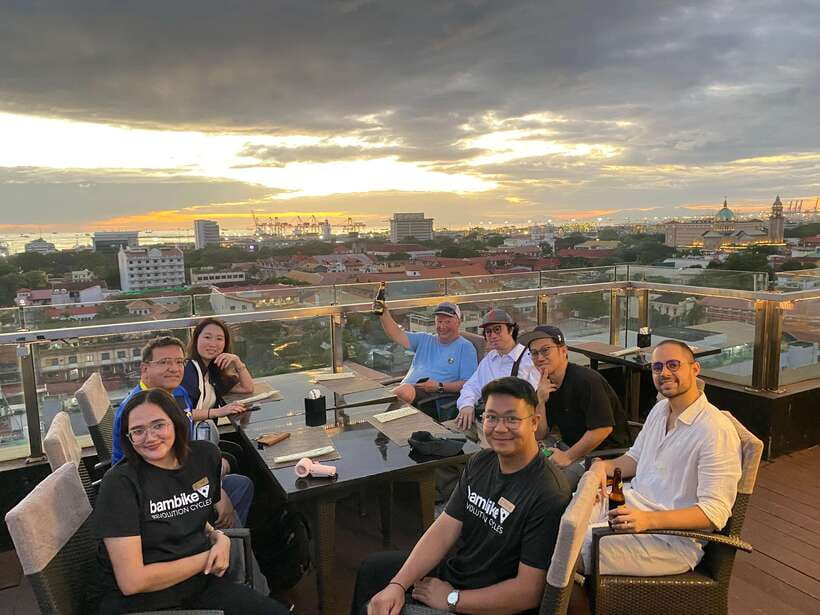
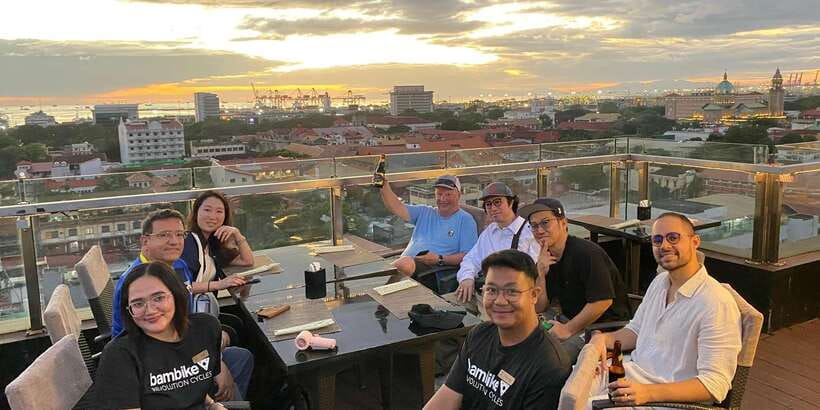
The sunset stop at Bayleaf Hotel Skydeck is the tour’s big finish. From the rooftop, you look over Manila as the light changes, with a broad view that gives you a sense of the city beyond the Intramuros walls.
The timing is one of the smartest features of the route. Instead of beginning at the rooftop and watching the sky brighten or fade too early, the tour saves the view until the end. Past participants have described the sunset as spectacular, and one outing even had a full moon as an extra reward.
Sunset conditions are never guaranteed. Clouds or rain can soften the view, and the tour operates in most weather. Still, the rooftop gives you a worthwhile final stop even when the sky does not produce a perfect orange horizon.
You may receive the included drink here or at the earlier break, depending on how the guide organizes the outing. Afterward, the group returns to Bambike HQ at around 6:30 PM. A cold towel and ice cream provide a welcome finish, especially after riding in humid weather. Some guides have also supplied bike lights once it became dark.
What the $40 price really covers
At $40 per person, this is not the cheapest way to see Intramuros, especially since you can walk between many of the sights. The price makes more sense when you count the guide, bamboo bike, helmet, entrance fees, rain poncho if needed, complimentary drink, and the planned rooftop stop.
You are also paying for interpretation. Without a guide, you can see Casa Manila, Manila Cathedral, Fort Santiago, and the old gates, but it is harder to connect them to Spanish rule, wartime destruction, and the city’s later development.
The practical extras add value. Cold towels, ice cream, mosquito spray, and help with arrangements have made the outing feel carefully handled. One guide even helped book a taxi afterward. That service may depend on the guide and the day, so treat it as a pleasant possibility rather than a promised feature.
For a first visit, I think the price is fair if you value history and convenience. If you mainly want a long bicycle ride, it is less compelling. The route has short stretches between stops, and the real experience is the mix of transport, storytelling, and sightseeing.
Who will enjoy the three-hour route most
This tour suits you if you want a clear introduction to Intramuros without spending a full day on foot. It is especially useful during a short Manila stay, and one participant with only a layover found it a practical way to see the area.
It also works well for families, with a few conditions. Children aged 4 to 12 must be accompanied by an adult, and infant seats for ages 2 to 4 are available if requested when booking. Unaccompanied minors are not allowed.
The ride is suitable for casual cyclists rather than people seeking speed. You need comfortable shoes and clothes, but no special equipment. The tour continues in ordinary rain, with ponchos available when needed, but it does not operate during tropical storms.
English and Tagalog are the available tour languages. Group size can vary. Some outings have been small and highly personal, while the activity is generally presented as a group tour. A smaller group gives you more time for questions and photos, but you should not book expecting a private tour unless that is confirmed.
Free cancellation is available up to 24 hours before the start, and you can reserve now and pay later. Those options help if your Manila schedule depends on weather or changing transport plans.
A few honest drawbacks to consider
The bamboo bikes are the star of the experience, but you do not spend the entire three hours pedaling. The distances are short because Intramuros is compact, and each stop includes a talk or walk. That is ideal for sightseeing, but less satisfying for a cyclist hoping to cover ground.
The slow speed can also feel slightly awkward while balancing. One rider wished the group could ride faster, while another praised the easy route. Your view will depend on whether you see the bicycle as exercise or as a fun way to move between landmarks.
The sunset is another variable. Clouds and rain can change the rooftop view, although the guide team supplies ponchos and has continued operating in wet conditions. Finally, the meeting point is central to Intramuros but not close to every Manila hotel, so traffic planning matters.
My verdict: book it for history, not mileage
I would book this tour if you want an easy, well-organized introduction to Intramuros with a memorable sunset at the end. The handmade bike adds character, but the guides are the real reason to go. Their stories, historical photographs, humor, and care turn a collection of old buildings into a readable chapter of Manila’s past.
Book it if you have limited time, enjoy local history, want help covering the major sights, or like the idea of ending the day above the city with a drink and dessert. Skip it if your main goal is a long bike workout or if you prefer exploring every site at your own pace.
At $40, the experience earns its value through the guide, admissions, small comforts, and efficient route. Just arrive at Plaza San Luis Complex with realistic expectations: this is a leisurely history ride, with the sunset and the people guiding you providing the highlights.
FAQ
Where does the bamboo bike tour begin?
It begins at Bambike Ecotours HQ inside the Plaza San Luis Complex on Real Street near General Luna Street in Intramuros. San Agustin Church is directly across from the complex.
How long does the tour last?
The tour lasts three hours and returns to Bambike HQ at around 6:30 PM.
What language is the tour offered in?
The live guide speaks English or Tagalog.
Is hotel pickup included?
No. Hotel pickup and drop-off are not included, so you need to reach the meeting point yourself.
What is included in the price?
The price includes a local guide, bamboo bicycle, helmet, entrance fees, rain ponchos when needed, and a complimentary drink. A cold towel and ice cream are provided after the tour.
What should I bring?
Bring comfortable shoes and comfortable clothes. These are useful for both cycling and walking at Fort Santiago and the other stops.
Can children join the tour?
Children aged 4 to 12 must be accompanied by an adult. Infant seats for children aged 2 to 4 are available if requested during booking. Unaccompanied minors are not allowed.
Does the tour operate in the rain?
The tour operates in all weather conditions except tropical storms. Rain ponchos are available if needed.