The Oldest Chinatown in Manila with Local Guide
Manila’s best stories often begin at a food stall. This two-hour walk through Binondo and Divisoria brings you into one of the world’s oldest Chinatowns, where Chinese-Filipino food, temples, shops, and colonial-era streets meet. Guide Venus, also called V, leads the way with plenty of local character and an obvious love for Manila’s food scene.
I like the mix of eating and city life here. You are not just looking at landmarks, you are tasting the neighborhood and seeing how people shop, travel, and spend an ordinary day. I also like the small-group limit of 10 people, which should make it easier to hear Venus and ask questions. The main drawback is the short two-hour schedule. Binondo and Divisoria can easily fill half a day, so this tour gives you a lively introduction rather than a slow, detailed exploration.
In This Review
- Key points to know before booking
- Why Binondo makes such a good first taste of Manila
- Binondo Chinatown: food, temples, and Chinese-Filipino life
- The local rides that turn a walk into a city experience
- Divisoria Market: bargains, crowds, and a different side of Manila
- Is $55 a fair price for two hours?
- Who will get the most from this Binondo tour?
- How to make the most of the two hours
- Should you book The Oldest Chinatown in Manila with a Local Guide?
- FAQ
- How long does the tour last?
- Where does the tour start?
- Where does the tour end?
- What food is included?
- How many people can join the tour?
- Can I cancel for a refund?
Key points to know before booking
- Binondo food stops: Expect Chinese-Filipino flavors at established local eateries and street stalls.
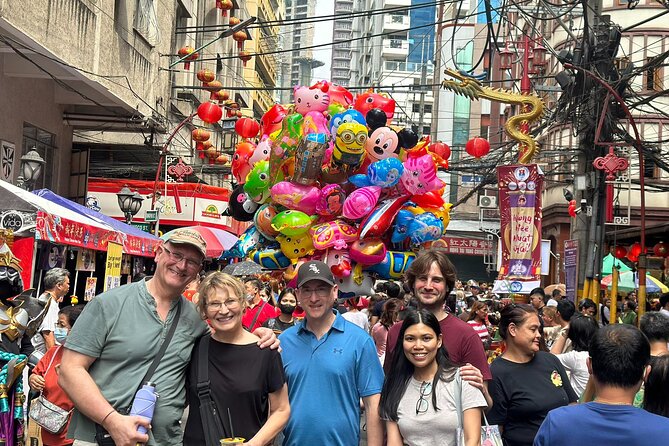
- Venus as your guide: V has been praised for choosing food stops and adding local transport such as jeepneys and tricycles.
- Divisoria shopping: The route includes one of Manila’s best-known bargain markets for clothing, accessories, home goods, and more.
- Small group size: A maximum of 10 people keeps the outing more personal than a large bus tour.
- Two-hour format: This works well as a first look at Chinatown, but it leaves little time for lingering or serious shopping.
- Easy cancellation: You can receive a full refund if you cancel at least 24 hours before the start time.
Why Binondo makes such a good first taste of Manila
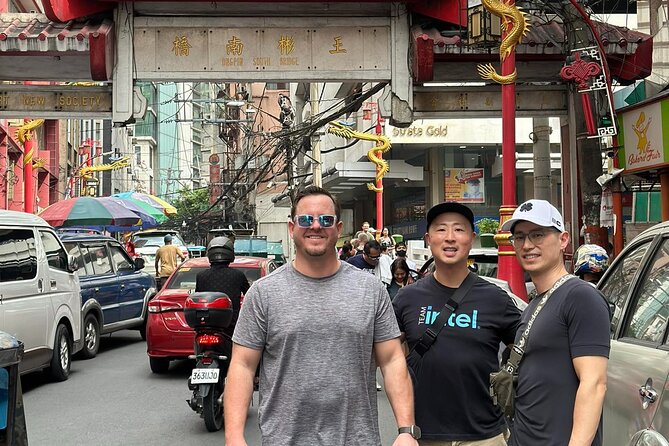
Binondo is not a polished outdoor museum. Its appeal comes from movement, noise, food smells, shopfronts, temples, and layers of daily life. Chinese traditions and Filipino habits have developed side by side here for centuries, creating a neighborhood that feels distinct from both a purely Chinese quarter and a standard Manila commercial district.
That mix is the reason I would choose a guide-led walk rather than simply arriving with a map. A map can point you toward a street or temple, but it cannot tell you which food stall is worth your time or explain how Chinese and Filipino cooking have influenced each other.
The route also gives you a useful contrast. Binondo offers cultural sights and food, while nearby Divisoria is more focused on shopping and street commerce. Together, they show two different sides of Manila: one built around heritage and eating, the other around bargains and trade.
The tour begins in Tondo, Manila, and ends near the Samsung Experience Store on the third floor of SM City Manila, close to Manila City Hall. That point-to-point design is useful if you want to continue sightseeing after the walk instead of returning to the starting area.
You can also read our reviews of more guided tours in Luzon


Binondo Chinatown: food, temples, and Chinese-Filipino life
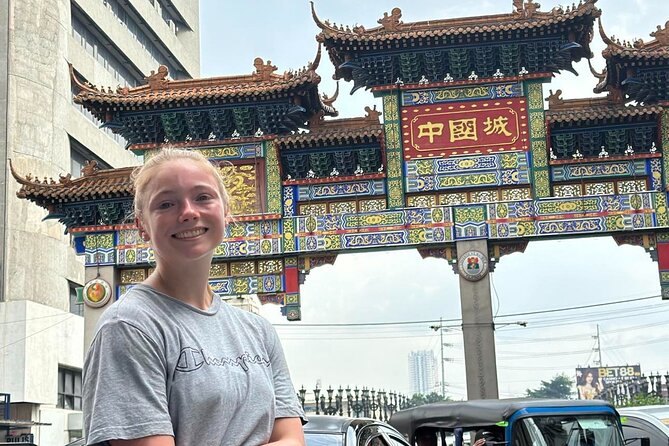
The first part of the outing is centered on Binondo. You can expect to walk through streets filled with Chinese restaurants, small shops, markets, and traditional religious sites. The focus is not simply on seeing the district, but on understanding how its food and customs have changed over time.
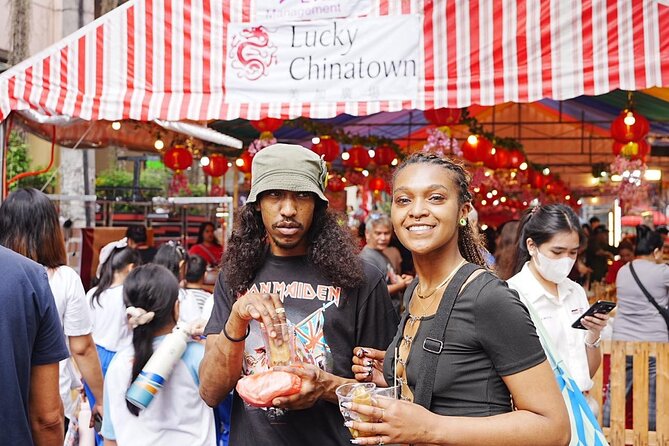
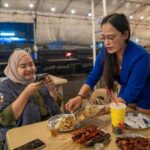
The strongest feature is the food. Venus has been praised for stopping at good stalls and arranging a generous range of Filipino food. The tour description also points to Chinese-Filipino cuisine, so you should expect the meal stops to reflect the neighborhood’s mixed identity rather than present Chinese food in isolation.
That is valuable for first-time visitors. You can sample familiar ideas in unfamiliar combinations, then see the shops and streets that support the local food trade. I like this approach because it connects each bite to a real district instead of treating food as a separate attraction.
The precise dishes are not listed, so you should not book expecting a fixed tasting menu. The selection may depend on the day, the open stalls, and the guide’s choices. That uncertainty is part of the street-food format, but anyone with strict dietary needs should ask for details before booking.
Venus is the key to the experience. The published feedback repeatedly praises her food choices, care, and ability to make the afternoon fun. One particularly useful detail is that she may suggest bars and nightclubs for later, which can help if you want ideas for continuing your evening in Manila.
The cultural side matters just as much as the eating. Binondo includes Chinese temples and historic landmarks alongside commercial streets. Your guide can help explain the connection between Chinese heritage and Spanish colonial Manila, giving you context that would be easy to miss while walking alone.
Do not expect a long lecture at every building. With only about an hour allocated to Binondo, the pace needs to stay brisk. Think of this part as a guided introduction with food and local observations, not a full historical walking tour.
The local rides that turn a walk into a city experience
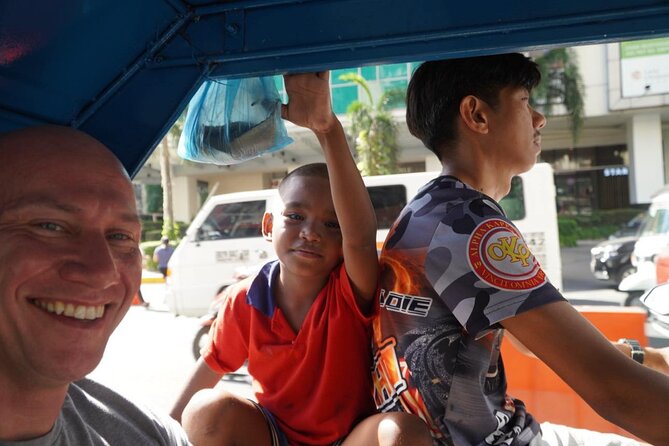
The transport details are one of the most appealing surprises. The published feedback describes rides in two tricycles and a jeepney, with one person calling the jeepney their favorite part. Another account mentions a mix of jeepney and tuk-tuk-style transport.
These rides matter because they give you a direct look at how Manila moves. A jeepney is not just a way to cover distance. It is part of the city’s visual and social character, and riding one can make the route feel less like a standard sightseeing walk.
A tricycle or tuk-tuk-style ride adds another local touch. It may also save your feet during a compact route that moves between food areas and shopping streets. Since the tour lasts around two hours, these rides help vary the experience and make the outing feel broader than the time suggests.
The exact transport used may vary. The information describes these rides through the experience and feedback, but it does not promise a fixed vehicle schedule. I would treat them as a likely highlight rather than a guaranteed checklist item.
If you prefer quiet walking tours with long stops, this may feel busy. If you want to see how the city works at street level, the transport is a major reason to consider booking.
Divisoria Market: bargains, crowds, and a different side of Manila

The second stop is Divisoria Market, a famous shopping area where you can look for clothing, accessories, home decorations, electronics, and other low-priced goods. This is not a refined shopping center. It is a place for comparison, quick decisions, and the pleasure of finding something unexpected.
You should think of Divisoria as a practical market rather than a sightseeing monument. The attraction is the range of goods and the energy of the buying and selling. Even if you do not plan to purchase anything, walking through the market shows you a side of Manila that formal landmarks cannot.
The one-hour allocation gives you enough time to get a taste of the area, but not enough for a relaxed shopping mission. If you arrive with a specific item in mind, you may need to move quickly. Bargain markets also reward patience and price checking, which can be difficult when the tour has a set end point.
This stop works best for people who enjoy local commerce and do not mind crowded streets. It may be less appealing if you want quiet lanes, air-conditioned shops, or a carefully arranged retail experience.
I would also avoid assuming that every item is a great deal simply because it is sold in Divisoria. The fun comes from browsing and comparing. Your guide can help you understand the area, but you remain responsible for deciding what to buy and what price feels fair.
Is $55 a fair price for two hours?
At $55 per person, this is not the cheapest way to walk around Binondo. You are paying for more than directions, though. The price covers a guide-led food and culture outing, a small group capped at 10 people, access to selected food stops, and the convenience of having someone connect Binondo, local transport, and Divisoria.
The value depends on how you would otherwise visit. If you are confident choosing food stalls, navigating Manila transport, and finding the shopping streets yourself, you could spend less independently. You would also have more control over timing.
For a first visit, the price can make sense because the route compresses several experiences into one organized introduction. You get food, neighborhood context, market browsing, and possible jeepney and tricycle rides without having to plan each piece separately.
The short duration is the main factor working against the price. Two hours passes quickly, especially if food stops and transport are included. I see this as a good orientation tour, not a full-day value package.
You may find the price easier to justify if you use the guide’s recommendations afterward. Venus has been praised for suggesting nightlife options, and the tour ends near SM City Manila, giving you a practical base for continuing your day.
Who will get the most from this Binondo tour?
I would recommend this outing to first-time visitors who want a quick, guided introduction to Manila’s food culture. It suits people who prefer tasting and observing local life over spending two hours inside a museum.
It also fits anyone curious about everyday transport. The jeepney and tricycle rides add a local element that many standard food walks skip. Families and mixed-age groups may appreciate having the route organized, although the tour is still a walking experience through active commercial streets.
Food-focused visitors should find the format especially appealing. The food is not an optional extra here. It is the thread that connects the streets, the cultural history, and the guide’s personal recommendations.
Shoppers may also enjoy the Divisoria portion, especially if bargain hunting is part of your Manila plans. Just remember that one hour is not enough to inspect every aisle or negotiate every purchase.
I would be more cautious about booking if you need a slow pace, a detailed architectural tour, or a guaranteed list of dishes. The schedule is compact, and several specifics, including the exact food stops and transport used, are not fixed in the available information.
Most people can participate, and the meeting area is near public transportation. You receive confirmation when booking, and the ticket is mobile, which keeps arrival simple. Free cancellation applies if you cancel at least 24 hours before the local start time. Cancellations within 24 hours are not refunded, and late changes are not accepted.
How to make the most of the two hours
Arrive ready to walk, eat, and make quick stops. The route covers two active districts, so comfortable clothing and a flexible attitude will serve you better than a tightly planned shopping list.
Give Venus room to guide the food choices. Her strongest praise comes from selecting good stalls and making the meal feel personal, so the experience is likely better when you treat it as a local introduction rather than a menu you control dish by dish.
If you want to shop in Divisoria, decide in advance whether you are browsing or buying. A short visit is easier when you are not trying to find ten specific products. Keep your attention on the surroundings as well, because the market itself is part of the lesson.
You can also use the tour as a starting point for the rest of your Manila stay. Ask Venus about later food stops, nightlife, or other local outings. The provider also offers tours focused on Intramuros and historic Manila sites, which would pair well with Binondo’s Chinese-Filipino focus.
Should you book The Oldest Chinatown in Manila with a Local Guide?
Book it if you want food, local transport, and street life in one compact outing. Venus appears to be the central strength, especially for visitors who want a guide who chooses worthwhile stalls and keeps the mood relaxed.
The tour is a good fit for a first afternoon in Manila, a short stopover, or anyone who wants help getting oriented before exploring alone. At $55, it offers fair value when you count the guide, food-focused route, small group, and transport experiences.
Skip it if you want a long historical tour, extensive shopping time, or a fixed tasting menu. For everyone else, this is a lively and practical way to meet Binondo through its food and its streets, with Divisoria adding a useful dose of Manila’s everyday buying and selling.
FAQ
How long does the tour last?
The tour lasts approximately two hours, with about one hour allocated to Binondo and one hour at Divisoria Market.
Where does the tour start?
The meeting point is in Tondo, Manila, Metro Manila, Philippines.
Where does the tour end?
The tour ends at the Samsung Experience Store on the third floor of SM City Manila, near Manila City Hall.
What food is included?
The experience focuses on authentic Chinese-Filipino cuisine and Filipino food at local eateries and stalls. The exact dishes and food stops are not specified.
How many people can join the tour?
The maximum group size is 10 people.
Can I cancel for a refund?
Yes. You can cancel for a full refund at least 24 hours before the experience start time. Cancellations or changes made within 24 hours are not accepted or refunded.