A private Historical Intramuros & highlights in Manila
Manila’s past is packed into one long day. This private eight-hour tour brings together Fort Santiago, Rizal Park, Intramuros, San Agustin Church, the Manila American Cemetery, and the Destileria Limtuaco Museum. I like the way it combines major sights with less expected stops, and I like the freedom to shape the day around your interests. The main consideration is pace: several scheduled visits are short, so you will need to speak up if you want more time in one place.
Your guide and driver collect you at your hotel, port, or airport anywhere in Metro Manila. That is a useful perk in a city where traffic can turn a simple crossing into a slow crawl. Guides named in past experiences include Suzette, June, Glenn, and Jon, with June receiving especially warm praise for keeping the day organized and bringing local life into the conversation.
In This Review
- Key points to know before booking
- What this private Manila day is really designed to do
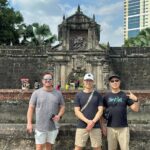
- Fort Santiago, 20 minutes at Manila’s old defensive gate
- Rizal Park, a brief stop with national meaning
- Manila American Cemetery, one hour of quiet reflection
- San Agustin Church, 30 minutes inside a World Heritage site
- Intramuros, the heart of the day
- Destileria Limtuaco Museum, a surprising stop for local industry
- Your guide and driver shape the day
- Timing, traffic, and the private vehicle
- Is $170 per person a fair price?
- Who should book this day?
- Final call: book it for breadth and guidance
- FAQ
- What time does the tour start?
- Where can I be picked up?
- Is this a private tour?
- Is lunch included?
- Are admission fees included?
- Can I request a different schedule?
Key points to know before booking
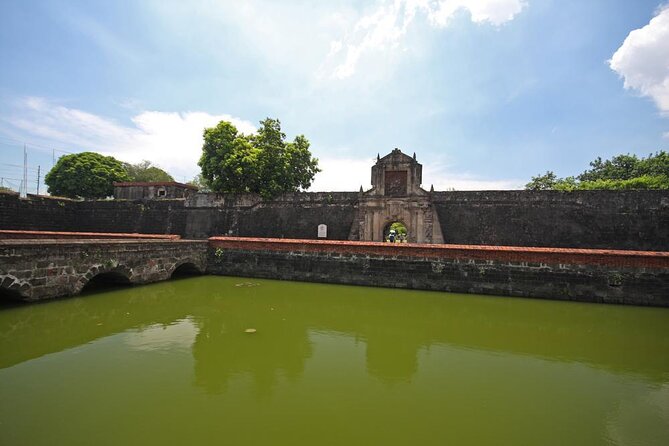
- Fort Santiago and Intramuros lead the historical story: You see Manila’s Spanish colonial center, military defenses, churches, museums, and the city’s most important old streets.
- The Manila American Cemetery deserves its full hour: With 16,859 World War II graves across 152 acres, it offers a quiet change of pace from central Manila.
- Your day is private and adjustable: You can request an early pickup, late pickup, or early drop-off, then send your preferences to the operator.
- The vehicle matters in Manila: An air-conditioned private car gives you shelter between stops and avoids the friction of arranging separate rides.
- Lunch is your responsibility: The tour includes the guide, vehicle, taxes, and admission fees, but not your midday meal.
- Dress properly for churches: Revealing shorts and sleeveless clothing are not permitted, so pack a cover-up.
What this private Manila day is really designed to do
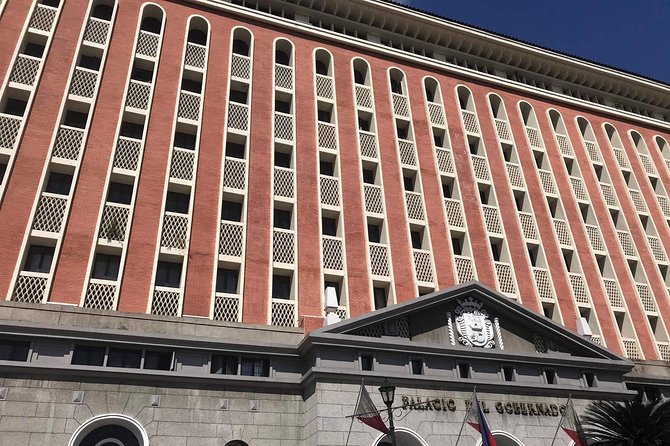
This is a sightseeing day for someone who wants the broad picture without piecing together Manila’s sights alone. You move between central historic districts and the American Cemetery by private vehicle, with a local guide explaining what you are seeing along the way.
I see the private format as the biggest advantage. You are not tied to a large group’s pace, and the operator invites you to request changes. A couple who wanted an authentic Filipino restaurant received help adding one, while another group enjoyed a drive through Chinatown. Those extras are not listed as fixed stops, but they show how the day can bend around your interests when time and traffic allow.
The tour begins at 9:00 a.m. and lasts about eight hours. The listed visits total less than four hours, which leaves a good part of the day for driving, commentary, lunch, and adjustments. That is important in Manila. The distance between attractions can be less troublesome than the traffic, and a private vehicle gives your guide room to change the order or route when needed.
You receive admission to the listed attractions, an air-conditioned vehicle, a local guide, and all fees and taxes. You pay for lunch separately. Since the tour costs $170 per person, the value depends largely on your group size and your priorities. For one or two people, it is not a budget outing. For a group splitting the private vehicle and guide, or for cruise passengers with only one day in port, the convenience may justify the price.
You can also read our reviews of more private tours in Manila


Fort Santiago, 20 minutes at Manila’s old defensive gate
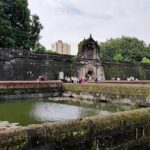
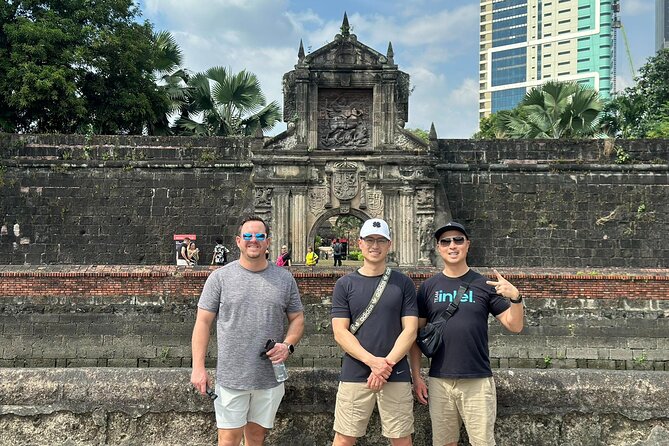
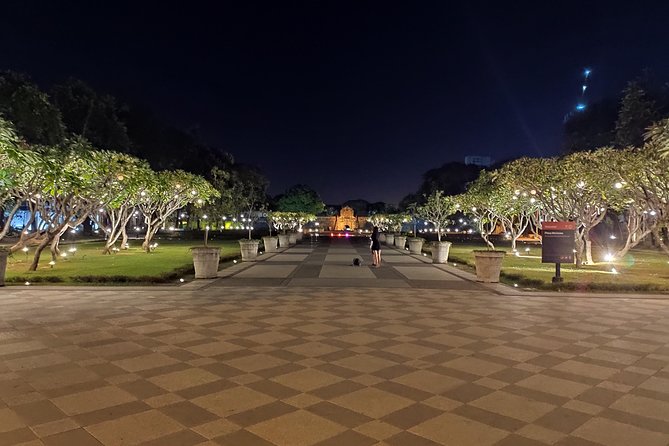
Fort Santiago is the natural opening to Manila’s colonial story. The site sits within Intramuros and connects the old city to the Spanish period, military control, and the wartime suffering that shaped modern Manila.
The scheduled visit is 20 minutes, with admission included. That is enough for a pointed introduction and a look at the main setting, but it is not enough for a slow, detailed exploration of every corner. If Fort Santiago is your main interest, tell your guide early. The private setup gives you a better chance of adjusting time than a fixed group excursion.
A guide adds real value here because old stone walls can otherwise blur into a quick photo stop. Ask for the site’s role in the broader story of Manila, and ask how it connects with José Rizal, the Filipino national hero. One of the guides, Jon, was praised for explaining both national events and everyday life, which is the kind of balance that helps this place feel less like a monument and more like part of a living city.
Rizal Park, a brief stop with national meaning
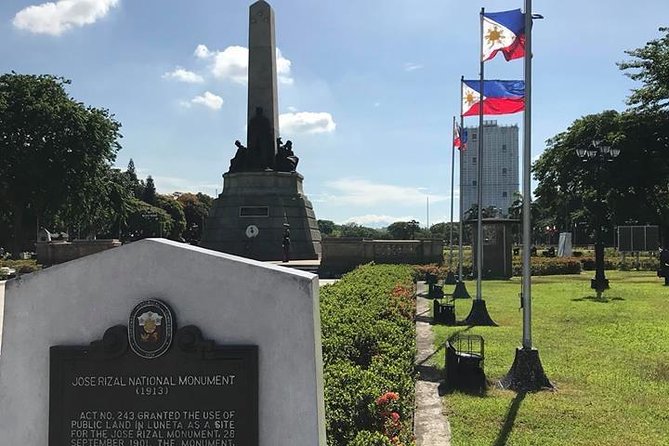
The 15-minute visit to Rizal Park is short, but the park carries major national importance. It honors José Rizal, whose name appears repeatedly in the story of Philippine independence and identity.
I would treat this as an orientation stop rather than a full park visit. You can see the key memorial setting, take photographs, and hear why Rizal matters before moving on. If you prefer gardens, monuments, and public spaces over museums, ask if the schedule can give you more time here.
The short stop also makes sense if your main goal is to cover Manila’s major landmarks in one day. You are not spending an hour at every attraction, so you can reach Intramuros, the cemetery, and the museums without turning the day into a single-site visit.
Manila American Cemetery, one hour of quiet reflection
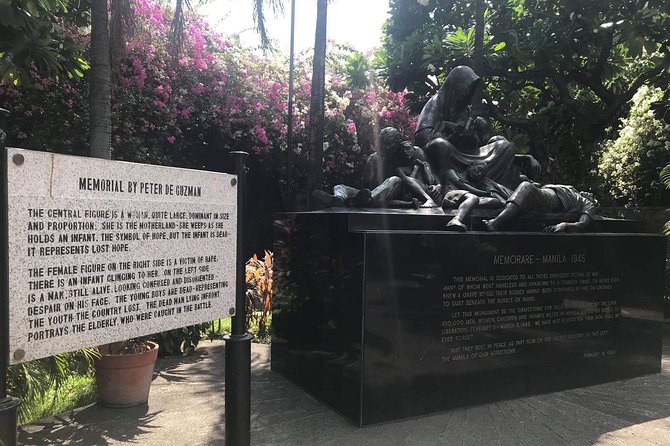
The Manila American Cemetery and Memorial is one of the most striking stops on the route. It occupies 152 acres on a prominent plateau visible from the east, south, and west. The grounds contain 16,859 graves of American military dead from World War II, the largest number of such graves in one cemetery.
The planned hour is better suited to this place than the shorter stops elsewhere. You have time to take in the scale, walk at a measured pace, and listen to your guide explain the cemetery’s place in the Pacific war. This is not just another landmark to check off. Its order and silence create a sharp contrast with Manila’s busy streets.
Several people placed the war memorial among the day’s strongest moments. I can understand why. Fort Santiago and Intramuros show the city’s Spanish and Filipino past, while the cemetery points to the enormous cost of the twentieth-century war. Together, the sites help you see Manila as a city shaped by several outside powers, local resistance, faith, and reconstruction.
The cemetery also gives the day some breathing room. After short urban stops, a full hour in a calm setting can help you absorb what you have been hearing. Bring respectful clothing and follow the tone of the memorial grounds.
San Agustin Church, 30 minutes inside a World Heritage site
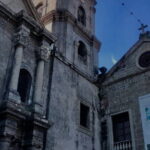
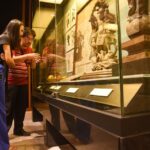
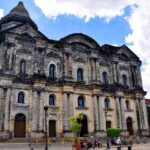
San Agustin Church is a World Heritage site and one of the essential visits within Intramuros. The church offers a direct look at Manila’s Spanish Catholic heritage, while its attached museum spaces add objects and stories beyond the main sanctuary.
The planned 30 minutes works for a focused visit. You can see the church, take in its interior, and begin exploring the museum areas. One account singled out the cathedral and the many rooms of the San Agustin convent museum as an unforgettable part of the day. If religious art, architecture, or Philippine colonial culture matters to you, this may be the stop where you want to slow down.
Dress rules are enforced at churches. Revealing shorts and sleeveless clothing are not permitted, so carry a light cover-up even if Manila’s heat tempts you into summer clothing. This small bit of planning can save you from an awkward pause at the entrance.
You can also read our reviews of more historical tours in Manila


Intramuros, the heart of the day
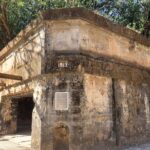
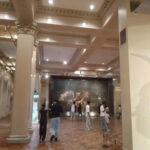
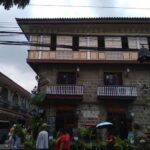
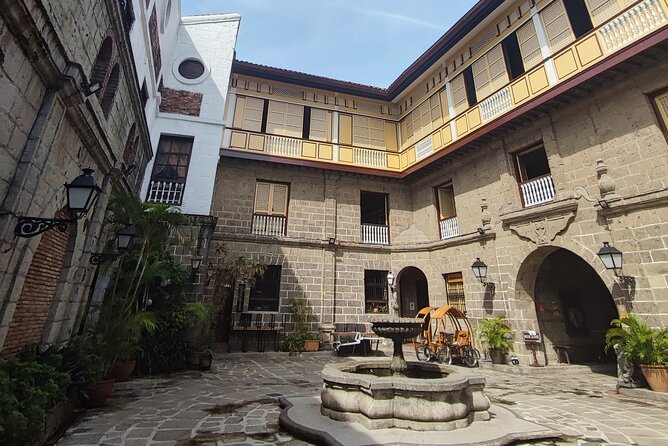
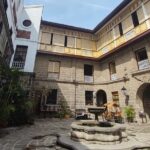
Intramuros means within the walls, and this old district is the tour’s central experience. Its historic landmarks and museums bring together churches, defensive structures, colonial streets, and the remains of a city heavily damaged during World War II.
The scheduled Intramuros visit is 30 minutes, but the district deserves careful attention. In practice, your guide can help you use the time well by pointing out the important buildings and explaining how the walled city functioned. If you want long museum visits or a slow walk through every lane, you should request that in advance and accept that another stop may need to be shortened.
This is also the part of the tour where a flexible guide matters most. A strong guide does more than recite dates. June was praised for explaining local history, cultural events, and daily life, while Glenn was described as energetic and good at keeping the group informed throughout the day. Those qualities matter in Intramuros because the district can raise many questions in a short span.
You may want to ask about the Spanish period, the role of the Catholic Church, wartime destruction, and the district’s place in present-day Manila. These questions can turn a quick walk into a clearer picture of how the old city relates to the modern capital.
Destileria Limtuaco Museum, a surprising stop for local industry
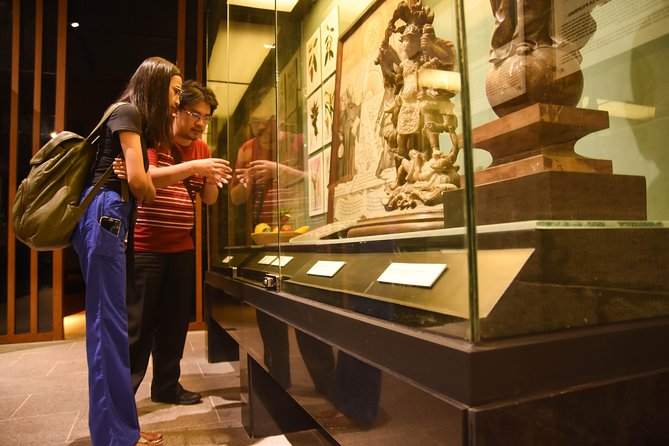
The Destileria Limtuaco Museum gives the itinerary a different flavor, quite literally. Destileria Limtuaco is described as the Philippines’ oldest distillery, producing local spirits such as White Castle Whisky since 1852.
The visit lasts about one hour, making it one of the longer stops. That gives you time to learn about the company, its products, and the role of local distilling in Philippine business and culture. It also breaks up a day that could otherwise be filled entirely with churches, monuments, and wartime sites.
I like this inclusion because it adds an ordinary commercial story to the grand national one. You are not only looking at rulers, soldiers, and heroes. You also see how a Philippine company built a long-running local identity. If you are not interested in spirits or business history, this may feel less essential than Intramuros or San Agustin Church, but the private format lets you discuss how much time you want to spend there.
The provided information confirms the museum visit and admission, but it does not promise a tasting. You should not book this stop expecting one unless the operator confirms it directly.
Your guide and driver shape the day
A private tour can be excellent or flat depending on the people leading it. The strongest accounts here praise clear communication, local insight, organization, and safe driving.
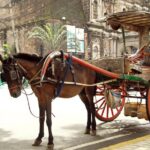
Suzette was described as especially helpful during a day affected by unusual traffic from a major religious event. Her team found another route rather than letting the disruption swallow the tour. June was praised several times for keeping the schedule moving, explaining Manila’s past and present, and arranging a memorable day that included a jeepney ride at the group’s request. Glenn was praised for being energetic and for keeping guests informed from the first message of the morning. Jon was appreciated for connecting national history with local life.
Drivers also receive credit. Andy, MJ, and Roland were each praised for safe, capable driving. That may sound like a small detail, but it is not. In Manila, your driver’s ability to handle traffic affects how much time you spend seeing sights instead of sitting between them.
You can help the day work well by sending your priorities before pickup. Tell the operator if you care most about churches, wartime history, museums, local food, Chinatown, or the national story. The tour permits requests for early pickup, late pickup, and early drop-off, so use that flexibility instead of treating the printed schedule as immovable.
Timing, traffic, and the private vehicle
The air-conditioned vehicle is more than a comfort feature. Manila can be hot, and traffic can be demanding. A private car lets you carry your belongings with you, recover between visits, and avoid arranging taxis across several districts.
The timing is approximate, and that is wise. A religious event once drew an estimated eight million Catholics downtown, forcing the guide and driver to find another route. You should leave room for similar surprises. The private format cannot remove traffic, but it gives the team more choices than a large bus would have.
The itinerary includes pickup anywhere in Metro Manila from a hotel, port, or airport. That is especially useful for cruise passengers, who can turn a single port day into a broad city introduction. Confirm your pickup details clearly, especially if you are arriving at an airport or port and have a tight departure deadline.
Is $170 per person a fair price?
At $170 per person, this tour is priced for convenience and personal service rather than low-cost sightseeing. You receive a private guide, private air-conditioned transportation, admission fees, and taxes. You also avoid the work of planning routes between scattered sights.
I think the price makes the most sense in three cases:
- You have only one day in Manila.
- You are arriving by cruise ship and want a planned day with pickup.
- You are traveling with a small group that can share the private cost.
The value is weaker if you enjoy arranging public transport, have several days in Manila, or want to spend hours at only one or two sites. You could then prefer a slower, narrower visit.
Lunch is not included, so budget for that separately. The guide may help you choose a Filipino restaurant, and one group requested an authentic local meal, but food is not part of the quoted price.
Who should book this day?
I would recommend it to first-time visitors who want a firm introduction to Manila’s major historical sights. It is also a good match for people who prefer a private car, want a guide to explain difficult periods of history, or do not want to manage Manila’s traffic alone.
It suits families and mixed-interest groups because the day can be adjusted. One person can focus on churches, another on wartime sites, and another on local culture. The guide can help balance those interests, though you should not expect every stop to receive equal time.
I would be more cautious if you want a relaxed day with long museum visits. The tour covers a lot, and the 15-minute Rizal Park stop, 20-minute Fort Santiago visit, and 30-minute Intramuros visit are efficient rather than leisurely. Ask for changes before the day begins.
The tour is rated five out of five from 13 evaluations, with all recommending it. The repeated praise centers on guides such as June and Suzette, adaptable planning, safe driving, and the amount of Manila covered in one day. That pattern points to the real strength of the experience: not simply the list of stops, but the people and private transport that connect them.
Final call: book it for breadth and guidance
Book this tour if you want Manila’s major historical themes explained in one private day, with pickup, admission fees, and transport handled for you. Give your guide clear priorities, especially if you want extra time in Intramuros, San Agustin Church, Chinatown, or a local restaurant.
Skip it if you want to linger at every museum or keep costs low. Also note that the booking is non-refundable and cannot be changed for any reason, so choose your date carefully. The tour requires good weather, and if the operator cancels because of poor weather, you will be offered another date or a full refund.
Museums are closed on Mondays, so avoid that day if the museum stops matter to you. With those limits in mind, this is a strong choice for a time-pressed visitor who wants Manila’s difficult, fascinating past presented by a local guide rather than left to a guidebook.
FAQ
What time does the tour start?
The scheduled start time is 9:00 a.m.
Where can I be picked up?
Free pickup is available from any hotel, port, or airport in Metro Manila.
Is this a private tour?
Yes. Only your group participates in the activity.
Is lunch included?
No. Lunch is not included in the tour price.
Are admission fees included?
Yes. The tour includes admission fees, all taxes, a local guide, and an air-conditioned vehicle.
Can I request a different schedule?
Yes. The tour allows requests for early pickup, late pickup, or early drop-off. You should message the operator with your preferences.