Manila: Filipino Historic Walking Tour in Intramuros
History feels close in Intramuros. This three-hour walk connects San Agustin Church, Casa Manila, and Fort Santiago with the stories that shaped Filipino identity, Catholic life, Spanish rule, and the fight for independence. I like the route because it gives you both grand landmarks and smaller details along the old walls. I also like that entrance fees are included, so you are not stopping every few minutes to open your wallet.
The guide-led format is the tour’s biggest strength. You can look at a church or fort on your own, but a good guide explains why each place matters and how the pieces fit together. The main consideration is physical: you will walk through narrow streets, historic interiors, and sections of the old fort, so this is not suitable for wheelchair users or people with mobility impairments. Comfortable shoes are essential, and conservative clothing is required at the religious sites.
In This Review
- Key points at a glance
- Why this three-hour Intramuros walk works
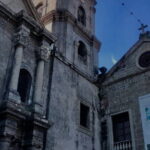
- San Agustin Church starts with a major Philippine landmark
- San Agustin Museum adds objects to the story
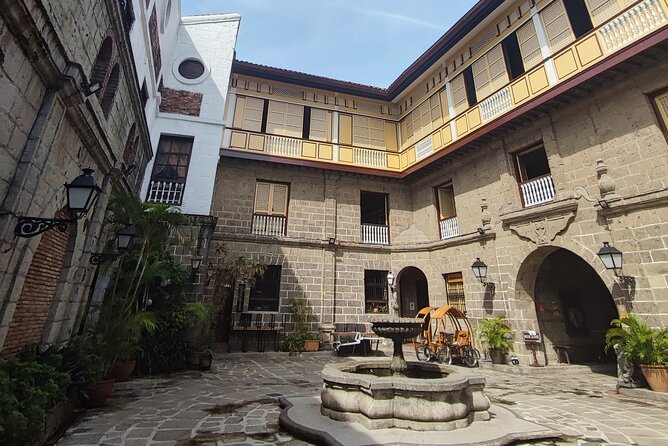
- Casa Manila puts colonial life inside a home
- The old walls reveal Intramuros as a fortress
- Memorare Manila 1945 brings World War II into view
- Manila Cathedral represents Catholic power
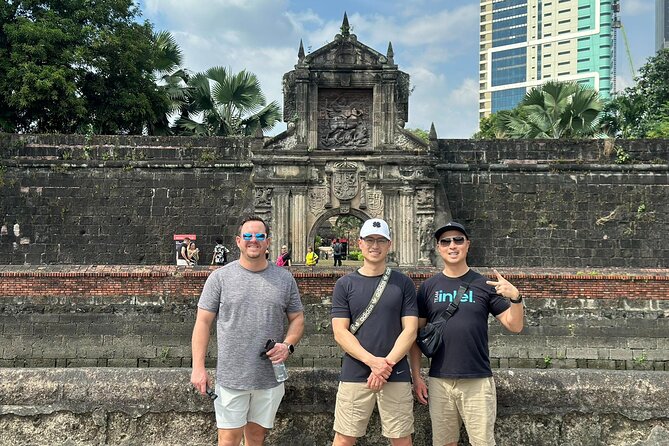
- Fort Santiago ends with the independence story
- What the guide adds for the price
- Timing, weather, clothing, and comfort
- Who should book this Intramuros experience?
- Should you book the $55 walking tour?
- FAQ
- Where does the Intramuros tour begin?
- Where does the tour finish?
- How long does the walking tour last?
- What languages are available?
- What entrance fees are included?
- Is hotel pickup and drop-off provided?
- What should I wear and bring?
- Is the tour suitable for wheelchair users?
Key points at a glance
- San Agustin begins the story: Start at the oldest stone church in the Philippines, then continue into its museum.
- Casa Manila shows colonial life indoors: This restored 19th-century home displays the meeting of Spanish, Filipino, and wider Asian influences.
- A quieter section of the walls adds atmosphere: The route includes a less-visited part of Intramuros, where the fortifications become easier to imagine as a working defense system.
- World War II is not skipped: A stop at Memorare Manila 1945 brings the city’s wartime suffering into the walk.
- Fort Santiago closes with the independence story: The old military garrison gives the tour a strong final chapter.
- Small groups help: With a maximum of 15 people, you should have a reasonable chance to hear the guide and ask questions.
Why this three-hour Intramuros walk works
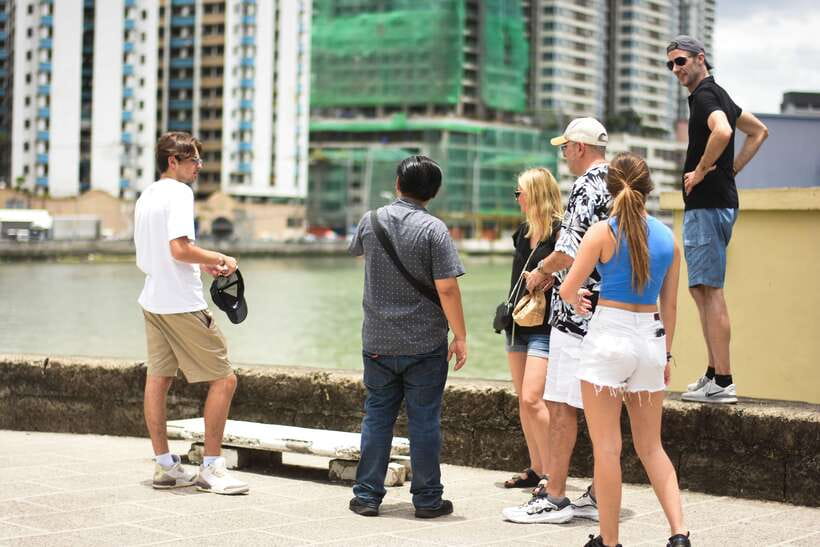
Intramuros is compact enough to explore on foot, but its history is not simple. Spanish colonial rule lasted for more than 300 years, Catholic institutions shaped public life, and Manila later endured the violence of World War II. A self-guided visit can show you the buildings, but it may leave you with disconnected facts.
This tour gives you a chronological thread. You begin with the church and Spanish arrival, see how elite families lived, walk the defensive walls, confront the wartime past, and finish at the military garrison where the struggle for freedom becomes the focus.
That order matters. It lets you see Intramuros as more than a pretty old quarter. You are looking at a place shaped by religion, trade, military power, social rank, destruction, and national independence.
The tour is conducted in English or Tagalog. The guide is meant to explain, not simply point. Past feedback gives special praise to the guides for being friendly, funny, flexible, and well-informed. Jerome, in particular, was praised for adjusting the visit to suit the group while keeping it close to three hours.
At $55 per person, this is not the cheapest way to walk around Intramuros. Still, the price includes admission to Fort Santiago, San Agustin Church and Museum, and Casa Manila Museum. If you planned to pay the separate entrance fees and hire a guide anyway, the cost becomes easier to justify. The strongest value comes from the context and conversation, not just from admission tickets.
You can also read our reviews of more walking tours in Manila

San Agustin Church starts with a major Philippine landmark
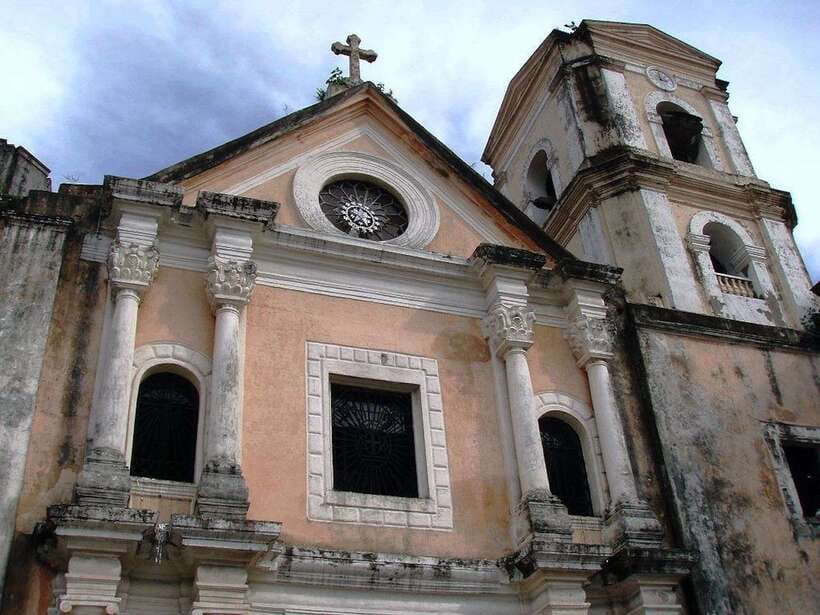
Meet in the lobby of the San Agustin Church museum, where you will find the guide through the supplied WhatsApp contact number. Starting here is sensible because the church provides a direct way into the story of Spanish rule and Catholic influence.
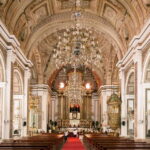
San Agustin is described as the oldest stone church in the country. That fact alone makes it more than a quick photo stop. Your guide explains how the Spanish came to this part of the world and the lasting marks left by more than three centuries of occupation.
Expect the church portion to focus on historical meaning as much as architecture. You will hear how religion and colonial government were closely connected, then consider how those institutions affected Filipino culture and daily life over time.
This is also where respectful dress matters. Short skirts and sleeveless shirts are not allowed, so plan your clothing before you arrive. You should also wear shoes that can handle several hours of walking rather than sandals chosen only for appearance.
San Agustin Museum adds objects to the story
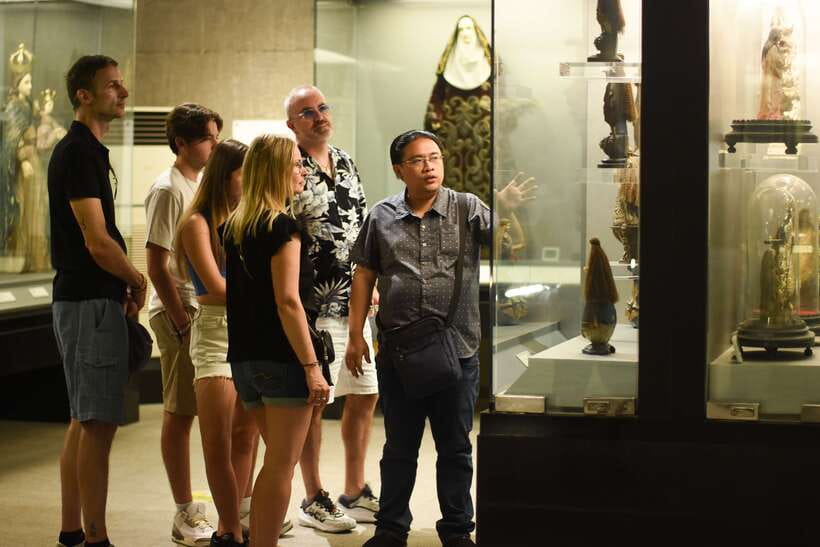
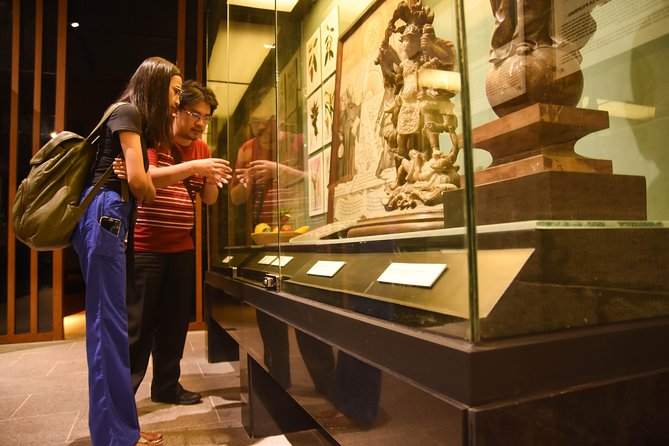
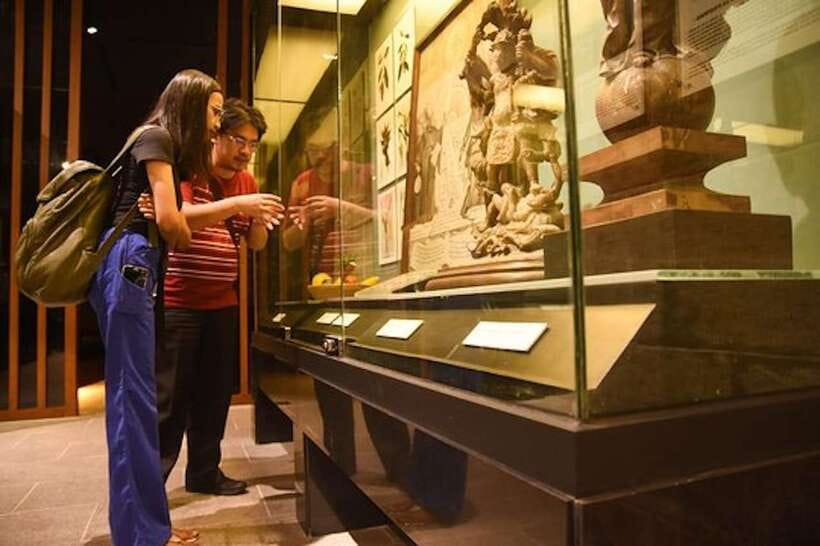
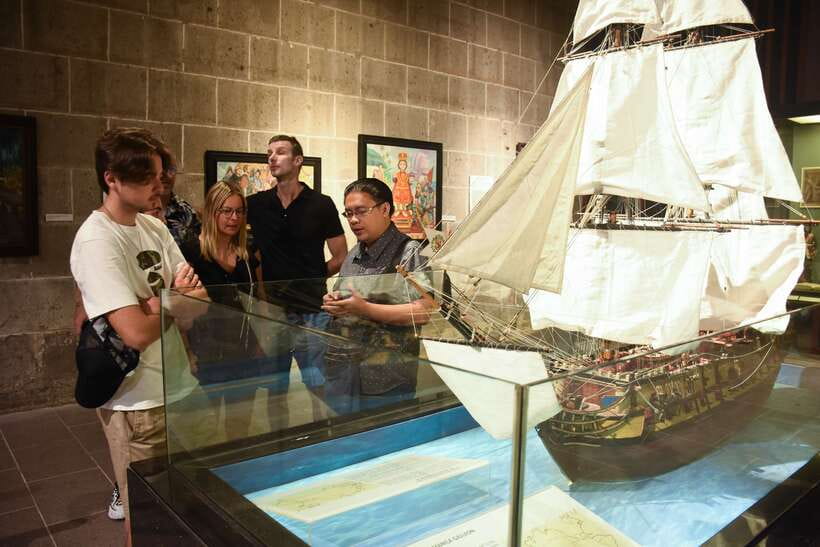
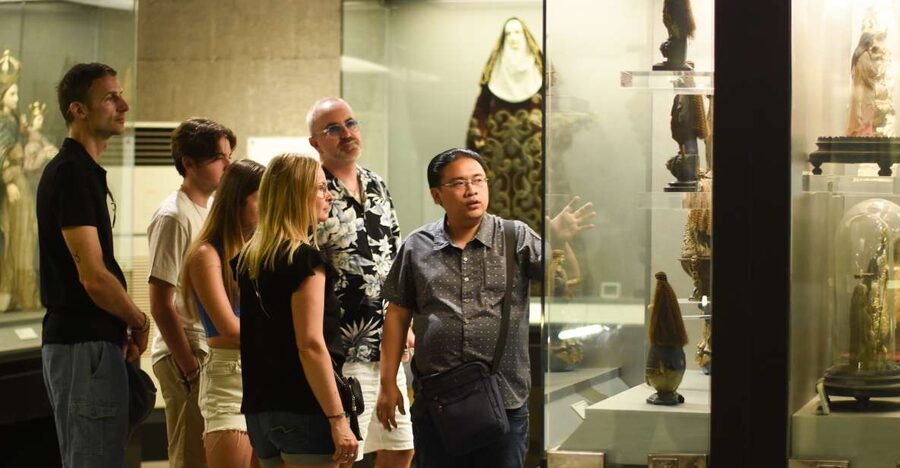
After the church, the tour continues through the San Agustin Museum. This is useful because objects can make a broad historical period easier to understand. Instead of hearing only about colonial power and Catholic life, you can look at artifacts connected with the old city and the church.
The museum helps explain how Manila’s religious institutions became part of the city’s social and political structure. Your guide can add the connections that labels often leave out, especially the relationship between the church, the Spanish period, and the development of Intramuros.
Allow yourself a little patience here. Historic museums reward attention, but they are not usually the fastest part of a walking tour. The advantage of being with a guide is that you do not have to decide which details matter most.
If your main interest is modern Manila, this part may feel formal at first. Give it time. It sets up the larger questions the rest of the route explores: who held power, how people lived under colonial rule, and how that past remains part of the Philippines today.
Casa Manila puts colonial life inside a home
Across the street, Casa Manila changes the pace. Rather than another religious or military site, you enter a carefully restored 19th-century aristocratic home.
This stop helps you picture social rank in a more personal way. The furnishings and design show where eastern and western influences met inside an elite Manila household. You are not just looking at an old building. You are seeing how colonial culture could appear in domestic spaces, where architecture, furniture, and taste reflected outside control and local adaptation.
Casa Manila is especially valuable if you find political history too abstract. A home gives you another angle. It suggests how wealthy residents arranged their lives, how imported ideas entered Filipino society, and how a colonial city could develop a style that was neither purely European nor purely local.
The restored interiors are also one reason a guide improves the visit. Without explanation, you may notice attractive rooms but miss the social clues. Ask questions here if you want to understand the difference between what was imported, what was adapted, and what belonged to the local setting.
The old walls reveal Intramuros as a fortress
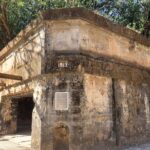
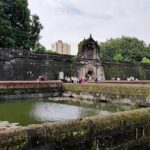
The walk then heads toward a less-visited section of Intramuros’ historic walls. This may be one of the most atmospheric parts of the route because the walls are easier to appreciate when you are not rushing between famous buildings.
The fortifications help you understand the physical logic of the old city. Intramuros was not simply a collection of churches and grand homes. It was also a defended colonial center, separated and protected by heavy walls.
Your guide fills in the stories behind this section and points out how the walls fit into the city’s past. The exact experience can vary with weather and access, but the route is designed to give you a glimpse of a quieter side of Intramuros.
This is where practical footwear becomes important. Historic surfaces can be uneven, and the tour keeps moving. There is no hotel pickup or drop-off, so you must also make your own way to San Agustin Church and arrange transportation after finishing at Fort Santiago.
You can also read our reviews of more historical tours in Manila

Memorare Manila 1945 brings World War II into view
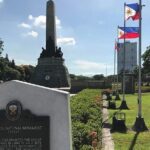
The stop at Memorare Manila 1945 is brief, but its subject is heavy. Here you hear about Manila during World War II and the role of the Philippines in the conflict.
The memorial prevents the tour from treating Intramuros as a frozen Spanish-era display. The old city’s story did not end with colonial rule. War brought another period of destruction and loss, and that experience remains central to understanding modern Manila.
Because this is a short sightseeing stop rather than a long museum visit, listen closely while the guide explains the setting. The value lies in placing the memorial within the larger route. After seeing churches, homes, and defensive walls, you are reminded that the city also carried the damage of a much later war.
One piece of practical advice: special events can affect the atmosphere and the guide’s presentation. A December visit once coincided with the Parade of Mary, which caused some confusion about the program. The guide was still praised for being well-informed, but unusual religious events may mean that the order or tone of the visit changes slightly.
Manila Cathedral represents Catholic power
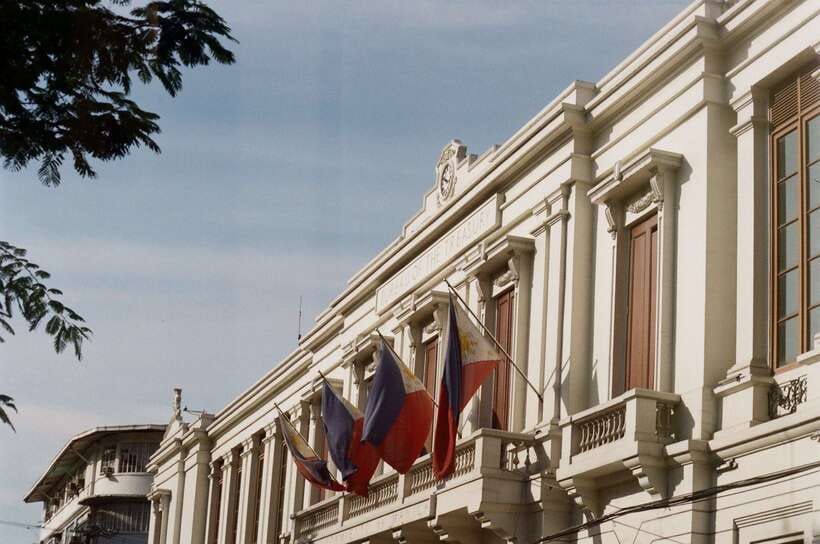
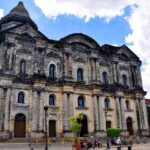
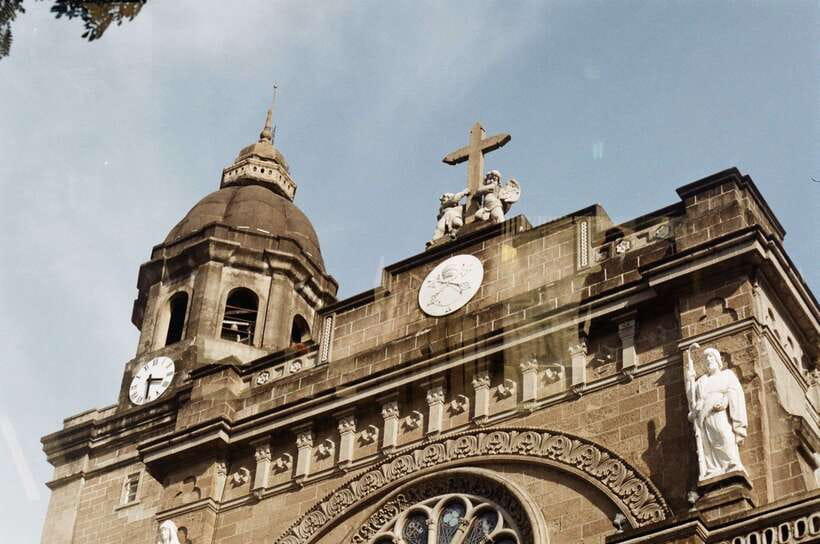
The next stop is Manila Cathedral, identified as the seat of the Catholic Church in the Philippines. It gives you another chance to consider how central Catholicism became to the country’s public life.
You will likely spend more time hearing the guide’s explanation than touring every corner of the building. That is appropriate for this route. The cathedral works as a landmark and as a symbol, linking the religious institutions you saw at San Agustin with the wider structure of colonial Manila.
This stop also breaks up the walking route. You move from the memorial’s wartime subject back to a major religious center, then continue toward the military history of Fort Santiago. The changing sites help the tour avoid becoming a single long lecture.
As with San Agustin, dress rules matter. Conservative clothing is the safest choice, especially because the route includes Catholic sites and museums connected with them.
Fort Santiago ends with the independence story
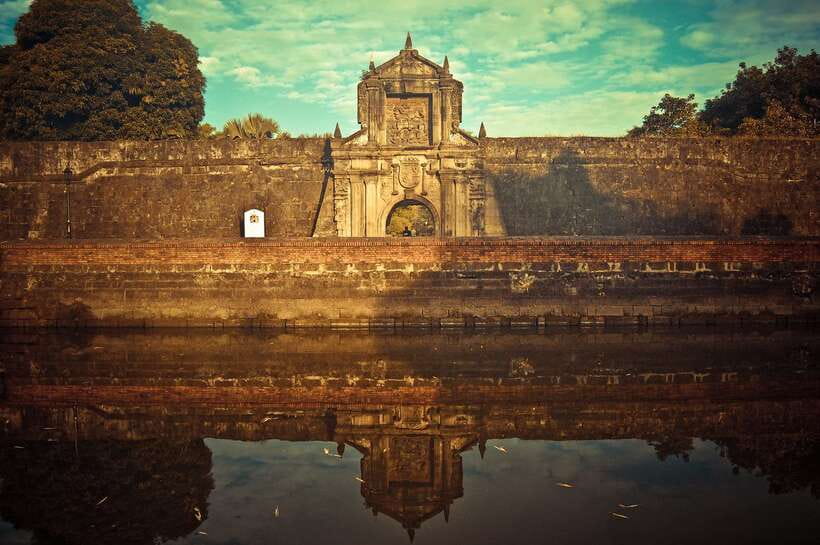
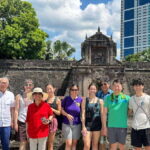
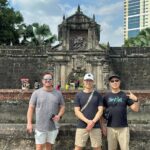
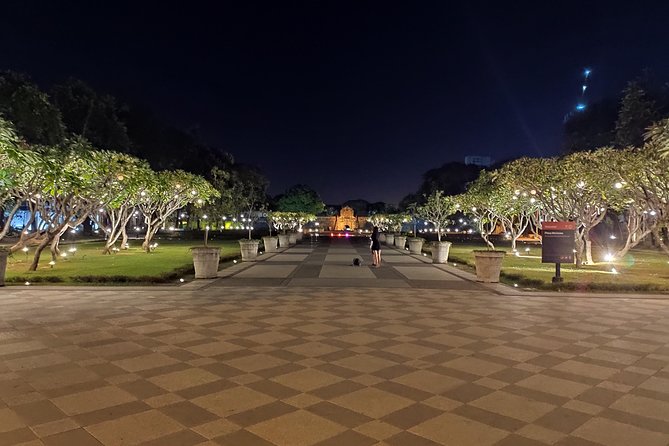
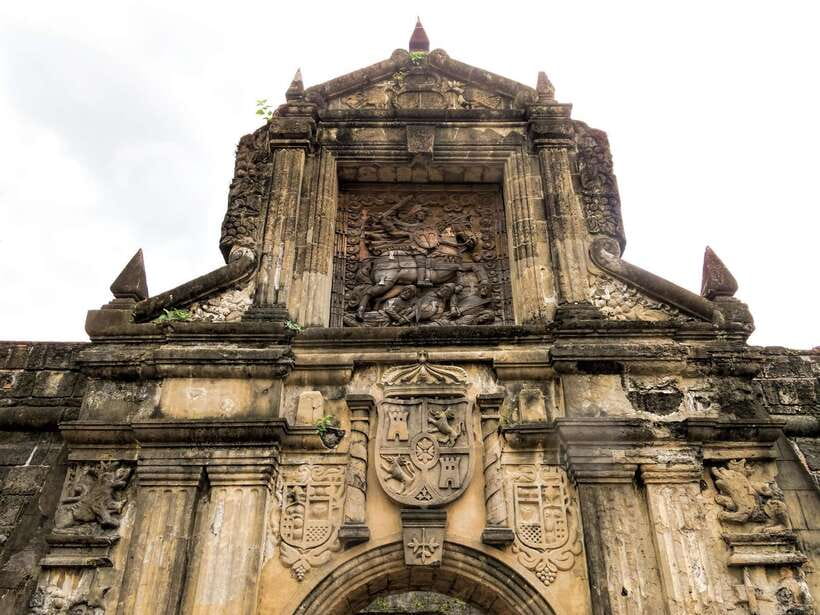
The final guided stop is Fort Santiago, an old military garrison and one of Intramuros’ best-known sites. Here the focus shifts to the Filipino fight for independence.
Ending at the fort gives the tour a strong sense of direction. You start with the arrival and influence of Spanish colonial rule, then finish by considering resistance and national freedom. The fort is not just another old structure. It helps explain the military side of the city and the pressures that shaped the country’s political history.
The entrance fee is included, and the tour ends here. That makes Fort Santiago a useful place to pause after the guide finishes, though the activity itself does not include onward transportation.
The fort can also be the most demanding part physically, depending on your pace and the areas visited. People with mobility impairments should think carefully before booking. Wheelchair users are specifically advised not to take this tour, and the overall route is better for people comfortable walking for three hours.
What the guide adds for the price
I would not book this tour simply to gain entry to three paid sites. You could visit historic buildings without a guide. I would book it because the guide gives the buildings a shared meaning.
The strongest feedback focuses on guide quality. Descriptions of Jerome and other guides highlight humor, friendliness, motivation, and clear knowledge of Philippine history. One particularly useful detail is the guide’s flexibility. If your group has a special interest, the route may be adjusted within reason.
That personal element matters in Intramuros. Colonial history can become a list of dates and names, especially when you are moving quickly. A guide who can explain the human and cultural effect of those events makes the walk easier to follow.
The group limit of 15 is another plus. It is not a private tour, but it is small enough to feel more personal than a large crowd. You should still stay near the guide, especially during street crossings and inside busy historic areas.
The overall rating is 4.8 from 17 ratings, and the individual feedback is strongly positive. The main caution is not about poor service. It is that special events can create confusion, and one person felt the tour ended just under three hours. That timing is normal enough for a three-hour activity, but you should not expect a long extension.
Timing, weather, clothing, and comfort
The activity lasts three hours, with starting times available based on the date you select. Since no hotel pickup is included, build extra time into your day for reaching San Agustin Church and finding the museum lobby.
The meeting point is specifically the lobby of the San Agustin Church museum. Use the tour’s WhatsApp contact number to identify the guide. This is worth handling before arrival, since large historic complexes can have several entrances and nearby landmarks.
Weather can affect the activity. If poor weather causes cancellation, you are offered another date or a full refund. You can also cancel up to 24 hours before the start for a full refund, and the reserve-now, pay-later option keeps you from paying immediately.
Bring:
- Comfortable walking shoes
- Clothing that covers the shoulders
- A skirt or shorts of suitable length for the religious sites
- A phone for WhatsApp contact with the guide
The tour is in English or Tagalog. Its walking format and historic surfaces make it unsuitable for wheelchair users and people with mobility impairments.
Who should book this Intramuros experience?
I would recommend it to a first-time Manila visitor who wants a clear introduction to the old city without spending an entire day on history. It also suits anyone who prefers asking questions rather than reading every museum label alone.
It is a good match for people interested in Catholic history, Spanish colonial rule, architecture, military sites, and the Filipino independence movement. Families with older children may also find the varied stops easier to follow than a single museum visit, though the tour’s suitability depends on each child’s ability to walk and stay engaged for three hours.
You may want another plan if you dislike walking, need step-free access, or want a slow photographic visit. The schedule moves through several sites, so you will not have unlimited time at each one.
Should you book the $55 walking tour?
Book this tour if you want context, conversation, and a well-planned route through Intramuros. The included admission fees make the $55 price reasonable, especially when you consider the guide’s role and the small group limit.
I would skip it only if you are comfortable researching the old city yourself, need accessible transport, or prefer to spend an entire afternoon at one site. For most first visits, the route gives you a useful balance: church, museum, aristocratic home, walls, war memorial, cathedral, and fort.
The best reason to choose it is simple. Intramuros is easier to understand when someone connects the buildings to the people and events behind them. With comfortable shoes and respectful clothing, this is a practical, focused way to meet Manila’s colonial past and the Filipino story that followed.
FAQ
Where does the Intramuros tour begin?
The tour begins in the lobby of the San Agustin Church museum. You should look for the guide using the supplied WhatsApp contact number.
Where does the tour finish?
The tour finishes at Fort Santiago.
How long does the walking tour last?
The scheduled duration is three hours. One past booking lasted a little under three hours.
What languages are available?
The live guide speaks English or Tagalog.
What entrance fees are included?
Admission to Fort Santiago, San Agustin Church and Museum, and Casa Manila Museum is included.
Is hotel pickup and drop-off provided?
No. Hotel pickup and drop-off are not included, so you must arrange your own transportation to San Agustin Church and from Fort Santiago.
What should I wear and bring?
Bring comfortable shoes. Short skirts and sleeveless shirts are not allowed, so choose conservative clothing suitable for visiting Catholic sites.
Is the tour suitable for wheelchair users?
No. The activity is not suitable for wheelchair users or people with mobility impairments.