Intramuros The Spanish City of Manila Philippines
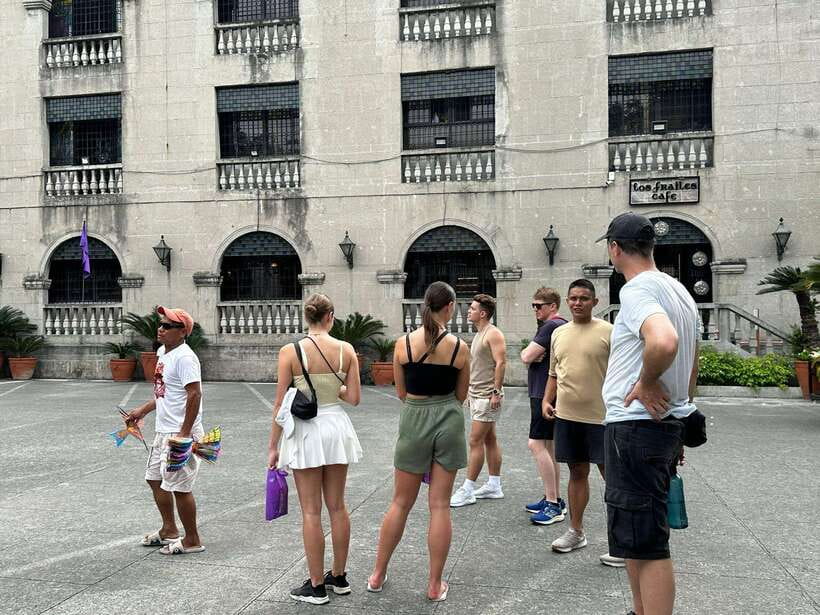
History feels close here. Intramuros gives you two useful hours inside Manila’s old Spanish quarter, where stone walls, cobbled lanes, churches, plazas, and former military grounds tell the story of the city in a compact area.
I like the visit to Fort Santiago, especially because the entrance fee is included, and I like having a local English-speaking guide to explain what you are seeing. The tour also reaches San Agustin Church, a UNESCO World Heritage Site and the oldest stone church in the Philippines.
The main drawback is the pace. Two hours is enough for a brisk introduction, but not enough for a slow look at every church, museum, garden, and colonial building. You should also expect plenty of walking on uneven cobblestones. One practical point deserves checking before you pay: the details list Nueva Vizcaya as the location, while the meeting point is clearly in Intramuros, Manila.
In This Review
- Key points to know before you go
- Why Intramuros still matters in modern Manila
- Walking the Spanish city on cobblestone streets
- Fort Santiago and the old prison dungeon
- San Agustin Church, the architectural centerpiece
- Manila Cathedral and the wider church district
- Calesas, cafes, gardens, and old Manila atmosphere
- Is $52 per person good value?
- Timing, comfort, and meeting-point advice
- Who will enjoy this Intramuros tour?
- Should you book the two-hour walk?
- FAQ
- Where does the Intramuros tour start?
- Where does the tour finish?
- How long does the tour last?
- What language is the tour conducted in?
- Is Fort Santiago admission included?
- Is bottled water provided?
- Does the tour visit San Agustin Church?
- Does the tour visit Manila Cathedral?
- Do I need comfortable shoes?
- Can I cancel for a full refund?
Key points to know before you go
- Fort Santiago is the tour’s major paid stop: Your entrance fee is included, and the old fortress gives the walk a strong historical focus.
- San Agustin Church brings the Spanish period to life: This UNESCO-listed church is one of the most important buildings inside the walled city.
- The guide makes the difference: Jane was praised for bringing the area’s stories to life, while Richard was described as great company on the walk.
- The route is made for walkers: Comfortable shoes are essential because the streets are often cobbled and uneven.
- Casa Manila is the meeting point: Find your guide outside Barbara’s Restaurant, in the heart of Intramuros.
- The price covers more than admission: At $52 per person, you get a local guide, bottled water, and the Fort Santiago entrance fee.
Why Intramuros still matters in modern Manila
Intramuros means within the walls, and that name explains the district’s basic character. Spanish authorities built this fortified city in the late 1500s, using heavy walls and defensive structures to protect the colonial center from invasion and natural disasters.
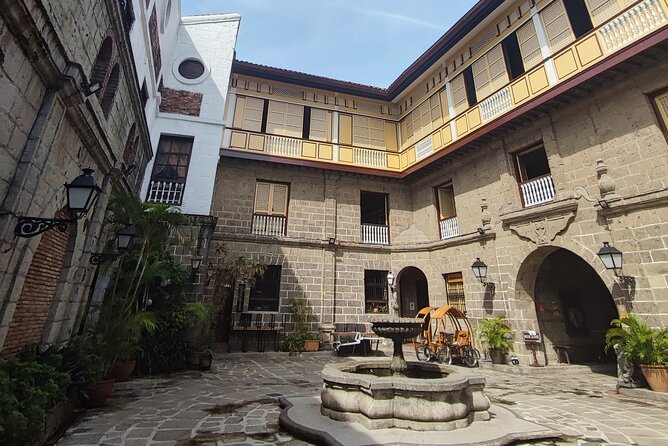
Today, the walls frame a very different kind of visit. You are not entering a perfectly preserved museum town. Intramuros is a living district, with historic churches beside cafes, gardens, museums, roads, and working businesses. That mix gives the area more personality than a display behind glass.
I find the scale especially helpful for a first look at Manila’s past. You can move from military history to religious architecture and then back onto a quiet lane without spending hours in transit. A guide also helps connect those places, since the meaning of a stone wall or old plaza is not always obvious when you are simply walking past it.
The tour begins at historic Casa Manila, outside Barbara’s Restaurant. That is a sensible place to start because you are already in the middle of Intramuros rather than waiting at a distant hotel or transport hub. The activity ends at the same meeting point, which makes it easier to continue exploring nearby afterward.
You can also read our reviews of more tours and experiences in Manila.


Walking the Spanish city on cobblestone streets
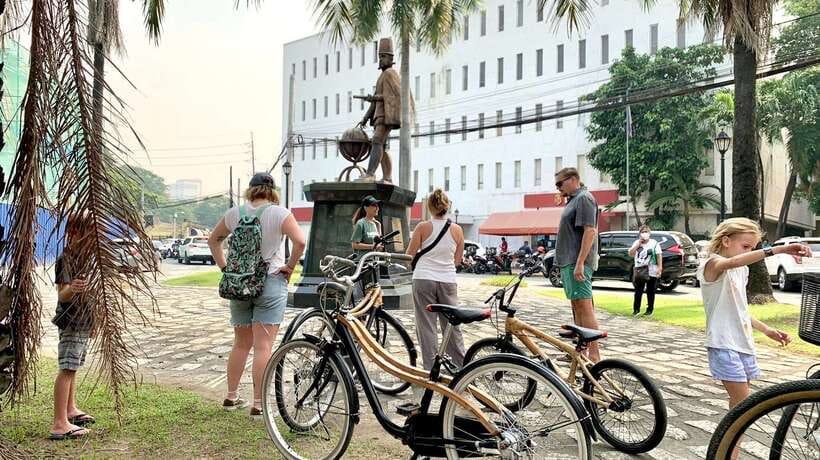
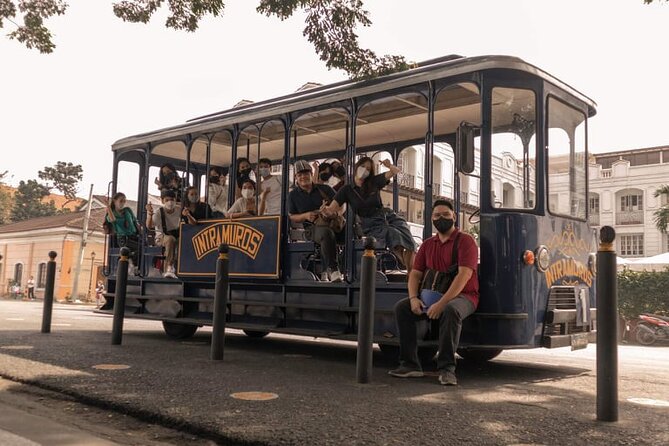
The first part of the experience is a guided walk through the walled district. Expect old stonework, colonial-era buildings, narrow streets, plazas, and views of the fortifications. The atmosphere changes from one block to the next, with formal historic buildings giving way to quieter corners and modern cafes.
The cobblestones are part of the charm, but they are also the tour’s clearest physical challenge. They can make the walk slower and less comfortable, particularly if you are wearing thin sandals or hard-soled shoes. Choose supportive footwear and bring water, even though a bottle is included.
The tour information does not give a total walking distance or a detailed minute-by-minute schedule. That means you should think of the two hours as a focused overview rather than a full district tour. Your guide will take you to the main points, but you should not expect enough time for every museum, garden, and side street.
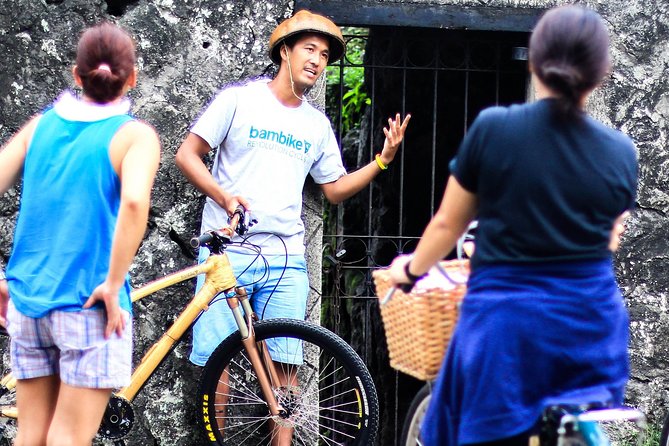
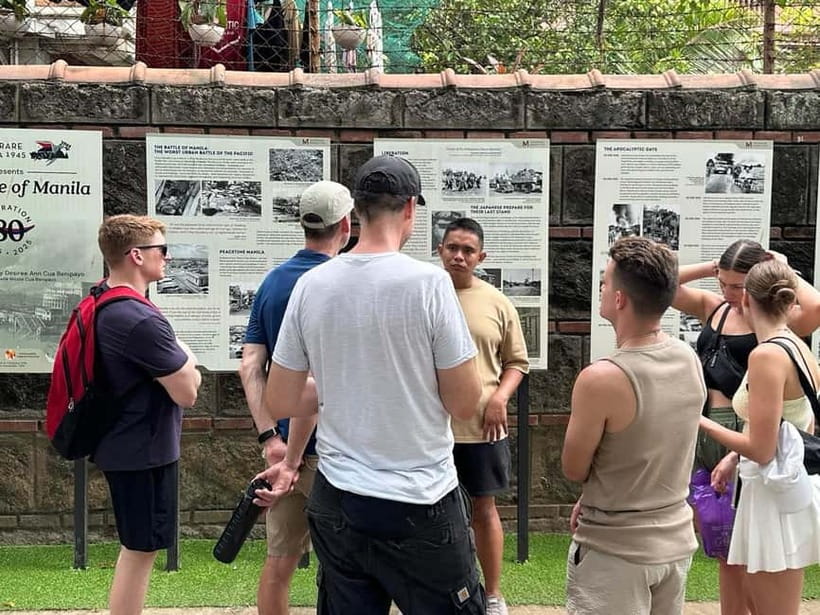
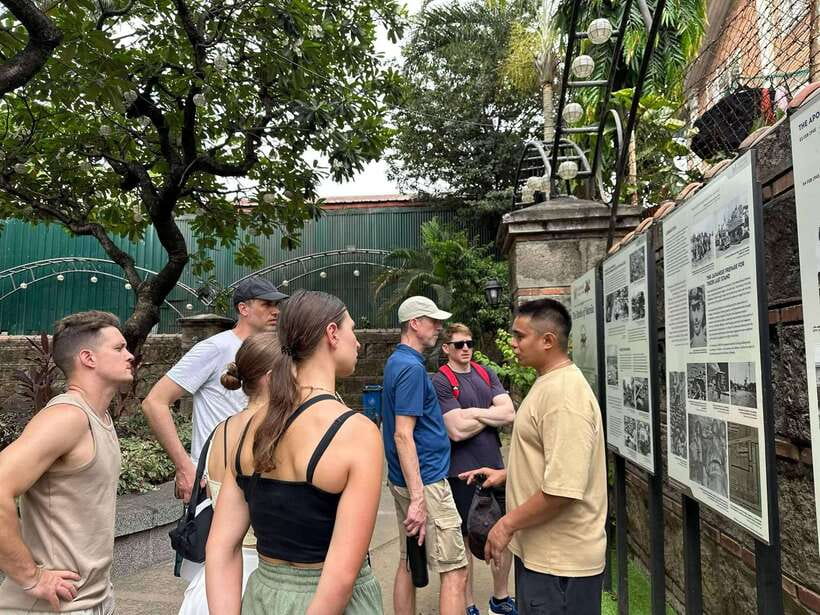
This is where the local guide matters most. A good guide can point out details you might otherwise pass without notice and explain how the walls, churches, military sites, and public spaces fit together. The strongest praise connected to the guiding itself. Jane was described as bringing the area’s stories to life, and Richard received a warm mention for making the tour enjoyable.
Those comments suggest that the human side of the experience is a major part of its value. Intramuros can be explored alone, but a short guided walk gives you more context in less time. You are paying partly for access and partly for interpretation.
Fort Santiago and the old prison dungeon
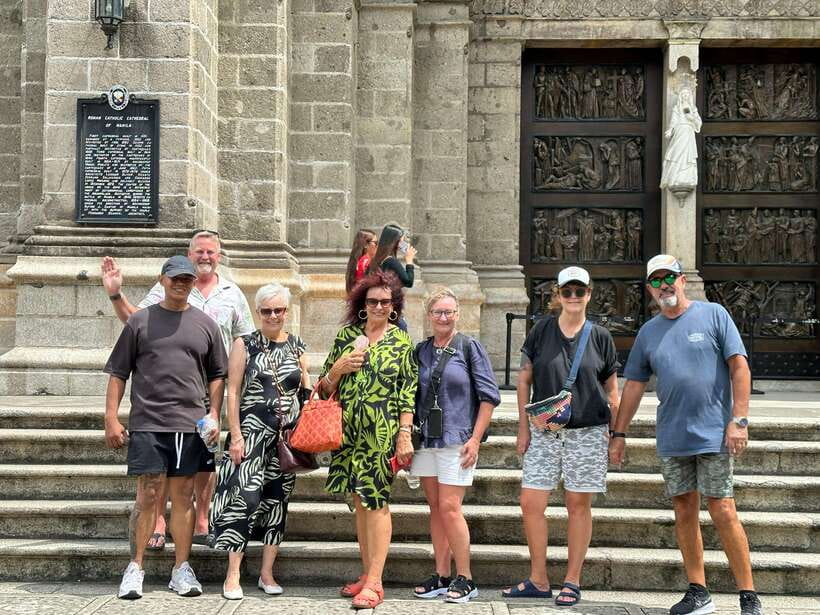
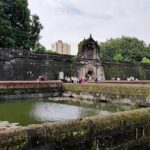
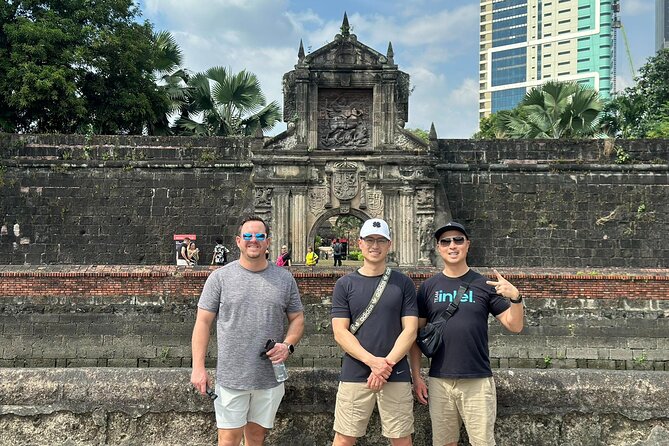
Fort Santiago is one of Intramuros’s best-known landmarks and the main site with a separate entrance fee included in this experience. It served as a military fortress and prison, so the visit adds a darker, more serious note to the walk.
The fortress helps you see Intramuros as more than a collection of attractive colonial buildings. Its walls and defensive role show how Spanish Manila was planned around protection and control. The dungeon adds a direct connection to the people who were held there, giving the site an emotional weight that a simple street walk may lack.
You should allow yourself to listen carefully here. Fort Santiago is not just a photo stop. Its importance comes from understanding what the structure was used for and why it occupied such a strategic place within the walled city.
The supplied details do not specify how long the group stays inside the fort or which rooms are visited. The guide will shape that portion of the experience, and the two-hour limit means the stop is likely to be selective rather than exhaustive. If Fort Santiago is your main reason for booking, you may want to ask about the expected time there before confirming.
Still, including admission improves the overall value. You do not have to arrange a separate ticket for one of Intramuros’s headline attractions, and you receive explanations while moving through the area rather than simply entering on your own.
San Agustin Church, the architectural centerpiece
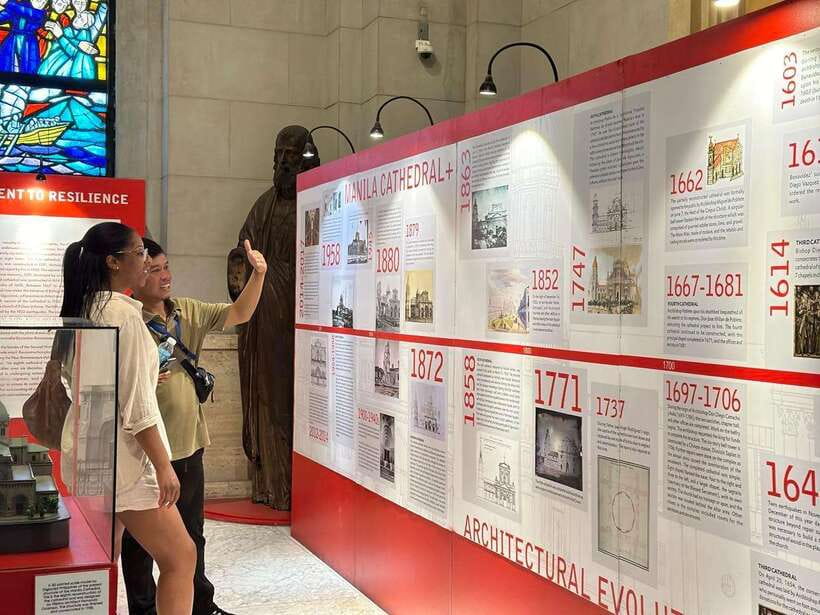
San Agustin Church is the tour’s major religious and architectural stop. It is a UNESCO World Heritage Site and the oldest stone church in the Philippines, giving it a clear place in any first visit to Intramuros.
The building’s importance is not only about age. It represents the long Spanish religious presence in Manila and helps explain why churches became such central landmarks in colonial towns. The church offers a change of mood from Fort Santiago, replacing military defenses and prison history with worship, design, and craftsmanship.
I like having this church included because it keeps the tour from becoming too focused on walls and battle history. You get a broader picture of Intramuros, with religious life sharing space with government, military, and residential buildings.
The information provided does not promise a particular interior route, service schedule, or museum visit, so keep your expectations practical. You will visit the famous church as part of a short walking tour, not take part in a long specialist architecture program.
Since churches are active places of worship, it is wise to dress and behave respectfully. The tour details do not state a formal dress code, so I would simply choose modest clothing and follow the guide’s instructions while inside.
Manila Cathedral and the wider church district
Manila Cathedral is another headline stop. Its inclusion gives you a chance to compare one of Intramuros’s best-known churches with San Agustin Church, even though the supplied details do not describe the amount of time spent at either one.
The cathedral helps complete the picture of Intramuros as a religious center. Seeing it alongside the older stone church gives the walk a useful sense of variety rather than sending you from one identical building to another.
Do not assume that every church stop means a full interior visit. Depending on timing and access, the guide may explain the building from outside or provide a short look before moving on. The tour promises the landmark as part of the route, but it does not list a special admission ticket for Manila Cathedral.
That is not necessarily a weakness. On a two-hour tour, seeing several important sites can be more useful than spending the whole time inside one building. The tradeoff is that you will need to return on your own if you want a slower visit.





Calesas, cafes, gardens, and old Manila atmosphere
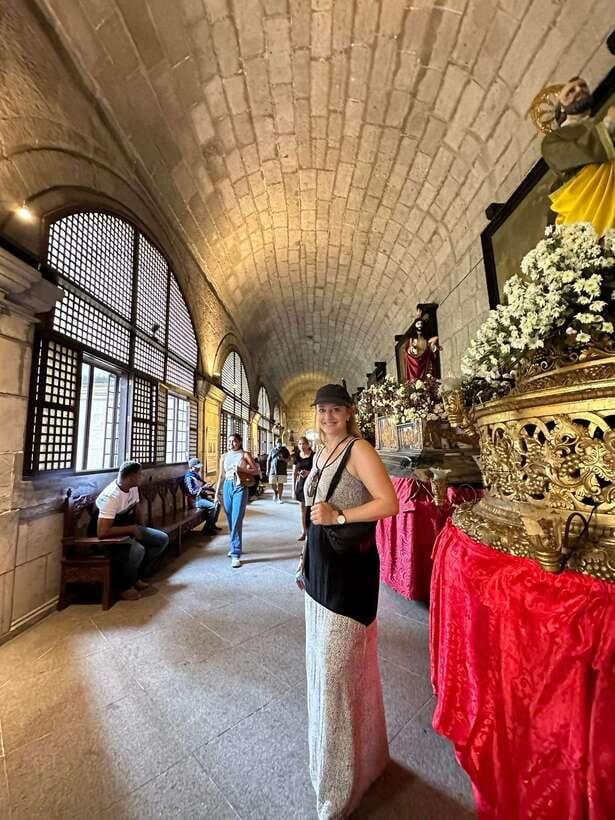
Horse-drawn carriages called calesas offer a nostalgic way to see Intramuros. They are part of the district’s character and may add a memorable visual touch as you walk through the streets.
The tour itself is described as a walking experience, and no calesa ride is included in the price. Do not count on riding one as part of the scheduled route. If you want that experience, treat it as a possible extra rather than a guaranteed feature.
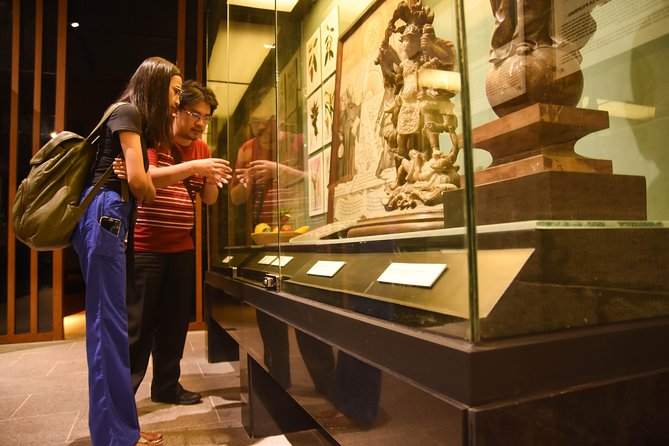
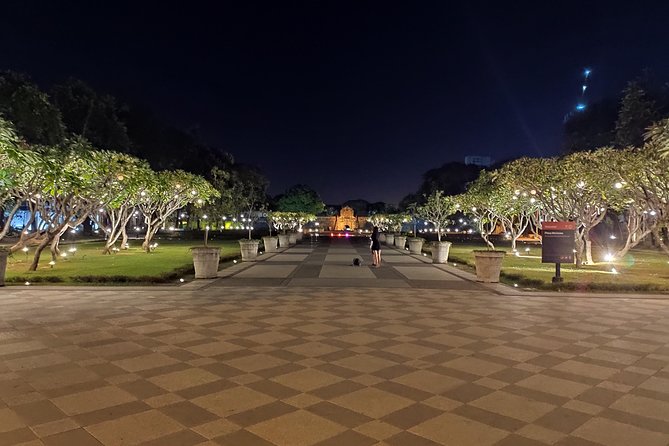
Intramuros also has museums, gardens, and cafes that give the old district new life. These places are useful reminders that you are visiting a functioning neighborhood, not only a historical monument. They also make the meeting point convenient for continuing your day after the tour ends.
The two-hour format is well suited to people who want orientation before exploring alone. Once the guide shows you the main landmarks, you can decide if you want to return to a church, museum, cafe, or garden at a slower pace.
Is $52 per person good value?
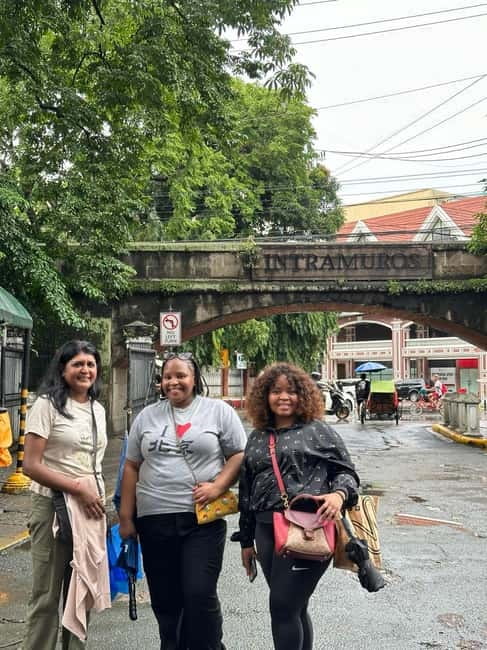
At $52 per person, this is not the cheapest way to walk around Intramuros. You can see the streets and exterior views without booking a guide. The value comes from combining local commentary, Fort Santiago admission, bottled water, and a planned route in a short visit.
For a first-time visitor with limited time, that package makes sense. You avoid spending your first hour working out where the main sites are, and you have someone to connect the landmarks into a story. The included Fort Santiago fee also reduces the number of separate arrangements.
The value is less obvious if you already know Intramuros well or prefer wandering at your own speed. Two hours can feel tight if you want long church visits, museum time, or extensive photography. You are paying for focus and explanation, not a full-day cultural program.
The strongest praise is directed at the guides. Jane received specific approval for her ability to make the stories clear and lively. Richard was also described warmly, with the tour remembered as enjoyable. A separate rating gave four out of five because the guide covered the main points and led the group to places the participant might not have found alone.
That last detail is useful. The tour’s practical advantage is not only historical information. It can also help you notice parts of Intramuros you might skip when navigating independently.
Timing, comfort, and meeting-point advice
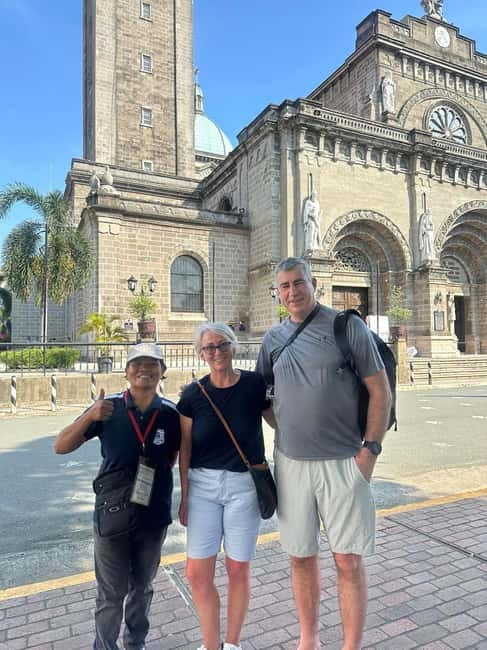
The duration is two hours, with starting times available when you check the date. Because the route involves several historic sites on foot, I would choose a cooler time of day if the schedule allows. The tour details do not promise shade or seating along the full route, so plan for a steady walk.
Wear comfortable shoes with good grip. Uneven cobblestones are specifically noted, and this is not the place for footwear that looks good but makes every step awkward. Keep your belongings manageable so you can walk easily.
The meeting point is outside Barbara’s Restaurant at Casa Manila, in the heart of Intramuros. The activity finishes back there, so you will not need to arrange a separate pickup at the end.
Bottled water is included, which is a useful small touch. Still, hydration is your responsibility during a walking tour, especially if the weather is warm. The information does not mention transport, hotel pickup, or a calesa ride, so plan to reach Casa Manila independently.
There is free cancellation up to 24 hours before the start for a full refund, and you can reserve now and pay later. Those terms are helpful if your Manila plans are still shifting. Before booking, double-check the location field because Nueva Vizcaya appears in the general details while every meeting instruction points to Intramuros in Manila.
Who will enjoy this Intramuros tour?

I would recommend it to first-time visitors who want a compact introduction to Manila’s Spanish colonial center. It is also a good fit if you have only a few hours and would rather hear the story from a guide than piece together the route yourself.
History fans will appreciate the contrast between Fort Santiago, San Agustin Church, Manila Cathedral, and the defensive walls. The tour also suits photographers who want a planned walk through cobbled streets and old plazas, although the short duration may limit unhurried photo stops.
Families and older visitors should consider the uneven streets before booking. The information confirms substantial walking but does not provide accessibility details, so anyone with mobility concerns should ask the provider for current route information.
Independent explorers may prefer to visit on their own, especially if they want to spend a long time in one church or museum. You could also use this tour as an introduction, then return later for a slower look at the sites that interest you most.
Should you book the two-hour walk?
Book this tour if you want a guided first look at Intramuros, value local storytelling, and like having Fort Santiago admission handled for you. The guide appears to be the strongest part of the experience, with Jane and Richard both receiving especially warm praise.
Skip it if you dislike walking on cobblestones, need a slow museum visit, or already understand Intramuros well. Also verify that the meeting location is Manila before paying, since the general location information is inconsistent.
For most first visits, the tour offers a sensible introduction: fortress, dungeon, two major churches, old streets, and enough context to make the district easier to explore afterward.
FAQ
Where does the Intramuros tour start?
The tour starts at historic Casa Manila, outside Barbara’s Restaurant, in the heart of Intramuros.
Where does the tour finish?
The activity ends back at the original meeting point at Casa Manila.
How long does the tour last?
The tour lasts two hours.
What language is the tour conducted in?
The tour is conducted in English with a live local guide.
Is Fort Santiago admission included?
Yes, the Fort Santiago entrance fee is included in the price.
Is bottled water provided?
Yes, bottled water is included.
Does the tour visit San Agustin Church?
Yes, San Agustin Church is one of the featured stops. It is a UNESCO World Heritage Site and the oldest stone church in the Philippines.
Does the tour visit Manila Cathedral?
Yes, Manila Cathedral is included among the main landmarks visited.
Do I need comfortable shoes?
Yes. The tour involves considerable walking on mostly cobblestone and uneven streets.
Can I cancel for a full refund?
Yes. You can cancel up to 24 hours in advance for a full refund. You can also reserve now and pay later.