Manila City Intramuros Tour & famous highlights
Manila’s past is easiest to read inside its walls. This private, eight-hour tour brings you from Rizal Park to Fort Santiago, Intramuros, and the Manila American Cemetery, with a private guide to connect the sites into one clear story. I especially like the door-to-door pickup and drop-off, since Manila traffic can make independent sightseeing tiring, and I like the traditional calesa ride, which gives the walled city an old-fashioned sense of place.
The guide is the real reason to choose this experience. You get personal explanations of Philippine history rather than a quick ride past important buildings, and the private format lets your group set the pace. The main consideration is the $175 per-person price, which is a serious spend, especially if you are traveling alone. Food, drinks, and lunch are not included, and the day may feel long if you prefer a short city visit.
In This Review
- Key points to know before booking
- Why Intramuros deserves most of your day
- Starting at Rizal Park and the national story
- Fort Santiago brings the hard history into focus
- Three hours inside Intramuros
- The Manila American Cemetery adds a wider wartime view
- What the private format changes
- Is $175 per person good value?
- Timing, clothing, and the practical details
- Who should book this Intramuros tour?
- Should you book it?
- FAQ
- How long does the Manila Intramuros tour last?
- What time does the tour start?
- Is hotel pickup included?
- Is transportation provided during the tour?
- Is this a private tour?
- Is lunch included?
- What should I wear?
- Are museums open every day?
- What happens if bad weather cancels the tour?
- Can I cancel for a refund?
Key points to know before booking
- A full-day history route: You visit Rizal Park, Fort Santiago, Intramuros, and the Manila American Cemetery in about eight hours.
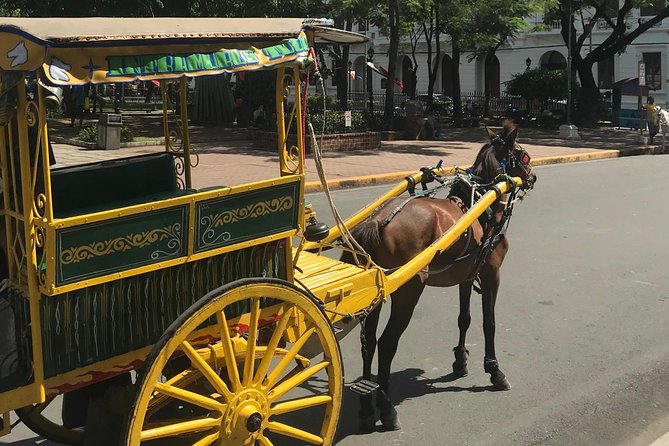
- A traditional calesa ride: The horse-drawn carriage adds a distinctly old Manila touch to your time inside Intramuros.
- Private from start to finish: Only your group takes part, with a professional guide and an air-conditioned vehicle.
- Strong choice for history-focused families: The guide-led format can make the past easier to follow for younger visitors and older family members.
- Church and museum clothing matters: Knees and shoulders must be covered, and shorts or sleeveless tops can lead to refused entry.
- Plan around Monday closures: Museums are closed on Mondays, so check your date before you commit.
Why Intramuros deserves most of your day
Intramuros means within the walls, and this fortified district is the center of the tour. Its streets and surviving buildings present a very different side of Manila from the modern city outside. You are not simply checking off monuments. You are following the physical remains of the city’s colonial era, wartime destruction, religious institutions, and national memory.
I find a private tour particularly useful here because the sights are close together but carry different layers of meaning. A church, a fort, a museum house, and a city wall can blur into one long series of old buildings without explanation. A good guide gives each stop a purpose and helps you understand why the place matters.
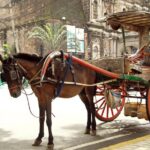
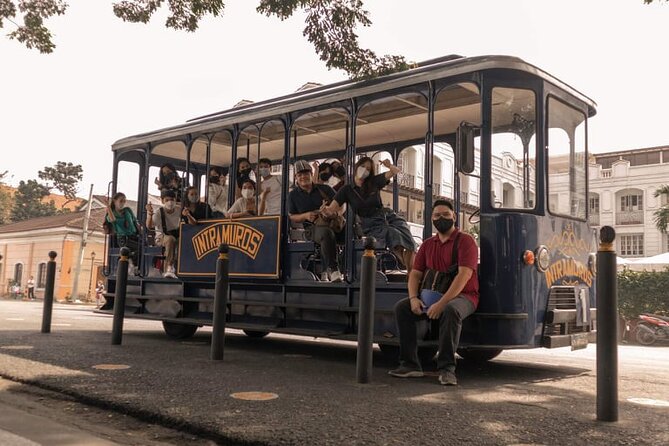
Intramuros is also where the calesa ride belongs. Sitting in a traditional horse-drawn carriage gives you time to look around without walking every minute. It is not the fastest way to move, but speed is hardly the point. This is a small touch that helps the old district feel more like a place with a past, rather than just a museum zone.
You can also read our reviews of more tours and experiences in Manila.


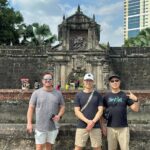
Starting at Rizal Park and the national story
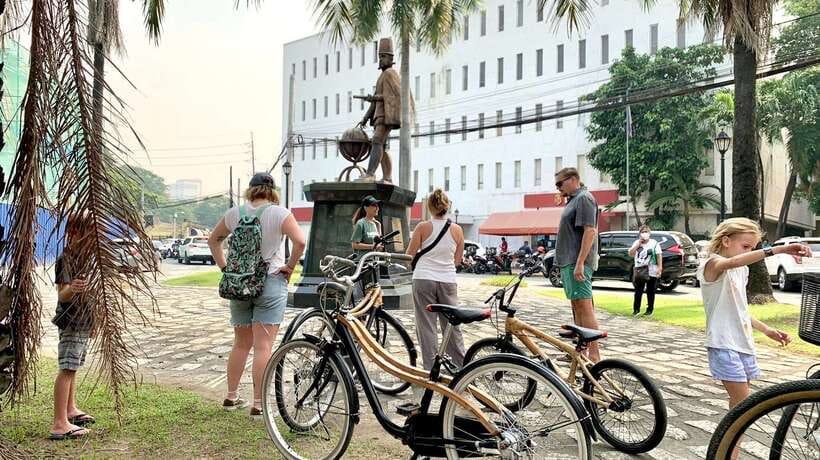
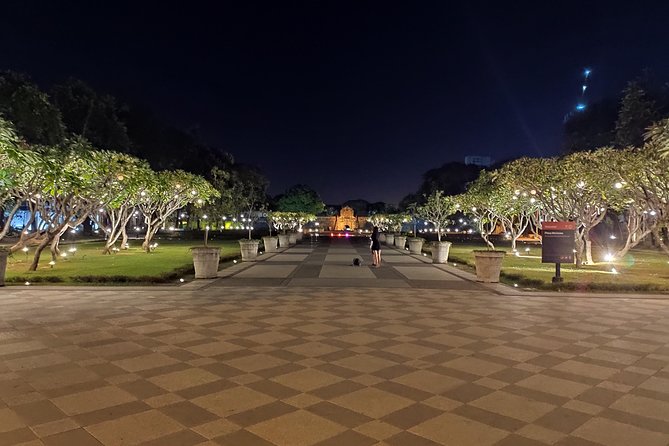
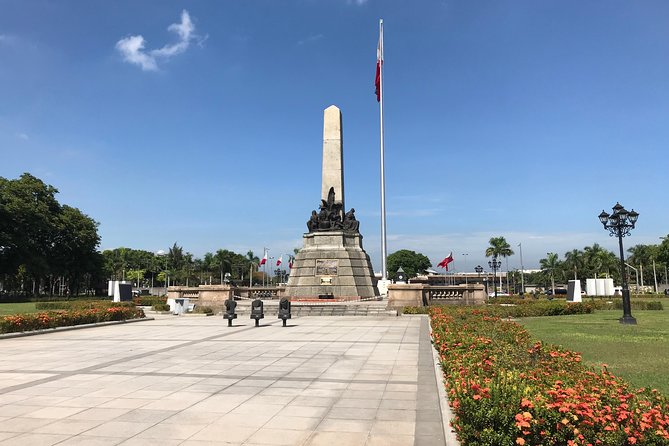
The day begins at Rizal Park, with about 30 minutes at the monument and shrine connected to José Rizal, the Philippine national hero. This is a short stop, but it gives the rest of the day a useful frame.
Rizal is central to the country’s story, and beginning here places the tour in a national rather than purely colonial context. You can expect a focused visit around the hero’s monument, with your guide explaining why Rizal remains such an important figure in the Philippines.
Thirty minutes is enough for an introduction, photographs, and a short historical explanation. It is not enough for a slow, detailed museum visit, so you should treat this as a scene setter. If you enjoy moving quickly between major landmarks, that timing works well. If you prefer long pauses at monuments, you may wish the visit were more relaxed.
The advantage of a private guide appears early. You can ask for more background if Rizal’s life is unfamiliar, or move along once you feel oriented. That flexibility is harder to get on a large group outing.
Fort Santiago brings the hard history into focus
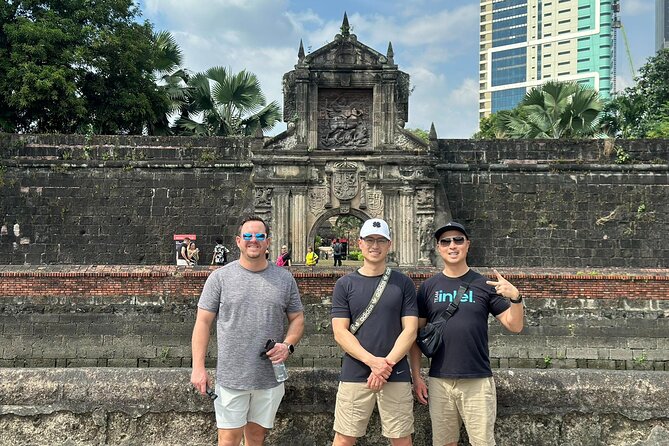
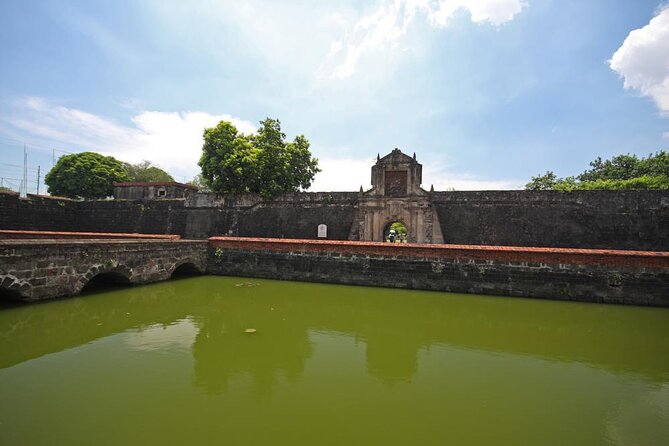
The tour then spends about an hour at Fort Santiago. This is one of the most important places inside Intramuros, and the fort gives the day a stronger emotional center.
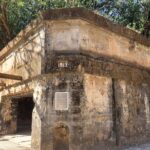
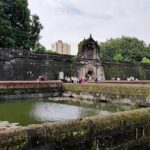
Fort Santiago is associated with military power, imprisonment, and the final period of José Rizal’s life. Its stone gateways and defensive setting help you picture how the walled city functioned, but the site is more than a fortress for photographs. It connects the country’s colonial past with the story of resistance and national identity.
I would give this stop your full attention. The fort can look straightforward at first, yet the details supplied by a guide are what turn walls and courtyards into a readable historical place. The one-hour visit should allow enough time for the main areas and an explanation of the important events tied to the site.
Fort Santiago may be demanding for younger children if the historical material is presented too heavily, but the private format helps. You can ask your guide to explain events in simpler terms or spend more time on the parts that interest your family. A private tour is also useful for anyone who wants to ask direct questions without holding up a group.
Three hours inside Intramuros
About three hours are devoted to Intramuros itself, making this the longest portion of the day. That is appropriate. The walled city contains several major sights, and rushing through it would reduce the visit to a collection of photographs.
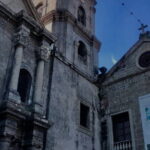
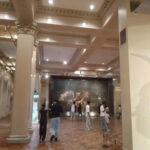
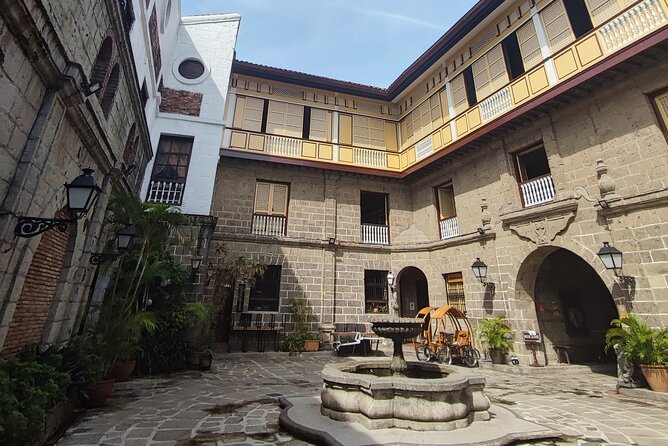
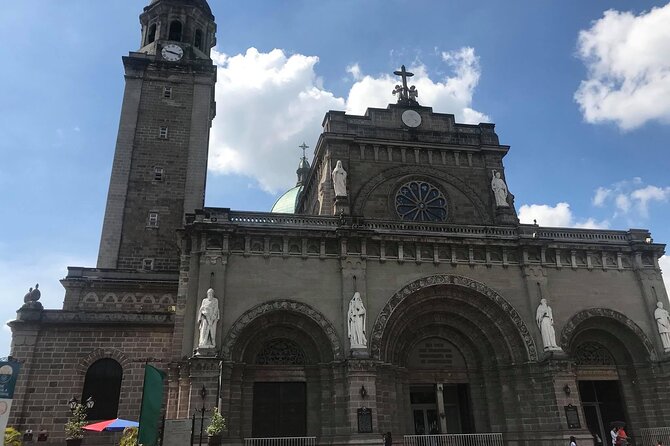
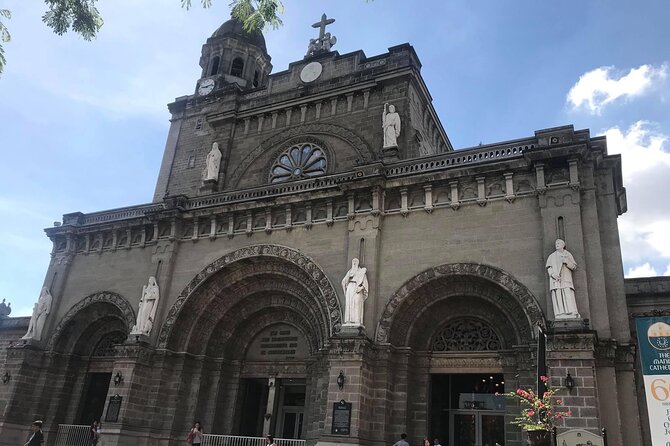
The route includes the Manila Cathedral, the Casa Manila Museum, and San Agustin Church and Museum. Each offers a different view of the district. The cathedral represents the continuing importance of Catholic institutions in the city. Casa Manila presents a look at colonial-era domestic life. San Agustin Church and Museum adds religious art, architecture, and one of the city’s most important historic settings.
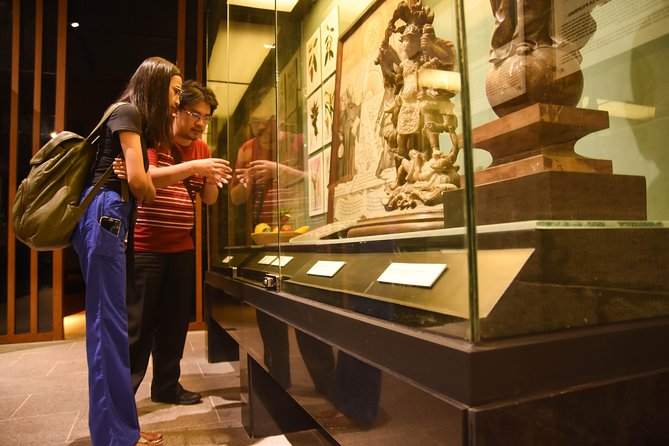
San Agustin Church and Museum has UNESCO World Heritage status, which gives it international importance, but the label alone does not explain why you should care. Inside, the interest comes from seeing how religion, architecture, art, and colonial society overlap. Your guide can help you read the building as part of Manila’s story rather than as an isolated church visit.
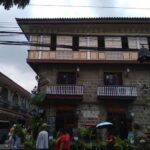
The Casa Manila Museum provides a different rhythm. Instead of focusing on military events or national heroes, it turns attention toward interiors and household life. I like this contrast because it makes history more human. Fort Santiago tells you about power and conflict. Casa Manila helps you consider how people lived within that system.
The Manila Cathedral adds another major religious landmark to the route. You should expect dress rules to matter at the cathedral and at selected museums. Knees and shoulders must be covered for both men and women, and shorts or sleeveless tops may result in refused entry. Smart casual clothing is the safest choice. Carrying a light cover-up is sensible if you are visiting in warm weather.
The calesa ride is an enjoyable part of this three-hour block. It gives your feet a rest and changes the pace after the more serious historical stops. Because the ride is traditional, it should be viewed as part of the atmosphere rather than a high-speed transport service.
The Manila American Cemetery adds a wider wartime view
The final major stop is the Manila American Cemetery and Memorial, with about one hour allocated to the visit. This changes the scale and tone of the tour. Instead of concentrating on colonial Manila and Philippine national figures, the cemetery places the Philippines within the wider Pacific and World War II story.
The cemetery occupies 152 acres on a prominent plateau visible from the east, south, and west. It contains 16,859 graves of American military dead from World War II, many of whom died in operations in New Guinea and the Philippines. The headstones sit in 11 plots arranged in a circular pattern among tropical trees.
The setting is designed for quiet reflection. A white masonry chapel sits near the center, with sculpture and mosaic work. In front of it, two large semicircular walls carry 25 mosaic maps showing military achievements across the Pacific, China, India, and Burma.
I value this stop because it prevents the day from becoming a narrow tour of Spanish colonial sites. Manila’s story includes the war, its enormous human cost, and its place in the wider region. The cemetery also offers a clear change of pace after the activity and architecture of Intramuros.
One hour is enough to see the principal memorial features without making the visit feel hurried. Still, this is a solemn place. If your main goal is old churches and colonial streets, the cemetery may feel like a detour. If you want a fuller picture of Manila’s past, it is one of the day’s most worthwhile additions.



What the private format changes
This is not a shared bus tour. Only your group participates, and the package includes a professional guide, hotel pickup, hotel drop-off, and an air-conditioned vehicle.
Those details matter in Manila. Door-to-door transport saves you from arranging separate rides between Rizal Park, Intramuros, and the cemetery. The air-conditioned vehicle also gives you a break between stops, which is useful during a long sightseeing day.
The private format is especially helpful for families. You can ask questions at the level that suits your group, spend more time at Fort Santiago, or move on when a museum has reached its limit for younger members. It also suits first-time visitors who want an organized introduction without surrendering the entire day to a large group schedule.
The guide’s historical explanations receive the strongest praise connected with this experience. That is important because the tour contains several sites that are meaningful but not always self-explanatory. A guide who can connect Rizal, Intramuros, the churches, and wartime Manila makes the day far more rewarding.
Still, private does not mean customized without limits. The published route is built around four main stops, and the day lasts about eight hours. You are paying for focused sightseeing, transport, and interpretation, not a casual half-day walk.
Is $175 per person good value?
At $175 per person, this is not a budget way to see Manila. The value depends on how much help you want with transport and history.
The price includes a full day, a private guide, an air-conditioned vehicle, admission to the listed sites, and pickup and drop-off at your hotel. If you would otherwise hire separate transport, pay admissions, and arrange a guide, the cost becomes easier to justify. You also avoid the planning burden of connecting several major sights across Manila.
The value is strongest for a small private group that places a high price on convenience and personal explanation. A family can share one vehicle and ask questions suited to different ages. A couple may appreciate the privacy but should compare the per-person cost with shorter guided options.
Food, drinks, and lunch are not included. You need to plan for those expenses separately, although the supplied information does not specify a meal stop or restaurant. I would ask the operator about the day’s meal timing before departure, especially since the tour begins at 9:00 a.m. and lasts roughly eight hours.
The experience is booked an average of 42 days ahead, which suggests planning early is wise. I would not treat that figure as a guarantee of availability, but it is a useful signal for anyone arranging a Manila visit around fixed dates.
Timing, clothing, and the practical details
The start time is 9:00 a.m. Pickup is offered, but you should confirm the exact pickup arrangements when booking. Hotel drop-off is included at the end.
Wear smart casual clothing that covers your knees and shoulders. This is not a minor suggestion. Religious sites and selected museums enforce the rule, and unsuitable clothing can mean refused entry. Comfortable footwear is also sensible because the day includes historic grounds and extended sightseeing, even though the carriage ride and vehicle provide breaks.
Museums are closed on Mondays. Schedule the tour on another day if you want to enter the Casa Manila or San Agustin museums. The experience is open to most people, according to the supplied participation information, but anyone with specific needs should confirm details directly before booking.
The tour requires good weather. If poor weather forces cancellation, you are offered a different date or a full refund. For any other cancellation or amendment, the payment is non-refundable and cannot be changed, so choose your date carefully.
Who should book this Intramuros tour?
I would choose this tour if you want Manila’s major historic sights explained in one organized day. It is a strong fit for first-time visitors, families, and anyone who values a private guide over the lowest possible price.
It is also a good match for people who want more than Intramuros alone. The addition of Rizal Park and the American Cemetery gives you a broader view of Philippine and Manila history. The calesa ride adds a lighter, more atmospheric moment between the heavier sites.
I would hesitate if you dislike long tours, prefer to explore at your own pace, or mainly want food and modern city life. Eight hours is a substantial commitment, and the $175 price requires a real interest in history and convenience.
Should you book it?
Book this tour if your Manila plans include a serious look at the city’s past and you want transport, admissions, and a private guide handled in one day. The guide-led format is the main strength, especially for families who want the story explained clearly rather than pieced together from signs.
Before paying, confirm the hotel pickup details, meal timing, and that your date is not a Monday. Dress for churches and museums, and remember that the cancellation terms are strict. If those points work for you, this is a well-focused way to see Intramuros, understand its place in Philippine history, and add the important wartime memorial at the American Cemetery.
FAQ
How long does the Manila Intramuros tour last?
The tour lasts approximately eight hours.
What time does the tour start?
The listed start time is 9:00 a.m.
Is hotel pickup included?
Yes. Hotel pickup and hotel drop-off are included.
Is transportation provided during the tour?
Yes. The tour includes an air-conditioned vehicle.
Is this a private tour?
Yes. Only your group participates in this private tour or activity.
Is lunch included?
No. Lunch, food, and drinks are not included unless specifically stated.
What should I wear?
Smart casual clothing is required. Knees and shoulders must be covered for men and women at places of worship and selected museums. Shorts and sleeveless tops are not allowed at those locations.
Are museums open every day?
No. The museums are closed on Mondays.
What happens if bad weather cancels the tour?
You can choose a different date or receive a full refund if poor weather causes the cancellation.
Can I cancel for a refund?
The experience is non-refundable and cannot be changed for any reason. If you cancel or request an amendment, the amount paid will not be refunded.