Manila: Intramuros Walled City Guided Walking Tour
History has walls here. This 2.5-hour Intramuros walking tour gives you a clear introduction to old Manila, with stops at San Agustin Church, Manila Cathedral, Casa Manila, and Fort Santiago. I like the relaxed pace and the chance to hear local stories from an English-speaking guide rather than simply wander past important buildings. I also like that the tour ends at Fort Santiago, giving the route a strong historical finish.
The main consideration is value. At $50 per person, this is not the cheapest way to see Intramuros, especially since hotel transport is not included. Your experience may depend heavily on your guide, too. Jane receives especially strong praise for her humor, care, and command of Filipino history, but one poor rating points to uneven guide quality.
In This Review
- Four things to know before you book
- Why Intramuros is worth your morning or afternoon
- Starting at Casa Manila and Barbaras Restaurant
- Walking the compressed streets of the walled city
- San Agustin Church and the UNESCO connection
- Manila Cathedral, the city’s long-running church
- Casa Manila, museums, and the José Rizal connection
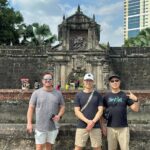
- Ending at Fort Santiago
- What Jane adds to the experience
- Is $50 per person fair?
- Who should book this Intramuros walk?
- Should you book the Manila Intramuros tour?
- FAQ
- Where does the Intramuros walking tour begin?
- Where does the tour finish?
- How long does the tour last?
- What sights are included?
- Is hotel pickup and drop-off included?
- What should I bring?
- Is the tour suitable for wheelchair users?
Four things to know before you book
- Meet Jane at Casa Manila: The meeting point is in front of Barbaras Restaurant. Look for Jane by name.
- Expect a real walking tour: Comfortable shoes, sunscreen, a hat, and water matter in Manila’s heat.
- See four major Intramuros sights: The route includes Casa Manila, San Agustin Church, Manila Cathedral, and Fort Santiago.
- Guide quality matters: Jane has been praised for her local knowledge, warm manner, and ability to adjust the pace.
- The tour does not include transfers: You arrange your own way to Casa Manila and away from Fort Santiago.
- Check the location carefully: The supplied details mention Nueva Vizcaya, but the meeting and sightseeing instructions clearly point to Intramuros in Manila.
Why Intramuros is worth your morning or afternoon
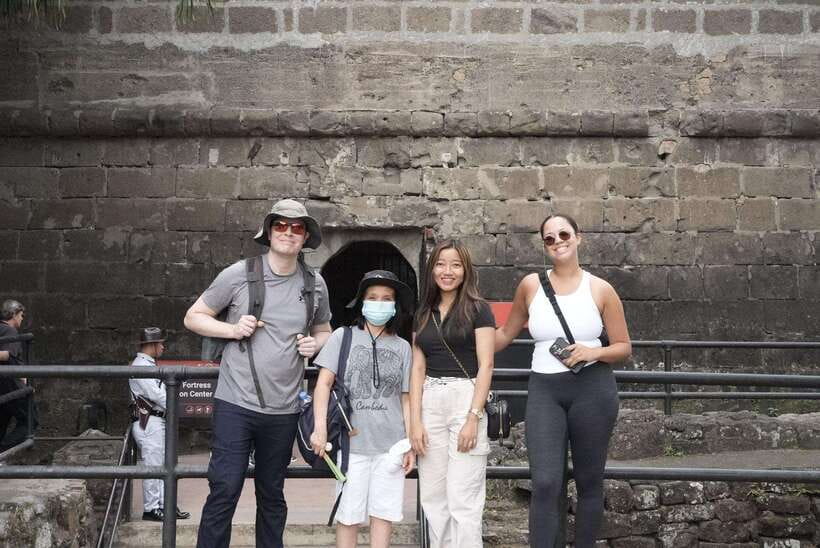
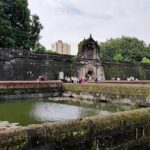
Intramuros means within the walls, and the name explains the basic idea. Spanish colonial authorities built this fortified district as a defensive town, with thick walls, cannons, moats, bulwarks, and ravelins protecting the people and institutions inside.
The layout was planned rather than allowed to grow at random. Streets form a compact network around central public spaces and government buildings. As you walk, the walls help you understand why this district feels different from the rest of Manila. It was designed as a controlled fortified city, not just a collection of old buildings.
I find guided walking especially useful here because the meaning is easy to miss. A church can look impressive on its own, but a guide can explain how it fits into the wider story of Intramuros. A plaza may look quiet today, yet its position in the old city plan tells you something about administration, religion, and defense.
The tour also gives you a practical first look at Manila’s colonial past without asking you to spend an entire day on foot. The advertised duration is 2.5 hours, while the route description allows up to three hours. Plan for roughly half a day, and keep the rest of your schedule flexible.
You can also read our reviews of more walking tours in Manila


Starting at Casa Manila and Barbaras Restaurant
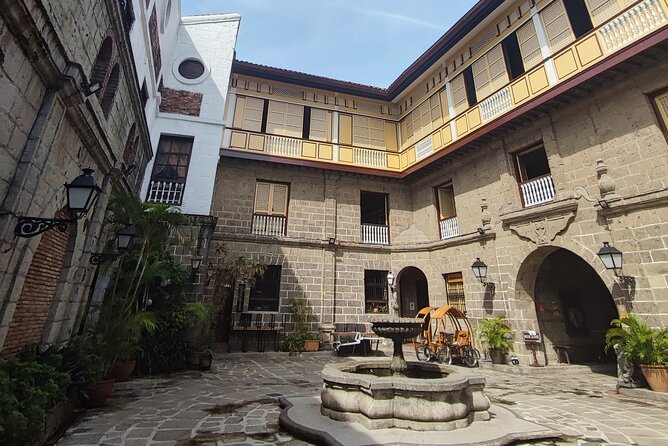
Your meeting point is Casa Manila, in front of Barbaras Restaurant. This is a useful place to begin because Casa Manila introduces you to the domestic side of Intramuros before you move on to churches and military defenses.
The tour instructions tell you to look for Jane. That detail is worth taking seriously. Casa Manila can be a busy meeting area, and knowing the guide’s name is much easier than trying to identify a stranger holding a generic sign.
Casa Manila is included as a featured stop, so expect the guide to use it as a way into the lifestyle of old Manila. The attraction helps balance the larger public monuments that follow. Instead of seeing Intramuros only as a place of walls and churches, you get a sense of how homes, furnishings, and daily life fit into the district.
The exact amount of time inside each site is not specified. Ask at the start how the route will be divided, especially if you have one particular church or museum at the top of your list. The published plan includes photo stops, guided sightseeing, and free time, so the walk is not described as a nonstop lecture.
Walking the compressed streets of the walled city
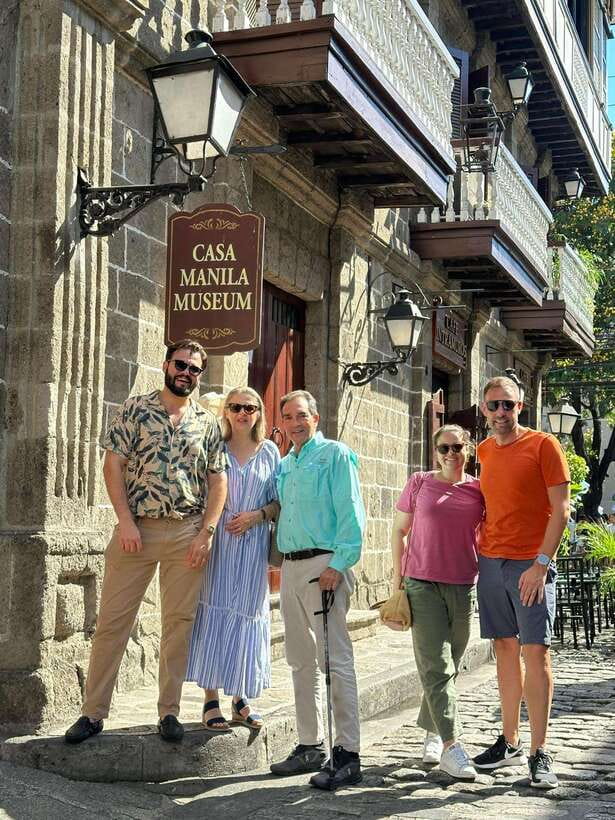
From Casa Manila, you move into Intramuros itself. The district’s compact street plan is one of the most interesting parts of the experience, but it can be hard to grasp from a single photograph.
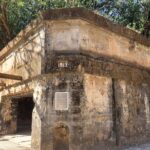
A guide can point out how the streets, walls, moats, cannons, and defensive projections worked together. The old city was not protected by one wall alone. Its design used layers of defense, with bulwarks and ravelins helping guard the approaches.
You should expect plenty of sightseeing and walking rather than a vehicle-based tour. Comfortable clothes and sturdy shoes are essential. Bring sunglasses, a sun hat, sunscreen, and water, even though water is included in the tour. Having your own bottle is still sensible for a warm afternoon.
The route is not suitable for wheelchair users, and the information advises against it for people over 95. That does not tell you every detail about pavement or steps, but it does make the main point clear: this is an active walking experience, not an easy-access sightseeing ride.
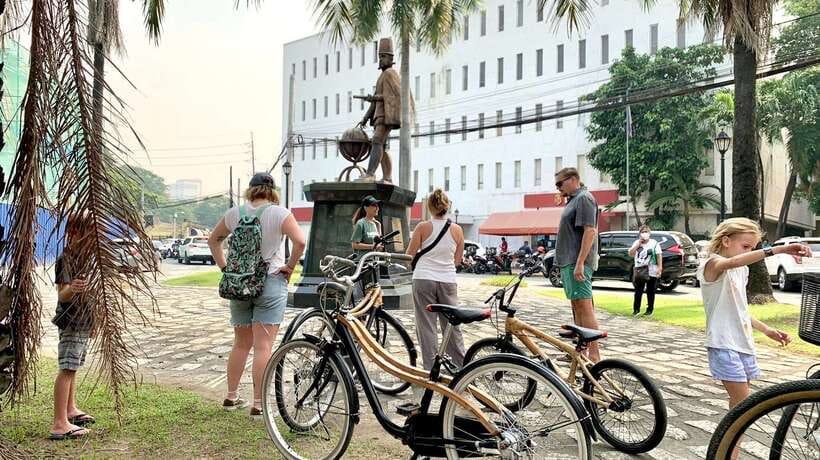
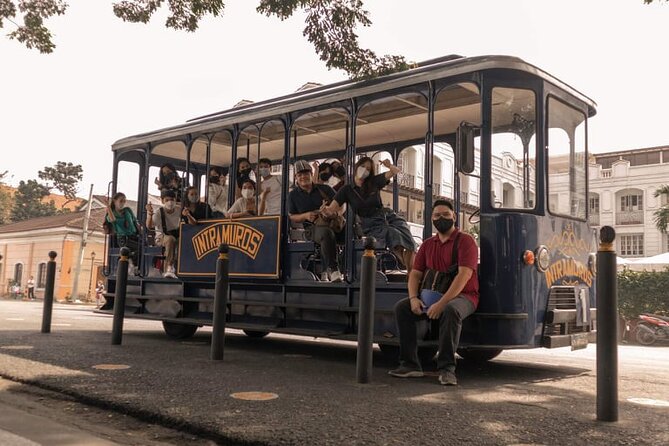
One useful detail comes from Pete’s experience with Jane. He said she used a tuk-tuk within the walled city, which helped the group see more during a three-hour tour. That should not be treated as a guaranteed feature, since tuk-tuk use is not listed as an inclusion. Still, you can ask Jane at the meeting point if mobility or time is a concern.
San Agustin Church and the UNESCO connection
San Agustin Church is one of the central reasons to book this route. It is identified as a National Historical Landmark and part of a UNESCO World Heritage designation, making it more than a pretty old church on a sightseeing checklist.
I like the fact that the tour places the church within Intramuros rather than presenting it as an isolated monument. Its importance makes more sense when you see it as part of a fortified colonial district filled with churches, monasteries, schools, parks, and plazas.
Your guide will explain the church and its place in Manila’s past, although the exact depth of that explanation can vary. Jane is praised for her strong command of English and her enthusiasm for Filipino history, which matters at a stop like this. Good guiding can turn architectural details into a story you remember.
Be respectful inside and around the church. This is a functioning religious and historic site, not simply a backdrop for photographs. The tour includes photography, but your guide will be the best person to tell you where photos are appropriate.
Manila Cathedral, the city’s long-running church
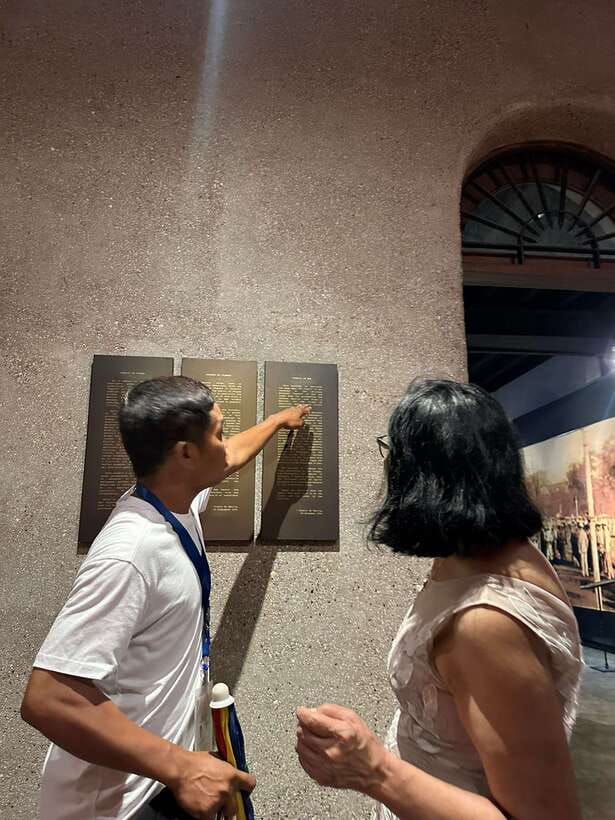
The Manila Cathedral offers a useful contrast to San Agustin Church. The description calls it the most recent version of Manila’s long-standing cathedral, a reminder that the building you see today is part of a much longer story.
That distinction is important. Historic Manila is not a frozen museum where every stone has remained untouched. Churches and civic buildings have changed over time, and the present cathedral represents one stage in a long sequence.
A guided visit helps you avoid reducing the cathedral to a quick exterior photograph. You can hear how it fits into the religious and civic life of Intramuros, then compare its role with San Agustin Church.
The cathedral is also a good reason to leave room in your schedule. You may want a few quiet minutes for photographs or to take in the architecture. The tour includes free time, but the timing is not fixed in the details provided, so ask your guide before the walk begins if you want more than a short stop.
You can also read our reviews of more guided tours in Manila




Casa Manila, museums, and the José Rizal connection
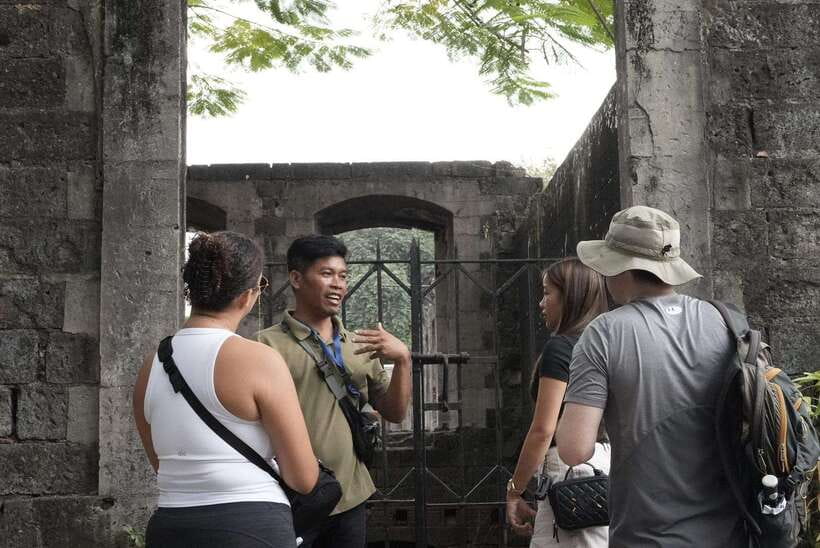
Casa Manila is both your starting point and one of the key cultural stops. Its value is that it brings the story down to a human scale. Walls, cannons, and grand churches explain power and defense. A historic house helps you think about life inside that system.
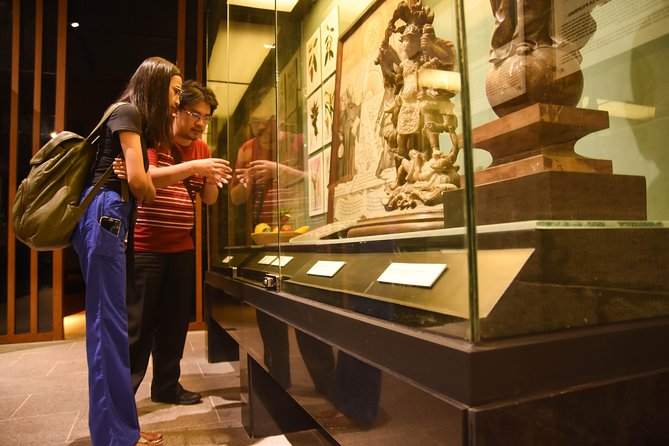
The highlights also include the José Rizal Museum. The provided route does not spell out exactly how long you will spend there or whether a separate admission fee applies, so confirm this with the operator before booking if the museum is your main reason for going.
José Rizal is a major figure in Philippine history, and a stop connected with him can add important national context to a tour focused on Spanish Manila. I would treat the museum as a possible highlight, but not assume it receives the same amount of time as Fort Santiago or the churches.
This is one area where a direct question helps: ask whether the José Rizal Museum is visited inside, viewed as an exterior stop, or discussed while walking. The supplied information names it among the highlights, but does not provide a detailed stop-by-stop schedule.
Ending at Fort Santiago
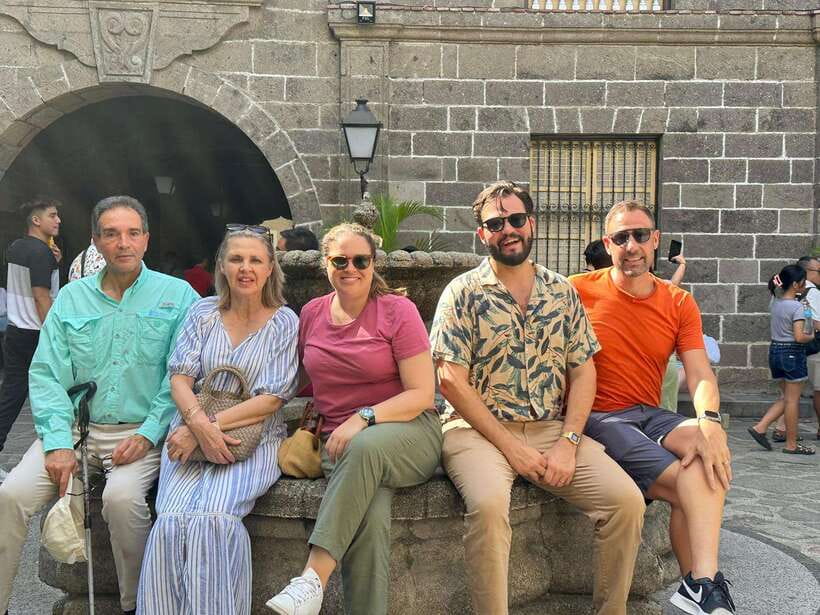
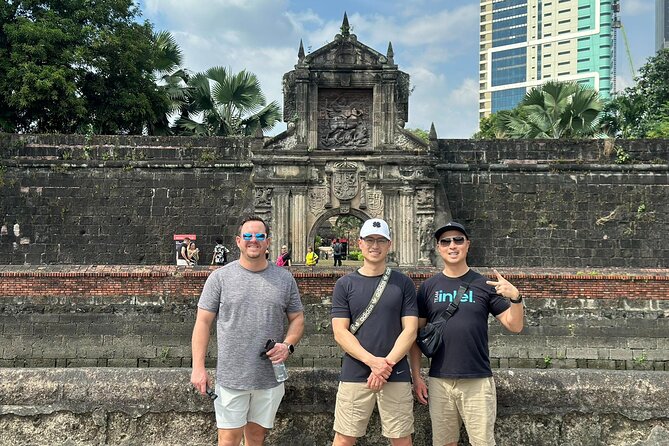
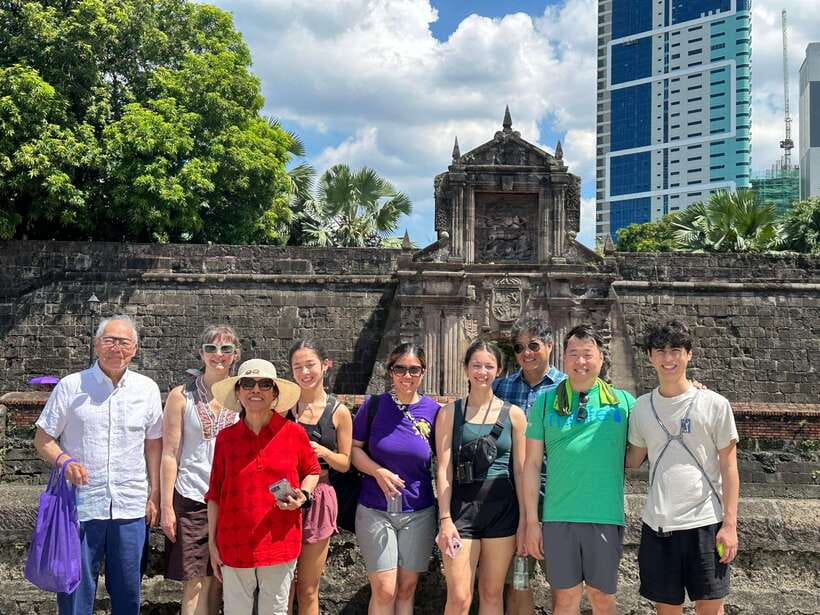
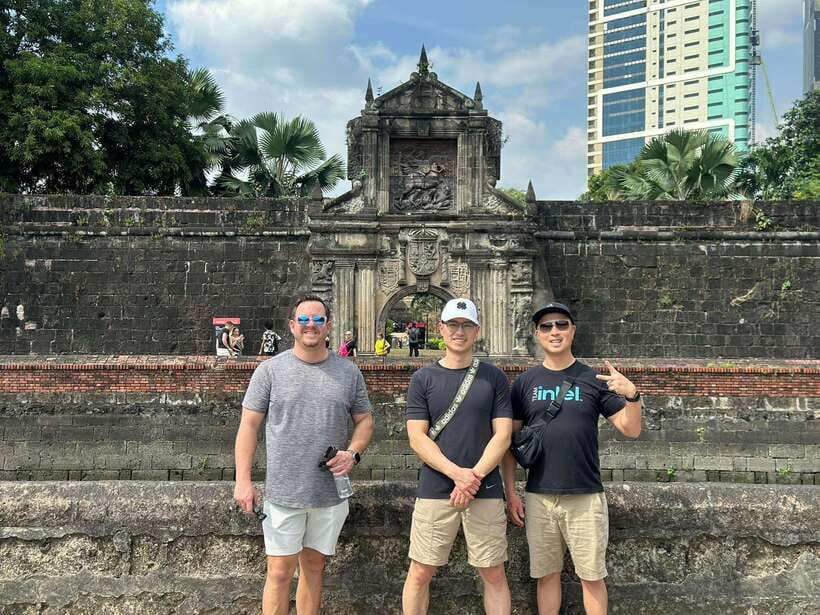
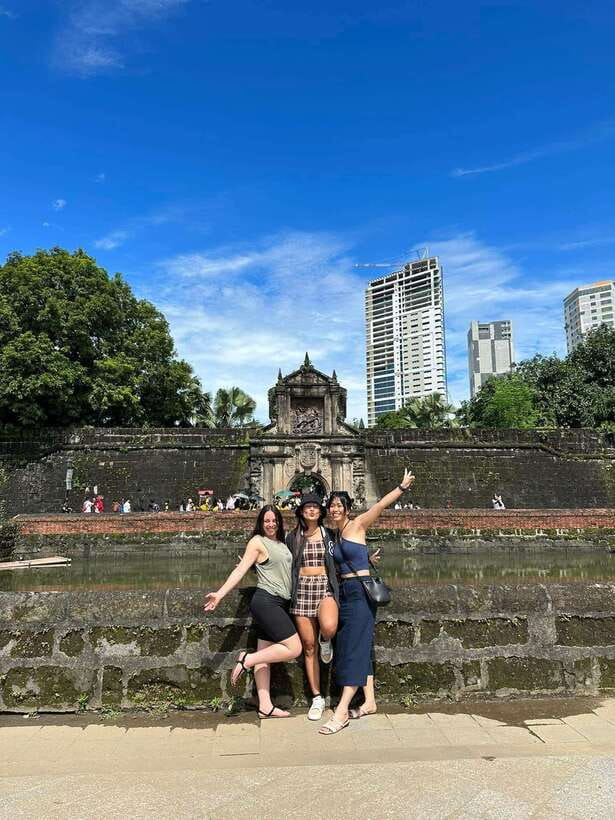
The walk finishes at Fort Santiago, the strongest closing point on the route. Unlike Casa Manila, which focuses on domestic life, Fort Santiago brings you back to military power and confinement.
The fort helps complete the picture of Intramuros. You begin with the city’s homes and streets, see its major churches, then finish at the defensive complex that protected the walled district. That progression gives the tour a sensible shape.
You should also think about what the ending means for your day. Hotel pickup and drop-off are not included, and the tour finishes at Fort Santiago rather than returning you to Casa Manila. If you have another appointment, leave time to arrange your own onward transport.
Because Fort Santiago is the final stop, ask how much time is planned there. The description includes a visit, guided tour, photo stop, and free time, but it does not promise an extended independent visit after the guide finishes. If the fort is especially important to you, confirm whether you can remain afterward.
What Jane adds to the experience
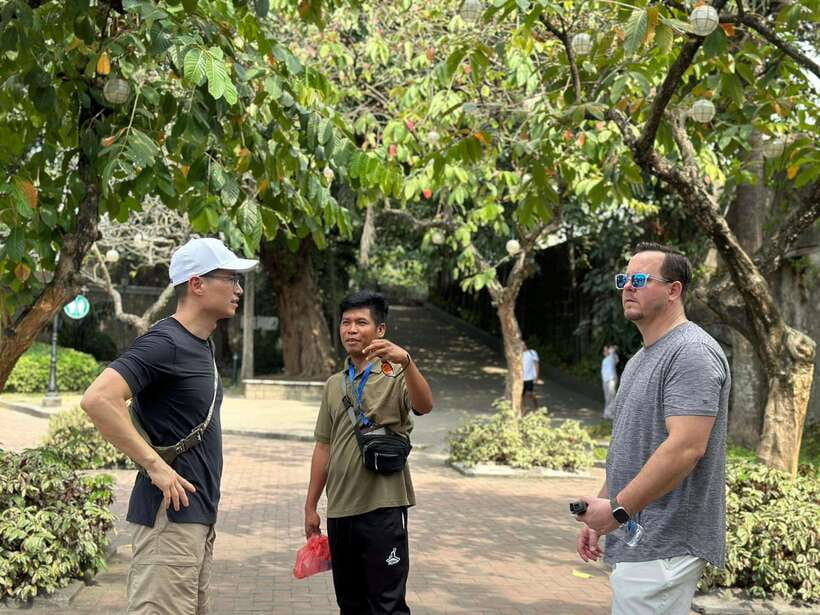
The strongest praise is directed at Jane. She is described as warm, humorous, passionate, helpful, and very strong in English. One group particularly appreciated that she adjusted the pace for a senior participant.
That personal care can make a large difference on a walking tour. Intramuros is not difficult to understand physically, but the heat, pavement, and number of historic details can tire you. A guide who watches the group and adjusts the rhythm is worth paying for.
Another positive account describes Jane as a font of information and says she helped the group cover a great deal during a longer three-hour outing. Again, the advertised length is 2.5 hours, so do not assume every group will receive the same duration or tuk-tuk assistance.
The feedback is not uniformly positive. One participant felt the guide was poorly trained and that the information at each stop was too weak to justify the cost. That criticism is important because it identifies the tour’s main risk: you are paying for interpretation, not just access to streets you can walk independently.
Is $50 per person fair?
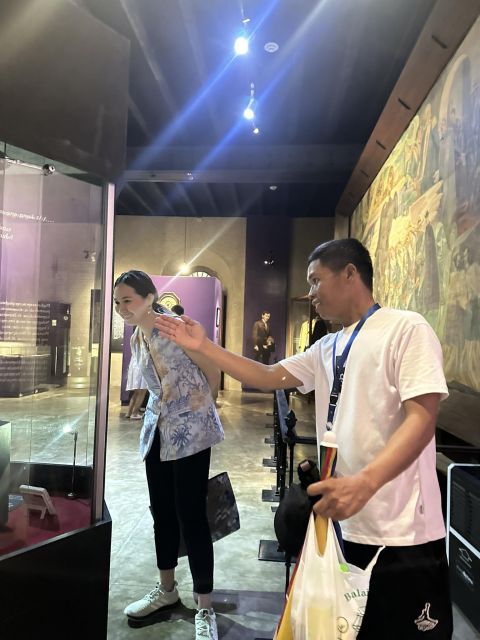
At $50 per person, this is a mid-priced guided city walk. The price makes more sense if you value an English-speaking local guide, structured sightseeing, photography help, and a focused explanation of Intramuros in a short period.
The price is less attractive if you are comfortable researching the district yourself or hiring a guide locally at a lower rate. The negative experience specifically suggests that on-site guides may cost less, though no exact local price is provided, so I would not treat that as a guaranteed saving.
Water and a live guide are included. Hotel transfers are not. If you are staying outside Intramuros, your total cost includes getting to Casa Manila and leaving from Fort Santiago.
For me, the value depends on guide quality. Jane’s praise is unusually specific: people liked her humor, passion, English, local knowledge, and flexibility. If Jane is your assigned guide, the price may feel reasonable for a short, well-organized introduction. If the guide is less prepared, the same fee can feel high.
Who should book this Intramuros walk?
I would recommend this experience to you if you want a compact introduction to Manila’s old fortified district and prefer learning through conversation. It suits first-time visitors, history-minded people, and anyone who wants help making sense of churches, fortifications, and colonial-era streets.
It is also a good fit if you have only a few hours. The route covers the main names without requiring a full day, and the relaxed pace received strong praise.
I would hesitate if you need wheelchair access, dislike walking in the sun, or want hotel transport included. I would also hesitate if your top priority is a long, detailed museum visit, since the information does not specify how much time is given to the José Rizal Museum or Casa Manila.
Wear light, comfortable clothing and walking shoes. Bring your passport or ID card, sunglasses, a hat, sunscreen, and water. Most importantly, confirm the meeting location and guide details before setting out. The booking information mentions Nueva Vizcaya in one place, while the actual meeting point and route are clearly tied to Intramuros in Manila.
Should you book the Manila Intramuros tour?
Book it if you want a friendly guide to connect the main sights and bring the old city to life in a short visit. Jane appears to be the guide who can make this tour especially worthwhile, with a warm manner and an ability to adapt to different walking speeds.
Skip it if you prefer exploring independently or if $50 feels too steep for a walk without hotel transfers. Before paying, confirm that the meeting point is Casa Manila, ask who your guide will be, and check how much time is planned for the José Rizal Museum and Fort Santiago.
For most visitors who want context rather than a quick photo stop, this is a practical first look at Intramuros. Just remember that the guide is the product. The walls and churches will be there either way, but a good storyteller changes what you notice.
FAQ
Where does the Intramuros walking tour begin?
The tour begins at Casa Manila, in front of Barbaras Restaurant. Look for the guide named Jane.
Where does the tour finish?
The tour finishes at Fort Santiago.
How long does the tour last?
The stated duration is 2.5 hours. The route information also describes an Intramuros visit lasting up to three hours, so allow some flexibility.
What sights are included?
The main sights named are Casa Manila, San Agustin Church, Manila Cathedral, the José Rizal Museum, and Fort Santiago.
Is hotel pickup and drop-off included?
No. You must arrange your own transport to Casa Manila and from Fort Santiago.
What should I bring?
Bring a passport or ID card, comfortable shoes, sunglasses, a sun hat, sunscreen, water, and comfortable clothing. Water is also listed as included.
Is the tour suitable for wheelchair users?
No. The tour is not suitable for wheelchair users. It is also listed as unsuitable for people over 95 years old.