Manila: Intramuros and Chinatown Food Tour with Food Samples
History here comes with a side of siopao. This five-hour walk links Intramuros landmarks with Binondo’s Chinese-Filipino food stalls, giving you two very different views of Manila in one outing. I like the clear progression from Fort Santiago to the Manila Cathedral, San Agustin Church, and finally Chinatown.
I also like the small-group format, limited to eight people, and the included tuk-tuk ride between Intramuros and Binondo. Guide Jane receives repeated praise for her warmth, clear explanations, photography help, and care after the tour. The main drawback is the amount of walking, heat, and food sampling, so this is not a good fit for wheelchair users or people with food allergies.
In This Review
- Key points to know before booking
- Two sides of Manila in five hours
- Fort Santiago and the story of José Rizal
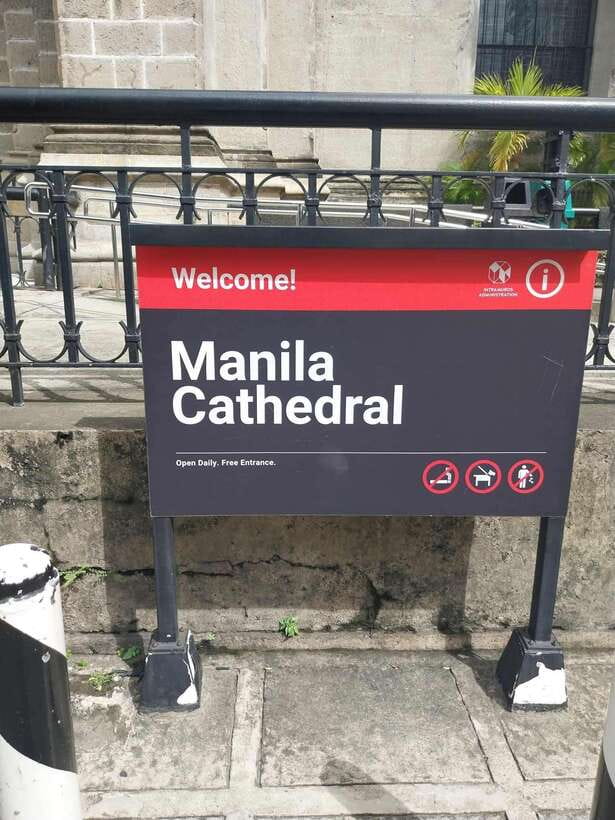
- Manila Cathedral, a living city landmark
- San Agustin Church and its baroque details
- The tuk-tuk ride to Binondo
- Seven tastings in the world’s oldest Chinatown
- Binondo’s Filipino-Chinese character
- Ending at Binondo Church
- What Jane adds to the experience
- Walking, weather, and group size
- Is the $80 price fair?
- Who should book this Manila tour?
- FAQ
- Where does the tour begin?
- Where does the tour finish?
- How long does the tour last?
- What food is included?
- Is the tuk-tuk ride included?
- Are entrance fees included?
- What languages are available?
- How large is the group?
- Is the tour suitable for people with food allergies or wheelchair users?
- Should you book it?
Key points to know before booking
- Seven Chinese tastings in Binondo: Expect items such as fried siopao, pork siomai, lumpia, hopia, pansit, egg tart, and buchi, depending on availability.
- Three major heritage stops: Fort Santiago, Manila Cathedral, and San Agustin Church each show a different side of Manila’s past.
- A short tuk-tuk transfer: The ride adds local flavor and saves you from walking the entire distance between Intramuros and Chinatown.
- Small groups matter: With no more than eight participants, it is easier to ask questions and get help with photos.
- Five hours on foot: Comfortable shoes, water, sunscreen, and light clothing are practical necessities.
- A guide who helps beyond the script: Jane has waited with guests for taxis and checked that they reached their destination safely.
Two sides of Manila in five hours
This experience works because it joins two areas that are often visited separately. Intramuros gives you colonial-era walls, churches, military history, and stone streets. Binondo shifts the mood to food, commerce, Chinese heritage, and Filipino adaptations of Chinese dishes.
You begin at Fort Santiago and finish at Binondo Church, so this is not a circular walk. That matters when planning the rest of your day. You will need to arrange your own onward transport from the church, although Jane has helped guests with the journey home.
At $80 per person, the price is not simply paying for a meal. It includes a professional English or Tagalog-speaking guide, Fort Santiago admission, the tuk-tuk ride, photography assistance, and seven tastings. I see the value in the combination, especially if you want context and company rather than a list of food stops.
Still, the price may feel high if your main goal is to eat cheaply in Chinatown. The tour makes more sense for you if you also want the historical sites explained and prefer having the route organized.
You can also read our reviews of more tours and experiences in Manila.
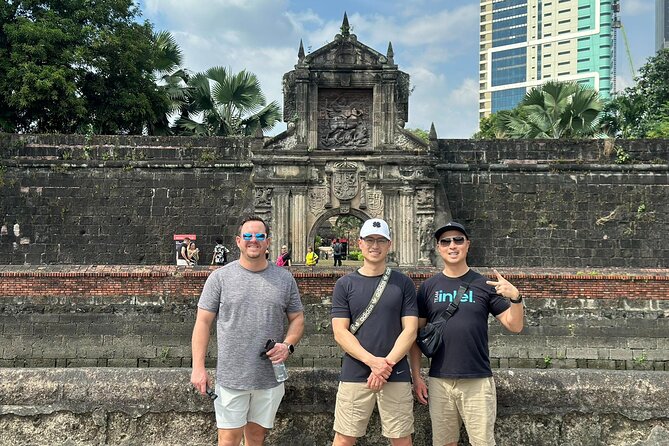
Fort Santiago and the story of José Rizal
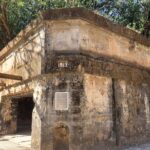
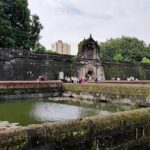
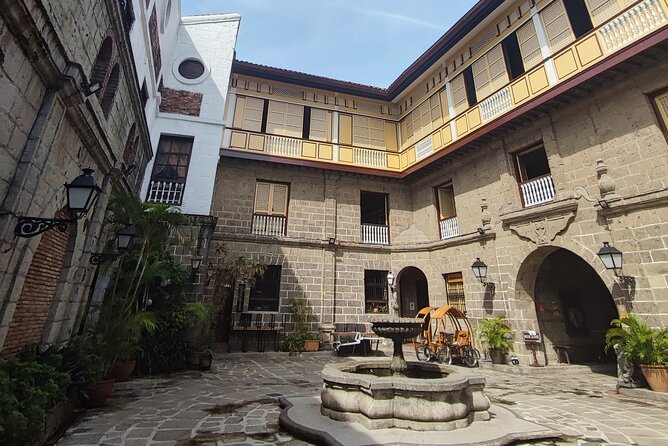
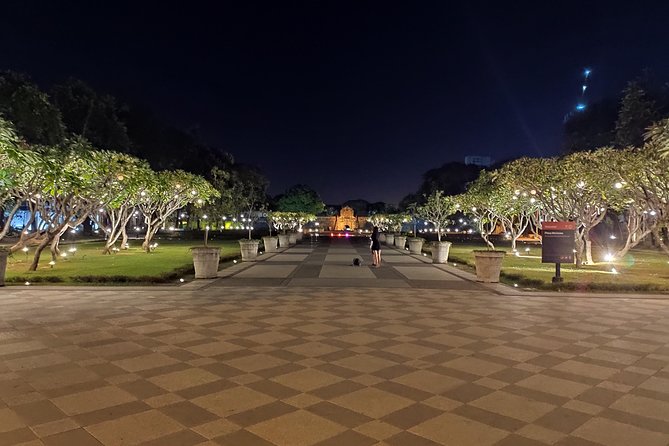
Fort Santiago is the first major stop, with about an hour to walk through the site. Its gates, preserved ruins, and military setting provide a serious opening to the day.
The fort is closely tied to José Rizal, the Philippines’ national hero. Your guide explains his connection to the site and the part Fort Santiago played during the colonial period. This gives the visit more weight than a quick photo stop.
I like starting here because the fort helps you understand why Intramuros matters. You are not just looking at old walls. You are seeing a place connected to the country’s political and colonial past.
Bring a camera, since photography assistance is included. Flash photography is not allowed, so you should be ready to take natural-light pictures rather than rely on a flash.
The one-hour walk may feel short if you want to read every sign or explore at your own pace. This is a guided overview, not an all-day museum visit. You will see the key areas, hear the main stories, and then continue on foot.
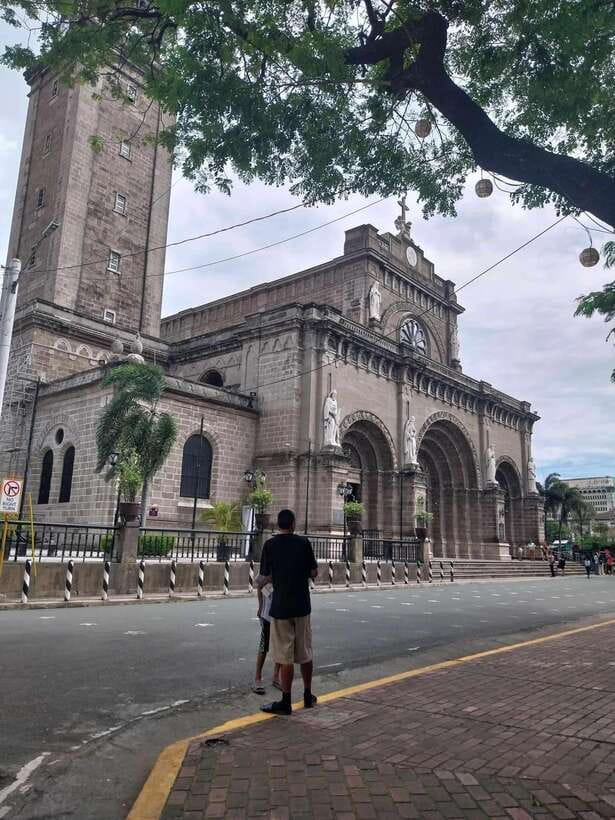
Manila Cathedral, a living city landmark
From Fort Santiago, you walk for about 20 minutes to Manila Cathedral. This is a relatively easy connection on paper, but Manila’s heat and street conditions can make even short distances tiring.
The cathedral has survived natural disasters and repeated rebuilding, making it an important religious and historical symbol. Your guide places the building within Manila’s changing story instead of treating it as a quick exterior photograph.
I appreciate this stop because it adds a working place of worship to the military history of Fort Santiago. The two sites feel different, and that contrast helps you see Intramuros as more than a preserved tourist quarter.
The visit is not described as a long interior tour, so keep your expectations practical. You are likely getting an explanation, a look at the architecture, and time for photographs rather than a detailed architectural study.
San Agustin Church and its baroque details
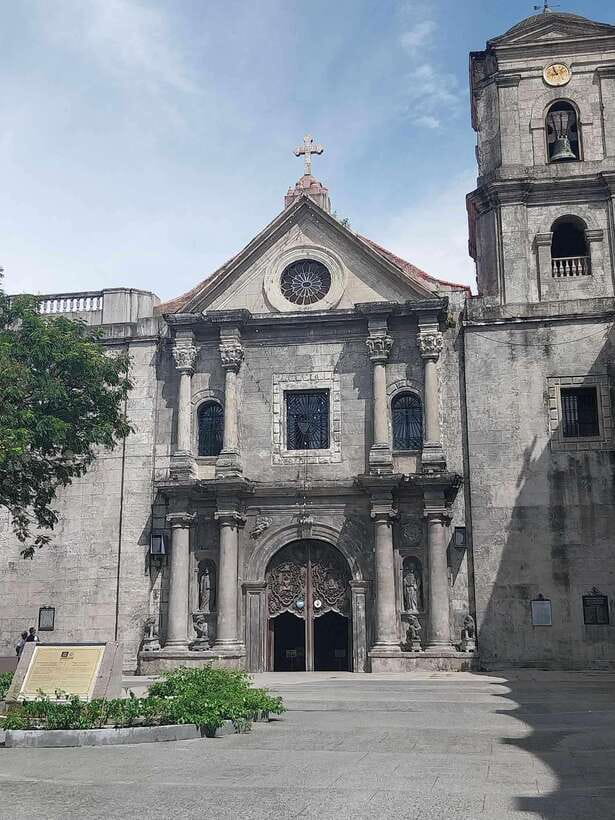
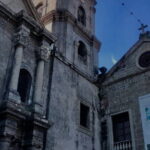
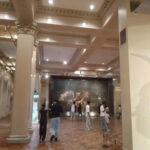
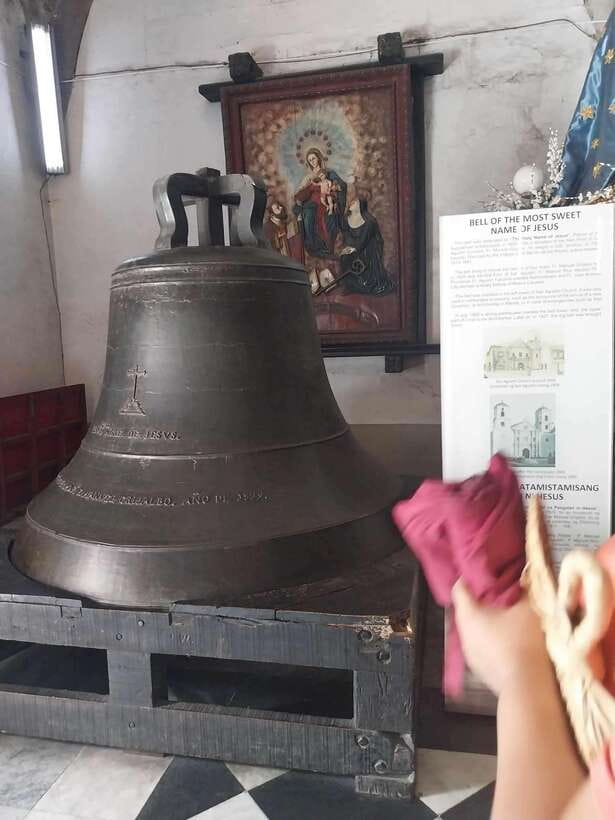
A short walk of around 20 minutes brings you to San Agustin Church. It is the oldest stone church in the Philippines and part of a UNESCO World Heritage Site.
This is one of the strongest historical stops on the route. Its baroque design and long connection to Manila give the guide plenty to explain, while the building itself provides a change of texture after the fortress and cathedral.
You should dress respectfully for church visits and wear clothing suitable for several hours outside. The tour information does not promise a special religious service or private access, so think of this as a heritage visit within a functioning church setting.
The walking between these three sites is important. You see the distances within Intramuros rather than being delivered from door to door. That makes the area easier to understand, but it also means you should not underestimate the need for water and sensible footwear.
The tuk-tuk ride to Binondo
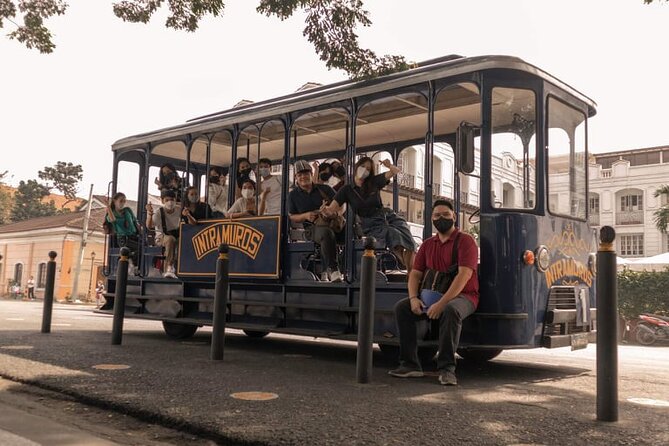
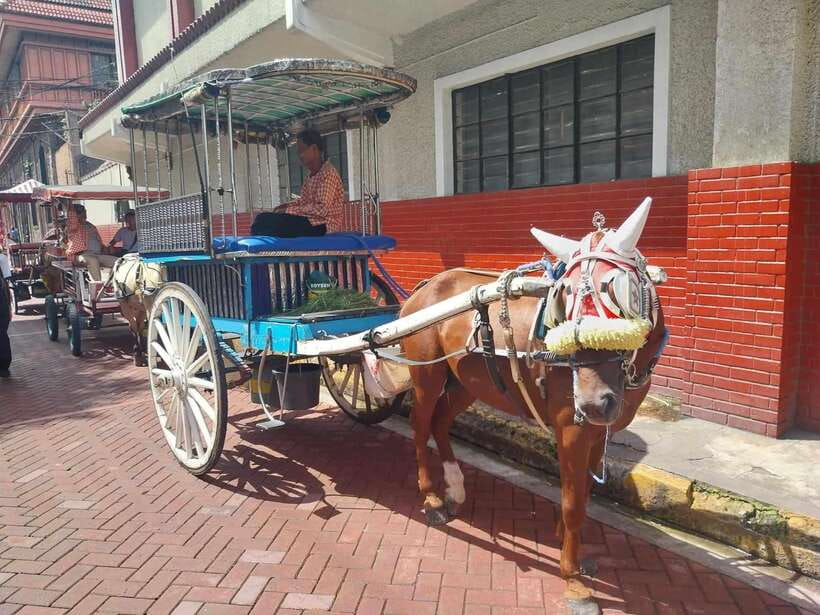
After the Intramuros portion, you take a tuk-tuk for about 20 minutes toward Chinatown. It is a small detail, but it improves the rhythm of the day.
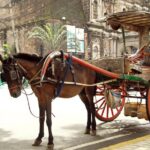
Instead of spending the full transfer on foot, you get a breezy ride through Manila streets, passing landmarks and cobblestone roads along the way. The vehicle also gives you a different view of the city, with less focus on formal monuments and more on movement between districts.
I like this part because it marks a clear change in the tour. Intramuros feels tied to walls, churches, and colonial-era sites. Binondo brings you into a commercial district where Chinese and Filipino influences meet in everyday food.
The tuk-tuk is not a long sightseeing excursion. At 20 minutes, it is best understood as both transport and a memorable local experience. If you dislike open-air rides or need a fully accessible vehicle, this is worth considering before booking.
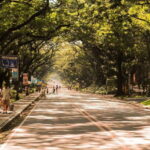
Seven tastings in the world’s oldest Chinatown
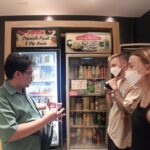
The Binondo portion takes up the largest share of the tour, with about three hours devoted to food tasting. That timing suggests a leisurely route rather than seven quick bites swallowed between photo stops.
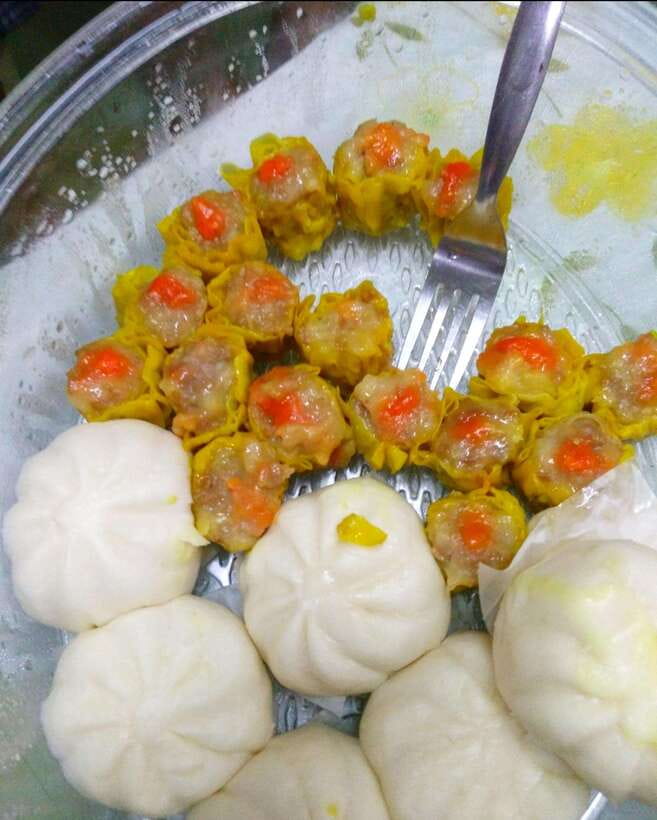
The exact selection depends on availability, but the planned foods include:
- Fried siopao
- Pork siomai
- Lumpia
- Hopia with mung bean pastry filling
- Pansit
- Egg tart
- Buchi
This is a useful menu because it covers several textures and styles. You get dumplings, pastry, noodles, spring rolls, and sweet items, rather than seven versions of the same dish.
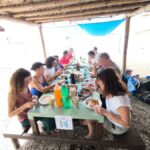
The point is not just to fill you up. Your guide explains how Chinese culture has shaped Filipino cooking and how Binondo developed into a major cultural center. The food becomes a way to understand the relationship between Filipino and Chinese communities.
The tastings may add up to a substantial meal. One guest described the food as generous enough to make later snacks difficult to resist, so avoid eating a large lunch before you arrive. At the same time, these are samples, and the amount of each item can vary with availability.
If you have allergies or dietary restrictions, tell the operator in advance. However, the activity is specifically marked as unsuitable for people with food allergies. That warning should be taken seriously, since the tour is built around shared or fixed food tastings and substitutions are not promised.
Binondo’s Filipino-Chinese character
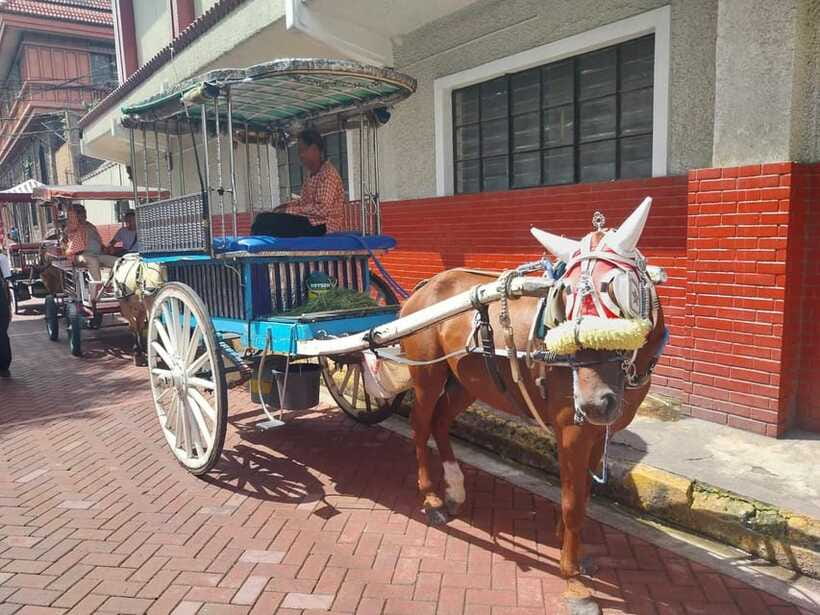
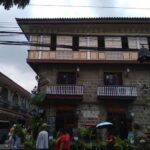
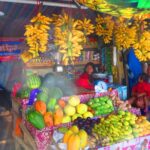
Binondo is where the tour’s two subjects meet. You are not simply visiting a Chinatown filled with Chinese dishes. You are seeing how Chinese cooking has been adapted into Filipino daily life.
Siopao, siomai, lumpia, hopia, pansit, egg tarts, and buchi show different layers of that connection. Some foods may look familiar from elsewhere in Asia, but the local setting and the guide’s explanation help you see them as part of Manila’s own food culture.
I find this more useful than a generic food crawl because the historical section gives the dishes a setting. You first learn about Manila as a fortified colonial city, then encounter the Chinese-Filipino influence that remains visible in its food and streets.
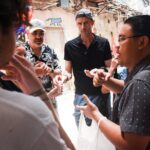
The three-hour timing also allows room for questions. In a group of no more than eight, you are more likely to hear the explanation and ask about ingredients, customs, or the story behind a particular dish.
Do not expect a polished restaurant-only meal. The appeal is the mix of tastings and walking through Chinatown. That can mean uneven pacing, crowded streets, or waiting for food, but those are part of the district experience rather than flaws in the basic idea.
Ending at Binondo Church
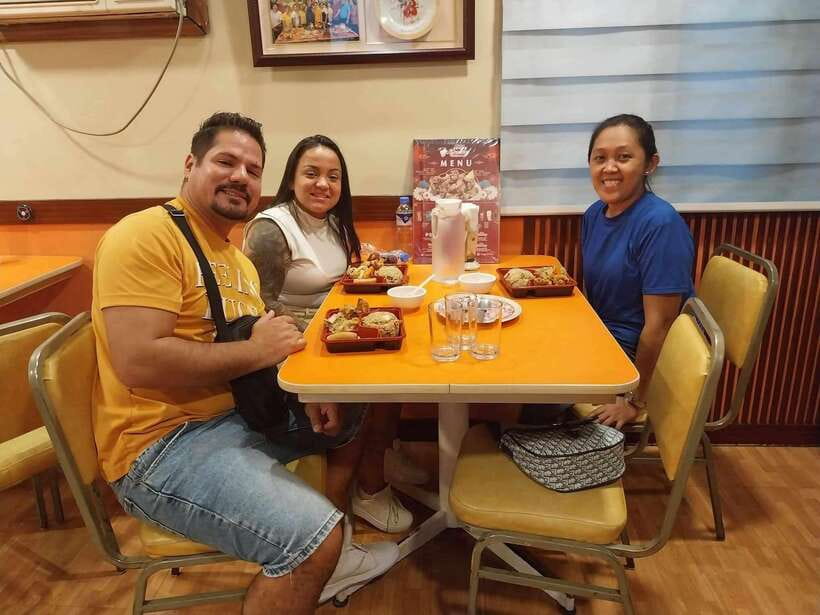
The tour finishes at the Minor Basilica and National Shrine of Saint Lorenzo Ruiz, commonly called Binondo Church. This gives the food section a final historical point instead of ending at the last snack.
The church links back to the broader theme of Chinese-Filipino culture and Manila’s long religious history. It is a suitable place to pause after several hours of walking, eating, and listening.
Because the tour ends here, do not assume you will be returned to Fort Santiago or your hotel. You should plan your next step before the day begins. The guide may assist with directions, and Jane has been praised for waiting with guests until their taxi arrived, but onward transport is not listed as part of the package.
What Jane adds to the experience
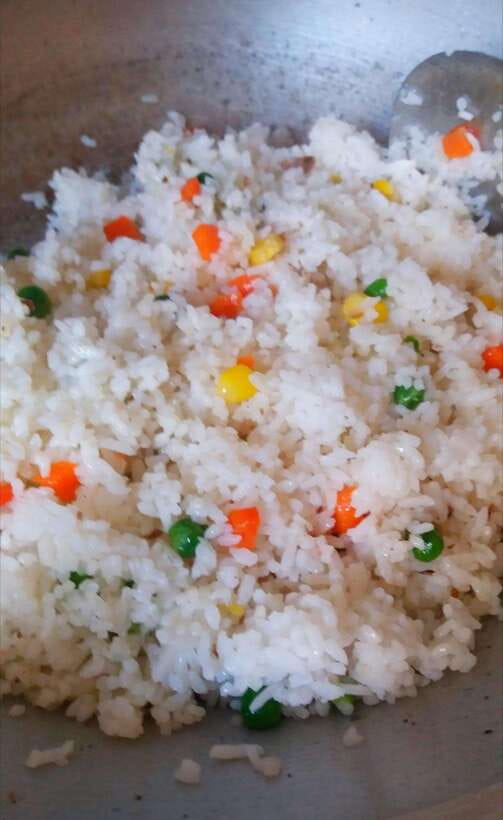
The guide can make or break a walking tour, and Jane is the clearest strength here. Several guests praised her friendliness, useful explanations, and ability to keep both older and younger companions interested.
One guest traveling with a father said Jane kept the tour informative and amusing. Another described her as gentle and kind, with clear, lively explanations and a strong sense of safety. She also helped guests after the tour, including checking by message that they reached their destination.
That kind of care is especially useful in a large city. You can ask for help with photographs, directions, and the food stops instead of trying to manage every detail alone.
The guide language is English or Tagalog. If you need another language, this experience does not promise one. The available information also uses both Jane and Jayne in different places, so the spelling may vary when you receive your guide details.
Walking, weather, and group size
Five hours is a long stretch for a walking and tasting tour. The route includes about one hour at Fort Santiago, two 20-minute walks between the main Intramuros sights, a 20-minute tuk-tuk ride, and several hours in Binondo.
Wear comfortable shoes and light, practical clothing. Sunscreen and water are specifically recommended, and you should bring a camera if photographs matter to you.
Small groups are a real advantage here. With a maximum of eight people, the guide can provide photography assistance and keep explanations more personal. It should also be easier to hear in busy areas than in a large coach group.
The tour is not suitable for wheelchair users. The walking route, historic surfaces, steps, and tuk-tuk transfer make that limitation important rather than a minor footnote.
The start is at the Fort Santiago Gate, while the end is Binondo Church. Exact meeting details are sent within 24 hours after booking, so check those instructions before setting out.
Is the $80 price fair?
I would judge the $80 price by the full package, not by the food alone. Seven tastings in Binondo can be inexpensive if bought independently, but this tour also includes Fort Santiago admission, a guide for five hours, the tuk-tuk, historical interpretation, and help with photographs.
The value is strongest for a first visit to Manila, especially if you want someone to connect the landmarks and food traditions. It is also useful for solo visitors or small parties who want a planned route without joining a large group.
The value is weaker if you already know Intramuros, prefer independent food hunting, or want to choose every dish yourself. You are paying for structure, explanation, and convenience as much as for the snacks.
The cancellation policy helps reduce the risk. You can cancel up to 24 hours before the tour for a full refund, and you can reserve now and pay later. Starting times depend on availability, so confirm the schedule that fits your plans.
Who should book this Manila tour?
I would recommend it to you if you want a single outing that combines Manila’s major heritage sights with a focused food experience. It suits first-time visitors, curious eaters, couples, families with mobile older children, and anyone who prefers a small group.
It is especially good for people who enjoy learning the story behind a dish. The food is not treated as a separate activity, and the guide’s explanations connect Binondo to the city’s wider cultural development.
I would be cautious if you have mobility limitations, serious food allergies, or little tolerance for heat and extended walking. I would also skip it if you want a quiet, slow church tour or a restaurant-based culinary class.
FAQ
Where does the tour begin?
It begins at the Fort Santiago Gate in Intramuros.
Where does the tour finish?
It finishes at the Minor Basilica and National Shrine of Saint Lorenzo Ruiz, also known as Binondo Church.
How long does the tour last?
The experience lasts five hours.
What food is included?
The tour includes seven Chinese food tastings in Binondo. Possible items include fried siopao, pork siomai, lumpia, hopia, pansit, egg tart, and buchi, depending on availability.
Is the tuk-tuk ride included?
Yes. A tuk-tuk ride from Intramuros to Chinatown is included and lasts about 20 minutes.
Are entrance fees included?
Entrance to Fort Santiago is included. The provided tour information does not list additional entrance fees.
What languages are available?
The live guide is available in English or Tagalog.
How large is the group?
The tour is limited to eight participants.
Is the tour suitable for people with food allergies or wheelchair users?
No. The activity is marked as unsuitable for people with food allergies and wheelchair users. You should still inform the operator of any dietary restrictions before the tour.
Should you book it?
Book this tour if you want Manila presented through both its monuments and its food. The route has a sensible shape, the tuk-tuk breaks up the walking, and the seven tastings give you a broad introduction to Binondo rather than one large meal.
The strongest reason to book is the guide support, especially the friendly, attentive approach associated with Jane. The main reason to hesitate is practical: five hours on foot, warm conditions, fixed tastings, and no return transfer.
For an active first day in Manila, I think the $80 can be fair value. Bring water, wear good shoes, arrive hungry but not starved, and plan your ride home from Binondo Church.