Manila: Intramuros Heritage Tour
Manila’s past is packed into two walkable hours. This Intramuros heritage tour links Fort Santiago, Manila Cathedral, San Agustin Church, and Casa Manila, giving you a quick introduction to the walled district without the fuss of planning each stop yourself. I like the small group limit of eight, and I like that the tour includes an English or Tagalog-speaking guide who can explain what you are seeing.
The main drawback is the short running time. You will see several major places, but the visit to Manila Cathedral and San Agustin Church is listed at only 15 minutes each. I would also confirm the meeting details before booking, since the activity information names Manila as the route but gives Nueva Vizcaya as the location.
In This Review
- Key points to know before you book
- Starting at Fort Santiago, where Manila’s story turns serious
- Manila Cathedral, a brief look at a major landmark
- San Agustin Church, the tour’s strongest heritage stop
- Casa Manila, the longest stop on the route
- What the $45 price really buys you
- A compact walk with real physical demands
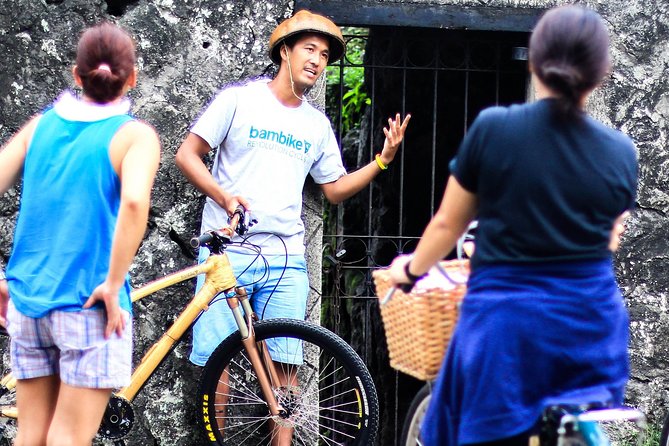
- Why the guide matters more than the timetable
- Best photo spots and how to use your time
- Booking details worth checking before payment
- Who should book this Intramuros tour?
- Should you book it?
- FAQ
- Where does the tour begin?
- How long does the Intramuros tour last?
- Which sites are included in the route?
- Are entrance fees included?
- What languages are available?
- How many people are in the group?
- What should I bring?
Key points to know before you book
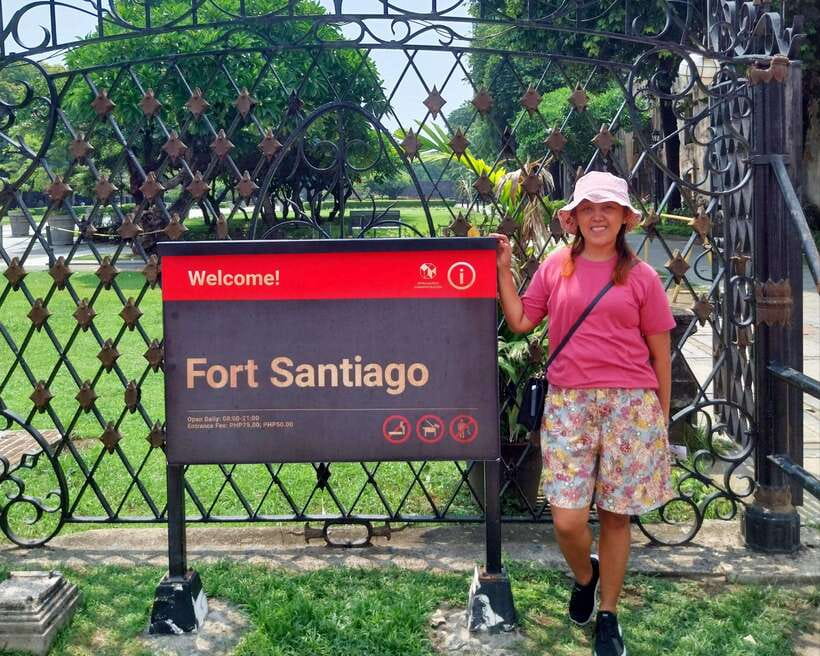
- Fort Santiago begins the tour: Meet at the front gate and start with one of Intramuros’ most important defensive sites.
- Four historic stops fit into two hours: The route includes Fort Santiago, Manila Cathedral, San Agustin Church, and Casa Manila.
- Casa Manila gets the longest visit: Set aside about 30 minutes for this stop, compared with 15 minutes at each church.
- Small groups make a difference: With no more than eight participants, it should be easier to hear the guide and ask questions.
- The tour is mostly on foot: Bring comfortable shoes, water, sunscreen, and clothing suited to the weather.
- Guide quality may vary: Salve earned special praise for her history explanations and personal help, but one low score described a guide who offered limited information about the sites.
Starting at Fort Santiago, where Manila’s story turns serious

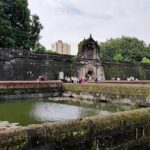
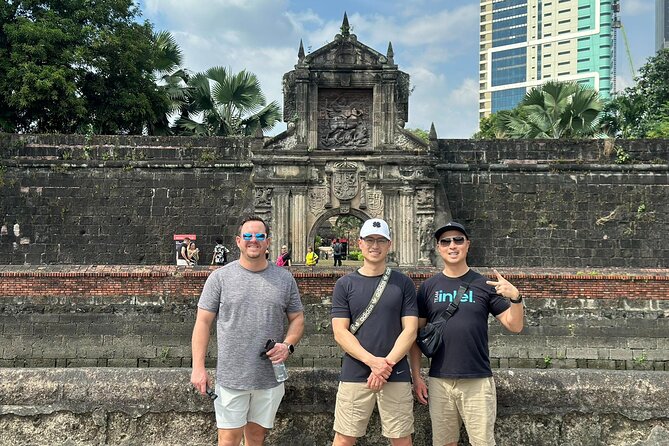
Your meeting point is the front gate of Fort Santiago. This is a practical place to begin because the fortress gives the tour a clear sense of place before you move through the streets of Intramuros.
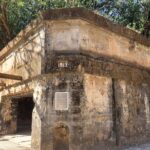
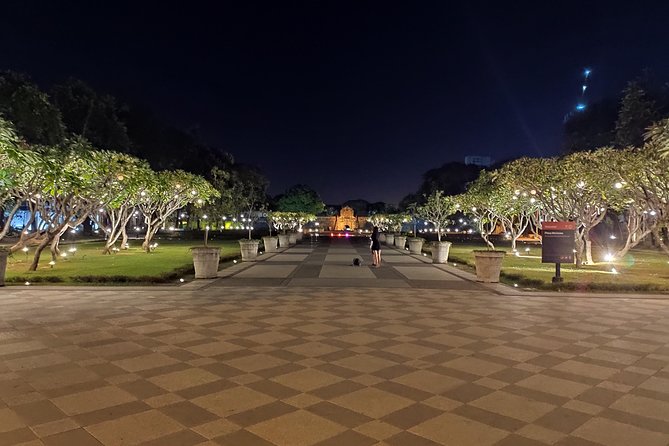
Fort Santiago was a key defense fortress, and the visit focuses on its important past. You can expect to walk through a site tied to the military and political story of Manila, while your guide explains why this part of the district mattered.
The entrance fee to Fort Santiago is included in the $45 price. That matters because you are not paying separately at the first major stop, and the advertised skip-the-ticket-line benefit can help keep a short tour moving.
I would give Fort Santiago your full attention at the start. Two hours pass quickly, and the fortress provides the setting and context that make the later churches and historic buildings easier to understand.
The tour involves a majority of walking, so this is not a sit-back sightseeing trip. Bring shoes that can handle cobblestones and uneven walking surfaces, along with water and sunscreen. A change of clothes is also recommended, which is sensible for a warm or wet day.
You can also read our reviews of more historical tours in Manila

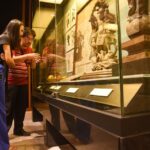
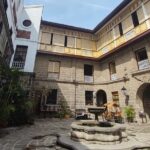
Manila Cathedral, a brief look at a major landmark
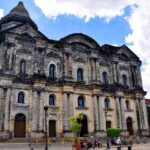
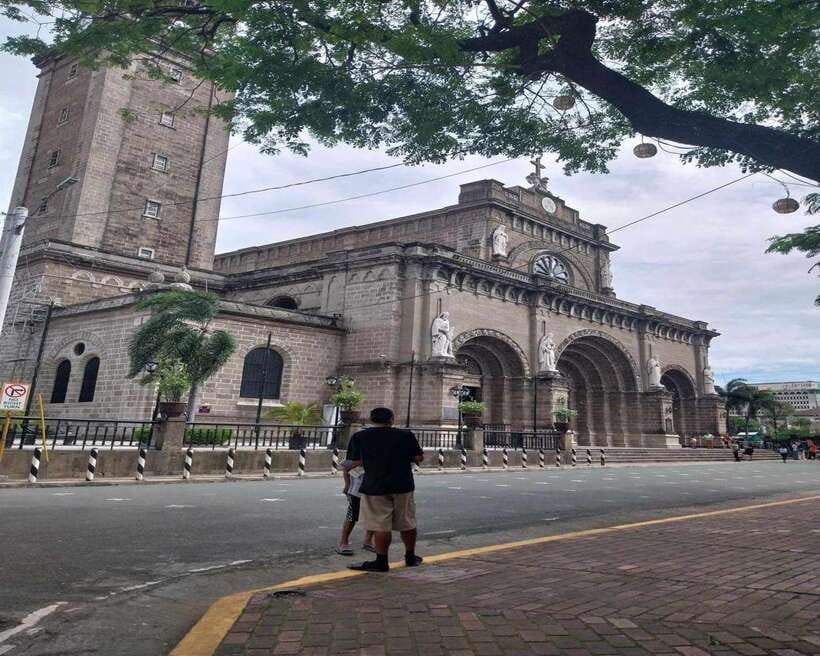
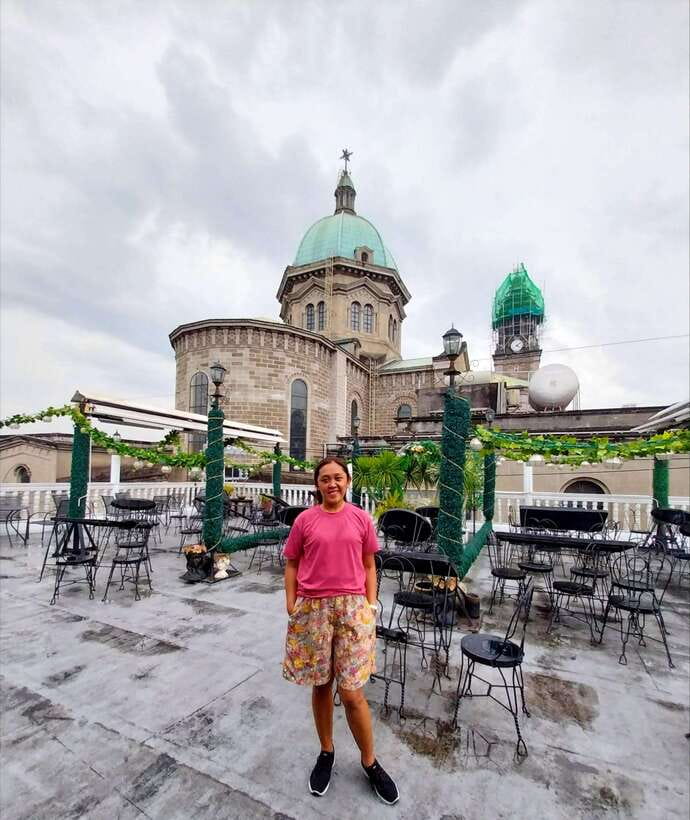
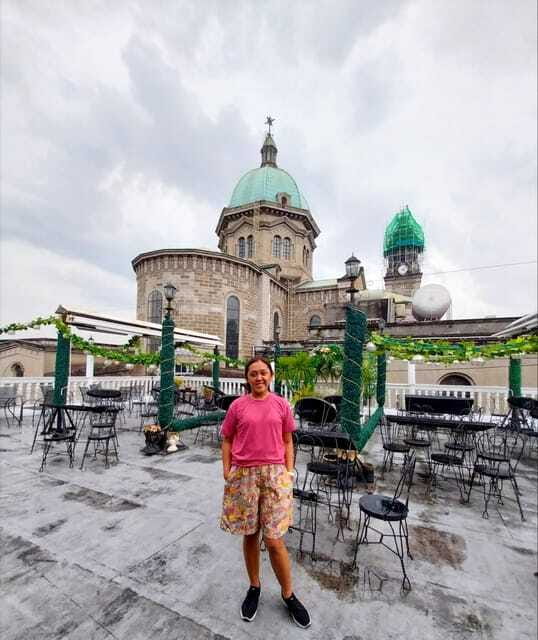
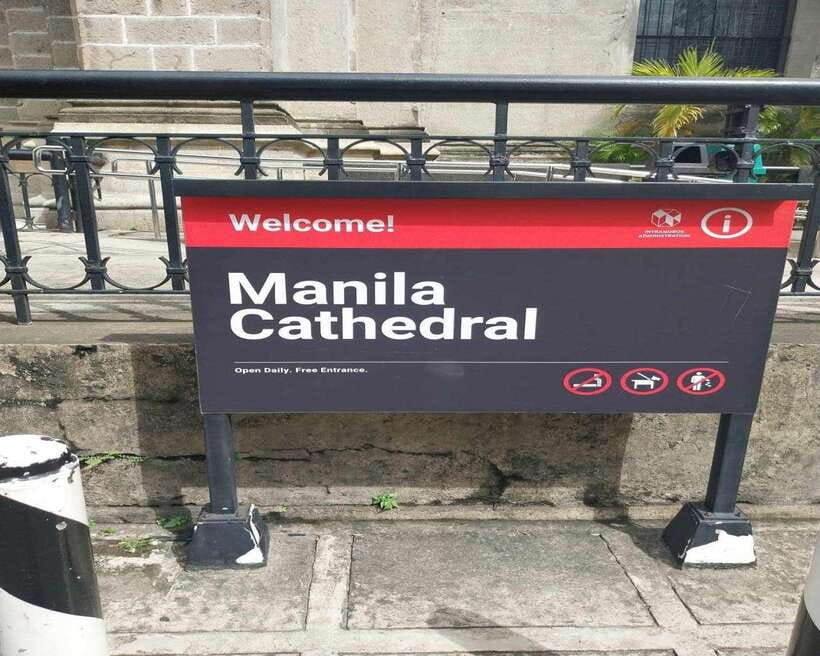
The next listed stop is Manila Cathedral, with about 15 minutes for sightseeing. The building is known for its beautiful architecture and long place in Manila’s story, so this is a useful stop for anyone interested in religious buildings, design, and the city’s past.
Fifteen minutes is enough for a quick look, a few photographs, and a short explanation from the guide. It is not enough for a slow architectural study, a long prayer visit, or an extended look around every detail.
That short timing is one of the tour’s tradeoffs. You get a broad introduction to several major sites, but you should not book this experience expecting long, quiet visits at each one.
I like the order of the route because the cathedral follows the fortress and keeps the story moving through the center of Intramuros. You will be able to compare a place built for defense with a place shaped by religious and civic life.
Photography is part of the appeal here. The tour specifically includes time for memorable pictures, and the cathedral’s architecture gives you one of the more formal backdrops on the route. Be ready to take a quick photo and then listen, rather than expecting an open-ended photography session.
San Agustin Church, the tour’s strongest heritage stop
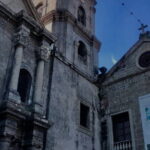
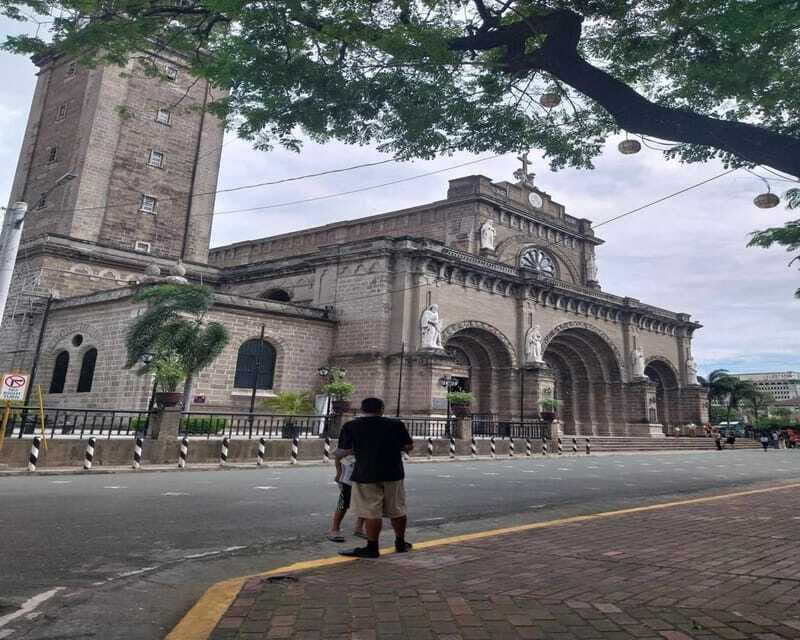
San Agustin Church receives another 15-minute visit. It is described as the oldest stone church in the Philippines and a UNESCO site, making it one of the most significant stops on this short walk.
That distinction gives the church unusual weight in the itinerary. Even with limited time, you are seeing a place recognized for its importance, not simply another attractive building along the route.
The guide’s explanation matters most here. A good account can help you understand why the church is important and what details to notice. This is also where the difference between guides may be most apparent: one booking praised Salve for explaining Manila and Philippine history in a way that taught the visitor a great deal, while another experience received a low score because the guide gave little information about the objects and sites.
I would ask questions if your guide moves quickly or stays general. The group is limited to eight, so you have a better chance of getting a direct answer than you would on a large coach tour.
The church visit may feel rushed if you want time for quiet observation. Still, its place on the route makes sense, and the stop adds cultural depth to what could otherwise be only a walk through old streets.
Casa Manila, the longest stop on the route
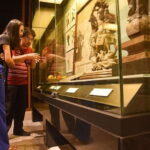
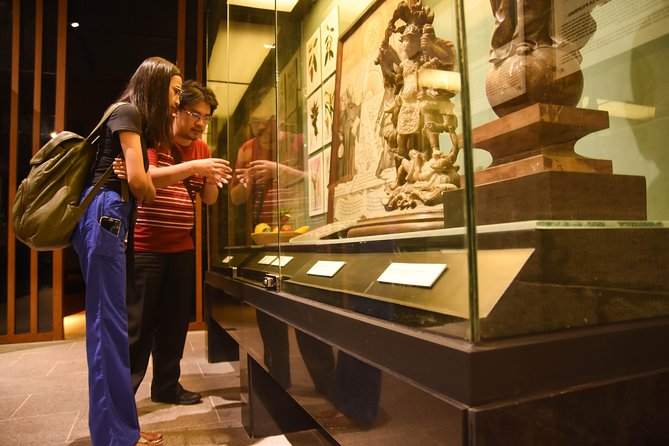
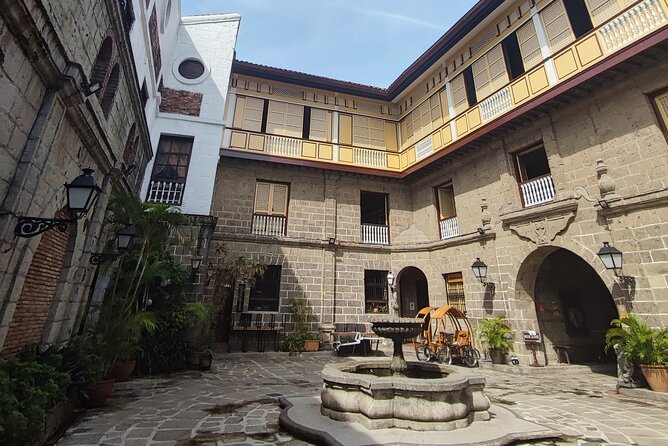
Casa Manila receives about 30 minutes, making it the longest scheduled sightseeing stop. The supplied details do not describe the rooms or displays in detail, so I would treat this as a chance to see a historic house setting and learn how the guide connects it to life in Intramuros.
The entrance fee to Casa Manila is included. That makes the stop more valuable than a quick exterior viewing, since you are paying for access to two of the tour’s principal attractions, Fort Santiago and Casa Manila, as well as the guide’s time.
Thirty minutes is still a compact visit. You should have enough time for an introduction, a measured walk through the property, and photographs, but not necessarily enough for every display or historical detail.
Casa Manila also gives the tour a change of pace. Fort Santiago represents defense, while the cathedral and San Agustin Church show religious importance. A historic house adds a more domestic side to the district, helping the route feel less like a list of monuments.
If you care most about architecture and interiors, this is the stop where you may wish for extra time. If you want a tidy introduction to several parts of Intramuros, the half-hour allocation keeps the tour balanced.
What the $45 price really buys you
At $45 per person, this is not the cheapest way to walk through Intramuros. You are paying for a two-hour guided experience, entrance fees to Fort Santiago and Casa Manila, a small group capped at eight, and the convenience of having the route arranged for you.
The value depends on how much help you want. If you are comfortable reading signs and planning your own route, you could prefer an independent visit. But if you want historical context, a fixed path, and someone to handle the movement between stops, the price can be reasonable.
The guide is the central part of the value. The strongest account came from Sharon of the United Kingdom, who praised Salve’s historical explanations, friendly manner, and practical help after the tour. Salve even stayed with her until she was in a taxi back to her hotel, which suggests a level of personal attention that can be especially useful if you are unfamiliar with Manila.
That service should not be treated as guaranteed for every departure. A separate booking received a low score because the guide could explain little about the sites, and the visitor felt public information offered more detail. I would ask at the beginning how much historical explanation is planned and raise specific questions as you go.
Meals and personal expenses are not included. The tour is only two hours, so this is not a major concern, but you should carry water and plan any food or drinks separately.




A compact walk with real physical demands
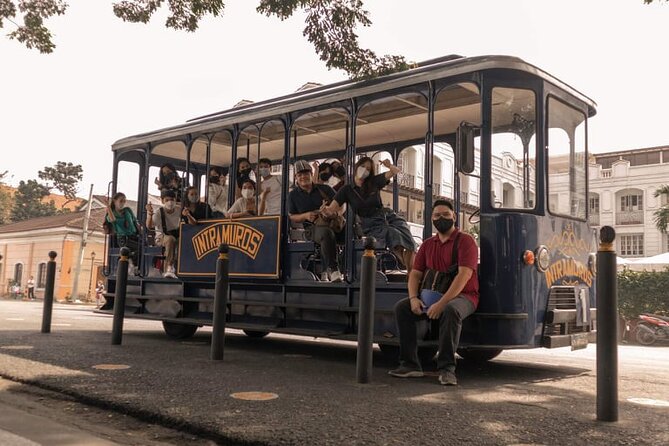
The duration is listed as two hours, with starting times available according to the booking calendar. Because the route covers four historic locations and involves mostly walking, you should expect a steady pace rather than long rests.
Comfortable shoes are essential. The advice to bring sunscreen, water, and a change of clothes is worth following, especially because the tour operates rain or shine.
Weather can change your comfort even when it does not change the schedule. Dress for the conditions, and avoid bringing luggage or large bags, which are not allowed. Pets are also not permitted.
The tour is not suitable for children under four or people with mobility impairments. That limitation is important because the route is not built around minimal walking, and the supplied information recommends a moderate level of physical fitness.
The small group format helps with conversation but does not remove the physical demands. Eight people can move more easily than a large crowd, yet you will still be walking for most of the experience.
Why the guide matters more than the timetable
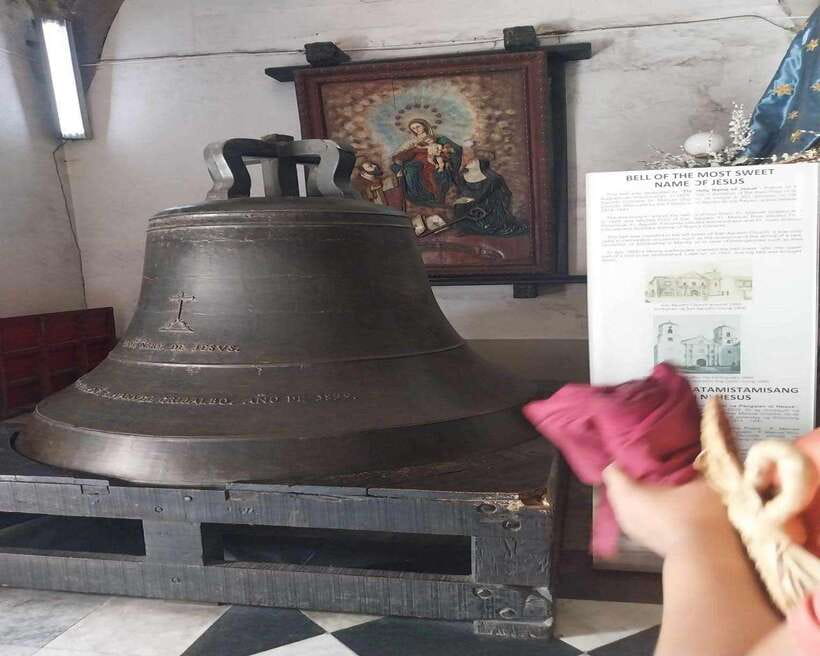
The route itself is strong. Fort Santiago, Manila Cathedral, San Agustin Church, and Casa Manila give you four different ways to see Intramuros, and the planned timings keep the visit efficient.
The quality of the explanation is less certain. The overall rating is 4.2 from three bookings, with two five-star scores and one two-star score. That small sample points to a generally positive experience, but it also shows that the guide can shape your impression of the tour.
Salve’s name is worth noting because her service received specific praise. She was described as highly informed about Manila and the Philippines, friendly, flexible when the schedule needed to change, and attentive after the formal tour ended.
The lower score offers a useful warning. A guide who mainly handles directions and logistics may not add much beyond what you can read on signs. If history is your main reason for booking, make that clear early and take an active role in the conversation.
The tour offers English and Tagalog. That gives you a choice of language, but the supplied details do not promise a particular guide for each departure. If you have a strong preference, confirm it before paying.
Best photo spots and how to use your time
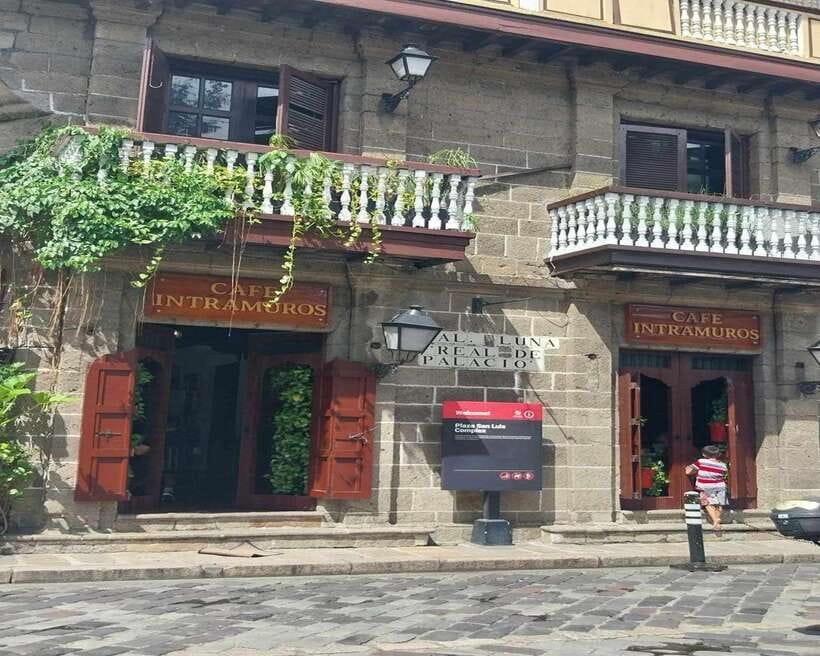
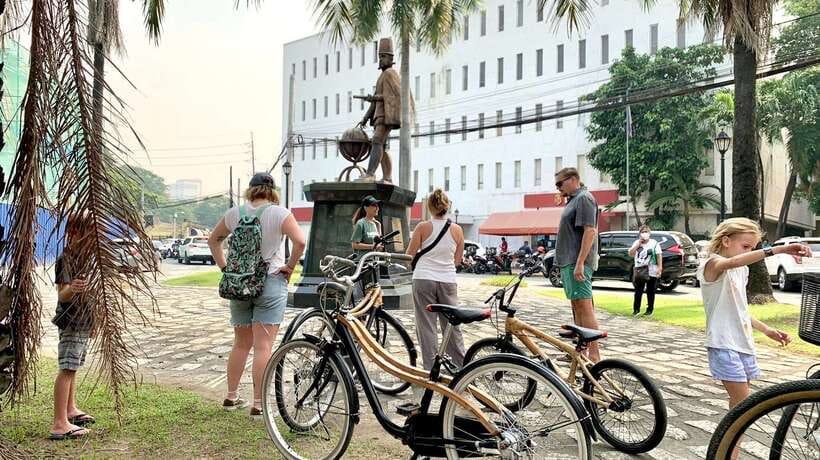
Intramuros is designed for photographs, with old streets, historic stonework, church architecture, and fortress scenery all within one route. The experience specifically highlights photo opportunities, but the short schedule means you need to be ready rather than stopping at every attractive corner.
Fort Santiago should give you the strongest sense of place for wide shots and historic details. Manila Cathedral offers formal architectural photographs, while San Agustin Church provides another important religious setting.
Casa Manila is likely to appeal to visitors who enjoy house interiors and period surroundings, although the supplied details do not specify which rooms or displays are open during the visit. Your guide can point out the most useful places to photograph within the 30-minute stop.
I would keep your camera or phone easy to reach, but do not let pictures replace the explanation. The best use of this tour is to get an overview, listen for the main points, and return later to the places that deserve more time.
Booking details worth checking before payment
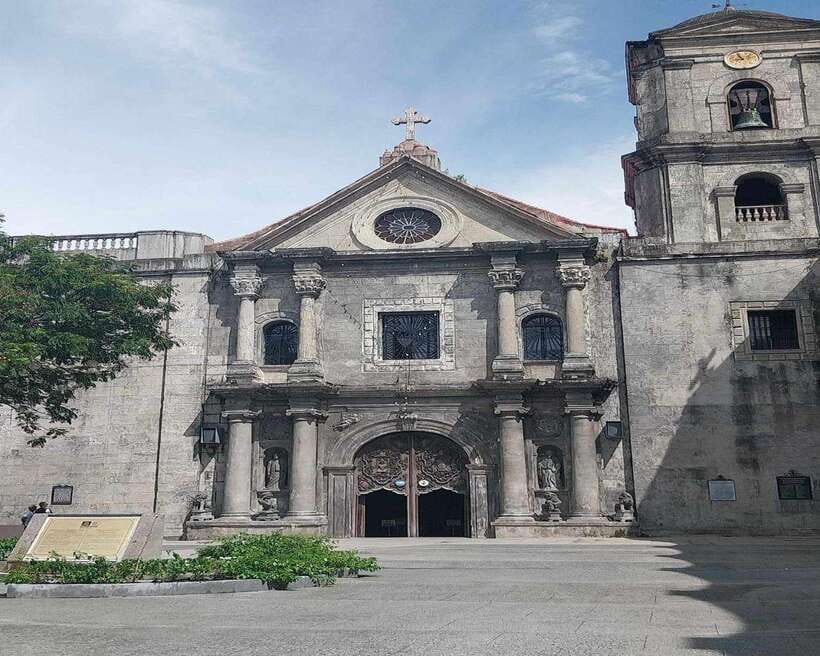
Advance booking is required, with a recommendation to reserve at least two weeks ahead. That is especially important if you want a small group and a particular date.
You meet at the front gate of Fort Santiago. Confirmation should provide the meeting details and contact information, but I would still check the exact gate instructions before the day of the tour.
There is a location inconsistency in the supplied information: the experience route is clearly centered on Intramuros in Manila, while the location field names Nueva Vizcaya. Confirm that the booking is for the Manila Intramuros tour before finalizing your plans.
You can cancel up to 24 hours in advance for a full refund, and the reserve-now-pay-later option lets you hold a place without paying immediately. Those terms are useful when your Manila schedule is still changing.
The activity also indicates skip-the-ticket-line access. Since the tour is only two hours, avoiding a long wait can make a noticeable difference.
Who should book this Intramuros tour?
I would recommend it to first-time Manila visitors who want a guided introduction to Intramuros and prefer not to organize the route themselves. It also suits you if you value a small group, want the main landmarks in one short outing, and appreciate having entrance fees handled for two sites.
It is a good fit for history-minded visitors, provided you confirm that the guide can offer the level of explanation you want. The praise for Salve shows how rewarding the experience can be when the guide brings the places to life.
I would hesitate if you want long visits inside each church, extensive photography time, or a slow walk with frequent breaks. You may also prefer another plan if you have mobility limits, a child under four, large luggage, or little tolerance for hot or rainy weather.
Should you book it?
Book this tour if you want an efficient, small-group introduction to Intramuros and find value in a guide, included entrance fees, and a fixed two-hour route. Fort Santiago, San Agustin Church, Manila Cathedral, and Casa Manila make a well-chosen set of stops.
Before booking, confirm the Manila location, meeting instructions, language preference, and the level of historical detail your guide will provide. If those points check out, the tour offers a practical first look at Manila’s historic heart, with enough variety to help you decide where to return for a longer visit.
FAQ
Where does the tour begin?
The meeting point is the front gate of Fort Santiago.
How long does the Intramuros tour last?
The tour lasts two hours.
Which sites are included in the route?
The route includes Fort Santiago, Manila Cathedral, San Agustin Church, and Casa Manila.
Are entrance fees included?
Entrance fees to Fort Santiago and Casa Manila are included. Meals and personal expenses are not included.
What languages are available?
The tour offers a live guide in English or Tagalog.
How many people are in the group?
The tour is limited to eight participants.
What should I bring?
Bring comfortable shoes, sunscreen, water, and a change of clothes. Pets and luggage or large bags are not allowed.