Manila: Intramuros Myths and Nights Tour
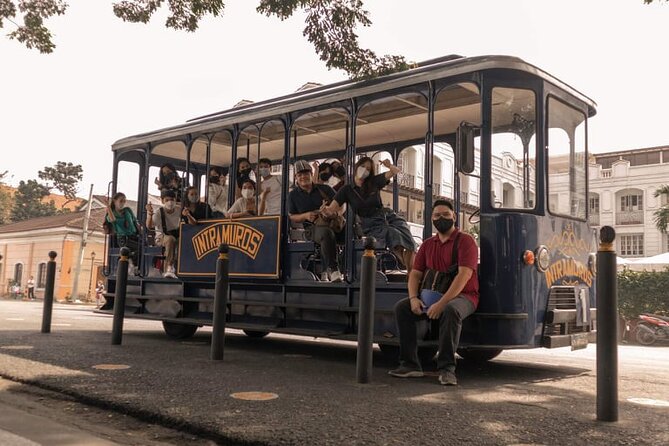
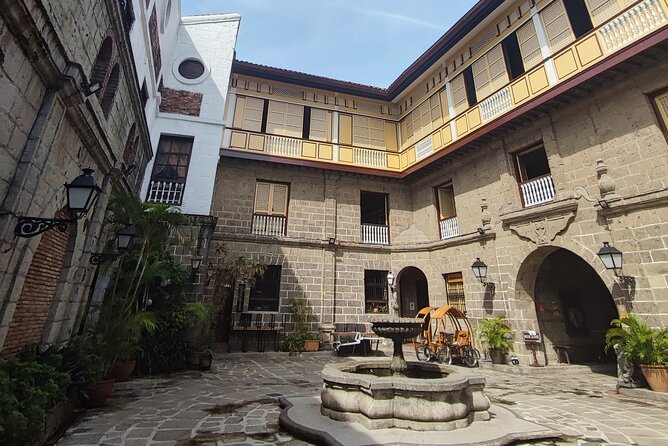
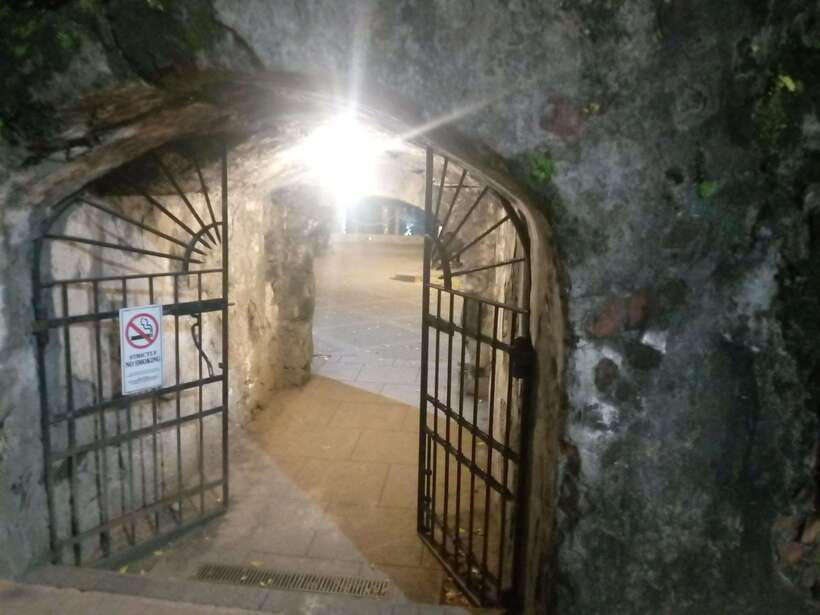
History gets stranger after sunset. The Intramuros Myths and Nights Tour turns a familiar Manila sightseeing walk into a two-hour story session about Philippine folklore, Spanish colonial rule, and the legends that shaped Filipino childhoods. You move from Plaza Moriones to Fort Santiago, Manila Cathedral, San Agustin Church, and Puerta del Parian while a guide links myths with the country’s struggle for independence.
I like the way the tour gives equal weight to Aswangs, Kapres, Duwendes, and Tikbalangs and to real historical figures such as Jose Rizal. I also like that the route asks you to question colonial stories rather than accept every old tale at face value. The main consideration is its subject matter: stories of ghosts, dungeons, executions, and colonial violence may feel heavy for some people, especially at night.
The tour costs $49 per person and includes entrance fees, the guide, and a snack. It is offered in English or German, with day and night options listed. The meeting point is Plaza Moriones, though the supplied booking information identifies the location as Nueva Vizcaya while the route itself is in Intramuros, Manila. Confirm the exact meeting details before setting out.
In This Review
- Key points to know before booking
- Why this Intramuros walk feels different
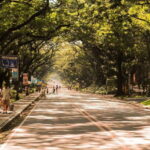
- Starting beneath the acacia trees at Plaza Moriones
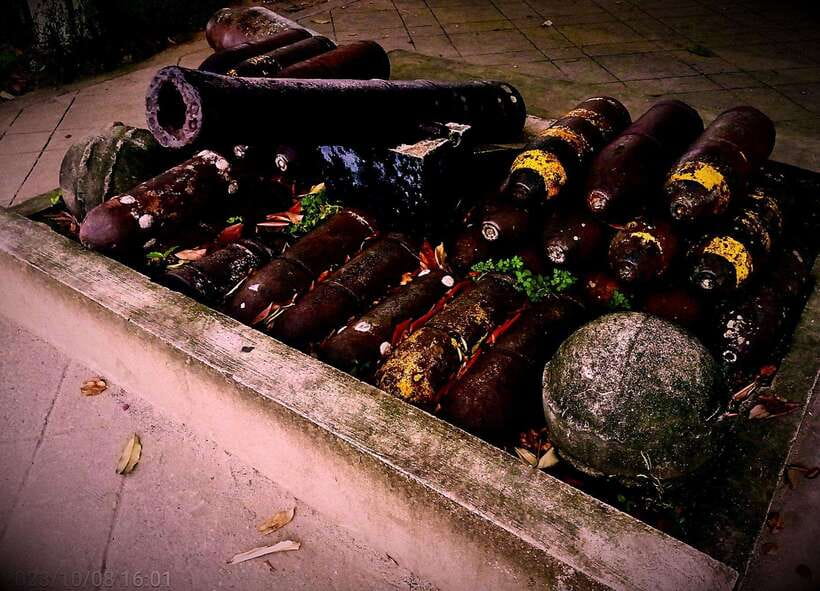
- Fort Santiago, Balete trees, and colonial fear
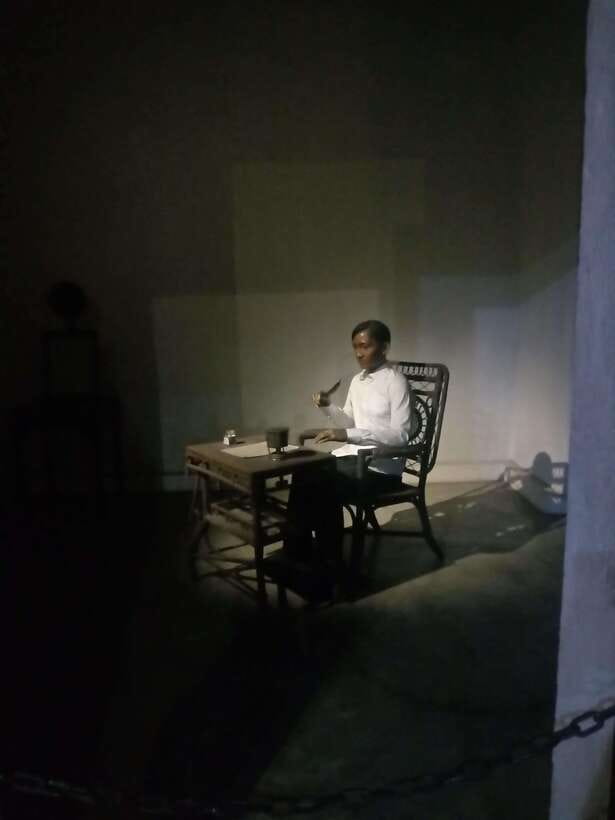
- Jose Rizal’s chapel-cell and the meaning of the agimat
- The dungeons and the danger of forgetting
- Manila Cathedral and San Agustin Church
- Ending at Puerta del Parian
- Is $49 a fair price?
- Who will enjoy this tour most?
- Booking details worth checking
- Should you book the Intramuros Myths and Nights Tour?
- FAQ
- Where does the tour begin?
- How long does the tour last?
- Is the tour available during the day?
- What languages are offered?
- What does the price include?
- Is the tour wheelchair accessible?
- What should I bring?
- Can I cancel for a refund?
Key points to know before booking
- Philippine folklore takes center stage: Hear stories of Aswangs, Kapres, Duwendes, white ladies, and Tikbalangs in the places where local belief and colonial power collided.
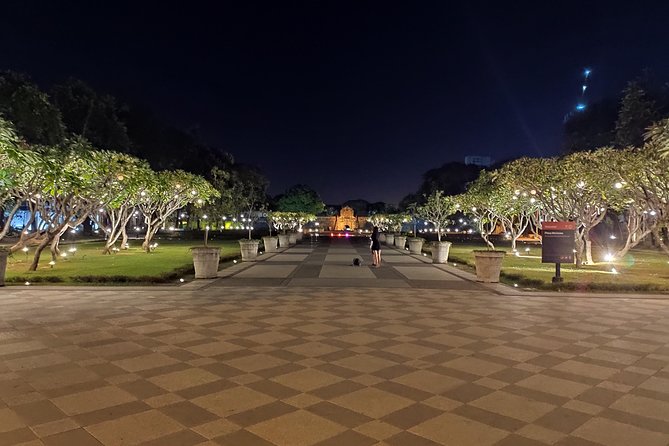
- The night setting changes Intramuros: Plaza Moriones, Fort Santiago, and the old gates take on a more mysterious mood after dark.
- The route connects myth with resistance: The tour explains how religious stories and supernatural beliefs were used, reshaped, or challenged during the fight for independence.
- Jose Rizal is part of the story: His chapel-cell at Fort Santiago provides a clear link between personal sacrifice, faith, and nationalism.
- The guide matters here: Jerome receives repeated praise for his warmth, humor, care with questions, and ability to add fresh detail even for people who have already toured Intramuros.
- The practical package is simple: Two hours, $49, entrance fee, guide, and snack included. Free cancellation is available up to 24 hours before the tour.
Why this Intramuros walk feels different
Many tours of Intramuros focus on walls, churches, battles, and dates. This one uses a different doorway into the same place. It asks how stories about spirits and monsters can reveal who held power, who was being controlled, and how local beliefs survived foreign rule.
That approach should appeal to you if you enjoy history with a strong storytelling element. You are not simply being shown old buildings. You are invited to think about the stories attached to them, including tales that were passed from grandparents to children and accounts that may have been altered by colonial authorities.
The tour’s central idea is that folklore was not just harmless entertainment. It could shape behavior, reinforce fear, and help one group present itself as more civilized or powerful than another. At the same time, traditional beliefs could also keep local identity alive. That tension gives the walk more substance than a standard ghost tour.
You should still set your expectations correctly. This is not described as a theatrical haunted-house experience, and there is no promise of supernatural encounters. The emphasis is on history, mythology, discussion, and interpretation. The night adds atmosphere, but the guide’s explanations are the real attraction.
You can also read our reviews of more tours and experiences in Manila.


Starting beneath the acacia trees at Plaza Moriones
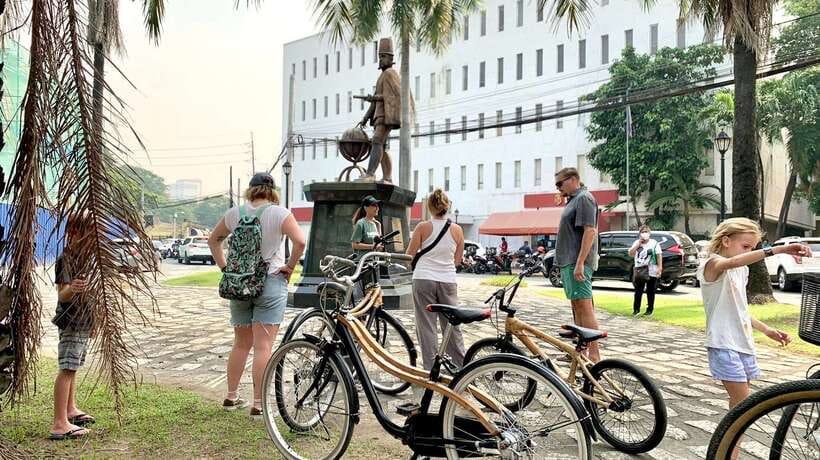
The tour begins at Plaza Moriones, a useful opening point because the group starts with stories before moving into the heavier historical sites. Under an acacia tree, you hear about Aswangs, Kapres, and other beings that occupy a large place in Filipino folklore.
An Aswang is described in the tour material as a Filipino vampire, while the Kapre is another familiar supernatural figure. The purpose here is not simply to list creatures. The guide connects these figures to childhood, oral tradition, and the way beliefs travel through families and communities.
This opening should help you understand the tour’s method. A story about a monster becomes a way to discuss fear. A tale about a spirit becomes a way to examine the values of the people who told it. A legend can also show how local beliefs were later labeled as primitive or dangerous by colonial powers.
Jerome is the guide most closely associated with this experience. His style, based on the available comments about his tours, combines history with humor and gives you room to ask questions. That matters at Plaza Moriones, where a dry lecture on mythology could quickly become a long list of unfamiliar names. Jerome’s ability to bring Aswangs, Duwendes, and Tikbalangs to life appears to be one of the strongest reasons this tour earns such warm praise.
If you choose the night option, bring biodegradable insect repellent. The request is practical rather than decorative. You will spend time outdoors, and Plaza Moriones is an open setting with trees. Comfortable walking clothes also make sense, though the only specifically required item listed is biodegradable insect repellent.
Fort Santiago, Balete trees, and colonial fear
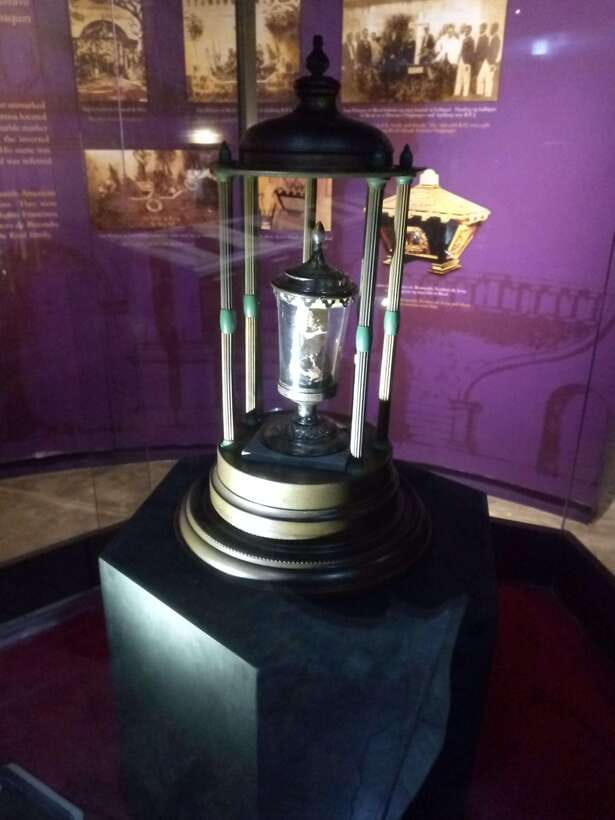
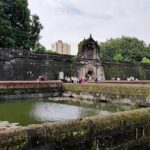
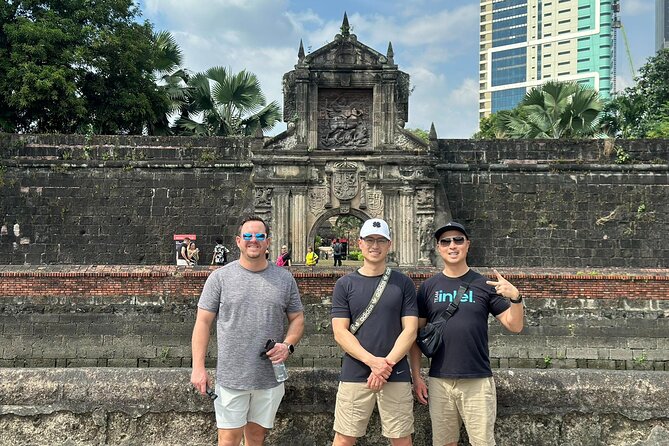
The route continues to Fort Santiago, where the tone becomes more serious. Under a Balete tree, the discussion turns to white ladies, Duwendes, and similar figures. These stories are familiar to many Filipinos, but the tour places them beside the political conditions of colonial rule.
The key question is how Spanish authorities may have shaped frightening tales to discourage resistance and make the conquerors seem superior to local people. This is one of the more unusual parts of the experience because it moves beyond the simple idea that colonialism brought new religion and government. It looks at the power of stories themselves.
You may find this section especially useful if you already know the basic Intramuros route. Krystal Stewart had previously taken another Intramuros tour but still found that Jerome added information she had not heard before. That is a practical sign that the experience is not limited to first-time visitors.
Fort Santiago can also be an emotionally demanding stop. The stories of spirits and white ladies are entertaining in one moment, then tied to real suffering in the next. You are asked to keep both sides in view: folklore can be fun, but it can also carry memories of fear, violence, and loss.
The tour is wheelchair accessible according to the provided details. Still, the route includes several historic sites and outdoor areas, so anyone with specific mobility needs should confirm the exact path and surfaces when booking. The available information does not provide a detailed accessibility map.
Jose Rizal’s chapel-cell and the meaning of the agimat
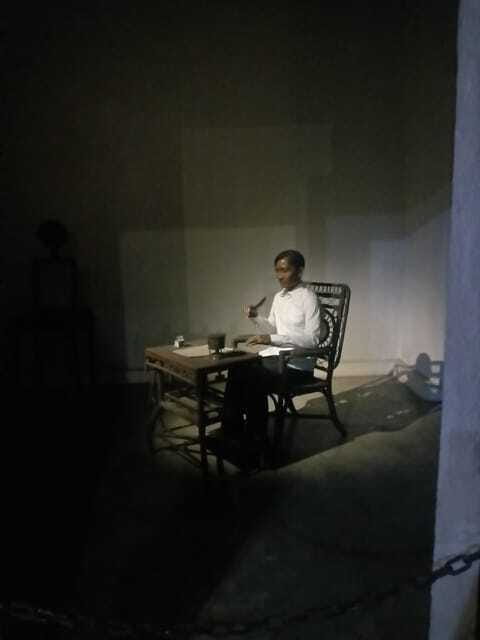
The next major stop is the chapel-cell of Jose Rizal. Rizal is one of the central figures in Philippine nationalism, and this location gives the tour a personal focus after the broader discussion of myth and colonial power.
Here, the guide explains how the agimat and monasticism took part in the struggle for independence. The agimat is associated with a protective charm or talisman in Philippine belief. Placing it beside monastic life opens a discussion about how older local ideas and Catholic practices could meet, conflict, and change under Spanish rule.
This is also where the tour’s title becomes clearer. The myths are not treated as isolated ghost stories. They are part of a larger question about how Filipinos understood protection, authority, faith, and courage while living under foreign control.
I would pay close attention here if you want more than a spooky evening. The chapel-cell offers a chance to connect personal sacrifice with the broader stories of independence. The guide’s job is not only to tell you what happened in the room, but to explain why beliefs mattered to people facing political and religious pressure.
Because the tour lasts only two hours, this section cannot provide a full account of Rizal’s life or the Philippine Revolution. Think of it as one carefully chosen piece of a wider story. If you want a detailed military or political history of independence, you may need a separate museum visit or a longer historical tour.
The dungeons and the danger of forgetting
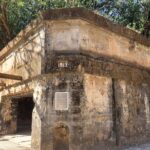
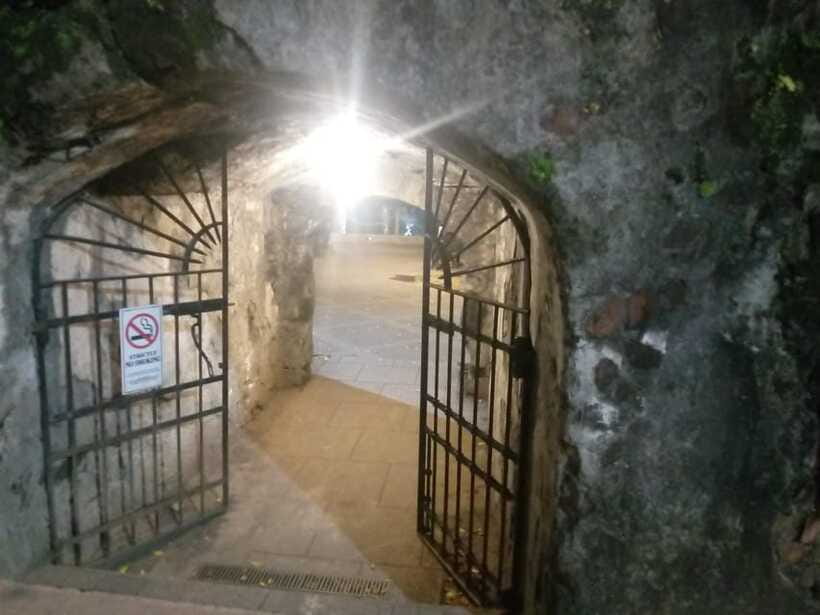
The route then reaches the dungeons. This is likely the most somber part of the evening. The tour refers to the deaths of 600 civilians held there, and the guide asks you not to fear the ghosts as much as the possibility that the victims’ memories will disappear.
That framing is important. A conventional ghost tour may use a prison or dungeon mainly for suspense. This experience uses the setting to warn against turning real suffering into mere entertainment. The supernatural stories remain present, but the dead are treated first as people whose lives deserve remembrance.
You should be prepared for a shift in mood. The earlier folklore can make you laugh, especially when Jerome uses humor to explain strange creatures and old beliefs. The dungeons bring the conversation back to documented human pain. This contrast is one reason the tour may stay with you after the walk ends.
The site may not suit everyone. If you prefer light sightseeing or are uncomfortable in dark historic spaces, the dungeon section could feel intense. The provided details do not describe the exact lighting, access conditions, or amount of time spent below ground, so ask the operator if those details matter to you.


Manila Cathedral and San Agustin Church
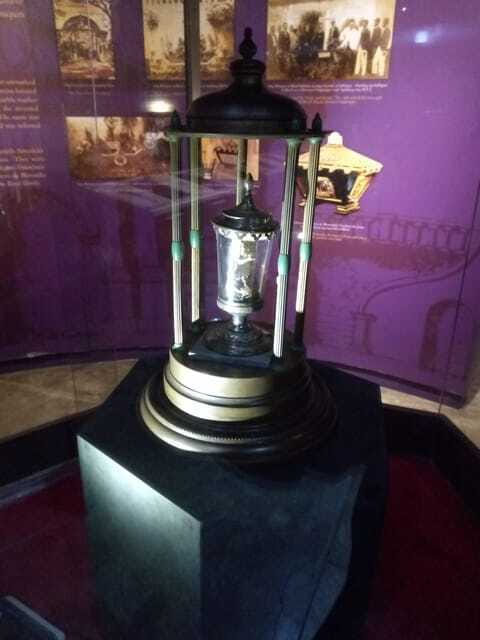
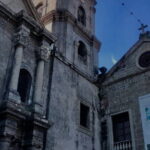
From Fort Santiago, the group proceeds to Manila Cathedral and San Agustin Church. These churches allow the guide to discuss the meeting of Catholicism with local religions.
The tour examines how supreme beings in native belief could be recast as demons by conquerors. That is a sharp way to look at religious conversion. It reminds you that belief systems rarely meet on equal terms when one side controls political power, education, and public life.
San Agustin and Manila Cathedral are also important because they show how religion became part of the physical identity of Intramuros. The buildings are not just scenic stops. They represent the institutions that helped organize colonial society and shape how local customs were judged.
You should listen for the differences between genuine religious exchange and forced cultural change. The tour’s value comes from asking where one ends and the other begins. It does not present mythology and Catholicism as sealed worlds. Instead, it explores how people adapted, resisted, combined, and reinterpreted beliefs.
The information supplied does not say that the tour includes interior visits to both churches, so do not assume you will have a full church tour. The listed route indicates that these sites form part of the discussion. If seeing the interiors is important to you, confirm what is open during your selected time.
Ending at Puerta del Parian
The walk ends at Puerta del Parian, where the discussion returns to uprisings and the spirit of resistance. Ending here gives the route a clear arc. You begin with stories of creatures and fear, move through colonial religion and imprisonment, and finish by recalling the people who challenged foreign rule.
Puerta del Parian works well as a final stop because it brings the focus back to public action. The tour does not leave you with the idea that folklore made Filipinos passive. Instead, it shows how stories, faith, memory, and rebellion could exist together.
The ending may feel brief if you want a detailed account of every uprising connected to Intramuros. Two hours is enough for a focused walk, not an exhaustive course in Philippine history. I would treat the final stop as an invitation to keep learning rather than a complete conclusion to the subject.
That compact format is also one of the tour’s strengths. You can fit it into a Manila visit without giving up an entire day. The day or night choice lets you decide between clearer sightseeing conditions and the stronger atmosphere of evening.
Is $49 a fair price?
At $49 per person, this is not the cheapest way to walk around Intramuros. The price includes the entrance fee, guide’s fee, and a snack, which makes the cost easier to judge. You are paying mainly for interpretation and access to a themed route, not simply for transportation or a long sightseeing schedule.
The two-hour duration keeps the commitment manageable. If you want a quick introduction that adds folklore and anti-colonial ideas to the usual Intramuros sights, the price can be reasonable. It is especially good value for someone who has already seen the walls and churches but wants a new way to understand them.
The value depends heavily on the guide. Jerome receives a perfect 5 out of 5 score from five verified bookings, with particular praise for his passion, humor, answers to questions, and ability to add fresh material. One solo participant also appreciated that he made sure she got home safely, an unusually thoughtful touch, though you should not assume that same arrangement is part of every booking.
The score is encouraging but based on a small number of ratings. I would view it as a strong early signal, not a guarantee that every group will have an identical experience. Ask about the guide assigned to your date if Jerome is an important reason for booking.
Who will enjoy this tour most?
I would recommend it to you if you like:
- Philippine folklore and oral traditions
- History told through stories rather than dates alone
- Questions about colonial power and cultural change
- Evening walks with a slightly eerie mood
- Small, focused experiences that fit into a busy Manila schedule
- Guides who welcome questions and add humor to serious topics
It should also work well for Filipinos who already know common legends but want to consider them through a historical lens. Nicholette Jeanne described the experience as a fresh way to rethink textbook history, and that is a useful clue about its audience. You do not need to be new to the country or new to Intramuros to gain something from the theme.
I would be more cautious if you want a purely architectural tour, a full political history of the Philippines, or a fast list of major landmarks. The route visits important places, but its purpose is interpretation. Folklore, religion, colonial messaging, and memory receive more attention than building dates and architectural detail.
The tour is listed as suitable for wheelchair users and available in English or German. It is not suitable for people over 95 according to the supplied booking information. Beyond those points, the available details do not specify group size, exact start times, toilet stops, transport, or the length of time at each site.
Booking details worth checking
Availability determines the starting time, and the tour can be booked with payment later. You can cancel up to 24 hours in advance for a full refund, which is useful when Manila plans are still shifting.
The meeting point is Plaza Moriones. Since the supplied details also list Nueva Vizcaya as the location while every described stop is in Intramuros, Manila, verify the address and entrance instructions carefully. A location mismatch is more than a small technical issue when you are trying to reach a timed walking tour.
Bring biodegradable insect repellent, especially for the night option. The tour includes a snack, but no other food or drink details are provided, so do not treat it as a meal.
Should you book the Intramuros Myths and Nights Tour?
Book it if you want Intramuros explained through Filipino folklore, colonial power, and the memory of resistance. The route offers more than ghost stories, and the strongest parts appear to be Jerome’s lively delivery, the careful treatment of local myths, and the shift from playful legends to the real human cost of colonial violence.
Skip it if you want a standard sightseeing circuit focused on architecture, or if dungeons, ghosts, and stories of civilian deaths sound uncomfortable. Also confirm the location, language, guide, and church access before paying.
For the right audience, $49 buys a compact and unusual way to see the Walled City. You leave with more than a list of places. You leave thinking about who gets to define a monster, a saint, a hero, or a national story.
FAQ
Where does the tour begin?
The tour begins at Plaza Moriones in Intramuros.
How long does the tour last?
The tour lasts two hours.
Is the tour available during the day?
Yes. You can choose between a day tour and a night tour, subject to available starting times.
What languages are offered?
The tour is offered in English and German.
What does the price include?
The $49 price per person includes the entrance fee, guide’s fee, and a snack.
Is the tour wheelchair accessible?
Yes, the activity is listed as wheelchair accessible.
What should I bring?
Bring biodegradable insect repellent.
Can I cancel for a refund?
Yes. You can cancel up to 24 hours in advance for a full refund. You can also reserve now and pay later.