Manila: Intramuros Tour ( Dark)
History gets darker after sunset. This private walking tour brings you into Fort Santiago, the old walled heart of Manila, with stories of imprisonment, war, sacrifice, and reported spirits. I like the way it connects haunted tales to real suffering, and I like that it honors figures such as Dr. Jose Rizal, Rajah Sulayman, Andres Bonifacio, and Gen. Vicente Lim. The main drawback is the serious subject matter, along with a lot of walking in only two hours.
I also appreciate the small-group format and the guide-led storytelling. The guide’s passion has earned strong praise, and one review specifically describes Kuya as entertaining and educational. Still, this is not a gentle sightseeing stroll. Children under 12, pregnant women, and people with mobility problems are advised not to join, and the information gives conflicting signals about wheelchair access, so you should confirm that point before booking.
In This Review
- Key points about the Fort Santiago dark history tour
- Why Intramuros works so well for a dark history tour
- Starting at Fort Santiago with its dungeons and bastions
- Dr. Jose Rizal’s last prison cell
- Manila Cathedral and the struggle between church and government
- General Luna Street and stories of wartime courage
- Saint Agustin Church and survival through changing eras
- Ending at the Bonifacio Shrine near Manila City Hall
- What the private format means for you
- Who should book this experience
- Is $48 a fair price for two hours?
- My call: book it for serious stories, not cheap scares
- FAQ
- Where does the Intramuros Dark Tour begin?
- How long does the tour last?
- What is included in the price?
- Which languages are available?
- Is the tour private?
- What should I bring?
Key points about the Fort Santiago dark history tour
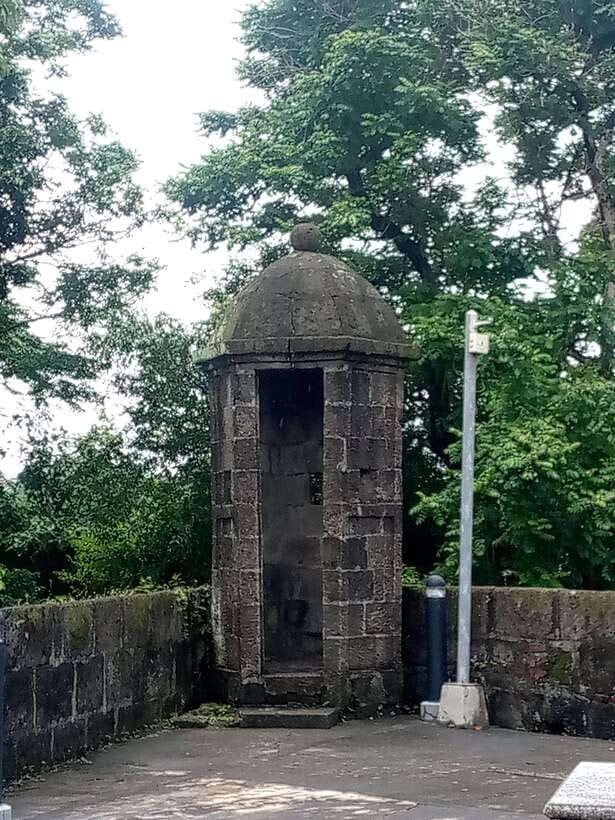
- Fort Santiago begins the experience: You visit old barracks, dungeons, prison areas, and defensive walls before moving through Intramuros.
- Real wartime suffering shapes the ghost stories: The tour discusses the deaths of about 600 Filipino and American civilian prisoners of war.
- Dr. Jose Rizal’s final prison cell is included: You hear how his detention connected to the reform movement that helped shape the nation.
- Church and state power come into focus: Manila Cathedral provides a setting for stories about political struggle and the suffering of Indigenous Filipinos under colonial rule.
- The route honors overlooked patriots: Rajah Sulayman, Andres Novales, Gen. Vicente Lim, and other less celebrated figures receive attention.
- It is a private, two-hour walking tour: English and German guides are available, Fort Santiago admission is included, and you can cancel up to 24 hours ahead for a full refund.
Why Intramuros works so well for a dark history tour
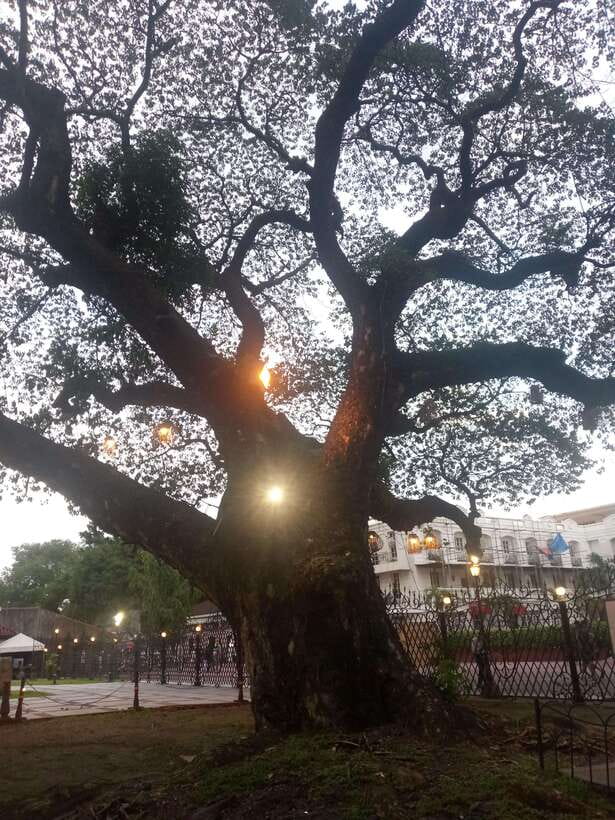
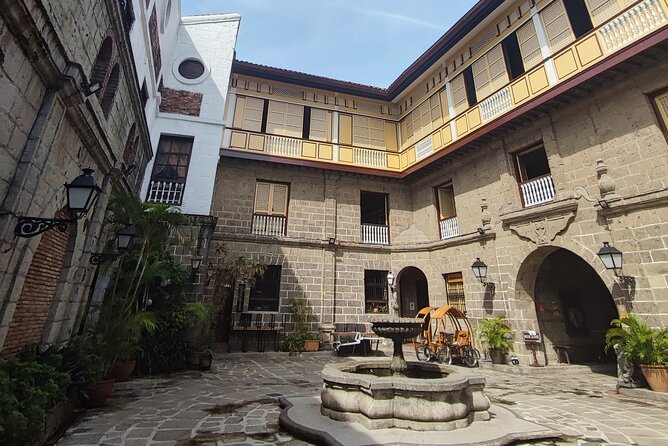
Intramuros is more than a pretty old quarter. Its walls, churches, military structures, and prison spaces carry stories from the Spanish colonial period, the Philippine-American War, and the Japanese occupation. That makes the setting useful for a dark history tour because the difficult stories are tied to places you can actually see.
The experience does not treat ghost stories as a substitute for history. Instead, reported spirit sightings at the barracks, dungeons, and defensive bastions sit beside documented accounts of imprisonment, torture, war, and death. I find that approach more meaningful than a tour built only around spooky sound effects or vague legends.
You should expect a serious tone. The tour deals with civilian prisoners, mass death, political oppression, and the final days of national hero Dr. Jose Rizal. If you want a light evening walk with a few harmless scares, this may feel too grim. If you want the ghost stories to lead you toward the people and events behind them, it offers much more substance.
The cost is $48 per person. That is not the cheapest way to see Intramuros, but the price includes a private guided experience and admission to Fort Santiago. You are paying for interpretation, not simply entry to a monument. For a first visit, especially if you want historical context without arranging several separate stops, the value is reasonable.
You can also read our reviews of more tours and experiences in Manila.


Starting at Fort Santiago with its dungeons and bastions
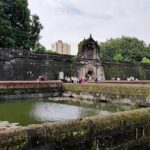
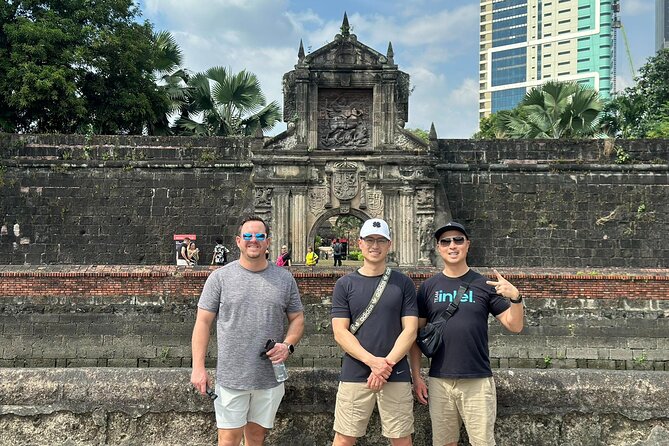
Meet your guide at Fort Santiago, where the tour begins with about an hour focused on the fortress. This is the longest and most important part of the walk, so wear comfortable shoes and bring water. The stone surfaces and the amount of walking make practical footwear more important than stylish footwear.
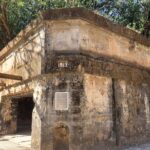
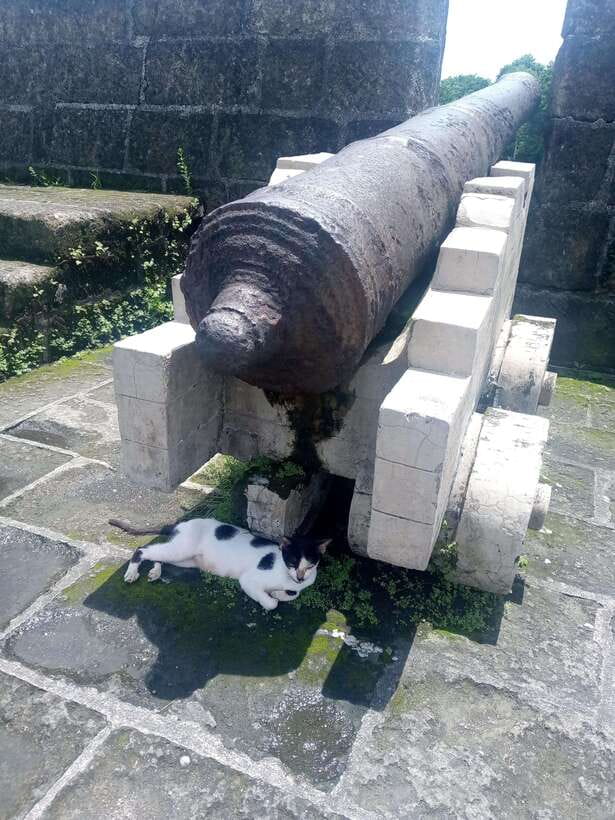
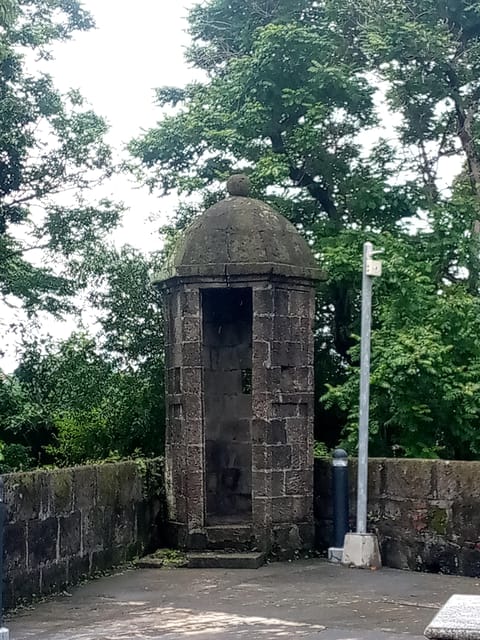
The fort includes references to the old American barracks, dungeons, and baluartes, or defensive bastions. These places are connected with reports of ghost sightings, but the guide also explains the human events that gave the spaces their heavy reputation. You may hear stories about people who suffered or died there rather than simply hearing that a location is haunted.
The dungeons are likely to be the most intense stop. The tour describes the cramped chambers and the limited oxygen supply prisoners endured. It also addresses the deaths of approximately 600 Filipino and American civilian prisoners of war and includes a tribute at their mass grave.
That subject deserves respect. You should not expect a theatrical haunted-house attraction. The power of the site comes from understanding that real people were held and killed there. The ghost stories add an emotional layer, but the historical facts remain the center of the visit.
The tour also brings attention to unsung patriots from different periods. Rajah Sulayman represents the pre-Hispanic era, while Andres Novales and Gen. Vicente Lim connect to later struggles against colonial rule and wartime occupation. These names may be less familiar than Rizal or Bonifacio, which gives the guide room to widen your view of Philippine history.
Dr. Jose Rizal’s last prison cell
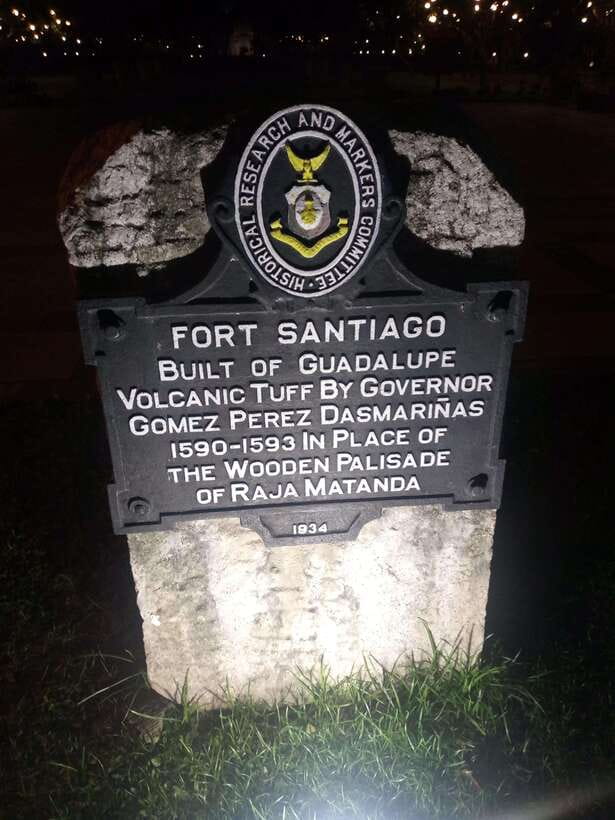
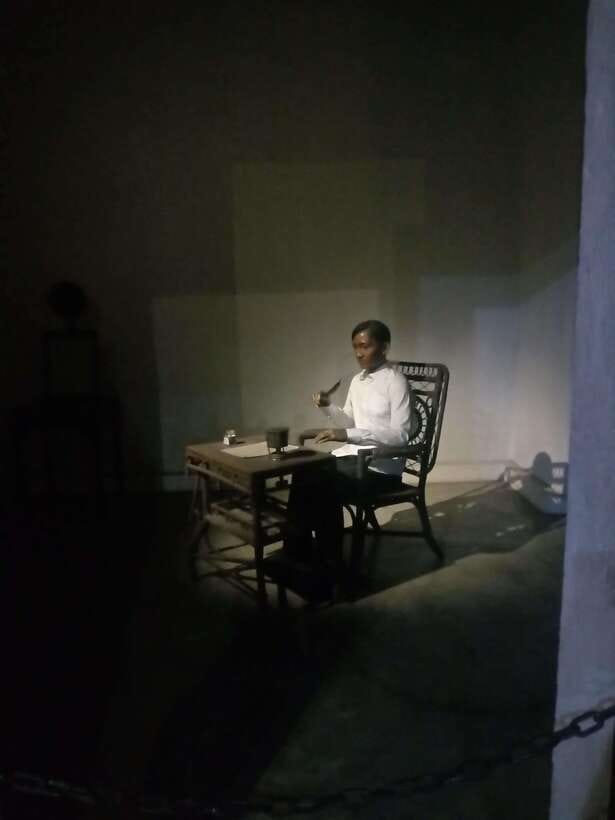
One of Fort Santiago’s most meaningful stops is the last prison cell of Dr. Jose Rizal. You learn about his detention and the reformist ideas that helped shape the nation. This part gives the tour a clear political thread: the movement for change did not come from nowhere, and imprisonment was used to silence people who challenged the system.
I like this stop because it shifts the experience from general tragedy to one person’s story. A cell can make political history feel immediate. You are not only hearing about reformism as an abstract idea. You are being shown the place where Rizal was held before his execution.
The tour’s tribute to heroes is also important. It does not focus only on famous names. By including forgotten revolutionaries and lesser-known patriots, it suggests that national change came through many lives, not just the figures found on postage stamps and schoolbook covers.
Photography is allowed in the sense that you are asked to bring a camera, but you should follow the guide’s instructions and behave respectfully. The experience specifically asks you to honor the sites and stories. This is a place for quiet attention, not a backdrop for noisy photo sessions.
Manila Cathedral and the struggle between church and government
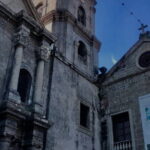
After Fort Santiago, the route moves to Manila Cathedral for about 15 minutes of guided commentary. The stop is brief, but the subject is broad. You hear about the power struggle between church and government and how Indigenous Filipinos, referred to in the tour material as Indios, suffered as a result.
This is a useful pause after the fortress because it changes the focus from military confinement to political and religious power. The cathedral is not treated only as an attractive building. Its role in colonial society becomes part of the story.
You should keep your expectations realistic. Fifteen minutes is enough for an introduction, not a full architectural or religious tour. If you want detailed information about the cathedral’s construction, art, and successive rebuilding, you will need more time elsewhere. Here, the cathedral mainly provides historical context for the conflict between institutions.
That short stop also means the tour keeps moving. You will not spend long inside each place, so listen closely and ask questions while you have the chance. A private group makes that easier than a large public walk, especially if you want to clarify a name or event.
General Luna Street and stories of wartime courage
The walk continues through Intramuros and along General Luna Street, where the guide discusses Filipino courage and sacrifice during the Philippine-American War. This section matters because it places national struggle outside the fortress walls. The streets themselves become part of the account.
The route description also includes stories from the Japanese occupation. Taken together, the stops cover several periods rather than presenting Intramuros as a single-era attraction. You get a sense of how the same enclosed district witnessed changing rulers, wars, political movements, and civilian suffering.
A two-hour schedule requires a brisk pace. The timed route gives about 20 minutes to the broader Intramuros portion after the cathedral, while the fuller description also names Saint Agustin Church and the Bonifacio Shrine. That means the exact amount of time at each point may depend on the guide and the group. If you want a slow architectural walk, this will feel rushed. If you want a concentrated introduction, the pace keeps the experience focused.
Bring water even if the weather feels manageable at the start. The advice for this tour specifically warns that there is a lot of walking. A bottle and light clothing will make the route easier, though the supplied information only specifically requires comfortable shoes, water, and a camera.




Saint Agustin Church and survival through changing eras
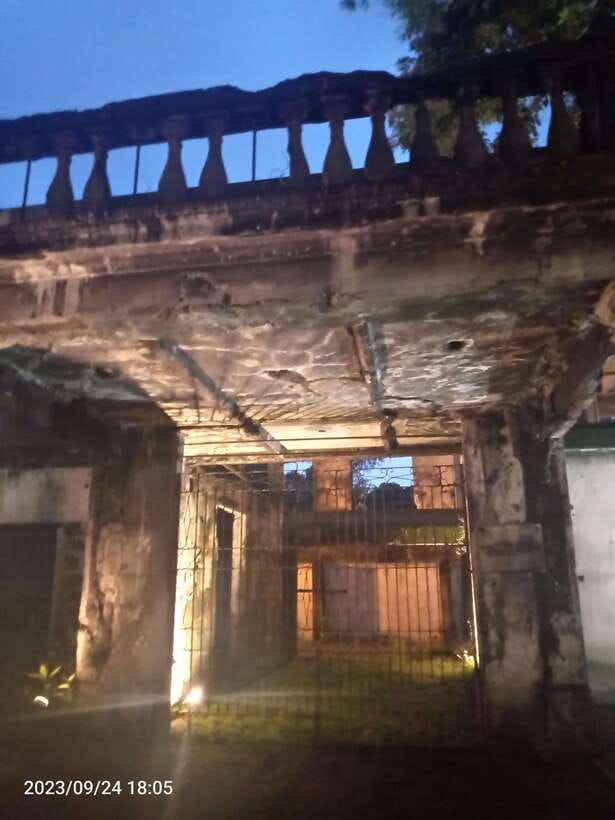
Saint Agustin Church is another major stop. The guide tells stories of the church’s resilience through different periods of Philippine history. The word resilience matters here because the building is presented not only as a religious site, but as a survivor of political change and conflict.
The church gives you a different atmosphere from Fort Santiago. The fort emphasizes confinement, military force, and death. Saint Agustin adds continuity and endurance. It helps show how religious buildings became witnesses to events that changed the country around them.
As with Manila Cathedral, the stop is part of a larger walking narrative. You should not book this tour expecting a long church-focused visit or extensive time for quiet personal exploration. The guide’s storytelling is the main feature.
The two public reviews support that strength. A Canadian reviewer praised the guide’s passion for the area, while another person from the Philippines found Kuya both entertaining and educational. Those comments point to the most valuable part of the experience: a strong guide can make a short stop feel worthwhile by linking the building to the people and conflicts around it.
Ending at the Bonifacio Shrine near Manila City Hall
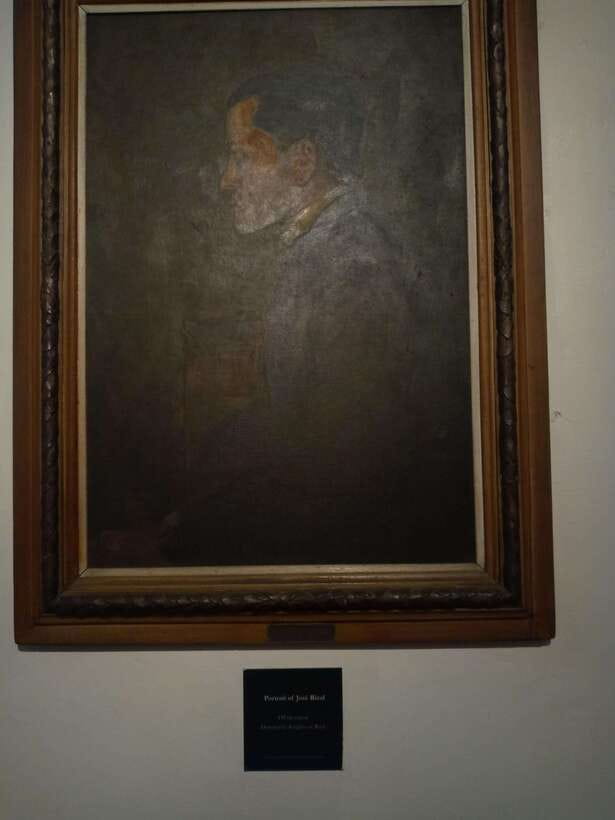
The final named point is the Bonifacio Shrine in front of Manila City Hall. Here, the tour traces the Philippine Revolution and pays tribute to Andres Bonifacio, known as the Father of the Philippine Revolution, along with revolutionaries who are less often remembered.
This ending gives the walk a clear direction. You begin with prison cells and wartime death, then move through struggles over religion and government, and finish with revolution and national identity. The tone remains solemn, but the final stop also points toward resistance and political action.
The route information says the tour returns to Fort Santiago. The Bonifacio Shrine is described as the last stop, so you should confirm with the guide how the return is handled and how much walking remains. The experience is sold as a two-hour tour, and the published route includes several locations, so timing may be tight.
That is one of the few practical uncertainties in the plan. The stops are clear, but the exact time spent at Saint Agustin Church, General Luna Street, and the shrine is not separately stated in the timed outline. A private tour usually allows some flexibility, but you should not assume you can linger at every site.
What the private format means for you
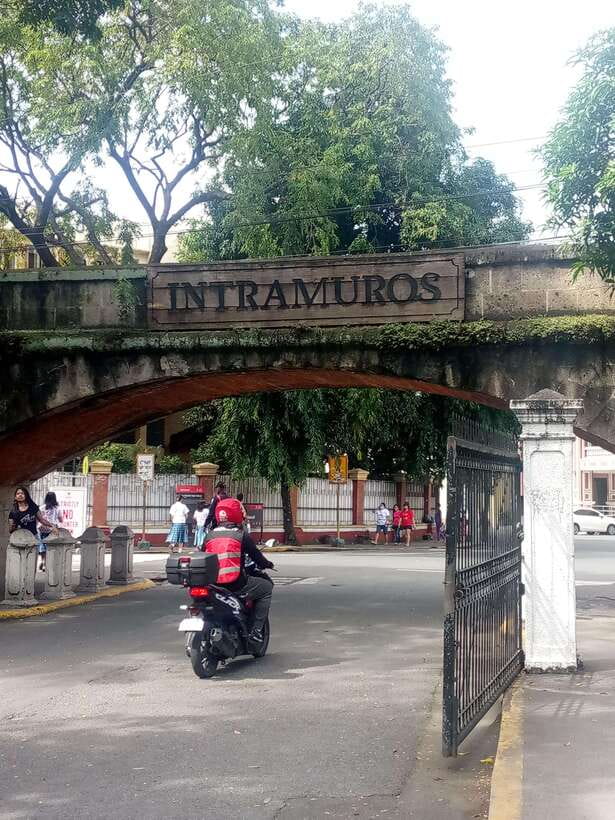
The tour is offered as a private group experience. The information does not give a maximum group size, so you should ask the operator if that matters to you. The private format should make it easier to hear the guide, ask questions, and discuss sensitive subjects at your own pace.
English and German guides are available. The guide’s personality matters here because the experience depends heavily on narration. The positive comments about passion, entertainment, and education suggest that the storytelling is a major reason to book, but no specific guide name is provided. The reference to Kuya appears in one review, yet it does not identify him formally.
The tour includes Fort Santiago admission and the guided Intramuros walk. Meals, drinks, hotel pickup, drop-off, and personal expenses are not included. You need to reach Fort Santiago yourself and plan for your own food and transport before or after the walk.
Skip-the-ticket-line access is included, which may save a little time at Fort Santiago. The larger benefit is having the visit organized around a clear story instead of wandering between monuments without context.
Who should book this experience
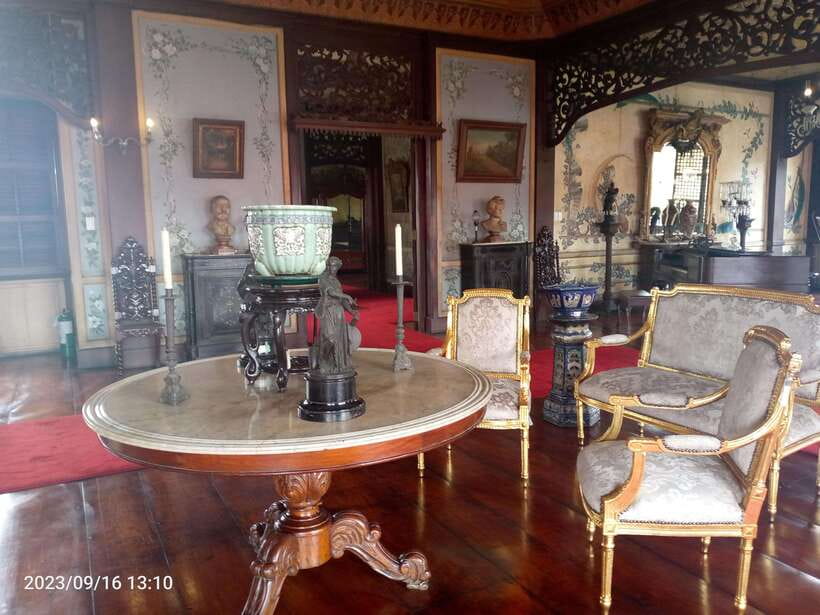
I would recommend this tour to adults and older teenagers who enjoy difficult history, political stories, and local legends grounded in real places. It suits you especially well if you have only a short time in Manila and want Fort Santiago plus key Intramuros sites in one guided walk.
It is also a good choice if you prefer a private guide to a large group. The guide can explain unfamiliar names and connect the Spanish period, the Philippine-American War, the Japanese occupation, and the Philippine Revolution in one sequence.
You should think twice if you dislike confined spaces, stories of mass death, or accounts of imprisonment. The dungeons and prisoner stories are not minor details. They are central to the tour.
The walk is not suitable for children under 12 or pregnant women. It is also marked as unsuitable for people with mobility impairments and wheelchair users, despite a separate note calling the activity wheelchair accessible. That contradiction should be resolved directly with Manila Revolution Tour before you pay. Do not assume the route will work for you based on the accessibility label alone.
Is $48 a fair price for two hours?
At $48 per person, the value depends on what you want from Intramuros. If you only want to see the outside of a few monuments, you can spend less by walking around independently. You will then need to research the sites yourself and may miss the connections between Fort Santiago, the cathedral, the churches, the war stories, and the revolution.
The price makes more sense for a private experience with Fort Santiago entry and a guide who can explain the darker events without reducing them to ghost tales. The strongest praise is directed at the guide’s passion and ability to entertain while teaching. That is precisely what you are paying for.
The two-hour limit keeps the cost from becoming a full-day commitment, but it also limits depth. You receive a concentrated introduction rather than a complete study of Intramuros. If you want more time for photographs, church interiors, or independent reflection, plan another visit.
Flexible booking helps reduce the risk. You can cancel up to 24 hours before the tour for a full refund, and the reserve-now, pay-later option lets you hold a place without paying immediately.
My call: book it for serious stories, not cheap scares
You should book the Intramuros Dark Tour if you want a focused, private walk through Manila’s most difficult chapters. Fort Santiago, Rizal’s prison cell, the civilian prisoner memorial, Manila Cathedral, Saint Agustin Church, General Luna Street, and the Bonifacio Shrine create a strong route through war, colonial power, reform, and revolution.
I like that the haunted stories are tied to real locations and real suffering. I also like the attention given to overlooked patriots, not only the most famous heroes. The guide’s praised passion is important because the visit depends more on storytelling than on long time at each stop.
Skip it if you want a relaxed architectural tour, a family-friendly activity for young children, or an experience with little walking. At $48, it is best for you when historical interpretation matters more than simply collecting sights. Confirm the accessibility details, arrive ready to walk, carry water, and treat the dungeons and memorials with care.
FAQ
Where does the Intramuros Dark Tour begin?
The tour begins at Fort Santiago.
How long does the tour last?
The experience lasts two hours.
What is included in the price?
The price includes a guided tour of Intramuros, admission to Fort Santiago, and stories about historical events and haunted places.
Which languages are available?
The tour is available with a live guide in English or German.
Is the tour private?
Yes. It is offered as a private group experience.
What should I bring?
Bring comfortable walking shoes, water, and a camera. Smoking is not allowed, and you should be respectful of the sites and stories.