Shared Old Manila Tour
Old Manila rewards curious eyes. This four-hour tour links Rizal Park, Intramuros, Fort Santiago, and Binondo with an English-speaking guide, giving you a quick but useful look at the city’s Spanish, Filipino, and Chinese influences. I like the small maximum of six people, and I like that the tour includes admission fees, lunch, and hotel pickup and drop-off at selected hotels.
The main consideration is the price: $142.31 per person is a serious sum for a half-day outing. Traffic can also stretch transfer times, and the schedule gives some stops only 15 minutes. Still, if you want a guided introduction rather than a loose collection of sights, this packs a lot into four hours.
In This Review
- Key points at a glance
- Why old Manila is best seen with context
- Rizal Park: a brief start with national meaning
- Fort Santiago: the historical centerpiece
- San Agustin Church: stone, worship, and art
- Casa Manila: a look inside a 19th-century house
- The calesa ride and the move toward Binondo
- Binondo: a welcome change from monuments
- The guide and the six-person limit
- Price, lunch, pickup, and the real value
- Who will get the most from this tour?
- Should you book the Shared Old Manila Tour?
- FAQ
- How long is the Shared Old Manila Tour?
- What time does the tour start?
- What sights are included?
- Is hotel pickup included?
- Is lunch included?
- How many people can join the tour?
- Are admission fees included?
- Can I cancel for a refund?
Key points at a glance
- Fort Santiago gives the tour its strongest history lesson: The old Spanish fortress sits at the mouth of the Pasig River and is tied to major moments in Philippine history.
- A group of six keeps the outing personal: You are less likely to feel lost in a large coach crowd, and the guide can respond to your questions and interests.
- Casa Manila offers a close look at home life: Its 19th-century reproduction combines Oriental and European decoration with Philippine antique furniture.
- The calesa ride adds local character: A horse-drawn carriage carries you toward Binondo and Binondo Church.
- Guides make a major difference: Jonas, Joan, Richard, and Amy are specifically praised for clear history, culture, food, and flexible storytelling.
- Morning or afternoon departures give you some control: The listed start time is 8:00 a.m., so confirm the available option that fits your plans.
Why old Manila is best seen with context
Manila can be hard to read at street level. A fortress may look like a wall, a church may look like a grand old building, and a Chinatown side street may seem like a shortcut. A good guide connects those pieces.
That is the real purpose of this tour. It is not simply a ride between famous places. It gives you a framework for understanding Manila’s old center, from the Spanish colonial period to religious life, domestic architecture, and Binondo’s Chinese Filipino connection.
The guide is central to the experience. Jonas is praised for explaining both history and culture, while Joan is singled out for bringing in food and everyday Filipino life. Richard and his driver are described as excellent guides, and Amy is praised for adapting to personal interests. Those details matter because the same four-hour route can feel rushed and mechanical with a weak guide, or lively and useful with someone who knows how to tell the story.
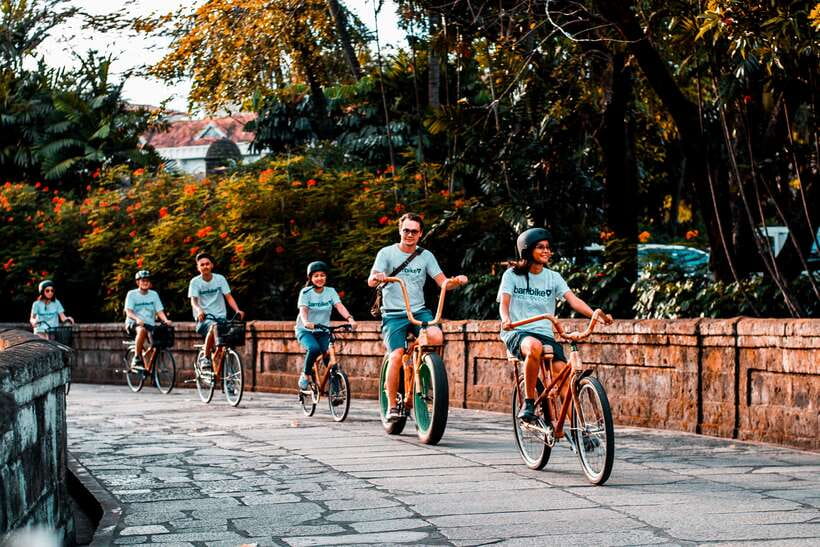
The small group helps here. With a maximum of six people, you can ask questions without stopping a full busload. It also makes hotel pickup, walking, and the calesa portion easier to manage.
You can also read our reviews of more tours and experiences in Manila.


Rizal Park: a brief start with national meaning
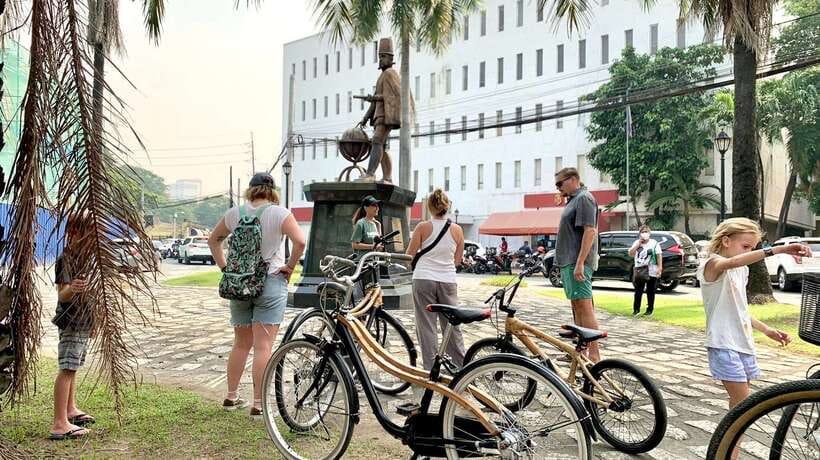
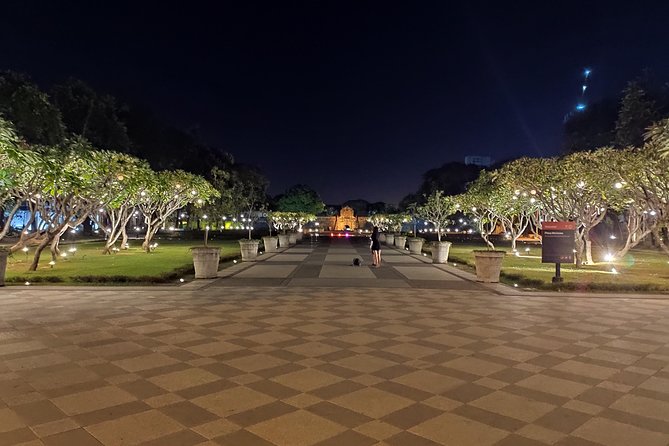
The tour begins with Rizal Park, named for Dr. Jose Rizal, the Philippines’ national hero. The stop is brief and mainly serves as a picture opportunity, so you should not expect a long visit or an extended walk through the park.
Even so, it is a sensible opening. Rizal’s name appears throughout Philippine public life, and beginning here gives the rest of the morning a national frame. Ask your guide to explain Rizal’s place in Philippine history if that subject interests you, since the tour’s strongest value comes from the explanations rather than from simply looking at monuments.
Because this is a short stop, keep your camera ready and listen closely. If you prefer slow photography or quiet time in parks, this part may feel too quick. The tour is designed to get you into the older district without spending much of the four-hour window at the first stop.
Fort Santiago: the historical centerpiece
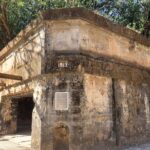
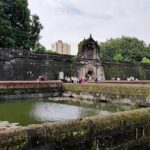
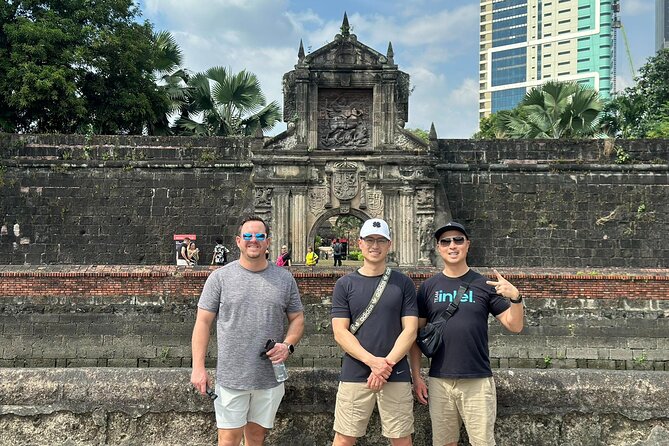
Fort Santiago is the strongest stop for understanding Manila’s colonial past. The Spanish fortress sits at the mouth of the Pasig River, a location that helped make it important for defense and control.
You receive about 30 minutes here, with admission included. That is enough time for an introduction to the fort and its role in major moments of Philippine history, though it is not enough for a leisurely examination of every corner.
I would treat Fort Santiago as the place to focus your attention on the guide. The masonry and surviving structures are only part of the story. The guide’s explanation turns the site from an old military compound into a place connected to the people and events that shaped the country.
This stop also gives you a strong sense of Intramuros as a historic district. You are not looking at an isolated monument. You are entering the Walled City, where Spanish colonial planning, religion, defense, and daily life came together.
The 30-minute allotment is practical but firm. Wear comfortable shoes, stay aware of the group’s meeting time, and save long photo sessions for a future visit if you decide you want more time inside the fort.
San Agustin Church: stone, worship, and art
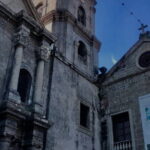
Next, you travel through Intramuros’ cobbled streets to San Agustin Church. It is described as the oldest stone church in the country, and the visit includes admission.
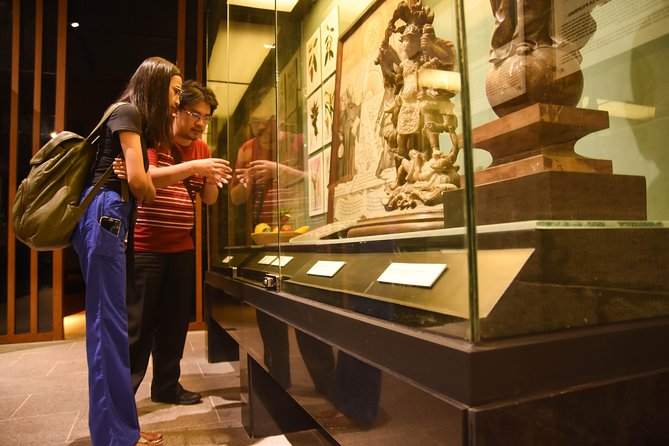
The stop lasts about 15 minutes. That is short for a church with a collection of ecclesiastical icons, vestments, and other religious articles, so you will get an introduction rather than a full museum visit.
This is one of those places where a guide adds real value. Religious buildings can be difficult to understand if you only admire the façade. The guide can help you notice the objects inside and explain how the church fits into Manila’s Spanish and Catholic past.
The cobbled streets provide a change of pace after Fort Santiago. You get a small taste of walking through the old district rather than seeing everything through a vehicle window. Still, anyone who wants time for quiet reflection, detailed interior viewing, or careful photography may find 15 minutes tight.
San Agustin works best as part of the larger sequence. Fort Santiago shows military power. San Agustin turns your attention to religion and public life. Casa Manila then shifts the focus to the home.
Casa Manila: a look inside a 19th-century house
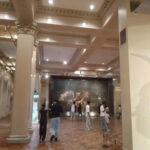
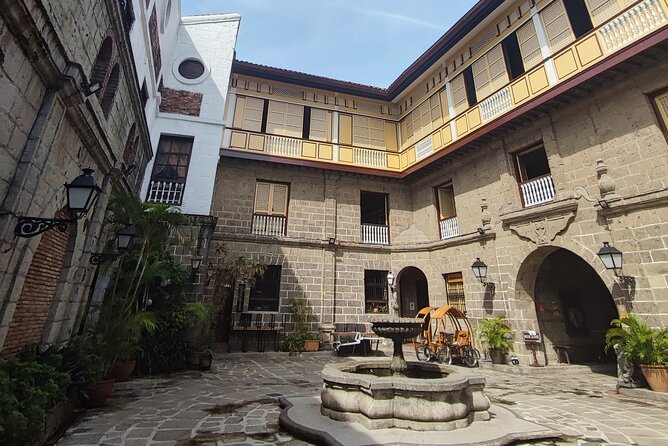
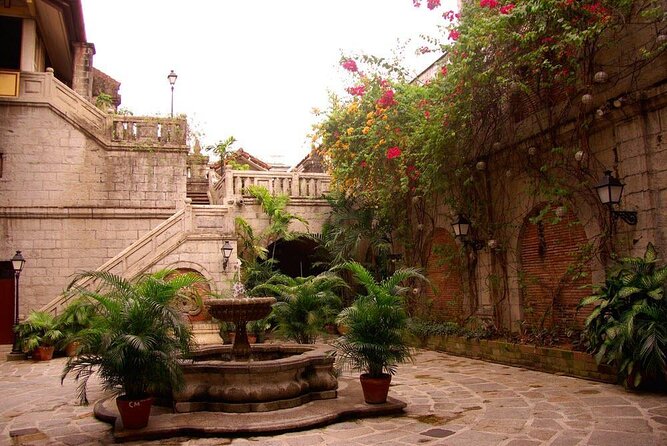
Across the street, Casa Manila recreates a 19th-century home. Its rooms use Oriental and European decoration alongside Philippine antique furniture.
You have about 30 minutes here, which gives you more breathing room than at San Agustin Church. The value is not just in seeing attractive furniture. The house helps you picture how outside influences shaped domestic life in Manila.
Casa Manila is especially useful if you enjoy architecture, interiors, or social history. Forts and churches tell you about institutions. A house offers clues about taste, status, family life, and the way cultures met inside private spaces.
Since it is a reproduction, you should approach it as an interpretation of the period, not as an untouched colonial residence. That does not make it less useful. In fact, the staged rooms make the setting easier to read during a short visit.
The guide can also help tie the house to the streets outside. Without that connection, Casa Manila risks becoming a quick succession of rooms and furniture. With explanation, it becomes a way to understand the people who lived in old Manila.


The calesa ride and the move toward Binondo
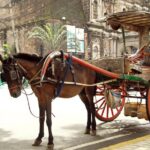
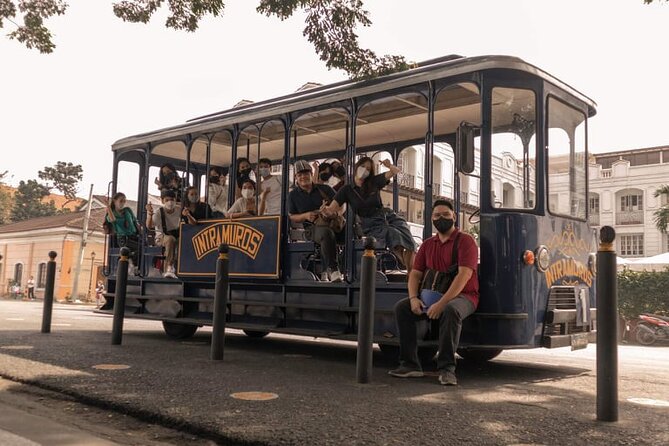
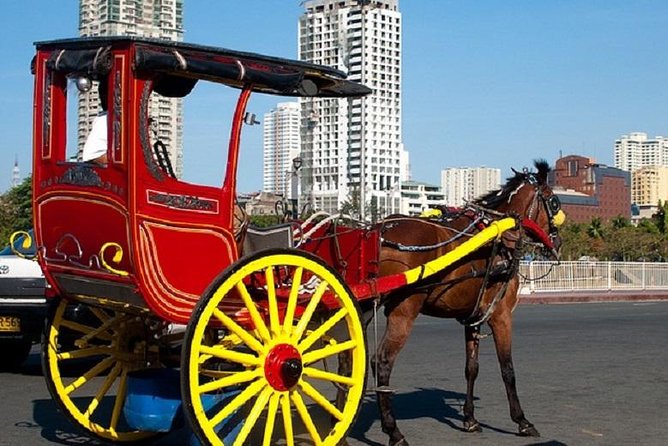
After Intramuros, you board a calesa, a horse-drawn carriage, and head toward Binondo. The route crosses the Pasig River and continues toward Binondo Church, a historic landmark built by the Spanish.
This is the tour’s most distinctive transport segment. A standard van transfer would be faster and more ordinary. The calesa gives you a different view of the city and connects the historic district with one of Manila’s best-known cultural areas.
You should keep expectations sensible. The ride is part of a sightseeing route, not a long carriage excursion. The supplied schedule gives Binondo Church about 15 minutes, and traffic conditions can affect transfer times. The exact duration of transfers depends on the time of day and road conditions.
The calesa also adds a practical reminder: Manila is a living city, not a preserved museum. You move from colonial walls and churches toward Binondo, where history continues through commerce, food, and neighborhood life.
Binondo: a welcome change from monuments
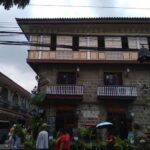
Binondo brings a Chinese Filipino dimension to the tour. The route leads toward Binondo Church and into Chinatown, adding a cultural layer that the Intramuros stops cannot provide on their own.
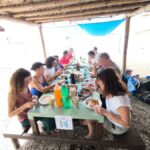
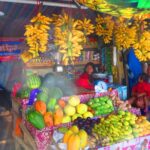
One especially appealing feature is the chance to stop at two food stalls in Chinatown. Jonas is praised for including traditional spring rolls and bao buns, giving you a small taste of local street food during the visit.
That food element is important because it shifts the experience from looking at historic buildings to engaging with present-day culture. A church and fortress tell you what happened in the past. A snack in Chinatown lets you experience a living tradition, even if only briefly.
Do not expect a full food tour. The schedule is still only about four hours, and lunch is included as part of the experience. The Chinatown tasting is a bonus rather than the central purpose, and the exact food stops may depend on the guide and timing.
Binondo is also where the tour feels most open-ended. Amy is praised for adjusting the experience to personal interests, and that kind of flexibility can matter here. If you want more attention to food, trade, or Filipino Chinese culture, say so early.
The guide and the six-person limit
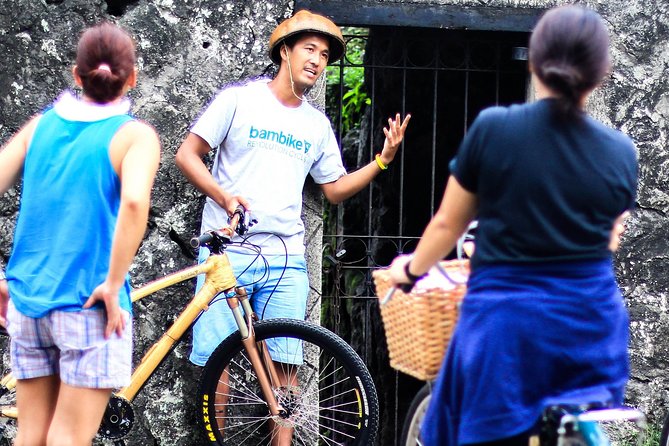
The guide is the make-or-break feature. The route itself is worthwhile, but the sites are far more meaningful when someone explains the people, events, and customs behind them.
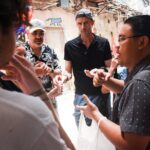
Jonas receives praise for following the planned route while adding the Chinatown food stops. Joan is described as engaging and insightful about landmarks, food, and Filipino culture. Richard and the driver are praised for their command of Manila’s past, while Amy is noted for being charming, informative, and flexible.
Those strengths suggest a tour that works best for people who like to ask questions. You are not just being delivered to photo stops. You can use the guide to connect the sites and clarify what you are seeing.
The maximum of six people is another strong point. It is not a private tour, but it is small enough to feel more personal than a large city coach. A small group can also move through the old district with less fuss.
The tradeoff is that the tour’s quality can vary with the assigned guide. The specific person leading your outing may not be Jonas, Joan, Richard, or Amy. The available information points to a strong guiding team, but you should still view the guide assignment as something you cannot fully control.
Price, lunch, pickup, and the real value
At $142.31 per person, this tour costs more than a basic sightseeing ride. The price includes taxes, fuel surcharges, service and handling charges, a professional guide, admission fees, hotel pickup and drop-off at selected hotels, and lunch.
That package changes the calculation. You are paying for transport, a small group, a guide, several historic admissions, and a meal in one booking. For a first day in Manila, that convenience can be worth the extra cost, especially if you want someone else to handle the route.
There is a small point to clarify: lunch is included, while additional food and drinks are not. The Chinatown food stops may add memorable bites, but you should not assume every snack or beverage beyond the included lunch is covered.
The tour is booked, on average, about 10 days ahead. That suggests you should not leave it until the last minute if the date matters to you, especially since the group limit is six people.
Hotel pickup is offered only at selected hotels. The listed start time is 8:00 a.m., and morning or afternoon departure choices are advertised, so confirm the pickup details and departure option before you finalize plans.
Who will get the most from this tour?
I would recommend it most strongly if you have limited time in Manila and want a clear introduction to the old city. It suits first-time visitors, history fans, families with children, and anyone who prefers a guide to explain unfamiliar places.
It is also a good fit if you like a mix of monuments, interiors, local transport, and food. The route does not stay in one historical category. You move from a national park to a fortress, church, house museum, carriage ride, and Chinatown.
You may want another option if you prefer to set your own pace. Fifteen minutes at San Agustin Church and Binondo Church will not satisfy anyone who wants detailed photography or long, quiet visits. Traffic can also affect the day, and four hours can feel compressed when roads are slow.
The tour is suitable for most people, and children must be accompanied by an adult. A child rate applies only when a child shares with two paying adults. The outing is subject to favorable weather, so an umbrella or light rain protection may be sensible, though the supplied details do not specify equipment or alternate plans.
Free cancellation is available if you cancel at least 24 hours before the start time. Cancellations made inside that window are not refunded, and changes are not accepted then. If you are arriving by cruise ship, do not rely on the tour if your ship is late, since a missed activity caused by late or non-arrival is not refunded.
Should you book the Shared Old Manila Tour?
Book it if you want Manila’s old center explained in a compact half-day, and if the $142.31 price fits your budget. The small group, included admissions, lunch, hotel transport, calesa ride, and strong guide reports give it solid value for a visitor who wants ease and context.
I would be especially keen to book if this is your first visit or if you have only one free morning. Ask your guide about the history behind Fort Santiago, the objects at San Agustin Church, and the food traditions in Binondo. Those questions will help turn a fast route into a more rewarding experience.
Skip it if you want a slow, self-guided day or if your main goal is a full food tour. For most first-time visitors, though, this is a well-planned introduction to Manila’s old city, with enough local flavor to keep it from feeling like a list of monuments.
FAQ
How long is the Shared Old Manila Tour?
The tour lasts approximately four hours. Transfer times can vary depending on the time of day and traffic conditions.
What time does the tour start?
The listed start time is 8:00 a.m. Morning and afternoon departure choices are also offered, so confirm the available departure when booking.
What sights are included?
The route includes Rizal Park, Fort Santiago, San Agustin Church, Casa Manila, Binondo, and Binondo Church.
Is hotel pickup included?
Hotel pickup and drop-off are included for selected hotels only. You should confirm whether your hotel is covered.
Is lunch included?
Yes, lunch is included. Food and drinks beyond what is provided are not included.
How many people can join the tour?
The tour has a maximum of six people.
Are admission fees included?
Yes. Taxes, fees, handling charges, and admission tickets for the listed paid attractions are included.
Can I cancel for a refund?
Yes, you can cancel for a full refund up to 24 hours before the experience start time. Cancellations or changes made less than 24 hours before the start are not accepted for a refund.