Explore Manila Slums and Hidden Market
Manila reveals itself one narrow alley at a time. This two-hour walk through Tondo offers a close look at local housing, a wet market, Chinatown, and daily Filipino life, with public transport woven into the experience. I like the small groups of up to 10 and the chance to ride both a jeepney and a tricycle instead of simply passing poor neighborhoods from a tour van.
I also like the human touch. Guides such as Venus and Floyd have been praised for their warmth, local connections, and thoughtful food stops, including bao, egg tarts, drinks, and a beer. The main consideration is that this is not a polished sightseeing outing. Narrow alleys, crowded markets, poverty, heat, and rough surroundings are part of the day, so you need an open mind and a respectful attitude.
In This Review
- Key points before you book
- What this Tondo experience is really about
- Meeting near Tutuban Center
- Walking through Tondo with a local guide
- The wet market and the hidden market stop
- Riding a jeepney and a tricycle
- Old Manila and Binondo Chinatown
- Why the guide matters so much
- Is $65 fair for two hours?
- Practical advice for a respectful visit
- Who should book this experience?
- Should you book the Tondo slum and market tour?
- FAQ
- Where does the tour meet?
- How long does the experience last?
- How much does the tour cost?
- What language does the guide speak?
- What is included in the price?
- Is this a private tour?
- Which areas does the tour visit?
- Can I cancel for a full refund?
- Can I reserve now and pay later?
Key points before you book
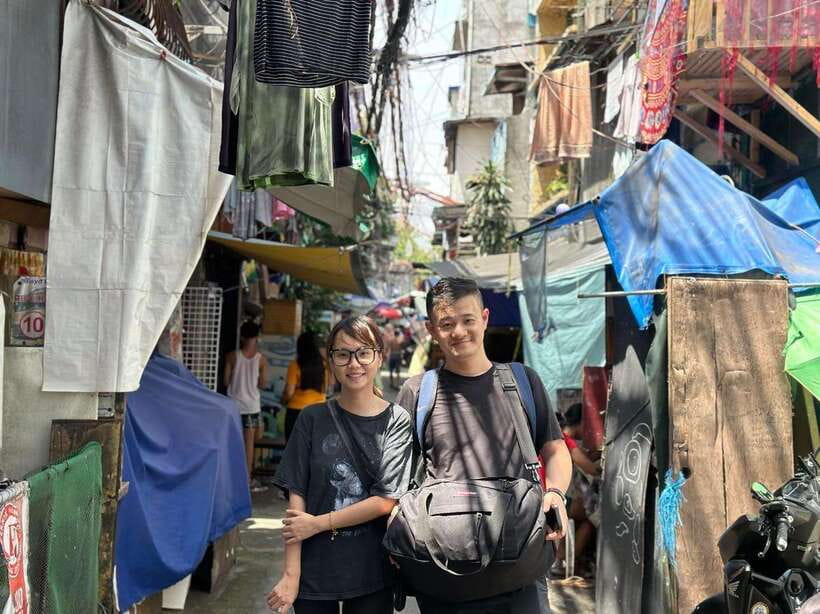
- Tondo is the main setting: You walk through residential areas and poorer communities with a local guide.
- Transport is part of the lesson: A tricycle ride and jeepney ride are included, giving you a taste of ordinary city movement.
- The wet market brings the senses alive: Expect produce, groceries, local food, close quarters, and plenty to look at.
- Chinatown adds food and history: The route includes Manila’s old Chinatown area, with local food stops and treats.
- Guides make or break the experience: Venus and Floyd receive special praise for their kindness, stories, and ability to help you feel at ease.
- The price reflects more than a walk: At $65 per person, you are paying for a guide, transport, small-group attention, and a guided look at a part of Manila many people miss.
What this Tondo experience is really about
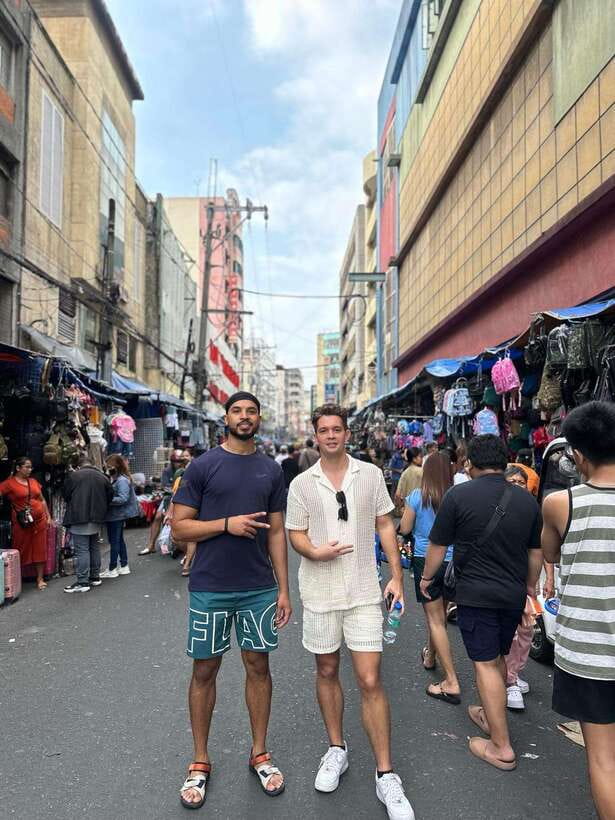
This is not a tour of grand buildings and famous photo stops. It is a guided visit to Tondo, one of Manila’s oldest districts, where daily life unfolds in cramped alleys, market lanes, modest homes, and busy streets.
The word slum can flatten a complicated place into a single label. A good guide helps you see more than hardship. You get a picture of people working, shopping, raising children, solving practical problems, and building a sense of community in difficult conditions.
That approach matters. Without context, walking through a poor neighborhood can feel like looking at someone else’s life through a shop window. With a local guide, you can ask questions, understand what you are seeing, and meet people in a more respectful way.
The experience has been described as educational rather than voyeuristic. That depends partly on your own behavior. Ask before taking photographs, do not hand out money or sweets to children, and let your guide handle introductions. A smile and a simple salamat po, meaning thank you, go a long way.
You can also read our reviews of more shopping tours in Manila

Meeting near Tutuban Center
The meeting point is at Tutuban Center Mall, near the Bonifacio Monument and Lawson Convenience Store. Tutuban places you close to the commercial side of old Manila, where markets, transport routes, Chinatown, and working neighborhoods overlap.
This is a practical starting point because the tour is built around ordinary city movement. You are not being sealed inside an air-conditioned vehicle. You begin near a working part of Manila and then move through it on foot and by local transport.
Take care to confirm the exact meeting instructions before setting out. The supplied location field says Nueva Vizcaya, while the meeting point and the entire description refer to Tondo in Manila. That mismatch is worth checking with V.S Tour Services before you travel, since the experience clearly centers on Manila.
Walking through Tondo with a local guide
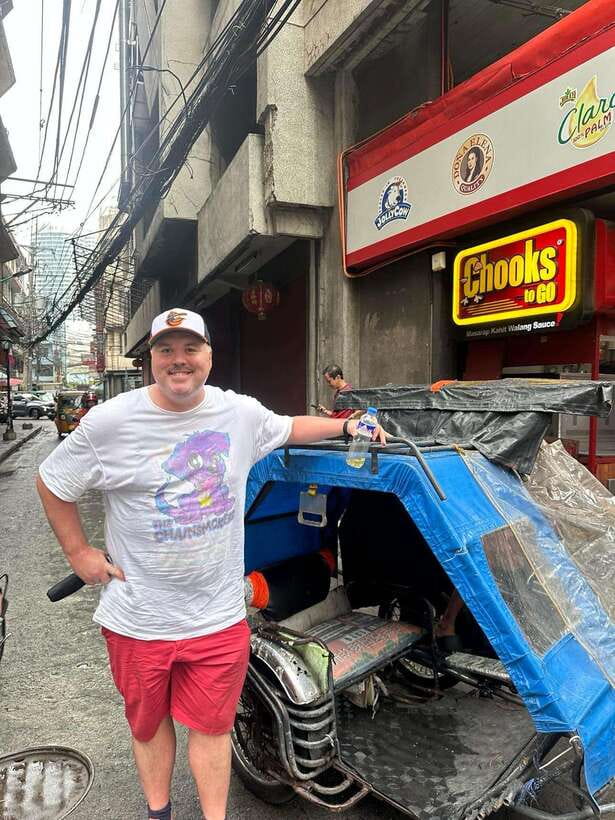
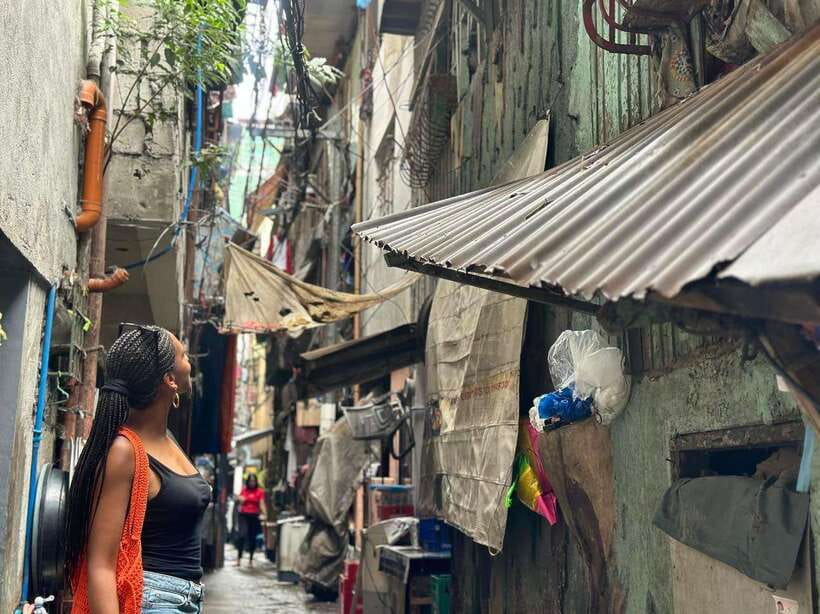
The first major part of the experience is a walk through Tondo’s residential areas. The streets can be narrow and crowded, and the setting is basic rather than scenic in the usual postcard sense.
You might see people going about ordinary tasks, children playing, homes opening directly onto lanes, and neighbors speaking with the guide. The point is not to collect dramatic images. It is to understand how a community functions when space and money are limited.
Floyd has been praised for being born and raised in the same slum areas he shows visitors. One detailed account also describes his background in the police force, with training in medicine and explosives safety. Those details help explain why people may feel more comfortable with him leading a group through his own neighborhood.
Venus receives similar praise for her energy, kindness, and personal stories about Filipino life. If you are assigned Venus, expect a friendly guide who adds food stops and explains what you are seeing. If Floyd leads, you may get a more street-level account of Tondo and its residents.
The guide’s local standing is important here. You want someone who knows when to pause, whom to greet, and how to keep the group from becoming intrusive. Several participants felt safe during the walk, but you should still follow instructions and stay with the group.
The wet market and the hidden market stop
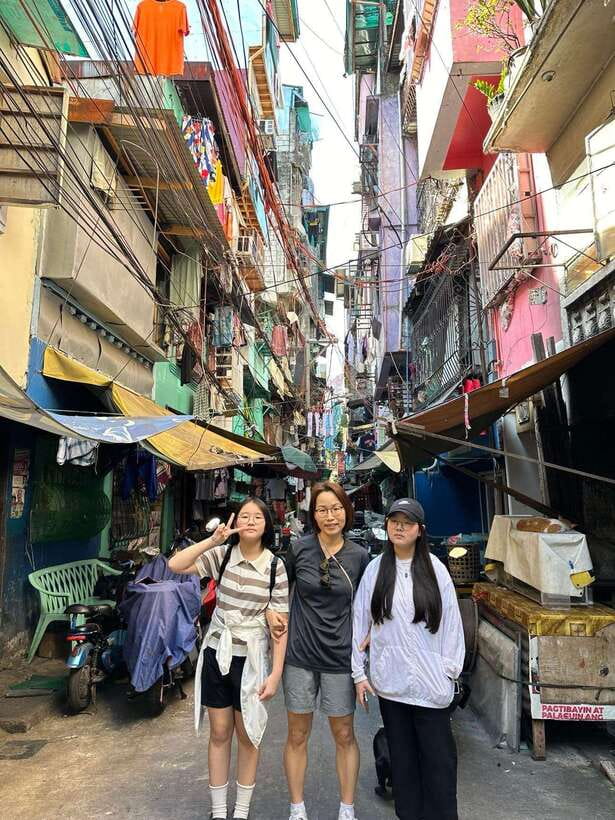
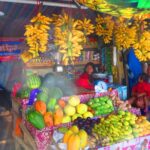
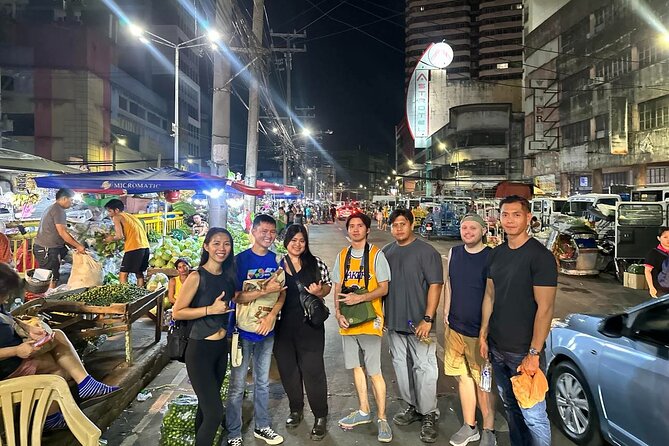
The market portion is one of the strongest parts of the outing. A wet market is not arranged for sightseeing. It is where people buy food and household goods, so the experience feels immediate and practical.
Expect a close look at fruit, vegetables, groceries, and local food. The sights can be intense, especially if you are not used to open-air markets in Southeast Asia. There may be strong smells, wet floors, tight passages, and vendors working around you. Wear shoes with a firm sole and avoid bringing anything you do not want to carry carefully.
The market also gives your guide plenty to explain. You can learn what local shoppers buy, how food is sold, and how the market fits into neighborhood life. This is a better setting for understanding Manila than a staged demonstration because the sellers are carrying on with their daily work.
A tuk-tuk, described in some accounts as a local tricycle, connects parts of the route. The ride is short but useful. You see how people move through side streets and experience a little of the noise and jostling that comes with local transport.
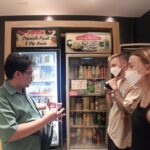
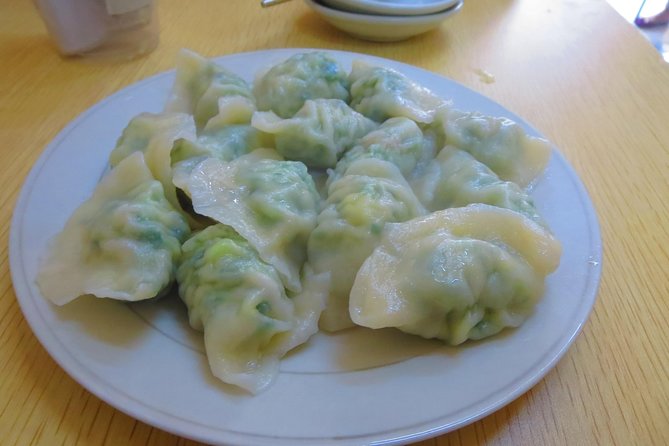
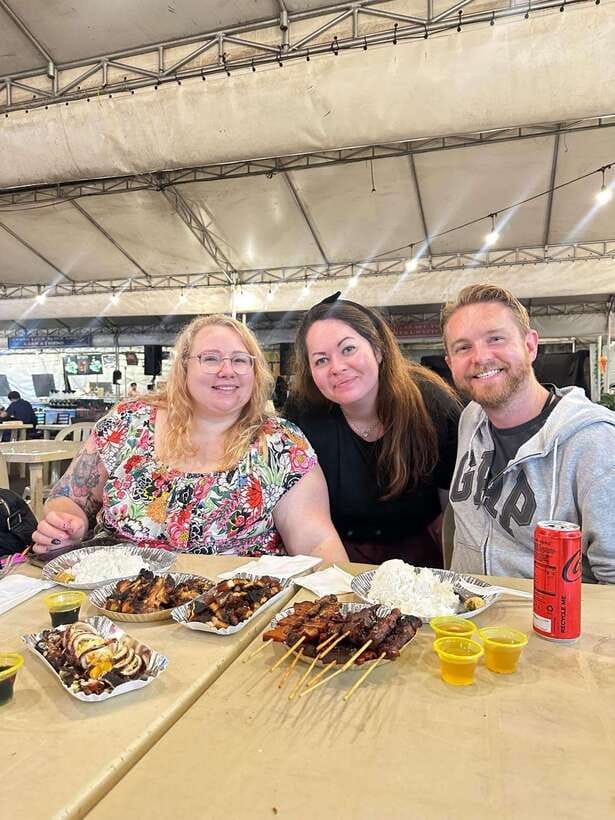
Food tastings may include bao, egg tarts, other Chinatown snacks, a drink, and possibly a beer. The exact stops can vary, but the food is a welcome part of the $65 price. You are not paying only for scenery. You are getting small introductions to local eating habits, guided by someone who knows where to stop.
If you have allergies or food restrictions, ask the provider before booking. The available information does not give a full food menu or explain how dietary requests are handled.
Riding a jeepney and a tricycle
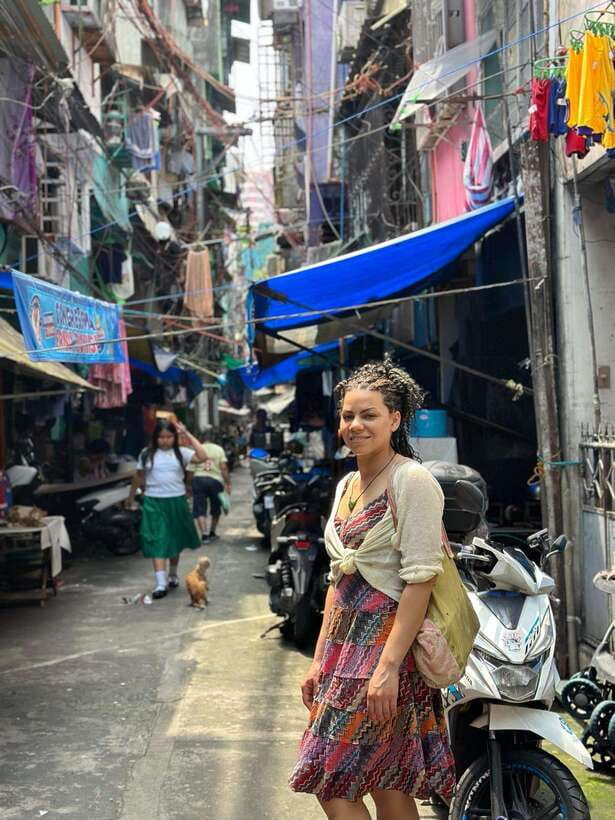
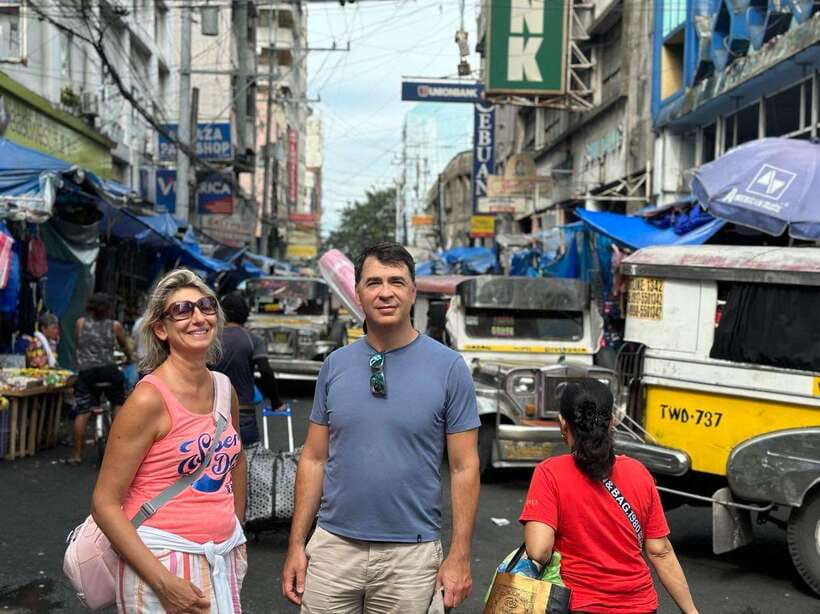
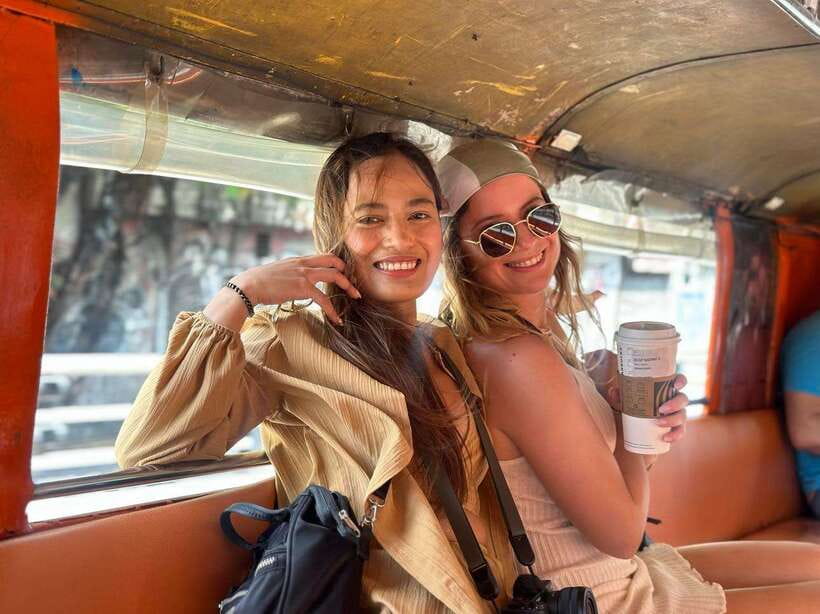
The included transport is more than a fun extra. A jeepney ride gives you a brief taste of one of the Philippines’ best-known forms of public transport, while the tricycle carries you through tighter local streets.
For many people, the jeepney becomes a highlight because it is noisy, colorful, and social. You are sharing space rather than being driven privately from one attraction to another. The tricycle offers a different view, especially when the route moves through smaller lanes.
These rides also keep the tour grounded in local life. You are using transport that residents rely on, not a special vehicle built only for sightseeing. That makes the experience feel less staged.
There is a practical tradeoff. Public transport is not designed for perfect comfort or quiet conversation. You may find the seating tight and the ride rough. If you want a calm, air-conditioned tour with plenty of time at each stop, this will not be your ideal format.
A few more Manila tours and experiences worth a look


Old Manila and Binondo Chinatown
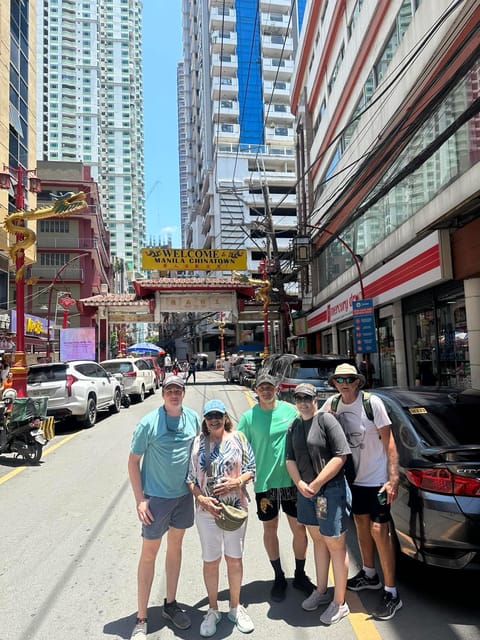
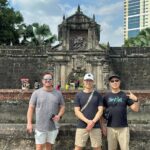
The route also reaches old Manila and the Chinatown area around Binondo, often described as the oldest Chinatown in the world. Here, the mood shifts from residential alleys to food shops, market streets, and long-established commercial activity.
This part adds useful context. Tondo is not an isolated pocket of poverty. It sits beside some of Manila’s oldest trading districts, where Filipino, Chinese, and wider Southeast Asian influences meet in food, commerce, and street life.
The Chinatown stops are especially good for people who plan to eat their way through Manila but do not know where to begin. Your guide may point out local specialties and take you to small food stops that are easy to miss on your own.
The food is not just a reward at the end. It helps explain the area. Bao and egg tarts, for example, offer a simple way to notice Chinese influence in Manila’s everyday cooking. You may also receive a drink or beer as part of the experience.
Do not expect a full Chinatown sightseeing program. Two hours is a short time, and the tour has several moving parts: the residential walk, market, transport, and food. You get a taste rather than a complete study of Binondo.
Why the guide matters so much
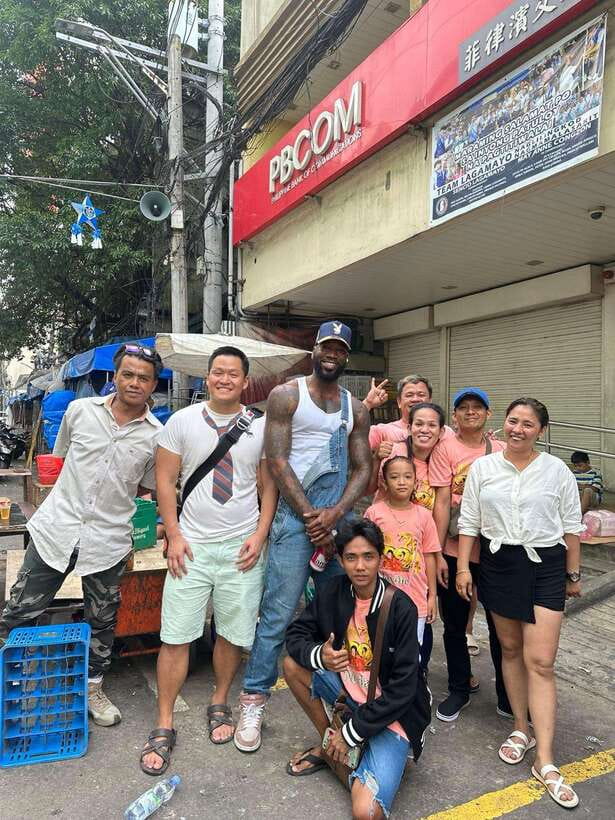
This experience rises or falls on the person leading it. You are entering places where a standard script would not be enough. The guide must explain local conditions without turning people into a spectacle.
Venus has been praised for being welcoming, energetic, and easy to spend time with. Her personal stories and extra food stops add a social quality that can make the tour feel like a friend showing you around.
Floyd brings a different strength. His connection to Tondo and his professional background give him credibility and practical awareness. He has also been described as spending extra time with groups and taking them to a good local restaurant.
The descriptions of both guides suggest a useful balance: direct information about poverty, plenty of attention to ordinary residents, and room for humor and conversation. That is the right tone for this kind of visit.
Guide availability may vary. You cannot assume you will receive Venus or Floyd on every departure, so ask V.S Tour Services if a particular guide is important to you.
Is $65 fair for two hours?
At first glance, $65 can look high for a two-hour tour in Manila. The value becomes clearer when you consider what is included: a live English-speaking guide, a small group, a tricycle ride, a jeepney ride, and food or drink stops described by participants.
You are also paying for local access and planning. A visitor could take a jeepney, walk through a market, and visit Chinatown independently. The harder part is knowing where to go, how to enter a residential area respectfully, and how to understand what you are seeing.
The group limit of 10 is another plus. A large group would be awkward in narrow lanes and crowded markets. A smaller group makes it easier to hear the guide, ask questions, and avoid blocking the street.
Still, the value depends on your interests. If you want historic churches, museums, or major landmarks, spend your money elsewhere. If you want a guided look at local life, public transport, food, and communities beyond the standard Manila route, the cost is easier to justify.
Practical advice for a respectful visit
Dress for heat and walking. Choose light clothing and secure shoes, and carry only what you need. The route includes markets, residential streets, and public transport, so comfort and mobility matter more than looking polished.
Keep your phone and wallet secure. The available information describes the area as safe with a guide, but ordinary city awareness is still sensible. Stay close, follow directions, and do not wander off to take photographs.
Ask permission before photographing people, homes, or children. The most meaningful part of this experience is meeting people as neighbors and citizens, not treating the area as a backdrop.
Be ready for a direct view of poverty. Some visitors may find the housing and street conditions difficult to see. That discomfort can be useful if it leads to better understanding, but it is not entertainment. Go because you want context and conversation, not because you want shocking pictures.
The tour lasts only two hours, so keep your expectations focused. You will not understand every part of Tondo in one afternoon. You will, however, get a guided introduction to local streets, transport, markets, food, and community life.
Who should book this experience?
I would choose this for an adventurous first-time visitor who wants to go beyond Manila’s main attractions. It suits you if you enjoy walking, trying local food, riding public transport, and asking questions.
It also fits travelers who have already spent several days in Manila and feel they have seen the usual sights. One person nearly cancelled after five days in the city, then found this outing offered a completely different view.
You may want to skip it if you dislike crowded streets, rough surroundings, public transport, or discussions about poverty. It is also not the best choice if you want a relaxed, polished, purely historical tour.
The strongest reason to book is the chance to see Tondo with someone who knows its people and streets. The strongest reason to hesitate is the ethical challenge of entering a poor neighborhood as an outsider. If you can approach that with humility, the experience can be thoughtful and worthwhile.
Should you book the Tondo slum and market tour?
Book it if you want an honest, local-focused look at Manila and are prepared for an unvarnished setting. The combination of Tondo, a wet market, Chinatown, food tastings, a jeepney, and a tricycle gives you much more range than a simple neighborhood walk.
At $65, it is best value for someone who wants interpretation and local access rather than a checklist of sights. Confirm the Manila meeting point, ask which guide is leading, and arrive ready to listen. For the right visitor, this can become one of the most memorable two hours in the city.
FAQ
Where does the tour meet?
Meet at Tutuban Center Mall near the Bonifacio Monument and Lawson Convenience Store.
How long does the experience last?
The experience lasts two hours.
How much does the tour cost?
The listed price is $65 per person.
What language does the guide speak?
The live tour guide speaks English.
What is included in the price?
The price includes a tour guide, a tricycle ride, and a jeepney ride. Food and drink stops are also described as part of the experience, including items such as bao, egg tarts, a drink, or beer.
Is this a private tour?
No. It is a small-group tour with a maximum of 10 participants.
Which areas does the tour visit?
The experience focuses on Tondo, local residential areas, a wet market or local market, old Manila, and the Chinatown area.
Can I cancel for a full refund?
Yes. You can cancel up to 24 hours in advance for a full refund.
Can I reserve now and pay later?
Yes. The tour allows you to reserve your place and pay later.