Manila Night Market with Local Guide
The market wakes after dark. This two-hour outing links Divisoria and Tutuban Night Market with street food, local transport, and practical bargaining help. I like the chance to ride a jeepney or tuk-tuk and the easy access to Filipino snacks, clothing, shoes, bags, and jewelry. The main drawback is clear: if you dislike shopping or prefer monuments and museums, this may feel too commercial.
Guide Mari receives especially warm praise for her friendly manner, safety-conscious approach, and willingness to let you see everyday Manila. I also like that the group is capped at 10 people, though two hours is a tight window for transport, food stops, market browsing, and the planned rooftop-bar finish.
In This Review
- Key points to know before you book
- Starting at Grand Cafe 1919 in Binondo
- Riding through Manila by jeepney and tuk-tuk
- Entering Divisoria’s working markets
- Tutuban Night Market after the malls close
- Learning to bargain without being rude
- Street food for cautious and adventurous eaters
- What Mari adds to the evening
- Ending at a Manila rooftop bar
- Is $54 good value for two hours?
- Who will enjoy this, and who will not?
- Practical booking advice
- Should you book the Manila Night Market tour?
- FAQ
- Where does the Manila Night Market tour meet?
- How long does the tour last?
- What areas does the tour visit?
- Is transportation included?
- Is food included in the tour price?
- What foods might I try?
- Who leads the tour?
- How many people can join?
- Can I cancel the booking?
Key points to know before you book
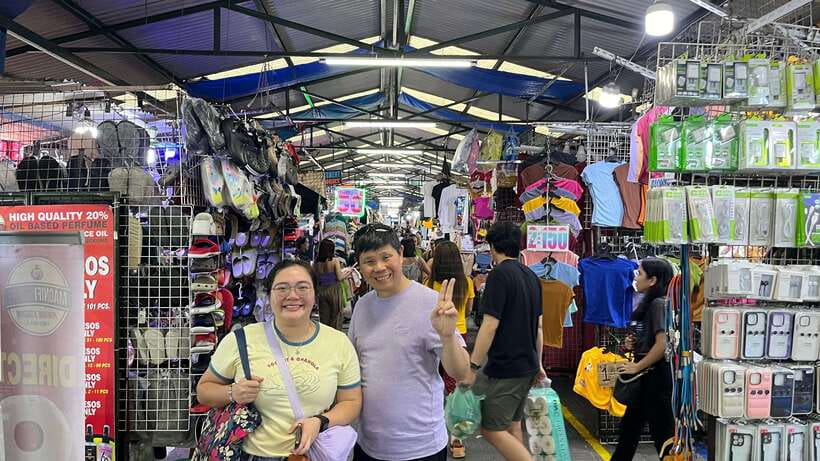
- Tutuban after mall hours: Vendors set up as nearby malls close, with goods ranging from housewares to clothes and food.
- Mari’s local guidance: She helps you order food, use public transport, and negotiate without overpaying.
- Adventurous street food: Possible tastings include balut, sisig, dynamite lumpia, grilled intestines, pork blood, mango drinks, and Filipino ice cream.
- Jeepney and tuk-tuk rides included: These are part of the experience, not an extra-cost add-on.
- Small evening group: A maximum of 10 people makes it easier to ask questions and stay together in crowded streets.
- A shopping-first experience: The appeal is local commerce and food, not a formal sightseeing tour of Manila’s major landmarks.
Starting at Grand Cafe 1919 in Binondo
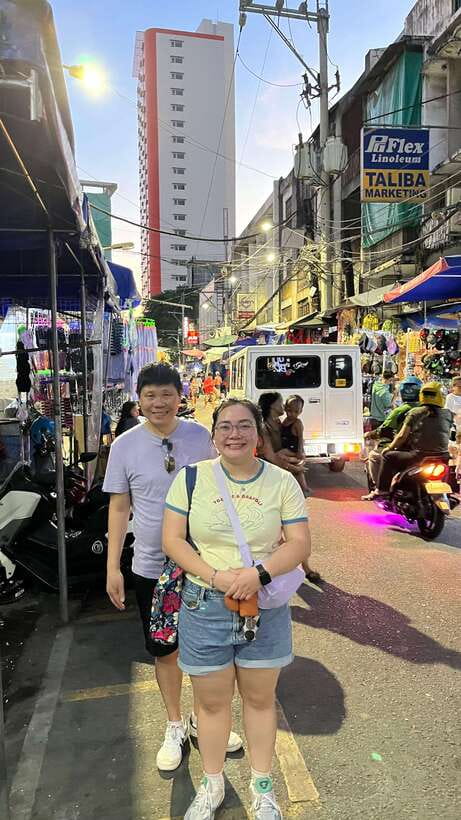
The meeting point is inside Grand Cafe 1919 in Binondo. This matters because Manila has several busy districts and transport hubs, so you should confirm the exact meeting instructions and make sure your contact details are correct before the evening.
The advertised location says Nueva Vizcaya, while the meeting point and the full route described are in Manila’s Binondo and Divisoria areas. That mismatch is worth checking with Mstar Tours before booking. Ask for the confirmed meeting point, starting time, and route so you arrive in the right city district.
The guide speaks English and Tagalog. That language combination is useful in a market, where a simple phrase or a friendly exchange can make shopping and food ordering less awkward. You are not simply left to wander among stalls. The guide’s role is to explain how to approach vendors, what to ask for, and how to negotiate at a fair price.
You can also read our reviews of more guided tours in Manila
Riding through Manila by jeepney and tuk-tuk
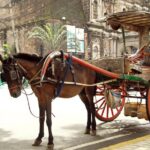
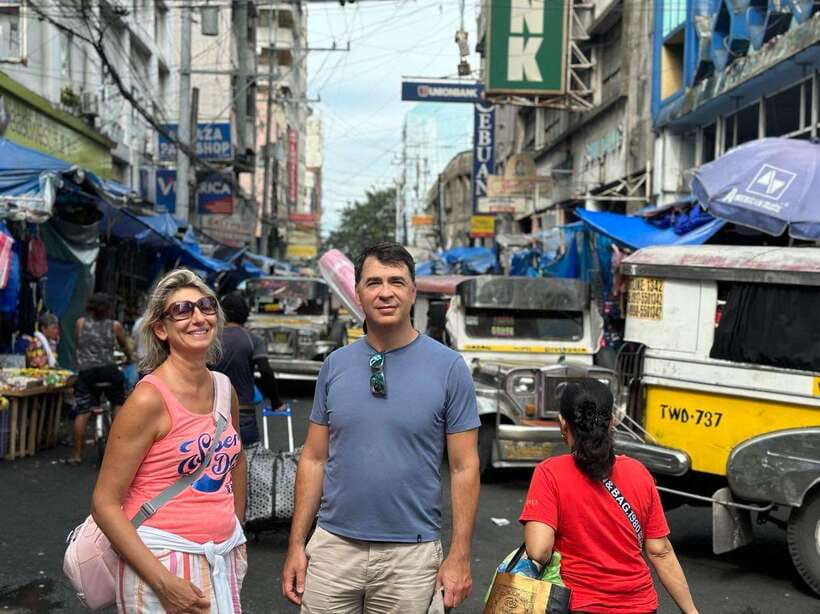
The tour begins with local transportation, including a jeepney and tuk-tuk. These rides give the evening a distinctly Filipino feel and help you understand how people move through the city. A jeepney is not just a photo prop. It is part of daily urban life, and riding one gives you a brief look at Manila from street level.
The description also refers to tricycles and, in one account of the wider outing, a train. The confirmed inclusions specifically name a jeepney and tuk-tuk, so treat those as the rides guaranteed in the package. Ask the guide if other transport will be used that night.
You should expect traffic, noise, and quick changes in pace. The ride may be more memorable than comfortable, but that is part of the point. This is practical local transport, not a private air-conditioned vehicle. If you want a polished sightseeing circuit, this is not the right format. If you want a close look at ordinary city movement, the transport adds real value.
Entering Divisoria’s working markets
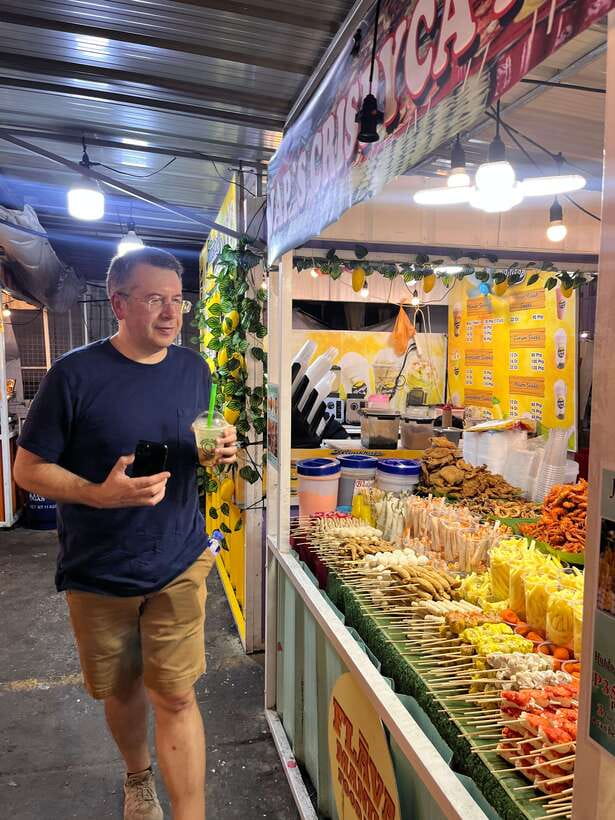
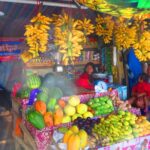
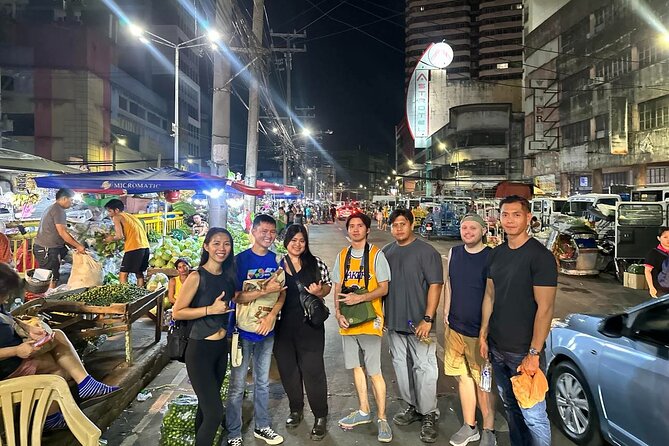
Divisoria is the heart of the shopping side of this experience. It is known for low-cost goods and busy wholesale-style trade, with clothing, shoes, bags, jewelry, housewares, produce, meat, fish, and other food products appearing across different sections.
The route can take you beyond the stalls aimed at casual shoppers. One evening account describes visits to areas selling meat, fish, vegetables, fruit, and other edible goods, along with some grittier corners of the district. That is useful context. You may see the market as a place where local residents buy daily supplies, not just as a bargain center for souvenirs.
This is also where the guide’s presence matters most. A first-time visitor can easily spend the entire evening looking at products without understanding the rhythm of the market. Mari can show you where different goods are sold and help you deal with vendors in a polite, sensible way.
Expect a commercial setting rather than a staged cultural display. The market is about buying and selling. You will see ordinary commerce, crowded streets, and the practical side of Manila life. For some people, that feels far more revealing than a polished attraction. For others, it may seem like nothing more than shopping.
Tutuban Night Market after the malls close
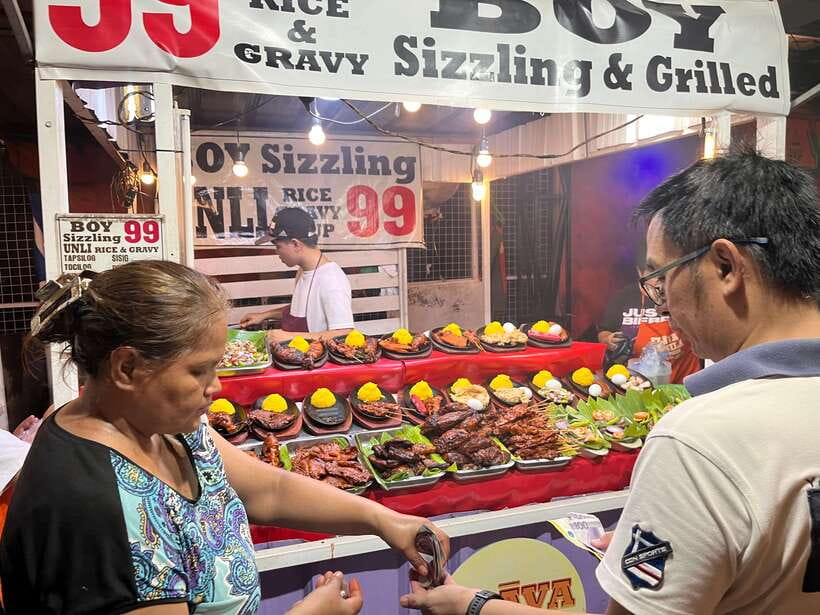
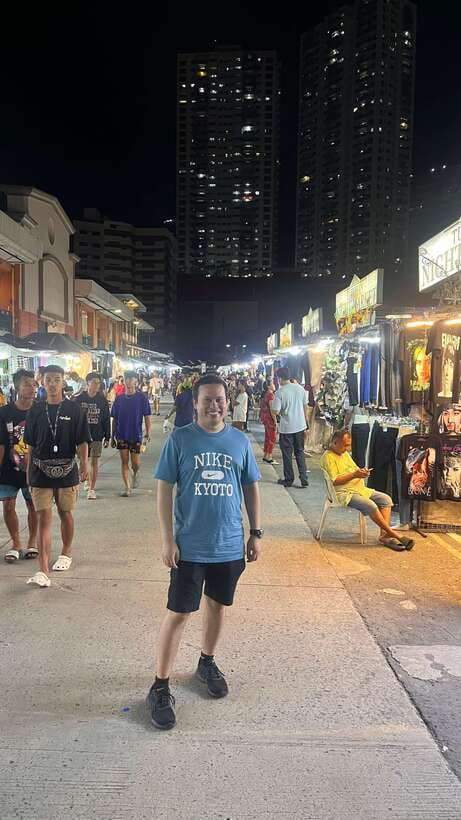
Tutuban Night Market is presented as a key stop. Vendors begin setting up after nearby malls close, and the market is known for its cleanliness and range of goods. You might find housewares, clothing, accessories, food stalls, and products sold at lower prices for bulk purchases.
The best bargain here may not be a single souvenir. Ask about the price for several pieces if you are buying gifts or basic clothing. The guide can explain how to negotiate without treating every conversation like a contest. A reasonable bargain leaves both sides comfortable.
You should not assume every item is automatically cheap or that the first price is unreasonable. Compare similar goods, check the quality, and decide what the item is worth to you. The lesson is less about forcing the lowest possible price and more about learning how local market transactions work.
This stop suits shoppers who enjoy browsing. You may find useful bags, shoes, jewelry, clothes, or household items, but the exact selection changes. Keep your purchases manageable because the tour continues on foot and by local transport.
Learning to bargain without being rude
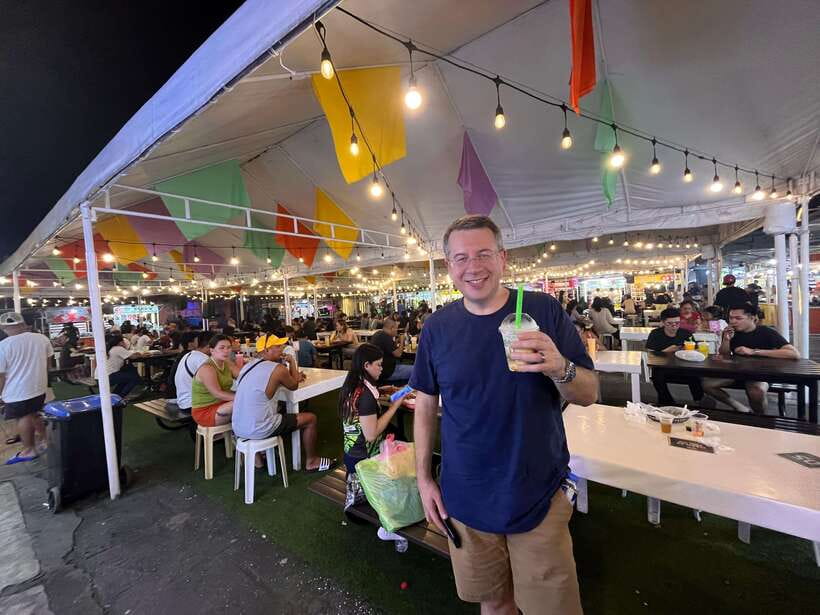
Bargaining can feel uncomfortable when you do not know the local custom. The guide helps turn it into a social exchange rather than an aggressive negotiation. You can watch how she approaches a stall, listen to the wording she uses, and then try it yourself.
A good approach is to show genuine interest, ask the price clearly, and make a fair counteroffer. If the seller declines, you can thank them and move on. That is especially important in a small market where the same vendors may be serving many people at once.
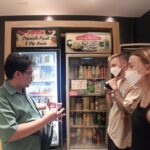
You will also learn how to order food and drinks. This is a practical skill because street stalls rarely operate like restaurants with menus and table service. The guide can help you identify what is available and explain how to order it.
The experience does not promise a formal lesson on Filipino history. It offers cultural context through food, transport, trade, and conversation. That distinction matters. You will learn about Manila by watching daily life unfold, not by following a long lecture about dates and buildings.
You can also read our reviews of more shopping tours in Manila
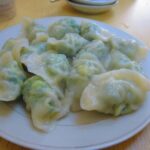
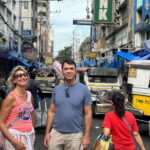
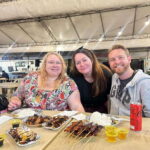

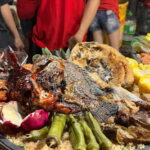
Street food for cautious and adventurous eaters
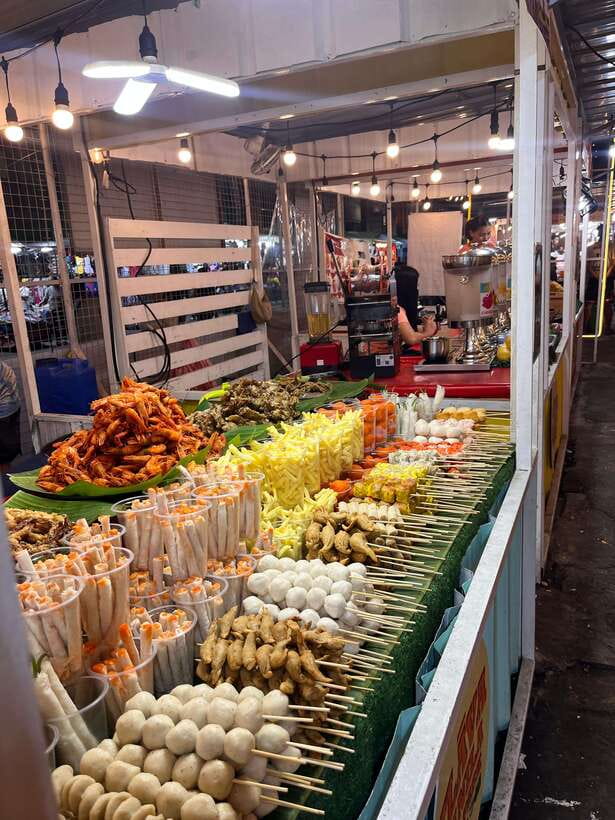
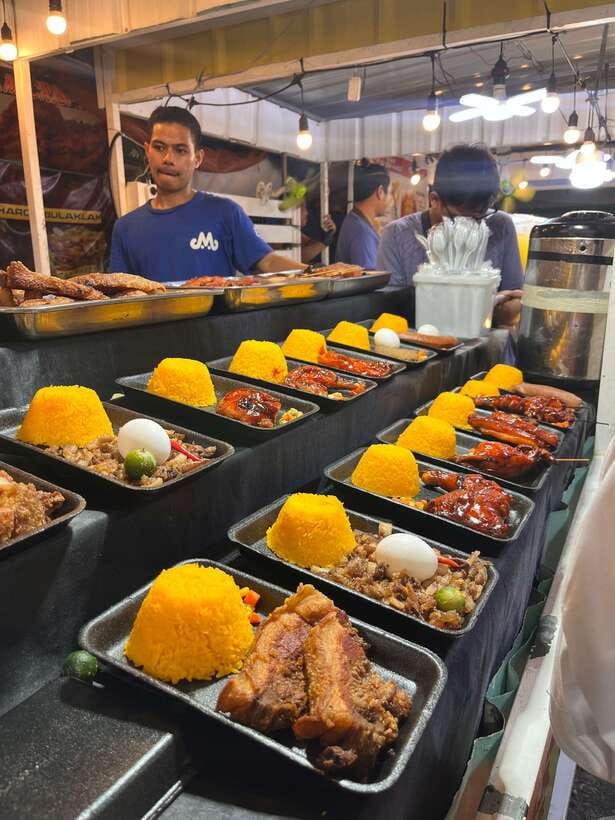
Food is one of the strongest reasons to choose this tour. The possible choices are broad, and you can decide how adventurous you want to be. The food is not included in the $54 price, so bring extra money if you want to sample several items.
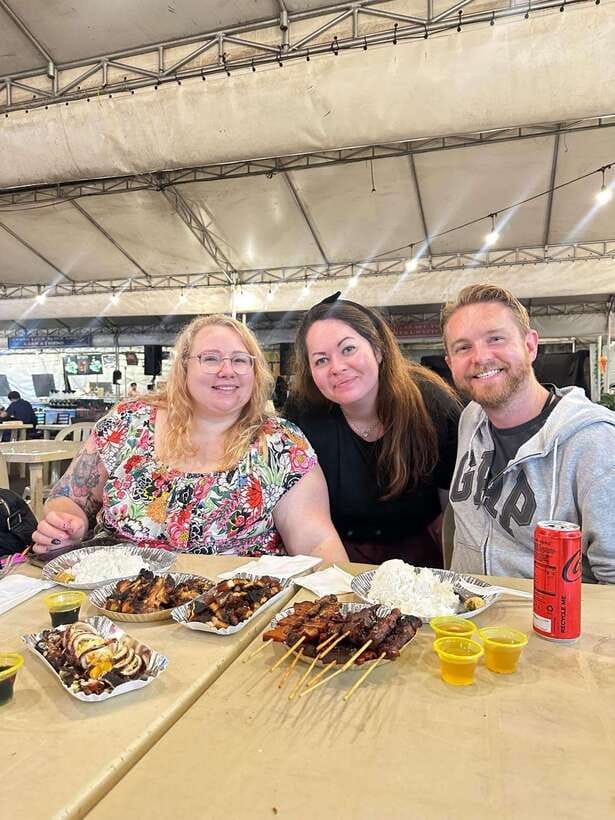
Possible tastes mentioned for the evening include:
- Bola-bola, fried skewered balls made with ingredients such as chicken or pork
- Balut, a fertilized duck egg
- Dynamite lumpia, stuffed chilies wrapped and fried
- Grilled chicken intestines
- Grilled pork blood
- Sisig
- Grilled dried squid
- Mango smoothie or mango overload
- Queso and ube ice cream
The guide can help you choose, but you are not required to try everything. If balut or grilled intestines are outside your comfort zone, you can stick with fruit, ice cream, lumpia, sisig, or a mango drink. The point is to taste Filipino food in the setting where people actually buy it.
One practical tip is worth remembering: if you order the mango overload, ask for less condensed milk if you prefer a lighter taste. Drink it slowly, too, since the cold dessert can cause brain freeze. Small advice like this makes the food stop more enjoyable than simply pointing at a stall and hoping for the best.
Food safety is a personal concern, and the tour description does not promise particular dietary, allergy, or hygiene arrangements. Tell the guide about any restrictions before ordering. Since food and drinks are extra, you stay in control of what you buy.
What Mari adds to the evening
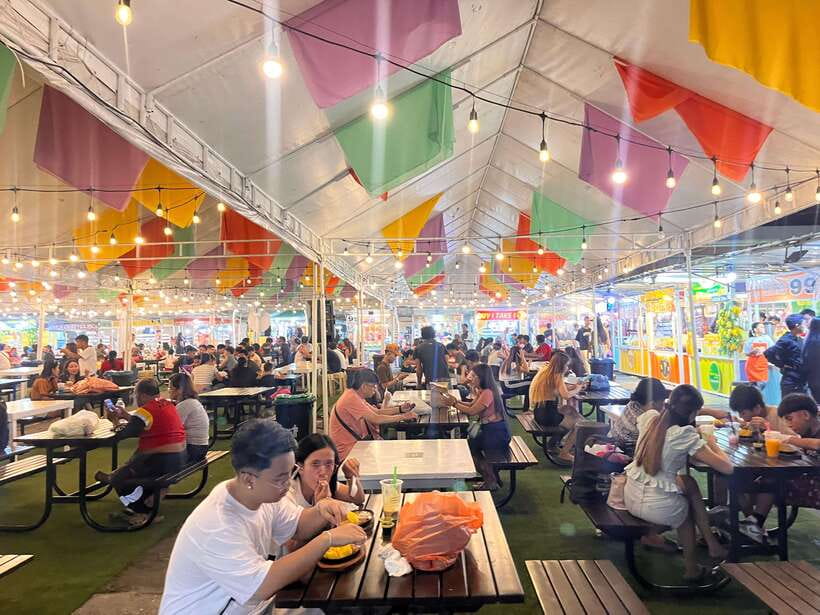
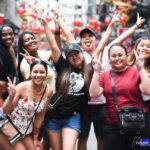
Mari is the person who shapes this experience. Her strongest qualities are warmth, humor, and care with guests moving through unfamiliar streets. She has been praised for taking photos, suggesting food, explaining transport, and helping people feel secure at night.
That personal attention is valuable in Manila. A new visitor may feel unsure about traffic, public transport, market lanes, or unfamiliar food. A guide who keeps the group together and explains what is happening can make the evening feel less stressful.
You also get a small photo souvenir service, with photos taken during the outing. This is a nice extra because you can enjoy the evening without constantly stopping to photograph yourself. It is not the main reason to book, but it adds a personal touch.
The tone appears friendly rather than academic. If you want a guide who speaks at length about architecture or colonial history, ask for more detail before booking. If you want someone to introduce you to food, transport, vendors, and local routines, Mari’s style seems well matched.
Ending at a Manila rooftop bar
The stated plan ends with a visit to one of Manila’s best rooftop bars. The bar’s name is not provided, and the price of any food or drink there is not included. Confirm whether the rooftop visit is part of the two-hour schedule and whether you are expected to pay for your own order.
This final stop can give the evening a change of mood. After market lanes, traffic, and food stalls, a rooftop setting offers a calmer place to finish. Still, do not book the tour mainly for a famous skyline or a long bar visit. The main experience is the market and street-food route.
The ending may also feel rushed if the group spends extra time shopping or sampling food. A two-hour tour can cover a lot, but it cannot provide a long stay at every stop. Keep your expectations realistic and ask the guide how the rooftop portion is handled that day.
Is $54 good value for two hours?
At $54 per person, the price is not simply paying for a walk through a market. It includes a local guide, bottled water, photos, walking, and jeepney and tuk-tuk transport. Food, drinks, and tips are extra.
The value depends on how much help you want. If you already know Manila well and are happy to find Divisoria by yourself, you could spend less by shopping independently. You would also lose the guide’s help with directions, food choices, language, and bargaining.
For a first evening in Manila, the price is easier to justify. You are paying for access and confidence as much as for the physical route. The small group limit of 10 also means the guide can answer questions and keep an eye on the group better than a large coach tour.
I would budget additional money for food and any purchases. Since the food list can tempt you into several small tastings, the advertised rate is only the starting cost for the night. Tips are not included, so plan for that separately if you feel the guide has served you well.
Who will enjoy this, and who will not?
This outing is a good match for you if you:
- Like markets more than formal attractions
- Want to sample Filipino street food
- Enjoy local buses, jeepneys, tuk-tuks, and other everyday transport
- Want help bargaining and ordering
- Prefer a small group
- Are curious about how Manila residents shop and eat
- Feel safer exploring unfamiliar streets with a guide
It may not suit you if you:
- Dislike crowds, traffic, or street food
- Want a quiet evening
- Prefer museums, churches, historic buildings, or a planned sightseeing lecture
- Have only two hours and want a detailed look at several major attractions
- Find shopping uninteresting
The one low rating gives a useful warning. A guest who wanted more regional or cultural discovery found the outing boring because it focused on shopping and commercial areas. That criticism is fair. The experience offers culture through daily life, food, and trade, but it is not designed as a traditional heritage tour.
Practical booking advice
The tour allows free cancellation up to 24 hours before departure for a full refund, and you can reserve now and pay later. Starting times depend on availability. The activity is offered in English and Tagalog.
Check your email, including the spam folder, after booking. If the confirmation does not arrive, contact the local partner. Leave accurate contact details so the guide can reach you, especially because the meeting point and the listed location need clarification.
Bring a small amount of spending money for food, drinks, shopping, and a possible rooftop-bar order. Wear comfortable shoes for walking, and keep valuables secure in the market. The tour includes a bottle of water, but that does not cover every refreshment you may want during the evening.
The overall rating is 4.7 from 12 reviews, with repeated praise for Mari’s friendliness, transport guidance, food suggestions, photos, and ability to help people feel comfortable in Manila at night. The strongest pattern is personal care, not sightseeing depth.
Should you book the Manila Night Market tour?
Book it if you want an informal, food-focused look at Manila’s working markets and you like having a friendly local guide at your side. Mari’s help with jeepneys, tuk-tuks, vendor conversations, street food, and photos adds real value for a first-time visitor.
Skip it if your idea of Manila is historic landmarks, museums, or a quiet evening. This is a commercial market outing, and one guest found exactly that focus too limited. Confirm the Nueva Vizcaya versus Manila location issue before paying, then book with the right expectation: two lively hours of shopping, eating, local transport, and everyday city life.
FAQ
Where does the Manila Night Market tour meet?
The meeting point is inside Grand Cafe 1919 in Binondo.
How long does the tour last?
The tour lasts two hours.
What areas does the tour visit?
The route focuses on Divisoria and Tutuban Night Market in Manila, with nearby streets and food stalls included.
Is transportation included?
Yes. A jeepney and tuk-tuk experience are included in the price, along with walking.
Is food included in the tour price?
No. Food and drinks are not included, so you pay separately for anything you order.
What foods might I try?
Possible choices include bola-bola, balut, dynamite lumpia, grilled chicken intestines, grilled pork blood, sisig, grilled dried squid, mango drinks, queso ice cream, and ube ice cream.
Who leads the tour?
The tour is led by a local guide who speaks English and Tagalog. Mari is the guide praised in the supplied tour information.
How many people can join?
The tour is a small-group experience limited to 10 participants.
Can I cancel the booking?
Yes. You can cancel up to 24 hours in advance for a full refund. You can also reserve now and pay later.