
Manila Street food and Night Market Tour
Manila tastes better after dark. This two-hour food walk links Tutuban Night Market and Divisoria with Binondo Chinatown, then finishes beside the Pasig River. I like the mix of quick Filipino bites and ordinary city life, and I especially like that guides Floyd and Venus help you order and move through the busy streets. The main catch is the pace: four stops in two hours leave little time for lingering.
I also like the included tuk-tuk or jeepney rides, which add a distinctly Manila touch without turning the tour into a simple vehicle outing. You should come open-minded about food, bring comfortable walking shoes, and tell the operator about allergies before starting. The published details also give several Manila meeting and finishing points, so confirm the exact route with V.S Tour Services before you go.
In This Review
- Five things that define this Manila food walk
- Why this two-hour tour works
- Starting at Tutuban Center and the night market
- Ilaya Street and Divisoria’s everyday commerce
- Binondo for Chinese-Filipino flavor
- The tuk-tuk or jeepney connection
- Pasig Esplanade and the city-light finish
- What $68 gets you
- Who will enjoy it most
- Practical details before you book
- Should you book this Manila street-food tour?
- FAQ
- Where does the Manila street-food tour start?
- Where does the tour finish?
- How long does the tour last?
- How much does the experience cost?
- Which foods might I try?
- Is transportation included?
- Is the tour conducted in English?
- Who may guide the tour?
- Can I cancel for a full refund?
- Do I need to pay when I reserve?
- Should I report food allergies?
- Is this a walking tour?
Five things that define this Manila food walk
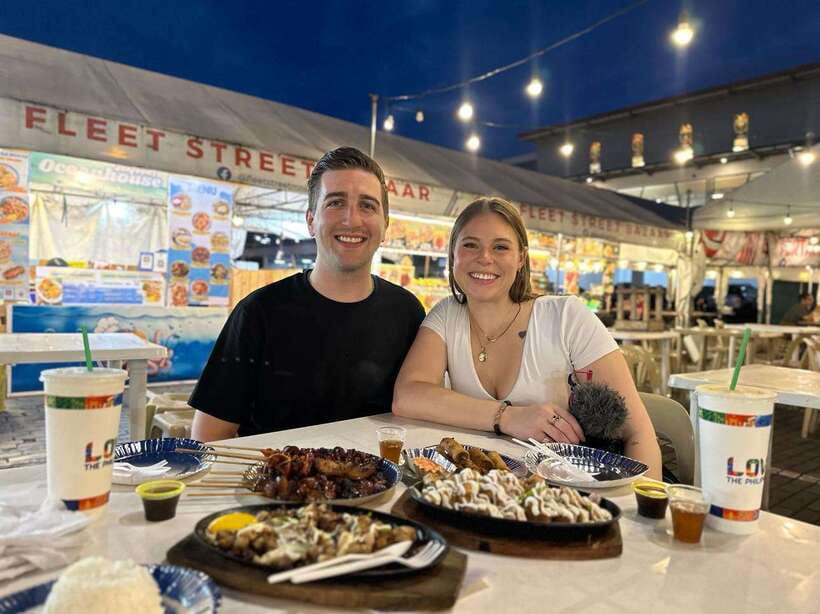
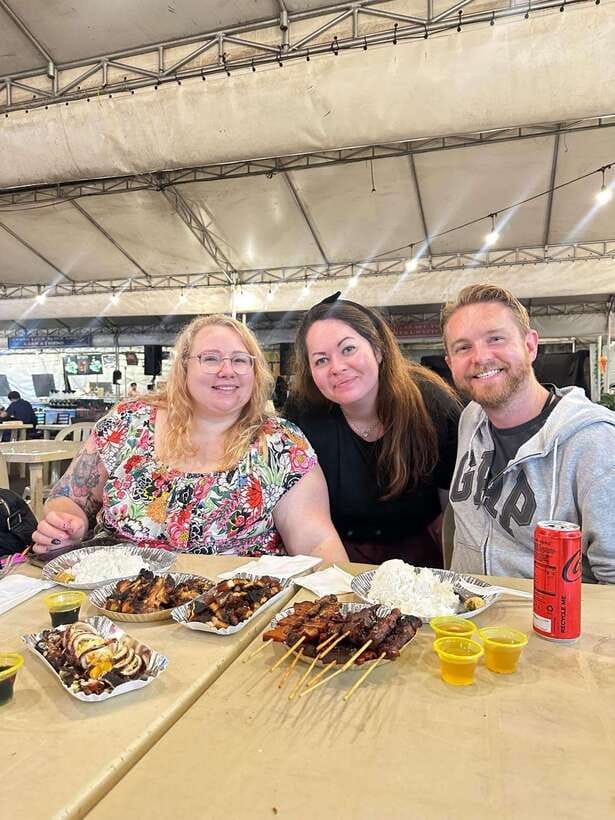
- Isaw, balut, and kwek-kwek at Tutuban: Start with some of the Philippines’ best-known street snacks, served in a market setting rather than a polished restaurant.
- Ugbo Market and Divisoria street life: See the commercial heart of Manila, with cheap goods, food stalls, and plenty of local movement.
- Food guidance from Floyd or Venus: The guide helps explain unfamiliar dishes and shows you how to order in a less awkward way.
- Binondo’s Chinese-Filipino flavors: Add siopao, dumplings, and bakery treats to the Filipino street-food lineup.
- Pasig Esplanade after dark: End with riverside views and city lights, a calmer finish after the market noise.
- Short, flexible booking: The tour costs $68 per person, lasts two hours, and allows cancellation up to 24 hours before departure.
Why this two-hour tour works
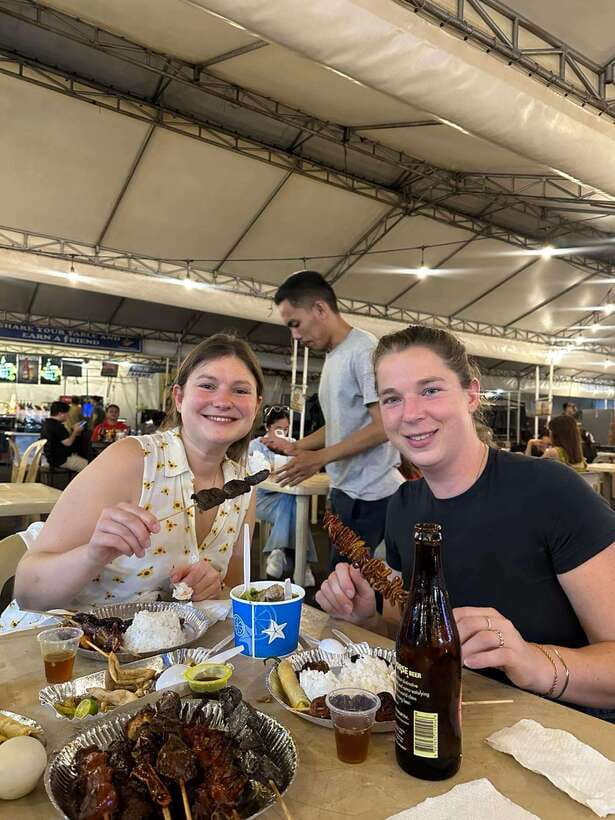
This is not a sit-down food tour with long restaurant stops. It is a compact walking route through working market districts, with small tastings along the way. That difference matters. You are paying for a guide, local food choices, city orientation, short rides, and help navigating places that can feel confusing on your own.
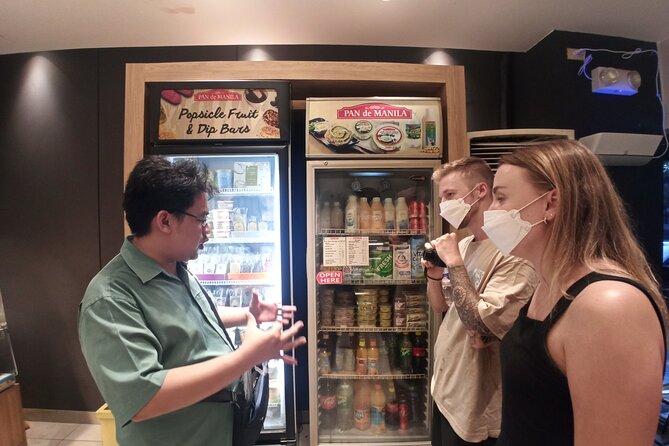
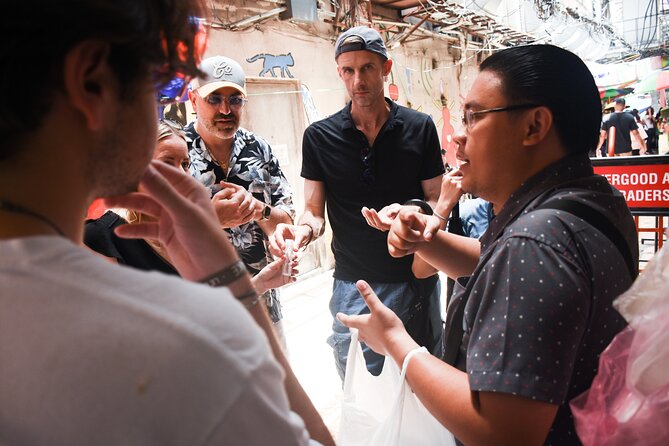
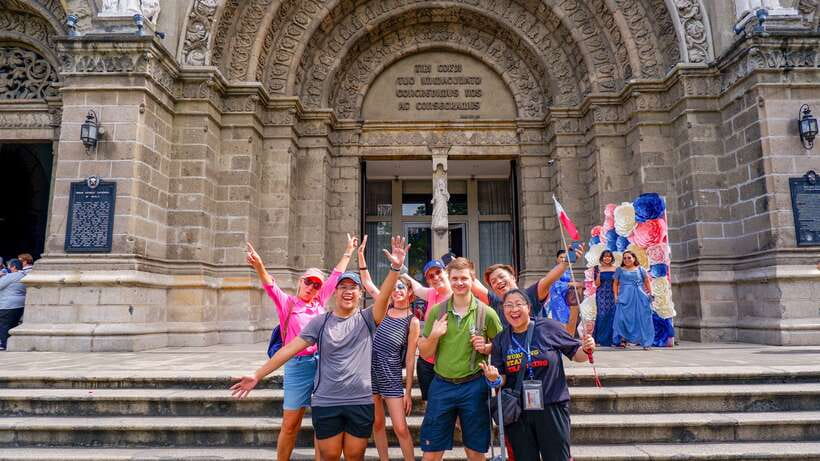
The strongest part is the human guide service. Floyd is praised for his patience, humor, care, and ability to keep the evening moving. Venus is described as warm, professional, and easy to be around. Jenny has also led the experience, giving useful explanations of Manila’s food and neighborhoods. Since the assigned guide can vary, you should treat Floyd and Venus as examples of the team rather than a guaranteed pairing.
The tour also suits a first evening in Manila. You get a quick sense of street food, shopping districts, Chinatown, public transport, and riverside Manila without committing half a day. If you are in the city during a long layover, the two-hour length may be especially useful, though you still need to allow plenty of time for Manila traffic before and after the activity.
The tradeoff is speed. The stated stops total two hours: 30 minutes at Tutuban, 20 minutes on Ilaya Street, 40 minutes in Binondo, and 30 minutes at Pasig Esplanade. Add walking and rides, and each food stop must stay fairly focused. You will sample and move on, not eat your way through every stall.
You can also read our reviews of more shopping tours in Manila

Starting at Tutuban Center and the night market
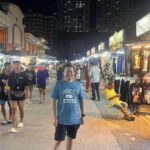
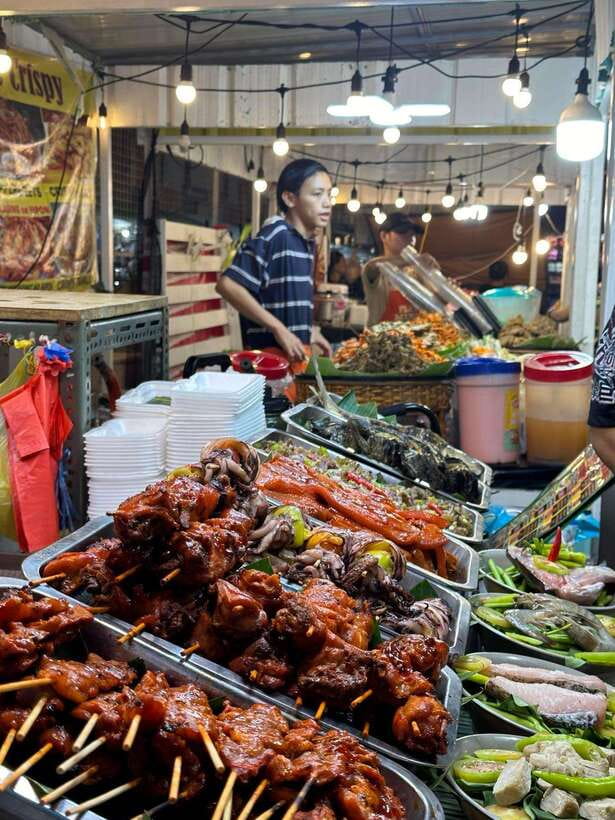
The meeting point is listed around Bonifacio Monument and Tutuban Center Mall. Once the group is together, the first stop is Tutuban Night Market, where the tour sets the tone with street food and close-up market scenes.
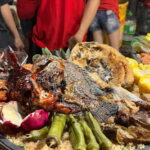
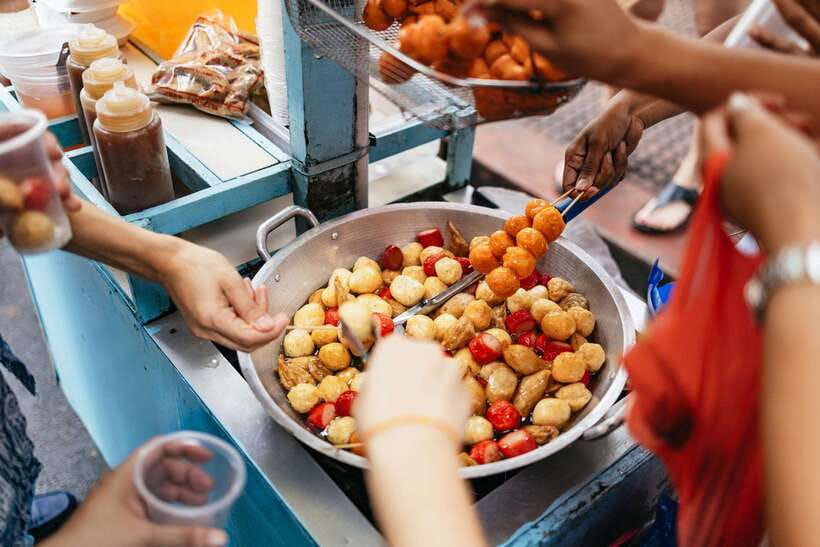
You might encounter isaw, which is grilled intestine served as a snack, along with balut, a fertilized duck egg, and kwek-kwek, battered quail eggs with sauce. These foods can sound challenging if you have not tried them before. A good guide makes the difference by explaining what you are ordering and helping you decide how adventurous you want to be.
This is one of the tour’s best uses of a local guide. You are not left pointing at a stall and hoping for the best. You learn how to order, what sauces or toppings may go with a snack, and how Filipino food fits into everyday life.
The market itself is part of the meal. Tutuban brings noise, crowds, cooking smells, and rows of inexpensive goods. The atmosphere may feel crowded and disorganized, especially if you prefer quiet tasting rooms. That is precisely why the guide matters, but you should be comfortable walking close to other people and keeping track of your belongings.
Thirty minutes goes quickly here. If one snack catches your attention, you may have to choose between eating slowly and keeping up with the route. I would arrive hungry but not starved, since the food comes in small portions and the next stops add more choices.
Ilaya Street and Divisoria’s everyday commerce
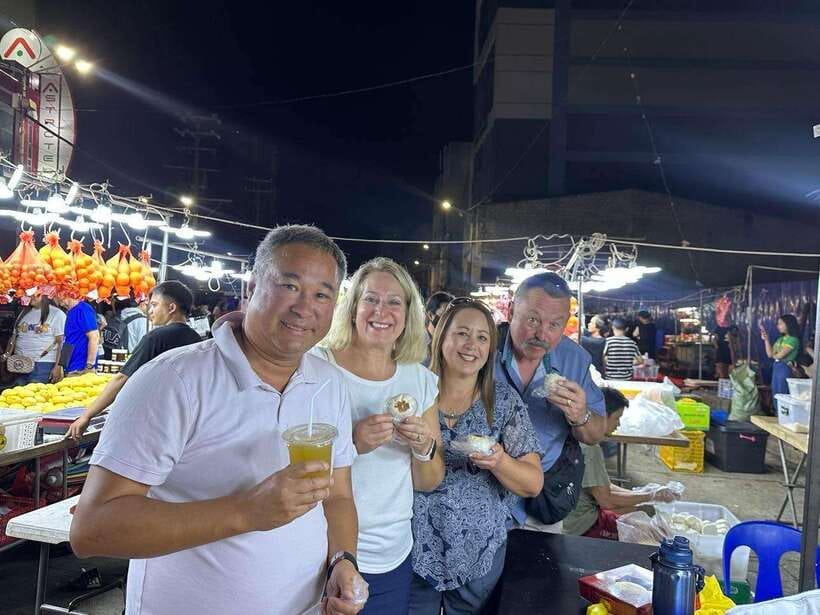
The tour then moves to Ilaya Street in Divisoria for about 20 minutes. This is less about a single famous dish and more about seeing how Manila’s market districts function.
Stalls sell affordable goods, and the street has a practical, working feel. You can browse colorful displays while trying items such as taho and banana cue. Taho is soft silken tofu with sweet syrup, while banana cue is banana coated in caramelized sugar and fried. Together, they show two very different sides of Filipino snack culture, one soft and spoonable, the other hot, sweet, and handheld.
Ilaya Street helps place the food in context. Manila street snacks are not just special treats for tourists. They are quick, inexpensive foods eaten during errands, workdays, and commutes. The guide can connect what you taste with the market around you, which makes this stop more useful than a checklist of dishes.
The short time here is both a strength and a weakness. You get a clear sample of Divisoria without spending too long in one shopping zone, but you will not have much time to shop or inspect every stall. If you are mainly interested in bargains and goods rather than food, consider returning on another day with more time.
Binondo for Chinese-Filipino flavor
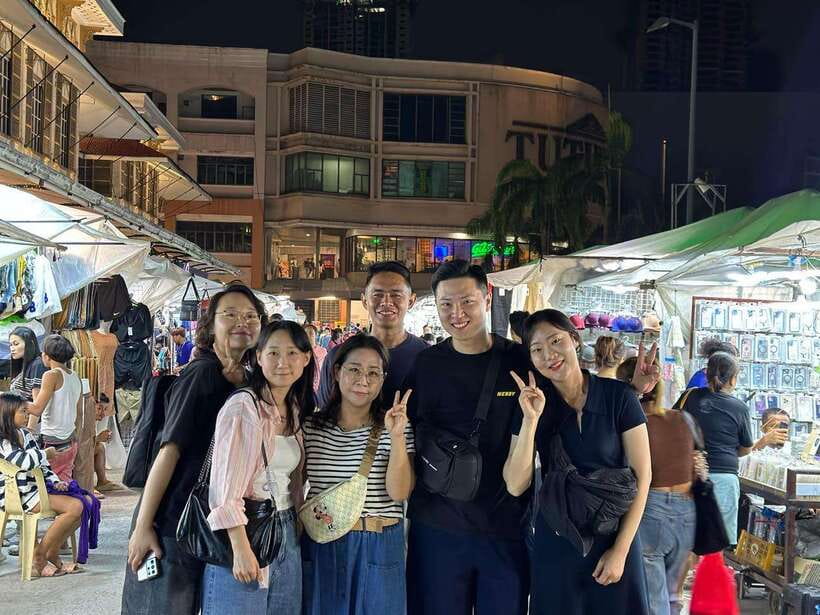
Binondo Chinatown receives the longest stop, about 40 minutes, and it adds needed variety to the route. After Filipino market snacks, you move toward Chinese-Filipino food traditions and bakery fare.
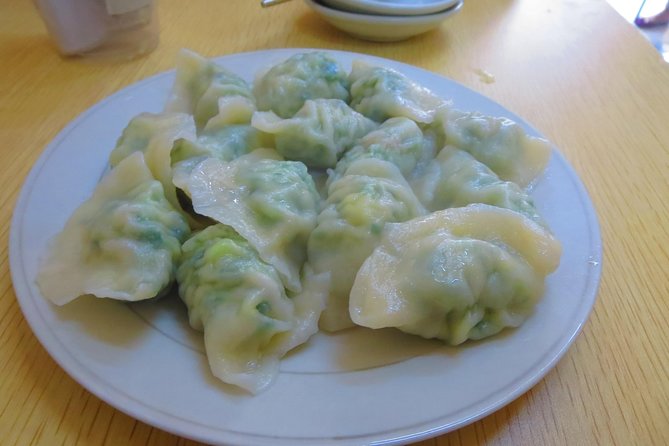
Possible tastings include siopao, steamed buns filled with savory meat, and dumplings. You may also stop at a bakery for another small treat. The point is not to eat a full Chinese meal. It is to show how Manila’s food culture has been shaped by different communities and neighborhood traditions.
This stop should appeal to anyone who wants more than novelty snacks. Binondo offers a useful contrast to Tutuban and Divisoria. The food changes, the streets change, and the guide can explain how the area fits into Manila’s story without turning the walk into a lecture.
Forty minutes gives Binondo room to breathe, though it is still a quick visit. You may have time for several tastings, a short look around, and questions for your guide. If you have dietary restrictions, speak up before ordering. Dumplings and buns can contain meat or other ingredients you may need to avoid, and the operator specifically asks you to report allergies.
The feedback about this section is particularly encouraging in practical terms. Floyd is praised for steering people through busy streets while keeping them comfortable and safe. That is important in a district where the pleasure comes partly from wandering, but where a first-time visitor may not know which turn or stall makes sense.
The tuk-tuk or jeepney connection
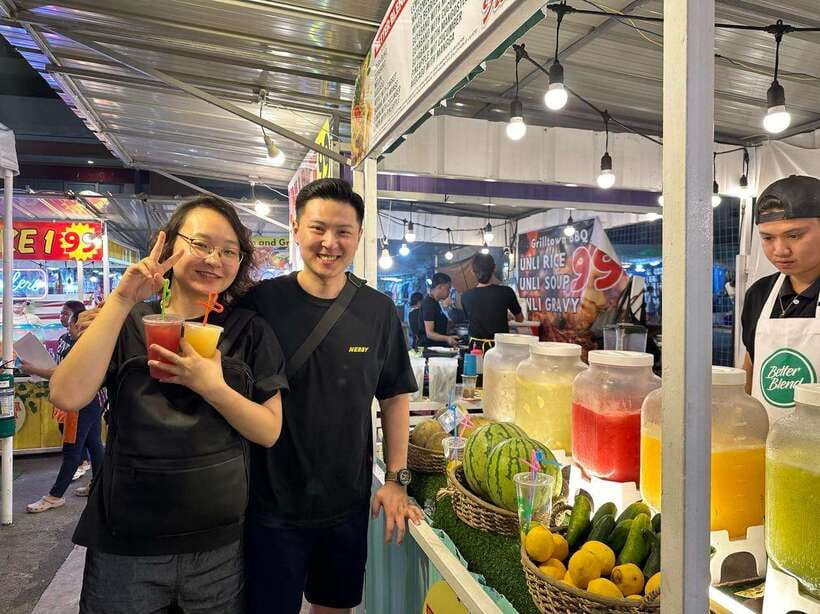
Transportation is part of the charm here. A tuk-tuk ride or jeepney ride is included, depending on the route and arrangements. These short transfers keep the tour from becoming two straight hours on foot and add a small taste of local transport.
Do not expect a private sightseeing vehicle or a long scenic drive. The ride is a practical link between parts of the route. Still, it can be one of the most memorable details because it gives you a direct, ordinary way to move through Manila.
The tours have also been praised for including both kickshaw-style rides and jeepneys. The supplied information formally names a tuktuk or jeepney, so ask what is planned for your departure. If you dislike cramped rides or have mobility concerns, clarify this in advance.
The walking remains important. This is not an experience where you sit back while the city passes by. Wear shoes you can use comfortably on crowded streets, and keep your hands free for food, photos, and the occasional ride.
A few more Manila tours and experiences worth a look

Pasig Esplanade and the city-light finish
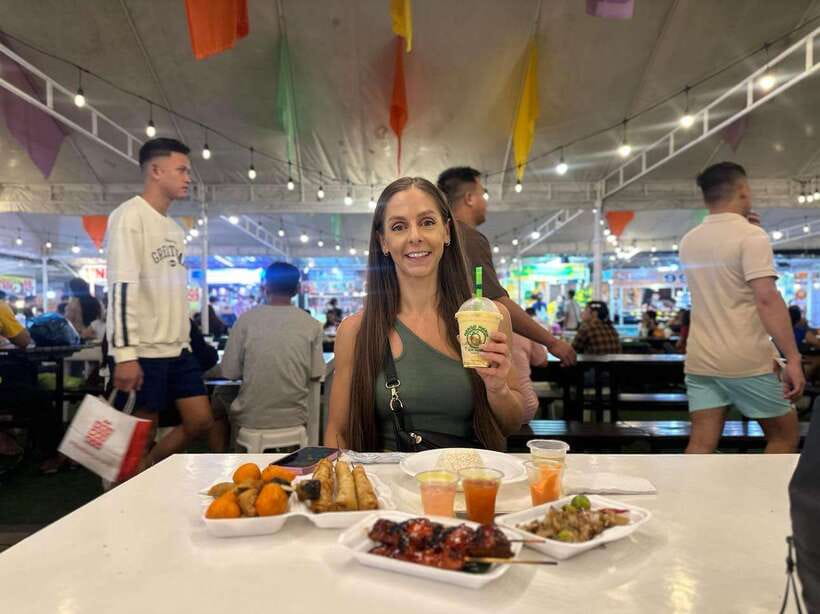
The final 30 minutes are set aside for Pasig Esplanade, where the market noise gives way to a riverside view. You can take a final stroll, enjoy a light snack, and watch the city lights beside the water.
This ending is well judged. A food walk that finishes in another crowded lane can leave you feeling rushed. The esplanade gives you a chance to slow down and talk with the guide about what you have seen and eaten.
It is also a useful reminder that Manila is not only markets and traffic. The riverside stop offers a different mood without requiring a separate evening activity. Do not expect a major attraction visit or a long river cruise. The appeal is the brief change of pace after Tutuban, Divisoria, and Binondo.
There is one practical point to confirm. The activity description names Pasig Esplanade as the final sightseeing stop, while the itinerary lists Manila City Hall as the finish. Those places are not presented as the same point in the supplied details. Ask V.S Tour Services where you will actually finish, especially if you have a dinner reservation or a late transfer afterward.
What $68 gets you
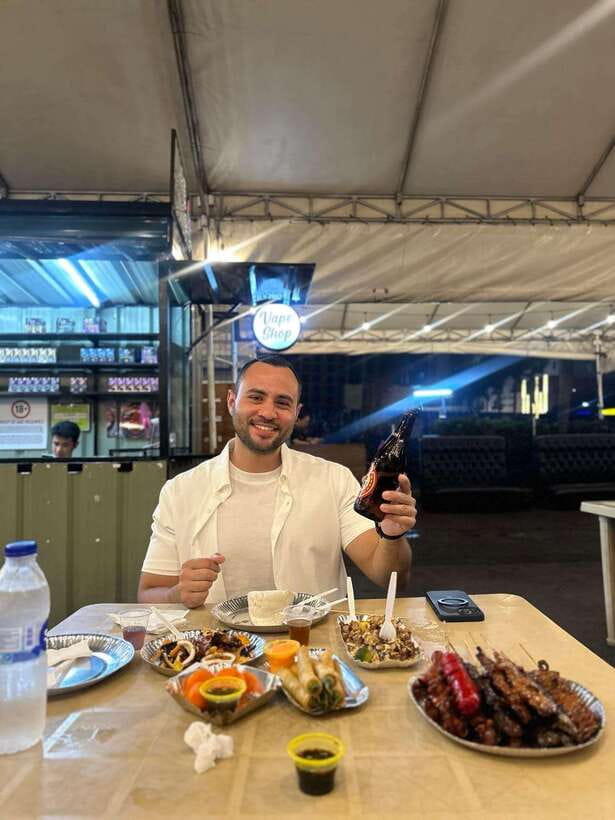
At $68 per person, this is not the cheapest way to buy street food in Manila. You could spend much less by choosing snacks yourself. The value comes from the guide and the structure: someone selects stops, explains food, helps with ordering, leads you through market streets, and handles the movement between neighborhoods.
The included photography is another small benefit, particularly for solo visitors. One solo participant found the experience reassuring and enjoyed having Floyd introduce unfamiliar foods at a comfortable pace. If you are traveling alone, a guided food walk can also make the first night feel less uncertain.
The value is strongest for first-time visitors, short-stay visitors, and people who want cultural context with their food. It is weaker for experienced Manila visitors who already know Tutuban, Divisoria, Binondo, and Pasig Esplanade. It is also less suitable if you want a long, relaxed meal or the freedom to stop and shop whenever you wish.
Because the tour costs a fixed amount, the number of samples may vary with the group, timing, and food preferences. Think of the price as covering access and guidance rather than a large quantity of food. Eat a light meal beforehand if you need substantial portions, but leave room for several tastings.
Who will enjoy it most
I would recommend this for an adventurous eater who wants a quick introduction to Manila. You should be willing to try unfamiliar textures and flavors, though you do not need to accept every dish. The guide can help you make choices, but the experience works best when you approach it with curiosity.
It is also a good fit for solo visitors. Floyd’s patience and friendly manner have helped solo participants feel safe and at ease, and the photography can be useful when you want a record of the evening. Couples and small groups should also find the format easy to share.
This is not the best pick for a very selective eater. Balut, isaw, and other street foods are central to the experience, and you may feel that you are paying for dishes you do not intend to try. Tell the guide about allergies before the tour, not after food has been ordered.
The tour may work for older children who are comfortable walking and trying new foods, but the provided details do not give a minimum age or specific accessibility information. Ask the operator directly if those details matter to your group.
Practical details before you book
The experience is conducted in English and is led by Floyd or Venus, with Jenny also having guided some departures. Contact is listed through WhatsApp at 09980864564. Confirm the exact meeting point, since the information refers to Bonifacio Monument and Tutuban Center Mall.
The location is described as Nueva Vizcaya in one place, while every named stop is in Manila. That appears inconsistent, so verify the departure city before paying. This is a small but important step, especially if you are booking from outside Manila.
The activity allows free cancellation up to 24 hours before departure, and you can reserve now and pay later. Starting times vary, so check availability for your date. Since the tour operates at night and includes several busy areas, arrive on time and keep valuables secure.
Food allergies should be reported in advance. The operator describes this as a walking and food-tasting activity, so plan for movement rather than a formal dinner. The tour is only two hours, but traffic can make getting to the starting point more time-consuming than the activity itself.
Should you book this Manila street-food tour?
Book it if you want a guided first look at Manila’s food stalls, market districts, Binondo flavors, and local transport in one compact evening. The strongest reasons are the guides, the help with unfamiliar dishes, the mix of neighborhoods, and the calm finish at Pasig Esplanade.
Skip it if you are a picky eater, need a slow meal, or already know these districts well. At $68, the price makes sense when you value orientation, company, photos, and local explanations. Before booking, confirm the Manila meeting point, the actual end point, the food plan for allergies, and the exact guide assigned.
FAQ
Where does the Manila street-food tour start?
The starting location is Tutuban Center. The meeting information also refers to Bonifacio Monument and Tutuban Center Mall, so confirm the precise meeting spot with V.S Tour Services.
Where does the tour finish?
The route describes Pasig Esplanade as the final stop, while the itinerary lists Manila City Hall as the finish. Contact the operator to confirm the exact end point for your departure.
How long does the tour last?
The tour lasts two hours.
How much does the experience cost?
The price is $68 per person.
Which foods might I try?
Possible tastings include isaw, balut, kwek-kwek, taho, banana cue, siopao, and dumplings. The exact food selection can depend on the stops and your dietary needs.
Is transportation included?
Yes. A tuktuk ride or jeepney ride is included.
Is the tour conducted in English?
Yes. The tour has an English-speaking live guide.
Who may guide the tour?
The listed guides are Floyd or Venus. Jenny has also guided some departures.
Can I cancel for a full refund?
Yes. You can cancel up to 24 hours in advance for a full refund.
Do I need to pay when I reserve?
No. The reserve-now, pay-later option lets you book without paying immediately.
Should I report food allergies?
Yes. The operator asks you to provide allergy information because this is a food-tasting activity.
Is this a walking tour?
Yes. Walking is a central part of the experience, with a tuktuk or jeepney ride included along the route.
More Shopping Tours in Manila
More Tours in Manila


More Tour Reviews in Manila

Not for you? Here's more nearby things to do in Manila we have reviewed





Food Tours: how the alternatives stack up


The lists this tour appears in